
BIPOLAR DISORDER Dr Anil Kakunje Associate Professor Dept
BIPOLAR DISORDER Dr Anil Kakunje Associate Professor Dept of Psychiatry
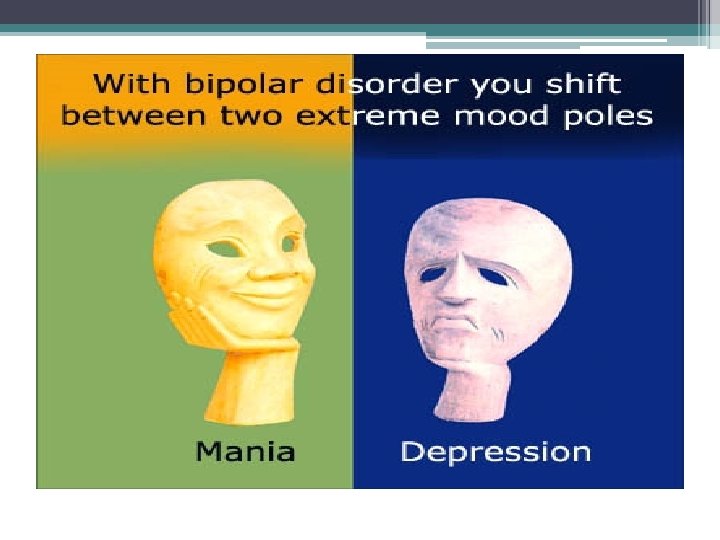
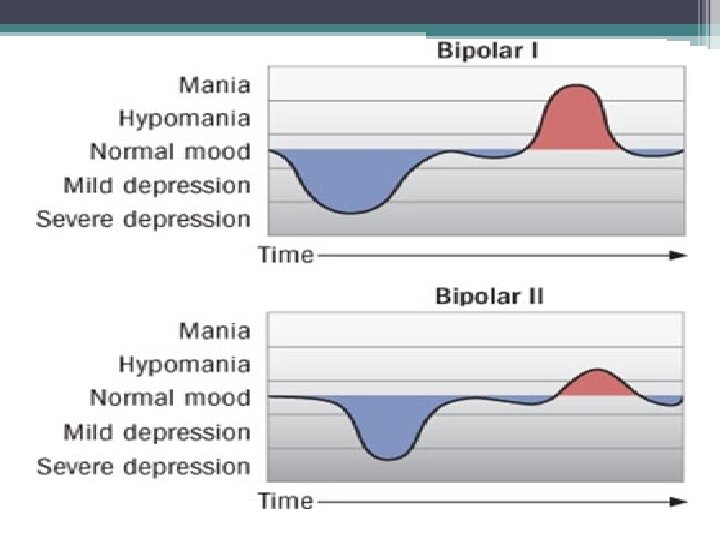
• Earlier called as Manic depressive psychosis • Bi means two • Polar is two extremes
Manic episode • Life time risk is 0. 8 - 1% • Each episode lasts about 3 -4 months • Mood elevation passes through 4 stages üEuphoria üElation üExaltation üEcstacy
Symptoms • • Elevated/irritable mood Increased psychomotor activity Increased speech Increased goal directed activity Decreased need for sleep Distractible, disinhibited, impulsive Increased sexual activity Expansive, grandiose ideations
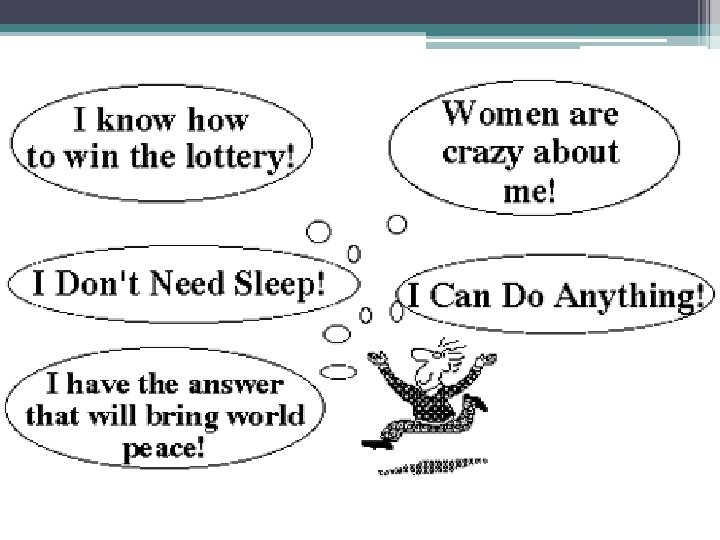

Case examples
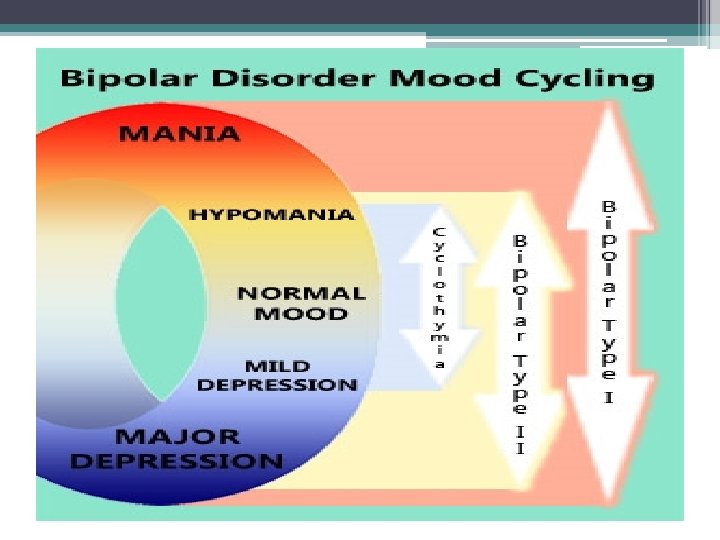
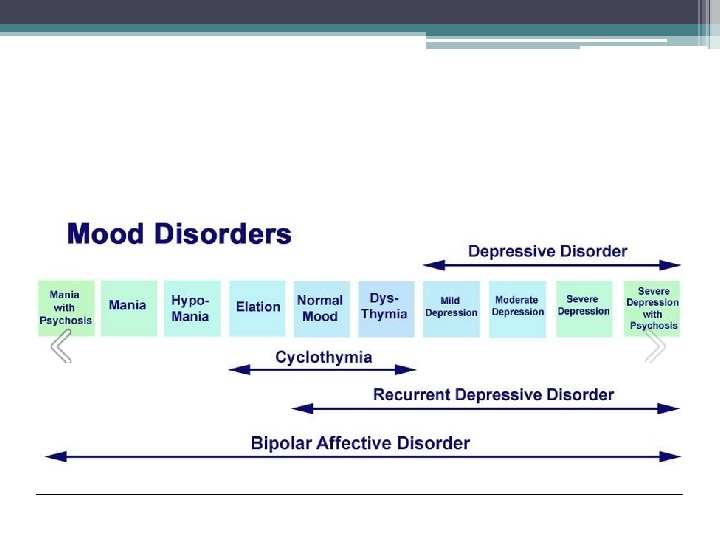
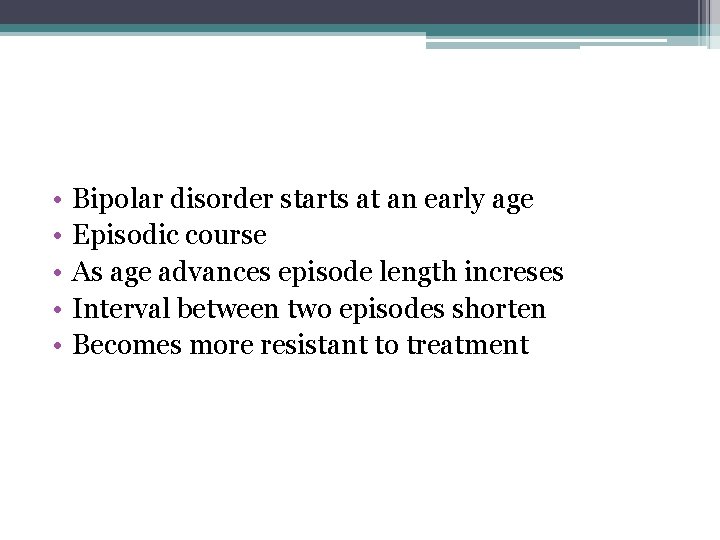
• • • Bipolar disorder starts at an early age Episodic course As age advances episode length increses Interval between two episodes shorten Becomes more resistant to treatment
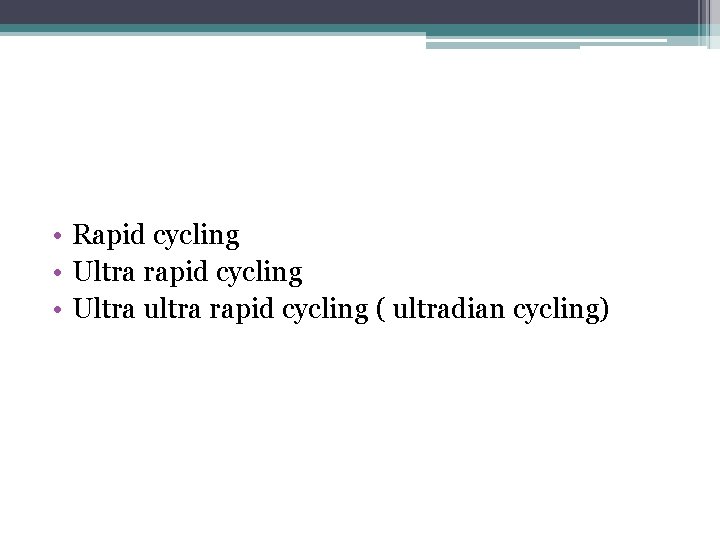
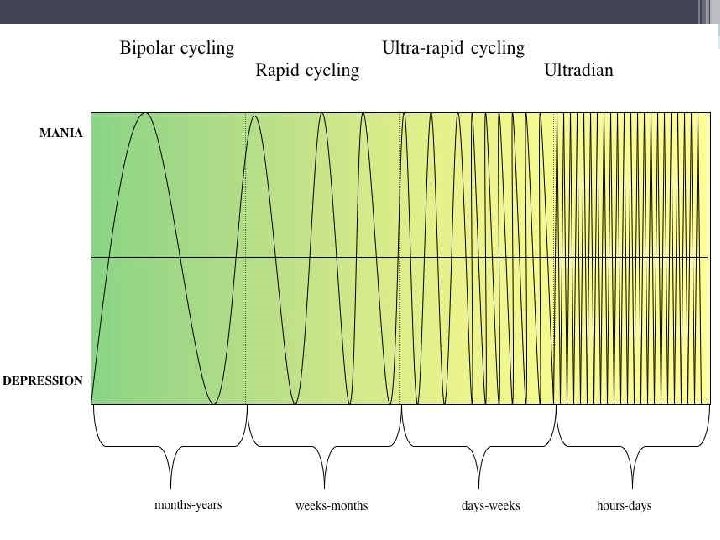
• Rapid cycling • Ultra rapid cycling • Ultra ultra rapid cycling ( ultradian cycling)
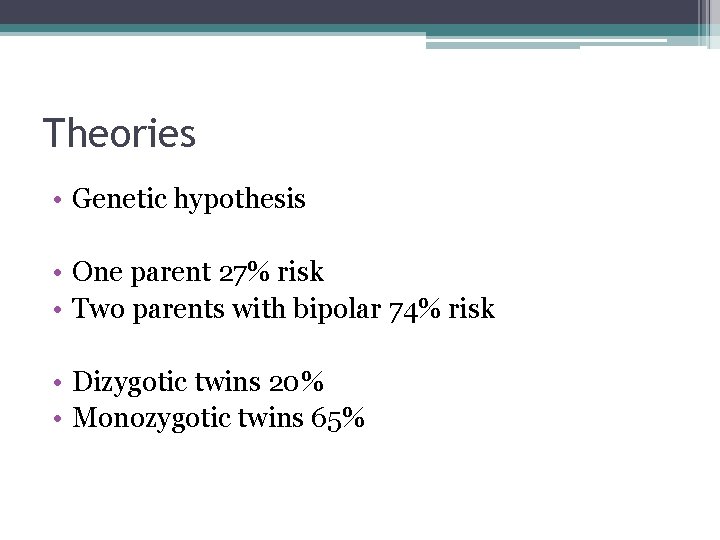
Theories • Genetic hypothesis • One parent 27% risk • Two parents with bipolar 74% risk • Dizygotic twins 20% • Monozygotic twins 65%
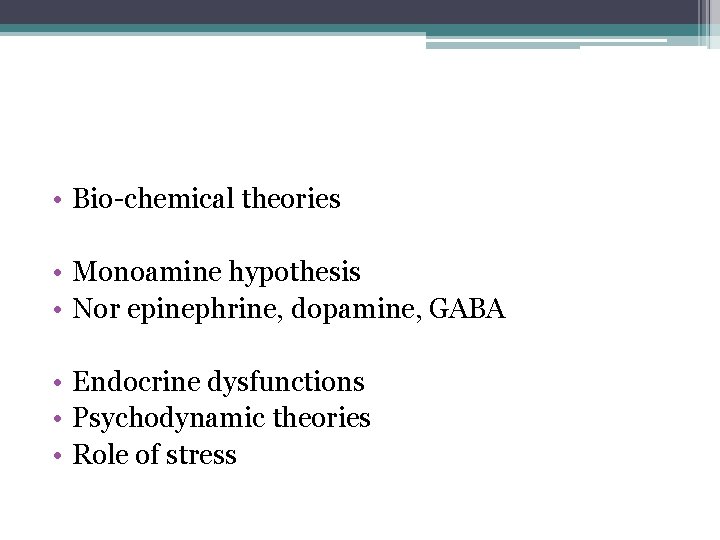
• Bio-chemical theories • Monoamine hypothesis • Nor epinephrine, dopamine, GABA • Endocrine dysfunctions • Psychodynamic theories • Role of stress

Vincent Van Gogh’s paintings

Treatment • Acute treatment • Continuation treatment • Maintenance treatment
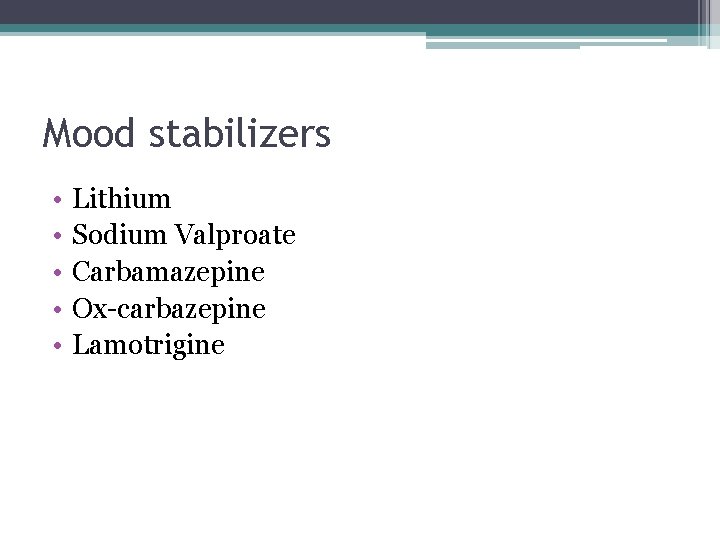
Mood stabilizers • • • Lithium Sodium Valproate Carbamazepine Ox-carbazepine Lamotrigine
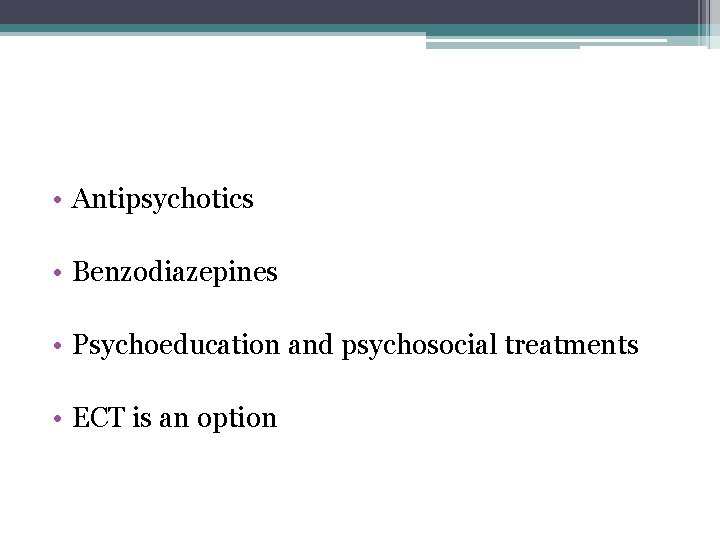
• Antipsychotics • Benzodiazepines • Psychoeducation and psychosocial treatments • ECT is an option

- Slides: 20