
Biotransformations and fermentations for the production of amino
Biotransformations and fermentations for the production of amino acids &, antibiotics
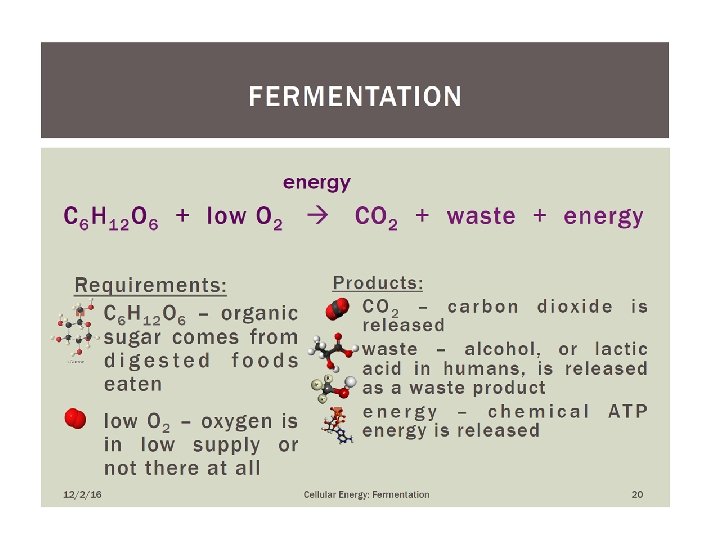
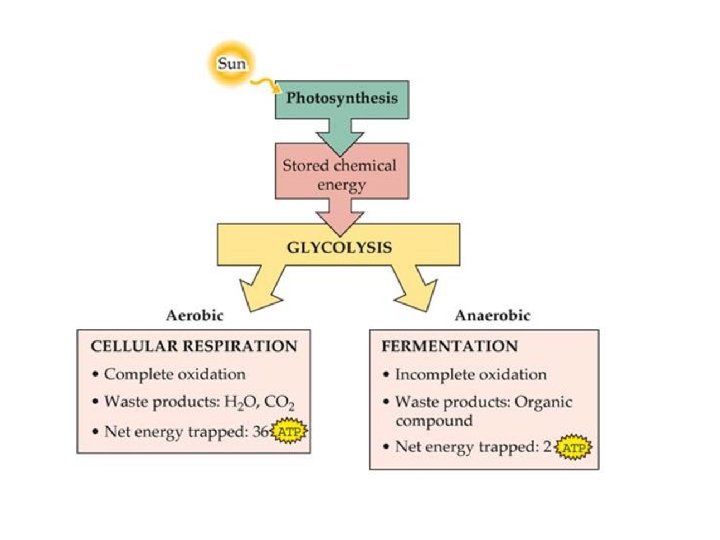
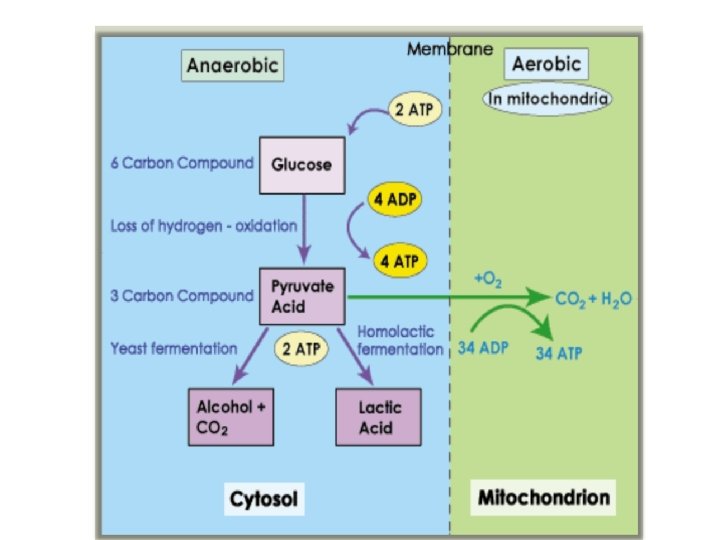
KEY CONCEPT Fermentation allows the production of a small amount of ATP without O 2
Biotransformations vs fermentations
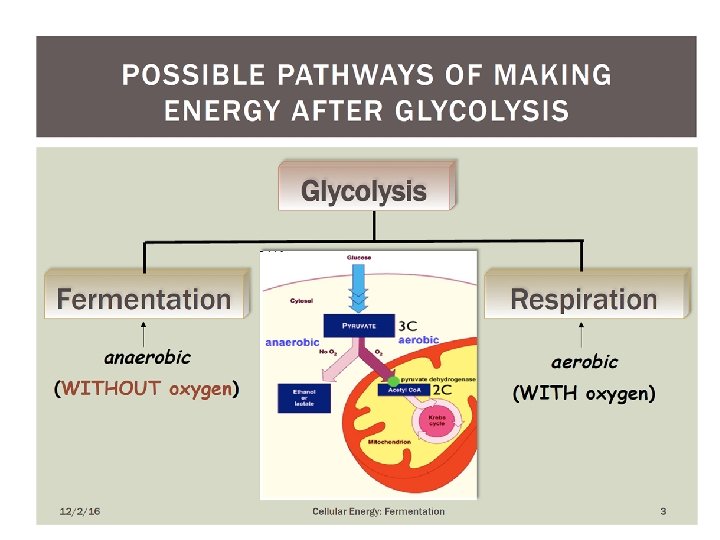
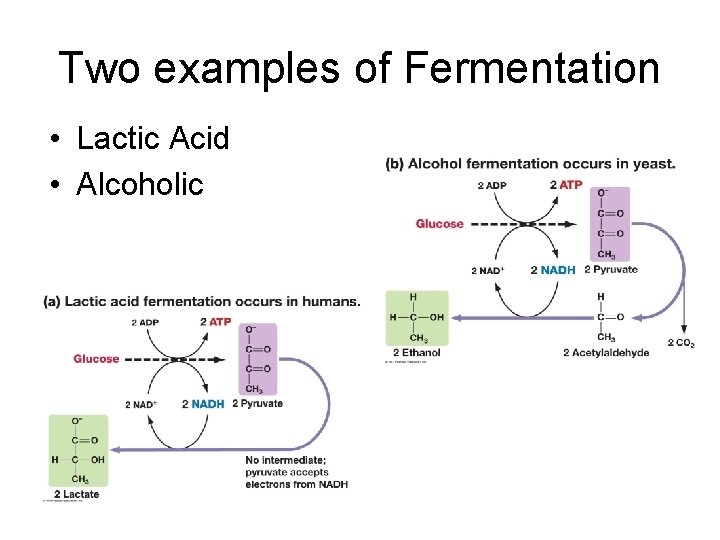
Two examples of Fermentation • Lactic Acid • Alcoholic
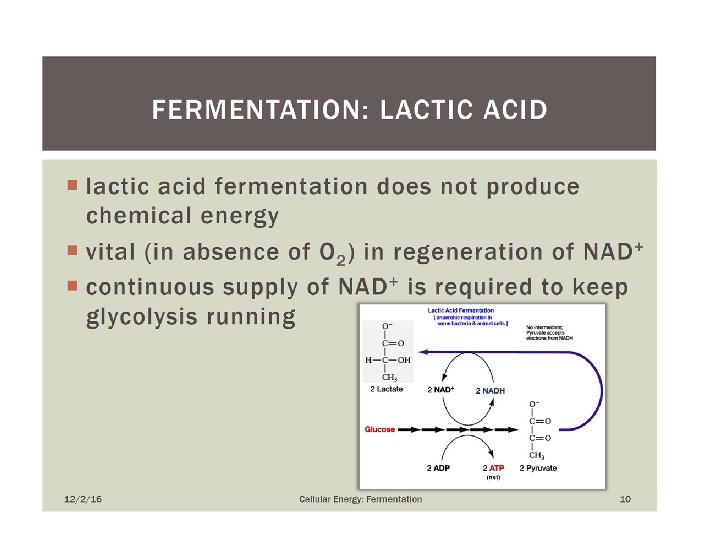
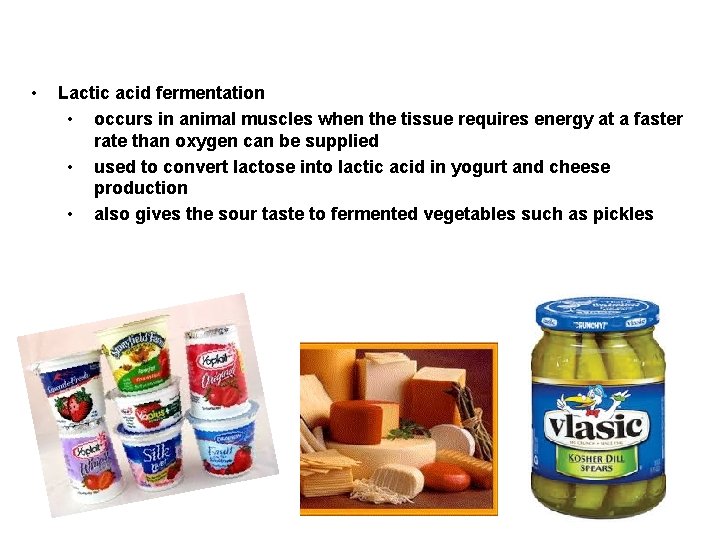
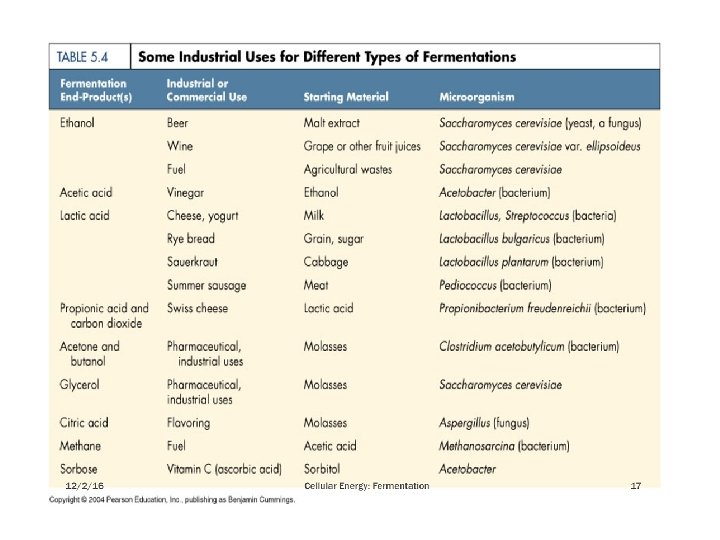
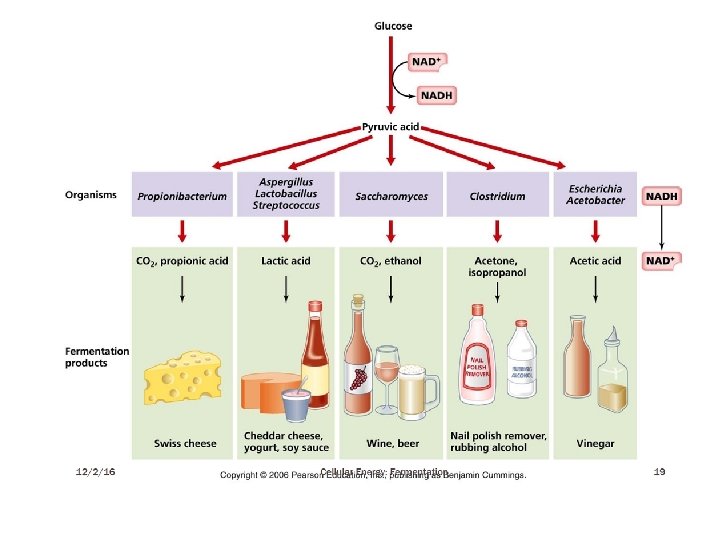
• Lactic acid fermentation • occurs in animal muscles when the tissue requires energy at a faster rate than oxygen can be supplied • used to convert lactose into lactic acid in yogurt and cheese production • also gives the sour taste to fermented vegetables such as pickles
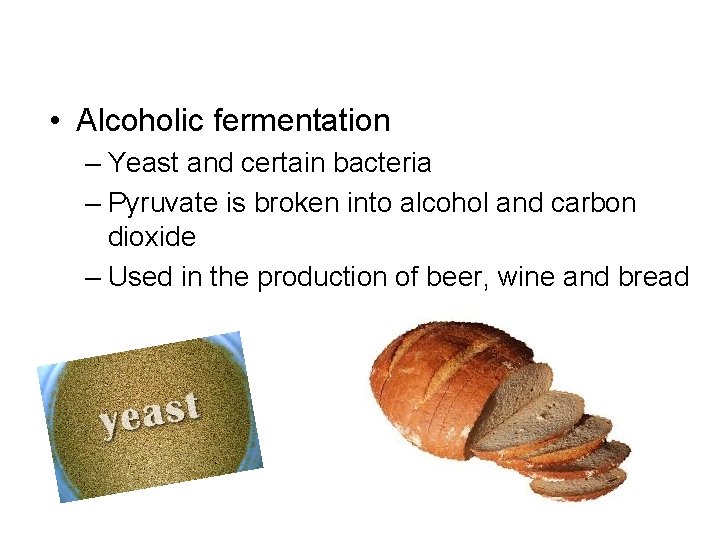
• Alcoholic fermentation – Yeast and certain bacteria – Pyruvate is broken into alcohol and carbon dioxide – Used in the production of beer, wine and bread
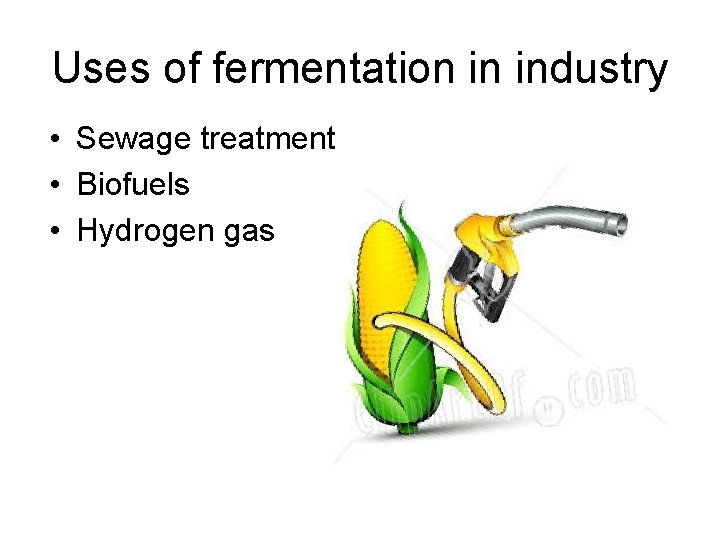
Uses of fermentation in industry • Sewage treatment • Biofuels • Hydrogen gas
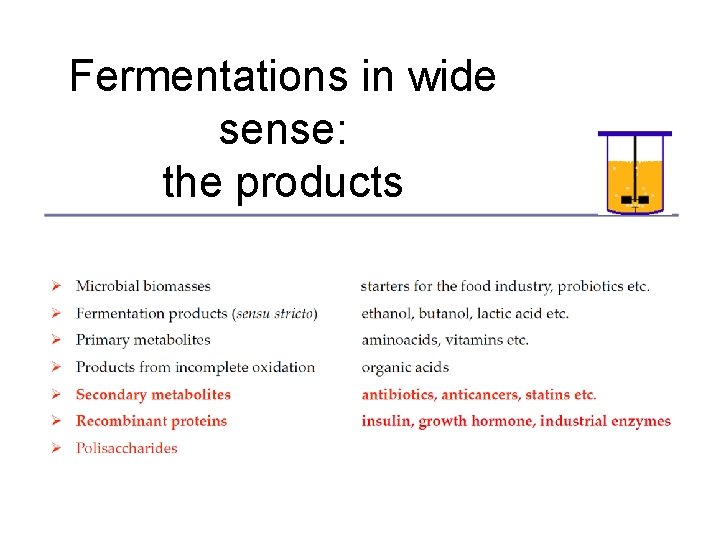
Fermentations in wide sense: the products
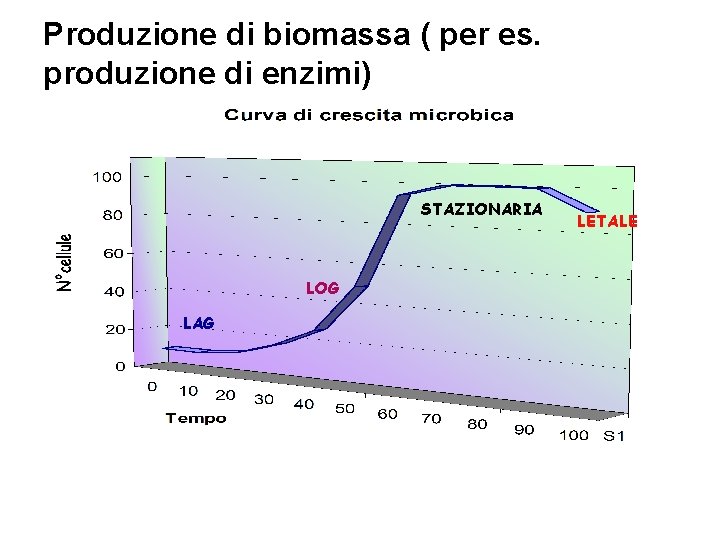
Produzione di biomassa ( per es. L‘obiettivo: la crescita produzione di enzimi) STAZIONARIA LOG LAG LETALE

Fasi di processo industriale
Fermentazione Industriale

Fase Lag Stasi prima di una rapida crescita, può dipendere da: • Le cellule potrebbero essere danneggiate • Le cellule si debbono adattare al terreno • Le cellule possono essere vecchie o fredde • Le cellule producono nuovi ribosomi • Le cellule sintetizzano nuovi enzimi • Le cellule iniziano a fare cellule LAG

Fase Log • Le cellule si riproducono velocemente • La biomassa aumenta con rapidità • Le sostanze nutrienti sono consumate in fretta • L’Ossigeno (se usato) è consumato rapidamente • Alcune colture producono calore • Variazioni di p. H dovute ai microrganismi • Le proteine nel brodo possono formare schiuma • La coltura può mutare reologia (mixing)

ØFase Stazionaria ØEsaurimento dei Nutrienti ØL’Ossigeno può essere limitato ØRilascio di sostanze cellulari: per es. tossine ØCellule che crescono ~= cellule che muoiono ØLa divisione cellulare non è più logaritmica ØPossono essere prodotti metaboliti secondari STAZIONARIA
Fase letale • Le cellule diminuiscono esponenzialmente • Può verificarsi autolisi cellulare • Le cellule sopravvissute non si duplicano
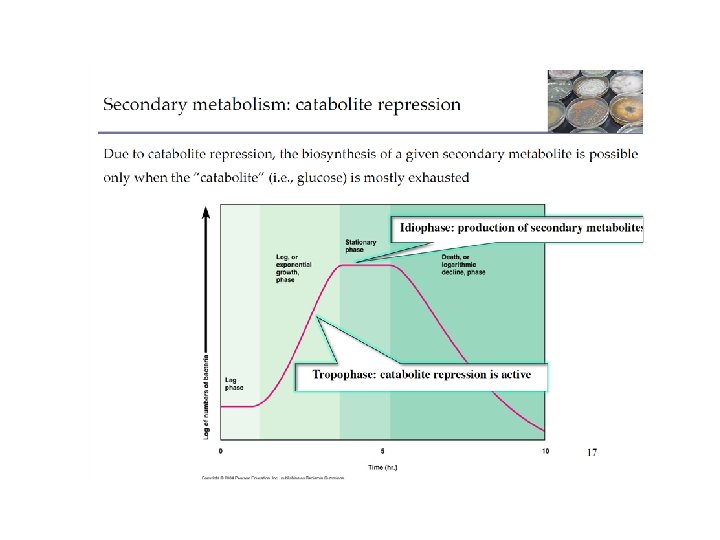
• Primary metabolite – Produced during exponential growth – Example: alcohol • Secondary metabolite – Produced during stationary phase

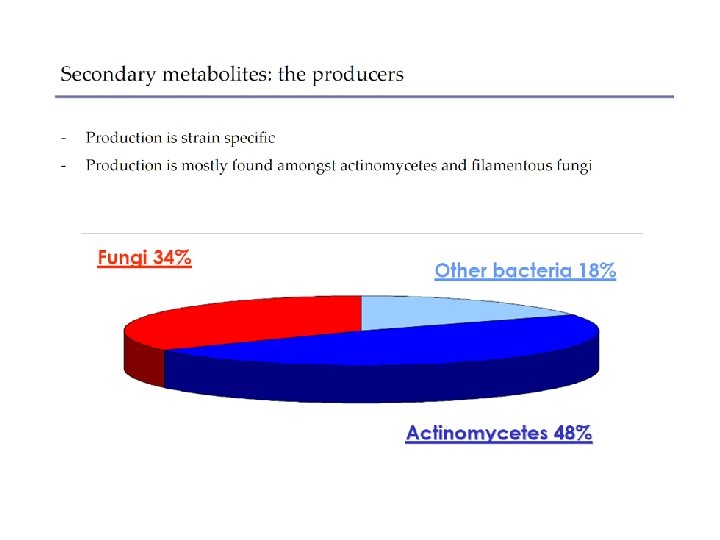
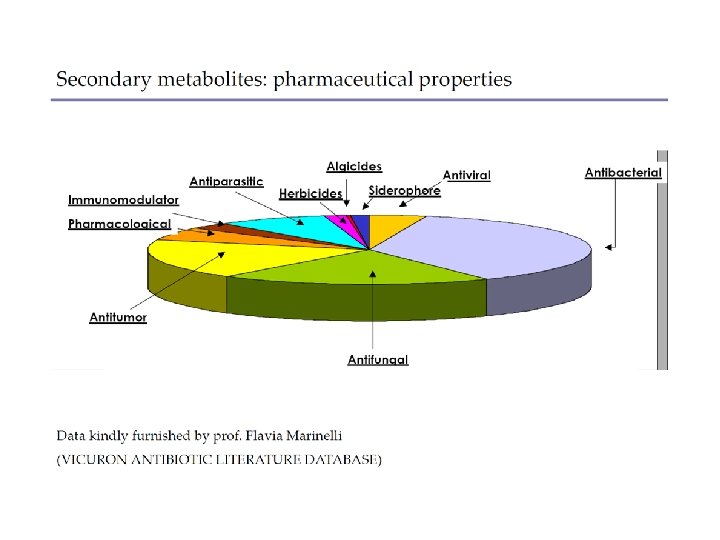
• Secondary metabolites – Not essential for growth – Formation depends on growth conditions – Produced as a group of related compounds – Often significantly overproduced – Often produced by spore-forming microbes during sporulation
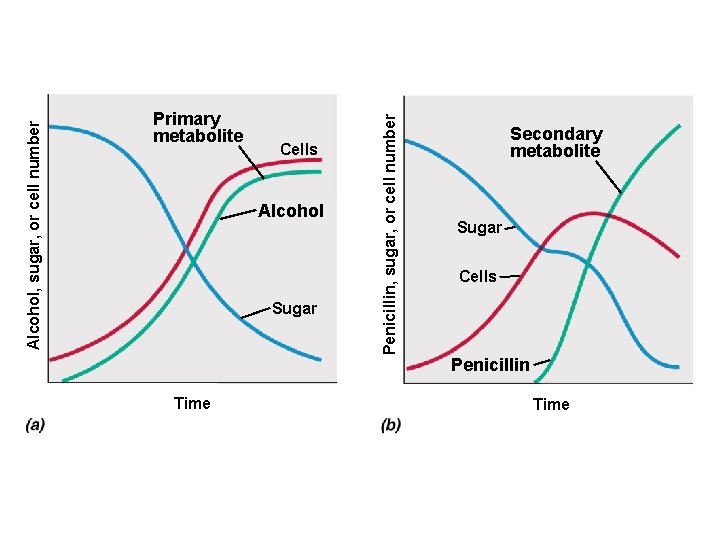
Cells Alcohol Sugar Time Penicillin, sugar, or cell number Alcohol, sugar, or cell number Primary metabolite Secondary metabolite Sugar Cells Penicillin Time
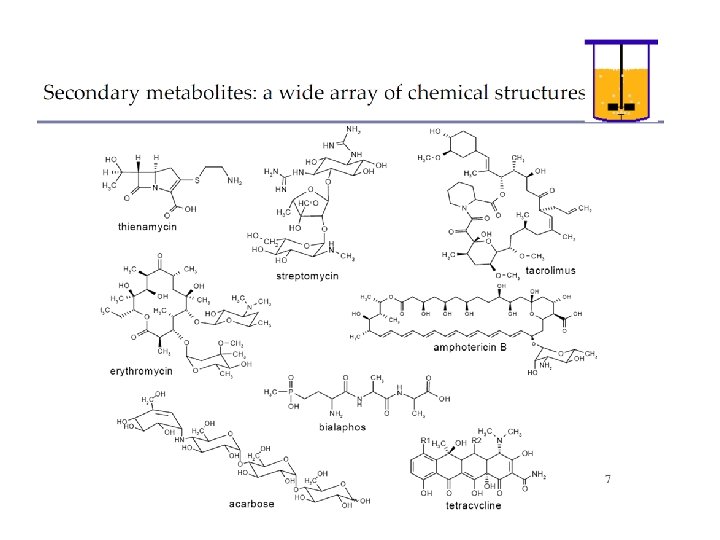
• Secondary metabolites are often large organic molecules that require a large number of specific enzymatic steps for production – Synthesis of tetracycline requires at least 72 separate enzymatic steps – Starting materials arise from major biosynthetic pathways
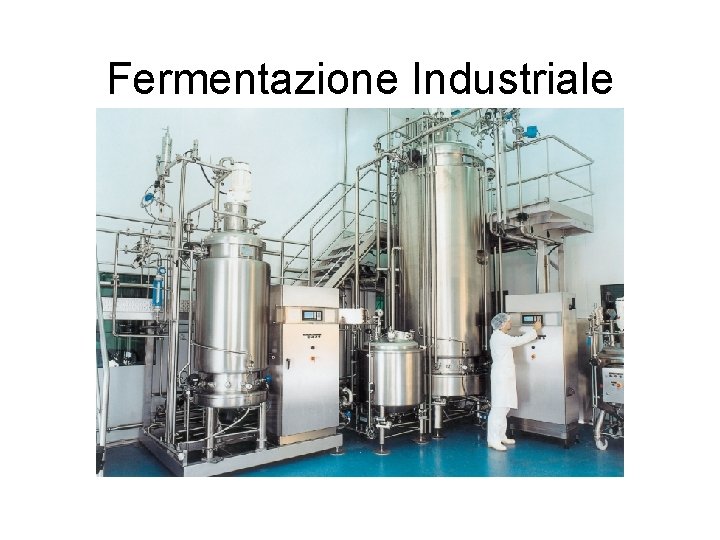
• Fermentor is where the microbiology process takes place • Any large-scale reaction is referred to as a fermentation – Most are aerobic processes • Fermentors vary in size from 5 to 500, 000 liters – Aerobic and anaerobic fermentors • Large-scale fermentors are almost always stainless steel
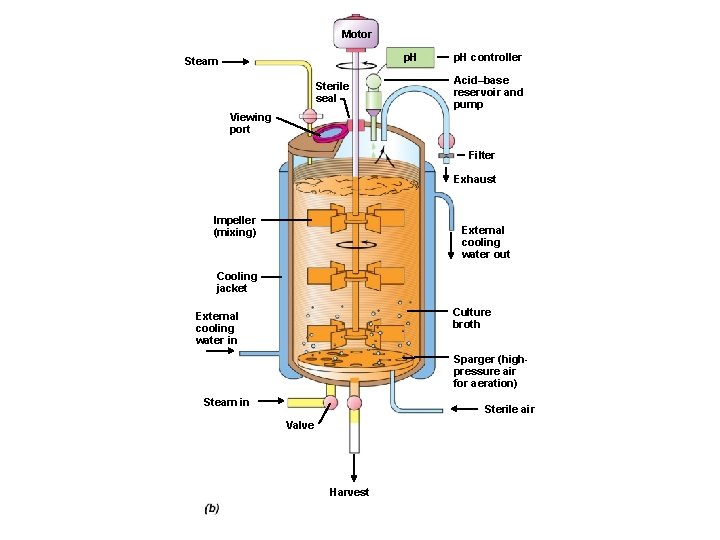
Motor p. H Steam Sterile seal p. H controller Acid–base reservoir and pump Viewing port Filter Exhaust Impeller (mixing) External cooling water out Cooling jacket Culture broth External cooling water in Sparger (highpressure air for aeration) Steam in Sterile air Valve Harvest



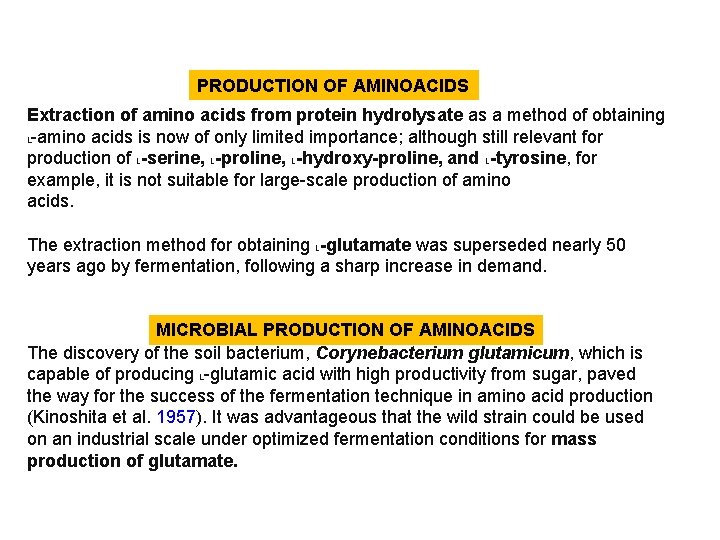
PRODUCTION OF AMINOACIDS Extraction of amino acids from protein hydrolysate as a method of obtaining L-amino acids is now of only limited importance; although still relevant for production of L-serine, L-proline, L-hydroxy-proline, and L-tyrosine, for example, it is not suitable for large-scale production of amino acids. The extraction method for obtaining L-glutamate was superseded nearly 50 years ago by fermentation, following a sharp increase in demand. MICROBIAL PRODUCTION OF AMINOACIDS The discovery of the soil bacterium, Corynebacterium glutamicum, which is capable of producing L-glutamic acid with high productivity from sugar, paved the way for the success of the fermentation technique in amino acid production (Kinoshita et al. 1957). It was advantageous that the wild strain could be used on an industrial scale under optimized fermentation conditions for mass production of glutamate.
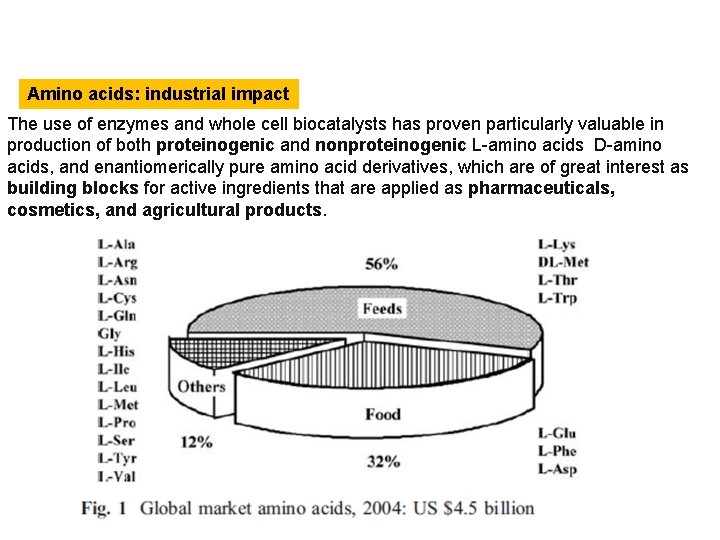
Amino acids: industrial impact The use of enzymes and whole cell biocatalysts has proven particularly valuable in production of both proteinogenic and nonproteinogenic L-amino acids D-amino acids, and enantiomerically pure amino acid derivatives, which are of great interest as building blocks for active ingredients that are applied as pharmaceuticals, cosmetics, and agricultural products.
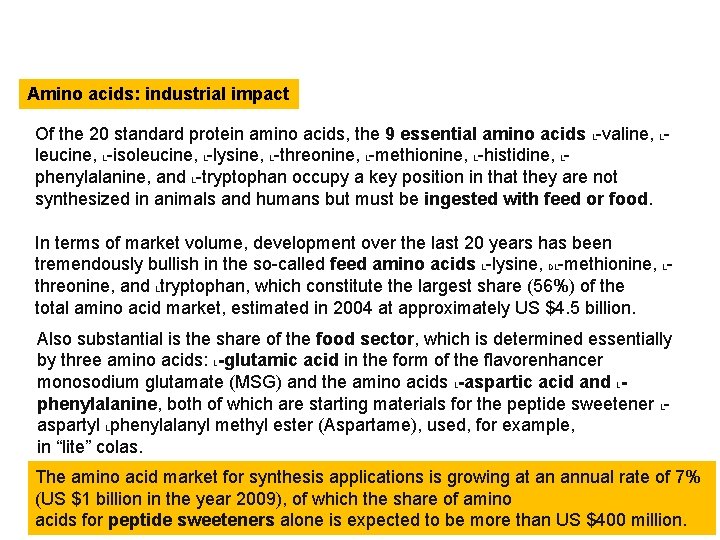
Amino acids: industrial impact Of the 20 standard protein amino acids, the 9 essential amino acids L-valine, Lleucine, L-isoleucine, L-lysine, L-threonine, L-methionine, L-histidine, Lphenylalanine, and L-tryptophan occupy a key position in that they are not synthesized in animals and humans but must be ingested with feed or food. In terms of market volume, development over the last 20 years has been tremendously bullish in the so-called feed amino acids L-lysine, DL-methionine, Lthreonine, and Ltryptophan, which constitute the largest share (56%) of the total amino acid market, estimated in 2004 at approximately US $4. 5 billion. Also substantial is the share of the food sector, which is determined essentially by three amino acids: L-glutamic acid in the form of the flavorenhancer monosodium glutamate (MSG) and the amino acids L-aspartic acid and Lphenylalanine, both of which are starting materials for the peptide sweetener Laspartyl Lphenylalanyl methyl ester (Aspartame), used, for example, in “lite” colas. The amino acid market for synthesis applications is growing at an annual rate of 7% (US $1 billion in the year 2009), of which the share of amino acids for peptide sweeteners alone is expected to be more than US $400 million.

Amino acids: industrial impact The remaining proteinogenic amino acids are required in the pharmaceutical and cosmetics industries and are also ideal raw materials for synthesis of chiral active ingredients, which in turn find application in such sectors as pharmaceuticals, cosmetics, and agriculture.


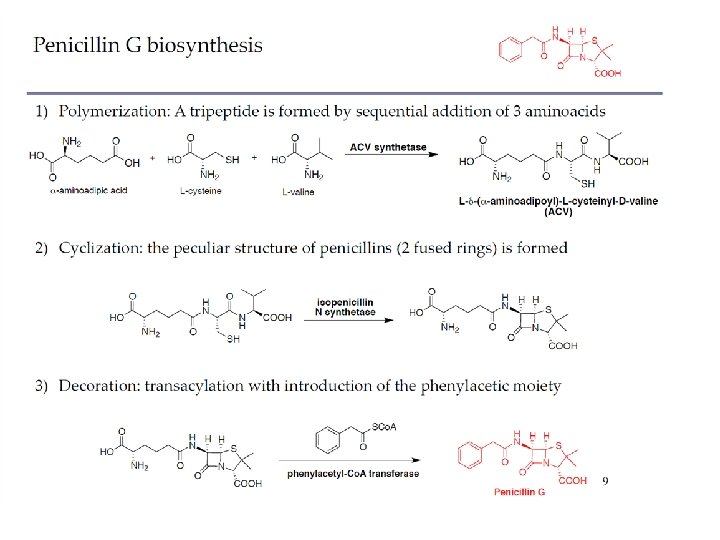
Fermentation methods are gaining importance for the preparation of enantiomerically pure compounds like amino acids, β-lactam antibiotics and vitamins. Many fermentations are complex multistep reactions, involving several different enzymes of living cell system.
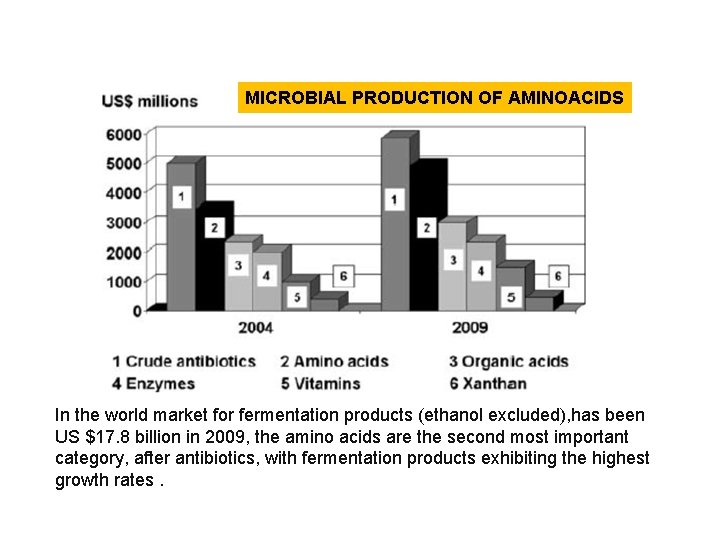
MICROBIAL PRODUCTION OF AMINOACIDS In the world market for fermentation products (ethanol excluded), has been US $17. 8 billion in 2009, the amino acids are the second most important category, after antibiotics, with fermentation products exhibiting the highest growth rates.

Biotechnological production of sodium glutamate The fermentation process is in principle very simple: a fermentation tank is charged under sterile conditions with a culture medium containing a suitable carbon source, such as sugar cane syrup, as well as the required nitrogen, sulfur, and phosphorus sources, and some trace elements. A culture of the production strain prepared in a prefermenter is added to the fermentation tank and stirred under specified conditions (temperature, p. H, aeration). The L-glutamic acid released by the microorganism into the fermentation solution is then obtained by crystallization in the recovery section of the fermentation plant. MSG (1. 5 million tons) is currently produced each year by this method, making Lglutamic acid the number one amino acid in terms of production capacity and demand (Ajinomoto 2003).

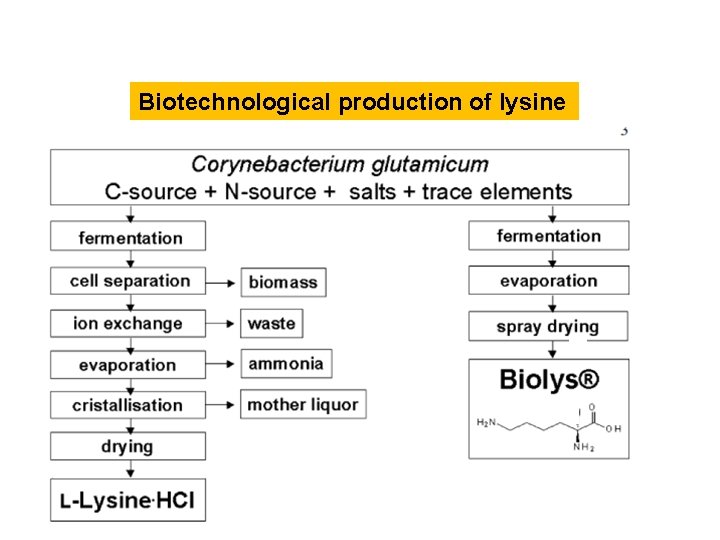
Biotechnological production of lysine: Corynebacterium glutamicum Lysine is a preferred additive to animal feeds for pig breeding (as the first limiting amino acid) and poultry (second limiting amino acid, after methionine).

Biotechnological production of lysine Production of lysine hydrochloride in 2005 is estimated at 850, 000 tons. The main producers of lysine are the companies Ajinomoto (Japan), ADM (USA), Cheil-Jedang (South Korea), and Global Bio. Chem (China) as well as BASF and Degussa (Germany). The strains used are exclusively high-performance mutants of C. glutamicum, usually fermented by the fed-batch process, in which nutrients are added in a controlled manner in accordance with the requirements of the culture solution, allowing optimal yields and productivities. Competitiveness is determined not only by the performance of the production strain, but can also be increased by a conveniently produced product form. Thus, in addition to the classic product form lysine hydrochloride, other forms such as granulated lysine sulfate (Biolys) and liquid lysine have also become established where the production is more economical and generates less liquid and solid waste.
Biotechnological production of lysine
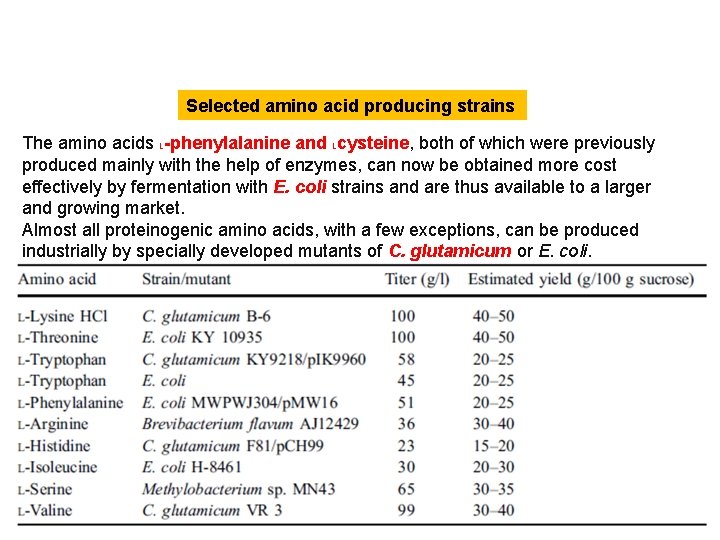
Selected amino acid producing strains The amino acids L-phenylalanine and Lcysteine, both of which were previously produced mainly with the help of enzymes, can now be obtained more cost effectively by fermentation with E. coli strains and are thus available to a larger and growing market. Almost all proteinogenic amino acids, with a few exceptions, can be produced industrially by specially developed mutants of C. glutamicum or E. coli.
Large scale chemical production of D, L-Methionine sulfur-containing amino acid methionine, is the first limiting amino acid in poultry, is of particular importance. Researchers at Deutsche Gold- und Silber-Scheideanstalt (Degussa AG since 1980 of Evonik) studied the use of the synthetic amino acid methionine to treat the widespread nutritional edema, the result of chronic protein insufficiency suffered by soldiers returning home from the war. The first technically feasible synthesis of D, L-methionine at Degussa was achieved by Werner Schwarze, Hans Wagner and Hermann Schulz in 1946/47.
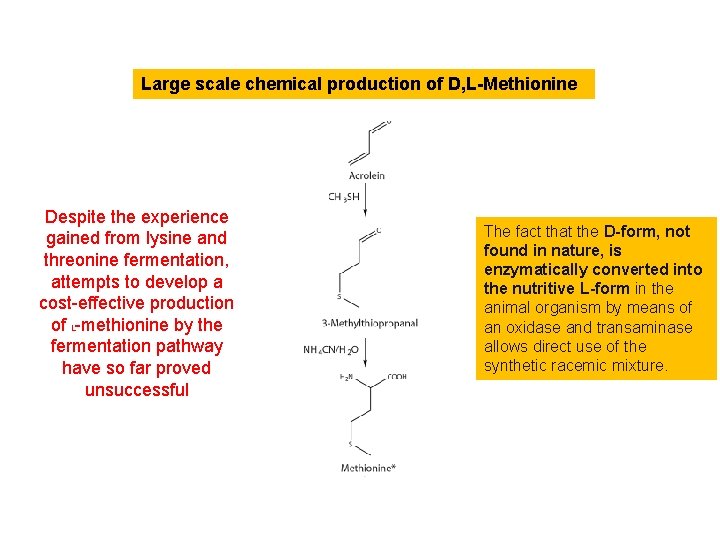
Large scale chemical production of D, L-Methionine Despite the experience gained from lysine and threonine fermentation, attempts to develop a cost-effective production of L-methionine by the fermentation pathway have so far proved unsuccessful The fact that the D-form, not found in nature, is enzymatically converted into the nutritive L-form in the animal organism by means of an oxidase and transaminase allows direct use of the synthetic racemic mixture.
Enzymatic production of enantiomerically pure aminoacids • For other amino acids, there is no comparable enzyme system for conversion of the D-form, and there is no fermentation process with adequate yield. • For these amino acids, it is necessary to produce the enantiomerically pure form using enzymatic procedures. • The racemates are generally produced by chemical synthesis. .
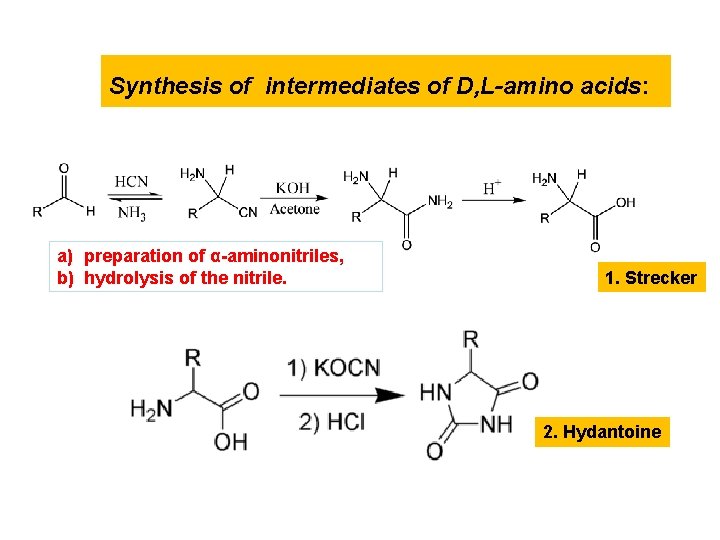
Synthesis of intermediates of D, L-amino acids: a) preparation of α-aminonitriles, b) hydrolysis of the nitrile. 1. Strecker 2. Hydantoine
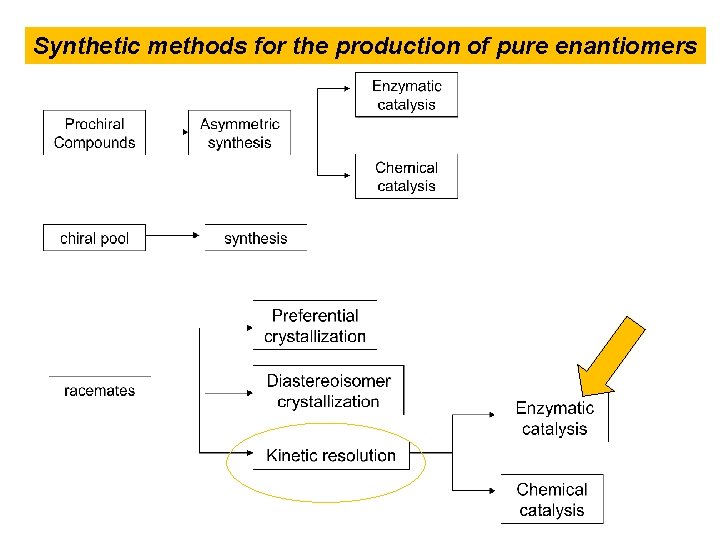
Synthetic methods for the production of pure enantiomers
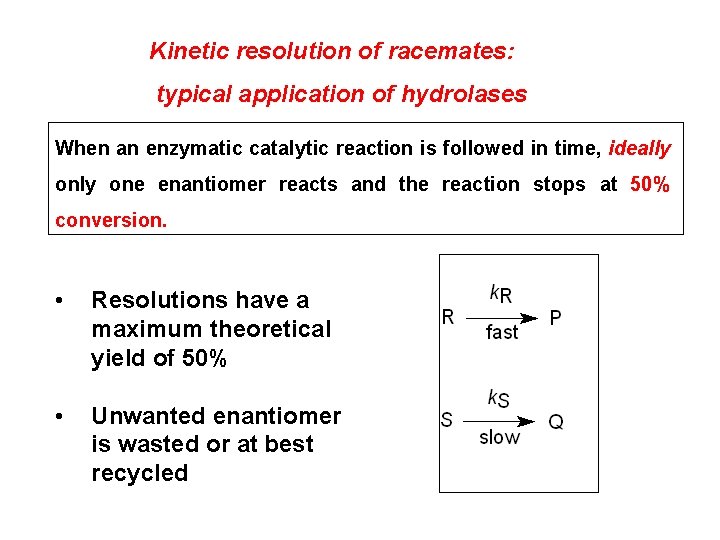
Kinetic resolution of racemates: typical application of hydrolases When an enzymatic catalytic reaction is followed in time, ideally one enantiomer reacts and the reaction stops at 50% conversion. • Resolutions have a maximum theoretical yield of 50% • Unwanted enantiomer is wasted or at best recycled
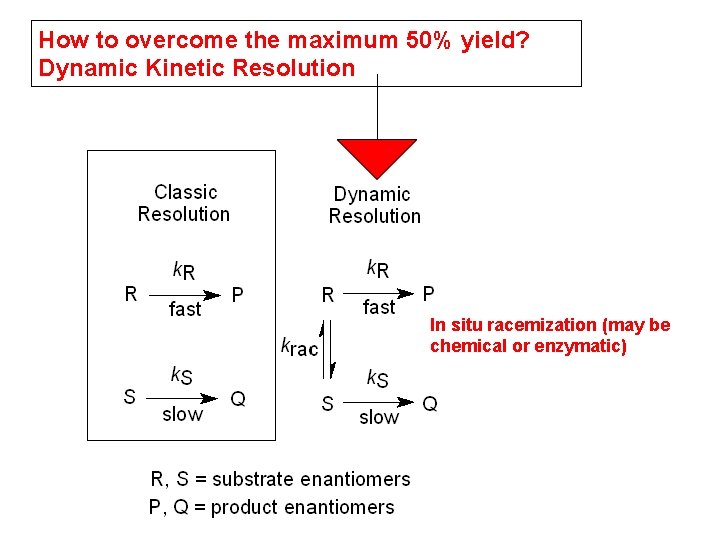
How to overcome the maximum 50% yield? Dynamic Kinetic Resolution In situ racemization (may be chemical or enzymatic)
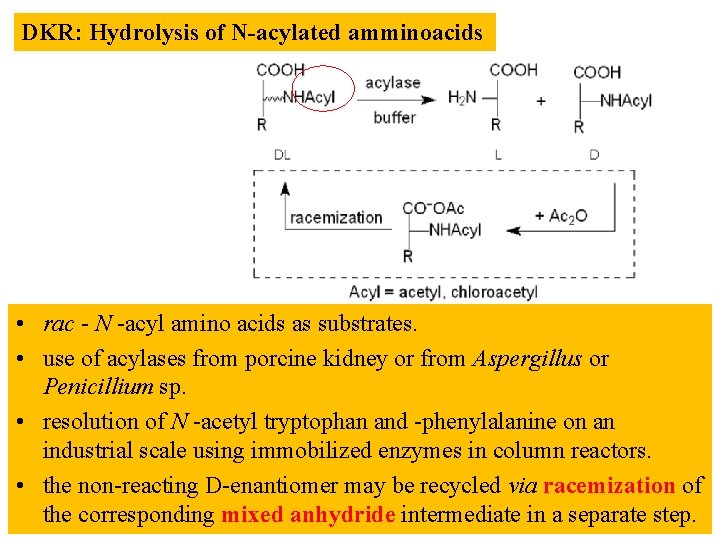
DKR: Hydrolysis of N-acylated amminoacids • rac - N -acyl amino acids as substrates. • use of acylases from porcine kidney or from Aspergillus or Penicillium sp. • resolution of N -acetyl tryptophan and -phenylalanine on an industrial scale using immobilized enzymes in column reactors. • the non-reacting D-enantiomer may be recycled via racemization of the corresponding mixed anhydride intermediate in a separate step.
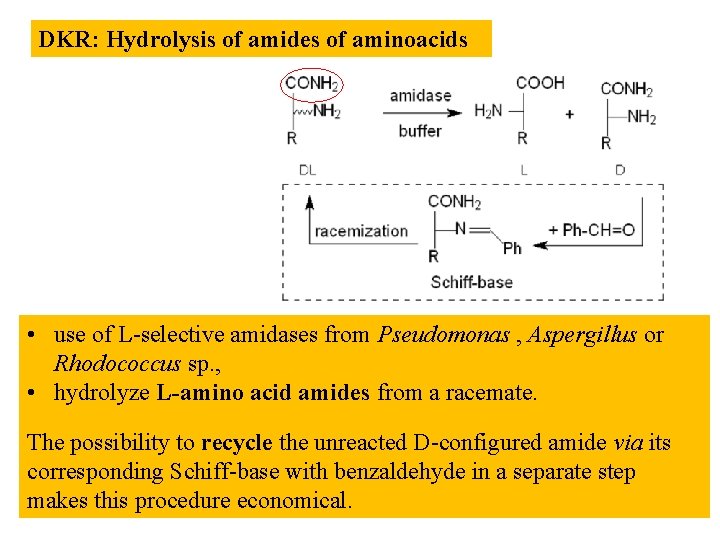
DKR: Hydrolysis of amides of aminoacids • use of L-selective amidases from Pseudomonas , Aspergillus or Rhodococcus sp. , • hydrolyze L-amino acid amides from a racemate. The possibility to recycle the unreacted D-configured amide via its corresponding Schiff-base with benzaldehyde in a separate step makes this procedure economical.

Synthetic intermediates of D, L-amino acids: hydantoines A promising route to enantiomerically pure amino acids, both L- and Denantiomers, is based on conversion of hydantoins via hydantoinases and, additionally, carbamoylase.
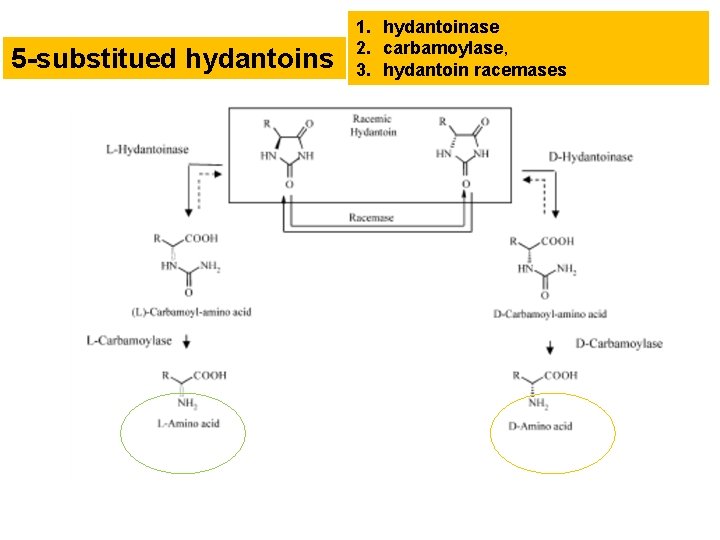
5 -substitued hydantoins 1. hydantoinase 2. carbamoylase, 3. hydantoin racemases

Dynamic Kinetic Resolution (DKR) Racemization using enzymes The use of an enzyme, rather than a transition metal catalyst, represents an attractive option for combined DKR reactions in view of the likely mild conditions associated with enzymecatalyzed racemization processes. Racemases belong to the group of enzymes EC 5. 1. X. X and contain notable members such as mandelate racemase and various amino acid racemases.

Method of the 5 -substitued hydantoins for side chain antibiotics production D-Phenylglycin D-p-hydroxyphenyglycine Side chains of beta lactams antibiotics (ampicillin, cephalexin amoxycillin) Penicillina G amidasi (PGA) Recordati (IT)

Method of the 5 -substitued hydantoins D-serine L-methionine Degussa (D): whole cells coexpressing L-carbamoylase + hydantoin racemase + hydantoinase
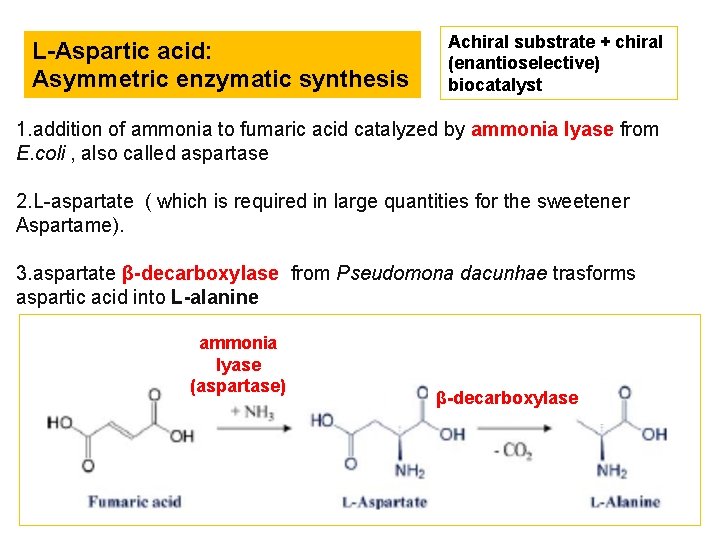
L-Aspartic acid: Asymmetric enzymatic synthesis Achiral substrate + chiral (enantioselective) biocatalyst 1. addition of ammonia to fumaric acid catalyzed by ammonia lyase from E. coli , also called aspartase 2. L-aspartate ( which is required in large quantities for the sweetener Aspartame). 3. aspartate β-decarboxylase from Pseudomona dacunhae trasforms aspartic acid into L-alanine ammonia lyase (aspartase) β-decarboxylase
Lyases catalyze the addition or removal of a chemical group without passing through hydrolysis, oxidation, transfer Lyases can act on C - C bonds (decarboxylases; aldolases) C – O (hydratases or dehydratases) C – N C – S C – X
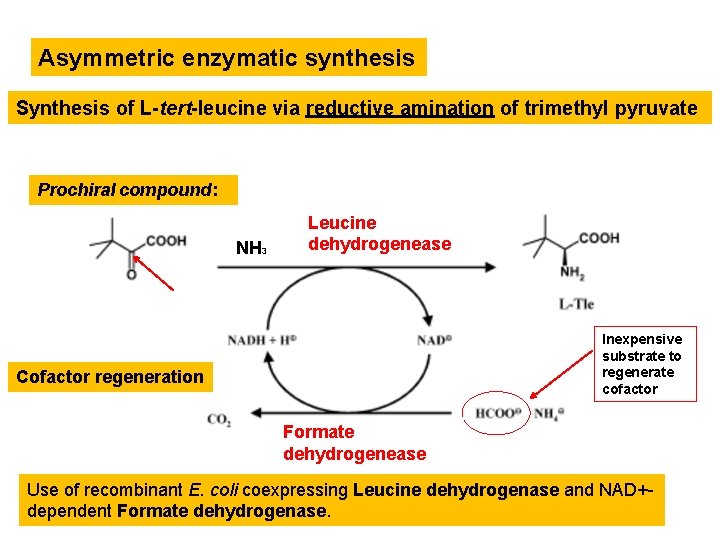
Asymmetric enzymatic synthesis Synthesis of L-tert-leucine via reductive amination of trimethyl pyruvate Prochiral compound: NH 3 Leucine dehydrogenease Inexpensive substrate to regenerate cofactor Cofactor regeneration Formate dehydrogenease Use of recombinant E. coli coexpressing Leucine dehydrogenase and NAD+dependent Formate dehydrogenase.
- Slides: 69