
Biotoxins Toxins Poisonous substances produced by microorganisms and
Biotoxins

Toxins • Poisonous substances produced by microorganisms (and Others) • toxins - primary factor - pathogenicity • 220 known bacterial toxins – 40% cause disease by damaging the Eukaryotic cell membrane • Toxemia – Toxins in the bloodstream
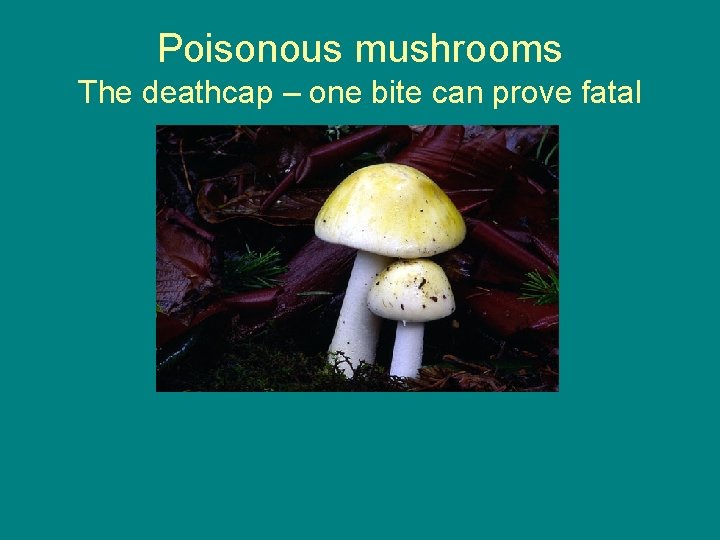
Poisonous mushrooms The deathcap – one bite can prove fatal
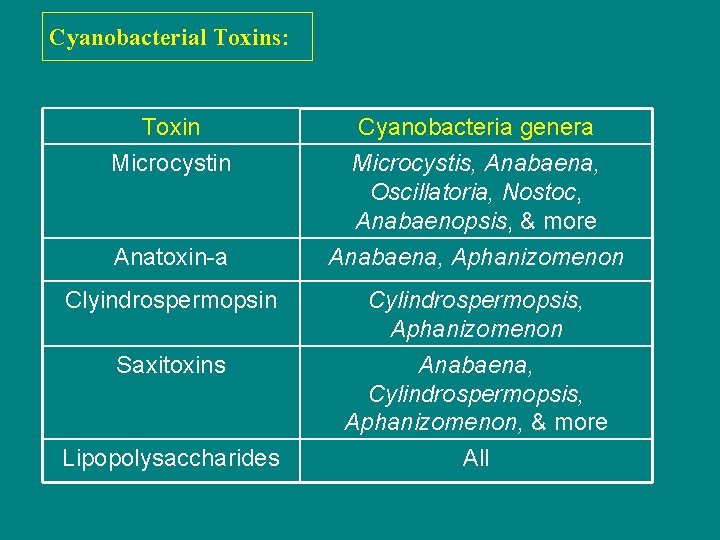
Cyanobacterial Toxins: Cyanobacteria can produce a wide array of neurotoxins, liver toxins, cell toxins and skin irritants. In addition, many Toxin Cyanobacteria genera, such as Anabaena, can produce multiple toxins. Microcystin Microcystis, Anabaena, Oscillatoria, Nostoc, Anabaenopsis, & more Anatoxin-a Anabaena, Aphanizomenon Clyindrospermopsin Cylindrospermopsis, Aphanizomenon Saxitoxins Anabaena, Cylindrospermopsis, Aphanizomenon, & more Lipopolysaccharides All

Toxin-Producing Organism Classes • • • Viruses (e. g. stx phage, cytotoxins, lysins) Bacteria (e. g. endotoxins, exotoxins) Fungi (e. g. tricothecenes) Protozoa (endotoxin, phospholipase, protease) Algae (microcystins, ASP, PSP) Plants (alkaloids, tannins, cyanogenic glycosides) • Higher Animals (fish, insects, snakes, frogs)
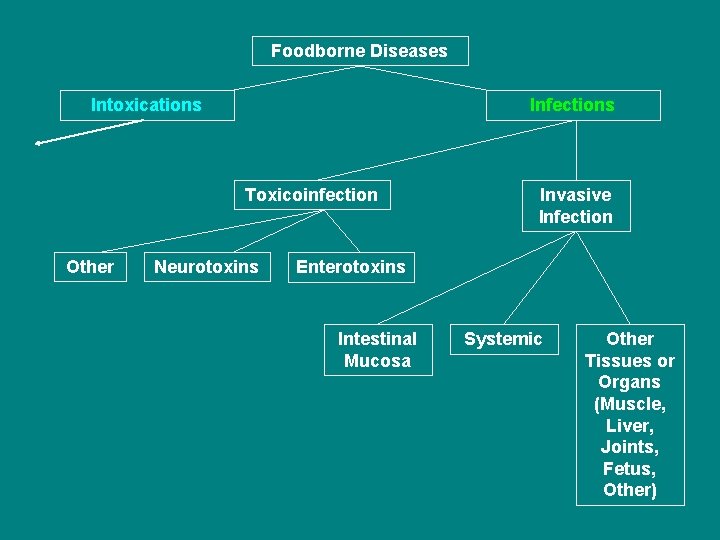
Foodborne Diseases Intoxications Infections Toxicoinfection Other Neurotoxins Invasive Infection Enterotoxins Intestinal Mucosa Systemic Other Tissues or Organs (Muscle, Liver, Joints, Fetus, Other)
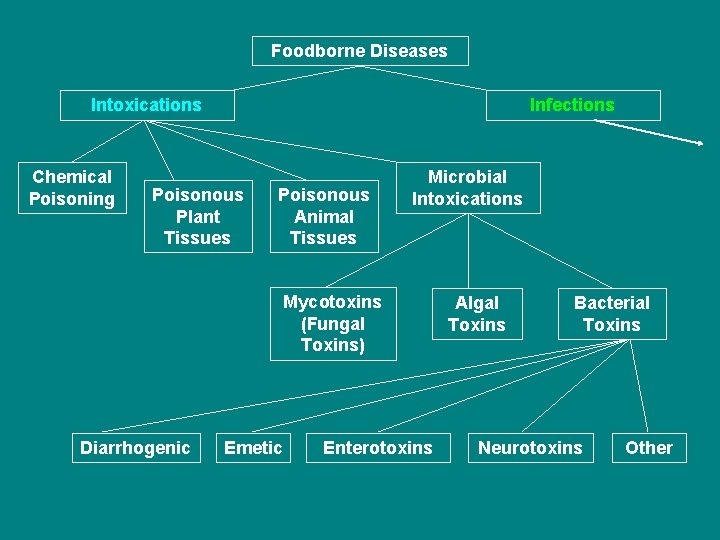
Foodborne Diseases Intoxications Chemical Poisoning Infections Poisonous Plant Tissues Poisonous Animal Tissues Microbial Intoxications Mycotoxins (Fungal Toxins) Diarrhogenic Emetic Enterotoxins Algal Toxins Bacterial Toxins Neurotoxins Other
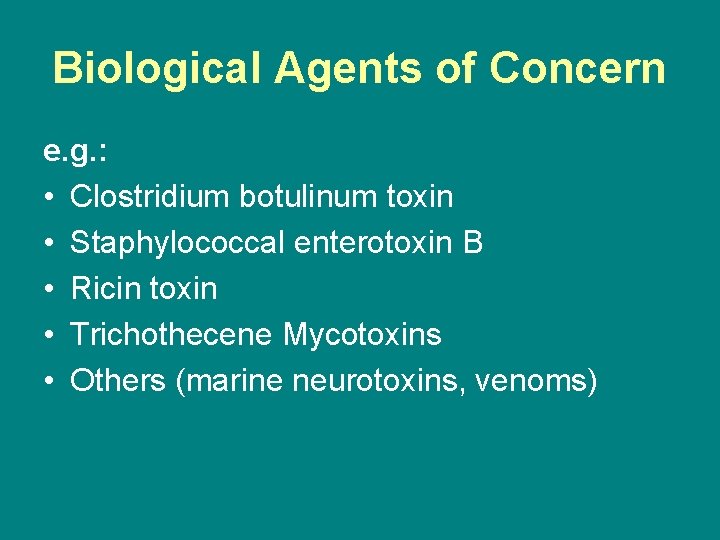
Biological Agents of Concern e. g. : • Clostridium botulinum toxin • Staphylococcal enterotoxin B • Ricin toxin • Trichothecene Mycotoxins • Others (marine neurotoxins, venoms)
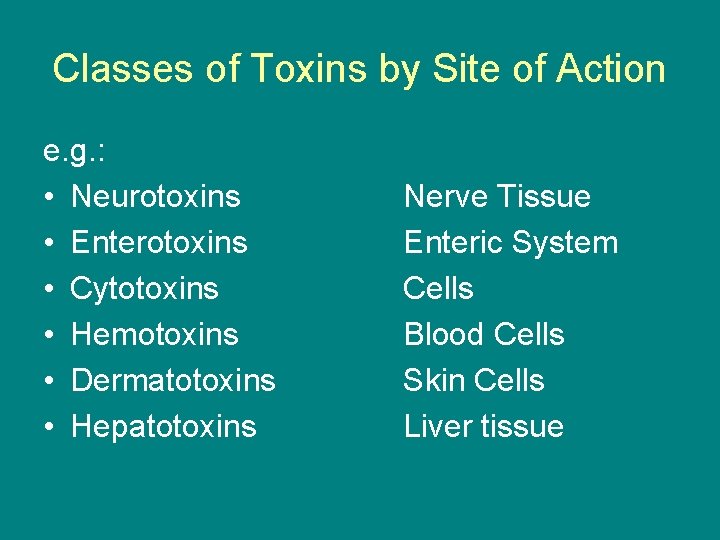
Classes of Toxins by Site of Action e. g. : • Neurotoxins • Enterotoxins • Cytotoxins • Hemotoxins • Dermatotoxins • Hepatotoxins Nerve Tissue Enteric System Cells Blood Cells Skin Cells Liver tissue
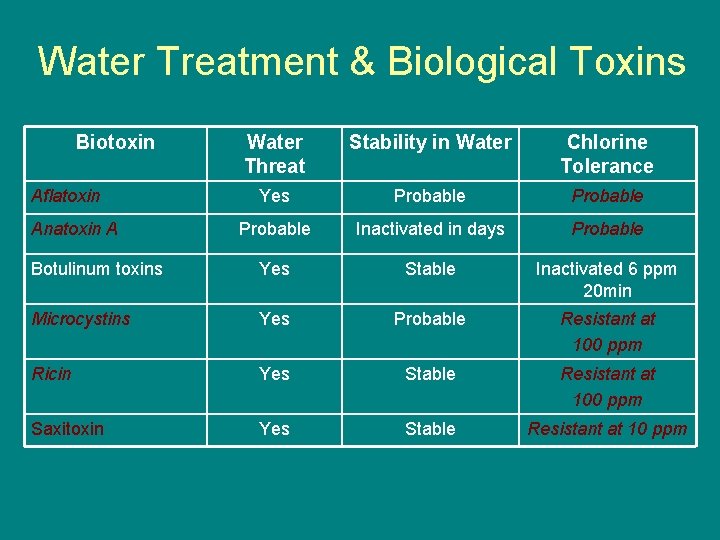
Water Treatment & Biological Toxins Biotoxin Water Threat Stability in Water Chlorine Tolerance Yes Probable Inactivated in days Probable Botulinum toxins Yes Stable Inactivated 6 ppm 20 min Microcystins Yes Probable Resistant at 100 ppm Ricin Yes Stable Resistant at 100 ppm Saxitoxin Yes Stable Resistant at 10 ppm Aflatoxin Anatoxin A
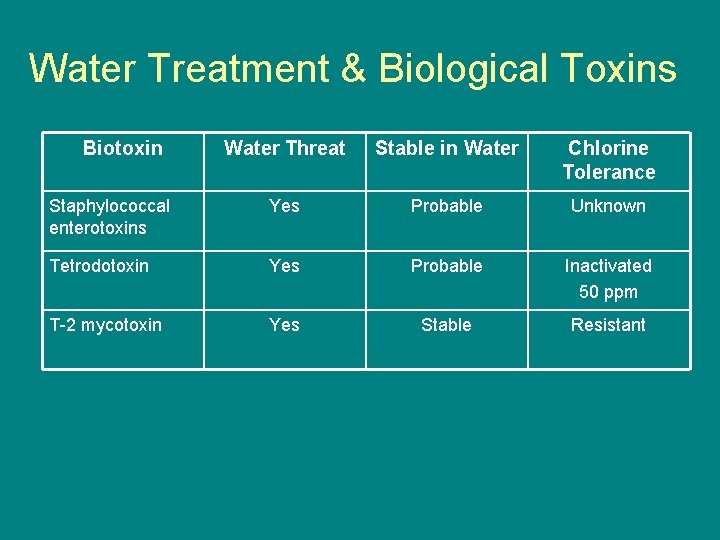
Water Treatment & Biological Toxins Biotoxin Water Threat Stable in Water Chlorine Tolerance Staphylococcal enterotoxins Yes Probable Unknown Tetrodotoxin Yes Probable Inactivated 50 ppm T-2 mycotoxin Yes Stable Resistant
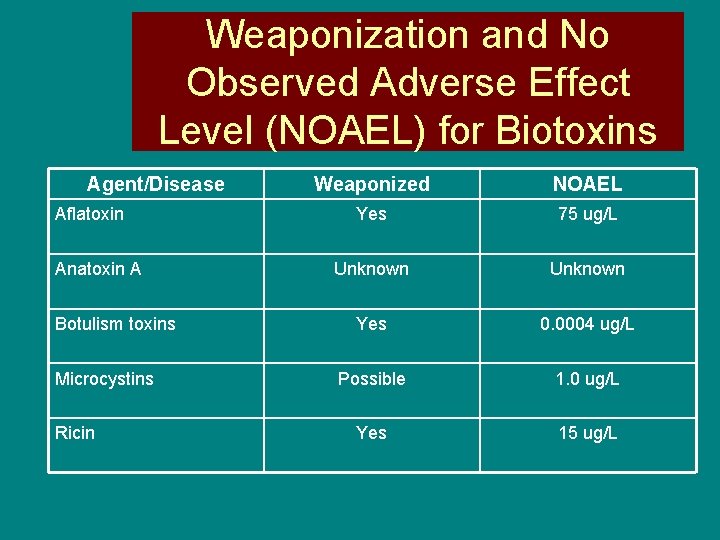
Weaponization and No Observed Adverse Effect Level (NOAEL) for Biotoxins Agent/Disease Aflatoxin Anatoxin A Botulism toxins Microcystins Ricin Weaponized NOAEL Yes 75 ug/L Unknown Yes 0. 0004 ug/L Possible 1. 0 ug/L Yes 15 ug/L
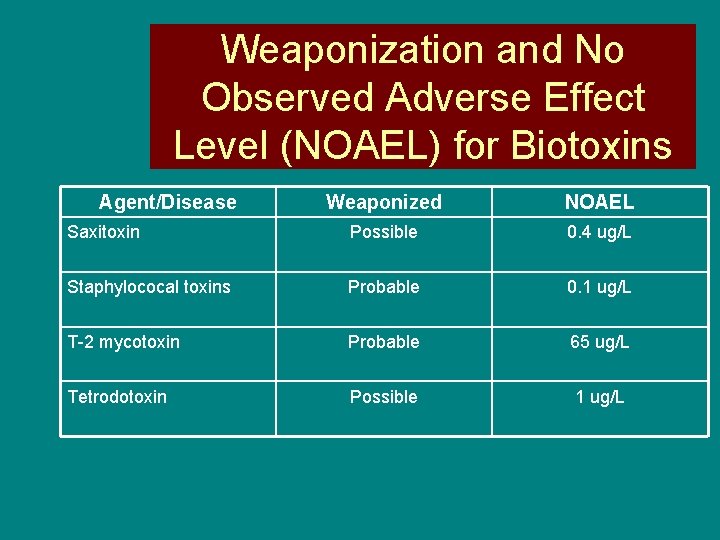
Weaponization and No Observed Adverse Effect Level (NOAEL) for Biotoxins Agent/Disease Weaponized NOAEL Saxitoxin Possible 0. 4 ug/L Staphylococal toxins Probable 0. 1 ug/L T-2 mycotoxin Probable 65 ug/L Tetrodotoxin Possible 1 ug/L
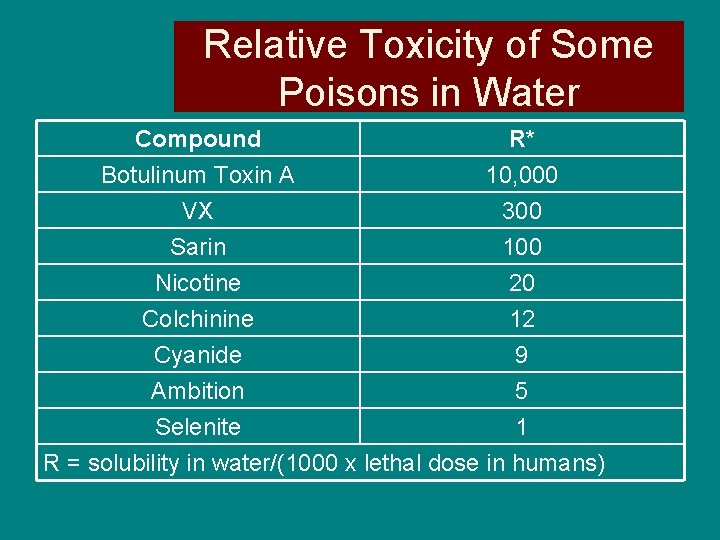
Relative Toxicity of Some Poisons in Water Compound Botulinum Toxin A VX Sarin R* 10, 000 300 100 Nicotine 20 Colchinine 12 Cyanide 9 Ambition 5 Selenite 1 R = solubility in water/(1000 x lethal dose in humans)
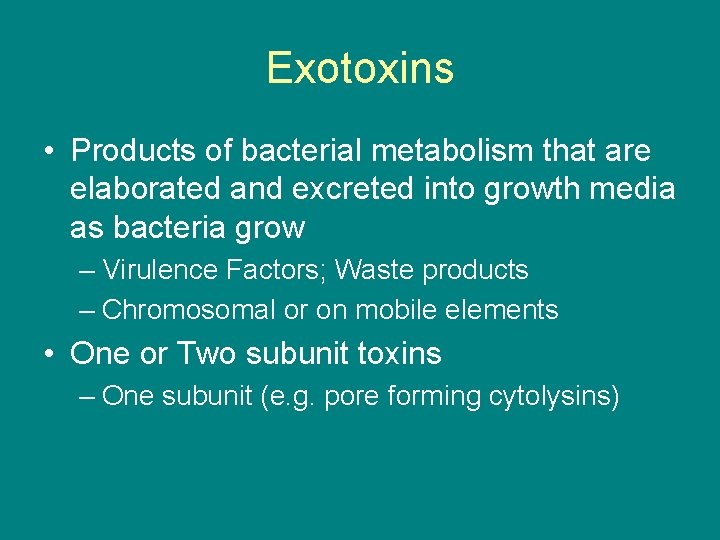
Exotoxins • Products of bacterial metabolism that are elaborated and excreted into growth media as bacteria grow – Virulence Factors; Waste products – Chromosomal or on mobile elements • One or Two subunit toxins – One subunit (e. g. pore forming cytolysins)
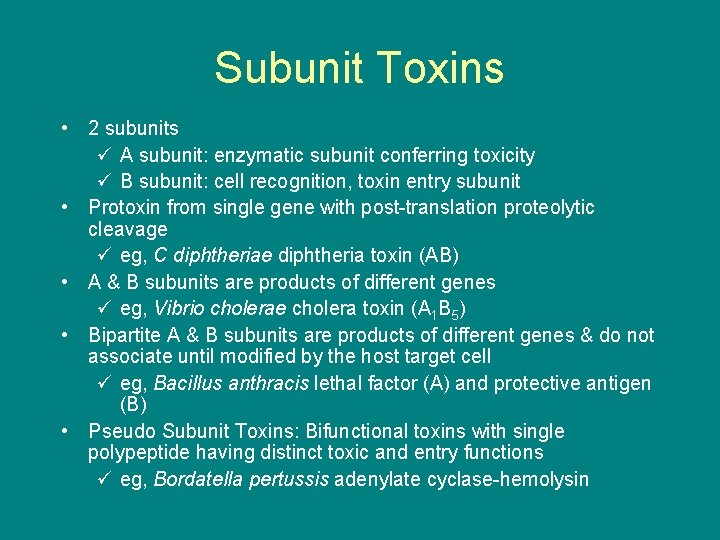
Subunit Toxins • 2 subunits ü A subunit: enzymatic subunit conferring toxicity ü B subunit: cell recognition, toxin entry subunit • Protoxin from single gene with post-translation proteolytic cleavage ü eg, C diphtheriae diphtheria toxin (AB) • A & B subunits are products of different genes ü eg, Vibrio cholerae cholera toxin (A 1 B 5) • Bipartite A & B subunits are products of different genes & do not associate until modified by the host target cell ü eg, Bacillus anthracis lethal factor (A) and protective antigen (B) • Pseudo Subunit Toxins: Bifunctional toxins with single polypeptide having distinct toxic and entry functions ü eg, Bordatella pertussis adenylate cyclase-hemolysin
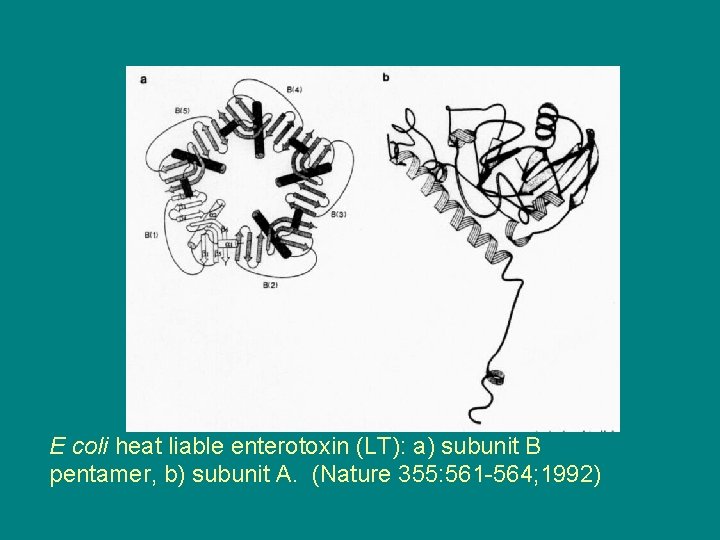
E coli heat liable enterotoxin (LT): a) subunit B pentamer, b) subunit A. (Nature 355: 561 -564; 1992)
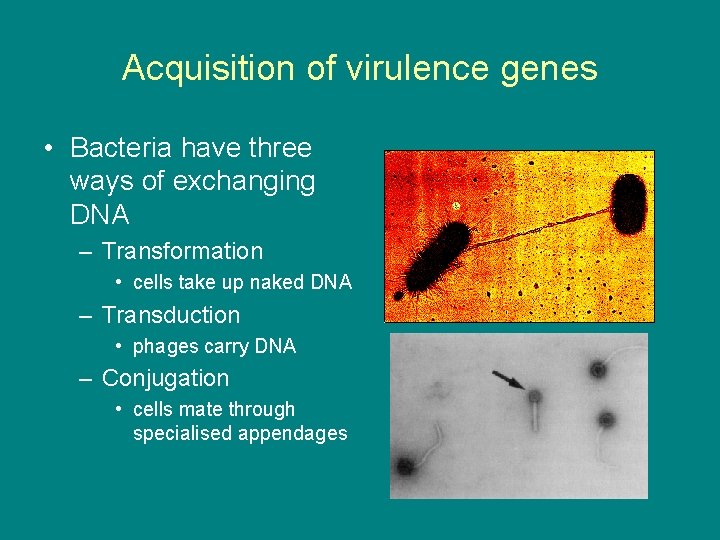
Acquisition of virulence genes • Bacteria have three ways of exchanging DNA – Transformation • cells take up naked DNA – Transduction • phages carry DNA – Conjugation • cells mate through specialised appendages
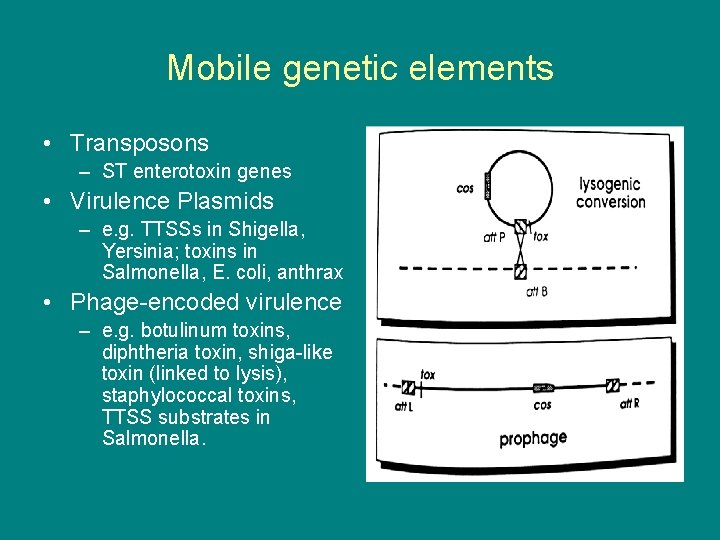
Mobile genetic elements • Transposons – ST enterotoxin genes • Virulence Plasmids – e. g. TTSSs in Shigella, Yersinia; toxins in Salmonella, E. coli, anthrax • Phage-encoded virulence – e. g. botulinum toxins, diphtheria toxin, shiga-like toxin (linked to lysis), staphylococcal toxins, TTSS substrates in Salmonella.
Exotoxin Classification • Site and features of intoxication ü eg, neurotoxin, enterotoxin • Structure ü eg, AB subunit toxins • Heat-liable vs heat-stable ü eg, EC heat-sensitive & heat-liable enterotoxins • Mechanism of action ü eg, pore-forming cytolysin • Host cell target ü eg, plasma membrane integrity
Host Cell Toxin Targets • Host Cell Membrane Integrity ü Pore-forming cytolysins ü Phospholipases ü Surfactant-like • Host Cell Macromolecular Synthesis/Stability ü Protein Synthesis & modification ü DNA lysis • Aberrant Host Cell Regulation ü Altered adenylate cyclase activity ü Altered GTPase activity
Types of Exotoxins • 1. Cytotoxins – kill cells • 2. Neurotoxins – interfere with normal nerve impulses • 3. Enterotoxins – effect cells lining the G. I. Tract
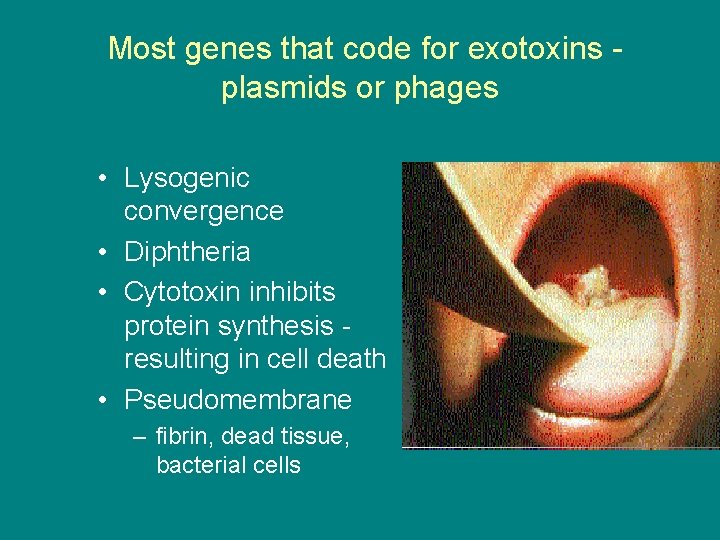
Most genes that code for exotoxins plasmids or phages • Lysogenic convergence • Diphtheria • Cytotoxin inhibits protein synthesis resulting in cell death • Pseudomembrane – fibrin, dead tissue, bacterial cells
Lysogenic Convergence • Scarlet Fever • Streptococcus pyogenes – lysogenic convergence • prophage – cytotoxin - damages blood capillaries and results in a skin rash – Strep Thoat with a rash
Diseases caused by Neurotoxins • Botulism – Clostridium botulinum • Gram (+), anaerobic, spore-forming rod, found in soil – works at the neuromuscular junction – prevents impulse from nerve cell to muscle cell – results in muscle paralysis
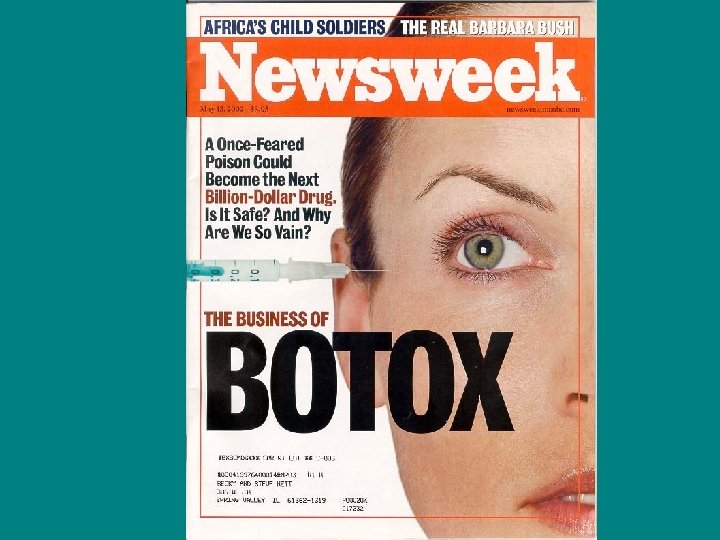
Clostridium General Information • • • Anaerobic Rods Form spores Produce toxins Species of note: – C. botulinum – C. tetani – C. perfringens
Clostridium botulinum • Gram positive spore forming rods – Spores are heat resistant • Widely found in nature • Toxins produced are most potent – Seven types of botulism (A, B, C, D, E, F, G) – Toxin not heat stable • Pathologies – Paralysis – Infantile botulism
Action of Botulinum Toxin • 0. 1 -1 nanograms (ng) needed to cause illness • Toxin is absorbed in intestine, transported to neuromuscular junctions via blood stream • Cleaves proteins which enable synaptic vesicle fusion in neurons • Neuromuscular neurotransmitter blocked • Motor dysfunction
Sources: Types of Food Incriminated • Home canned foods • Fish preserved by salting or smoking • Prepared meats eaten uncooked • Honey can be problematic for infants
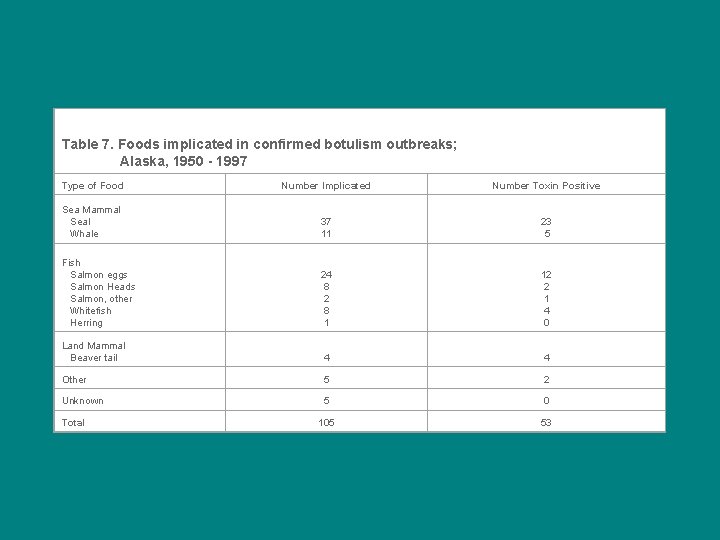
Table 7. Foods implicated in confirmed botulism outbreaks; Alaska, 1950 - 1997 Type of Food Number Implicated Number Toxin Positive Sea Mammal Seal Whale 37 11 23 5 Fish Salmon eggs Salmon Heads Salmon, other Whitefish Herring 24 8 2 8 1 12 2 1 4 0 Land Mammal Beaver tail 4 4 Other 5 2 Unknown 5 0 105 53 Total
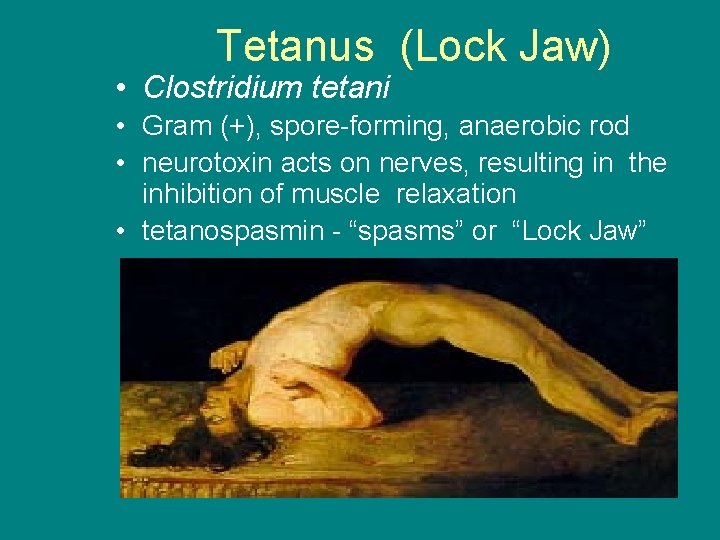
Tetanus (Lock Jaw) • Clostridium tetani • Gram (+), spore-forming, anaerobic rod • neurotoxin acts on nerves, resulting in the inhibition of muscle relaxation • tetanospasmin - “spasms” or “Lock Jaw”
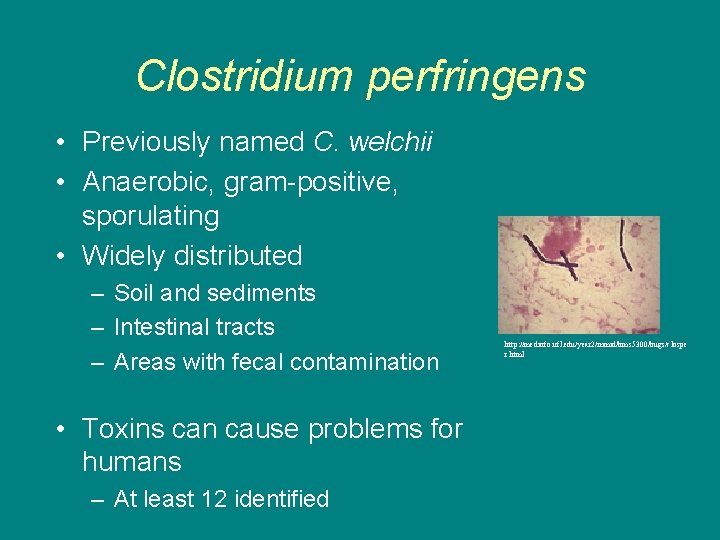
Clostridium perfringens • Previously named C. welchii • Anaerobic, gram-positive, sporulating • Widely distributed – Soil and sediments – Intestinal tracts – Areas with fecal contamination • Toxins can cause problems for humans – At least 12 identified http: //medinfo. ufl. edu/year 2/mmid/bms 5300/bugs/clospe r. html
C. perfringens Food Poisoning • Type A strain • Symptoms – Abdominal cramps, diarrhea – Death rare • Symptoms appear 8 -22 hours after bacteria consumed • Usually over in 24 hours – Unreported cases
Gas Gangrene and Necrotic Enteritis • Wound invasion causes gangrene – Type A strain • Ingestion causes necrosis of intestines – Type C strain – Results in septicemia – Rare in the united states – Often fatal • C. perfringens one of 6 species causing necrotic enteritis • Present in 80 -90% of all cases.
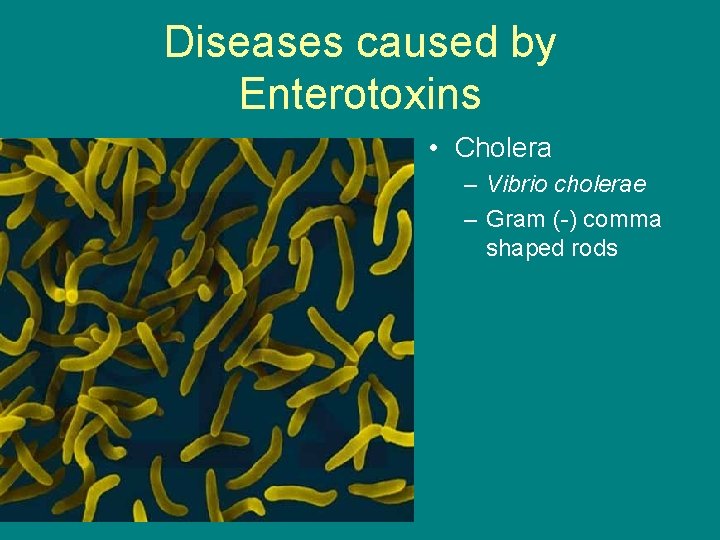
Diseases caused by Enterotoxins • Cholera – Vibrio cholerae – Gram (-) comma shaped rods
Cholera toxin • Converts ATP into c. AMP • causes cells to excrete Cl- ions and inhibits absorption of Na+ ions • Electrolyte imbalance • H 2 O leaves by osmosis • H 2 O Loss (Diarrhea)
Severe cases, 12 - 20 liters of liquid lost in a day • Untreated cases - Mortality Rate about 50% • Mortality may be reduced to about 1% – administering fluids and electrolytes
EHEC (Enterohemorrhagic E. coli) • E. coli (0157: H 7) • enterotoxin causes a hemolytic inflammation of the intestines • results in bloody diarrhea – Toxin • • • alters the 60 S ribosomal subunit inhibits Protein Synthesis Results in cell death lining of intestine is “shed” Bloody Diarrhea (Dysentary)
Staphylococcus Enterotoxin B • Exotoxin produced by Staphylococcus aureus • Food poisoning • Moderately stable • Exposure – Inhalation (incubation 3 -12 hours) – Ingestion (incubation 4 -10 hours) – Skin contact
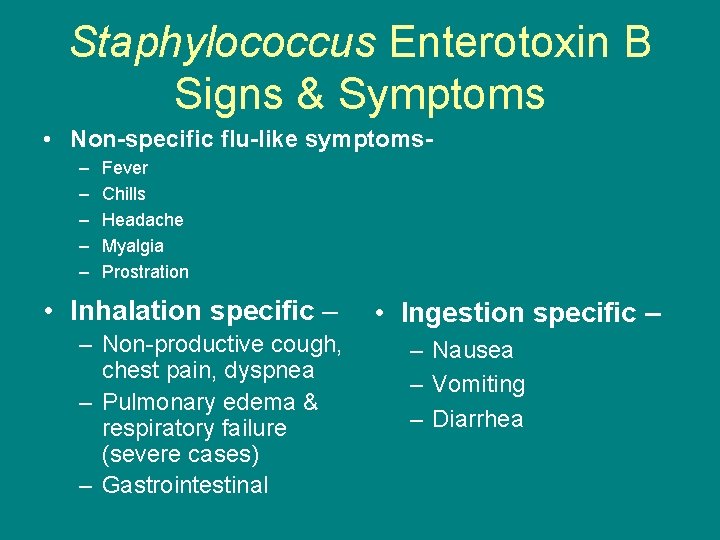
Staphylococcus Enterotoxin B Signs & Symptoms • Non-specific flu-like symptoms– – – Fever Chills Headache Myalgia Prostration • Inhalation specific – – Non-productive cough, chest pain, dyspnea – Pulmonary edema & respiratory failure (severe cases) – Gastrointestinal • Ingestion specific – – Nausea – Vomiting – Diarrhea
Staphylococcus Enterotoxin B • • Toxins – No person transmission Not dermally active Secondary aerosols not a hazard Significant morbidity – Inhalation 50 -80% (untreated)
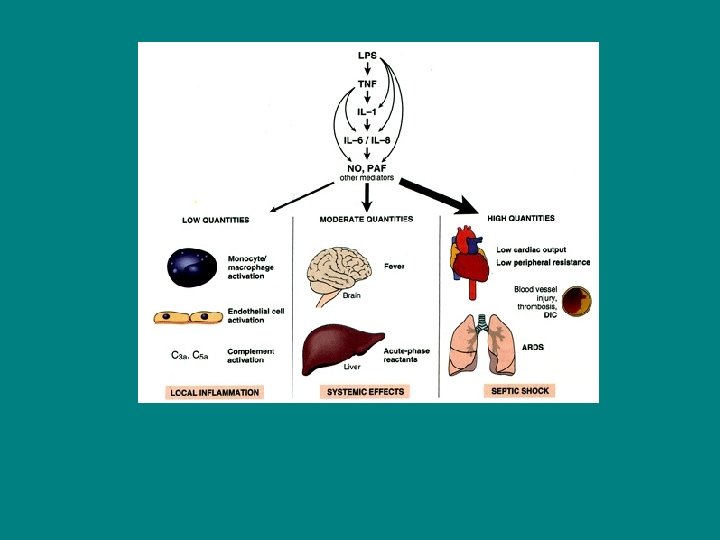
Endotoxins • Structural component in cell wall; Majority found in gram negative bacteria • Three components: – Core polysaccharide – Side chain sugars (antigenic; highly variable) – Lipid A molecule (conserved) • LPS; O antigen • Not secreted (externally); may be released by destruction of cell (phagocytic host cells); targets receptive site
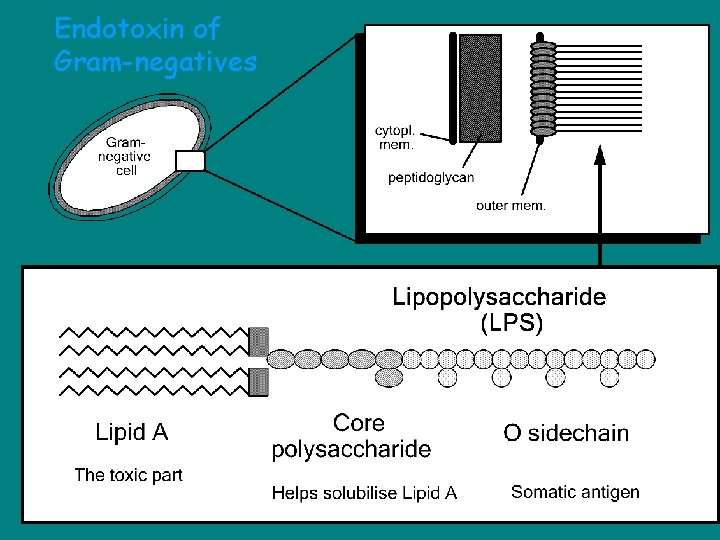
Endotoxin of Gram-negatives
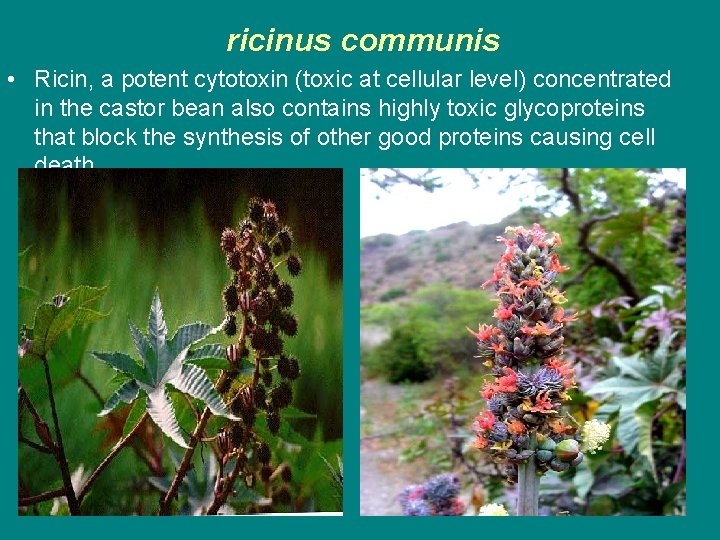
ricinus communis • Ricin, a potent cytotoxin (toxic at cellular level) concentrated in the castor bean also contains highly toxic glycoproteins that block the synthesis of other good proteins causing cell death.
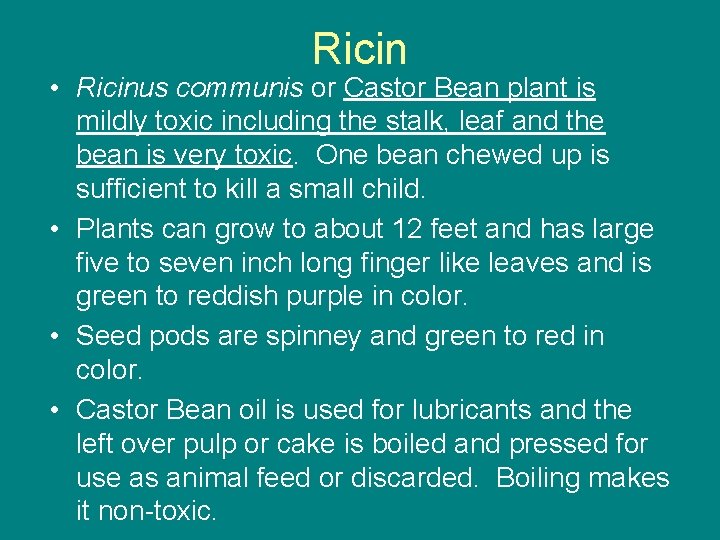
Ricin • Ricinus communis or Castor Bean plant is mildly toxic including the stalk, leaf and the bean is very toxic. One bean chewed up is sufficient to kill a small child. • Plants can grow to about 12 feet and has large five to seven inch long finger like leaves and is green to reddish purple in color. • Seed pods are spinney and green to red in color. • Castor Bean oil is used for lubricants and the left over pulp or cake is boiled and pressed for use as animal feed or discarded. Boiling makes it non-toxic.
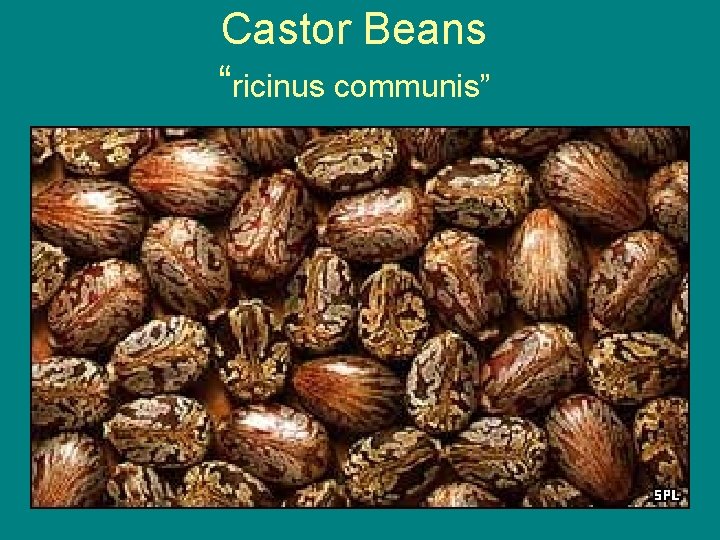
Castor Beans “ricinus communis” •
Ricin – Routes of Entry • There are three methods of ricin poisoning ; • Intravenous-Introduced into a puncture or cut. • Inhalation- Aerosolized liquid or powder inhaled directly into the lungs. • Ingestion- Ricin enters through contaminated food or water into the stomach. • Symptoms range from fever, cough, nausea, chest tightness, sweating, cyanosis, hypo tension (very low blood pressure), dyspnea (labored breathing). Circulatory and respiratory collapse occur within 36 -72 hrs leading to death.
Ricin Signs & Symptoms • Inhalation – – Coughing, chest tightness, nausea, difficulty breathing, muscle aches (1 st few hours) – Inflammed airways, excess fluid in lungs, blue skin, breathing more difficult (next few hours)
Ricin Signs & Symptoms • Ingestion – – Internal bleeding (stomach, intestines) – Blood diarrhea and vomiting – Liver, spleen and kidney failure – Low/no urine output • Ingestion – – – – Pupil dilation Fever Thirst Sore throat Headache Vascular collapse Shock
Ricin Signs & Symptoms • Injection – – Muscle and lymph node death (injection site) – Liver, kidney and spleen failure – Massive bleeding from stomach & intestines – Death – multiple organ failure • 36 -48 hours after exposure
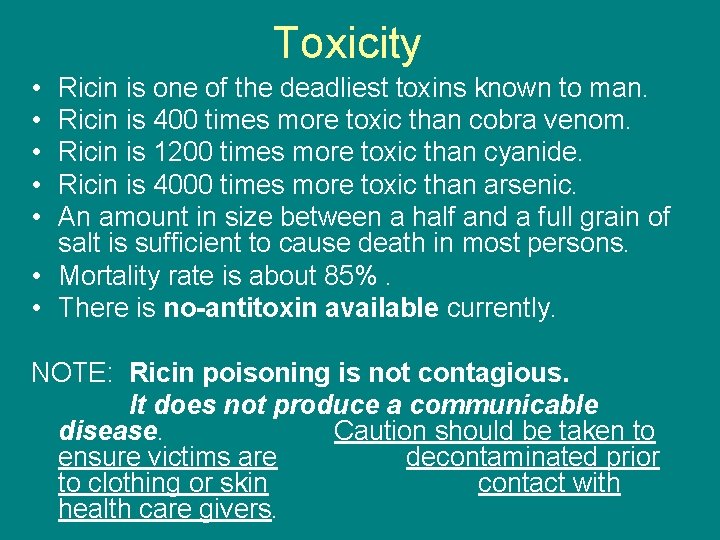
Toxicity • • • Ricin is one of the deadliest toxins known to man. Ricin is 400 times more toxic than cobra venom. Ricin is 1200 times more toxic than cyanide. Ricin is 4000 times more toxic than arsenic. An amount in size between a half and a full grain of salt is sufficient to cause death in most persons. • Mortality rate is about 85%. • There is no-antitoxin available currently. NOTE: Ricin poisoning is not contagious. It does not produce a communicable disease. Caution should be taken to ensure victims are decontaminated prior to clothing or skin contact with health care givers.
Ricin • Castor bean cake or meal can be fed to animals without being toxic due to boiling, then ricin shares the same heat instability towards toxicity. Exposure to high or very warm temperatures and or high humidity will diminish the strength of the toxin (denaturing effect). • Currently, there is no antidote for ricin but one is being worked on by USAMRID and the Nat. Inst. Of Health. The only treatment is large amounts of intestinal protectives via stomach tube and lots of intravenous fluids may possibly help.
Ricin – History as a Weapon • Ricin is a choice toxin of terrorists/assassins, because without motive or witnesses, death appears to be from pneumonia. Death can be caused by a very small amount (. 015 milligram / size of a grain of salt). • 1978 Ricin was the toxin used to assassinate Georgy Markov (Bulgarian Defector) in London. Markov was stuck with an umbrella gun that shot a Platinum ball containing Ricin. Markov died three days later. • 1991 Members of a Minnesota Patriot organization manufactured ricin in an attempt to kill a US Marshal. Their plans and the amount of toxin made could have killed more than a hundred people. They were unsuccessful.
Ricin – History of Use • 1993 Thomas Lavy (Neo Nazi) arrested in Canada en-route to the US, was found to have enough ricin to kill 30, 000 people, four guns and 20, 00 rounds of ammo. • 1995 Disneyland gets threat letter and a video of someone mixing chemicals possibly Ricin or Sarin. • 1997 Thomas Leahy arrested in a shooting. Raid on home finds Ricin lab in basement along with nicotine sulfate and he was trying to grow botulism.
Ricin - Continued • 2003 Seven men (4 Algerians) were arrested in a London apartment where they had manufactured ricin, a quantity of which could not be accounted for. Authorities refused to announce the nationality of the three other suspects.
Recombinant DNA http: //www 4. od. nih. gov/oba/rac/guidelines_02/NIH_Guidelines_Apr_02. htm
Recombinant DNA • Recombinant DNA molecules are either: 1) molecules which are constructed outside living cells by joining natural or synthetic DNA segments to DNA molecules that can replicate in a living cell; or 2) DNA molecules that result from the replication of those described in 1). • Synthetic DNA segments which are likely to yield a potentially harmful polynucleotide or polypeptide (e. g. , a toxin or a pharmacologically active agent) are considered as equivalent to their natural DNA counterpart. • However, if the synthetic DNA segment is not expressed in vivo as a biologically active polynucleotide or polypeptide product, it is exempt from the NIH Guidelines.
IBC Approval • Principal Investigator must submit a registration document to the Institutional Biosafety Committee which contains the following information: – – (i) the source(s) of DNA; (ii) the nature of the inserted DNA sequences; (iii) the host(s) and vector(s) to be used; (iv) if an attempt will be made to obtain expression of a foreign gene, and if so, indicate the protein that will be produced; and – (v) the containment conditions that will be implemented as specified in the NIH Guidelines
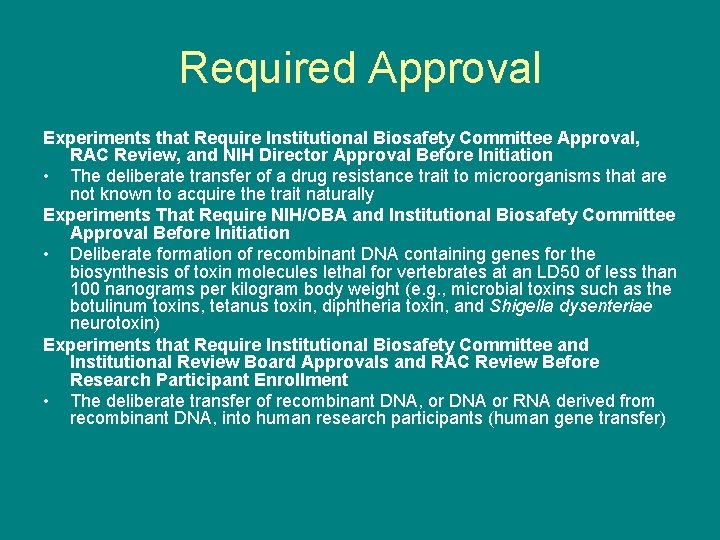
Required Approval Experiments that Require Institutional Biosafety Committee Approval, RAC Review, and NIH Director Approval Before Initiation • The deliberate transfer of a drug resistance trait to microorganisms that are not known to acquire the trait naturally Experiments That Require NIH/OBA and Institutional Biosafety Committee Approval Before Initiation • Deliberate formation of recombinant DNA containing genes for the biosynthesis of toxin molecules lethal for vertebrates at an LD 50 of less than 100 nanograms per kilogram body weight (e. g. , microbial toxins such as the botulinum toxins, tetanus toxin, diphtheria toxin, and Shigella dysenteriae neurotoxin) Experiments that Require Institutional Biosafety Committee and Institutional Review Board Approvals and RAC Review Before Research Participant Enrollment • The deliberate transfer of recombinant DNA, or DNA or RNA derived from recombinant DNA, into human research participants (human gene transfer)
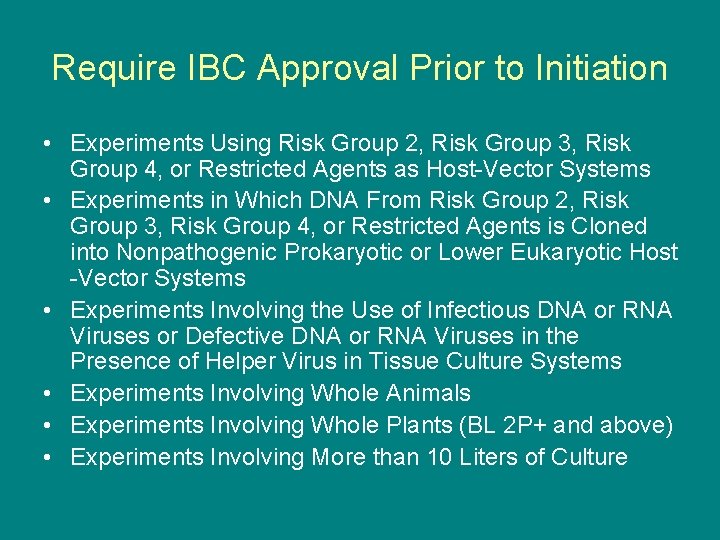
Require IBC Approval Prior to Initiation • Experiments Using Risk Group 2, Risk Group 3, Risk Group 4, or Restricted Agents as Host-Vector Systems • Experiments in Which DNA From Risk Group 2, Risk Group 3, Risk Group 4, or Restricted Agents is Cloned into Nonpathogenic Prokaryotic or Lower Eukaryotic Host -Vector Systems • Experiments Involving the Use of Infectious DNA or RNA Viruses or Defective DNA or RNA Viruses in the Presence of Helper Virus in Tissue Culture Systems • Experiments Involving Whole Animals • Experiments Involving Whole Plants (BL 2 P+ and above) • Experiments Involving More than 10 Liters of Culture
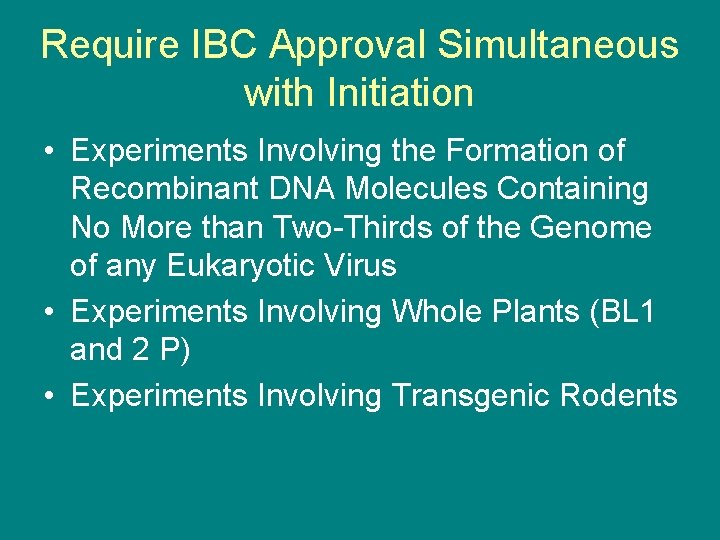
Require IBC Approval Simultaneous with Initiation • Experiments Involving the Formation of Recombinant DNA Molecules Containing No More than Two-Thirds of the Genome of any Eukaryotic Virus • Experiments Involving Whole Plants (BL 1 and 2 P) • Experiments Involving Transgenic Rodents
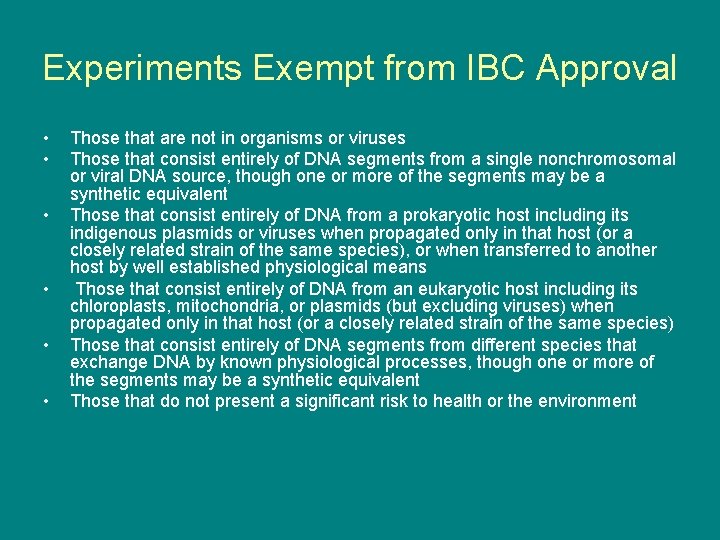
Experiments Exempt from IBC Approval • • • Those that are not in organisms or viruses Those that consist entirely of DNA segments from a single nonchromosomal or viral DNA source, though one or more of the segments may be a synthetic equivalent Those that consist entirely of DNA from a prokaryotic host including its indigenous plasmids or viruses when propagated only in that host (or a closely related strain of the same species), or when transferred to another host by well established physiological means Those that consist entirely of DNA from an eukaryotic host including its chloroplasts, mitochondria, or plasmids (but excluding viruses) when propagated only in that host (or a closely related strain of the same species) Those that consist entirely of DNA segments from different species that exchange DNA by known physiological processes, though one or more of the segments may be a synthetic equivalent Those that do not present a significant risk to health or the environment
- Slides: 66