
Biotechnology Introduction Dr Beenish Saba What is biotechnology
Biotechnology Introduction Dr. Beenish Saba
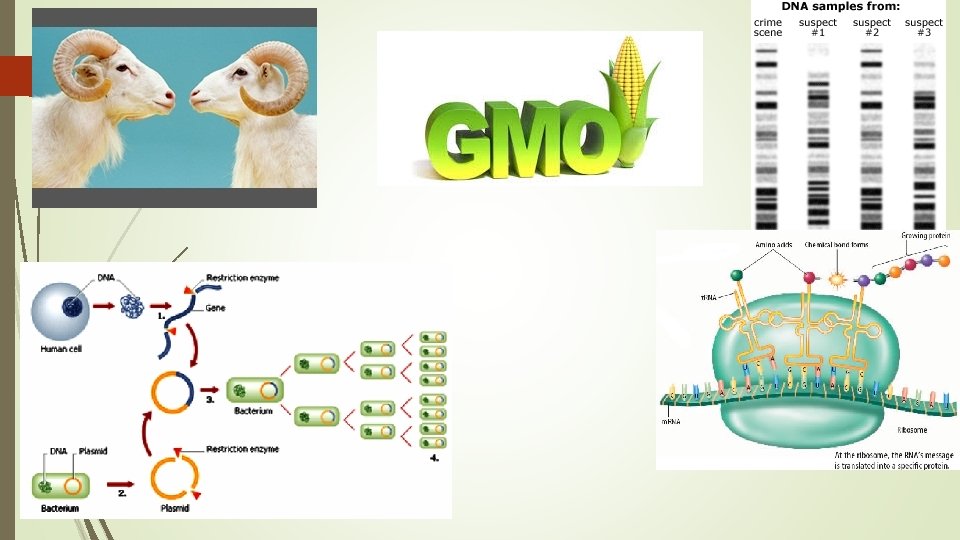
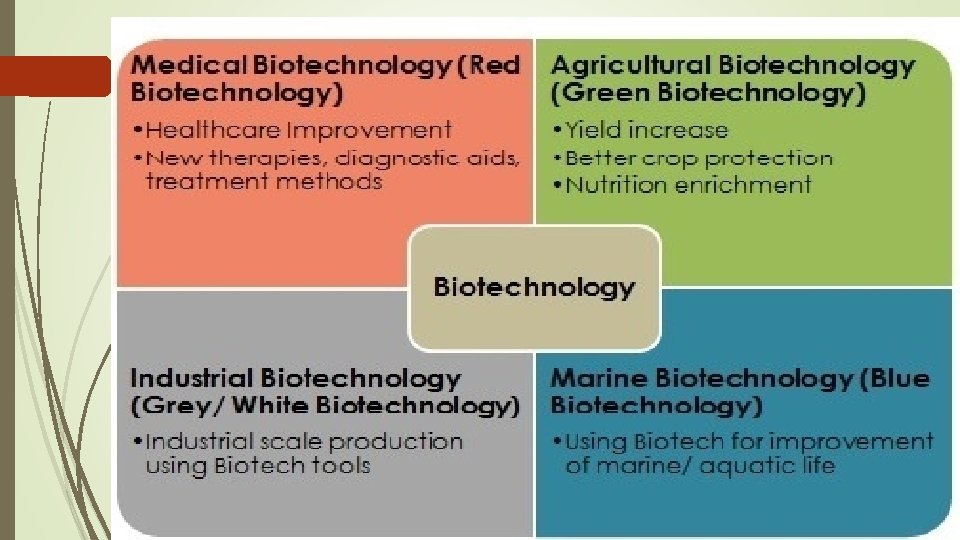
What is biotechnology? Technology based on biological sciences That includes Agriculture Food science Genetics Medicine
Definition The integration of natural sciences and organisms, cells, parts thereof, and molecular analogues for products and services European Federation of Biotechnology (EFB)
Continue… The science of the production processes based on the action of microorganisms and their active components and of production processes involving the use of cells and tissues from higher organisms. The application of scientific and engineering principles to the processing of materials by biological agents to provide goods and services. Medical technology, agriculture and traditional crop breeding are not generally regarded as biotechnology.
Traditional vs Modern Biotechnology Traditional biotechnology refers to the conventional techniques that have been used for many centuries to produce beer, wine, cheese and many other foods, while ‘new’ biotechnology embraces all methods of genetic modification by recombinant DNA and cell fusion techniques together with the modern developments of ‘traditional’ biotech- nological processes.
Historical developments Sumarians and Babylonians were drinking beer by 6000 BC, they were the first to apply direct fermentation to product development; Egyptians were baking leavened bread by 4000 BC Microorganisms were first seen in the seventeenth century by Anton van Leeuwenhoek who developed the simple microscope the fermentative ability of microorganisms was demonstrated between 1857 and 1876 by Pasteur – the father of biotechnology Ethanol, acetic acid, butanol and acetone were produced by the end of the nineteenth century by open microbial fermentation processes
In the l 940 s complicated engineering techniques were introduced to the mass production of microorganisms to exclude contaminating microorganisms. Examples include the production of antibiotics, amino acids, organic acids, enzymes, steroids, polysaccharides, vaccines and monoclonal antibodies. Traditional strain improvement of important industrial organisms has long been practised; recombinant DNA techniques together with protoplast fusion allow new programming of the biological properties of organisms.
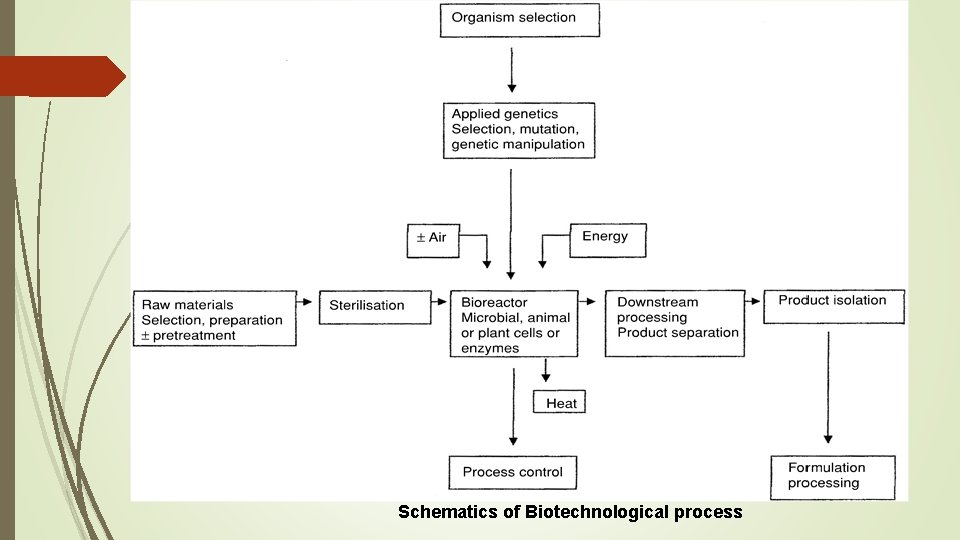
Schematics of Biotechnological process
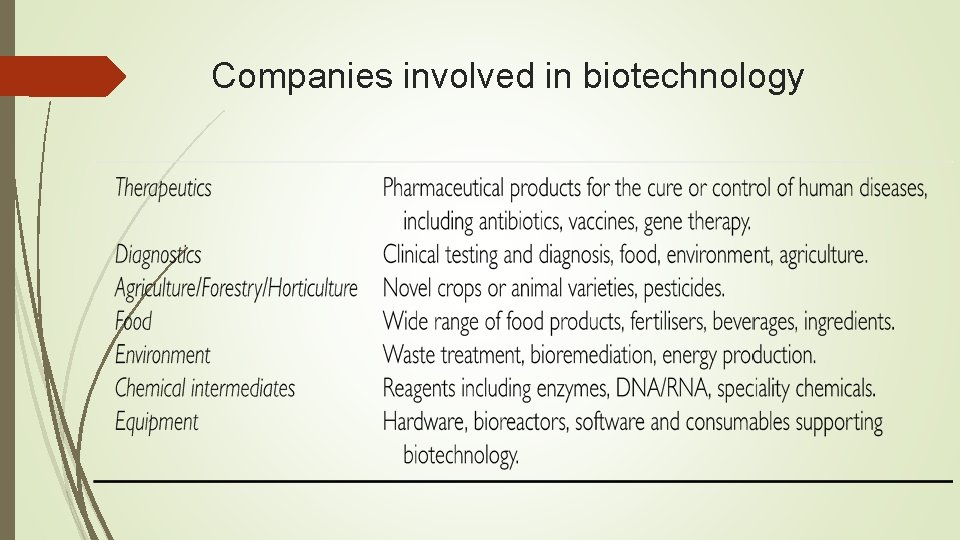
Companies involved in biotechnology
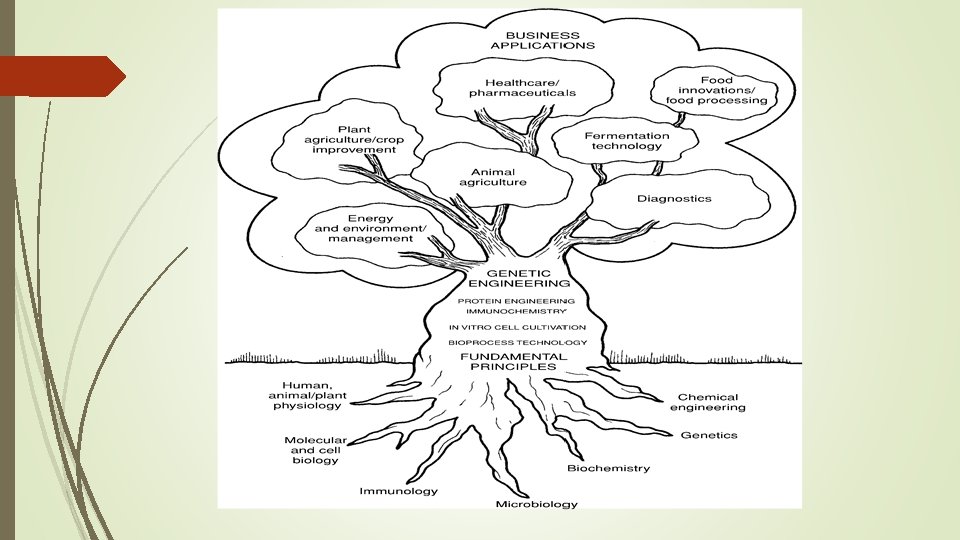
Applications of biotechnology Bioprocess technology Historically, the most important area of biotechnology (brewing, antibiotics, mammalian cell culture, etc. ), Extensive development in progress with new products envisaged (polysaccharides, medically important drugs, solvents, protein-enhanced foods) Novel fermenter designs to optimize productivity.
Enzyme technology Used for the catalysis of extremely specific chemical reactions; Immobilisation of enzymes; to create specific molecular converters (bioreactors). Products formed include L-amino acids, high fructose syrup, semi-synthetic penicillins, starch and cellulose hydrolysis, etc. Enzyme probes for bioassays.
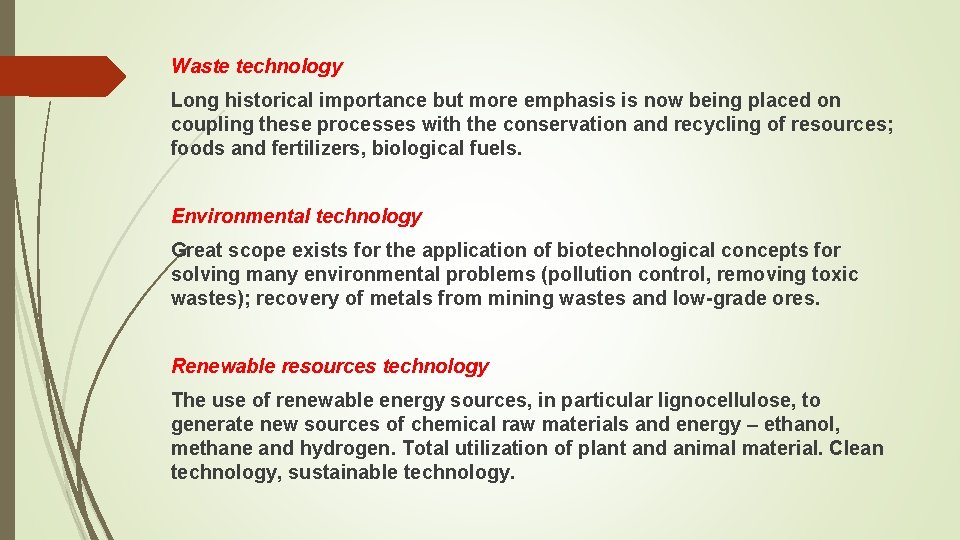
Waste technology Long historical importance but more emphasis is now being placed on coupling these processes with the conservation and recycling of resources; foods and fertilizers, biological fuels. Environmental technology Great scope exists for the application of biotechnological concepts for solving many environmental problems (pollution control, removing toxic wastes); recovery of metals from mining wastes and low-grade ores. Renewable resources technology The use of renewable energy sources, in particular lignocellulose, to generate new sources of chemical raw materials and energy – ethanol, methane and hydrogen. Total utilization of plant and animal material. Clean technology, sustainable technology.
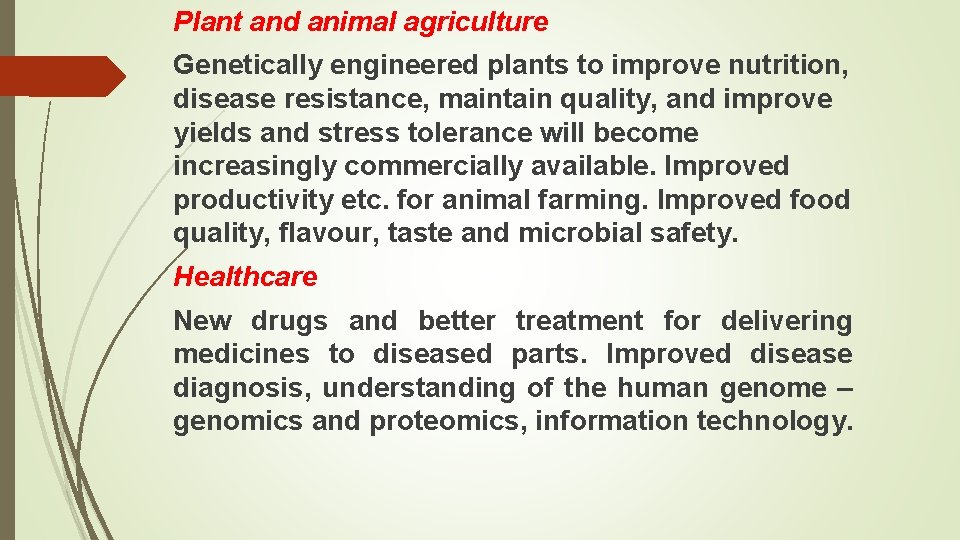
Plant and animal agriculture Genetically engineered plants to improve nutrition, disease resistance, maintain quality, and improve yields and stress tolerance will become increasingly commercially available. Improved productivity etc. for animal farming. Improved food quality, flavour, taste and microbial safety. Healthcare New drugs and better treatment for delivering medicines to diseased parts. Improved disease diagnosis, understanding of the human genome – genomics and proteomics, information technology.
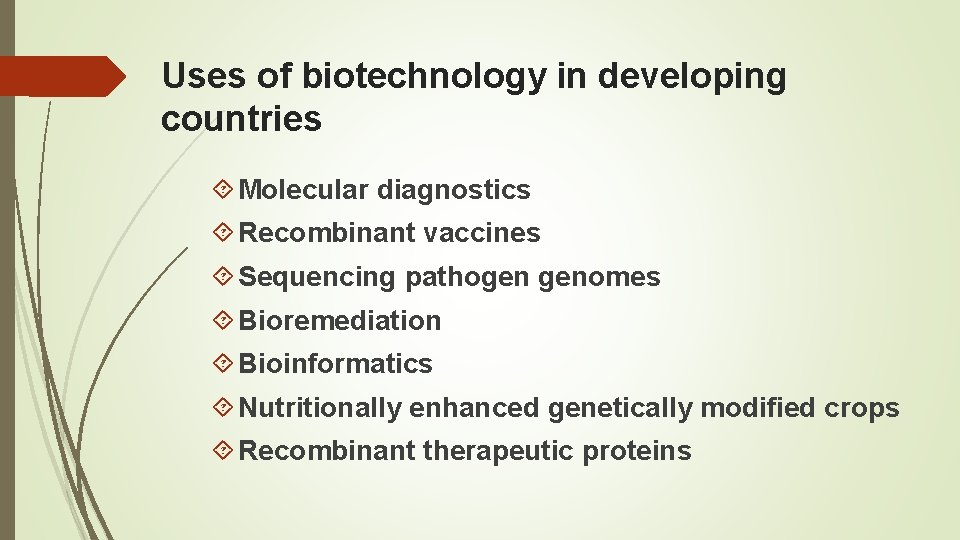
Uses of biotechnology in developing countries Molecular diagnostics Recombinant vaccines Sequencing pathogen genomes Bioremediation Bioinformatics Nutritionally enhanced genetically modified crops Recombinant therapeutic proteins
Fields in biotechnology Genetic engineering Tissue culture Cloning
Genetic Engineering The term genetic engineering initially referred to various techniques used for the modification or manipulation of organisms through the processes of heredity and reproduction. Creation of genetically modified organisms requires recombinant DNA. Recombinant DNA is a combination of DNA from different organisms or different locations in a given genome that would not normally be found in nature
Tissue Culture Tissue culture, a method of biological research in which fragments of tissue from an animal or plant are transferred to an artificial environment in which they can continue to survive and function. The cultured tissue may consist of a single cell, a population of cells, or a whole or part of an organ. Cells in culture may multiply; change size, form, or function; exhibit specialized activity (muscle cells, for example, may contract); or interact with other cells.
Cloning A clone is a genetically identical copy of an organism, and it may be naturally occurring or created in the lab. Through the process of asexual reproduction, organisms such as bacteria (and some plants) create offspring that are genetically identical to the parent. There are three types of cloning: gene cloning, reproductive cloning, and therapeutic cloning. Gene cloning is essentially recombinant DNA technology, where a piece of foreign DNA is inserted into a vector, which can be copied by a host cell.
Therapeutic cloning involves the production of patient-matched stem cells for disease treatment. Reproductive cloning is the process by which a whole organism is cloned. First, a cell is taken from the organism that is being cloned. The DNA from this donor cell is then transferred to an egg cell whose DNA has been removed. The egg cell is “activated” and begins dividing as if it was fertilized. An embryo results, and this embryo is then transferred to the uterus of a surrogate female. After gestation is complete, the surrogate will give birth to the clone, which is a genetic copy of the animal from which the original cell was taken.
Risks and drawbacks Allergies Toxicity Nutrient imbalance Decrease of food diversity Interaction of nutrients Interaction between nutrients and genes Bioavailability of nutrients Metabolism and "Strength" of nutrients.
Concept video https: //www. youtube. com/watch? v=Snk. Hmw. TKks. Q TEDx talk https: //www. youtube. com/watch? v=t. RYu. N 9 Ga. N 7 I
- Slides: 24