
Biostratigraphy Basis of Biostratigraphy Biozones Examples Problems Magnetostratigraphy
Biostratigraphy • Basis of Biostratigraphy • Biozones • Examples • Problems • Magnetostratigraphy • Chemostratigraphy Text: Manual, p. 31; Boggs, Ch. 17
Biostratigraphy: divide and correlate rock packages using fossils. * Boundaries may or may not correspond to lithostratigraphic boundaries.
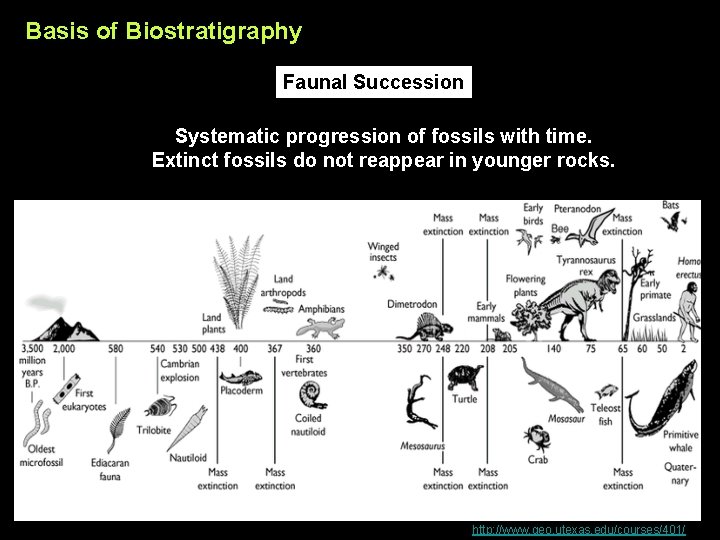
Basis of Biostratigraphy Faunal Succession Systematic progression of fossils with time. Extinct fossils do not reappear in younger rocks. http: //www. geo. utexas. edu/courses/401/
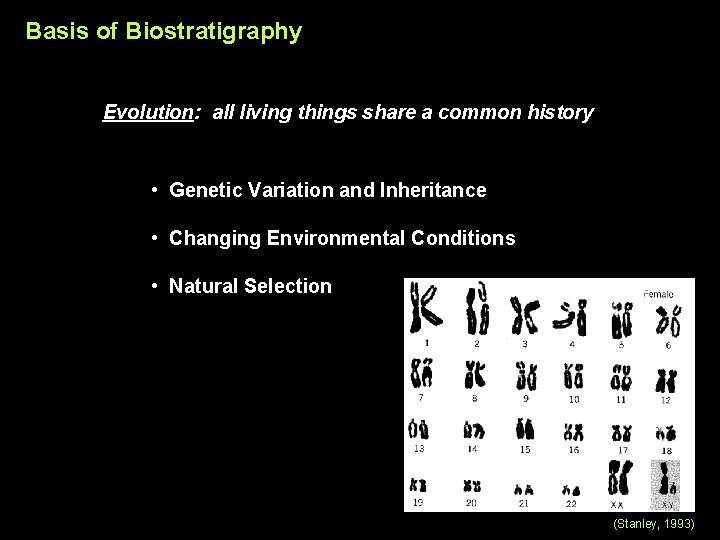
Basis of Biostratigraphy Evolution: all living things share a common history • Genetic Variation and Inheritance • Changing Environmental Conditions • Natural Selection (Stanley, 1993)
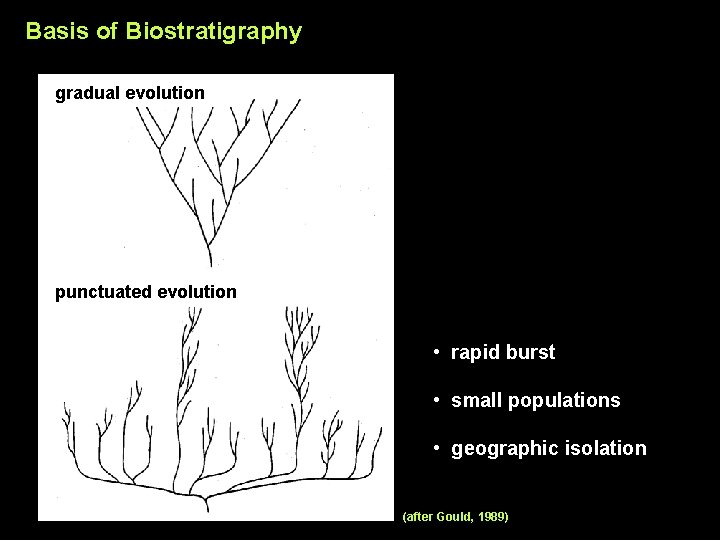
Basis of Biostratigraphy gradual evolution punctuated evolution • rapid burst • small populations • geographic isolation (after Gould, 1989)
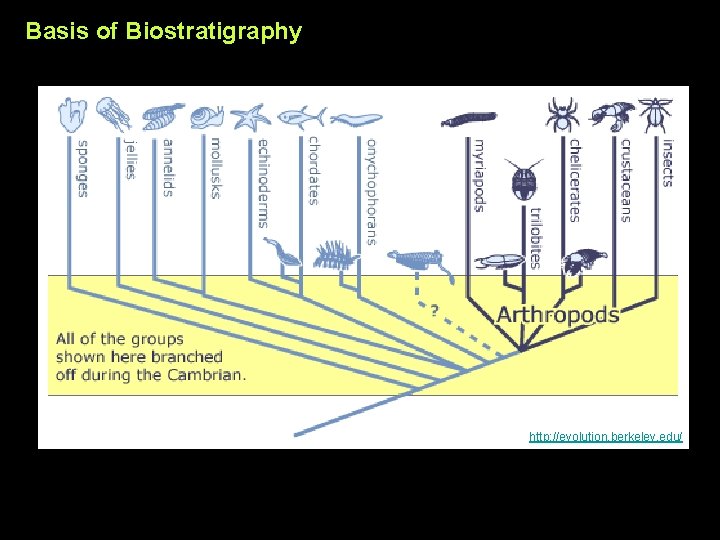
Basis of Biostratigraphy http: //evolution. berkeley. edu/
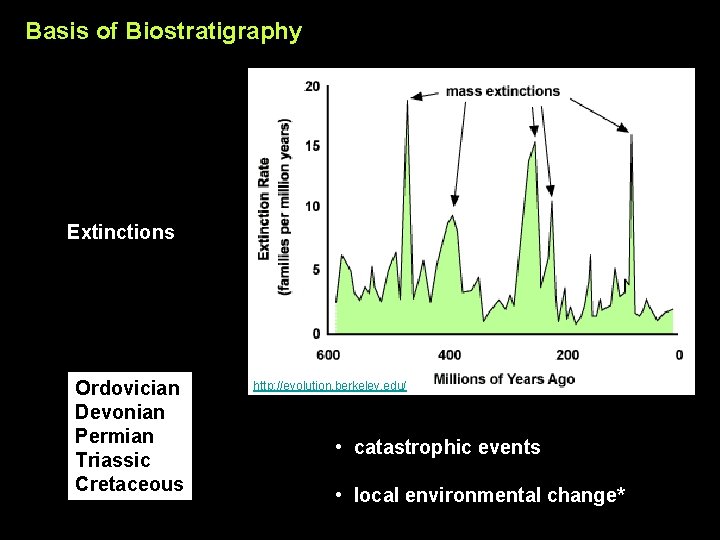
Basis of Biostratigraphy Extinctions Ordovician Devonian Permian Triassic Cretaceous http: //evolution. berkeley. edu/ • catastrophic events • local environmental change*
Biostratigraphy Methods • Determine ranges of fossils in section • Divide into Biozones Range: First to last occurrence of a taxon Biozone: basic unit of biostratigraphy
Basis of Biostratigraphy index fossil: a fossil that is useful to determine biozones Characteristics of Good Index Fossils • abundant fossils • widespread distribution • lived for short period of time • readily preserved • clear identifcation
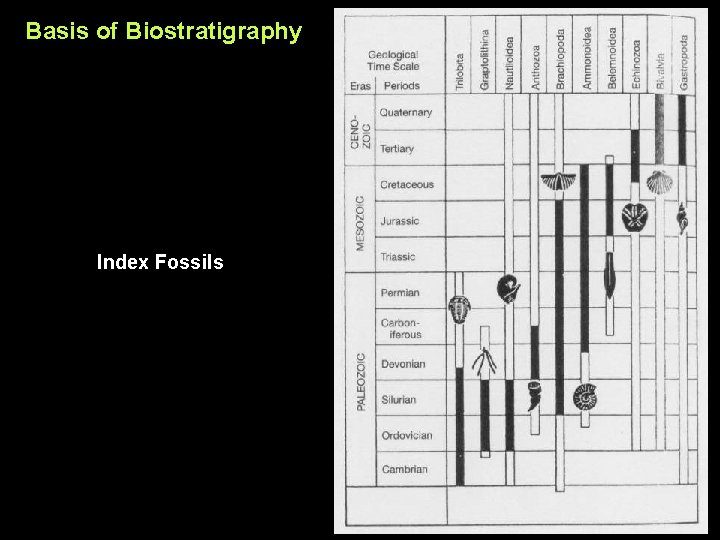
Basis of Biostratigraphy Index Fossils
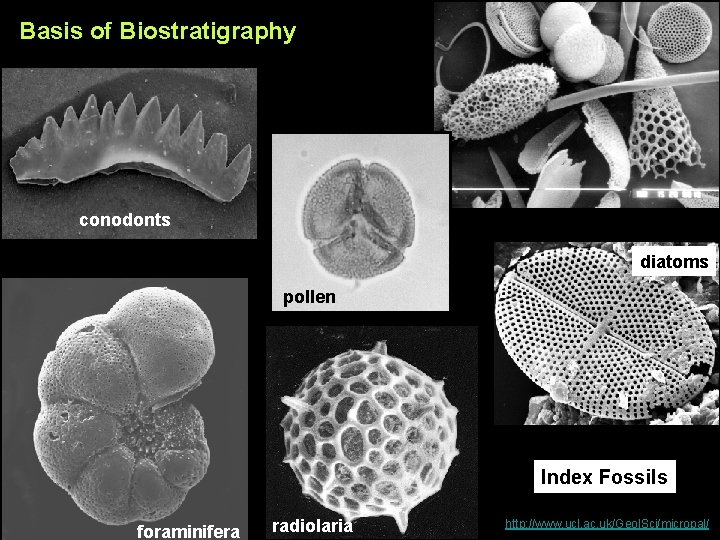
Basis of Biostratigraphy conodonts diatoms pollen Index Fossils foraminifera radiolaria http: //www. ucl. ac. uk/Geol. Sci/micropal/
Biostratigraphy • Basis of Biostratigraphy • Biozones • Examples • Problems • Magnetostratigraphy • Chemostratigraphy Text: Manual, p. 31; Boggs, Ch. 17
Biozones Types of Biozones 1. Interval Zones 2. Assemblage Zones 3. Abundance Zones
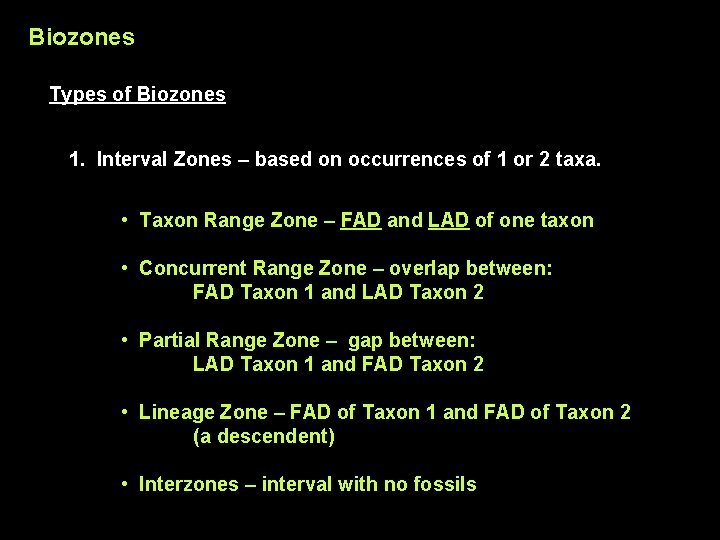
Biozones Types of Biozones 1. Interval Zones – based on occurrences of 1 or 2 taxa. • Taxon Range Zone – FAD and LAD of one taxon • Concurrent Range Zone – overlap between: FAD Taxon 1 and LAD Taxon 2 • Partial Range Zone – gap between: LAD Taxon 1 and FAD Taxon 2 • Lineage Zone – FAD of Taxon 1 and FAD of Taxon 2 (a descendent) • Interzones – interval with no fossils
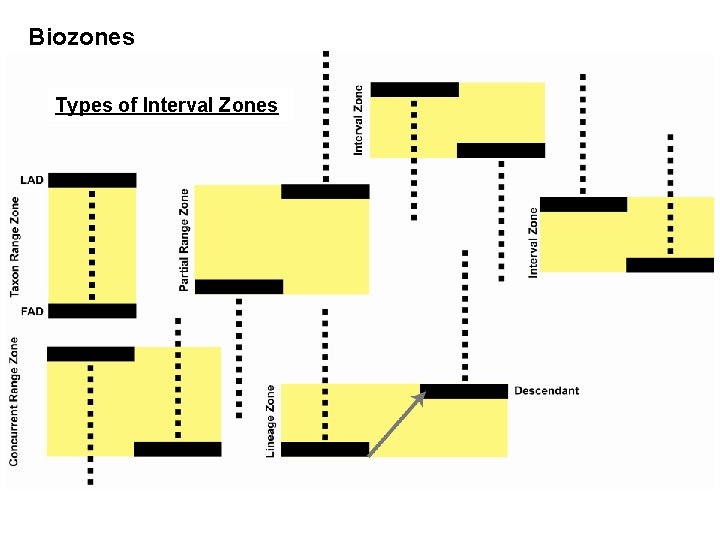
Biozones Types of Interval Zones
Biozones Types of Biozones 1. Interval Zones – based on occurrences of 1 or 2 taxa. 2. Assemblage Zones – based on association of 3 or more taxa.
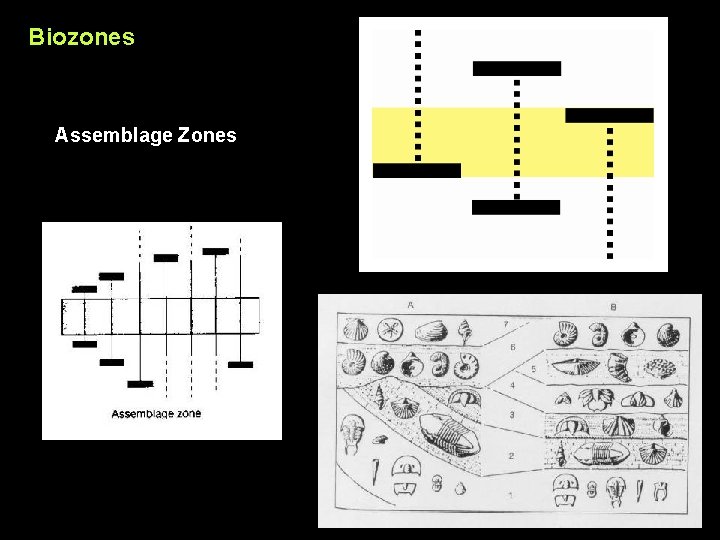
Biozones Assemblage Zones
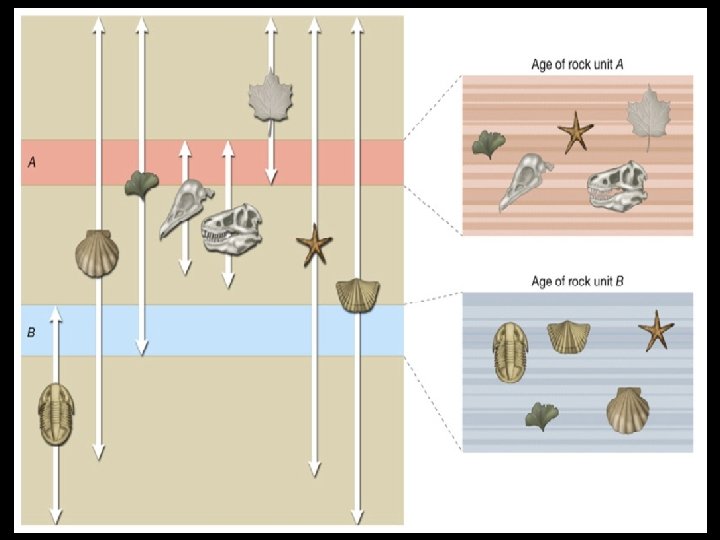
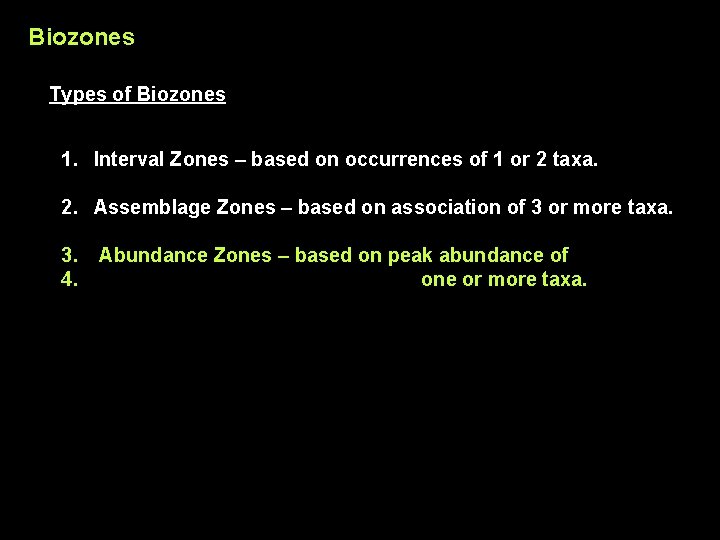
Biozones Types of Biozones 1. Interval Zones – based on occurrences of 1 or 2 taxa. 2. Assemblage Zones – based on association of 3 or more taxa. 3. 4. Abundance Zones – based on peak abundance of one or more taxa.
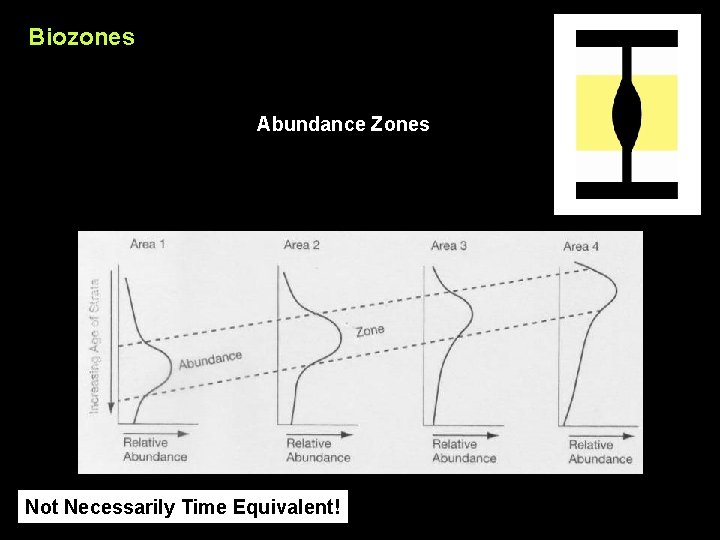
Biozones Abundance Zones Not Necessarily Time Equivalent!
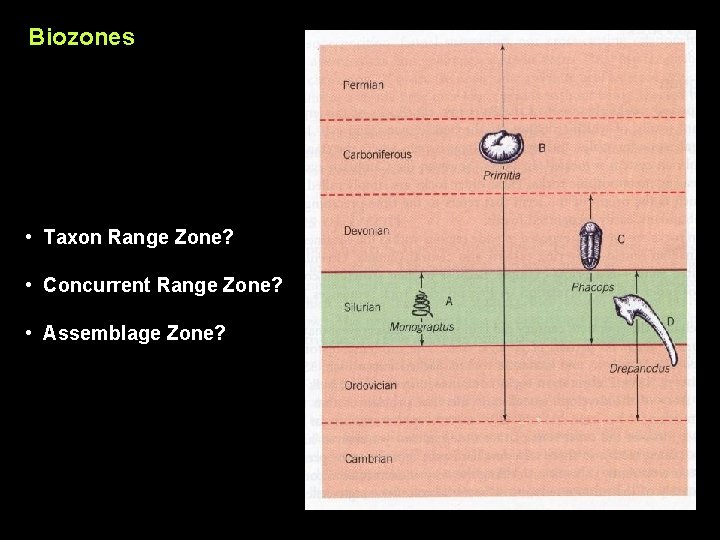
Biozones • Taxon Range Zone? • Concurrent Range Zone? • Assemblage Zone?
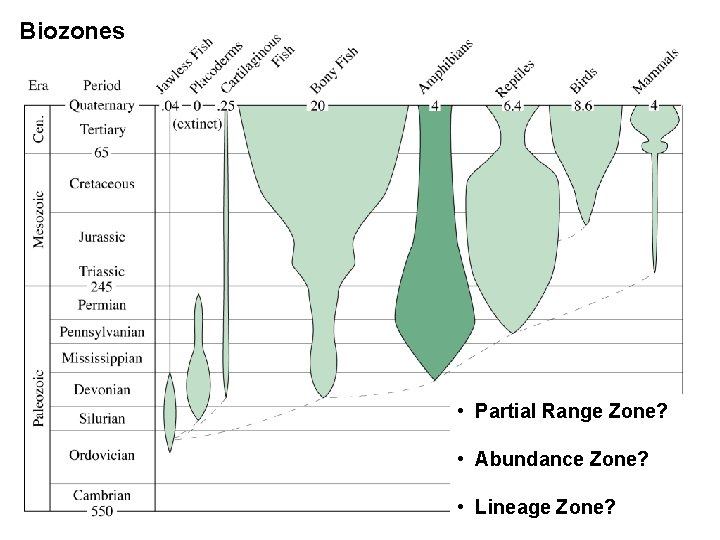
Biozones • Partial Range Zone? • Abundance Zone? • Lineage Zone?
Biostratigraphy • Basis of Biostratigraphy • Biozones • Examples • Problems • Magnetostratigraphy • Chemostratigraphy Text: Manual, p. 31; Boggs, Ch. 17
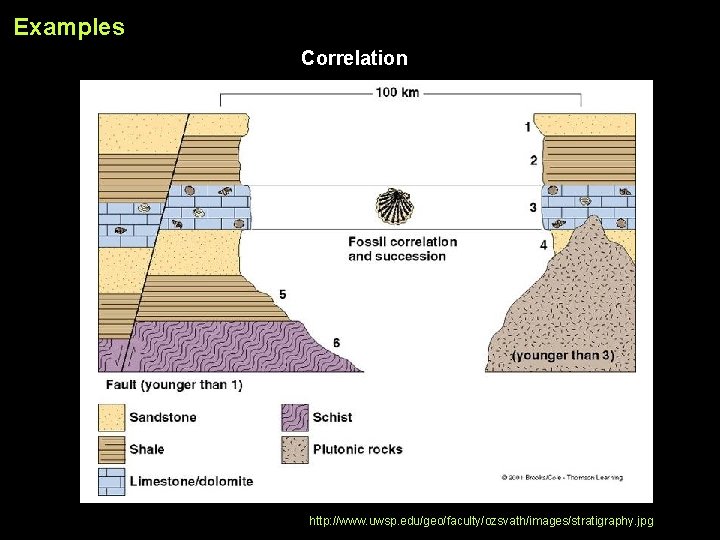
Examples Correlation • • • index fossils principles of stratigraphy marker horizons geophysical properties geochemical properties http: //www. uwsp. edu/geo/faculty/ozsvath/images/stratigraphy. jpg
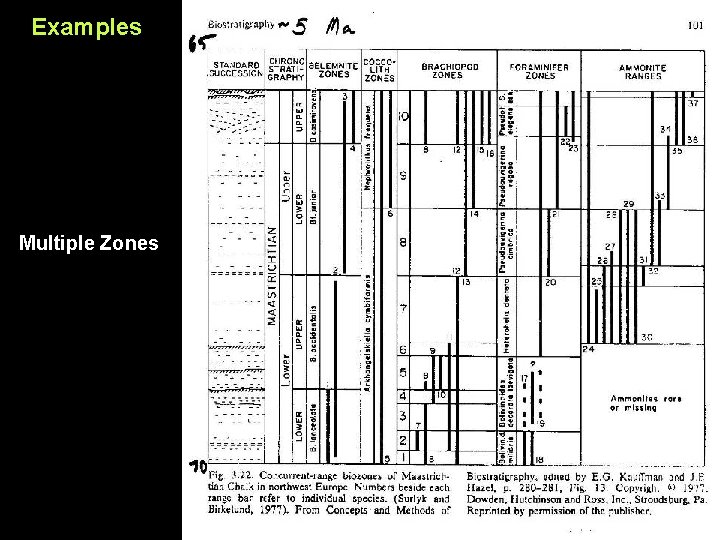
Examples Multiple Zones
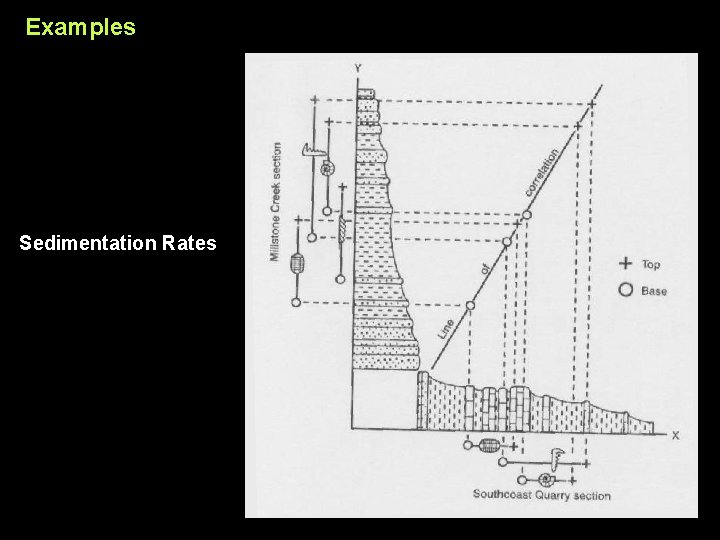
Examples Sedimentation Rates
Biostratigraphy • Basis of Biostratigraphy • Biozones • Examples • Problems • Magnetostratigraphy • Chemostratigraphy Text: Manual, p. 31; Boggs, Ch. 17
Problems • Facies Control on Distribution • Taphonomy • Collection and Identification Bias
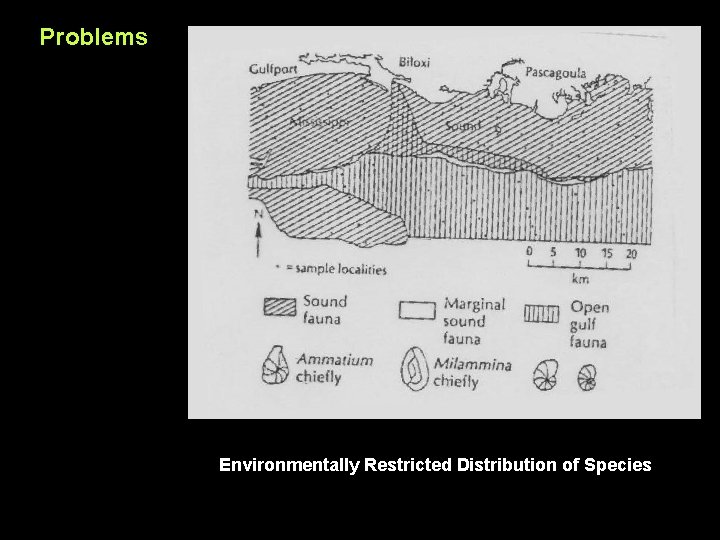
Problems Environmentally Restricted Distribution of Species
Biostratigraphy • Basis of Biostratigraphy • Biozones • Examples • Problems • Magnetostratigraphy • Chemostratigraphy Text: Manual, p. 31; Boggs, Ch. 17
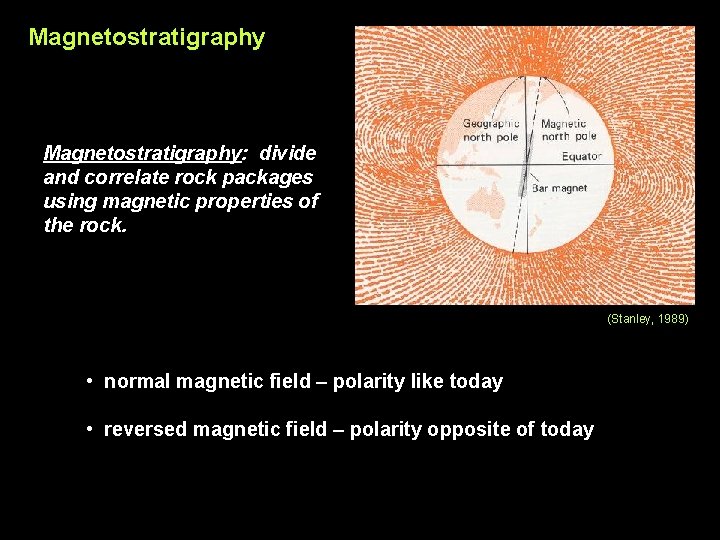
Magnetostratigraphy: divide and correlate rock packages using magnetic properties of the rock. (Stanley, 1989) • normal magnetic field – polarity like today • reversed magnetic field – polarity opposite of today
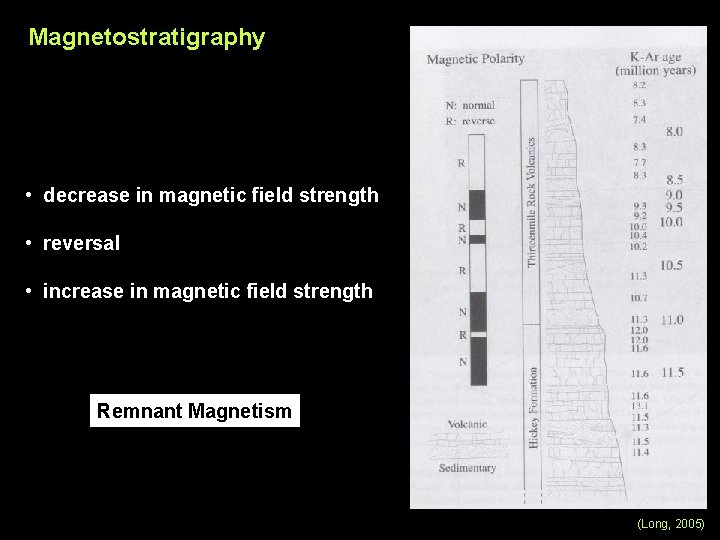
Magnetostratigraphy • decrease in magnetic field strength • reversal • increase in magnetic field strength Remnant Magnetism (Long, 2005)
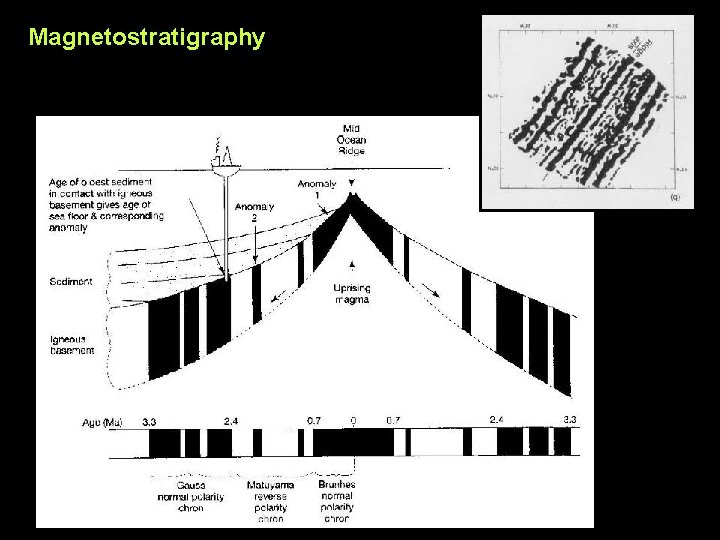
Magnetostratigraphy
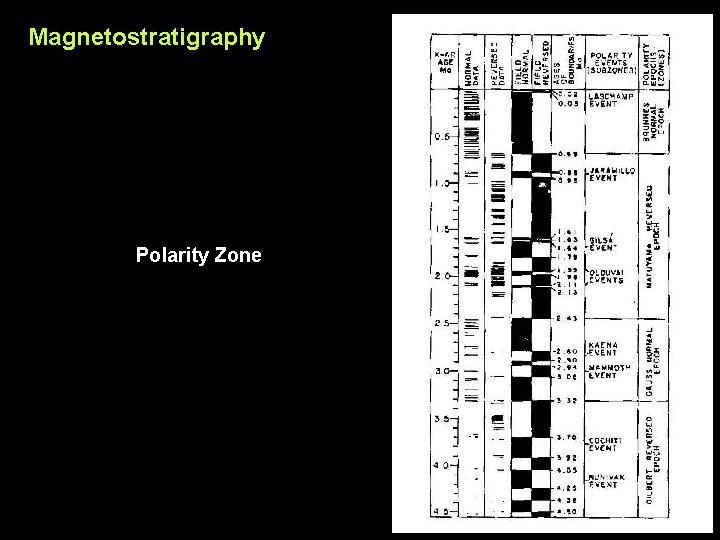
Magnetostratigraphy Polarity Zone
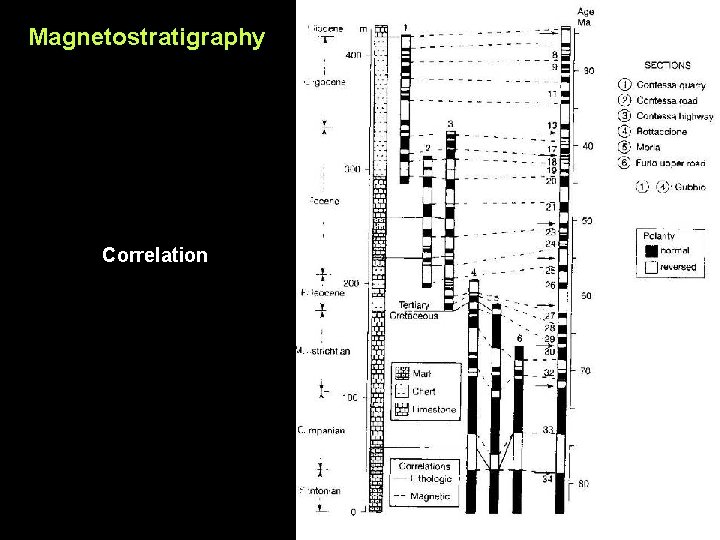
Magnetostratigraphy Correlation
Biostratigraphy • Basis of Biostratigraphy • Biozones • Examples • Problems • Magnetostratigraphy • Chemostratigraphy Text: Manual, p. 31; Boggs, Ch. 17
Chemostratigraphy: divide and correlate rock packages using chemical properties of the rock. Isotope
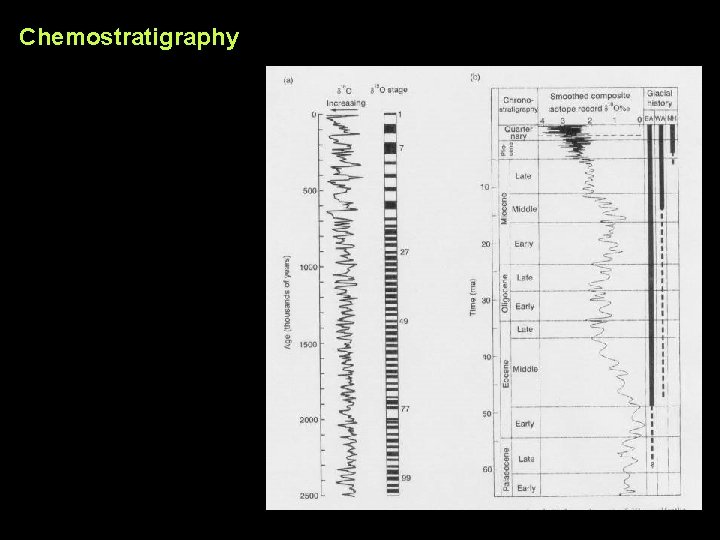
Chemostratigraphy
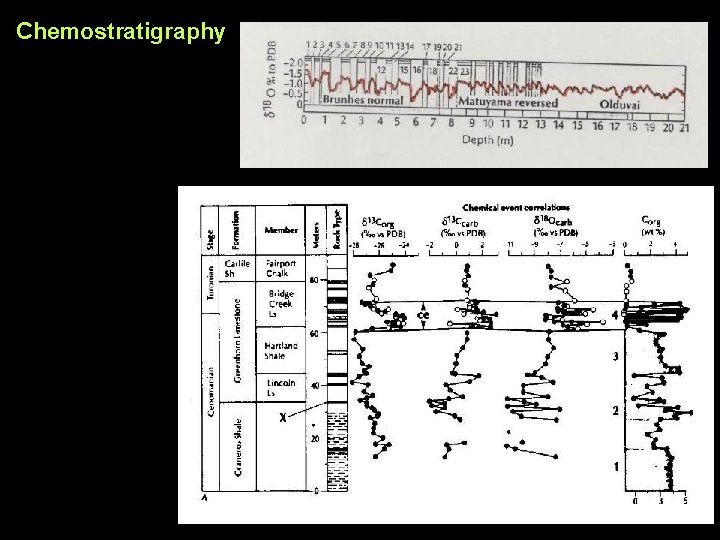
Chemostratigraphy
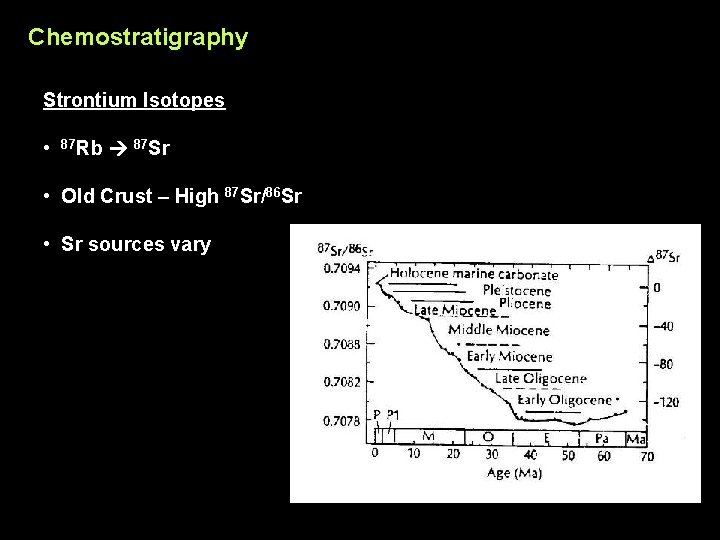
Chemostratigraphy Strontium Isotopes • 87 Rb 87 Sr • Old Crust – High 87 Sr/86 Sr • Sr sources vary
- Slides: 40