
Bioremediation A solution to environmental pollution Content Definition

Bioremediation A solution to environmental pollution

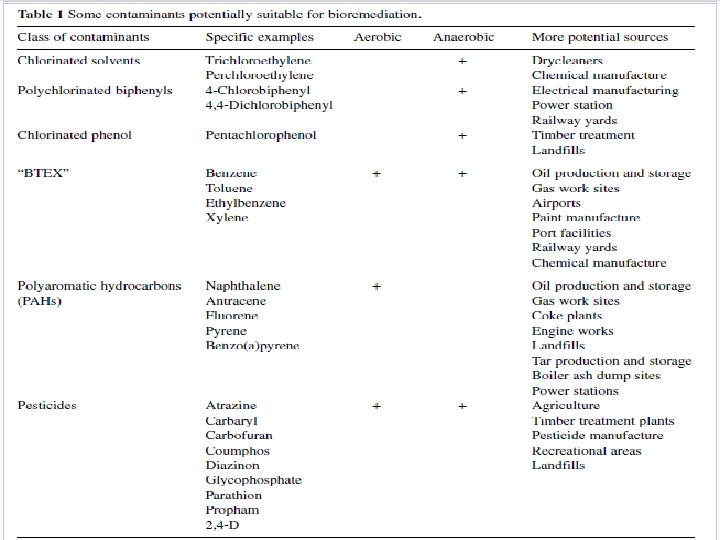
Content � Definition. � Contaminants suitable for bioremidiation. � Types of bioremidiation. � Microorganisms invoved. � Process of bioremidiation � Phytoremidiation � Advantage and disadvantages � Summary

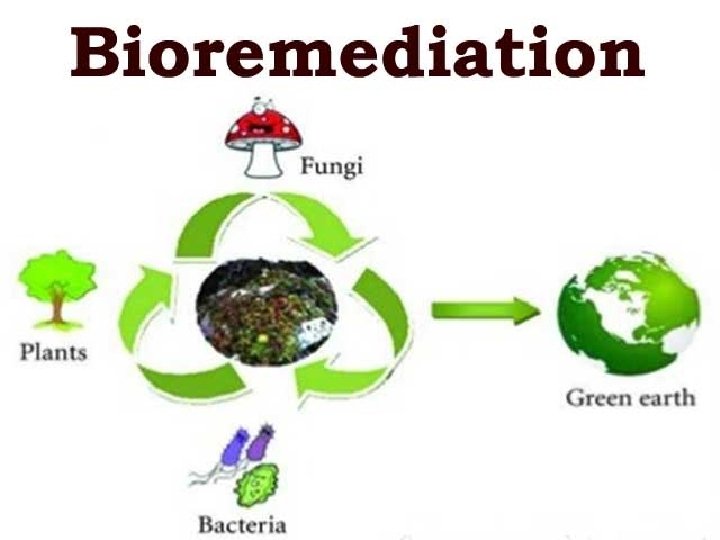
Bioremediation � Definition: � Bioremediation is a process used to treat contaminated media, including water, soil and subsurface material, by altering environmental conditions to stimulate growth of microorganisms and degrade the target pollutants. In many cases, bioremediation is less expensive and more sustainable than other remediation alternatives.
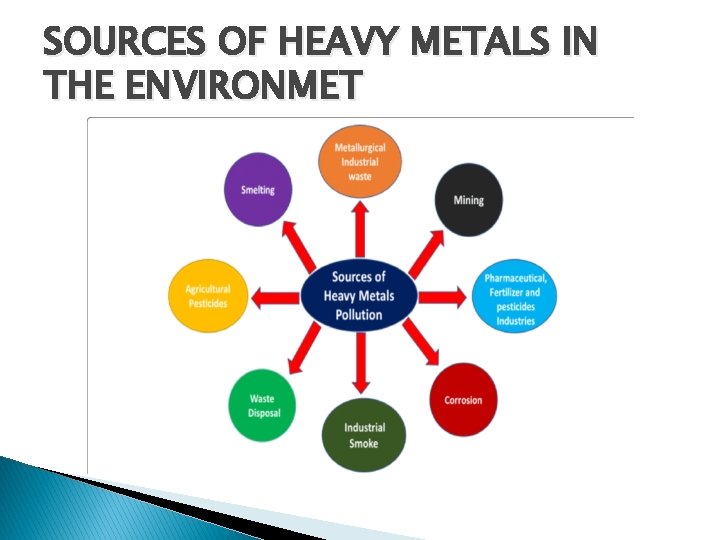
SOURCES OF HEAVY METALS IN THE ENVIRONMET

Types of Bioremediation � Bioremediation is of three types � 1. Biostimulation � 2. Bioaugmentation � 3. Intrinsic bioremediation
Biostimulation � Biostimulation involves the modification of the environment to stimulate existing bacteria capable of bioremediation. This can be done by addition of various forms of rate limiting nutrients and electron acceptors, such as phosphorus, nitrogen, oxygen, or carbon
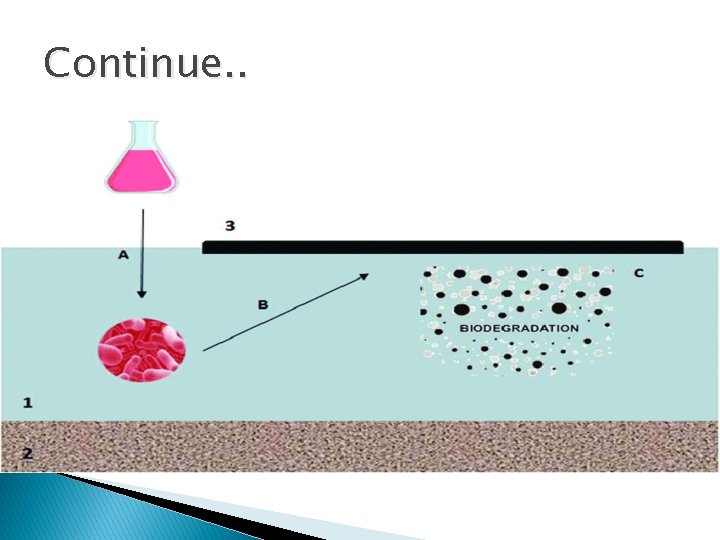
Continue. .
Bioaugmentation � Bioaugmentation is the practice of adding cultured microorganisms into the subsurface for the purpose of biodegrading specific soil and groundwater contaminants.

Bioaugmentation
Intrinsic bioremediation �A type of bioremediation that manages the innate capabilities of naturally occurring microbes to degrade contaminants without taking any engineering steps to enhance the process.
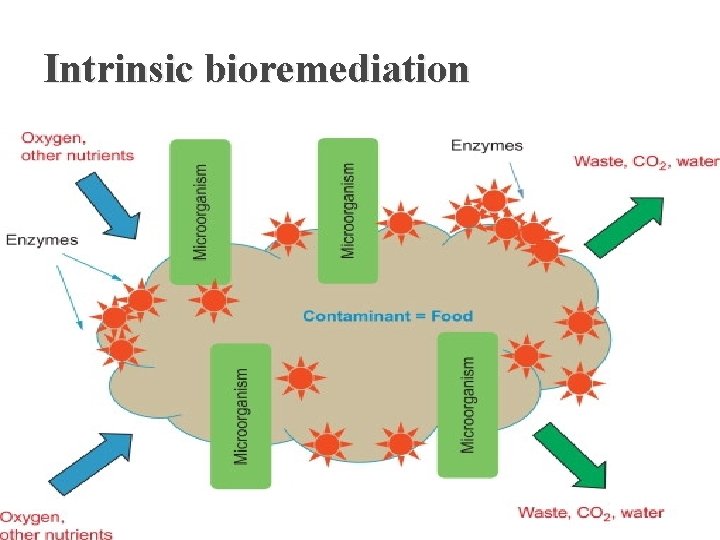
Intrinsic bioremediation
BIOREMEDIATION OF HYDROCARBONS � Petroleum and its products are hydrocarbons. Oil constitute a variety of hydrocarbons (xylanes, naphthalenes, octane's, camphor etc, ). � The pollutants can be degraded by a consortium of microorganisms, e. g Pseudomoas, Corynebacterium, Arthrobacter, Mycobacterium and Nocardia. � Genetically engineered bacterial strains are used to enhance bioremediation. � In 1990, the USA Govt allowed him to use this superbug for cleaning up of an oil spill in water of State of Texas. It was produced on a large scale in laboratory, mixed with straw and dried
Organisms Involved in Bioremediation Process: � Organisms that are due to be applied in bioremediation shall fulfill the following requirements. � (a) The organisms will have the effective enzymes important in bio-remediation; � (b) The organism shall be able to live and demonstrate its bioactivity under conditions of pollution; � (c) The organism must be able to get access to the contaminant that may be not soluble in aqueous environments or severely adsorbed to solid surfaces; �.
Continue. . � (d) The substrate site of the contaminant must be accessible for the active site of the enzyme of role in bioremediation; � (e) Contaminant and the enzymatic system must come in close contact somewhere in or out of the cell; and finally � (f) Appropriately favorable environmental conditions must exist or be provided to arise the population of the potential bioremediant
TYPES OFREACTIONS IN BIOREMEDIATION: � Aerobic � bioremediation Anaerobic bioremediation
Microorganisms involved in the Bioremidiation � Aerobic micro organism: � Pseudomonas, Sphingomonas, Rhodococcus and Mycobacterium. � The anaerobic microorganism: � is one which lives in the absence of oxygen. � ligninolytic fungi: � Phanaerochaete chrysosporium � Methylotrophs: � uses methane as carbon and energy.
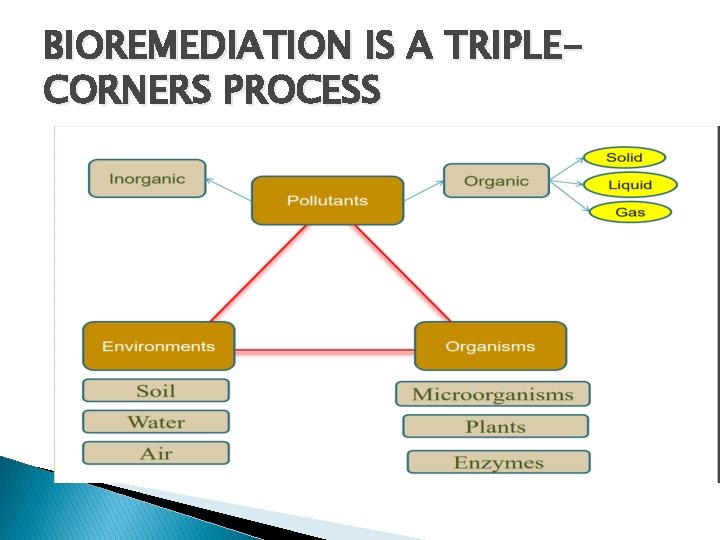
BIOREMEDIATION IS A TRIPLECORNERS PROCESS
REDOX CLEAN-UP REACTIONS Anaerobic or aerobic metabolism involve oxidation and reduction reactions or Redox reactions for detoxification. Ø Oxygen could be reduced to water and oxidize organic compounds. Anaerobic reaction can use nitrate. Ø In return, biomass is gained for bacterial or fungal growth. Ø In many cases, combined efforts are needed, indigenous microbes found naturally in polluted sites are useful. Ø
USE OF BACTERIA IN BIOREMEDIATION Greatly affected by unstable climatic and environmental factors from moisture to temperature. Ø For examples, p. H in soil is slightly acidic; petroleum hydrocarbon degrading bacteria do not work well < 10º C. Ø These microbes are usually thermophilic anaerobic. Ø
USE OF BACTERIA IN BIOREMEDIATION Ø Fertilizers are needed. Seeding or bioaugmentation could be useful too. Ø They contain monooxygenases and dehydrogenases to break down organic matters including most toxic substances.
PSEUDOMONAS � Genetically engineered bacteria (Pseudomonas) with plasmid producing enzymes to degrade octane and many different organic compounds from crude oil. �A selected list of genetically engineered microorganisms.
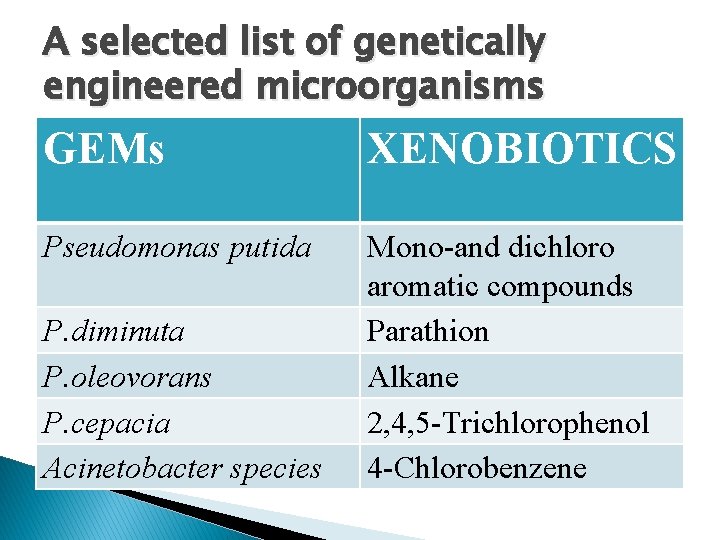
A selected list of genetically engineered microorganisms GEMs XENOBIOTICS Pseudomonas putida Mono-and dichloro aromatic compounds Parathion Alkane 2, 4, 5 -Trichlorophenol 4 -Chlorobenzene P. diminuta P. oleovorans P. cepacia Acinetobacter species
USE OF FUNGI IN BIOREMEDIATION � Candida can degrade formaldehyde. � Gibberella can degrade cyanide. � Slurry-phase bioremediation is useful too but only for small amounts of contaminated soil. � Composting can be used to degrade household wastes.
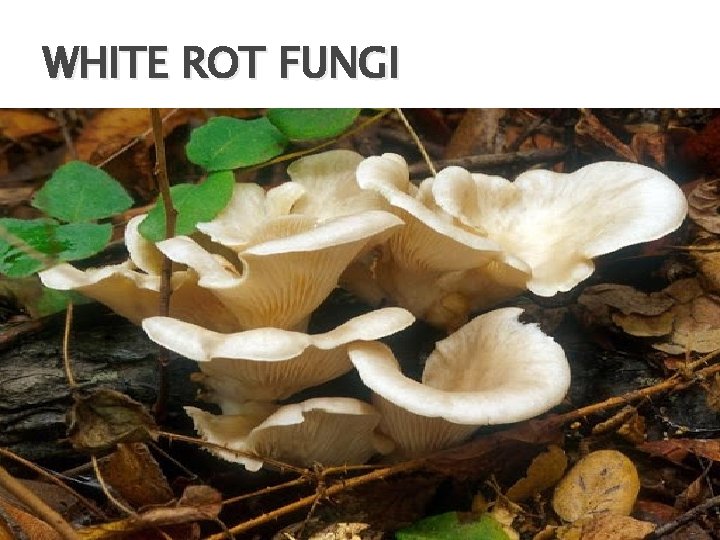
WHITE ROT FUNGI � White rot fungi can degrade organic pollutants in soil and effluent and decolorize kraft black liquor, e. g. Phanerochaete chrysosporium can produce aromatic mixtures with its lignolytic system. � Pentachlorophenol, dichlorodiphenyltrichloroethane (e. g. DDT), even TNT (trinitrotoluene) can be degraded by white rot fungi.
WHITE ROT FUNGI
ENVIRONMENTAL CLEAN-UP PROCESS � The basis of removal and transportation of wastes for treatment, basically there are two methods. � 1. Insitu bioremediation � 2. Ex situ bioremediation
INSITU BIOREMEDIATION: � It involves direct approach for the microbial degradation of xenobiotics at the sites of pollution (soil, ground water). � It has been successfully applied for clean-up oil spillages, beaches etc. � There are 2 types of in situ bioremediation � 1: Intrinsic bioremediation � 2: Engineered bioremediation
Intrinsic bioremediation: � This type of in situ bioremediation is carried out without direct microbial amendment and through intermediation in ecological conditions of the contaminated region and the fortification of the natural populations and the metabolic activities of indigenous or naturally existing microfauna by improving nutritional and ventilation conditions
Engineered in situ bioremediation: � Bioremediation is performed through the introduction of certain microorgansims to a contamination site. As the conditions of contamination sites are most often unfavorable for the establishment and bioactivity of the exogenously amended microorganisms, therefore here like intrinsic bioremediation, the environment is modified in a way so that improved physico-chemical conditions are provided. Oxygen, electron acceptors, and nutrients (for example nitrogen and phosphorus) are required to enhance microbial growth
EXSITU BIOREMEDIATION � The waste or toxic materials can be collected from the polluted sites and bioremediation with the requisite microorganisms can be carried out at designed places. � METABOLIC EFFECT OF MO’S ON XENOBIOTICS: � Detoxification Activation � Degradation Conjugation
Solid phase system (including land treatment and soil piles): � The system is used in order to bioremediate organic wastes and problematic domestic and industrial wastes, sewage sludge, and municipal solid wastes. Solid-phase soil bioremediation includes three processes including land-farming, soil biopiling, and composting.
Slurry phase systems (including solid– liquid suspensions in bioreactors): � Slurry phase bioremediation is a relatively more rapid process compared to the other treatment processes. � Contaminated soil is mixed with water and other additives in a large tank called a bioreactor and intermingled to bring the indigenous microorganisms in close contact with soil contaminants. Nutrients and oxygen are amended, and the conditions in the bioreactor are so adjusted that an optimal environment for microbial bioremediation is provided. After completion of the process, the water is removed, and the solid wastes are disposed off or processed more to decontaminate remaining pollutants.
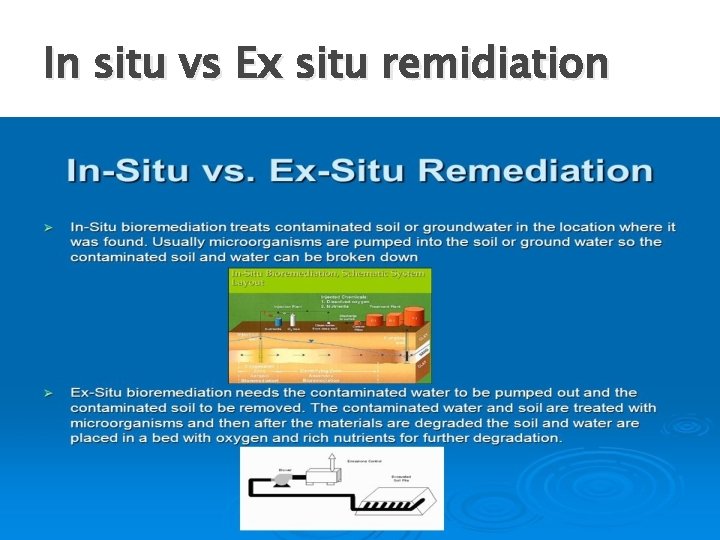
In situ vs Ex situ remidiation
Bioremediation Techniques: � Bioventing: � The process of drawing oxygen through the contaminated medium to stimulate microbial growth and activity is biovening. Bioventing is the most common in situ treatment and involves supplying air and nutrients through wells to contaminated soil to stimulate the indigenous bacteria. Bioventing employs low air flow rates and provides only the amount of oxygen necessary for the biodegradation while minimizing volatilization and release of contaminants to the atmosphere.
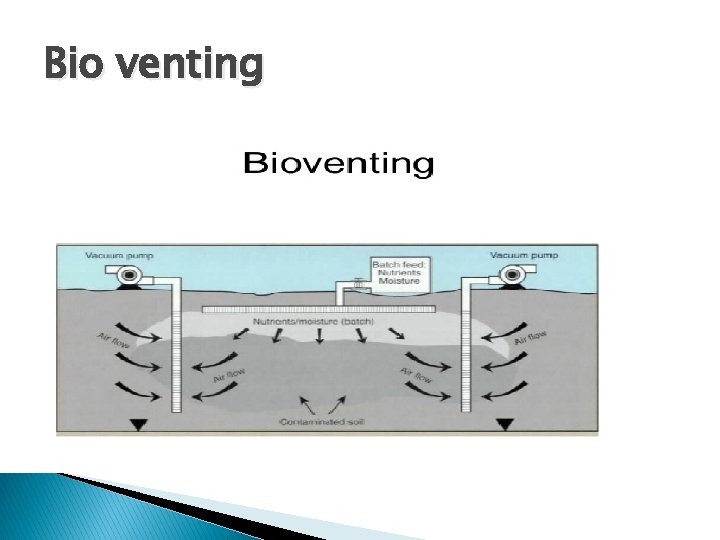
Bio venting
Bio piling: � Biopiles are a hybrid of landfarming and composting. Essentially, engineered cells are constructed as aerated composted piles. Adding compost to contaminated soil enhances bioremediation because of the structure of the organic compost matrix. Compost enhances the oxidation of aromatic contaminants in soil to ketones and quinones, which eventually disappear.
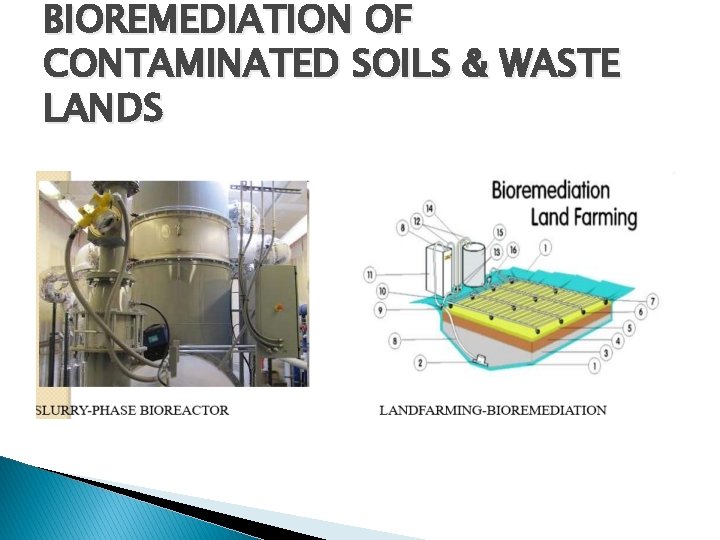
BIOREMEDIATION OF CONTAMINATED SOILS & WASTE LANDS
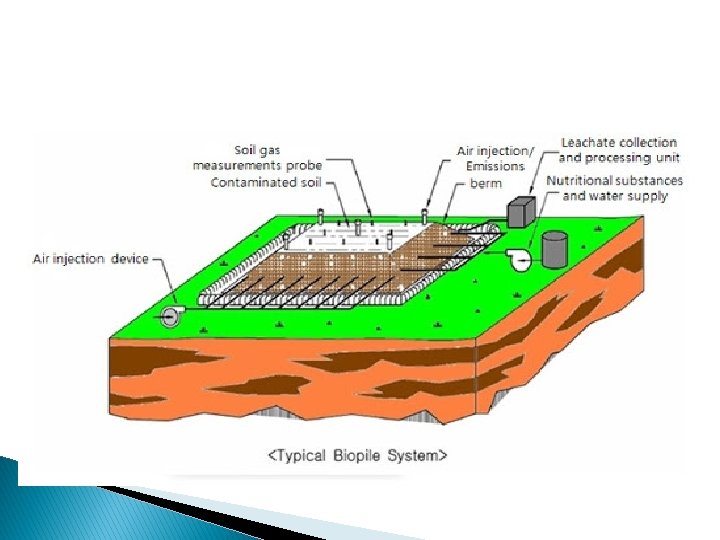
continue � Biopile treatment is a full-scale technology in which excavated soils are mixed with soil amendments, placed on a treatment area, and bioremediated using forced aeration. The contaminants are reduced to carbon dioxide and water. The basic biopile system includes a treatment bed, an aeration system, an irrigation/nutrient system, and a leach ate collection system. Moisture, heat, nutrients, oxygen, and p. H are controlled to enhance biodegradation. The irrigation/nutrient system is buried under the soil to pass air and nutrients either by vacuum or positive pressure.
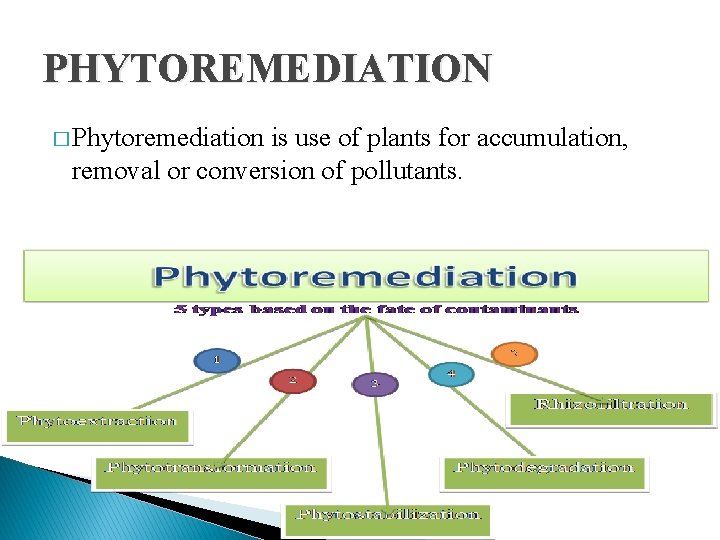
PHYTOREMEDIATION � Phytoremediation is use of plants for accumulation, removal or conversion of pollutants.
Continue. .
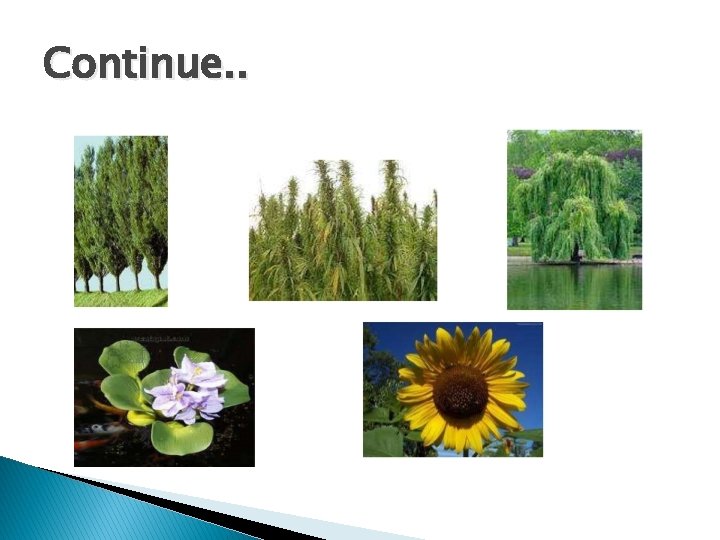
Continue. . � Approximately 400 plant species have been classified as hyperaccumulators of heavy metals, such as grasses, sunflower, corn, hemp, flax, alfalfa, tobacco, willow, Indian mustard, poplar, water hyacinth etc. � The root exudates of these plants play an important role in phytoremediation as it activate the surrounded microorganisms. � Genetic engineering are used as in case of BT protein or insect pheromones producing plants to reduce the use of pesticides.
Continue. .
PHYTO-REMEDIATION � Effective and low cost , environmental friendly. � Soil clean up of heavy metals and organic compounds. � Pollutants are absorbed in roots, thus plants removed could be disposed or burned. � Sunflower plants were used to remove cesium and strontium from ponds at the Chernobyl nuclear power plant. � Transgenic plants with exogenous metallothionein (a metal binding protein) used to remove metals
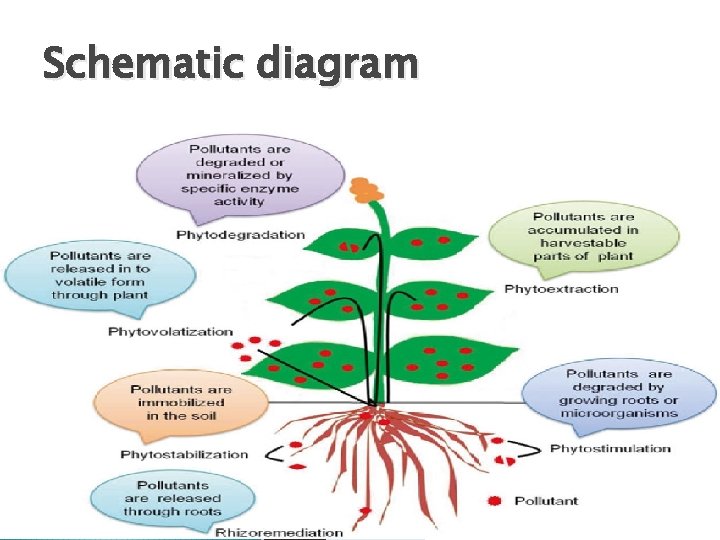
Schematic diagram
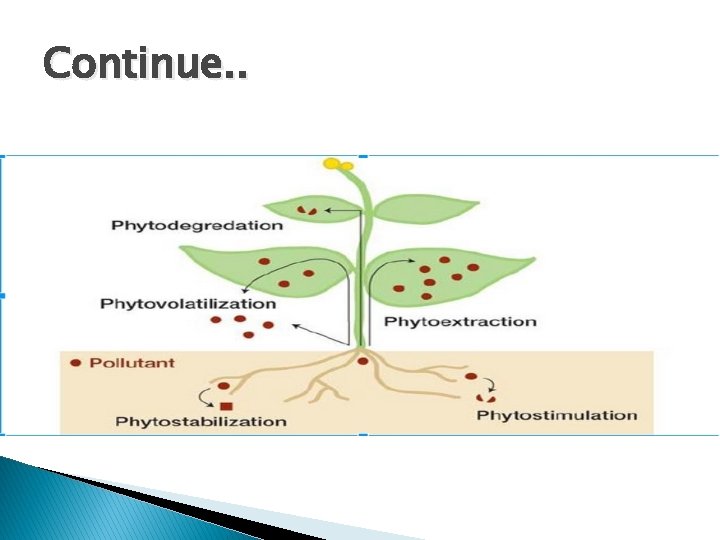
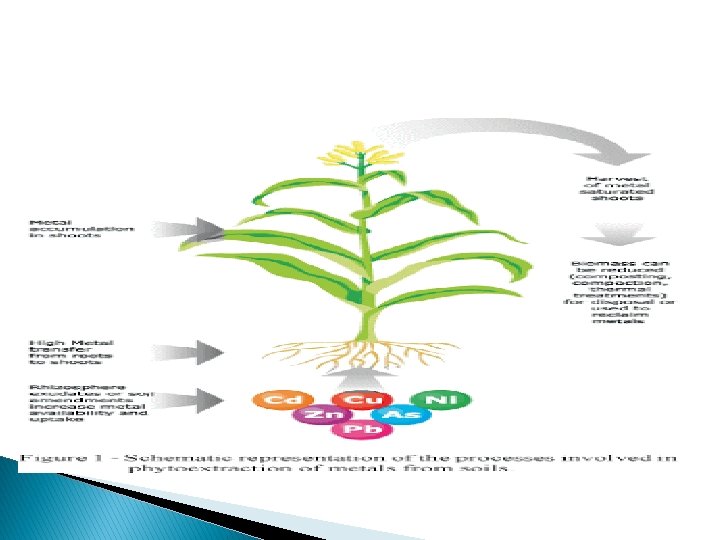
Phytoextraction: � Phytoextraction is the uptake of contaminants by plant roots and translocation within the plants. Contaminants are generally removed by harvesting the plants. This concentration technology leaves a much smaller mass to be disposed of than does excavation of the soil or other media. This technology is most often applied to metal-contaminated soil.
Plants: � Hyperaccumulator plants are found in the Brassicaceae, Euphorbiaceae, Asteraceae, Lamiaceae, or Scrophulariaceae plant families. Examples include: � • Brassica juncea (Indian mustard) - a high-biomass plant that can accumulate Pb, Cr (VI), Cd, Cu, Ni, Zn, 90 Sr, B, and Se. It has over 20 times the biomass of Thlaspi caerulescens. � Brassicas can also accumulate metals. Of the different plant species screened, B. juncea had the best ability to transport lead to the shoots, accumulating >1. 8% lead in the shoots (dry weight).
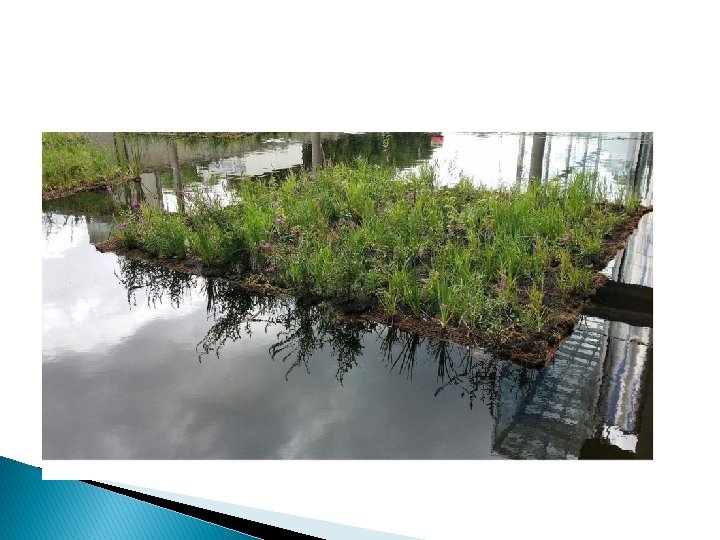
Rhizofiltration: � Definition/Mechanism: � Rhizofiltration is the adsorption or precipitation onto plant roots, or absorption into the roots of contaminants that are in solution surrounding the root zone, due to biotic or abiotic processes. Plant uptake, concentration, and translocation might occur, depending on the contaminant. Exudates from the plant roots might cause precipitation of some metals. Rhizofiltration first results in contaminant containment, in which the contaminants are immobilized or accumulated on or within the plant. Contaminants are then removed by physically removing the plant.
Phytostabilization � Definition/Mechanism � Phytostabilization is defined as (1) immobilization of a contaminant in soil through absorption and accumulation by roots, adsorption onto roots, or precipitation within the root zone of plants, and (2) the use of plants and plant roots to prevent contaminant migration via wind and water erosion, leaching, and soil dispersion
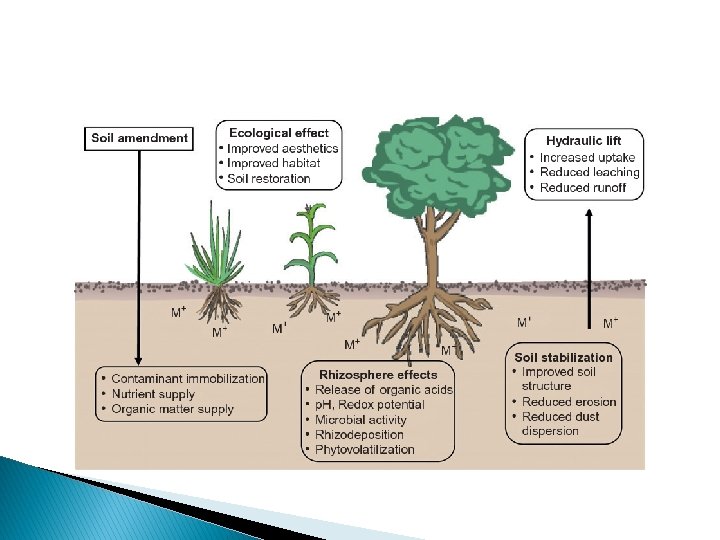
Rhizodegradation � Definition/Mechanism: � Rhizodegradation is the breakdown of an organic contaminant in soil through microbial activity that is enhanced by the presence of the root zone (Figure 3 -2). Rhizodegradation is also known as plant-assisted degradation, plant-assisted bioremediation, plant-aided in situ biodegradation, and enhanced rhizosphere biodegradation.
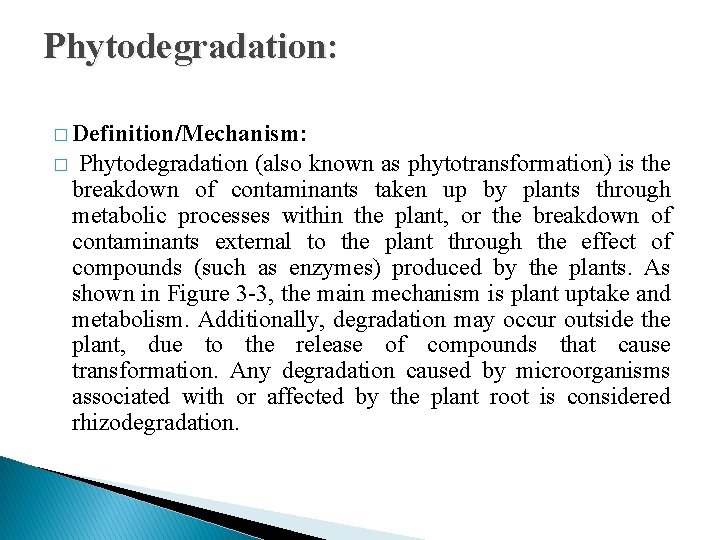
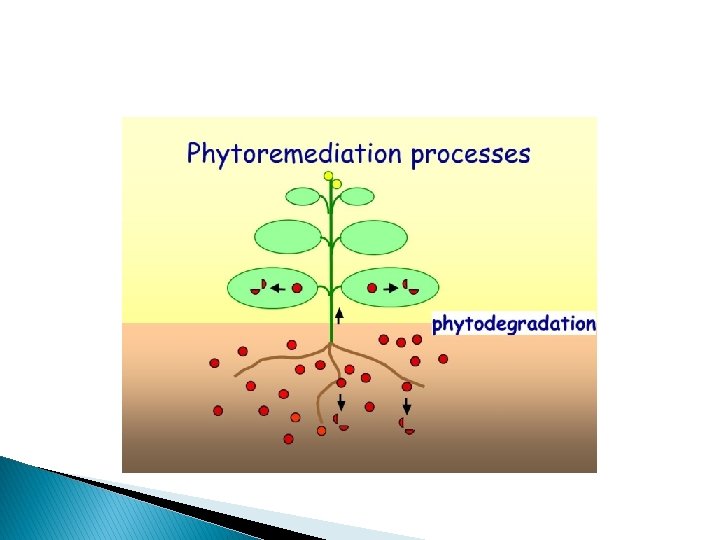
Phytodegradation: � Definition/Mechanism: � Phytodegradation (also known as phytotransformation) is the breakdown of contaminants taken up by plants through metabolic processes within the plant, or the breakdown of contaminants external to the plant through the effect of compounds (such as enzymes) produced by the plants. As shown in Figure 3 -3, the main mechanism is plant uptake and metabolism. Additionally, degradation may occur outside the plant, due to the release of compounds that cause transformation. Any degradation caused by microorganisms associated with or affected by the plant root is considered rhizodegradation.
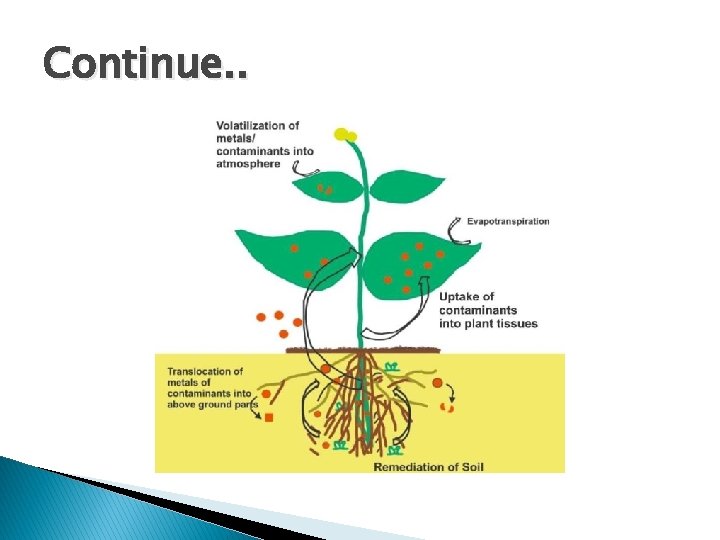
Phytovolatilization � Definition / Mechanism: � Phytovolatilization is the uptake and transpiration of a contaminant by a plant, with release of the contaminant or a modified form of the contaminant to the atmosphere from the plant through contaminant uptake, plant metabolism, and plant transpiration. Phytodegradation is a related phytoremediation process that can occur along with phytovolatilization.
Continue. .
Bioremidiation of metals contaminated soils
BIOSURFACTANTS � The biosurfactants are chemical compounds characterized by hydrophobic and hydrophilic (non-polar and polar) regions in one molecule (amphipathic molecules). � Biosurfactants from bacteria, cyanobacteria, fungi and yeast are classified into: � 1. Glycolipids. � 2. Lipopeptides. � 3. Phospholipids. � 4. Glycoproteins. � 5. Polymeric biosurfactants.
BIOSURFACTANTS PRODUCING GEM �A genetically engineered Pseudomonas aeruginosa. � This new strain can produce a glycolipid emulsifier. � It can reduce the surface tension of an oil water interface. � The reduced interfacial tension promotes biodegradation of oils
BIOREMEDIATION OF INDUSTRIAL WASTES �A variety of pollutants are discharged in the environment from a large no of industries & mills. � 1. Bioremediation of Dyes � 2. Bioremediation in the paper and pulp industry
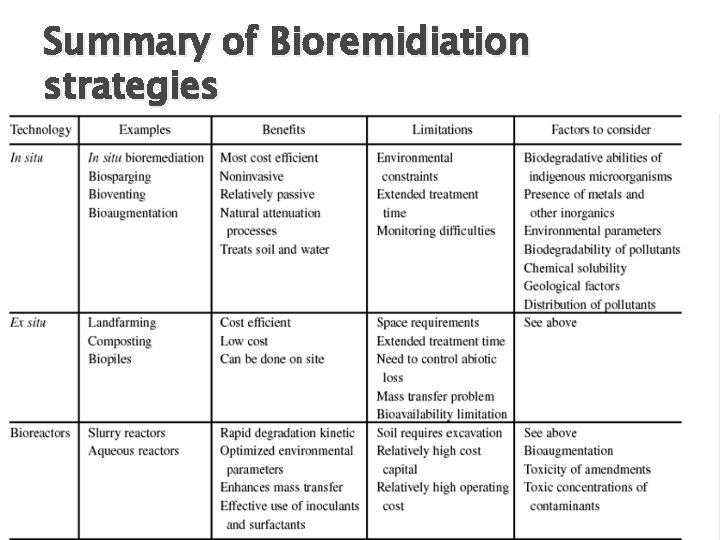
Summary of Bioremidiation strategies
ADVANTAGES /DISADVANTAGES � ADVANTAGES OF BIOREMEDIATION: � Bioremediation is a natural process and is therefore perceived by the public. � Bioremediation is useful for the complete destruction of a wide variety of contaminants. � Instead of transferring contaminants from one environmental medium to another, for example, from land to water or air, the complete destruction of target pollutants is possible.
ADVANTAGES OF BIOREMEDIATION � Bioremediation can often be carried out on site, often without causing a major disruption of normal activities. � Bioremediation can prove less expensive than other technologies that are used for cleanup of hazardous waste
DISADVANTAGES OF BIOREMEDIATION � Bioremediation is limited to those compounds that are biodegradable. Not all compounds are susceptible to rapid and complete degradation. � There are some concerns that the products of biodegradation may be more persistent or toxic than the parent compound. � Biological processes are often highly specific. microbial populations, suitable environmental growth conditions, and appropriate levels of nutrients and contaminants. � It is difficult to extrapolate (deduce) from bench and pilot-scale studies to fullscale field operations. � Bioremediation often takes longer than other treatment options
DISADVANTAGES OF BIOREMEDIATION � It is difficult to extrapolate (deduce) from bench and pilot-scale studies to fullscale field operations. � Bioremediation often takes longer than other treatment options.
- Slides: 68