
Bioreactors and scale up Tissue Engineering Drug Delivery
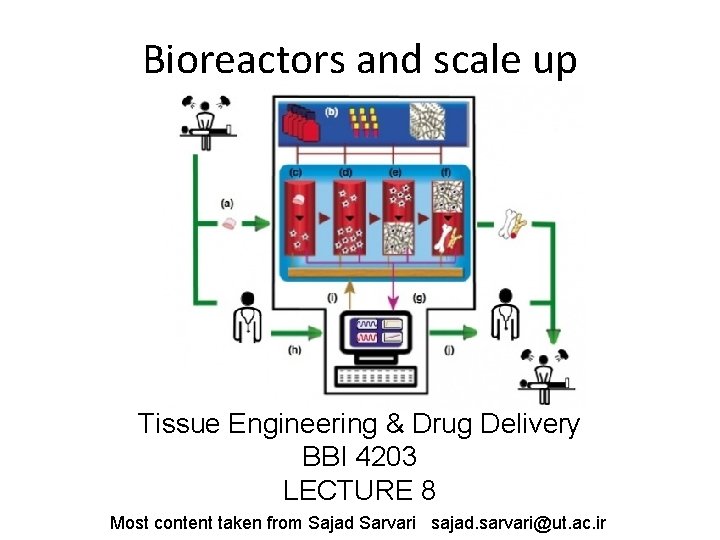
Bioreactors and scale up Tissue Engineering & Drug Delivery BBI 4203 LECTURE 8 Most content taken from Sajad Sarvari sajad. sarvari@ut. ac. ir
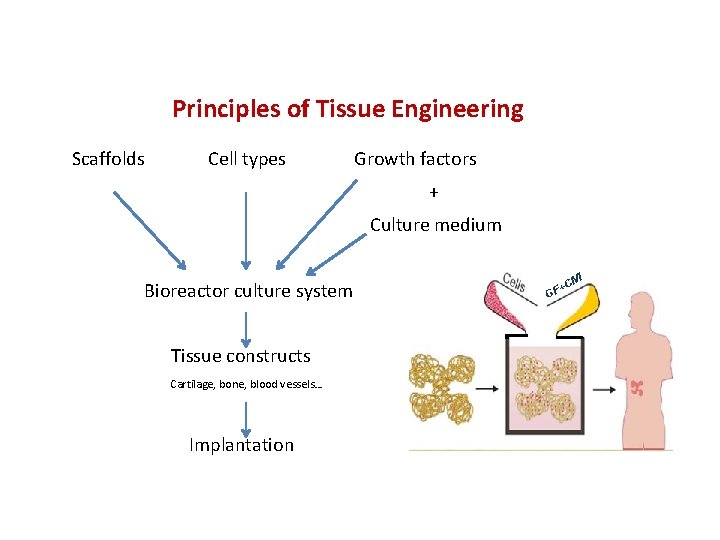
Principles of Tissue Engineering Scaffolds Cell types Growth factors + Culture medium Bioreactor culture system Tissue constructs Cartilage, bone, blood vessels… Implantation M +C GF
OUTLINE • Mammalian cell culture technology – Fields of application – Bioreactors – Scale up • Tissue Engineering bioreactors – Engineering parameters – Computational modeling – Comparison between different TE bioreactors – Sensing in TE bioreactors – Case study
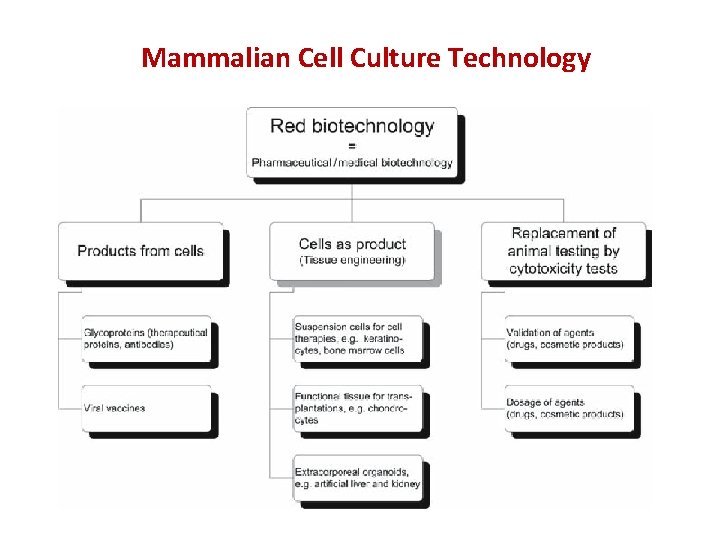
Mammalian Cell Culture Technology
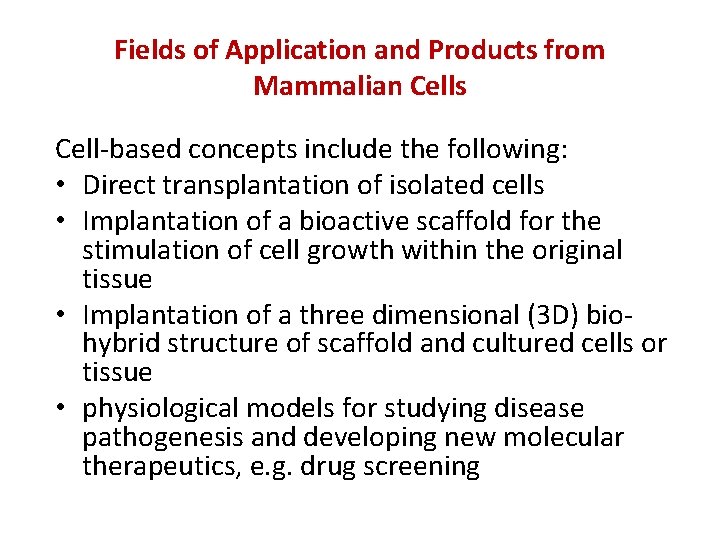
Fields of Application and Products from Mammalian Cells Cell-based concepts include the following: • Direct transplantation of isolated cells • Implantation of a bioactive scaffold for the stimulation of cell growth within the original tissue • Implantation of a three dimensional (3 D) biohybrid structure of scaffold and cultured cells or tissue • physiological models for studying disease pathogenesis and developing new molecular therapeutics, e. g. drug screening

Bioreactors for Mammalian Cells: General Overview In general, a cell culture bioreactor has to meet the following demands: • Guaranteed cell-to-cell contact and a surface for cell detachment in case of anchorage-dependent growing cells • Homogeneous and low-shear mixing and aeration • Sufficient turbulence for effectual heat transfer • Adequate dispersion of air and gas • Measurability of process variables and key parameters • Scale-up capability • Long-term stability and sterility • Ease of handling • Reasonable maintenance
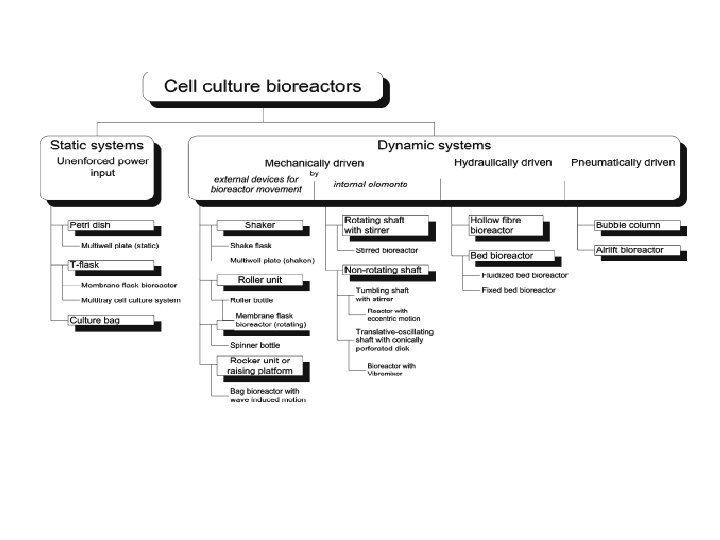
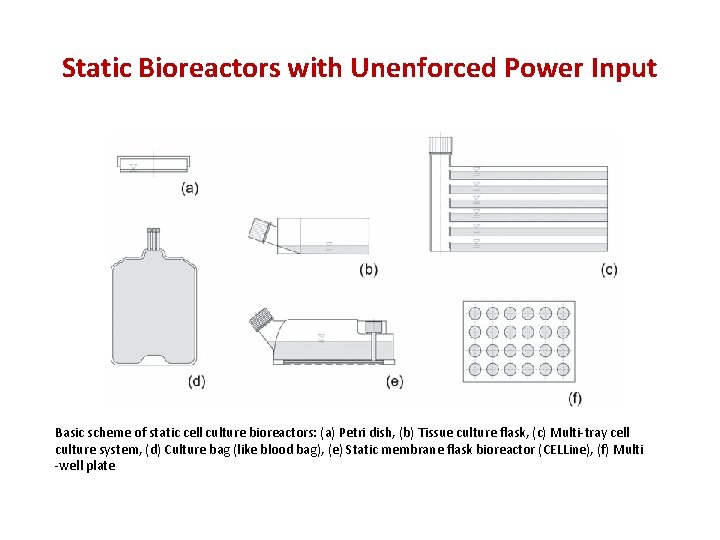
Static Bioreactors with Unenforced Power Input Basic scheme of static cell culture bioreactors: (a) Petri dish, (b) Tissue culture flask, (c) Multi-tray cell culture system, (d) Culture bag (like blood bag), (e) Static membrane flask bioreactor (CELLine), (f) Multi -well plate
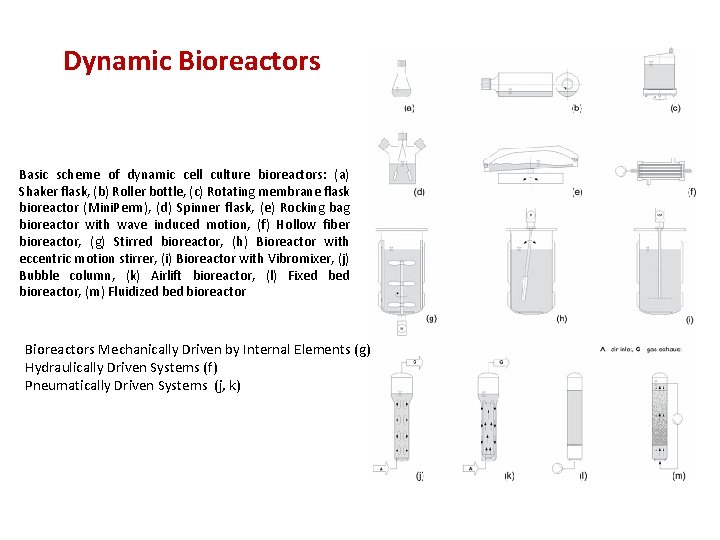
Dynamic Bioreactors Basic scheme of dynamic cell culture bioreactors: (a) Shaker flask, (b) Roller bottle, (c) Rotating membrane flask bioreactor (Mini. Perm), (d) Spinner flask, (e) Rocking bag bioreactor with wave induced motion, (f) Hollow fiber bioreactor, (g) Stirred bioreactor, (h) Bioreactor with eccentric motion stirrer, (i) Bioreactor with Vibromixer, (j) Bubble column, (k) Airlift bioreactor, (l) Fixed bioreactor, (m) Fluidized bioreactor Bioreactors Mechanically Driven by Internal Elements (g) Hydraulically Driven Systems (f) Pneumatically Driven Systems (j, k)
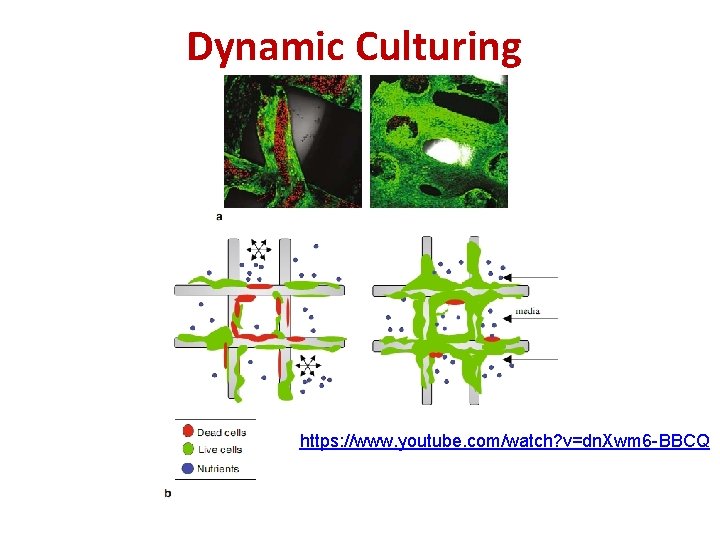
Dynamic Culturing https: //www. youtube. com/watch? v=dn. Xwm 6 -BBCQ
Scale up • Factors that need to be considered include the following: – How big does the vessel need to be to produce sufficient product; – How are the materials in the vessel to be mixed efficiently but without damage to the cells in the vessel; – What is the required aeration rate and the power input; – What is the process time; – How many scale-up steps are required; – What are the costs (capital, running, depreciation) of various types of equipment, etc.

Scale up Production-scale bioreactors for cell culture (courtesy of Zeta AG, Switzerland)


BIOREACTOR environment control and nutrient delivery/waste removal • p. H mechanical stimulation • Oxygen • Temp SCAFFOLD migration attachment degradation proliferation CELLS intracellular activity intracellular signaling
necessary conditions for a proper development of tissue in a bioreactor • Maintaining a desired uniform cell concentration within the scaffold during cell seeding • Environmental parameters to be under control (e. g. , temperature, p. H, pressure, oxygen tention, metabolites, regulatory molecules and shear stress) as well as allowing aseptic operations (e. g. , feeding, waste removal and sampling) • facilitating mass transfer and more importantly allowance for automated processing steps
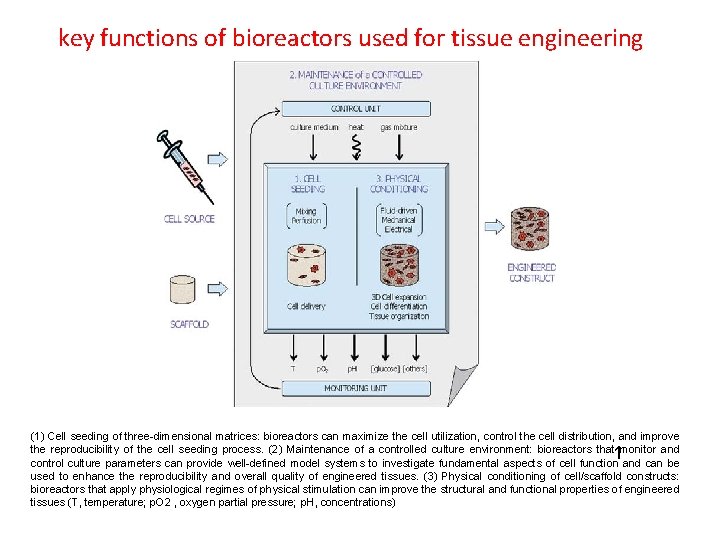
key functions of bioreactors used for tissue engineering (1) Cell seeding of three-dimensional matrices: bioreactors can maximize the cell utilization, control the cell distribution, and improve the reproducibility of the cell seeding process. (2) Maintenance of a controlled culture environment: bioreactors that monitor and control culture parameters can provide well-defined model systems to investigate fundamental aspects of cell function and can be used to enhance the reproducibility and overall quality of engineered tissues. (3) Physical conditioning of cell/scaffold constructs: bioreactors that apply physiological regimes of physical stimulation can improve the structural and functional properties of engineered tissues (T, temperature; p. O 2 , oxygen partial pressure; p. H, concentrations) 1
Cell Seeding on Three-Dimensional Matrices “static seeding” • Inhomogeneous: since gravity may not suffice for the cells to penetrate throughout the scaffold pores • “dynamic seeding”: – spinner flasks – wavy-walled reactors – rotating wall vessels – “perfusion seeding, ” consisting of direct— unidirectional or alternating—perfusion of a cell suspension through the pores of a 3 D scaffold
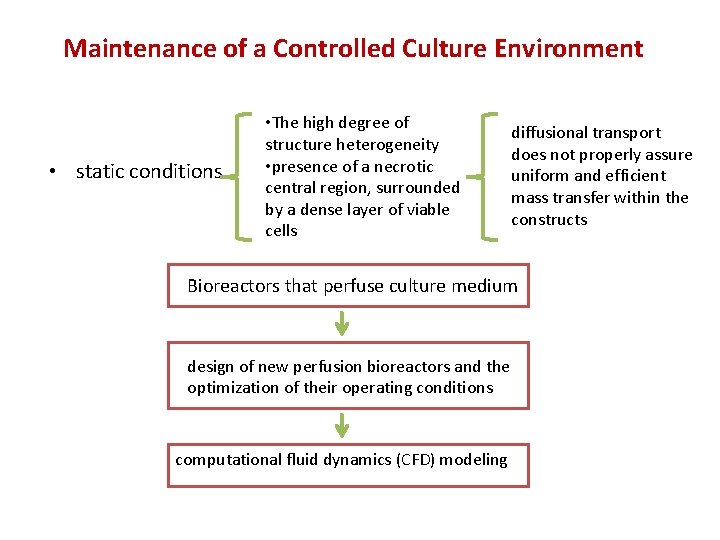
Maintenance of a Controlled Culture Environment • static conditions • The high degree of structure heterogeneity • presence of a necrotic central region, surrounded by a dense layer of viable cells diffusional transport does not properly assure uniform and efficient mass transfer within the constructs Bioreactors that perfuse culture medium design of new perfusion bioreactors and the optimization of their operating conditions computational fluid dynamics (CFD) modeling
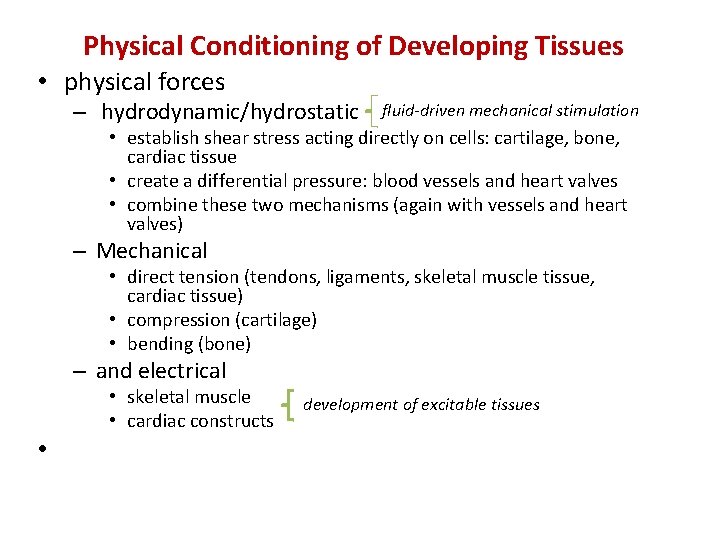
Physical Conditioning of Developing Tissues • physical forces – hydrodynamic/hydrostatic fluid-driven mechanical stimulation • establish shear stress acting directly on cells: cartilage, bone, cardiac tissue • create a differential pressure: blood vessels and heart valves • combine these two mechanisms (again with vessels and heart valves) – Mechanical • direct tension (tendons, ligaments, skeletal muscle tissue, cardiac tissue) • compression (cartilage) • bending (bone) – and electrical • skeletal muscle • cardiac constructs • development of excitable tissues
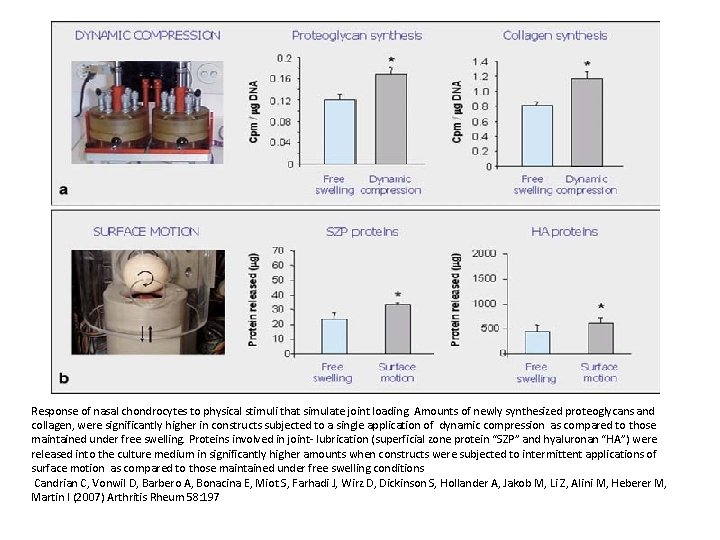
Response of nasal chondrocytes to physical stimuli that simulate joint loading. Amounts of newly synthesized proteoglycans and collagen, were significantly higher in constructs subjected to a single application of dynamic compression as compared to those maintained under free swelling. Proteins involved in joint- lubrication (superficial zone protein “SZP” and hyaluronan “HA”) were released into the culture medium in significantly higher amounts when constructs were subjected to intermittent applications of surface motion as compared to those maintained under free swelling conditions Candrian C, Vonwil D, Barbero A, Bonacina E, Miot S, Farhadi J, Wirz D, Dickinson S, Hollander A, Jakob M, Li Z, Alini M, Heberer M, Martin I (2007) Arthritis Rheum 58: 197
Engineering Parameters in TE Bioreactor Design Generally providing biochemical environment which is controlled by nutrient transfer e. g. glucose and dissolved oxygen to the cells along with metabolism products from the cells and biomechanical environment is of a bioreactor responsibility • Mass Transfer through Bioreactors • Mechanical Stimulation
Mass transfer • external mass transfer: transferring Nutrients, oxygen, and regulatory molecules have to be efficiently from the bulk culture medium to the tissue surfaces • hydrodynamic conditions in a bioreactor • internal mass transferring to the interior cells of the tissue construct – combination of diffusion and convection mechanisms (typically induced by medium perfusion or scaffold deformation due to imposed mechanical loads) • In a vise versa maneuver metabolites and CO 2 are to be removed similar to what mentioned above, i. e. from the cells through the tissue matrix, then to the surface and finally to the bulk medium
Mechanical Stimulation • mechanical stimulation • hydrodynamic pressure • fluid flow – shape and function of the cells is affected by fluid flow – Shear stress is also among particular challenging issues in delicate mammalian cell cultures, while many cell types respond to shear stress – cells in aggregates are exposed to higher shear stresses than single cells due to their large particle diameter – shear stress has a dominant impact on tissue function and viability – shears more than 1 dyn/cm 2 are damaging to the cells, those of 0. 1 dyn/cm 2 are ideal, and those of less than 0. 01 dyn/ cm 2 are insufficient to promote growth
Computational Modeling in Bioreactor Systems • The goal: basic design and the optimization of bioreactors for tissue engineering applications • Macro-Scale Computational Models for Bioreactor Design • simulate the fluid-dynamics and mass transport environment at the level of the bioreactor system • use of CFD simulations, validated through imaging techniques such as particle image velocimetry (PIV) – Computational modeling , helped to tune construct location and agitation rate in order to provide a more homogeneous shear stress distribution over the scaffolds.
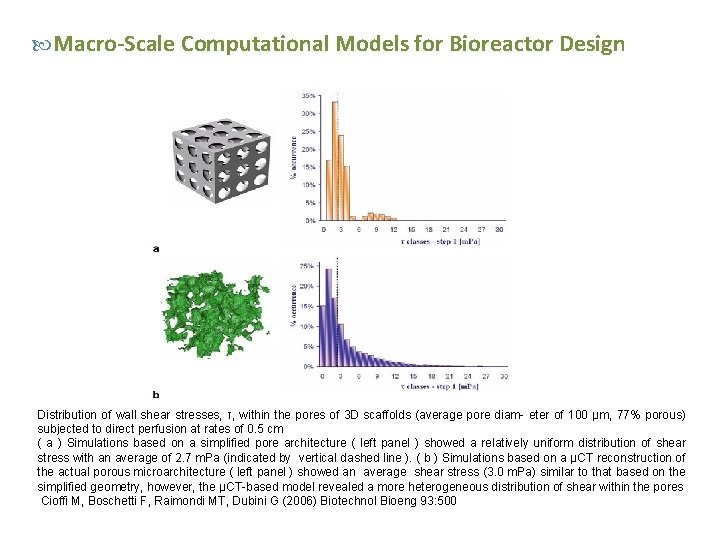
Macro-Scale Computational Models for Bioreactor Design Distribution of wall shear stresses, τ, within the pores of 3 D scaffolds (average pore diam- eter of 100 µm, 77% porous) subjected to direct perfusion at rates of 0. 5 cm ( a ) Simulations based on a simplified pore architecture ( left panel ) showed a relatively uniform distribution of shear stress with an average of 2. 7 m. Pa (indicated by vertical dashed line ). ( b ) Simulations based on a µCT reconstruction of the actual porous microarchitecture ( left panel ) showed an average shear stress (3. 0 m. Pa) similar to that based on the simplified geometry, however, the µCT-based model revealed a more heterogeneous distribution of shear within the pores Cioffi M, Boschetti F, Raimondi MT, Dubini G (2006) Biotechnol Bioeng 93: 500
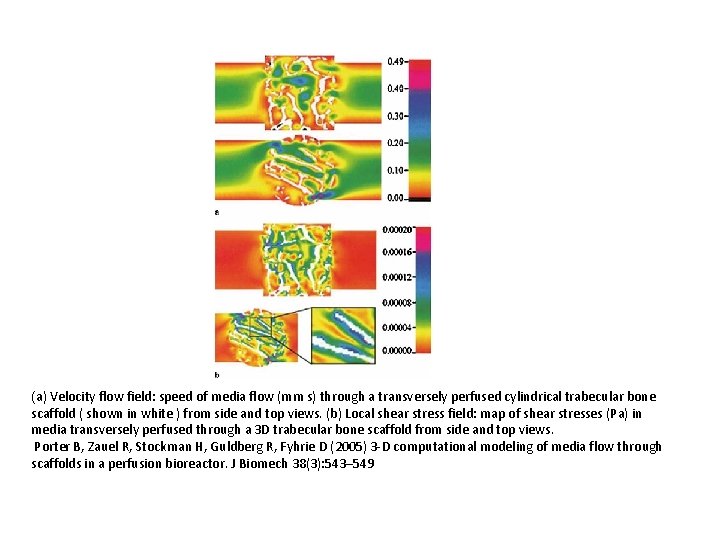
(a) Velocity flow field: speed of media flow (mm s) through a transversely perfused cylindrical trabecular bone scaffold ( shown in white ) from side and top views. (b) Local shear stress field: map of shear stresses (Pa) in media transversely perfused through a 3 D trabecular bone scaffold from side and top views. Porter B, Zauel R, Stockman H, Guldberg R, Fyhrie D (2005) 3 -D computational modeling of media flow through scaffolds in a perfusion bioreactor. J Biomech 38(3): 543– 549
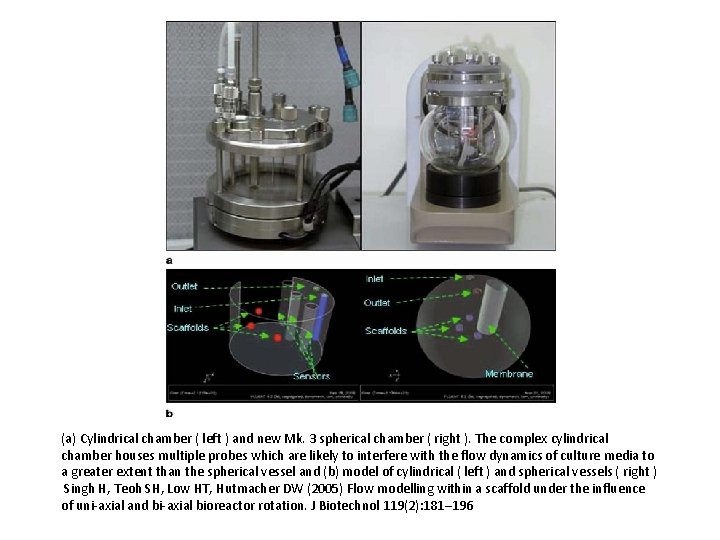
(a) Cylindrical chamber ( left ) and new Mk. 3 spherical chamber ( right ). The complex cylindrical chamber houses multiple probes which are likely to interfere with the flow dynamics of culture media to a greater extent than the spherical vessel and (b) model of cylindrical ( left ) and spherical vessels ( right ) Singh H, Teoh SH, Low HT, Hutmacher DW (2005) Flow modelling within a scaffold under the influence of uni-axial and bi-axial bioreactor rotation. J Biotechnol 119(2): 181– 196
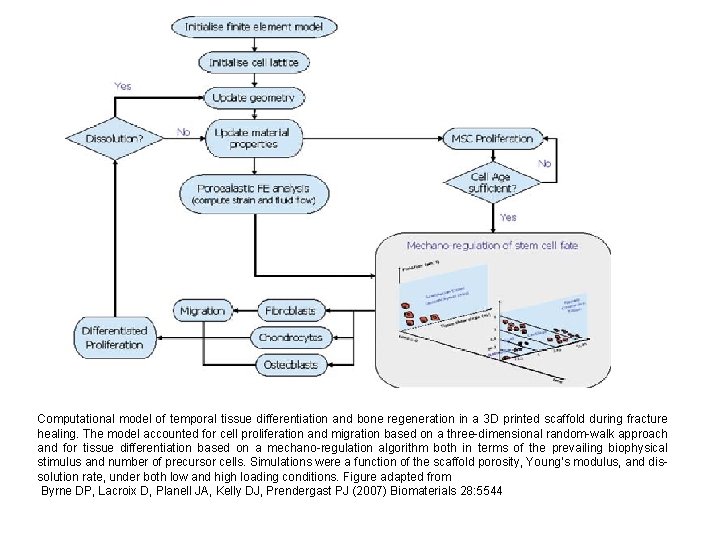
Computational model of temporal tissue differentiation and bone regeneration in a 3 D printed scaffold during fracture healing. The model accounted for cell proliferation and migration based on a three-dimensional random-walk approach and for tissue differentiation based on a mechano-regulation algorithm both in terms of the prevailing biophysical stimulus and number of precursor cells. Simulations were a function of the scaffold porosity, Young’s modulus, and dissolution rate, under both low and high loading conditions. Figure adapted from Byrne DP, Lacroix D, Planell JA, Kelly DJ, Prendergast PJ (2007) Biomaterials 28: 5544
Comparison between Different types of TE Bioreactors Based on Engineering Parameters • Static culture – is simply designed and operated – there are nutrient diffusion limitations with large constructs • statically cultured constructs have frequently heterogeneous structure and composition, including a necrotic central region and dense layers of viable cells encapsulating the construct outer edge • stirred flask – scaffolds are attached to needles hanging from the lid of the flask for dynamic seeding. Convective flow, generated by a magnetic stirrer bar, allows continuous mixing of the medium surrounding the construct
Comparison between Different types of TE Bioreactors Based on Engineering Parameters • rotating wall – Enhancement of external mass transfer under laminar flow condition – Dynamic laminar flow of rotating bioreactors generally improves properties of the peripheral tissue layer. – fibrous capsule does not form, but the limitations of the diffusional transfer of oxygen to the construct interior still remain – Interestingly, as compared to the turbulent flow within stirred flasks, the dynamic laminar flow in rotating wall vessels, contributed to reduced levels of shear stress
Comparison between Different types of TE Bioreactors Based on Engineering Parameters • Perfusion – force culture medium through the scaffold pores – enhancing nutrient transport and providing mechanical stimuli to the cells – The flow rate can be optimized in respect of the limiting nutrient, and chiefly oxygen due to its low solubility in culture medium – If the culture medium perfused directly through the pores of the scaffold, not only mass transfer rate is enhanced at the construct periphery, but also within the internal pores. – their applicability easily monitor the metabolite consumption of the cells e. g. oxygen, glucose and cellular proliferation using online biosensors
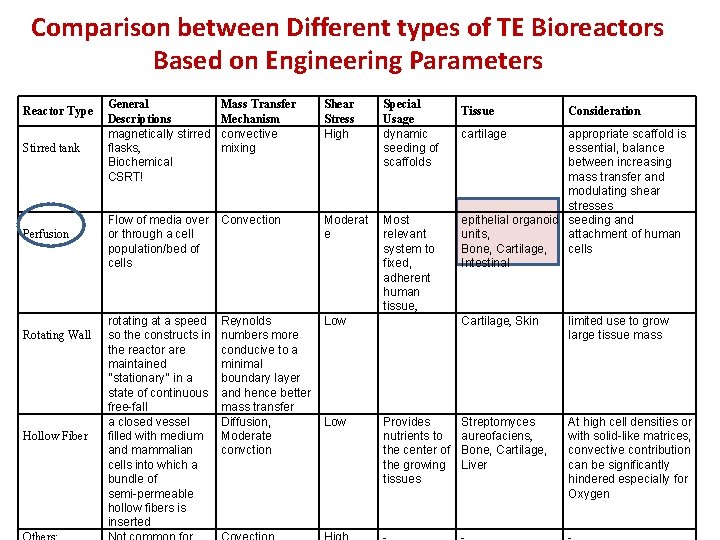
Comparison between Different types of TE Bioreactors Based on Engineering Parameters Reactor Type Stirred tank Perfusion Rotating Wall Hollow Fiber General Descriptions magnetically stirred flasks, Biochemical CSRT! Mass Transfer Mechanism convective mixing Shear Stress High Special Usage dynamic seeding of scaffolds Flow of media over or through a cell population/bed of cells Convection Moderat e Most relevant system to fixed, adherent human tissue, rotating at a speed so the constructs in the reactor are maintained ‘‘stationary’’ in a state of continuous free-fall a closed vessel filled with medium and mammalian cells into which a bundle of semi-permeable hollow fibers is inserted Reynolds numbers more conducive to a minimal boundary layer and hence better mass transfer Diffusion, Moderate convction Low Provides nutrients to the center of the growing tissues Tissue Consideration cartilage appropriate scaffold is essential, balance between increasing mass transfer and modulating shear stresses epithelial organoid seeding and units, attachment of human Bone, Cartilage, cells Intestinal Cartilage, Skin limited use to grow large tissue mass Streptomyces aureofaciens, Bone, Cartilage, Liver At high cell densities or with solid-like matrices, convective contribution can be significantly hindered especially for Oxygen
Sensing in Tissue Engineering Bioreactors • milieu parameters – physical (temperature, pressure, flow rate) – chemical (p. H, dissolved O 2 and CO 2, chemical contaminants, concentration of significant metabolites/cat- abolites such as glucose, lactate or secreted proteins) – biological (sterility) • construct parameters – physical (stiffness, strength, and permeability) – chemical (composition of the scaffold and of the developing extracellular matrix) – biological (cell number and proliferation rate, concentration of intracellular proteins, cell viability)
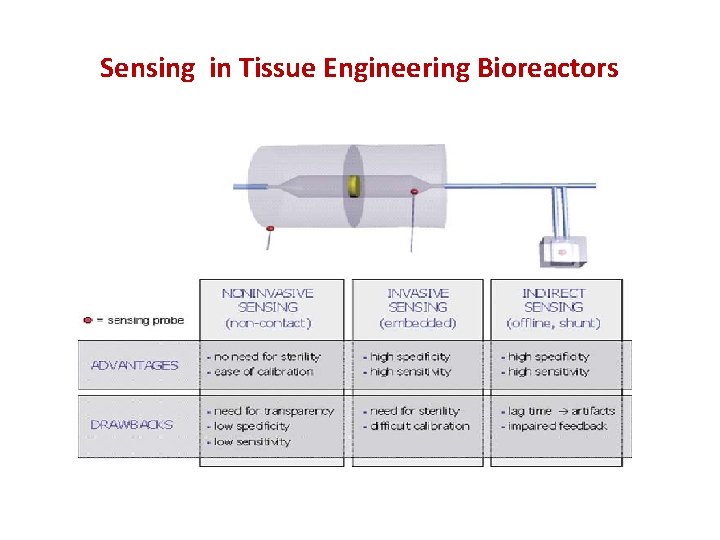
Sensing in Tissue Engineering Bioreactors
Monitoring of the Construct • real-time characterization of (1) functional and (2) morphological properties of engineered constructs, both at the micro- and at the macro-scale • Monitoring of the functional properties – physical properties (e. g. , strength, elastic modulus, permeability), – monitoring of cell function within the engineered construct itself, e. g. , in terms of proliferation, viability, metabolism, phenotype, biosynthetic activity, and adhesive forces. • Monitoring of the morphological properties – the amount, composition, and distribution of the extracellular matrix which is being deposited throughout the scaffold during bioreactor culture.
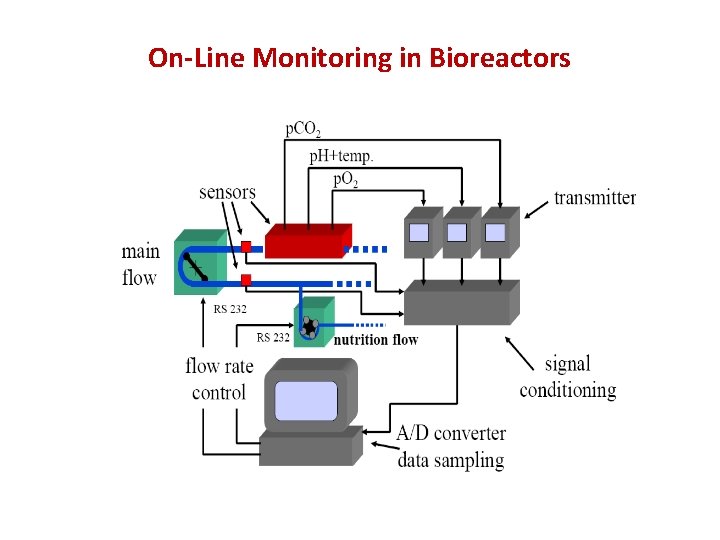
On-Line Monitoring in Bioreactors
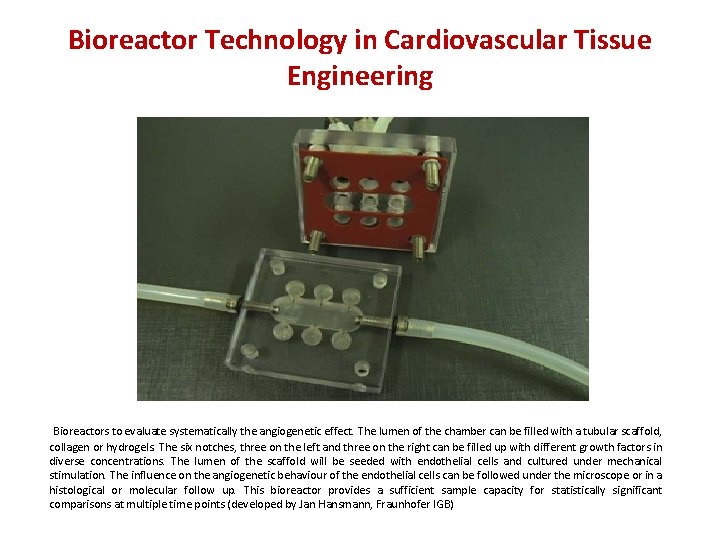
Bioreactor Technology in Cardiovascular Tissue Engineering Bioreactors to evaluate systematically the angiogenetic effect. The lumen of the chamber can be filled with a tubular scaffold, collagen or hydrogels. The six notches, three on the left and three on the right can be filled up with different growth factors in diverse concentrations. The lumen of the scaffold will be seeded with endothelial cells and cultured under mechanical stimulation. The influence on the angiogenetic behaviour of the endothelial cells can be followed under the microscope or in a histological or molecular follow up. This bioreactor provides a sufficient sample capacity for statistically significant comparisons at multiple time points (developed by Jan Hansmann, Fraunhofer IGB)
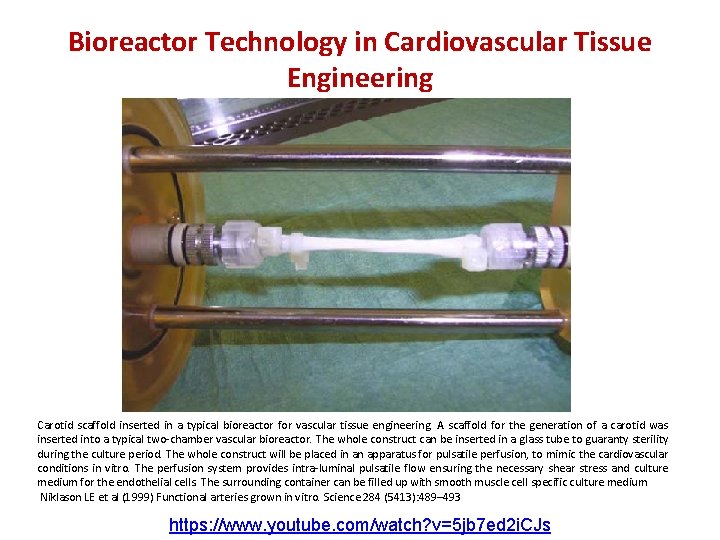
Bioreactor Technology in Cardiovascular Tissue Engineering Carotid scaffold inserted in a typical bioreactor for vascular tissue engineering. A scaffold for the generation of a carotid was inserted into a typical two-chamber vascular bioreactor. The whole construct can be inserted in a glass tube to guaranty sterility during the culture period. The whole construct will be placed in an apparatus for pulsatile perfusion, to mimic the cardiovascular conditions in vitro. The perfusion system provides intra-luminal pulsatile flow ensuring the necessary shear stress and culture medium for the endothelial cells. The surrounding container can be filled up with smooth muscle cell specific culture medium Niklason LE et al (1999) Functional arteries grown in vitro. Science 284 (5413): 489– 493 https: //www. youtube. com/watch? v=5 jb 7 ed 2 i. CJs
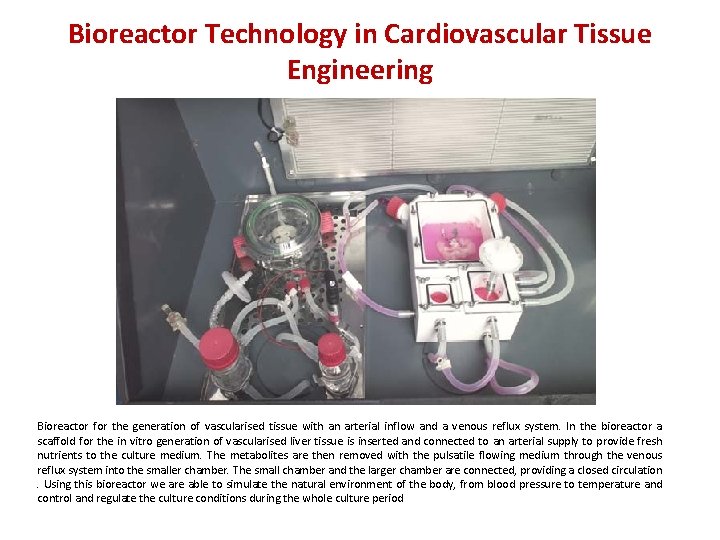
Bioreactor Technology in Cardiovascular Tissue Engineering Bioreactor for the generation of vascularised tissue with an arterial inflow and a venous reflux system. In the bioreactor a scaffold for the in vitro generation of vascularised liver tissue is inserted and connected to an arterial supply to provide fresh nutrients to the culture medium. The metabolites are then removed with the pulsatile flowing medium through the venous reflux system into the smaller chamber. The small chamber and the larger chamber are connected, providing a closed circulation. Using this bioreactor we are able to simulate the natural environment of the body, from blood pressure to temperature and control and regulate the culture conditions during the whole culture period
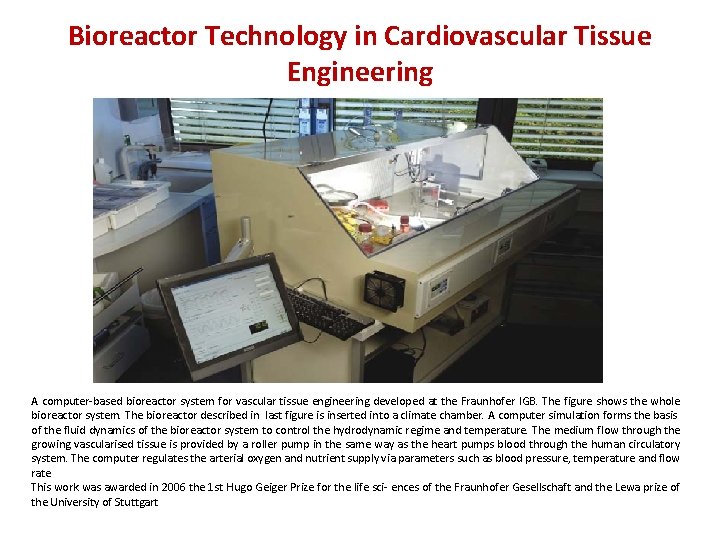
Bioreactor Technology in Cardiovascular Tissue Engineering A computer-based bioreactor system for vascular tissue engineering developed at the Fraunhofer IGB. The figure shows the whole bioreactor system. The bioreactor described in last figure is inserted into a climate chamber. A computer simulation forms the basis of the fluid dynamics of the bioreactor system to control the hydrodynamic regime and temperature. The medium flow through the growing vascularised tissue is provided by a roller pump in the same way as the heart pumps blood through the human circulatory system. The computer regulates the arterial oxygen and nutrient supply via parameters such as blood pressure, temperature and flow rate This work was awarded in 2006 the 1 st Hugo Geiger Prize for the life sci- ences of the Fraunhofer Gesellschaft and the Lewa prize of the University of Stuttgart
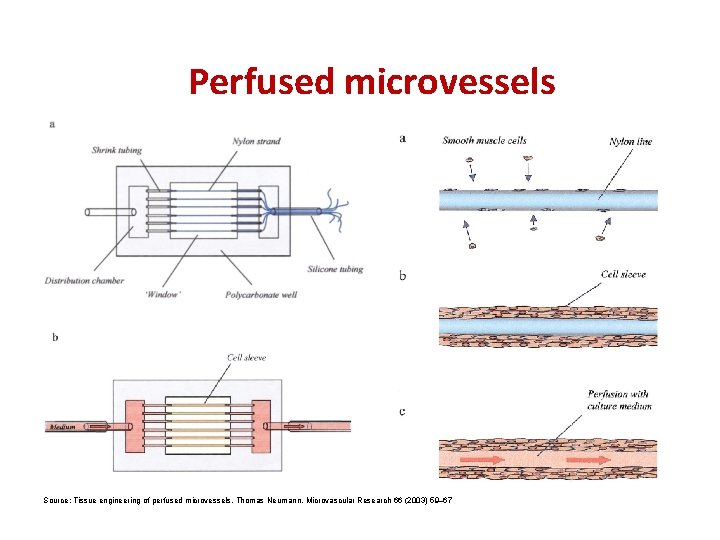
Perfused microvessels Source: Tissue engineering of perfused microvessels, Thomas Neumann, Microvascular Research 66 (2003) 59– 67
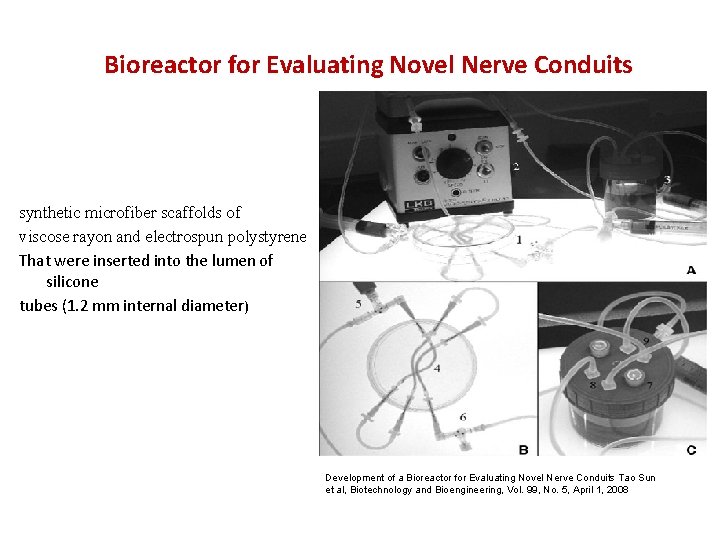
Bioreactor for Evaluating Novel Nerve Conduits synthetic microfiber scaffolds of viscose rayon and electrospun polystyrene That were inserted into the lumen of silicone tubes (1. 2 mm internal diameter) Development of a Bioreactor for Evaluating Novel Nerve Conduits Tao Sun et al, Biotechnology and Bioengineering, Vol. 99, No. 5, April 1, 2008
- Slides: 42