
Biomes The Natural Regions of Canada Biomes u
Biomes The Natural Regions of Canada
Biomes u Biomes are an ecological community of plants and animals extending over a large area u Biomes are usually named for the dominant vegetation type of the region
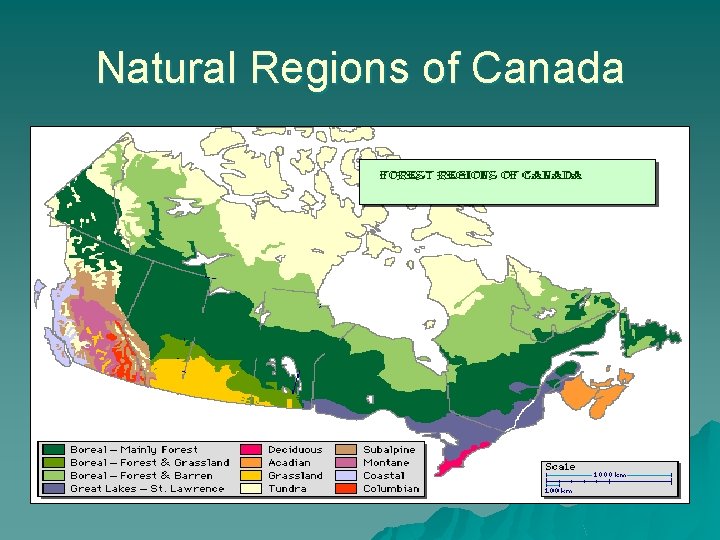
Natural Regions of Canada
Atlantic Region u u u Located at the northeast end of the Appalachian Mountain chain and consists of highlands, peninsulas and islands. The Atlantic Ocean creates a moderate, cool, and moist maritime climate. 76 percent of the ecozone surface area is covered with forests.
Borreal Shield u the Shield is the largest of Canada’s terrestrial ecozones u Consists of coniferous evergreens well adapted to cold winters and short growing seasons u Boreal forest, mixed with innumerable bogs, marshes and other wetlands
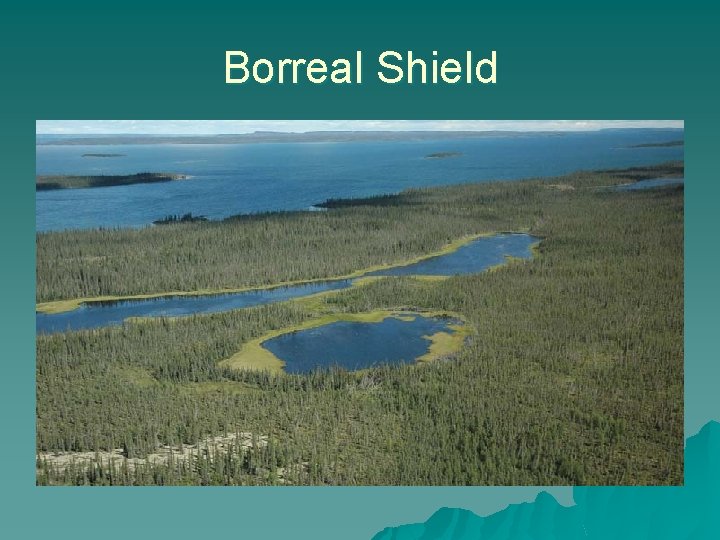
Borreal Shield
Mixed Wood Plains of the St. Lawrence Lowlands u This ecozone is the most populated and the most productive of Canada u Navigable waterways, fertile soils, and a relatively mild climate u level with gently rolling plains but broke up by striking physical features (ex. Niagara Falls)
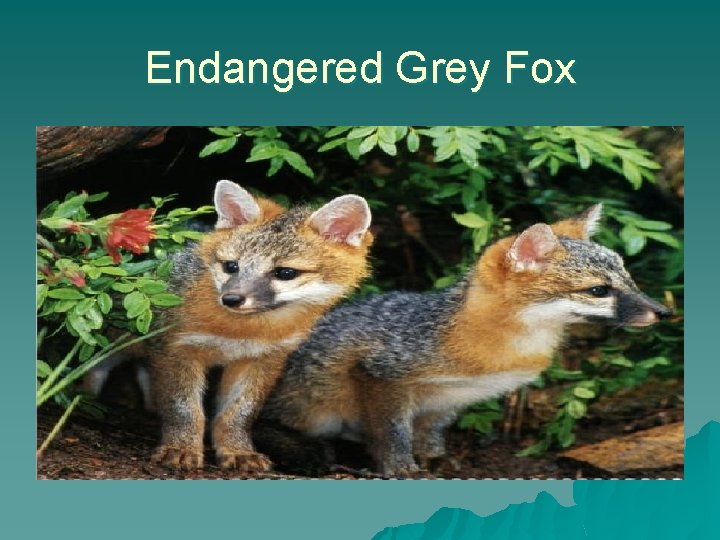
Endangered Grey Fox
Arctic and Taiga Arctic is characterized by treeless tundra, carpeted with low-lying vegetation of mosses, lichens, herbs, and dwarf shrubs u The Taiga, by sticklike forests of spruce and fir, interspersed with immense wetlands. u the environment of these ecozones is fragile, slow to change, and easy to disturb u
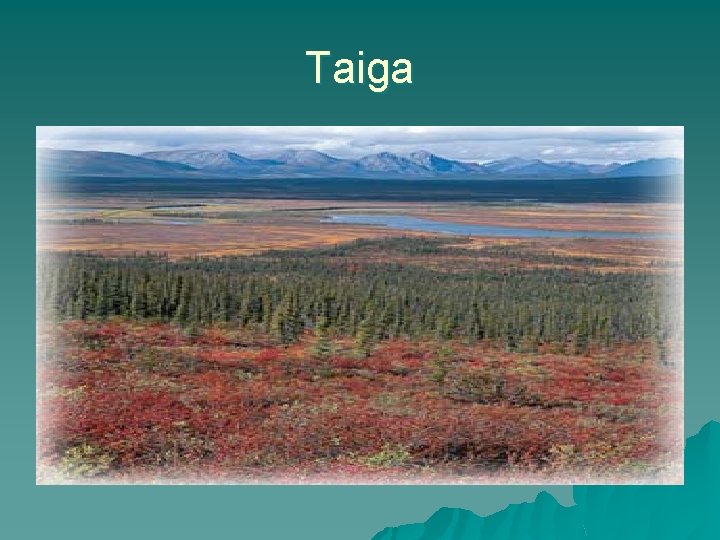
Taiga
Central Plains u Mostly grasslands in the south with parkland in the north u Insufficient moisture, poor drainage and intense cold and wind u Of all natural regions, the Prairies ecozone is the most greatly altered
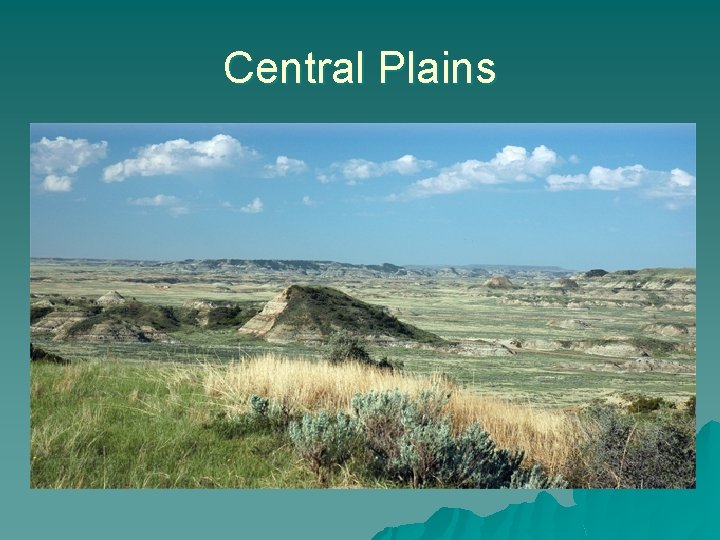
Central Plains
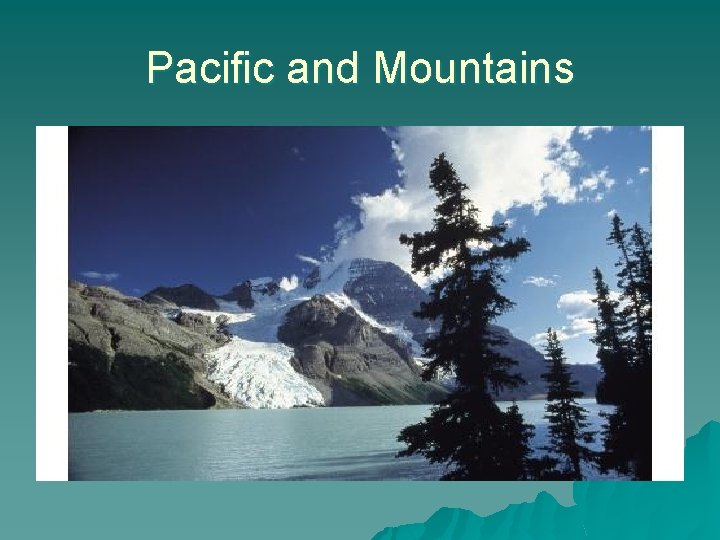
Pacific and Mountains Made up of two noteworthy ecozones u Coastal Forest Zone – Temperate Rainforest distinguished by its coniferous forests Interior Mountain Range - Diverse range of landforms and vegetation and abundant wildlife - Pine forests, alpine, grasslands
Pacific and Mountains
- Slides: 14