
Biomes of North America What determines biome n

Biomes of North America
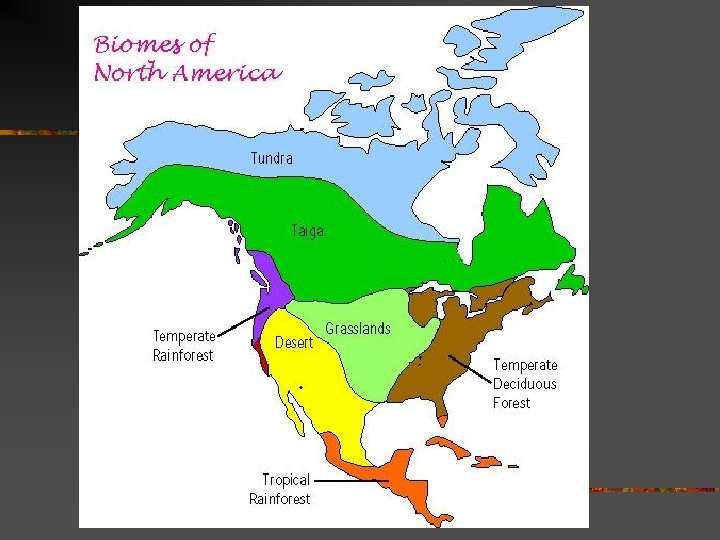

What determines biome? n Geology n n n Primary and secondary succession Geography Plants Animals Climate*** Biomes are identified by the vegetation which is determined by the climate.
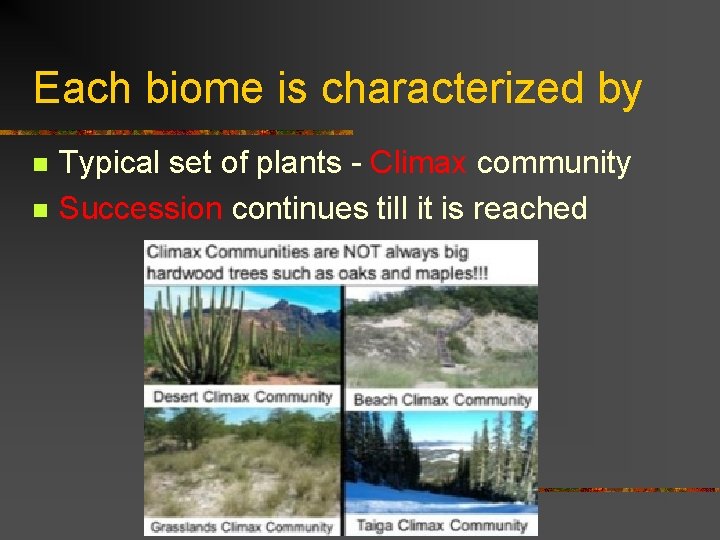
Each biome is characterized by n n Typical set of plants - Climax community Succession continues till it is reached
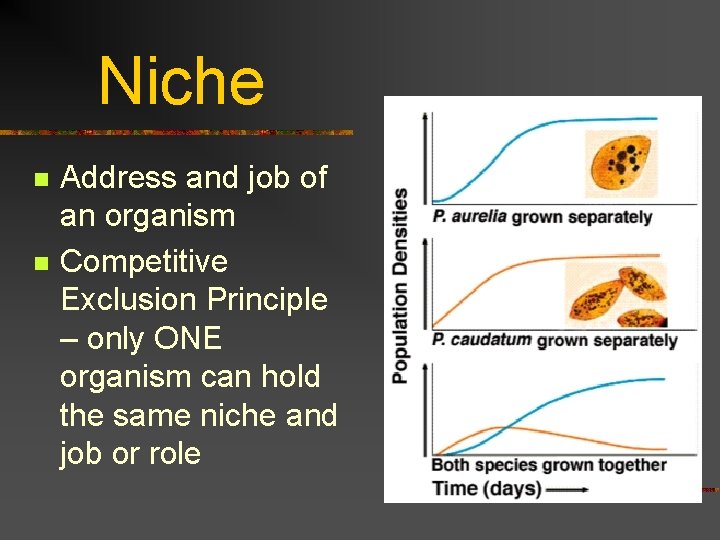
Niche n n Address and job of an organism Competitive Exclusion Principle – only ONE organism can hold the same niche and job or role

BIOMES OF THE WORLD (7)
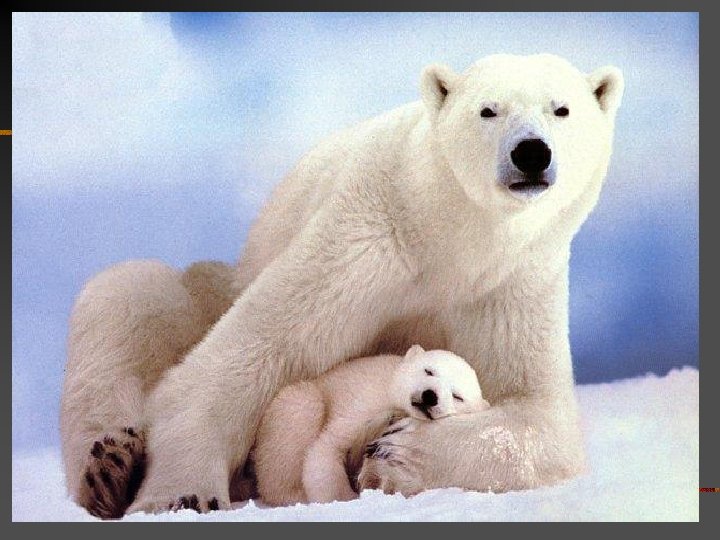
TUNDRA n n n Location – Arctic, Antarctic regions Temp – Extreme cold, short summers Little precipitation Ground stays frozen – called permafrost Adaptations:

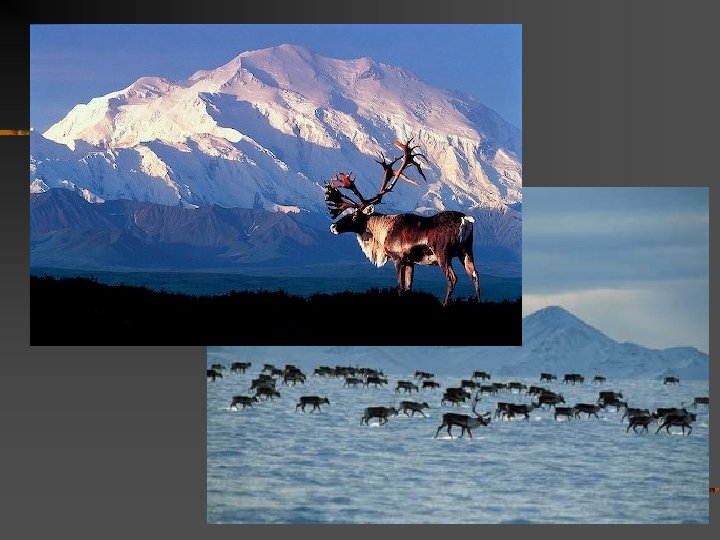

Boreal Forest (Taiga)
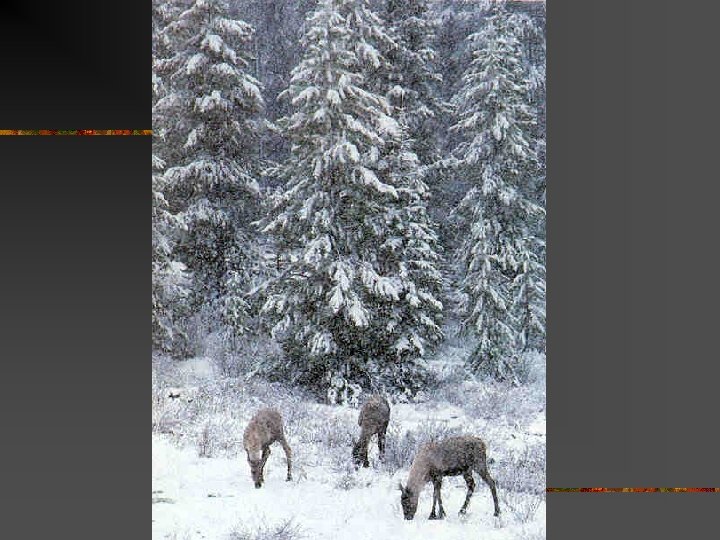
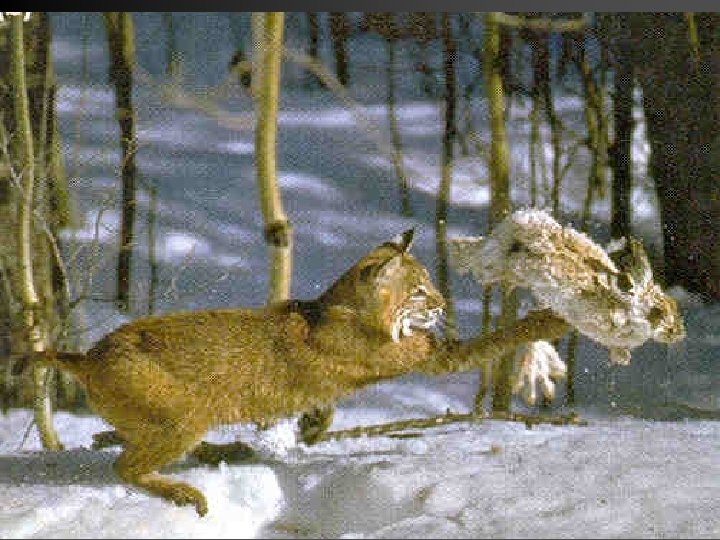
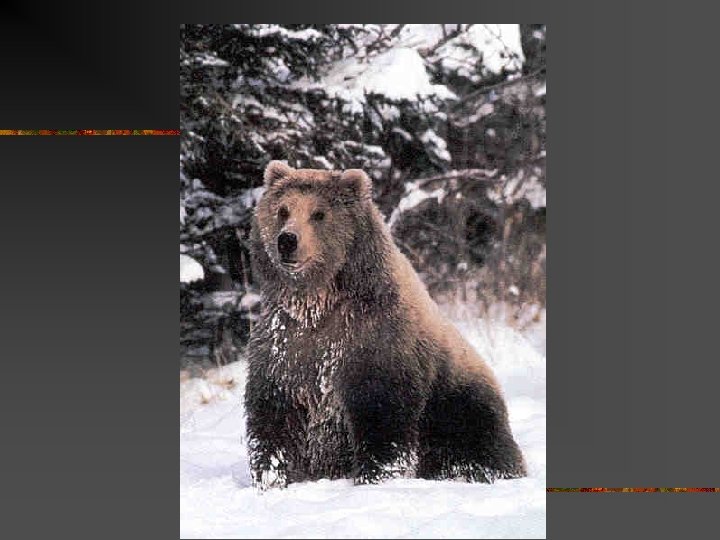
TAIGA (Boreal forest) n n n Location – northern latitudes Temp –cold winters, mild/short summers Moderate precipitation, lots of snow Evergreens – main vegetation Adaptations:
Temperate Forest
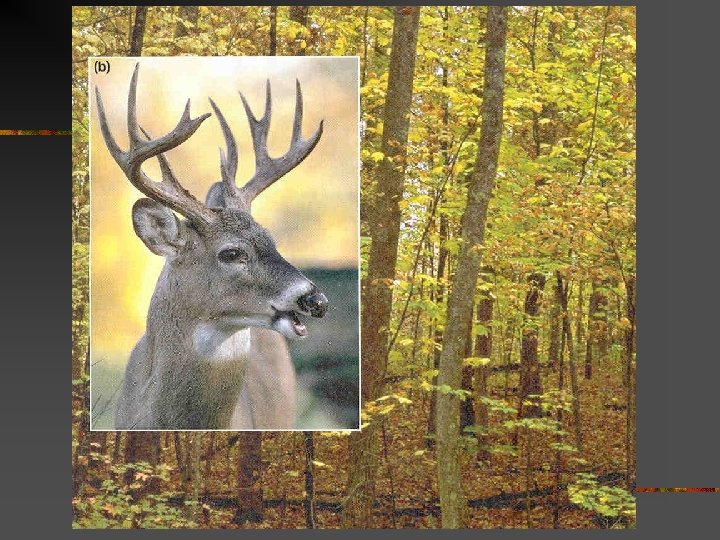
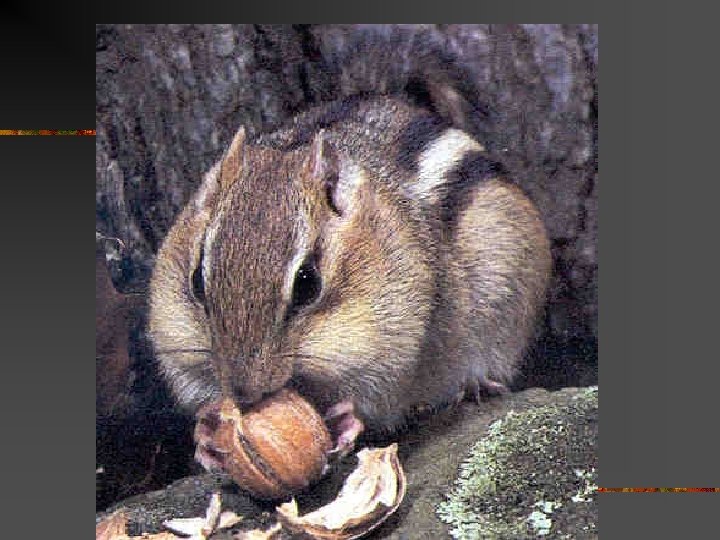
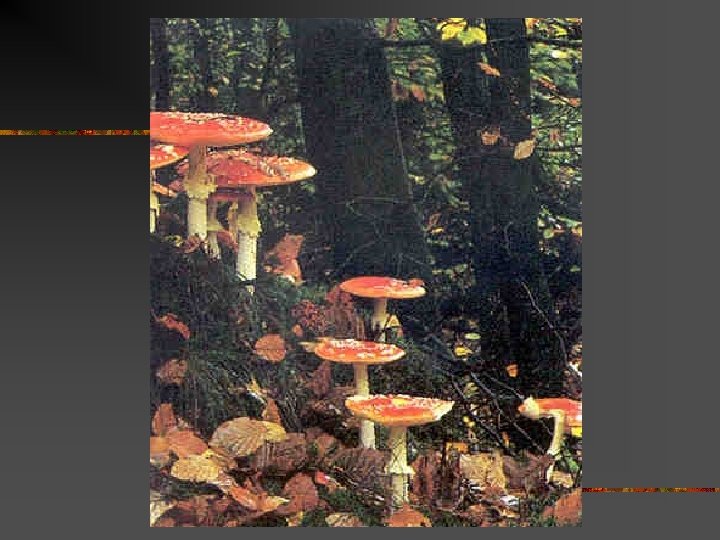
TEMPERATE DECIDUOUS FOREST n n n Location – coastlines Temp – moderate winter and summer Adequate precipitation Vegetation: deciduous trees that lose leaves Many decomposers Adaptations:

Grassland
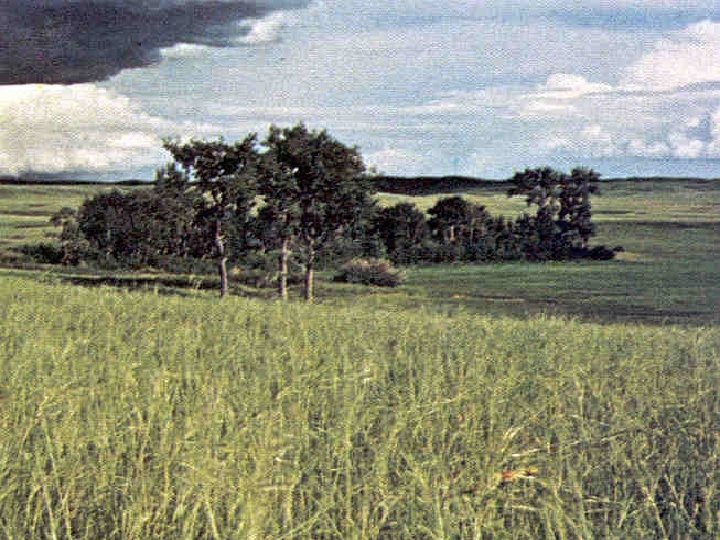
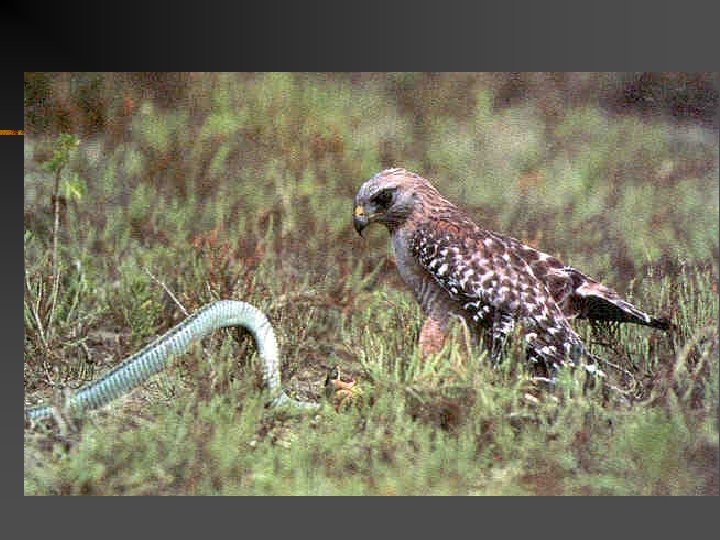
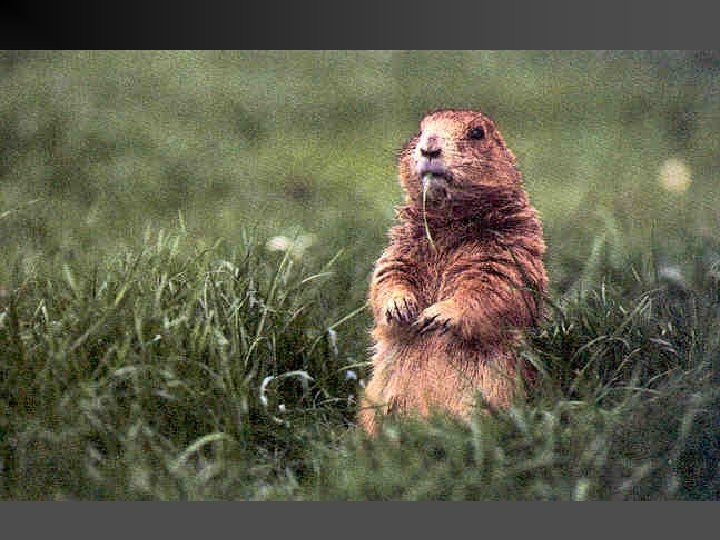
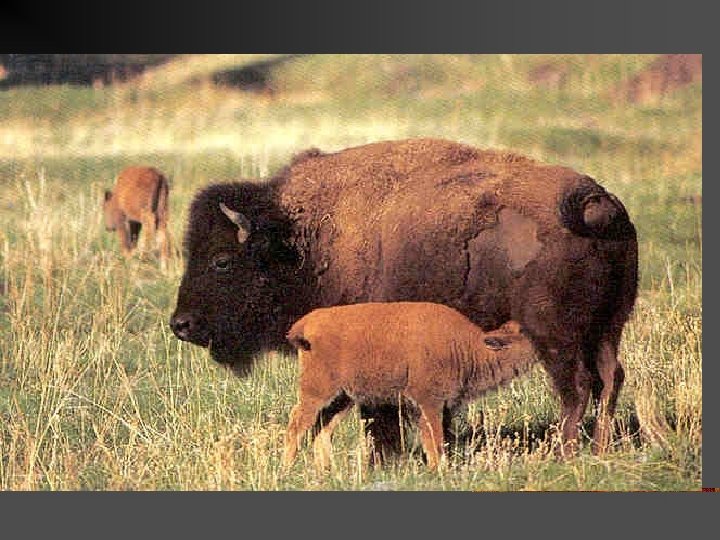
GRASSLAND n n Location – center of continents Temp – moderate with cold winters Adequate precipitation Vegetation: grasses and shrubs n n No trees – too dry, thin soil Adaptations:

Tropical Rainforest
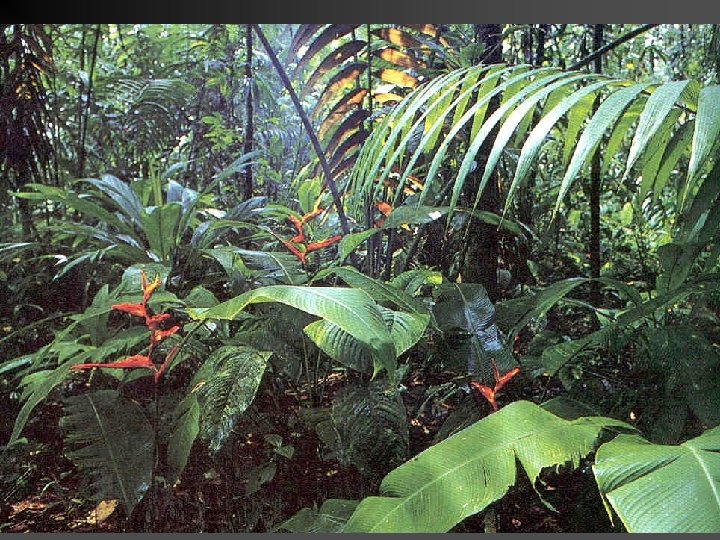
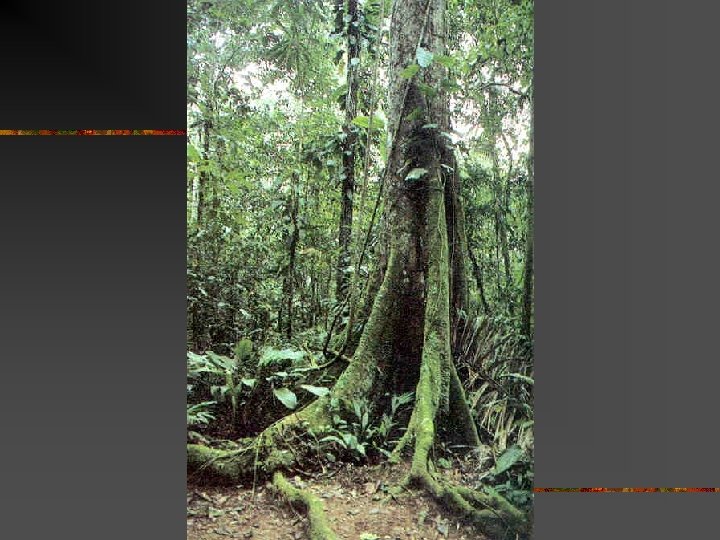
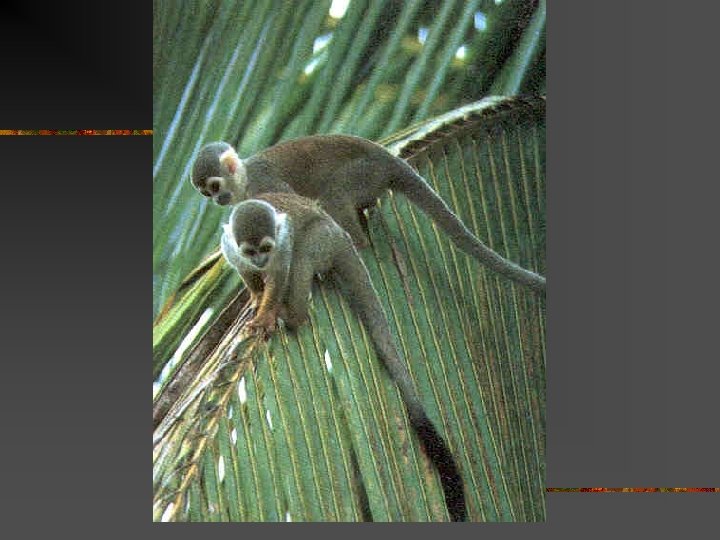
TROPICAL RAINFOREST n n Location – close to equator Temp – always warm and humid High precipitation Vegetation: numerous n n n trees with thick trunks, Broad leaves, pointed to allow water to drain Adaptations:

Desert
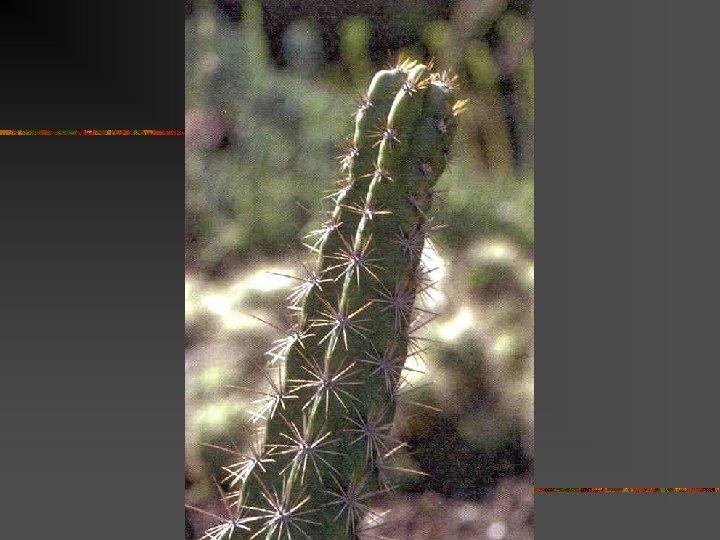
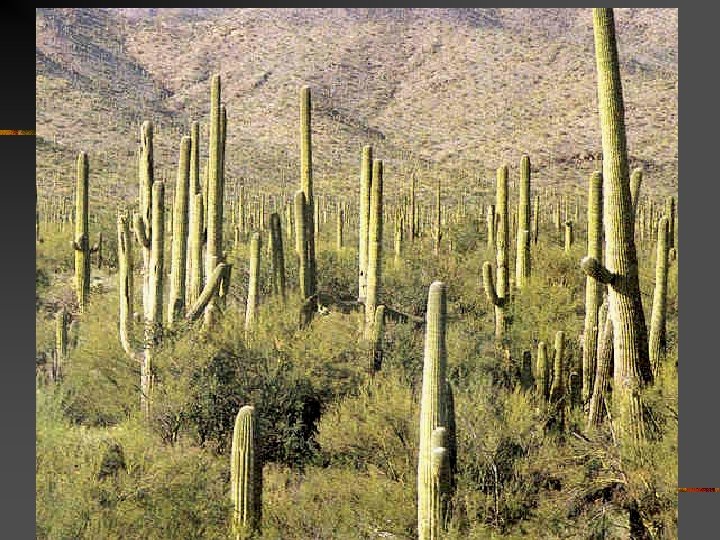
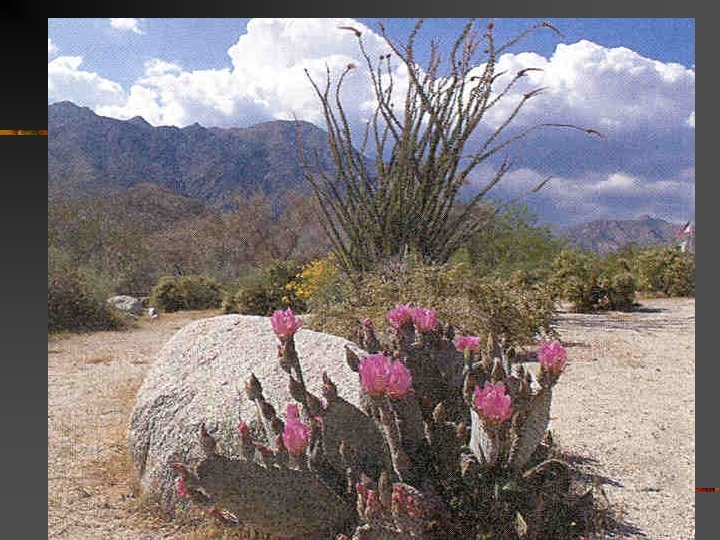
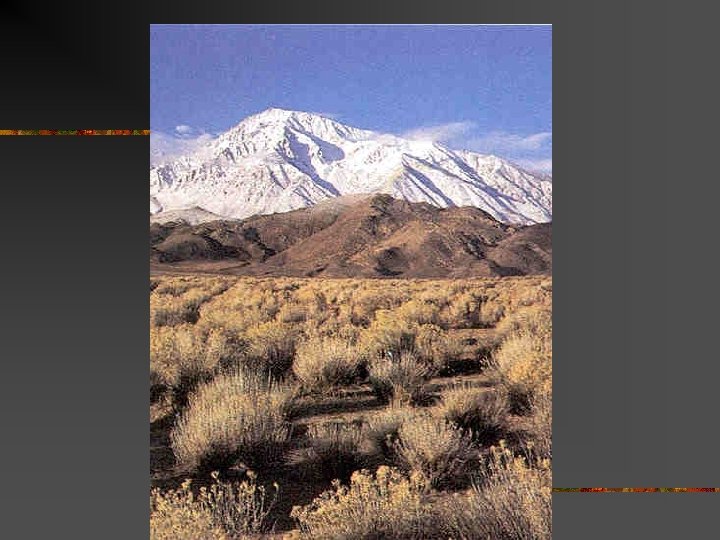
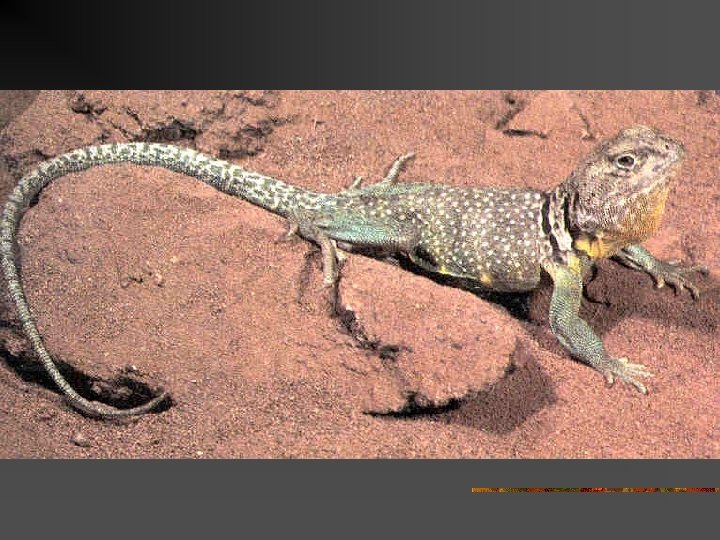
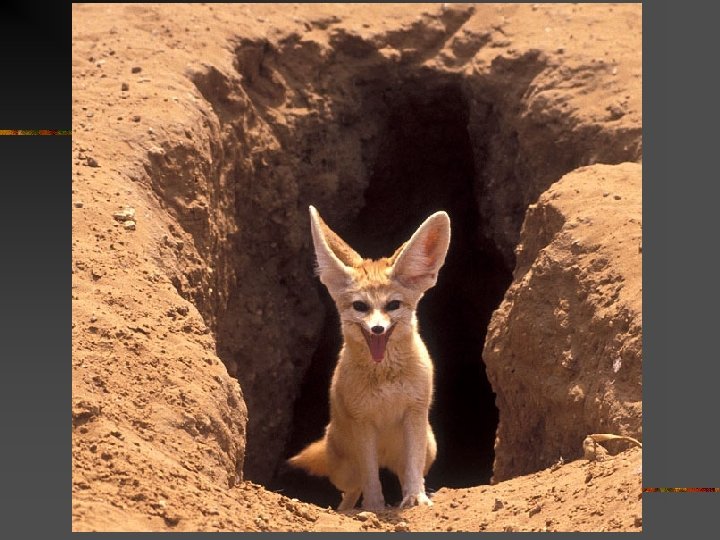
DESERT n n Location – can be anywhere Temp – wide fluctuation Very little precipitation Vegetation: sparse n n n No trees – too dry, thin soil Waxy cuticles to prevent water loss; needles on leaves for protection Adaptations:
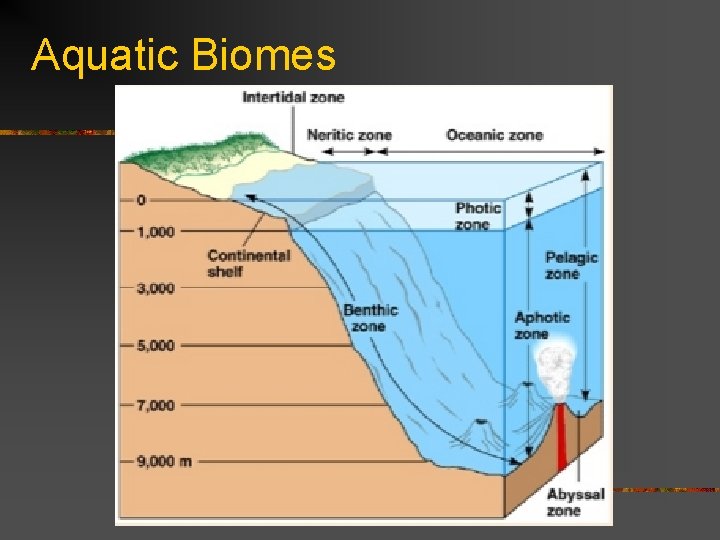
Aquatic Biomes
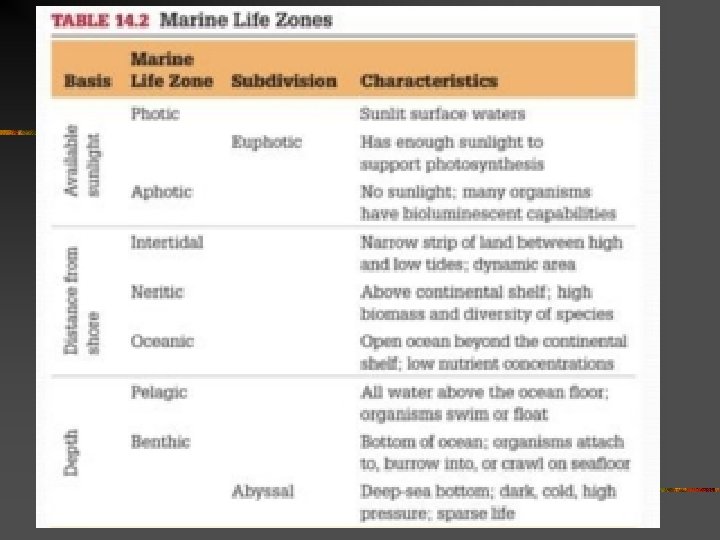

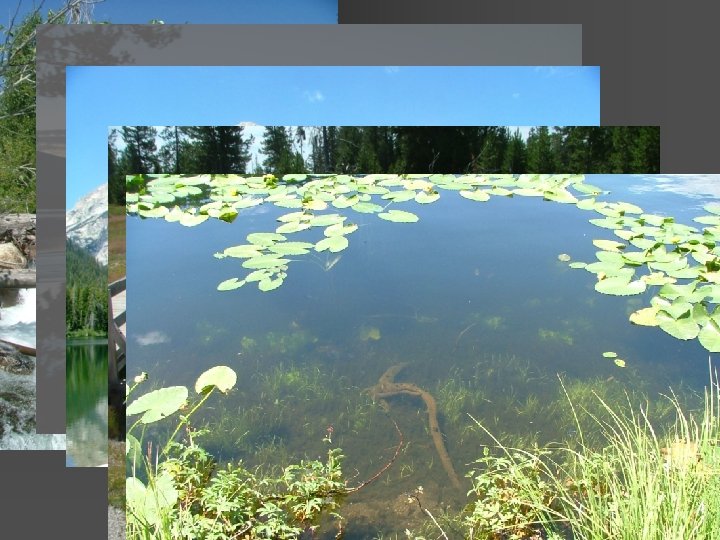
Aquatic Biomes What abiotic factors affect an aquatic ecosystem?
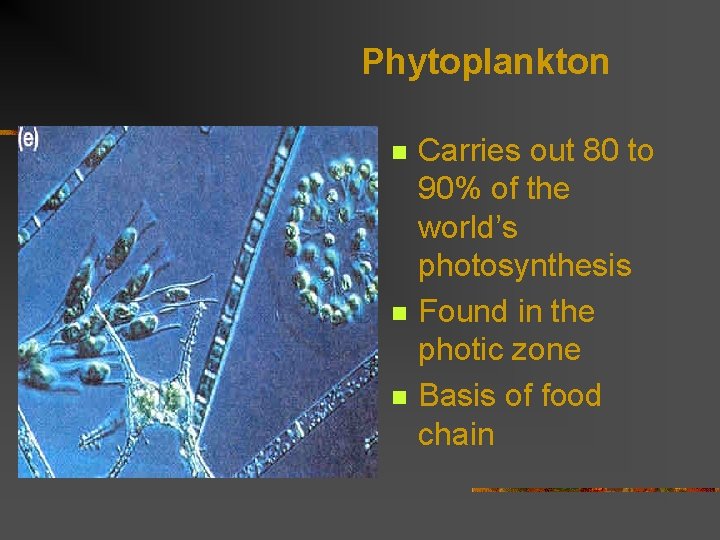
Phytoplankton n Carries out 80 to 90% of the world’s photosynthesis Found in the photic zone Basis of food chain
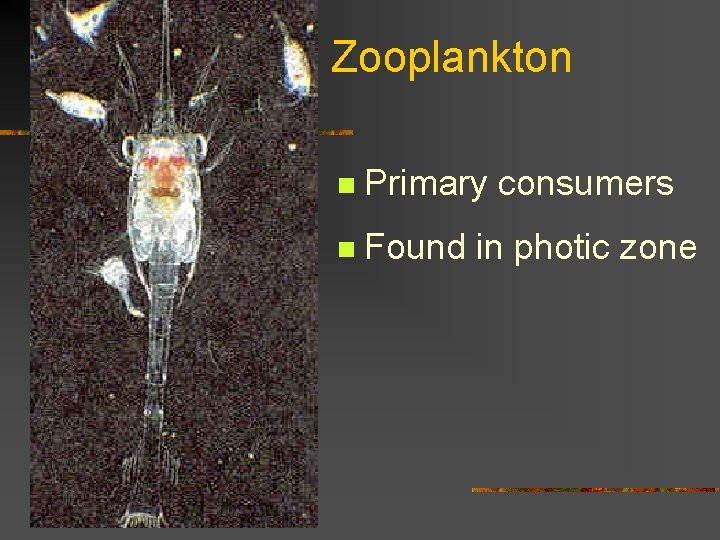
Zooplankton n Primary consumers n Found in photic zone
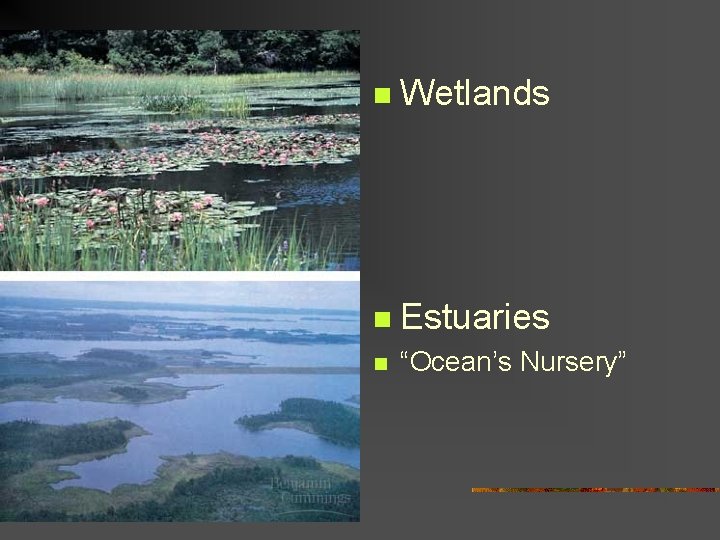
n Wetlands n Estuaries n “Ocean’s Nursery”
Importance of Water n n Climate Food Oxygen Rainfall
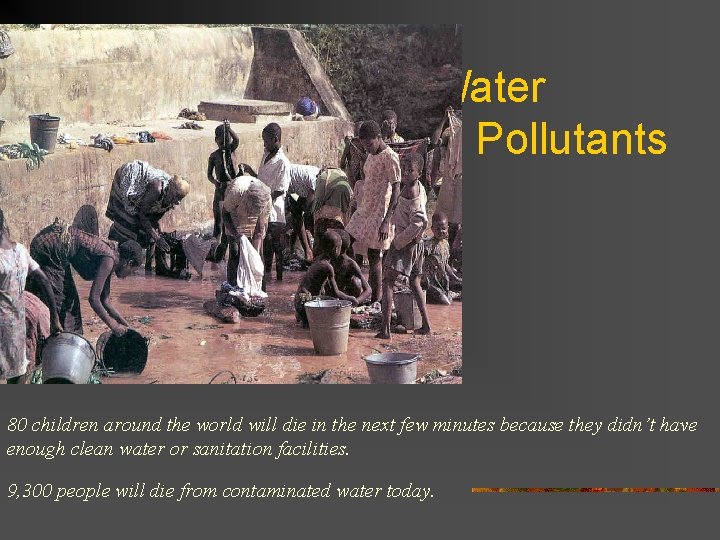
Water Pollutants 80 children around the world will die in the next few minutes because they didn’t have enough clean water or sanitation facilities. 9, 300 people will die from contaminated water today.
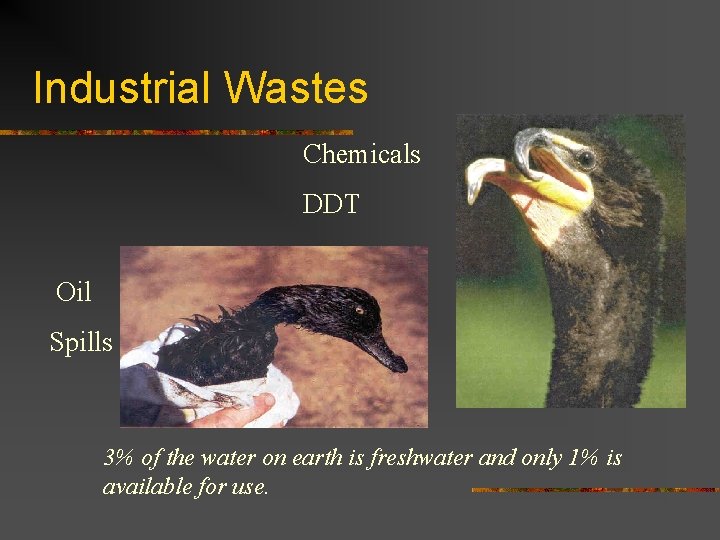
Industrial Wastes Chemicals DDT Oil Spills 3% of the water on earth is freshwater and only 1% is available for use.
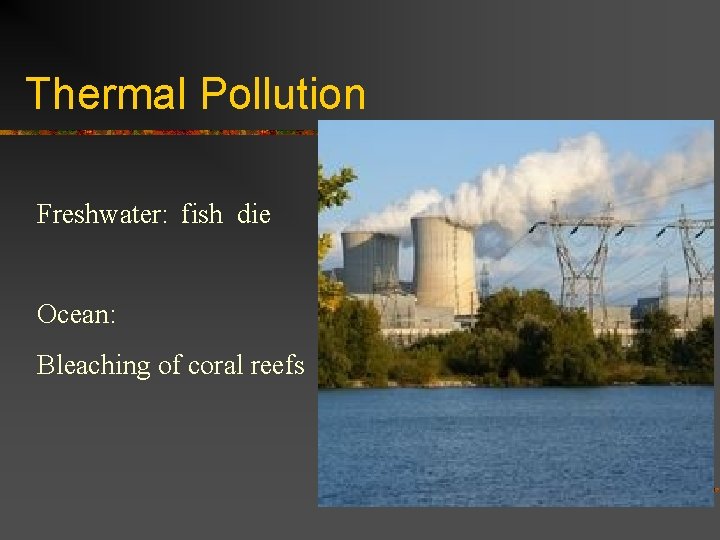
Thermal Pollution Freshwater: fish die Ocean: Bleaching of coral reefs
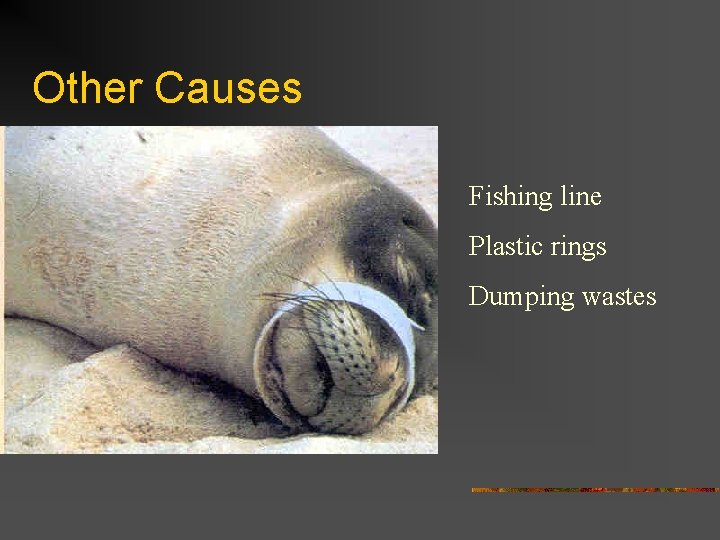
Other Causes Fishing line Plastic rings Dumping wastes
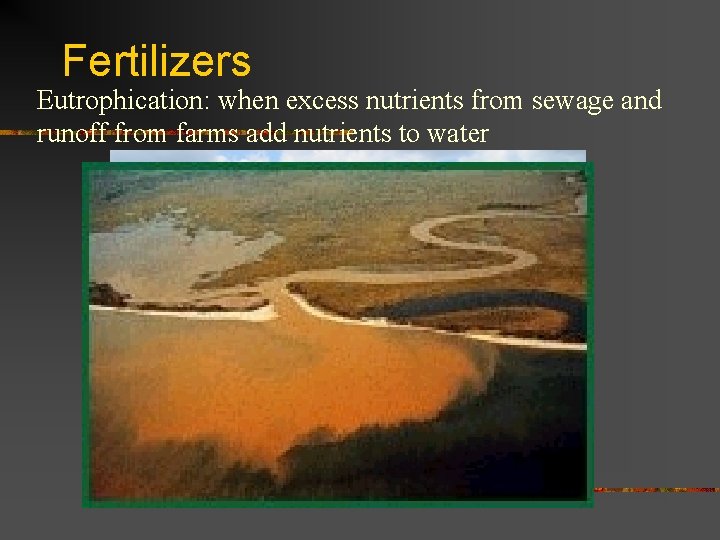
Fertilizers Eutrophication: when excess nutrients from sewage and runoff from farms add nutrients to water
- Slides: 53