
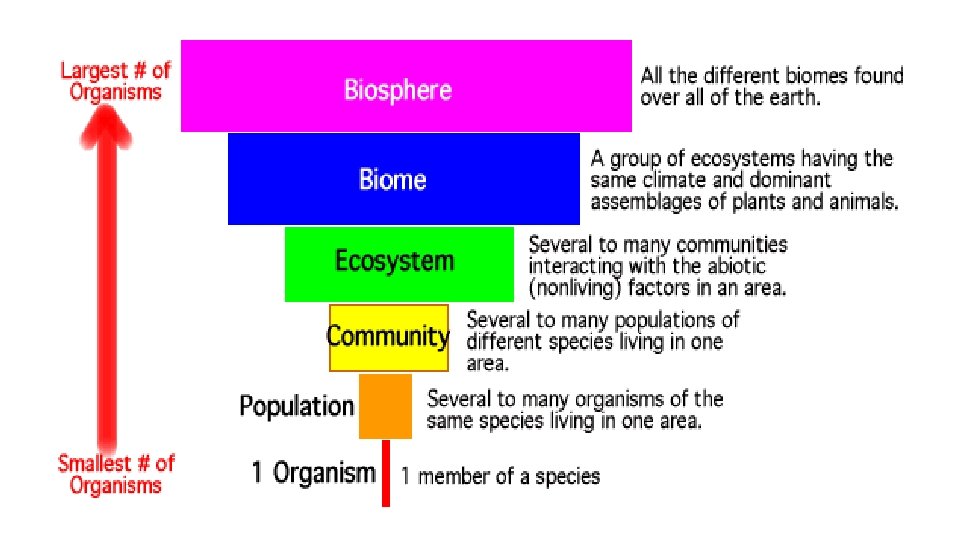
Biomes can be divided into Ecosystems What is
Biomes can be divided into Ecosystems
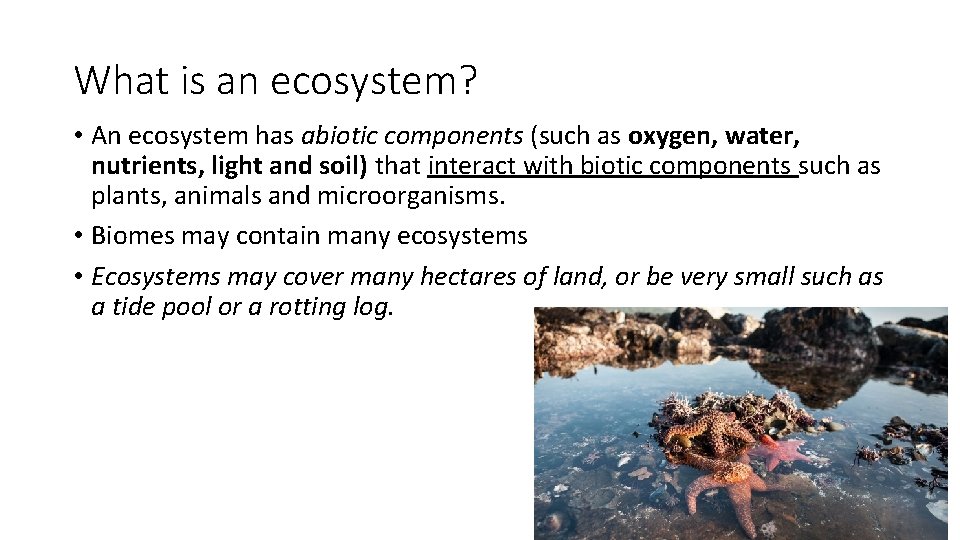
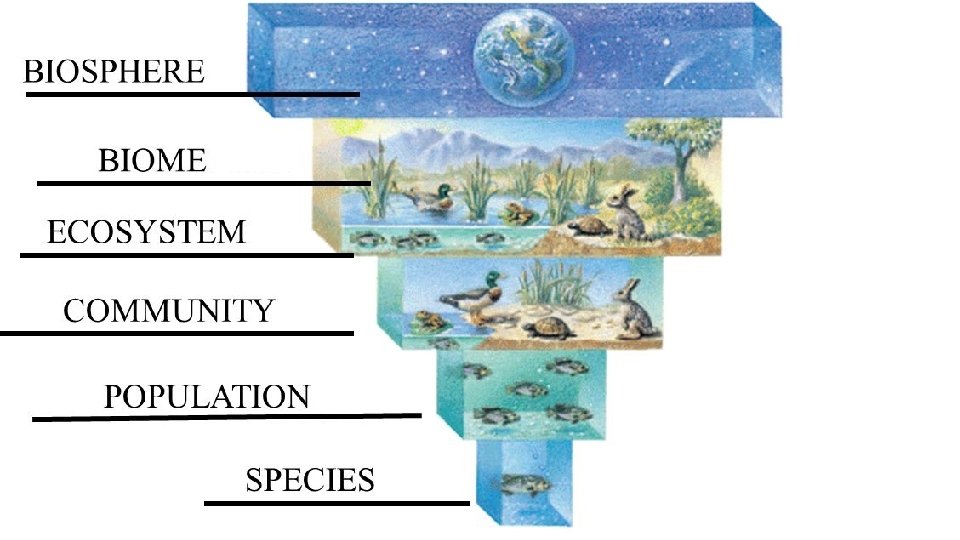
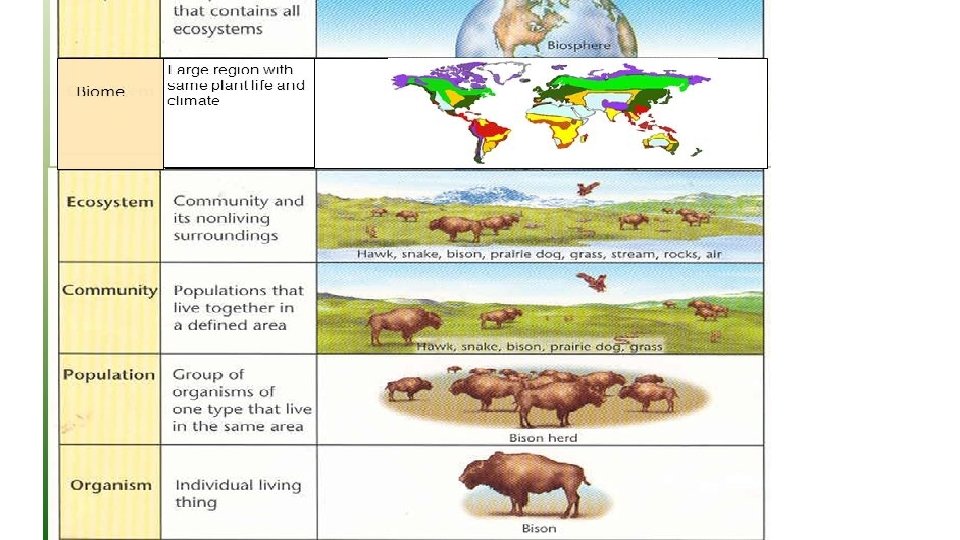
What is an ecosystem? • An ecosystem has abiotic components (such as oxygen, water, nutrients, light and soil) that interact with biotic components such as plants, animals and microorganisms. • Biomes may contain many ecosystems • Ecosystems may cover many hectares of land, or be very small such as a tide pool or a rotting log.
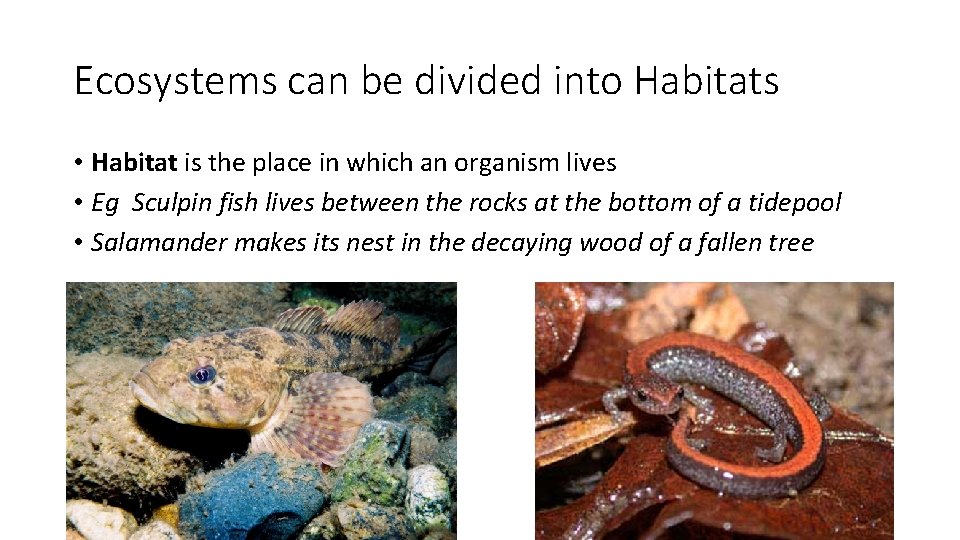
Ecosystems can be divided into Habitats • Habitat is the place in which an organism lives • Eg Sculpin fish lives between the rocks at the bottom of a tidepool • Salamander makes its nest in the decaying wood of a fallen tree
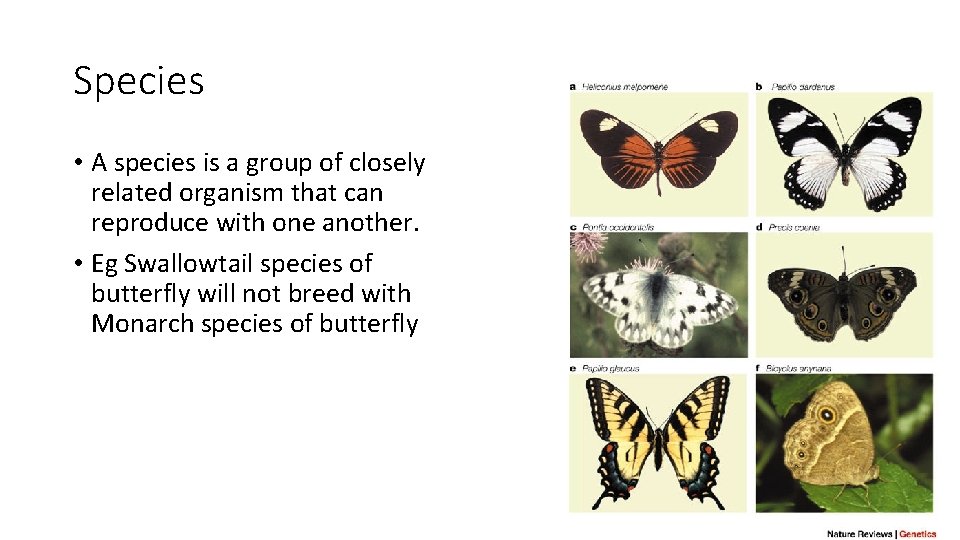
Species • A species is a group of closely related organism that can reproduce with one another. • Eg Swallowtail species of butterfly will not breed with Monarch species of butterfly
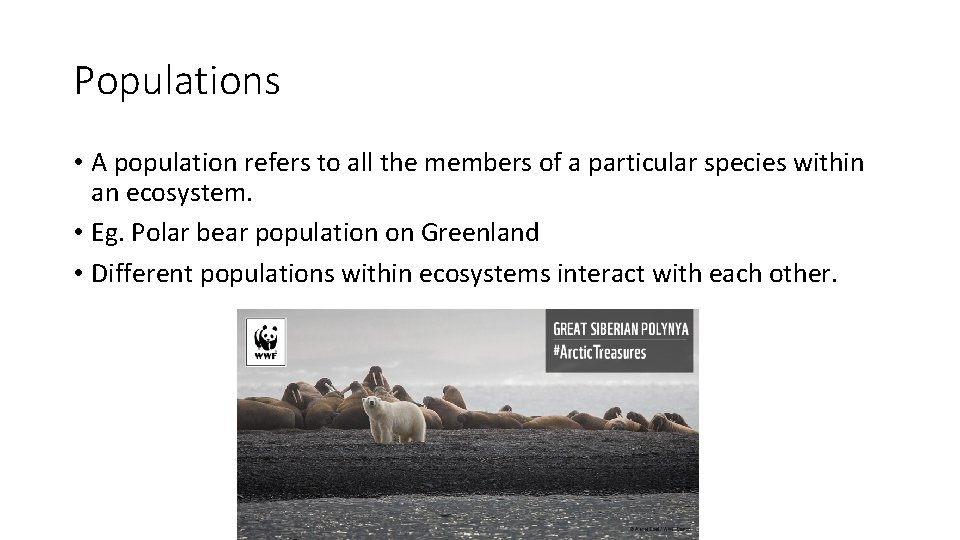
Populations • A population refers to all the members of a particular species within an ecosystem. • Eg. Polar bear population on Greenland • Different populations within ecosystems interact with each other.
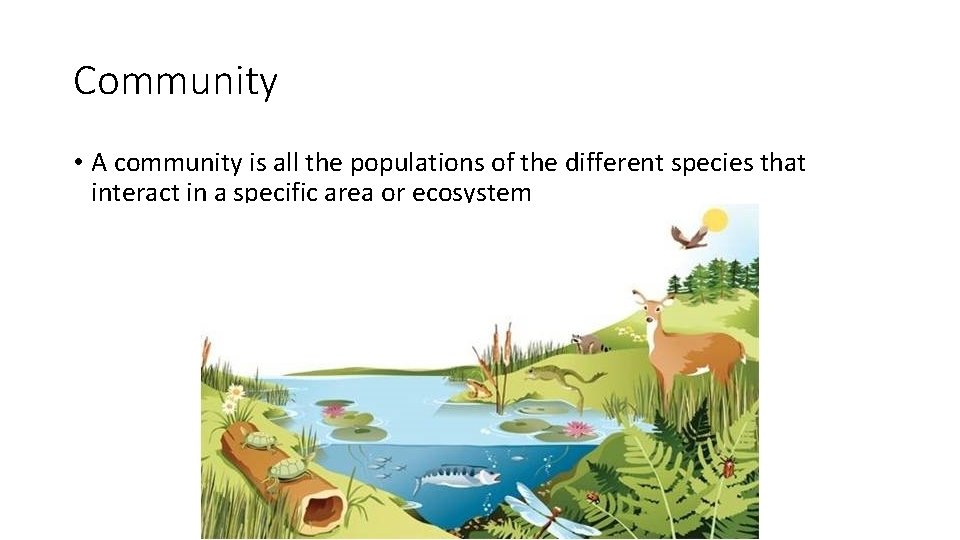
Community • A community is all the populations of the different species that interact in a specific area or ecosystem
How are abiotic factors important in ecosystems?
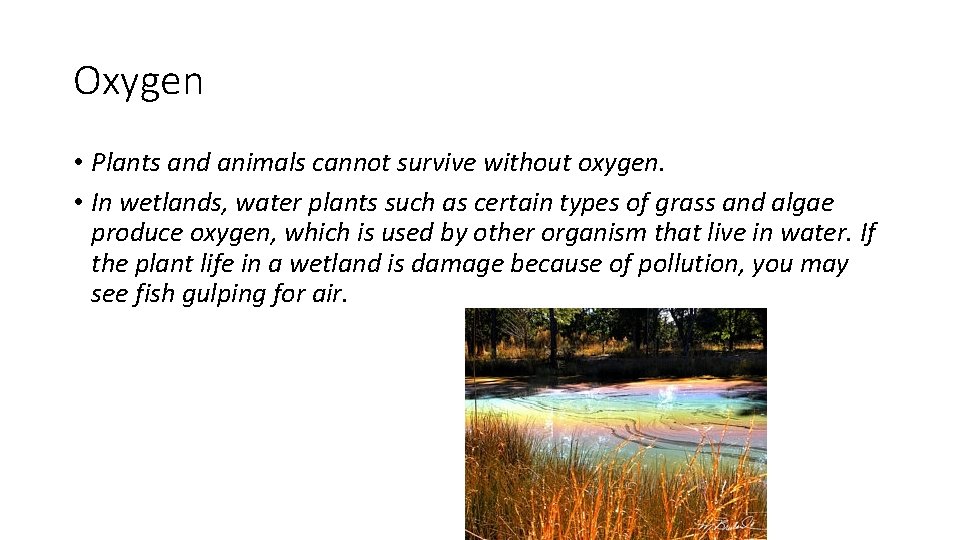
Oxygen • Plants and animals cannot survive without oxygen. • In wetlands, water plants such as certain types of grass and algae produce oxygen, which is used by other organism that live in water. If the plant life in a wetland is damage because of pollution, you may see fish gulping for air.
Water • Cells of most living things contain between 50 -90% water. • ALL organisms require water to survive. • You can go longer without food than you can without water. • Water also carries nutrients from one place to another in ecosystems.
Nutrients • Nutrients such as nitrogen and phosphorous are chemicals that are required for plant and animal growth.
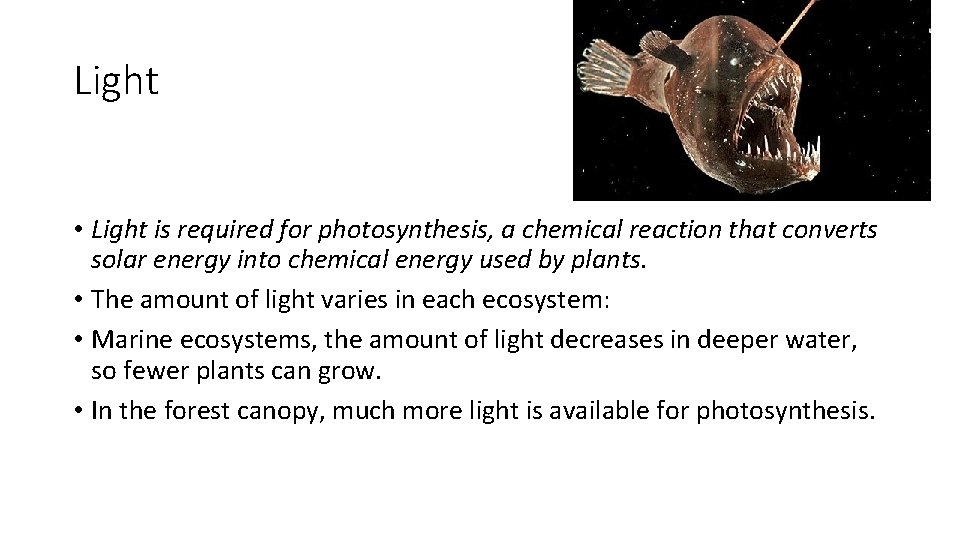
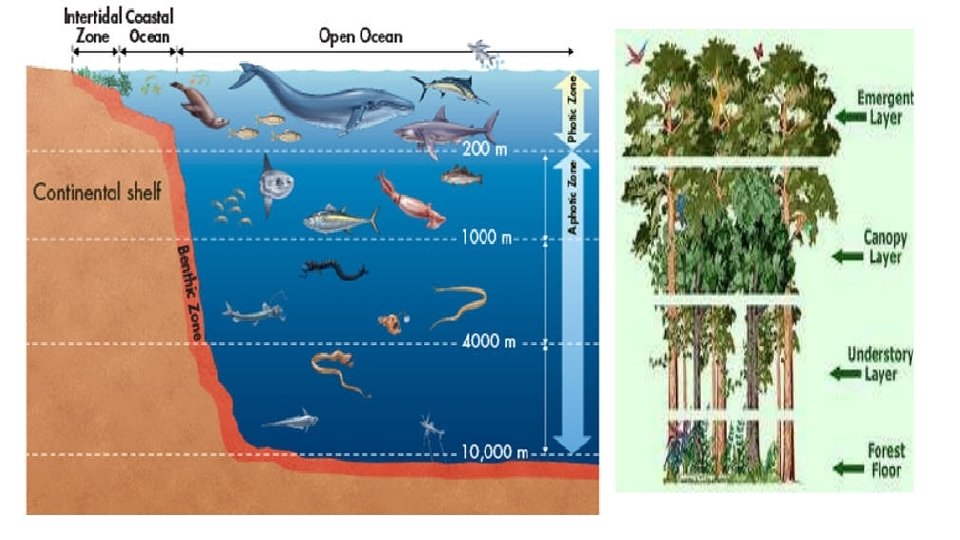
Light • Light is required for photosynthesis, a chemical reaction that converts solar energy into chemical energy used by plants. • The amount of light varies in each ecosystem: • Marine ecosystems, the amount of light decreases in deeper water, so fewer plants can grow. • In the forest canopy, much more light is available for photosynthesis.
Soil • Soil provides nutrients for plants and supports many species of small organism. - A square meter of soil may contain as many a 1000 different species of invertebrates (animals with no backbone). - Several thousand species of bacteria can be found in one gram of soil. • Soil anchors plant in one place and absorbs and hold water, making it available for both plants and animals. • How can living organisms affect the soil?
Can Living Organisms (Biotic Components) Affect Non-living (Abiotic Components)?
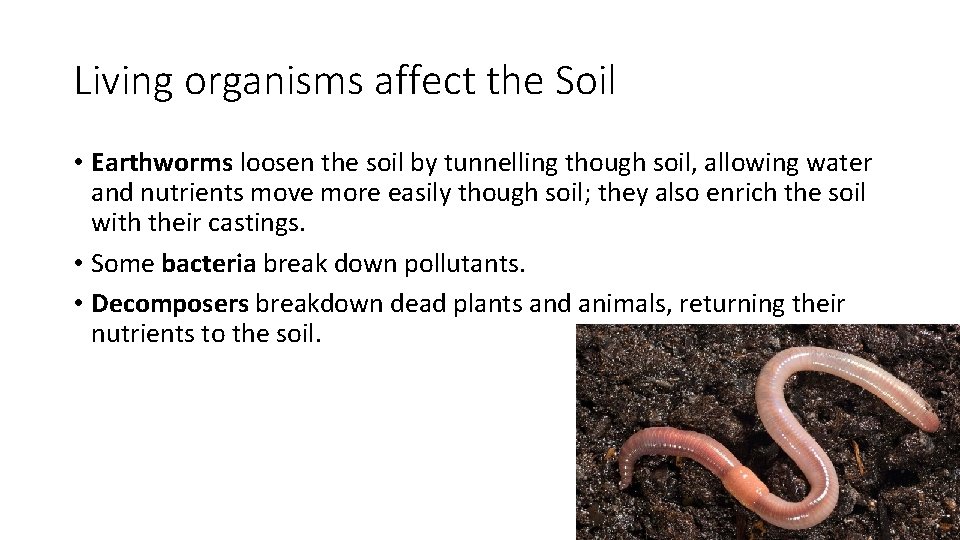
Living organisms affect the Soil • Earthworms loosen the soil by tunnelling though soil, allowing water and nutrients move more easily though soil; they also enrich the soil with their castings. • Some bacteria break down pollutants. • Decomposers breakdown dead plants and animals, returning their nutrients to the soil.
Check your Understanding 1. What is an ecosystem? 2. What is a habitat? 3. What are three abiotic components of an ecosystem necessary for supporting life? 4. Explain how soil is important to ecosytems. 5. What is a species? 6. What is a population? 7. What is a community? 8. How can biotic factors affect abiotic factors with an ecosystem.
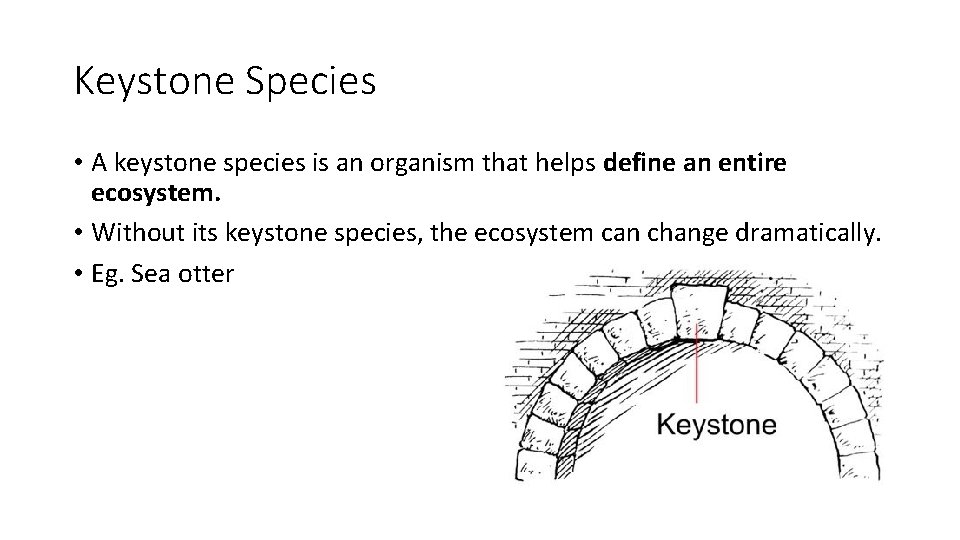
Keystone Species • A keystone species is an organism that helps define an entire ecosystem. • Without its keystone species, the ecosystem can change dramatically. • Eg. Sea otter
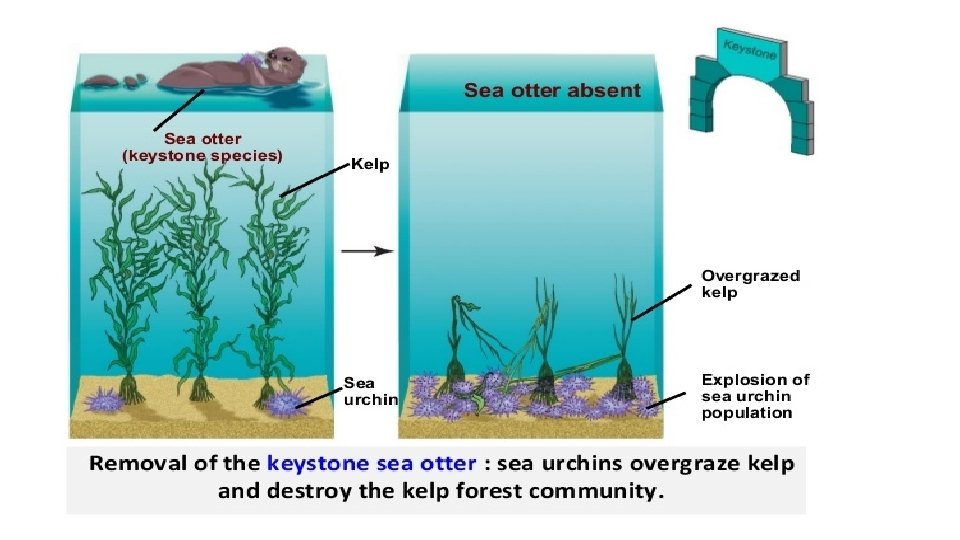
Keystone Species Sea otters
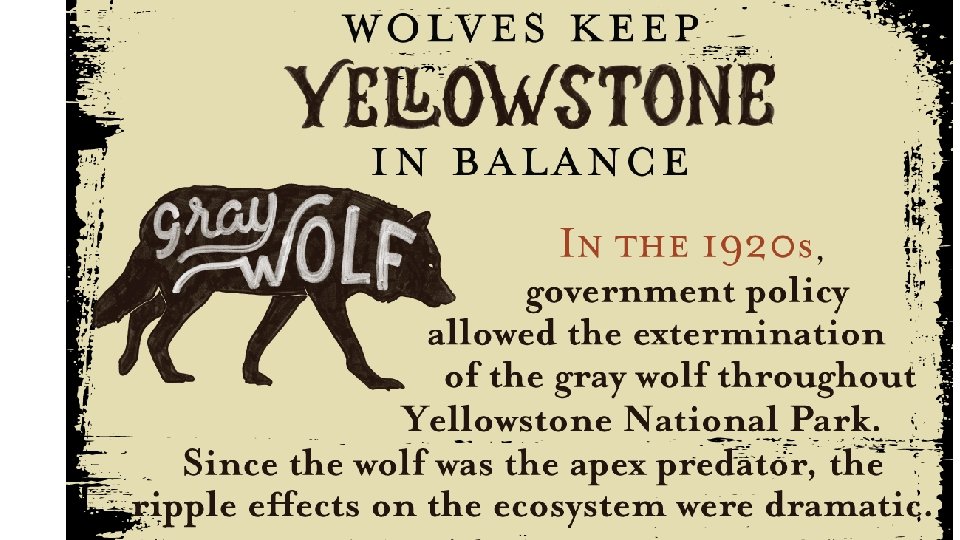
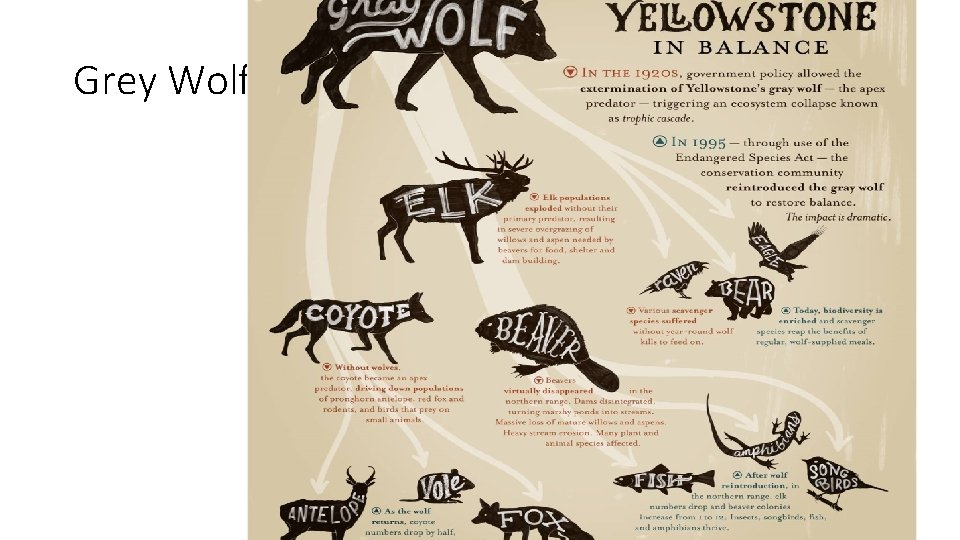
Grey Wolf of Yellowstone Park
How can the addition or removal of one species have an impact on other species or even abiotic factors? • Ted Ed: • https: //ed. ted. com/on/w. M 14 ZLAs#discussion
- Slides: 24