
Biomedical informatics for proteomics Boguski M S and
Biomedical informatics for proteomics Boguski, M. S. and M. W. Mc. Intosh (2003). Nature 422(6928): 233 -237. 指導老師 : 趙坤茂 Kun-Mao Chao 組員 : 施光偉 蕭雅茵 計佩岑 葉欣綺 鍾宇彥 蘇鈺惠 葉衍陞 陳雲濤
Outline Introduction Study design and sample quality Protein databases Protein identification by database searching Pattern matching without protein identification • Conclusions and future challenges • • •

Introduction reporter: 施光偉
Introduction • The subtitle: “Genes Were Easy”. • We have transitioned rapidly from a large but finite and complete human genome to a seemingly infinite biological universe. • Proteomics is often referred to as a ‘post-genome’ science, but its antecedents actually predate the Human Genome Project by two to three decades. • Although medical informatics has until recently been largely detached from bioinformatics, the emergence of clinical genomics and proteomics increasingly requires the integrated analysis of genetic, cellular, molecular and clinical information and the expertise of pathologists, epidemiologists and biostatisticians.
Introduction • Proteomics is the latest functional genomics technology to capture our imagination and it is instructive to review some lessons learned during the earlier adoption of another functional genomics technology, namely gene expression analysis using microarrays and similar technologies. • There are many implications of biomedical informatics for proteomics, including multiple platform technologies, laboratory information-management systems, medical records systems, and documentation of clinical trial results for regulatory agencies. • In the present work, we confine our discussions to mass spectrometry-based proteomics, and to study design and data resources, tools and analysis in a research setting.
Introduction • Proteomics depends upon careful study design and high-quality biological samples, advanced information technologies. • Proteome analysis is at a much earlier stage of development than genomics and gene expression (microarray) studies. • Fundamental issues involving biological variability, pre-analytic factors and analytical reproducibility remain to be resolved.

Study design and sample quality reporter: 蕭雅茵
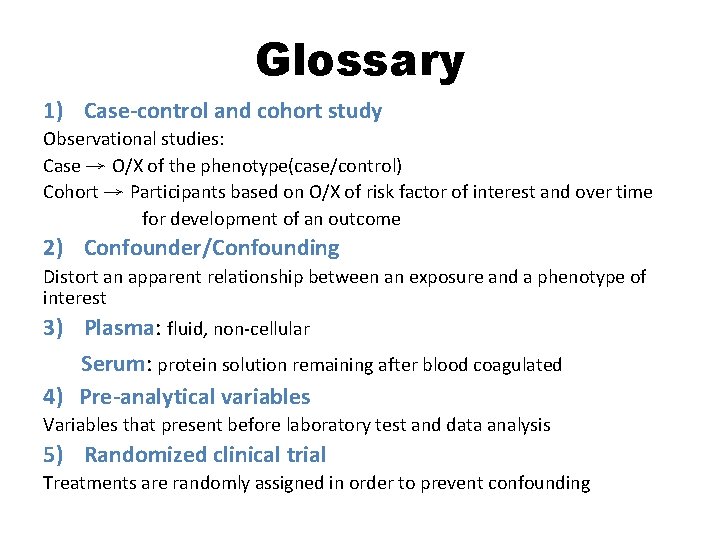
Glossary 1) Case-control and cohort study Observational studies: Case → O/X of the phenotype(case/control) Cohort → Participants based on O/X of risk factor of interest and over time for development of an outcome 2) Confounder/Confounding Distort an apparent relationship between an exposure and a phenotype of interest 3) Plasma: fluid, non-cellular Serum: protein solution remaining after blood coagulated 4) Pre-analytical variables Variables that present before laboratory test and data analysis 5) Randomized clinical trial Treatments are randomly assigned in order to prevent confounding
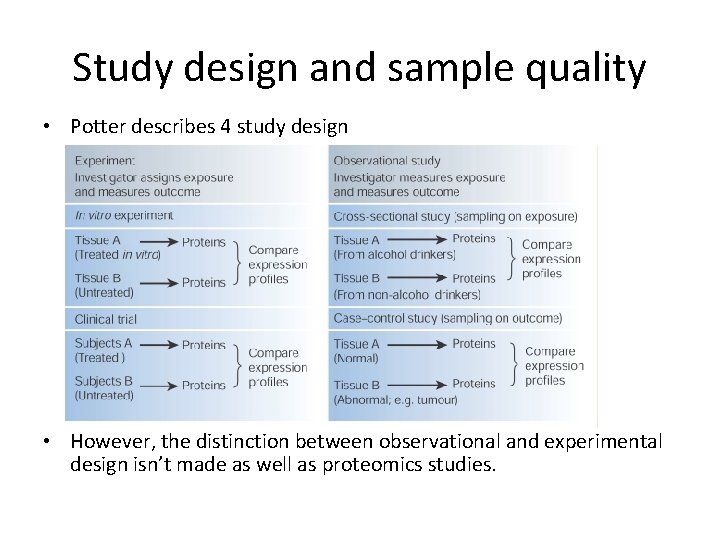
Study design and sample quality • Potter describes 4 study design • However, the distinction between observational and experimental design isn’t made as well as proteomics studies.
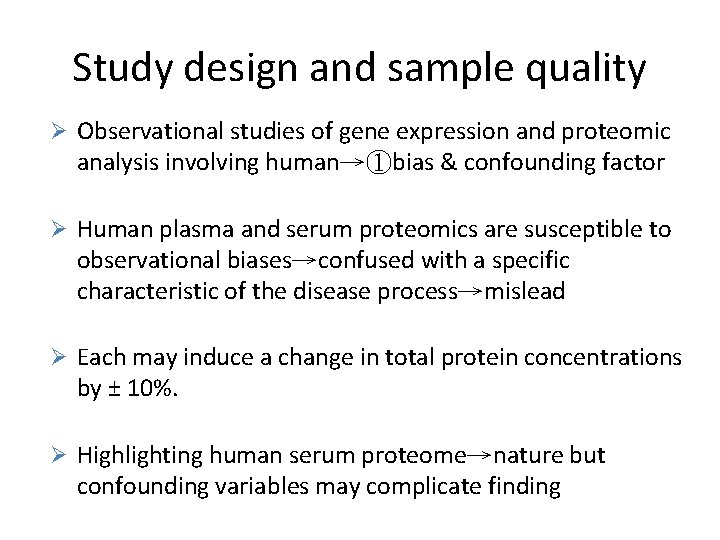
Study design and sample quality Ø Observational studies of gene expression and proteomic analysis involving human→①bias & confounding factor Ø Human plasma and serum proteomics are susceptible to observational biases→confused with a specific characteristic of the disease process→mislead Ø Each may induce a change in total protein concentrations by ± 10%. Ø Highlighting human serum proteome→nature but confounding variables may complicate finding
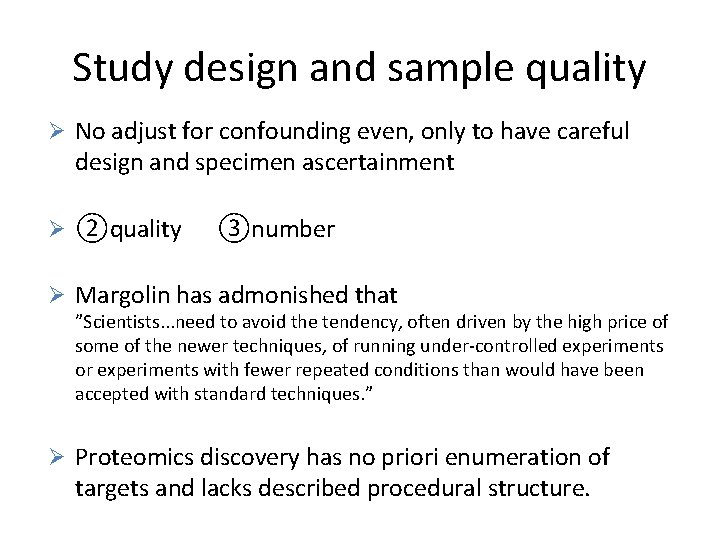
Study design and sample quality Ø No adjust for confounding even, only to have careful design and specimen ascertainment Ø ②quality ③number Ø Margolin has admonished that ”Scientists. . . need to avoid the tendency, often driven by the high price of some of the newer techniques, of running under-controlled experiments or experiments with fewer repeated conditions than would have been accepted with standard techniques. ” Ø Proteomics discovery has no priori enumeration of targets and lacks described procedural structure.
Protein database reporter: 計佩岑
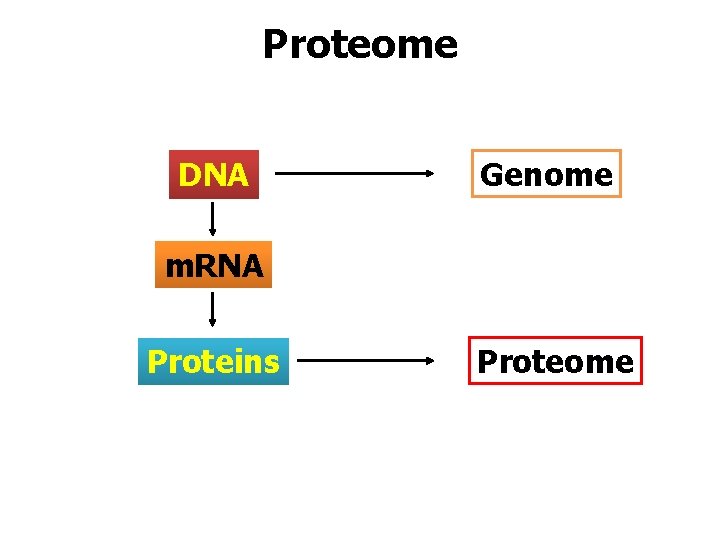
Proteome DNA Genome m. RNA Proteins Proteome
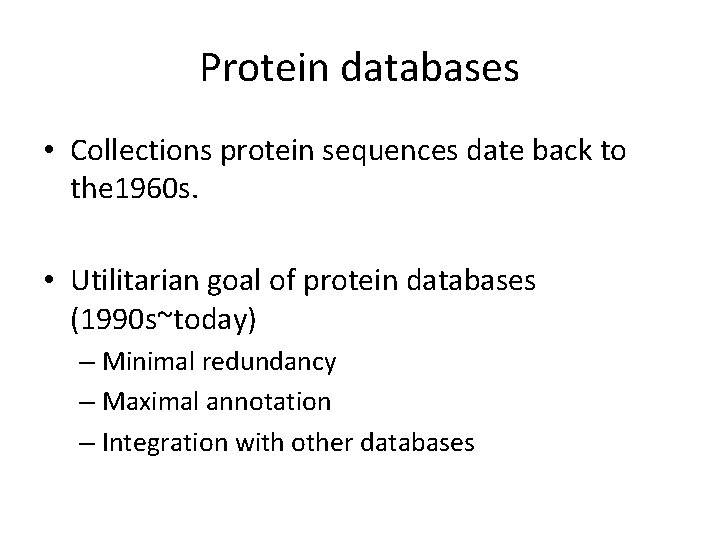
Protein databases • Collections protein sequences date back to the 1960 s. • Utilitarian goal of protein databases (1990 s~today) – Minimal redundancy – Maximal annotation – Integration with other databases
Protein databases • Current molecular sequence databases are classified according to their evolutionary history inferred from sequence homology. – excellent tools for gene discovery, comparative genomics and molecular evolution – much work to be done to even minimally serve the needs of proteomics and integrative biological science
Protein databases • Today's principal protein databases emphasize – molecular – cellular features – annotation – are not well suited to represent physiology. • A more ideal database for plasma proteome studies would classify proteins from a functional, rather than an evolutionary, viewpoint
Data standards • Multiple or specialized file formats has hindered accessibility, information exchange and integration • e. Xtensible Markup Language (XML) – an Internet standard for describing structured and semistructured data – most of the main databases make their data available in XML and make it easy to publish and exchange XML data
Protein databases • • • PDB(Protein Data Bank ) Gen. Bank SWISS-PROT EMBL HPRD(Human Protein Reference Database)
Protein identification by database searching reporter: 葉衍陞 葉欣綺 鍾宇彥
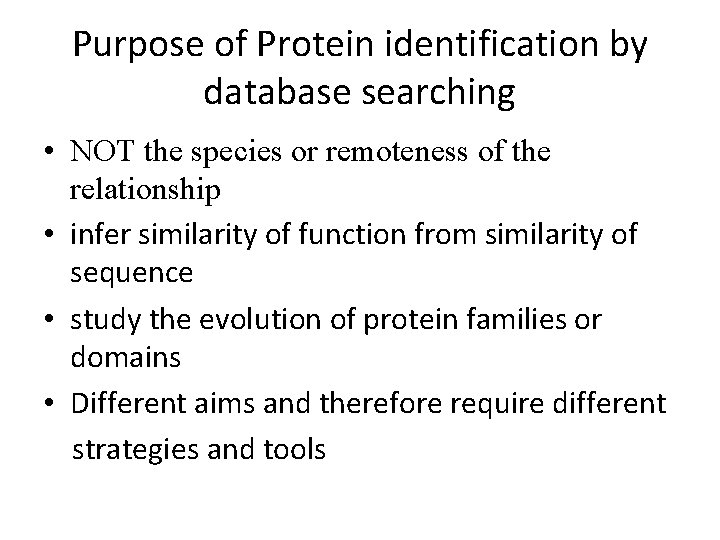
Purpose of Protein identification by database searching • NOT the species or remoteness of the relationship • infer similarity of function from similarity of sequence • study the evolution of protein families or domains • Different aims and therefore require different strategies and tools
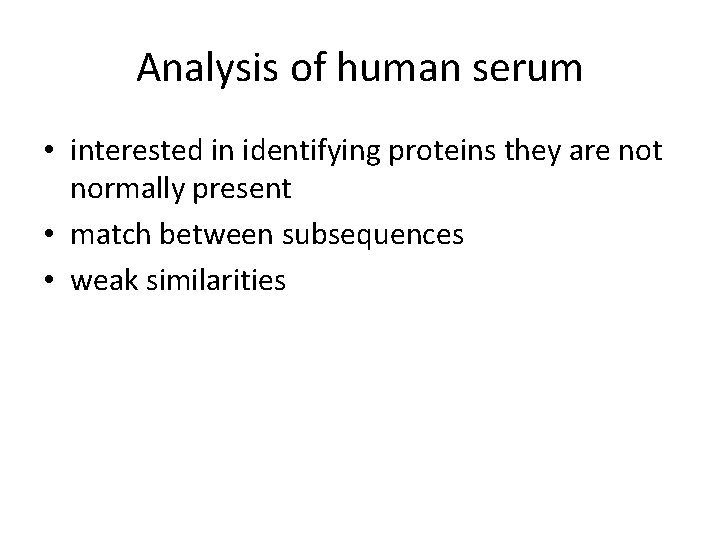
Analysis of human serum • interested in identifying proteins they are not normally present • match between subsequences • weak similarities
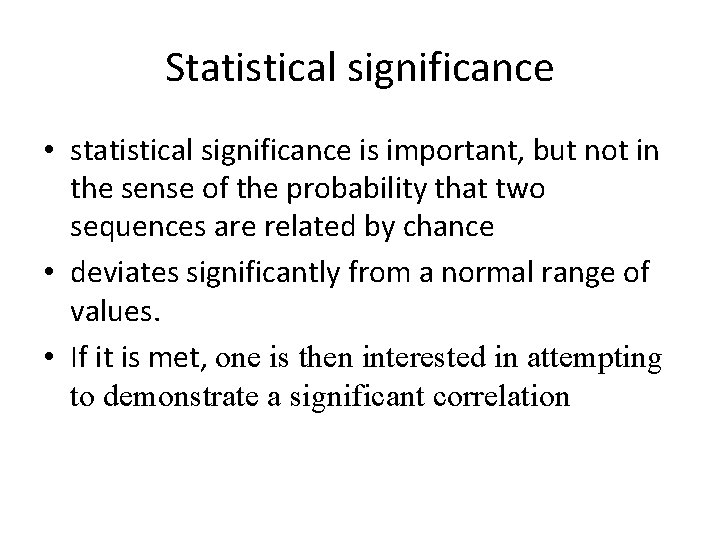
Statistical significance • statistical significance is important, but not in the sense of the probability that two sequences are related by chance • deviates significantly from a normal range of values. • If it is met, one is then interested in attempting to demonstrate a significant correlation
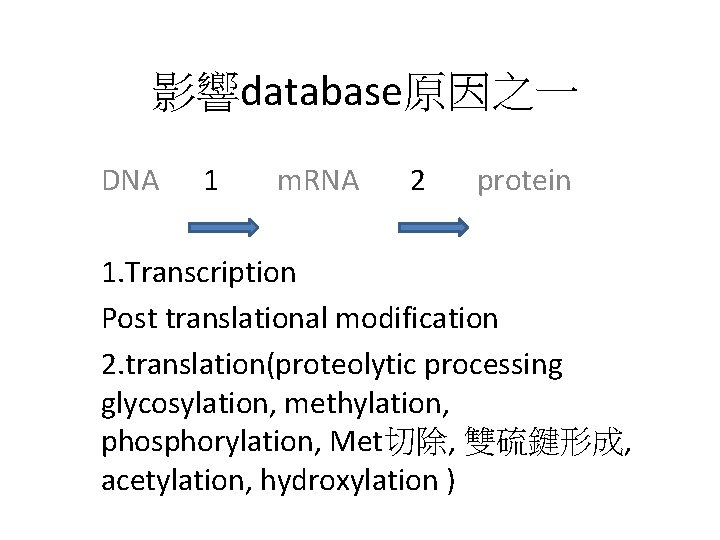
影響database原因之一 DNA 1 m. RNA 2 protein 1. Transcription Post translational modification 2. translation(proteolytic processing glycosylation, methylation, phosphorylation, Met切除, 雙硫鍵形成, acetylation, hydroxylation )
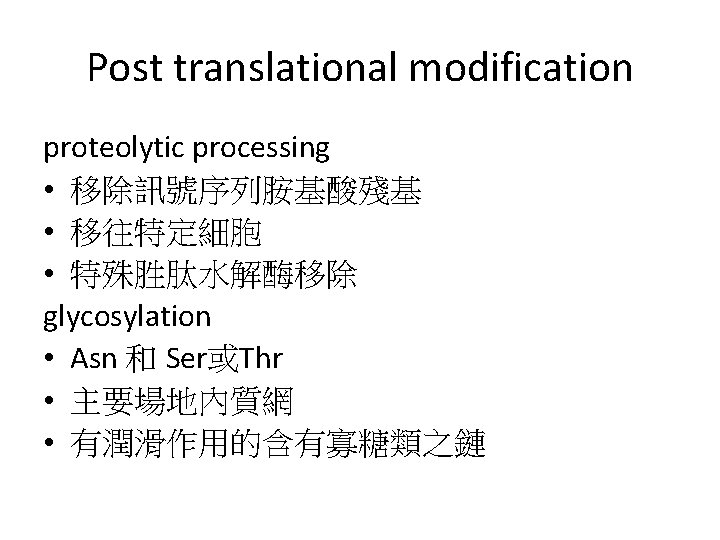
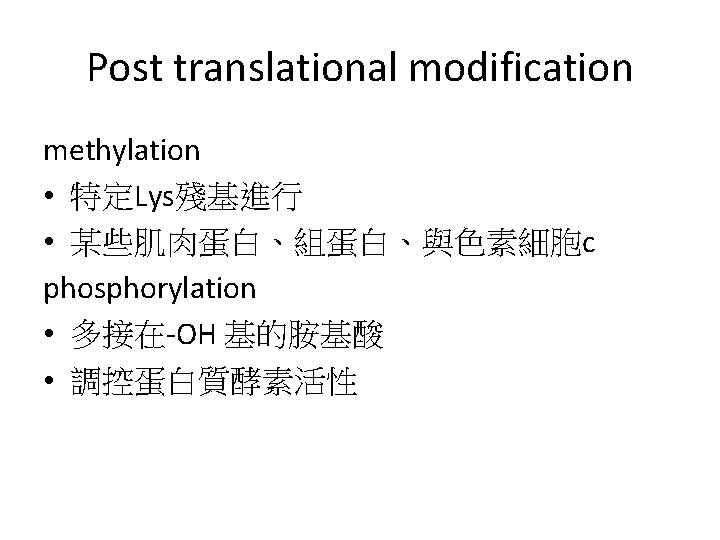
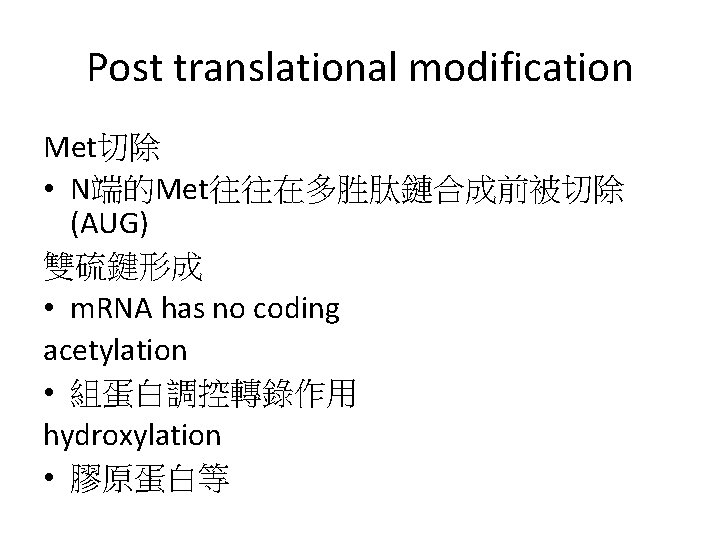
Post translational modification Met切除 • N端的Met往往在多胜肽鏈合成前被切除 (AUG) 雙硫鍵形成 • m. RNA has no coding acetylation • 組蛋白調控轉錄作用 hydroxylation • 膠原蛋白等
• Peptide analysis • Error Tolerance • Scoring methods
Peptide analysis- Experimental process • Cut to mixture of short peptides – Specific: restriction enzyme • Mass Spectrometry – Detect the m/z of the compounds – Tandem mass spectrometry (MS/MS) • Fragments of specific m/z • Chromatography – Separation before MS
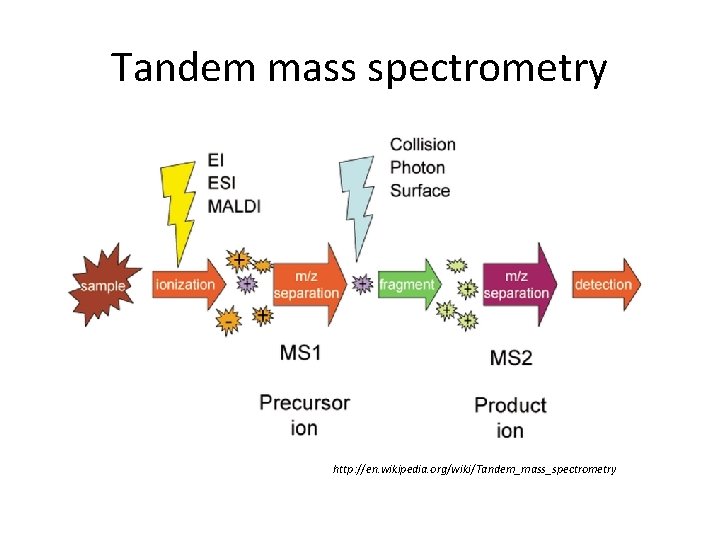
Tandem mass spectrometry http: //en. wikipedia. org/wiki/Tandem_mass_spectrometry
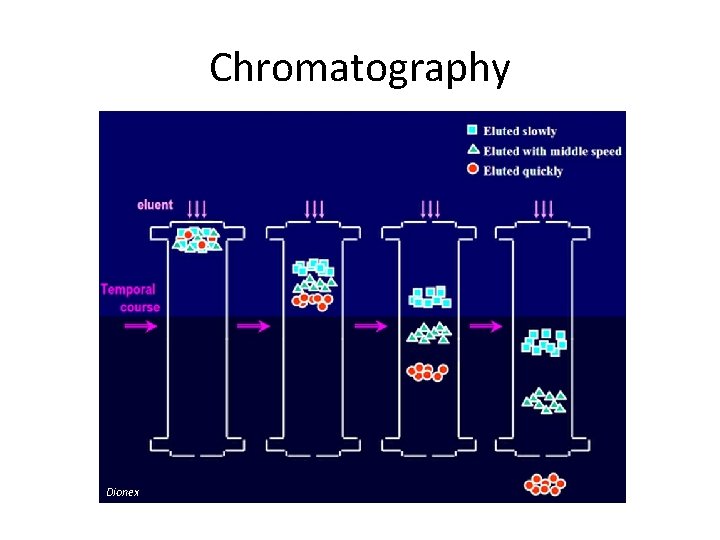
Chromatography Dionex
Peptide analysis- Mass Spectrometry • Several Approach – Analytic peptide-mass fingerprint • used as profile – Compare with the predicted spectrum • match to database – De novo sequence interpretation • Manual interpretation by expert • Time consumption high
Consideration of Error Tolerance • Restriction enzyme non-specificity • Precursor charge errors – Get more than one charge in ionization – Isotope • Mass measurement errors – Related to accuracy of instrument • Unsuspected modifications – Ex: post-translational modification • Primary sequence variations – deletions, insertions, substitutions [2002] Error tolerant searching of uninterpreted tandem mass spectrometry data
Scoring methods description • In general, each scoring algorithm designates a quantity related to the probability that the candidate peptide could have produced the observed spectrum by chance • Ranking is required for high-throughput automated analysis
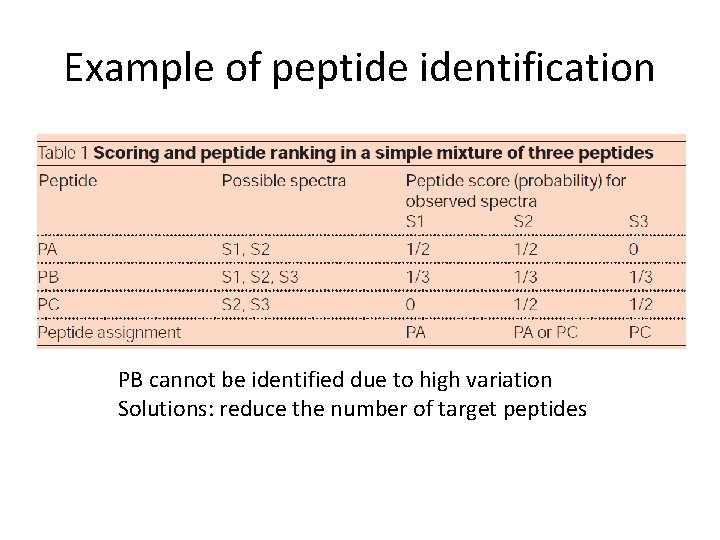
Example of peptide identification PB cannot be identified due to high variation Solutions: reduce the number of target peptides
Another challenge • Another automating proteomics challenge : the best match of a scoring algorithm is simply not good enough. • Establishing a criteria for acceptance overall therefore becomes the main focus of automated proteomics.
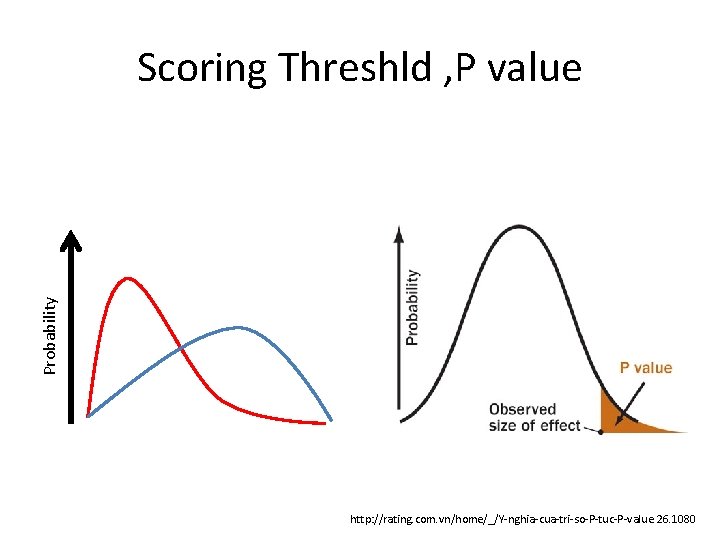
Scoring Threshld , P value • It is generally assumed that higher-scoring assignments are more likely to be correct than lower-scoring assignments. • Threshold: i : Sensitivity ii : Specificity iii: Mixture , sequence data base • P values : If p values< 0. 05 , 5% of all false tests will be misidentified as true.
Probability Scoring Threshld , P value http: //rating. com. vn/home/_/Y-nghia-cua-tri-so-P-tuc-P-value. 26. 1080
P value-like quantities • Keller et al. estimate the reference distributions of the correct and incorrect assignments within any experiment. • Keller et al. describe an approach that may allow a scoring algorithm to be converted into P value-like quantities that can then be used to control error rates.
*Pattern matching without protein identification *Conclusions and futurereporter: 蘇鈺惠 challenges 陳雲濤
Time-of-flight mass spectrometry (TOF)
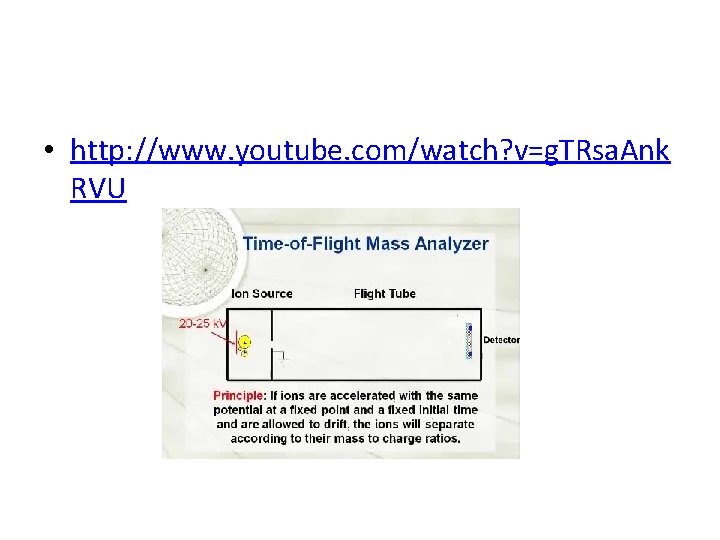
Time-of-flight mass spectrometry • ions are accelerated by an electric field • velocity of the ion depends on the mass-tocharge ratio • Time is measured • Compared with known experimental parameter, we can get the ion of mass-tocharge ratio.
Time-of-flight mass spectrometry • Time-of-flight mass spectrometry (TOFMS) is a method of mass spectrometry in which ions are accelerated by an electric field of known strength. This acceleration results in an ion having the same kinetic energy as any other ion that has the same charge. The velocity of the ion depends on the mass-to-charge ratio. The time that it subsequently takes for the particle to reach a detector at a known distance is measured. This time will depend on the mass-to -charge ratio of the particle (heavier particles reach lower speeds). From this time and the known experimental parameters one can find the mass-to-charge ratio of the ion. The elapsed time from the instant a particle leaves a source to the instant it reaches a detector. from wikipedia
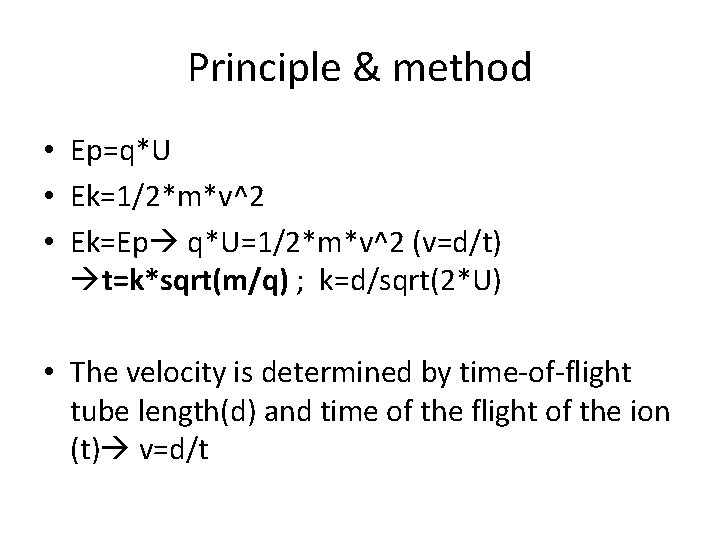
Principle & method • Ep=q*U • Ek=1/2*m*v^2 • Ek=Ep q*U=1/2*m*v^2 (v=d/t) t=k*sqrt(m/q) ; k=d/sqrt(2*U) • The velocity is determined by time-of-flight tube length(d) and time of the flight of the ion (t) v=d/t
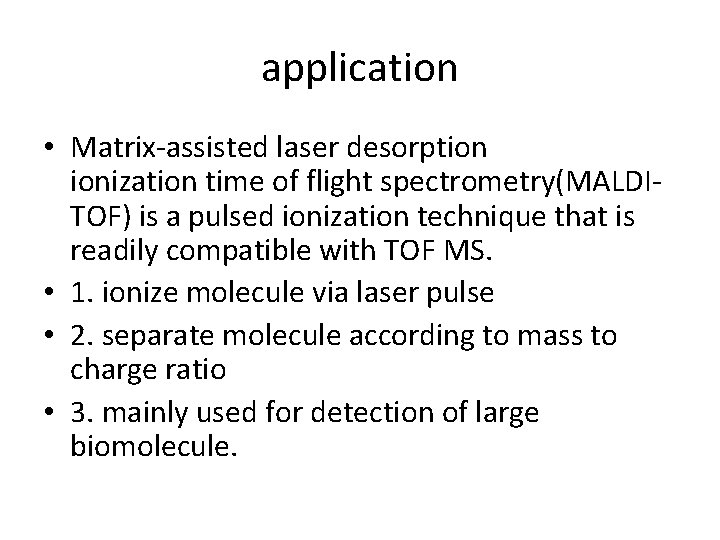
application • Matrix-assisted laser desorption ionization time of flight spectrometry(MALDITOF) is a pulsed ionization technique that is readily compatible with TOF MS. • 1. ionize molecule via laser pulse • 2. separate molecule according to mass to charge ratio • 3. mainly used for detection of large biomolecule.
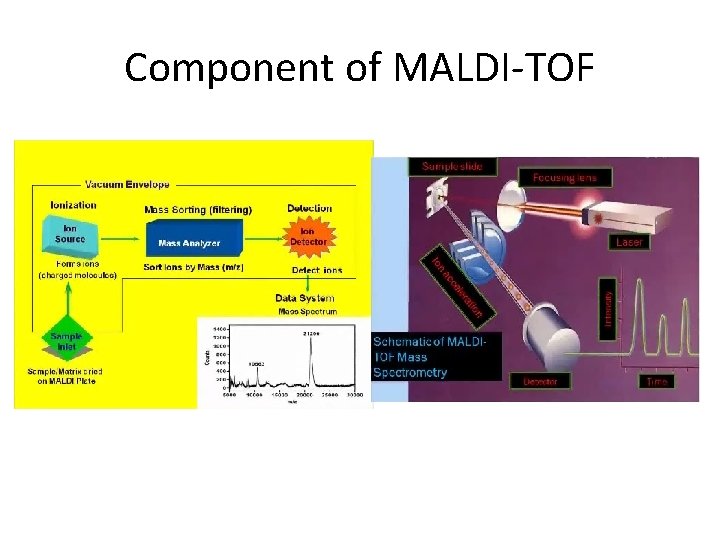
Component of MALDI-TOF
• http: //www. youtube. com/watch? v=g. TRsa. Ank RVU
Drawback of TOF • Each m/z value of the spectrum reflects the abundance of possibly many peptides having a similar mass. Thus, with complex mixtures, these TOF methods are not able to identify individual peptides.
Using TOF • When used with complex mixtures, analysis methods are intended to identify peaks, or features, of the spectrum that can segregate identifiable groups • When evaluating expression array, using Clustering methods, Pattern matching for alignment and peak identification.
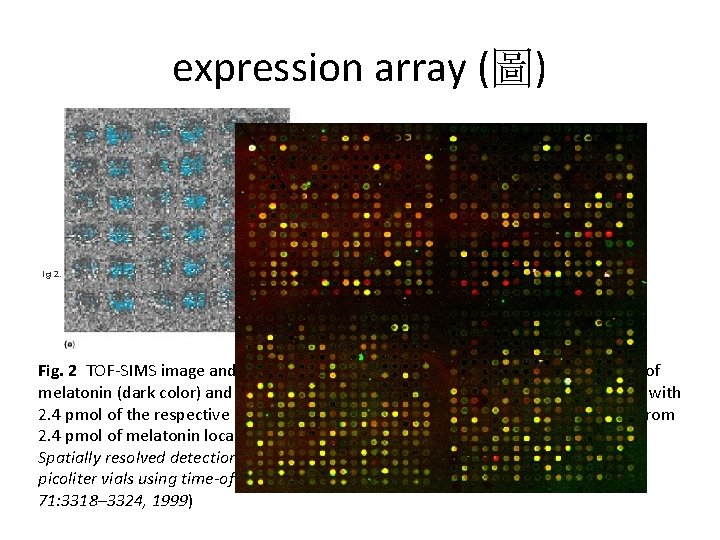
expression array (圖) ig 2. Fig. 2 TOF-SIMS image and mass spectrum of a high-density array. (a) Binary array of melatonin (dark color) and uridine (light color) Each 50 μm × 50 μm vial was loaded with 2. 4 pmol of the respective molecules. (b) Representative mass spectrum obtained from 2. 4 pmol of melatonin localized within a single nanovial. (From R. M. Braun et al. , Spatially resolved detection of attomole quantities of organic molecules localized in picoliter vials using time-of-flight secondary ion mass spectrometry, Anal. Chem, 71: 3318– 3324, 1999)
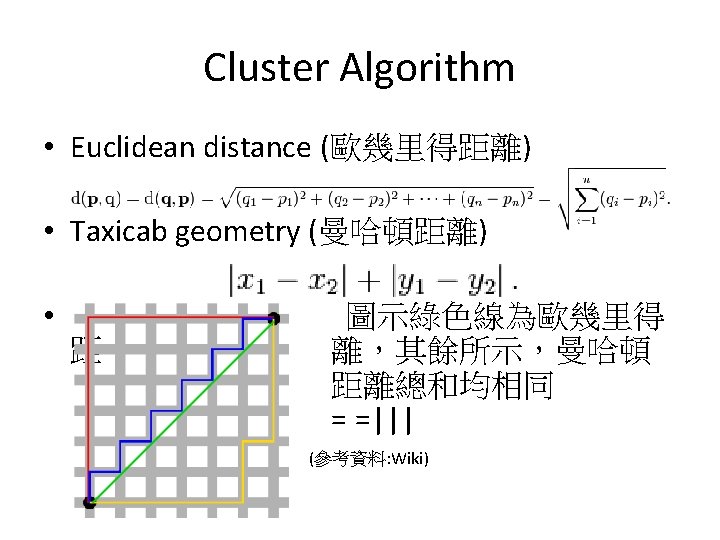
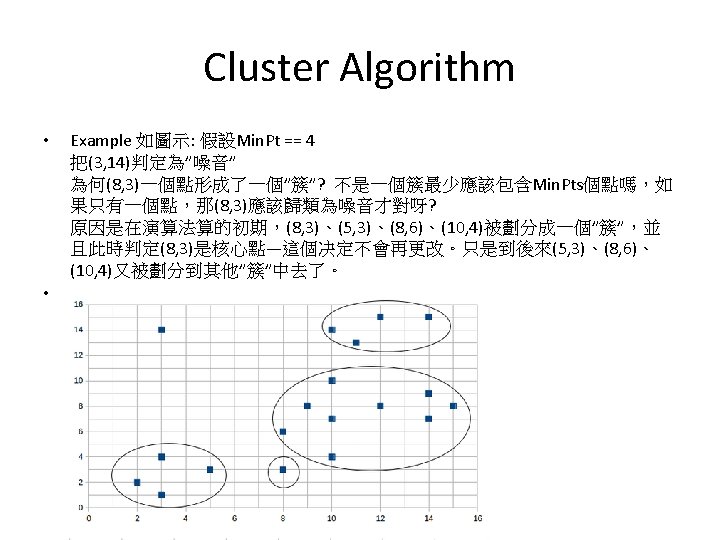
Cluster Algorithm • 一種分類的方法: 由一個基準點,描述其在有限範圍(Eps)內包含不少 於Min. Pt個點的群集 • 範圍以歐幾里得距離或曼哈頓距離算之 • 用途廣泛: 諸如商業市場分析、生物分類研究、生醫資訊領域、Data mining、Machine Learning、圖像分析 • 種類: Partitioning Methods Hierarchical Methods density-based methods grid-based methods Model-Based Methods
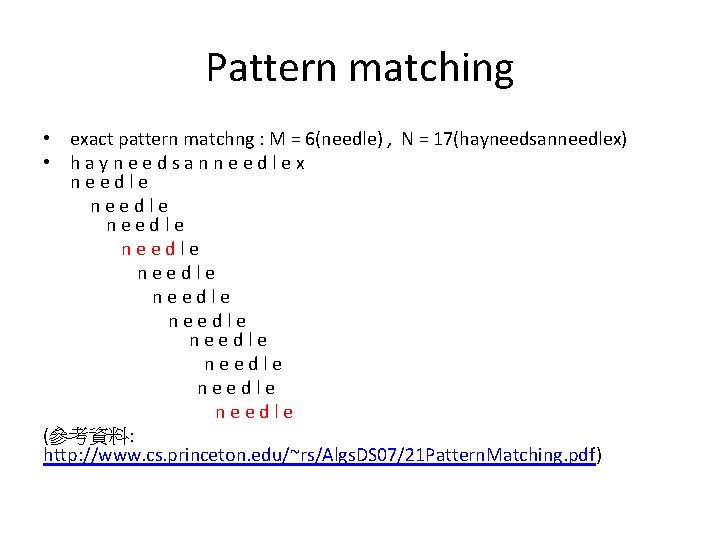
Pattern matching • exact pattern matchng : M = 6(needle) , N = 17(hayneedsanneedlex) • hayneedsanneedlex needle needle needle (參考資料: http: //www. cs. princeton. edu/~rs/Algs. DS 07/21 Pattern. Matching. pdf)
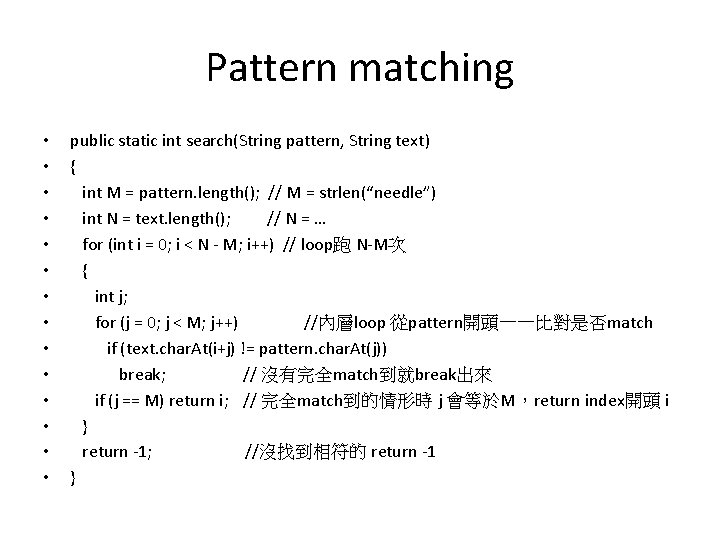
Pattern matching • • • • public static int search(String pattern, String text) { int M = pattern. length(); // M = strlen(“needle”) int N = text. length(); // N = … for (int i = 0; i < N - M; i++) // loop跑 N-M次 { int j; for (j = 0; j < M; j++) //內層loop 從pattern開頭一一比對是否match if (text. char. At(i+j) != pattern. char. At(j)) break; // 沒有完全match到就break出來 if (j == M) return i; // 完全match到的情形時 j 會等於M,return index開頭 i } return -1; //沒找到相符的 return -1 }
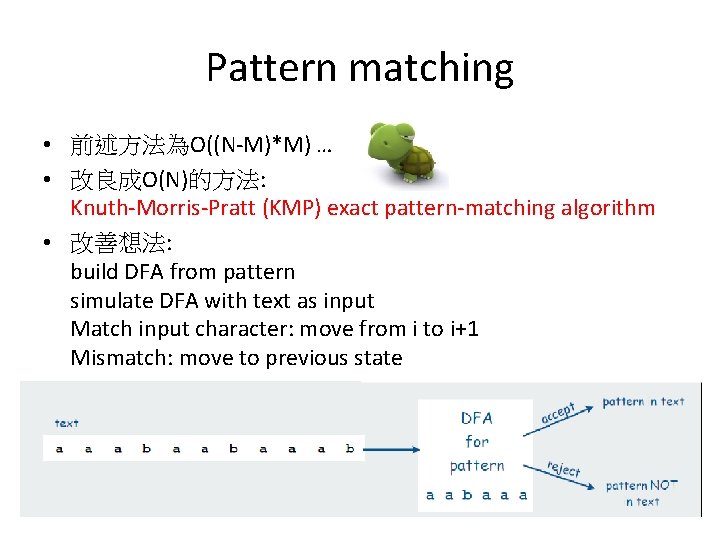
Pattern matching • 前述方法為O((N-M)*M) … • 改良成O(N)的方法: Knuth-Morris-Pratt (KMP) exact pattern-matching algorithm • 改善想法: build DFA from pattern simulate DFA with text as input Match input character: move from i to i+1 Mismatch: move to previous state
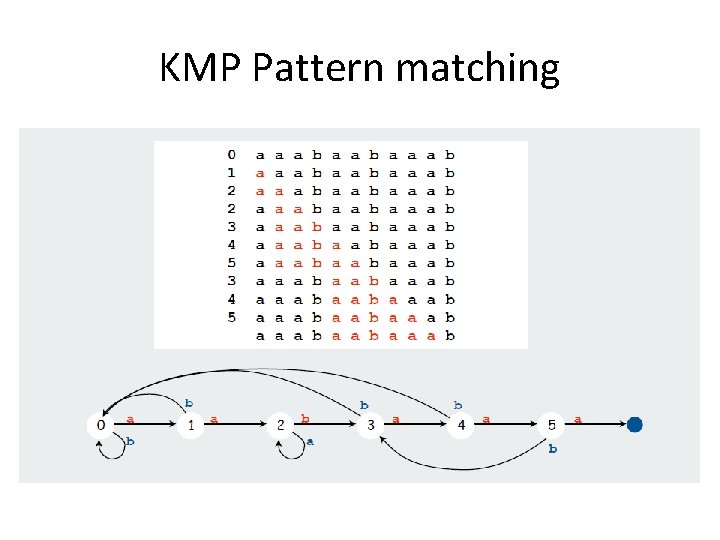
KMP Pattern matching
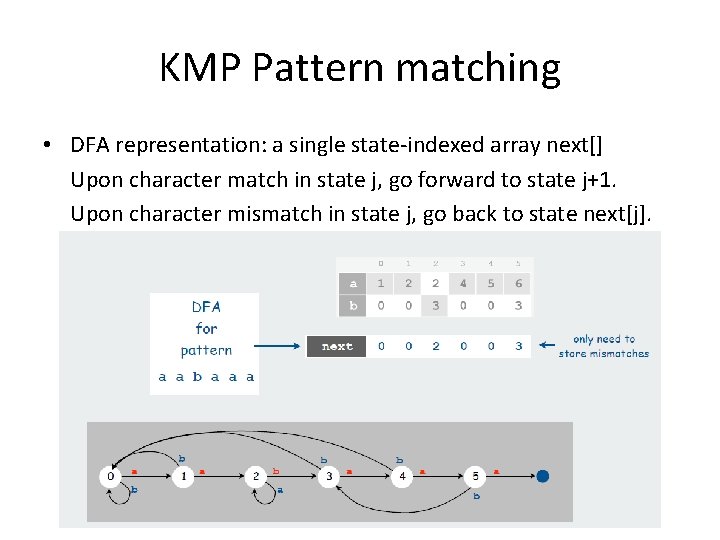
KMP Pattern matching • DFA representation: a single state-indexed array next[] Upon character match in state j, go forward to state j+1. Upon character mismatch in state j, go back to state next[j].
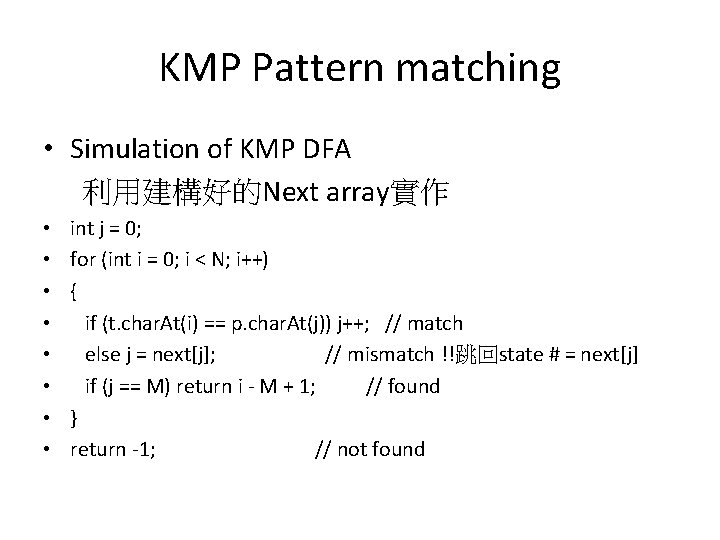
KMP Pattern matching • Simulation of KMP DFA 利用建構好的Next array實作 • • int j = 0; for (int i = 0; i < N; i++) { if (t. char. At(i) == p. char. At(j)) j++; // match else j = next[j]; // mismatch !!跳回state # = next[j] if (j == M) return i - M + 1; // found } return -1; // not found
About TOF • (跳tone跳太大了…趕快跳回來 !! ) • Evan though the TOF algorithms have not yet led to peptide identification, this factor does not greatly limit their utility for identifying newer and far more accurate approaches for medical diagnostics, because diagnosing disease is a problem of prediction rather than of aetiology. • Algorithms that have potential clinical relevance have already been identified by Petricion et al. and Adam et al. for diagnosing ovarian and prostate cancer, respectively. • The efficiency of the TOF approaches, and their demonstrated ability to generate highly accurate diagnostic tests, may provide advantages for this technology compared with others for the development of medical diagnostics.
Conclusions and future chanllenges • Proteomics is a powerful, post-genome paradigm that seeks to describe and explain what Erwin Chargaff called the “immensely diversified phenomenology” of cells and organisms. • Beyond the enumerations and characterizations of different proteomes lies the elucidation of macromolecular interactions, complexes and networks. Informatics will play a crucial role in working towards these goals.

Thank you Report Group: Biomedical informatics for proteomics
- Slides: 61