
Biomechanics of Skeletal Muscle Ch 6 Objectives n
Biomechanics of Skeletal Muscle (Ch 6) Objectives n n n Identify the basic behavioral properties of the musculotendinous unit. Explain the relationships of fiber types and fiber architecture to muscle function. Explain how skeletal muscles function to produce coordinated movement of the human body. Discuss the effects of angle of pull, forcevelocity and length-tension relationships Discuss the concepts of strength, power, and endurance from a biomechanical perspective.
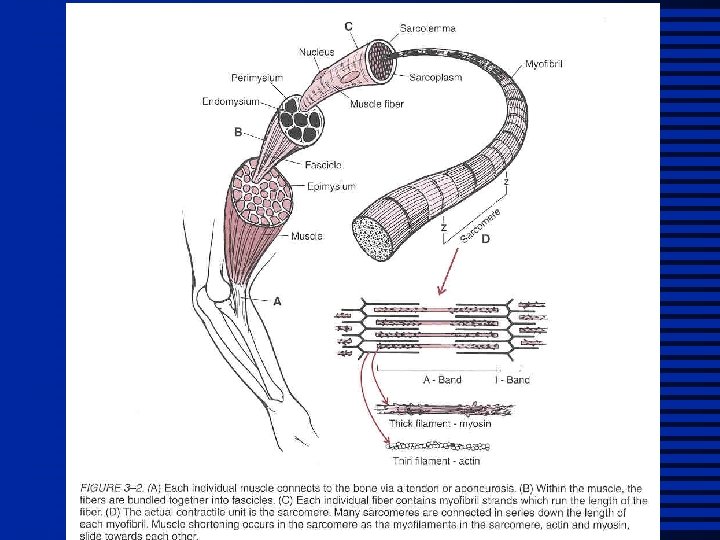
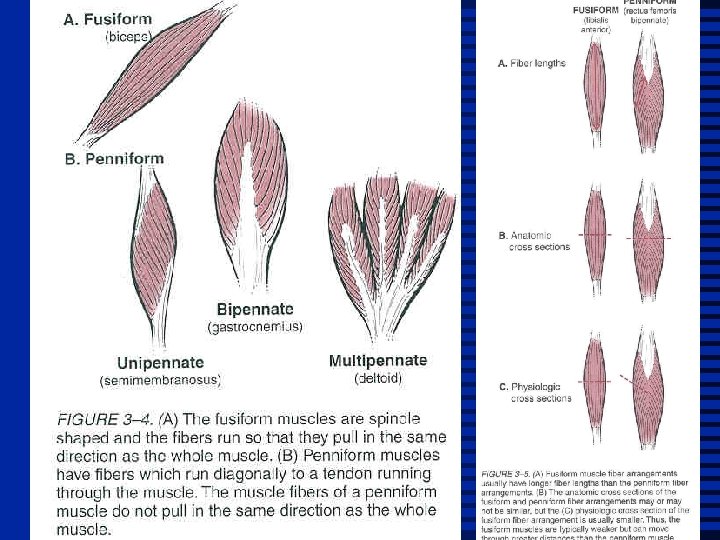
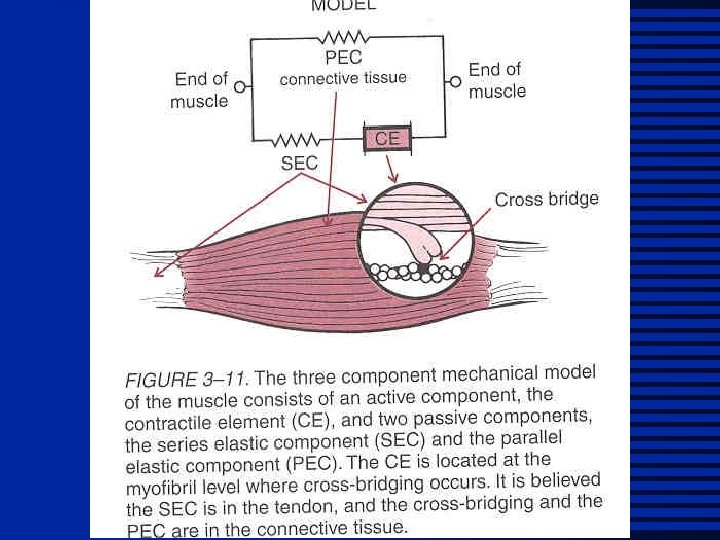
Properties, structure and function of muscle n Properties of muscle-tendon function - Extensibility and elasticity • Elastic and contractile components (Fig 6. 2, p 147) - Irritability and the ability to develop tension n Structural Org of Skeletal Muscle (Fig 6. 3 – 6. 6) Motor Unit (Fig 6. 7, p 151) Classification of Muscles - by fiber architecture: parallel, pennate (F 6. 11, p 155) - by articulation (number of joints crossed) • uniarticulate, biarticulate • passive and active insufficiency
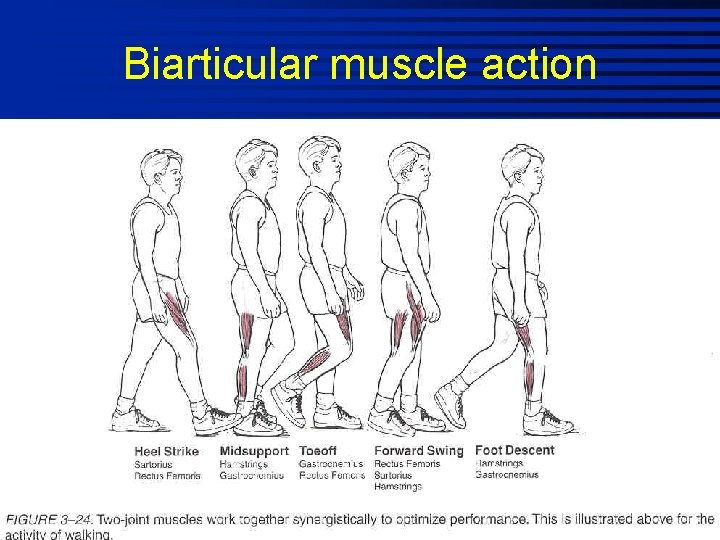
Biarticular muscle action
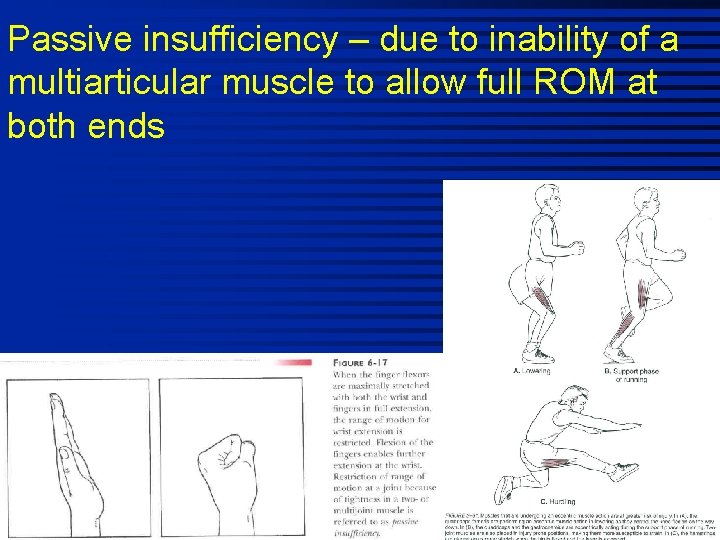
Passive insufficiency – due to inability of a multiarticular muscle to allow full ROM at both ends
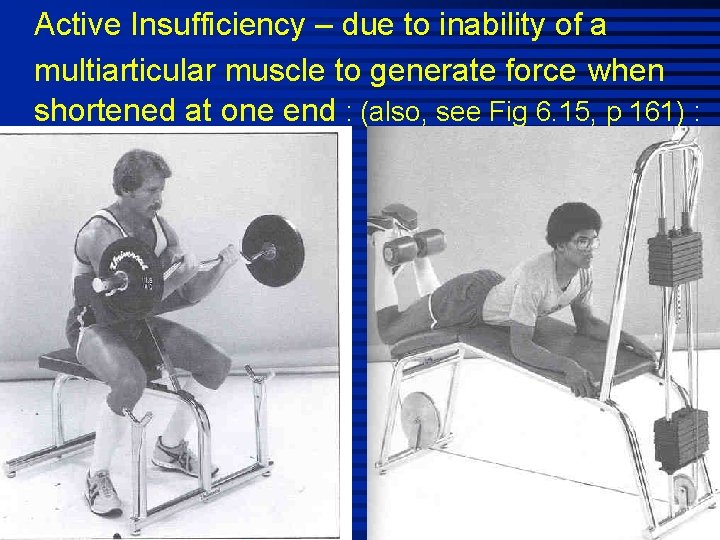
Active Insufficiency – due to inability of a multiarticular muscle to generate force when shortened at one end : (also, see Fig 6. 15, p 161) :
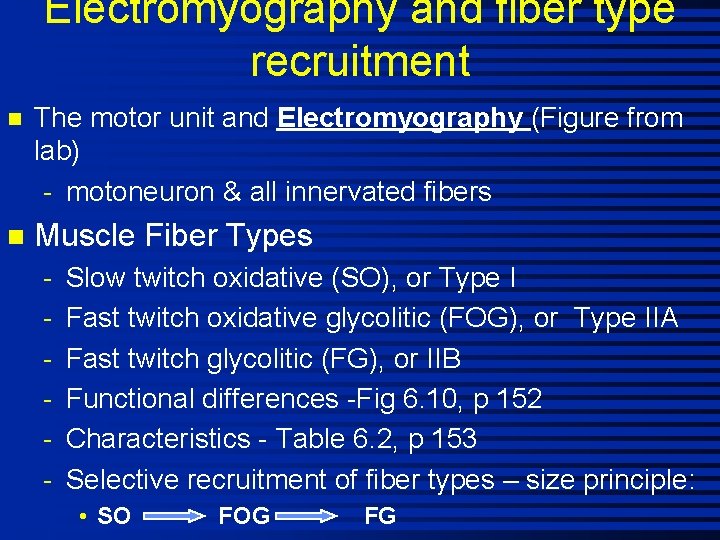
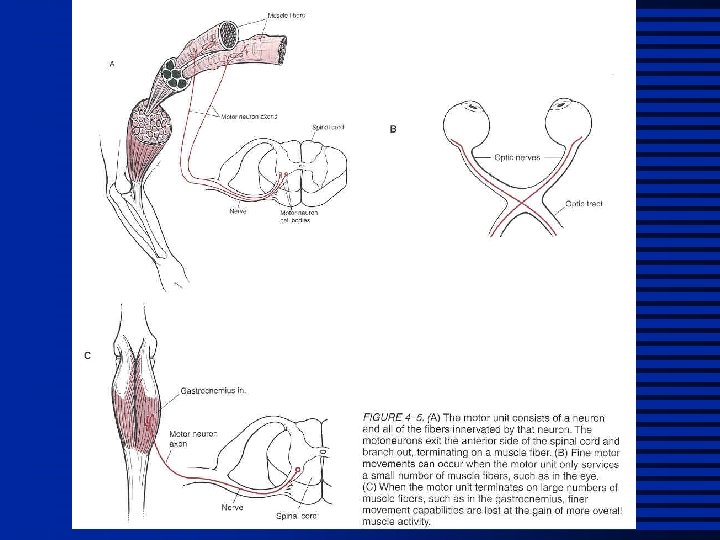
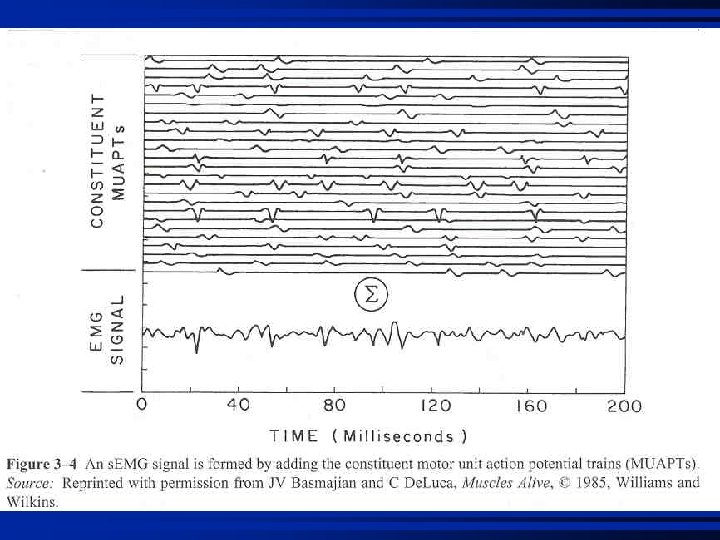
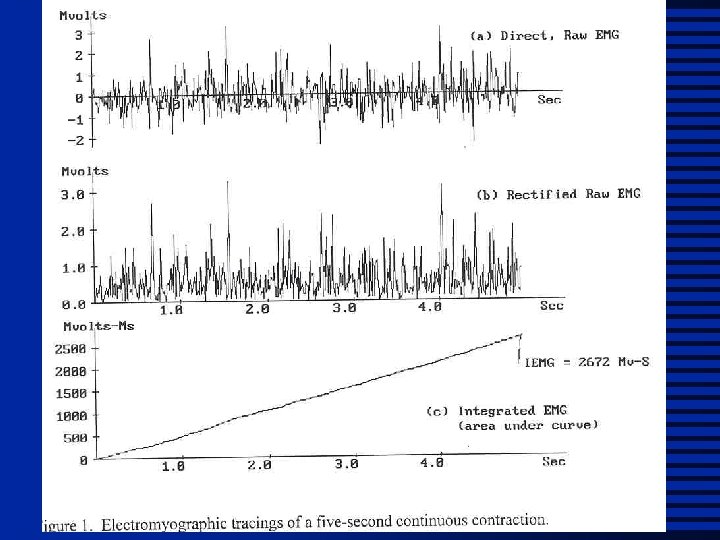
Electromyography and fiber type recruitment n The motor unit and Electromyography (Figure from lab) - motoneuron & all innervated fibers n Muscle Fiber Types - Slow twitch oxidative (SO), or Type I Fast twitch oxidative glycolitic (FOG), or Type IIA Fast twitch glycolitic (FG), or IIB Functional differences -Fig 6. 10, p 152 Characteristics - Table 6. 2, p 153 Selective recruitment of fiber types – size principle: • SO FOG FG
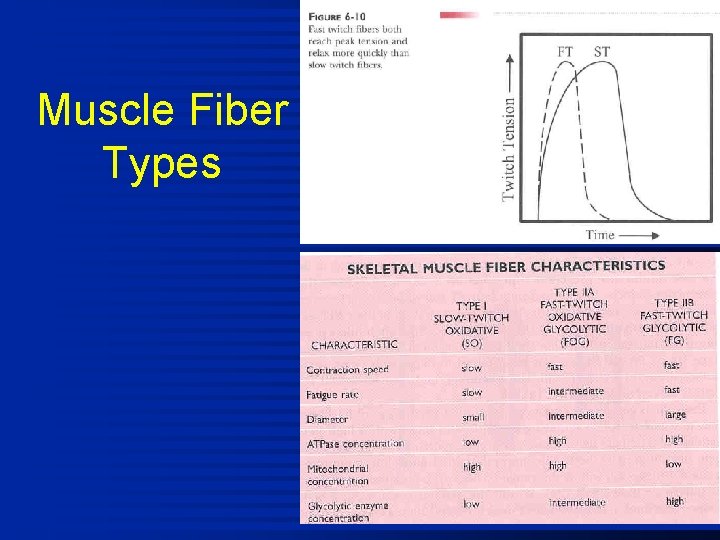
Muscle Fiber Types
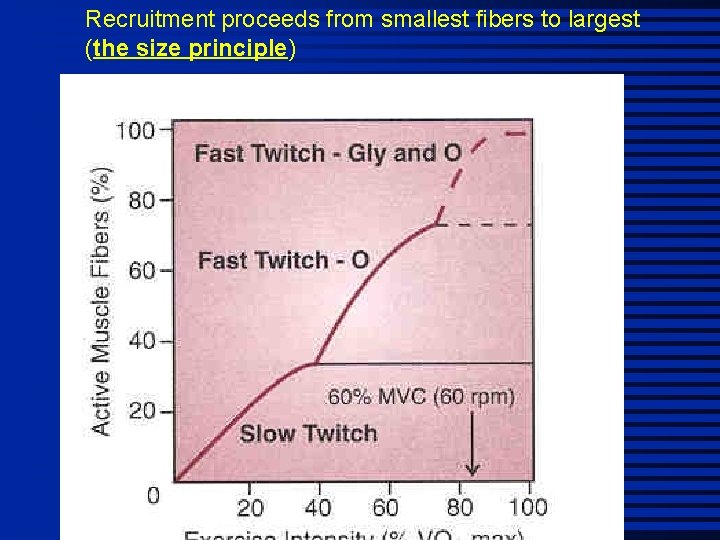
Recruitment proceeds from smallest fibers to largest (the size principle)
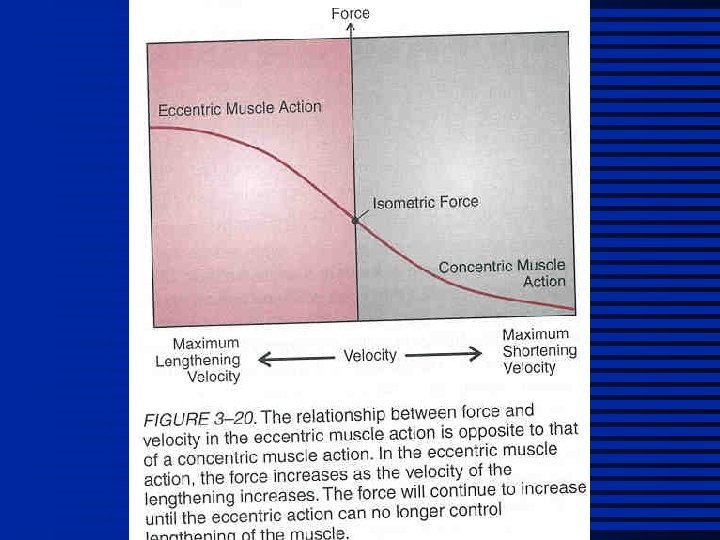
Factors Influencing Production of Muscular Tension and Applied Force-velocity relationship - Fig 6. 17, p 162 n Length - tension relationship - Fig 6. 18, p 164 n - Elastic and contractile components n Angle of pull - Max turning effect at 90 deg
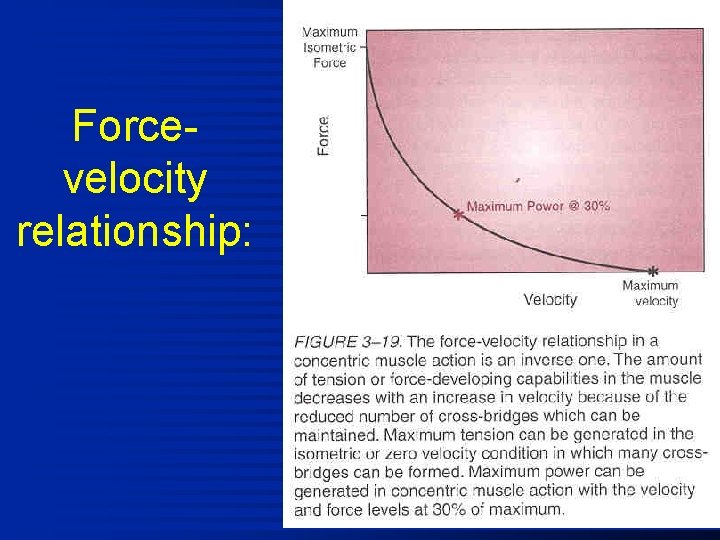
Forcevelocity relationship:
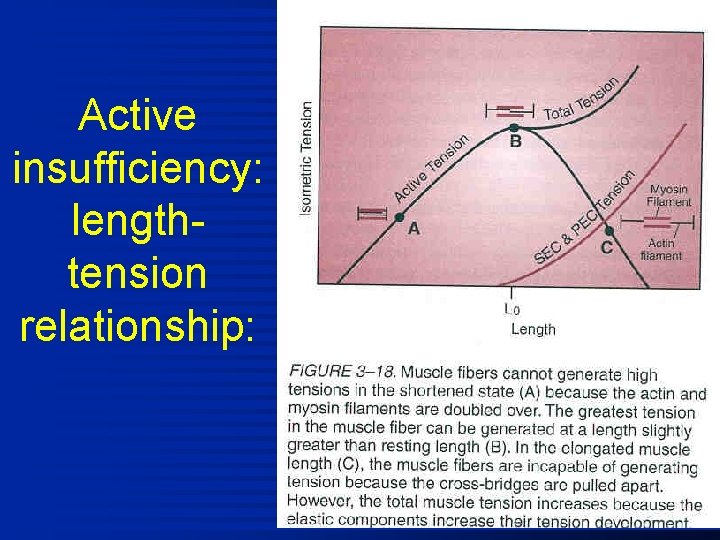
Active insufficiency: lengthtension relationship:
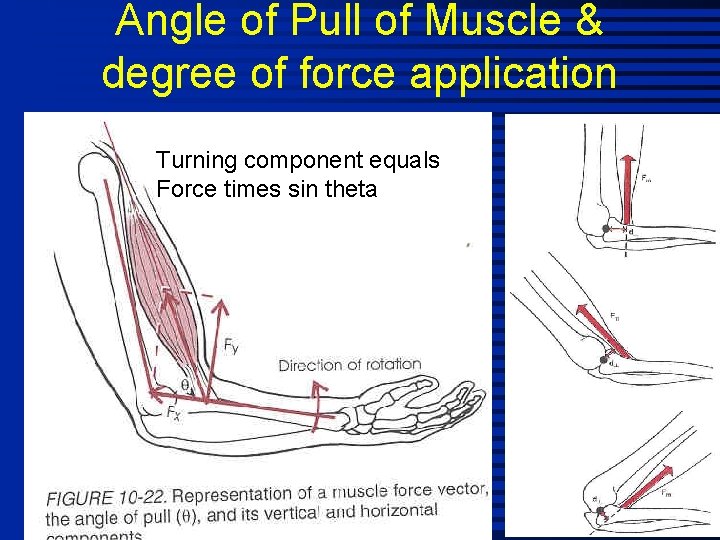
Angle of Pull of Muscle & degree of force application Turning component equals Force times sin theta
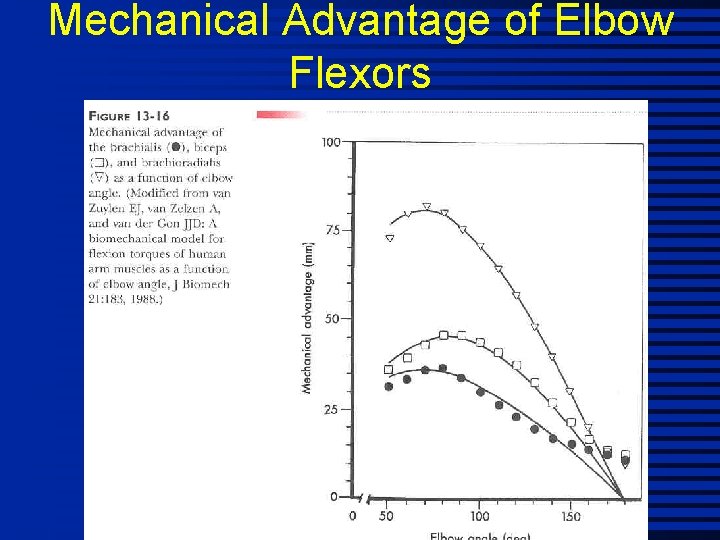
Mechanical Advantage of Elbow Flexors
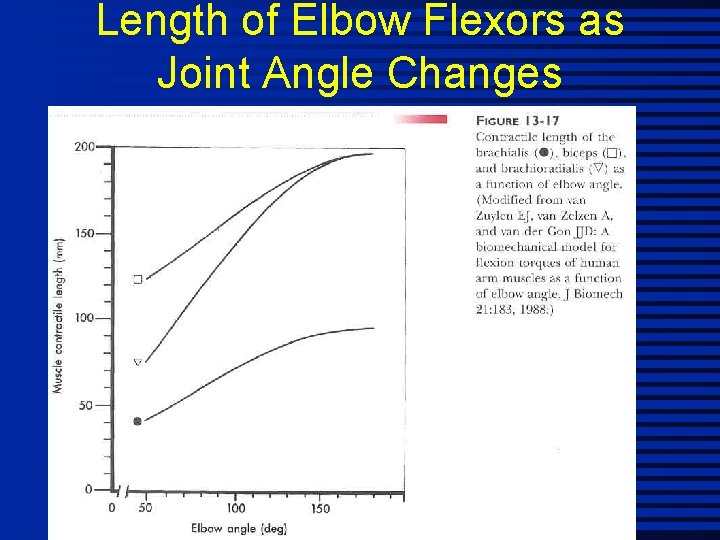
Length of Elbow Flexors as Joint Angle Changes
Study Questions For Chapter 6 Biomechanics of Skeletal Muscle n What do these terms mean: - Strength - Endurance - Power n Introductory problems, p 172 - 3, 8, 9 n Additional problems, p 173 -4 - 1, 2, 8, 9 (My sketch of problem #2 is on next slide)
Length-tension, Angle of Pull Combined Sine of
- Slides: 23