
Biomechanics of Joints Articulations Joint Classifications n Structural
Biomechanics of Joints Articulations
Joint Classifications n Structural q Based on anatomical characteristics n n q Presence/absence of joint cavity Type of connective tissue that binds them Types n n n Fibrous joint Cartilaginous joint Synovial joint
Joint Classifications n Functional q n Type of movement they permit Types q Synarthrosis-Immoveable joint n q Amphiarthrosis-Slightly moveable joint n q Sutures Intervertebral joints Diarthrosis-Freely moveable joint n Shoulder, knee
Synarthrodial Joint n n n Immovable joint Fibrous joint which can attenuate force with little or no movement Examples q q Sutures Syndesmoses: radioulnar, tibiofibular
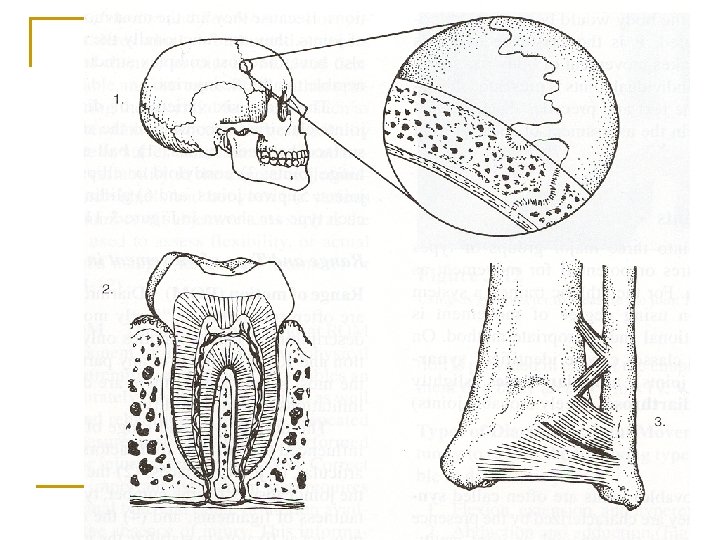
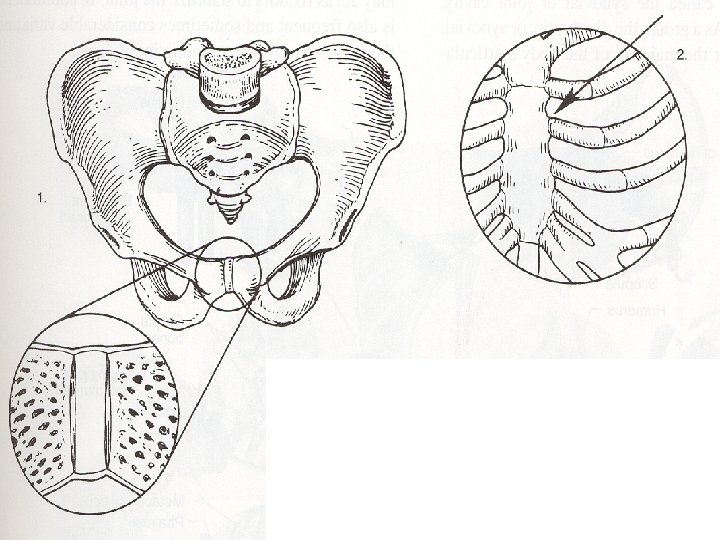
Amphiarthrodial Joint n n Cartilagenous joint which attenuates forces Examples q q Synchondroses: SC Joint Symphysis: Vertebral Joint, Pubic symphysis
Diarthrodial Joint n n Provides mobility by permitting one body segment to rotate about another. Transmits forces from one segment to another.

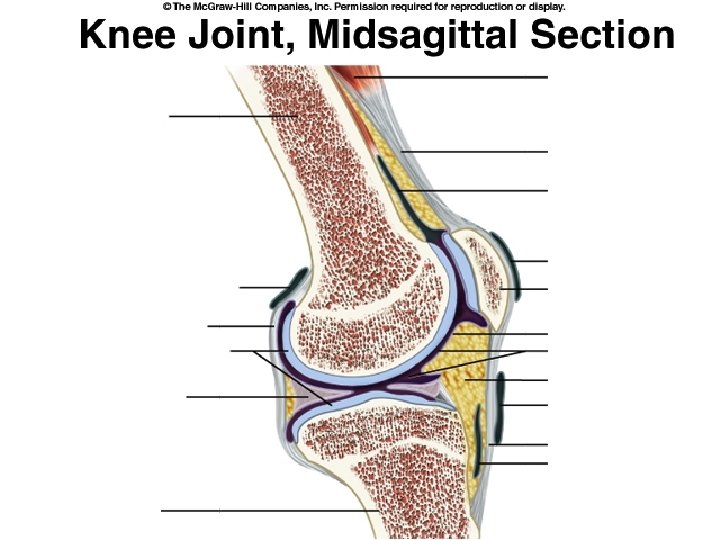
Diarthrodial Joint Anatomy n n Articular Cartilage Articular Capsule q q n n Fibrous membrane Synovial Fluid Ligament

Diarthrodial Joint Types n n n Hinge Joint Pivot Joint Condylar Joint Ellipsoid Joint Saddle Joint Ball and Socket Joint


Flexibility vs. Stability n n Stability: Maintaining Joint integrity What provides joint stability
Stability vs. Flexibility n Answer q q q Joint construction Ligaments Capsule Tendons Gravity Vacuum in joint
Stability vs. Flexibility n n Flexibility: Describes the range of movement within a joint. Types: q q n AROM PROM Question: What factors affect flexibility?

Flexibility vs. Stability n Answer q q q Shape of the articular surface Muscle mass Bony blocks Muscle length/flexibility Ligament length/flexibility Age
Question n n Describe the range of motion available at the hip joint before and after a 30 -s passive stretch. Which ROM is greater? Why? Describe the range of motion available after a PNF stretch at the hip. Which ROM is greater? Why?
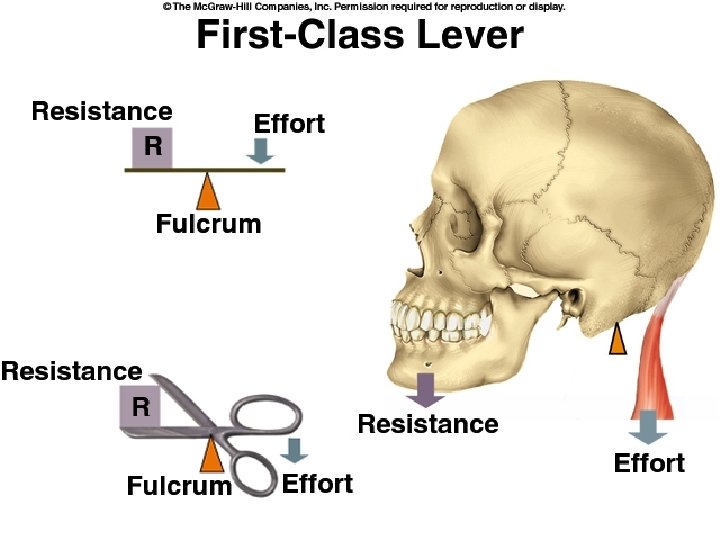
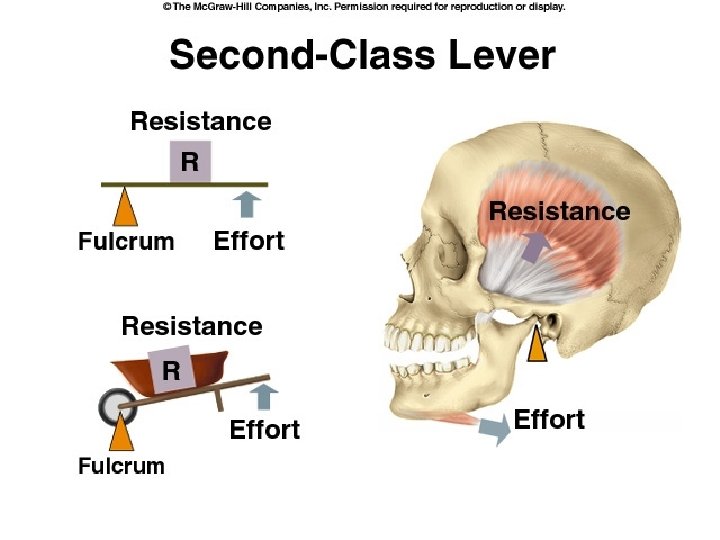
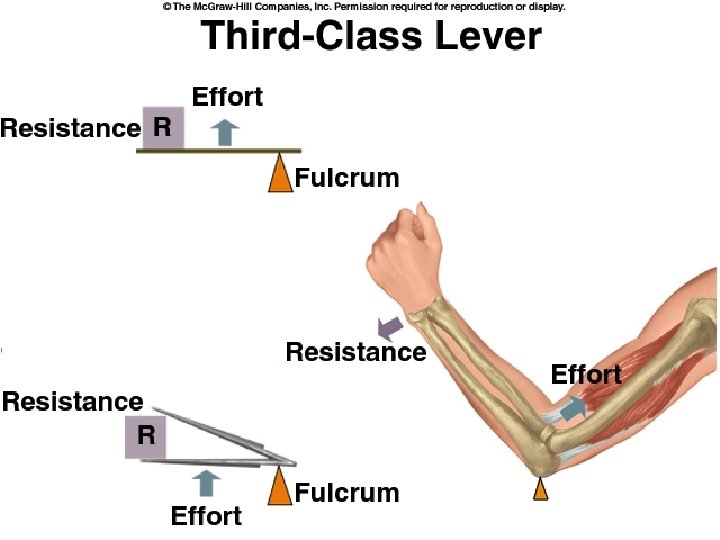
Levers n n Any elongated, rigid object that rotates around a fixed pointed called a fulcrum. Rotation occurs when an effort applied to one point on the lever overcomes a resistance located at some other point.
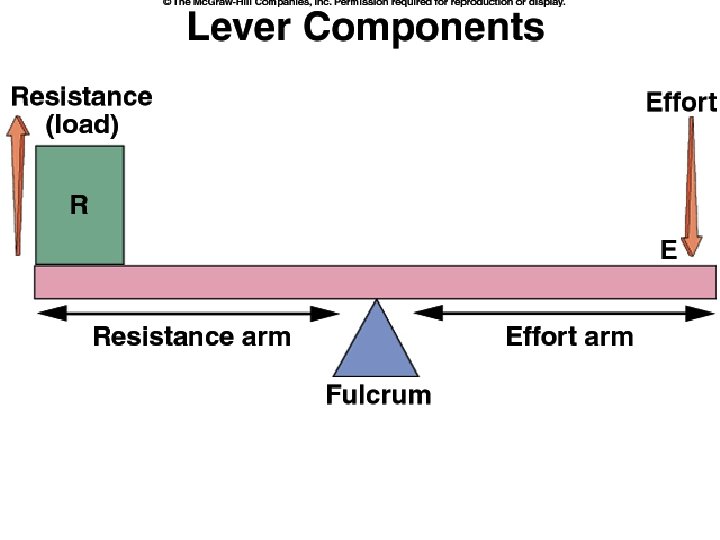

Lever Classes
Levers cont. n n The function of a lever is to impart an advantage. Advantages can be either: q q Exert more force against a resisting object than the force applied to the lever, for example: moving a boulder with a crowbar. Move the resisting object farther and faster than the effort arm is moving.
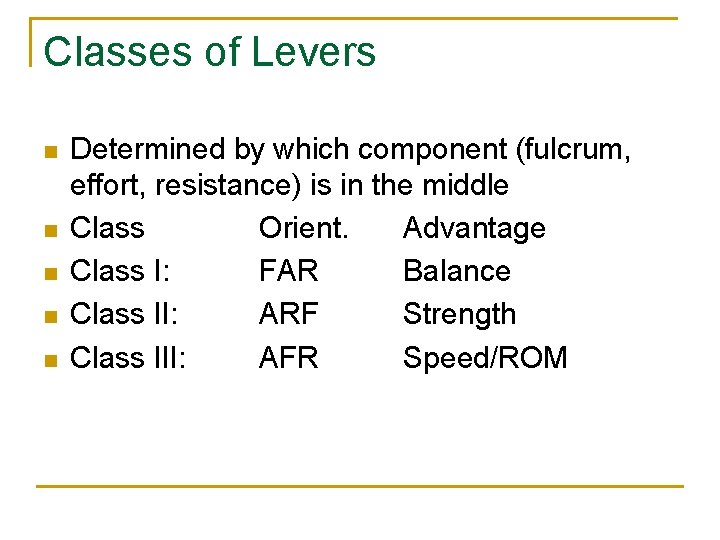
Classes of Levers n n n Determined by which component (fulcrum, effort, resistance) is in the middle Class Orient. Advantage Class I: FAR Balance Class II: ARF Strength Class III: AFR Speed/ROM
- Slides: 27