
Biome Booklet CREATE THE FOLDABLE Table of Contents

Biome Booklet CREATE THE FOLDABLE
Table of Contents 1. 2. 3. 4. 5. 6. 7. Tundra Taiga Grasslands/Savannas Deserts Tropical Rain Forest Temperate Deciduous Forest Other Info
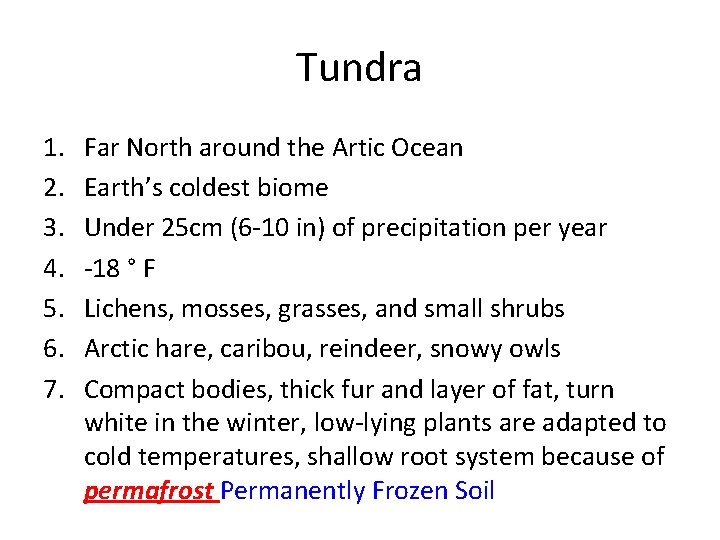
Tundra 1. 2. 3. 4. 5. 6. 7. Far North around the Artic Ocean Earth’s coldest biome Under 25 cm (6 -10 in) of precipitation per year -18 ° F Lichens, mosses, grasses, and small shrubs Arctic hare, caribou, reindeer, snowy owls Compact bodies, thick fur and layer of fat, turn white in the winter, low-lying plants are adapted to cold temperatures, shallow root system because of permafrost Permanently Frozen Soil

Tundra
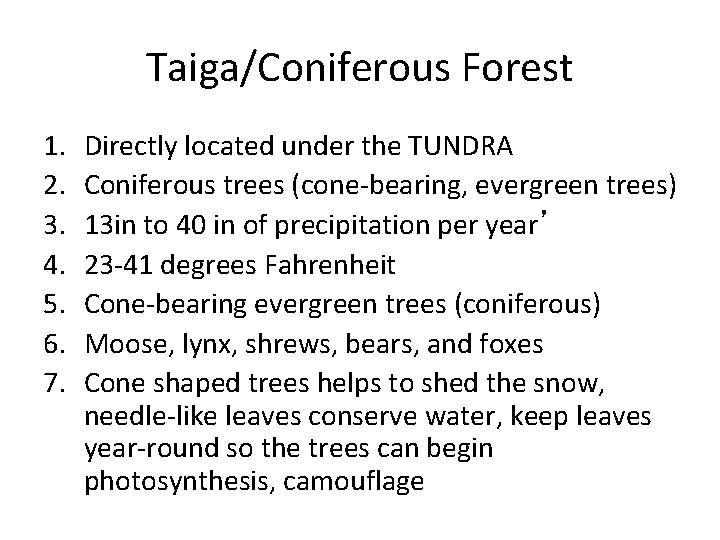
Taiga/Coniferous Forest 1. 2. 3. 4. 5. 6. 7. Directly located under the TUNDRA Coniferous trees (cone-bearing, evergreen trees) 13 in to 40 in of precipitation per year’ 23 -41 degrees Fahrenheit Cone-bearing evergreen trees (coniferous) Moose, lynx, shrews, bears, and foxes Cone shaped trees helps to shed the snow, needle-like leaves conserve water, keep leaves year-round so the trees can begin photosynthesis, camouflage
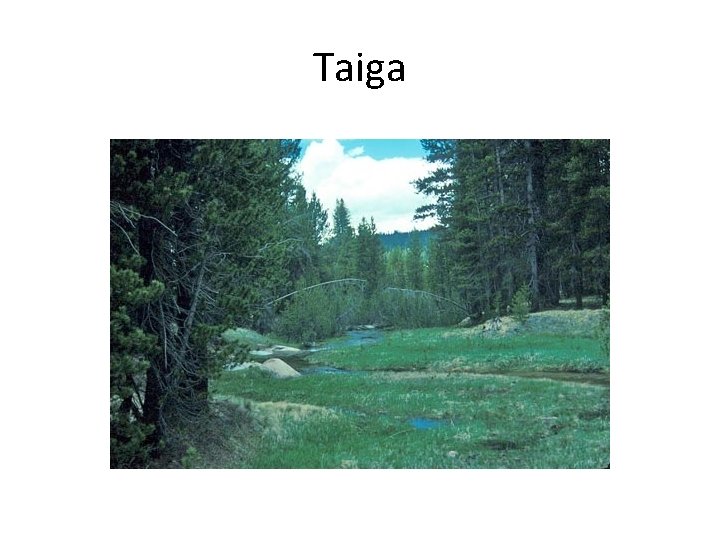
Taiga

Temperate Deciduous Forest 1. Major regions found in North America, Europe, eastern Asia 2. 30 in to 60 in of precipitation per year 3. 50° F 4. Trees that lose their leaves (deciduous) 5. White-tailed deer, squirrels, frogs, foxes, rabbits, etc. 6. Lose their leaves to conserve water and energy, camouflage
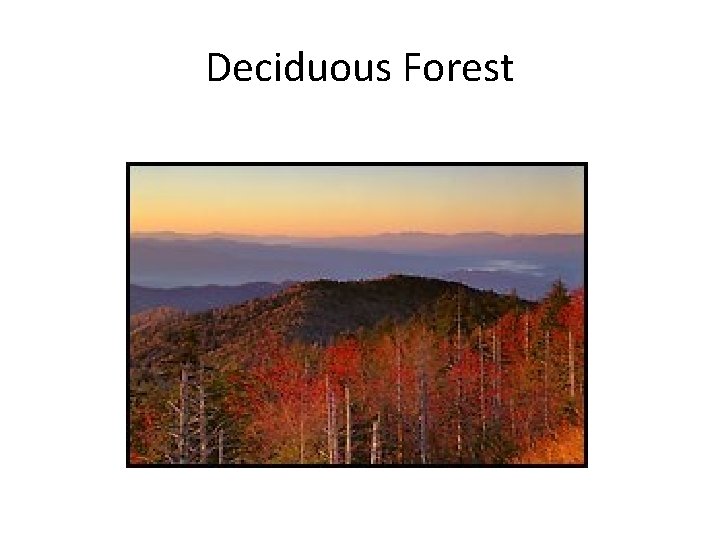
Deciduous Forest
Grasslands/Savannas/Prairies 1. Midwest US, Africa, South America 2. 10 in to 30 in of precipitation per year 3. -4° F to 86° F depending on the latitude…Is it a temperate grassland or tropical grassland? ? 4. Grasses, small shrubs 5. Herbivores such as zebras, elephants, wildebeests, giraffes
Grasslands 6. • • Some of the animals found here armed with strong front legs with sharp claws, which help them burrow in the ground wherein they are safe from large predators. Camouflage is yet another adaptation that many of these animals resort to when it comes to defense against predators. Similarly, quite a few animals of the Prairie grasslands are nocturnal in nature - which means they are active during the night. As in case of camouflage, even their nocturnal nature helps them to stay off the predator's radar.
Grasslands • While the small animals can easily hide in the tall grass that grows in this biome for protection against predators as well as for hunting, large animals are gifted with adaptations like camouflage and speed to facilitate the same. • Furthermore, their size in itself is one of the best adaptations for large animals when it comes to self defense.
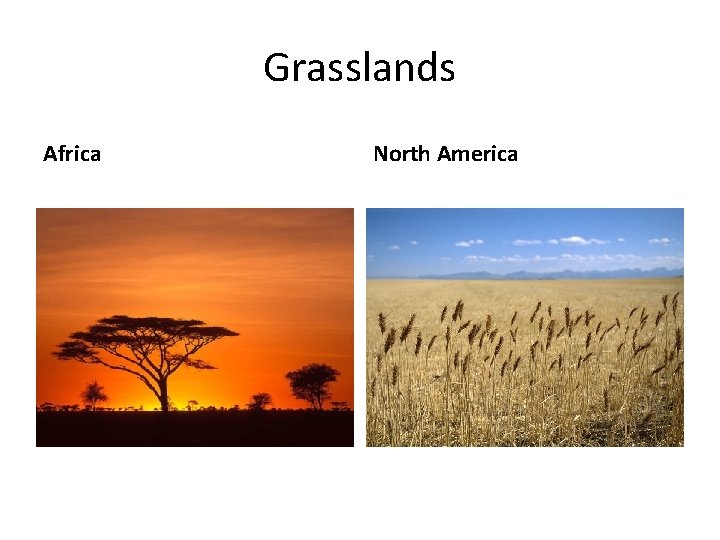
Grasslands Africa North America
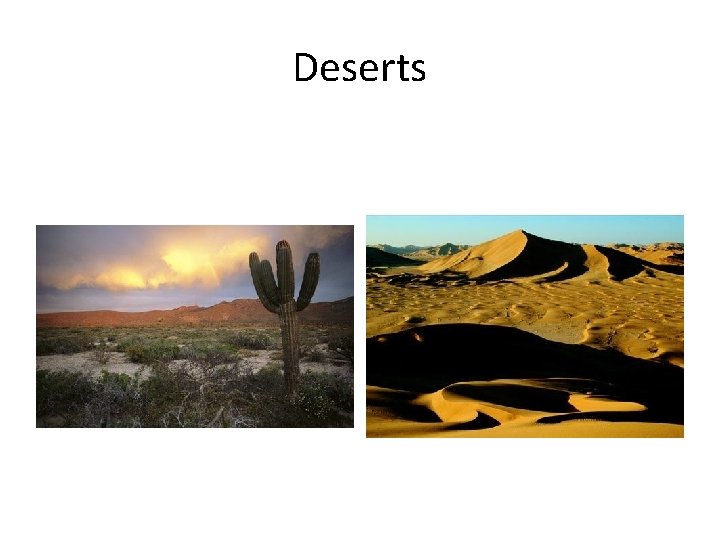
Deserts • 30° N to 30° S Across the globe! • Less than 10 in of precipitation per year • Temperature vary greatly between night and day. Day temperatures can reach 100° F and fall to 50° F at night • Cactus is the most common • Lizards, snakes, scorpions, kangaroo rat • Extensive, shallow roots, water stored in stems, thorns to conserve water and to keep animals away, waxy coating and no leaves to conserve water, small bodies, nocturnal, little or no body fat, etc.
Deserts
Tropical Rain Forest 1. Around the Equator, Asia, Africa, South America, Central America, Pacific islands. 2. 78 in to 236 in of precipitation per year 3. 77° F 4. Broadleaf tropical plants 5. Leopard, toucan, monkeys, etc…. too many to mention here. 6. Broad leaves allow water to evaporate, leaves shaped like a funnel to allow water to run off, prehensile tails allow animals to live in trees, little body fat, some plants grow on other plants to reach the sunlight (vines)
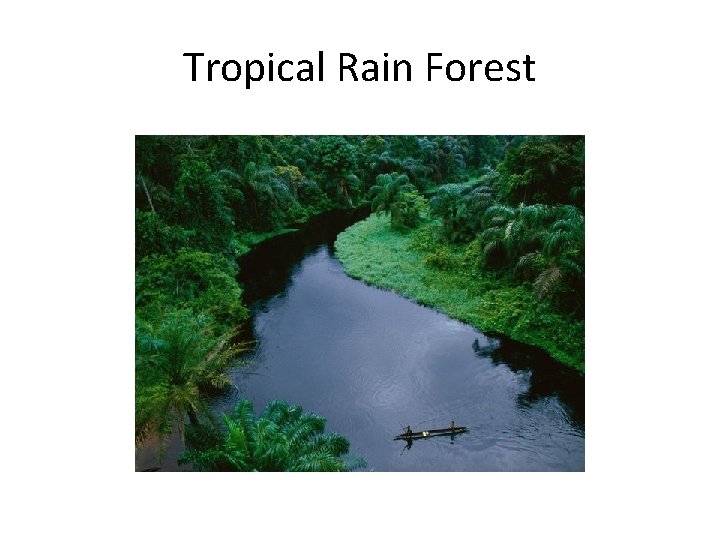
Tropical Rain Forest
Other Important Info • Tundra can be called the “cold desert” • Taiga can be called the Boreal Forest. Taiga is made up of coniferous trees…meaning conebearing • Temperate Deciduous Forest are sometimes called broadleaf forests. This is the biome in which we live. The trees lose their leaves in the fall. • Grasslands are sometimes called savannah, steppes, and prairies.
Other Important Info • Grasslands can be found all around the world. Temperate Grasslands sometimes called plains, prairies, pampas, steppes, and veldt. Tropical grasslands are called savannah. • Deserts can be found in both temperate and tropical zones. All plants and animals must have an adaptation to deal with the lack of water.
Other Important Info • Temperate Rain Forests are found along coastlines. The biggest is found in the U. S. in Washington state. HUGE evergreen trees make up the majority of the plant life there. • Tropical Rainforest has the most diverse life on the planet. Amazingly, the rainforest has very poor soil. WHY? ! DISCUSS

Use this booklet to study!!!
- Slides: 20