
Biomarkers redux Laura J Niedernhofer M D Ph
Biomarkers redux? Laura J. Niedernhofer, M. D. , Ph. D. Optimist Department of Biochemistry, Molecular Biology and Biophysics Institute on Biology of Aging and Metabolism lniedern@umn. edu
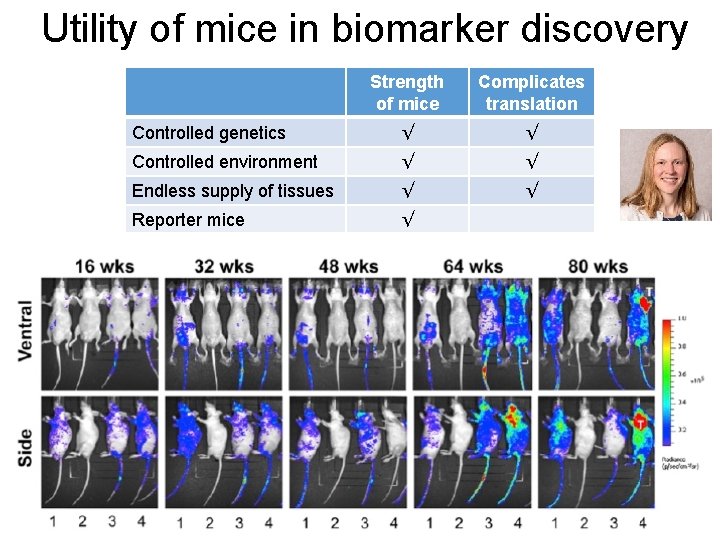
Utility of mice in biomarker discovery Strength of mice Complicates translation Controlled genetics √ √ Controlled environment √ √ Endless supply of tissues √ √ Reporter mice √
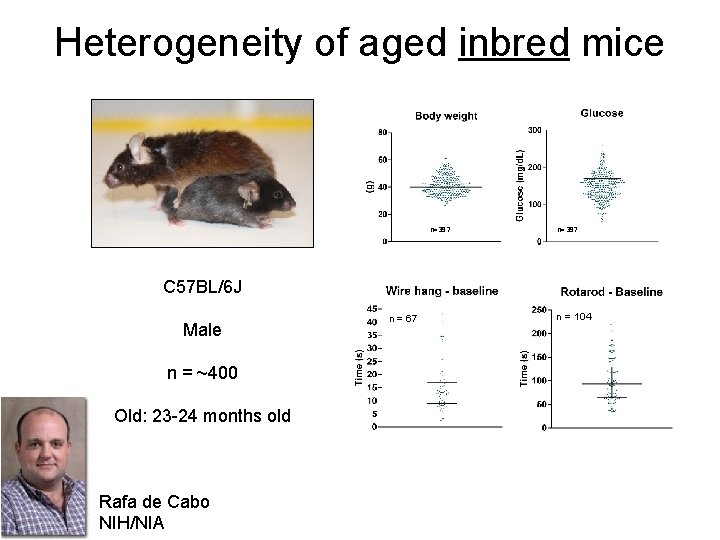
Heterogeneity of aged inbred mice n=397 C 57 BL/6 J Male n = ~400 Old: 23 -24 months old Rafa de Cabo NIH/NIA n = 67 n = 104
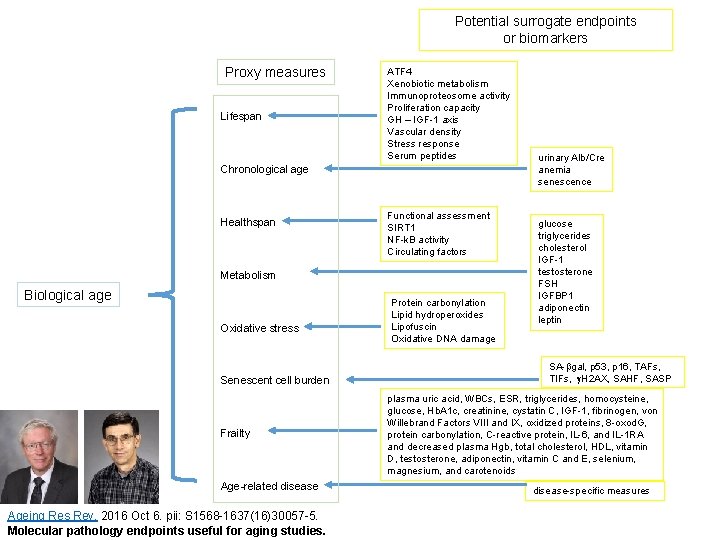
Potential surrogate endpoints or biomarkers Proxy measures Lifespan ATF 4 Xenobiotic metabolism Immunoproteosome activity Proliferation capacity GH – IGF-1 axis Vascular density Stress response Serum peptides Chronological age Healthspan Functional assessment SIRT 1 NF-k. B activity Circulating factors Metabolism Biological age Oxidative stress Senescent cell burden Frailty Age-related disease Ageing Res Rev. 2016 Oct 6. pii: S 1568 -1637(16)30057 -5. Molecular pathology endpoints useful for aging studies. Protein carbonylation Lipid hydroperoxides Lipofuscin Oxidative DNA damage urinary Alb/Cre anemia senescence glucose triglycerides cholesterol IGF-1 testosterone FSH IGFBP 1 adiponectin leptin SA-bgal, p 53, p 16, TAFs, TIFs, g. H 2 AX, SAHF, SASP plasma uric acid, WBCs, ESR, triglycerides, homocysteine, glucose, Hb. A 1 c, creatinine, cystatin C, IGF-1, fibrinogen, von Willebrand Factors VIII and IX, oxidized proteins, 8 -oxod. G, protein carbonylation, C-reactive protein, IL-6, and IL-1 RA and decreased plasma Hgb, total cholesterol, HDL, vitamin D, testosterone, adiponectin, vitamin C and E, selenium, magnesium, and carotenoids disease-specific measures
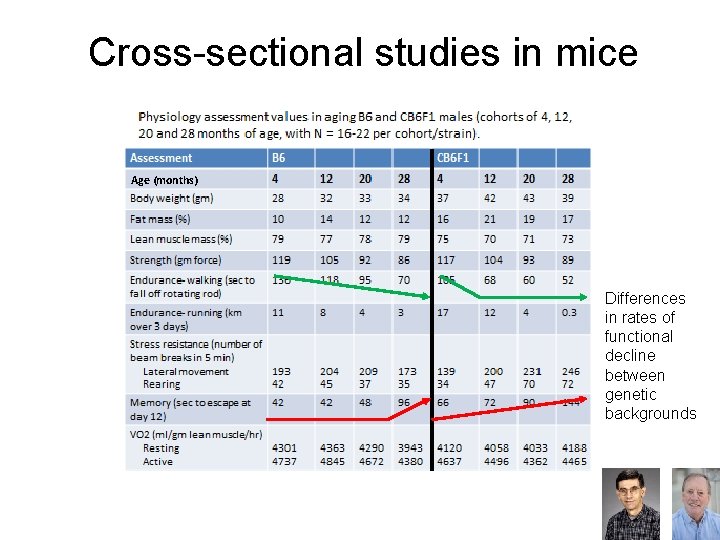
Cross-sectional studies in mice Age (months) Differences in rates of functional decline between genetic backgrounds
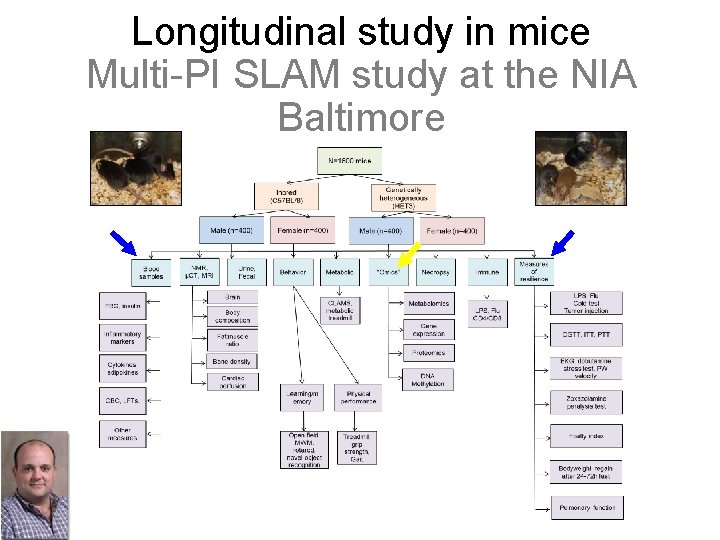
Longitudinal study in mice Multi-PI SLAM study at the NIA Baltimore
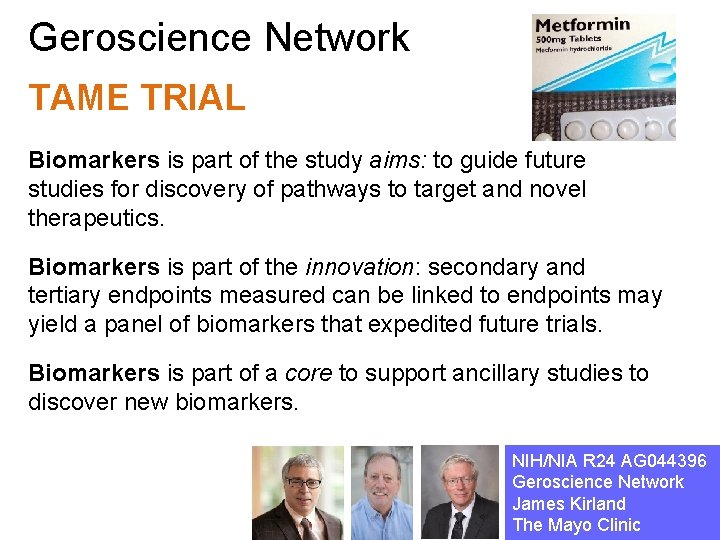
Geroscience Network TAME TRIAL Biomarkers is part of the study aims: to guide future studies for discovery of pathways to target and novel therapeutics. Biomarkers is part of the innovation: secondary and tertiary endpoints measured can be linked to endpoints may yield a panel of biomarkers that expedited future trials. Biomarkers is part of a core to support ancillary studies to discover new biomarkers. NIH/NIA R 24 AG 044396 Geroscience Network James Kirland The Mayo Clinic
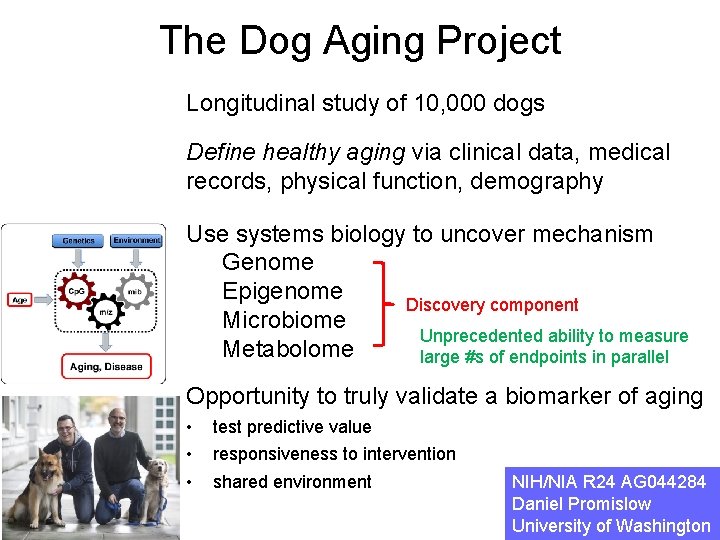
The Dog Aging Project Longitudinal study of 10, 000 dogs Define healthy aging via clinical data, medical records, physical function, demography Use systems biology to uncover mechanism Genome Epigenome Discovery component Microbiome Unprecedented ability to measure Metabolome large #s of endpoints in parallel Opportunity to truly validate a biomarker of aging • • • test predictive value responsiveness to intervention shared environment NIH/NIA R 24 AG 044284 Daniel Promislow University of Washington
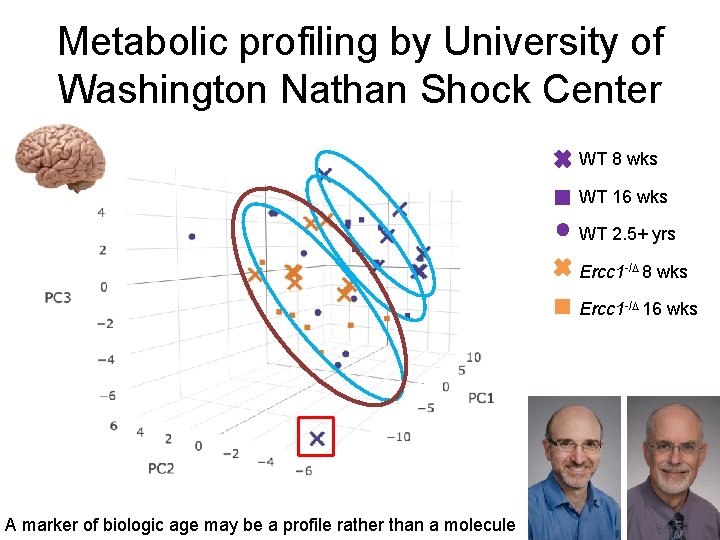
Metabolic profiling by University of Washington Nathan Shock Center WT 8 wks WT 16 wks WT 2. 5+ yrs Ercc 1 -/D 8 wks Ercc 1 -/D 16 wks A marker of biologic age may be a profile rather than a molecule
Geropathology Network To arrive at a refined set of sentinel biomarkers of molecular and anatomic pathology that could be incorporated into preclinical and clinical aging intervention studies to increase the relevance, productivity, efficiency and economy of these studies. The Geropathology Research Network: . An interdisciplinary approach for integrating pathology into research on aging. W. Ladiges, Y Ikeno, L Niedernhofer, R A Mc. Indoe, M Ciol, J Ritchey, D Liggitt (2015) J Gerontol: Biol Sciences. NIH/NIA R 24 AG 047115 Geropathology Network Warren Ladiges University of Washington
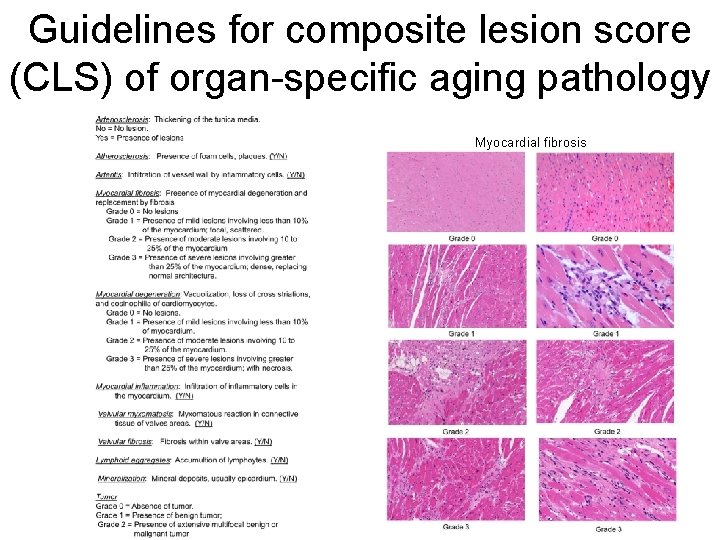
Guidelines for composite lesion score (CLS) of organ-specific aging pathology Myocardial fibrosis
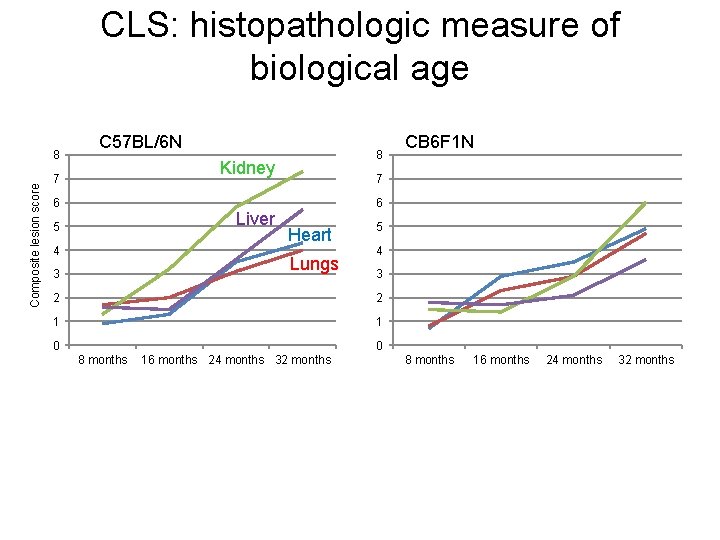
CLS: histopathologic measure of biological age Composite lesion score 8 C 57 BL/6 N 8 Kidney 7 6 Liver 5 4 7 6 Heart Lungs 3 CB 6 F 1 N 5 4 3 2 2 1 1 0 0 8 months 16 months 24 months 32 months
Our approach to biomarker discovery in mice • Cross-sectional study using existing murine samples • Examine multiple age groups • >1 genetic background • Use genetic and pharmacologic interventions that alter the rate of aging to challenge the robustness of the putative biomarker(s). • Attempt translation
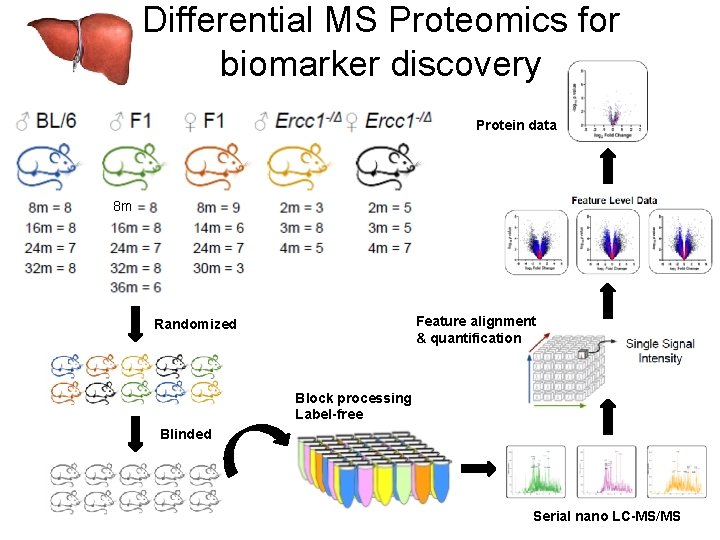
Differential MS Proteomics for biomarker discovery Protein data 8 m Feature alignment & quantification Randomized Block processing Label-free Blinded Serial nano LC-MS/MS
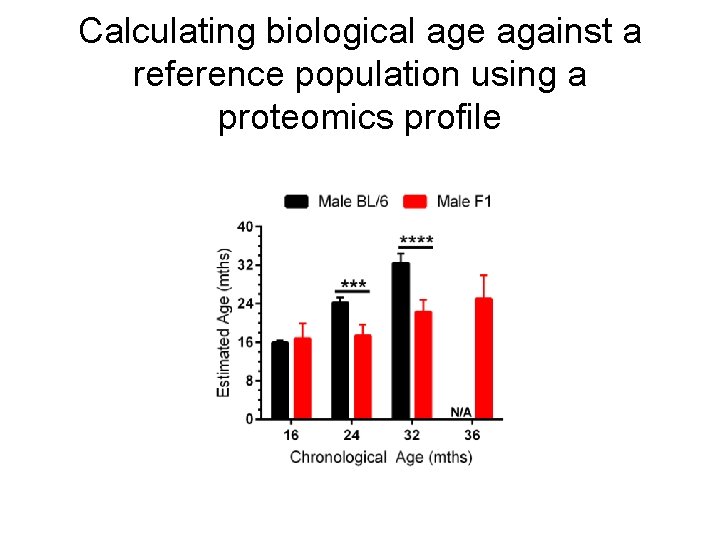
Calculating biological age against a reference population using a proteomics profile
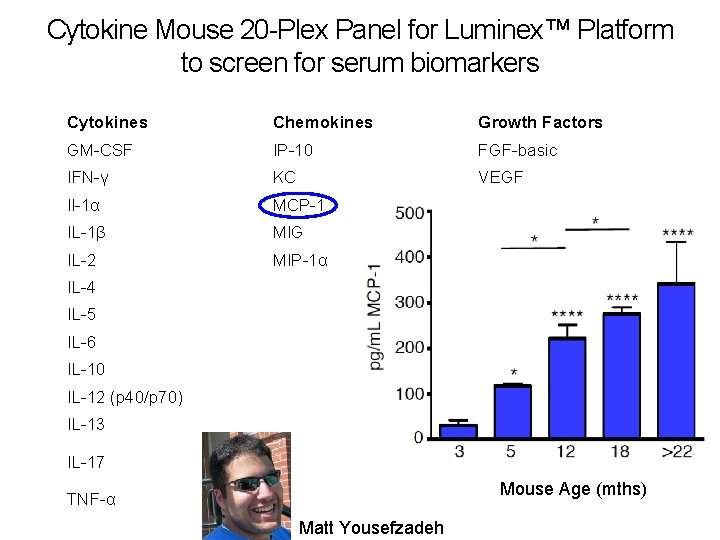
Cytokine Mouse 20 -Plex Panel for Luminex™ Platform to screen for serum biomarkers Cytokines Chemokines Growth Factors GM-CSF IP-10 FGF-basic IFN-γ KC VEGF Il-1α MCP-1 IL-1β MIG IL-2 MIP-1α IL-4 IL-5 IL-6 IL-10 IL-12 (p 40/p 70) IL-13 IL-17 Mouse Age (mths) TNF-α Matt Yousefzadeh
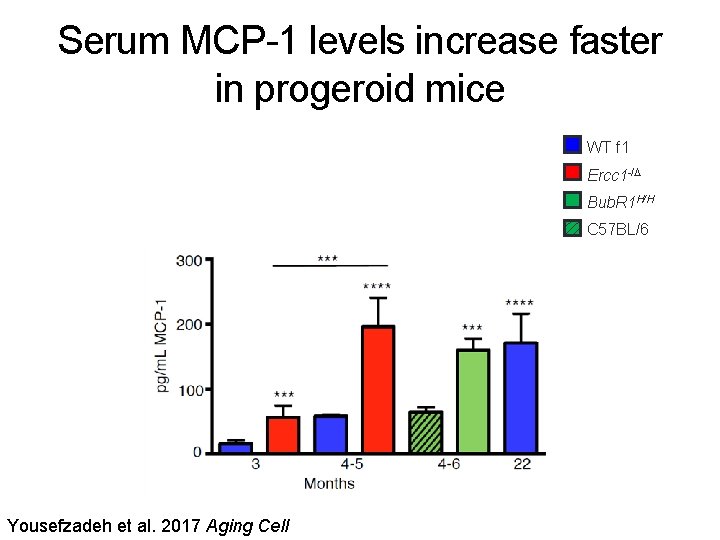
Serum MCP-1 levels increase faster in progeroid mice WT f 1 Ercc 1 -/D Bub. R 1 H/H C 57 BL/6 Yousefzadeh et al. 2017 Aging Cell
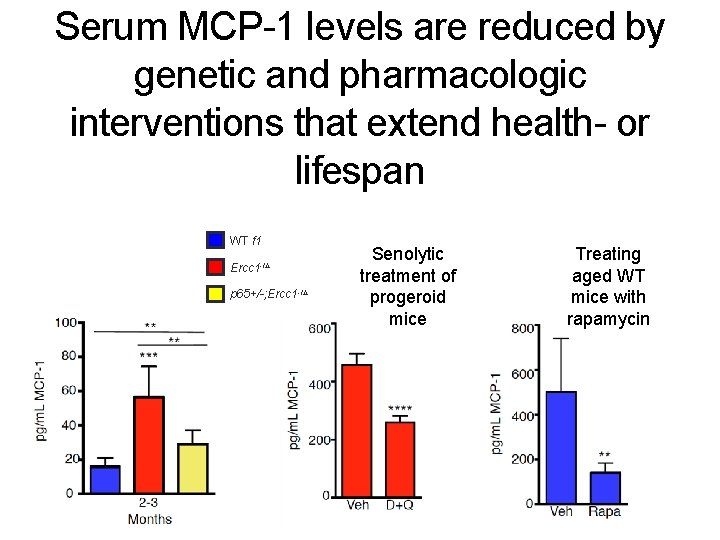
Serum MCP-1 levels are reduced by genetic and pharmacologic interventions that extend health- or lifespan WT f 1 Ercc 1 -/D p 65+/-; Ercc 1 -/D Senolytic treatment of progeroid mice Treating aged WT mice with rapamycin
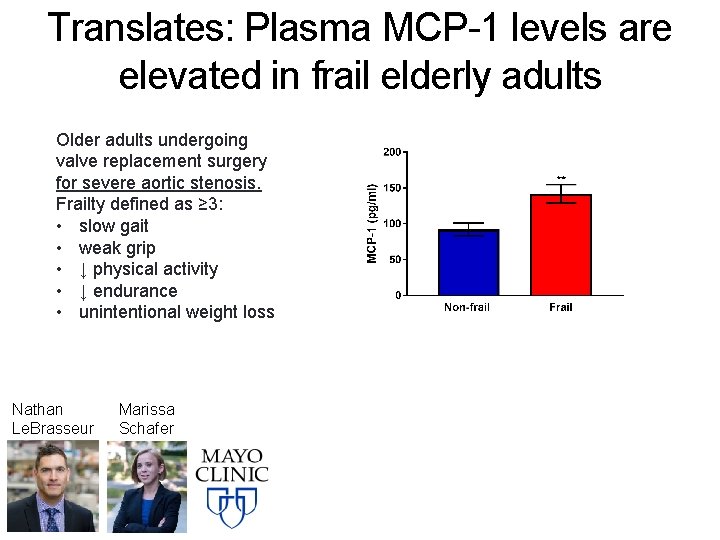
Translates: Plasma MCP-1 levels are elevated in frail elderly adults Older adults undergoing valve replacement surgery for severe aortic stenosis. Frailty defined as ≥ 3: • slow gait • weak grip • ↓ physical activity • ↓ endurance • unintentional weight loss Nathan Le. Brasseur Marissa Schafer
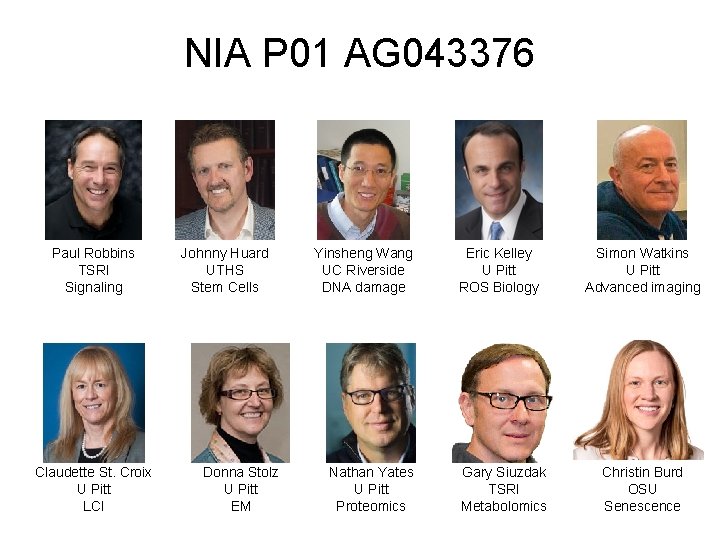
NIA P 01 AG 043376 Paul Robbins TSRI Signaling Claudette St. Croix U Pitt LCI Johnny Huard UTHS Stem Cells Donna Stolz U Pitt EM Yinsheng Wang UC Riverside DNA damage Nathan Yates U Pitt Proteomics Eric Kelley U Pitt ROS Biology Gary Siuzdak TSRI Metabolomics Simon Watkins U Pitt Advanced imaging Christin Burd OSU Senescence
- Slides: 20