
BIOMARKERS AND TOXICITY MECHANISMS 08 Toxicity mechanisms at
BIOMARKERS AND TOXICITY MECHANISMS 08 –Toxicity mechanisms at cell level Luděk Bláha, PřF MU, RECETOX www. recetox. cz

INTRACELLULAR signals as target to toxicants

Intracellular signal transduction: target of toxicants - Regulation controlled by complex signalling - "network" of general pathways - similar in all cells / different cell-specific effects - Consequences of signalling disruption - unwanted changes in „homeostatic“ rates among proliferation / differentiation / apoptosis cell transformation (carcinogenicity) embryotoxicity immunotoxicity reproduction toxicity. . and other chronic types of toxicity
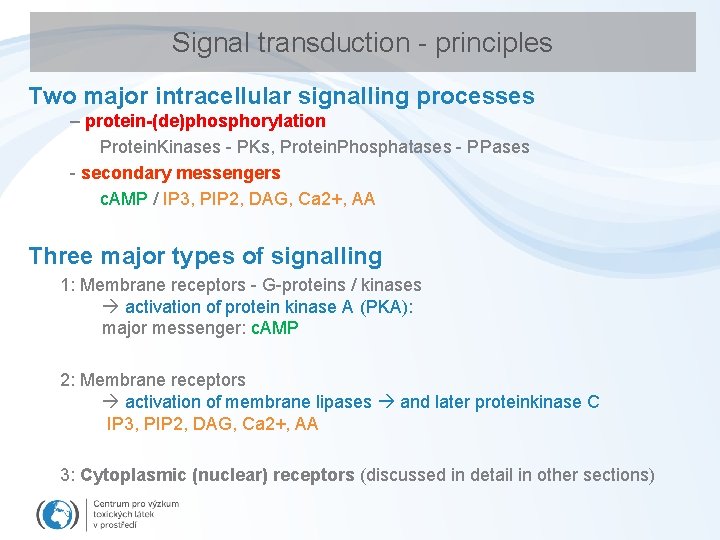
Signal transduction - principles Two major intracellular signalling processes – protein-(de)phosphorylation Protein. Kinases - PKs, Protein. Phosphatases - PPases - secondary messengers c. AMP / IP 3, PIP 2, DAG, Ca 2+, AA Three major types of signalling 1: Membrane receptors - G-proteins / kinases activation of protein kinase A (PKA): major messenger: c. AMP 2: Membrane receptors activation of membrane lipases and later proteinkinase C IP 3, PIP 2, DAG, Ca 2+, AA 3: Cytoplasmic (nuclear) receptors (discussed in detail in other sections)
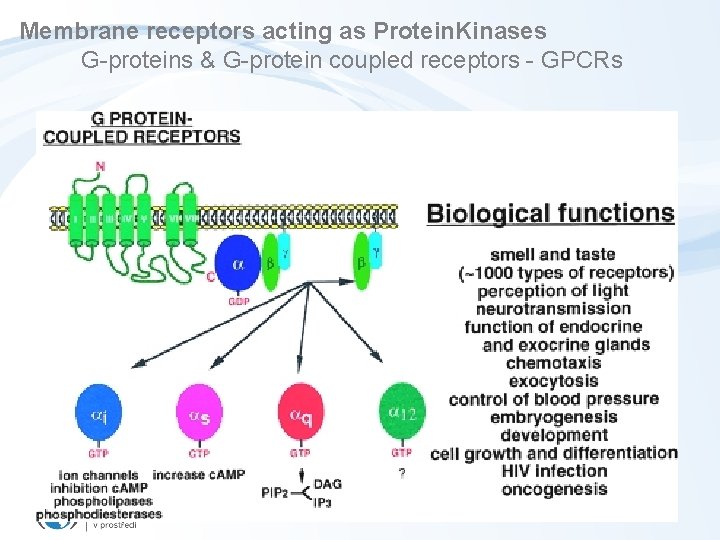
Membrane receptors acting as Protein. Kinases G-proteins & G-protein coupled receptors - GPCRs
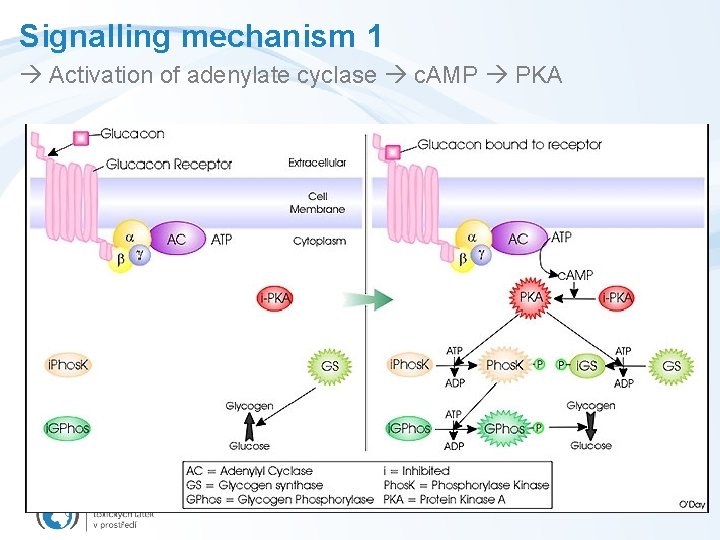
Signalling mechanism 1 Activation of adenylate cyclase c. AMP PKA
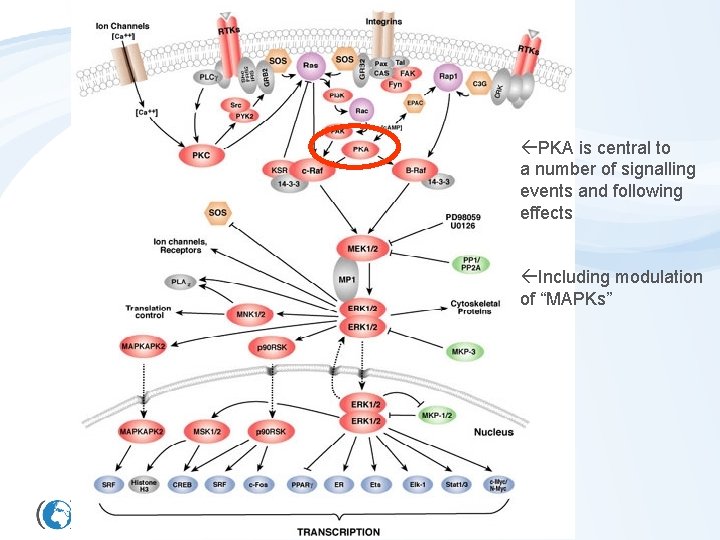
PKA is central to a number of signalling events and following effects Including modulation of “MAPKs”
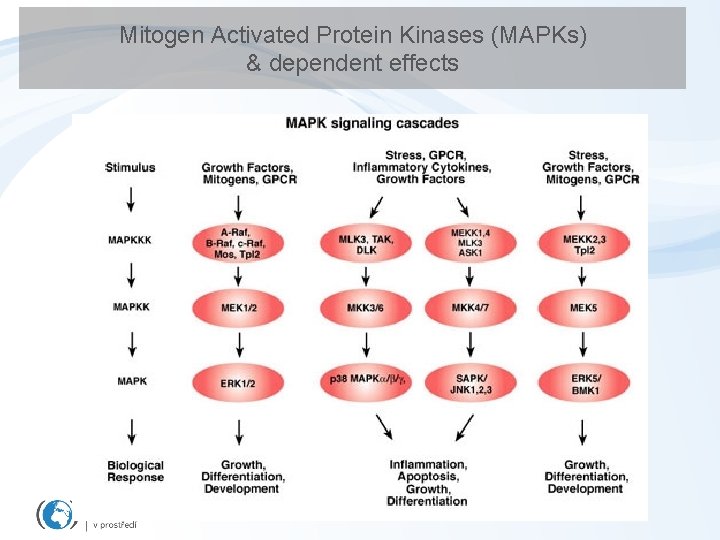
Mitogen Activated Protein Kinases (MAPKs) & dependent effects
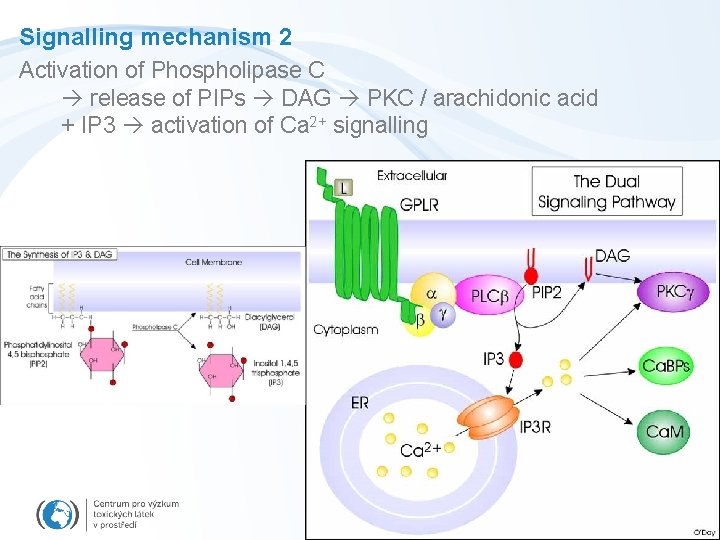
Signalling mechanism 2 Activation of Phospholipase C release of PIPs DAG PKC / arachidonic acid + IP 3 activation of Ca 2+ signalling
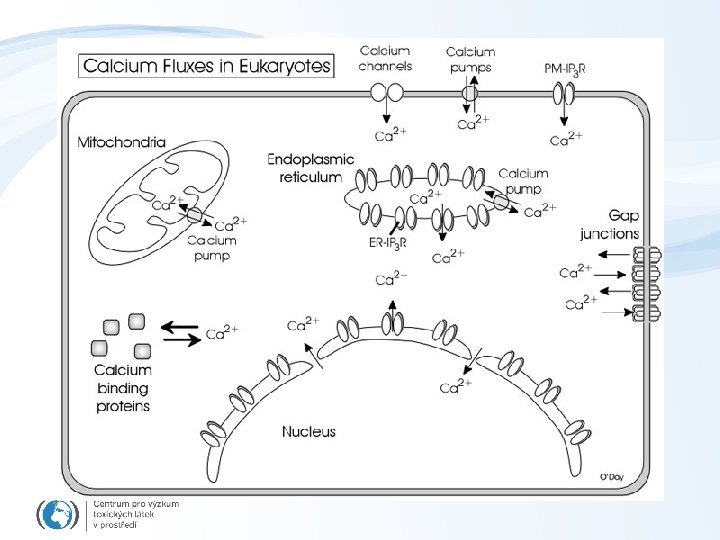
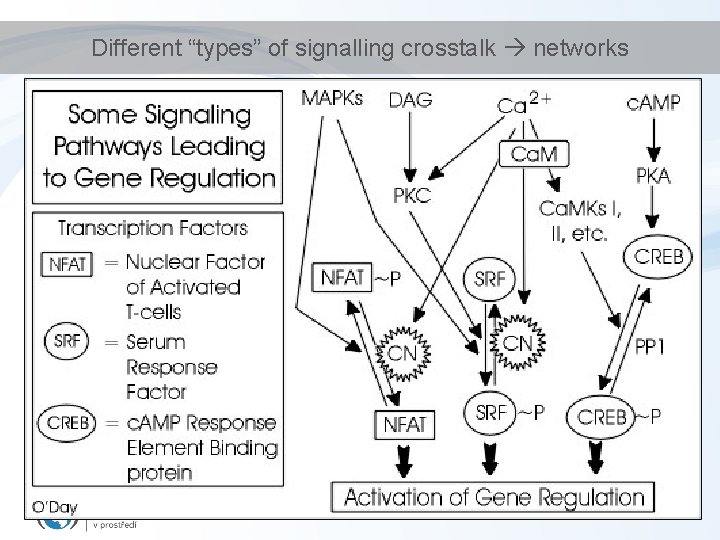
Different “types” of signalling crosstalk networks
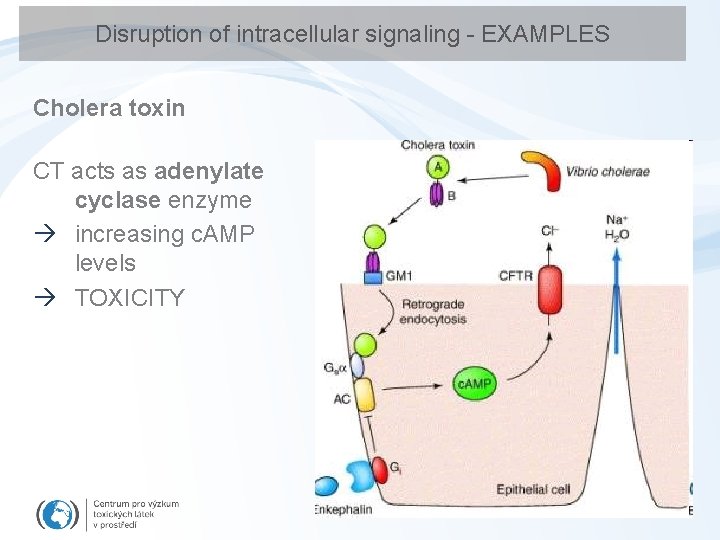
Disruption of intracellular signaling - EXAMPLES Cholera toxin CT acts as adenylate cyclase enzyme increasing c. AMP levels TOXICITY

Example: Lipopolysaccharides (LPS) from cell walls hyperactivation of intracellular signals immunotoxicity
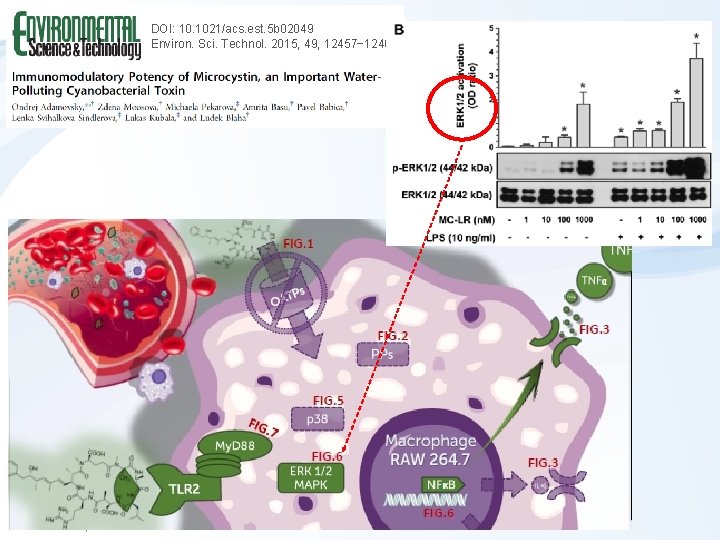
DOI: 10. 1021/acs. est. 5 b 02049 Environ. Sci. Technol. 2015, 49, 12457− 12464
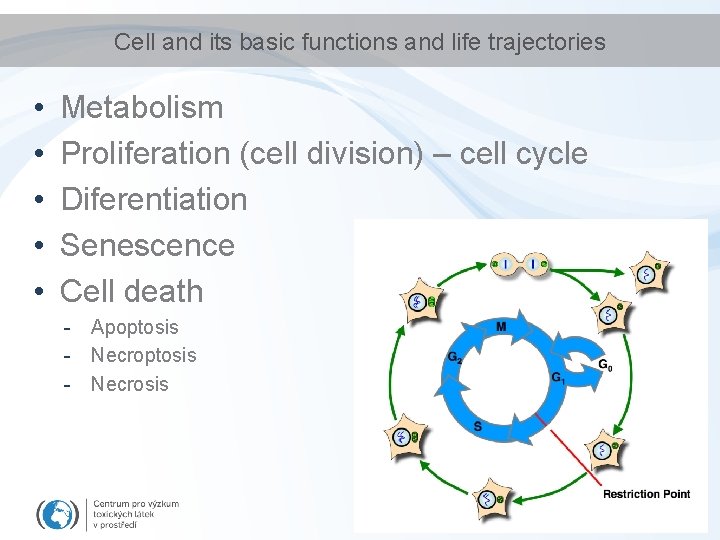
Cell and its basic functions and life trajectories • • • Metabolism Proliferation (cell division) – cell cycle Diferentiation Senescence Cell death - Apoptosis - Necrosis

Influence of toxicity mechanisms on cellular life trajectories • Various toxicity mechanisms / modes of action – i. e. those discussed previously • PROTEINS – enzyme inhibitions, protein damage/oxidation • DNA damage • MEMBRANE disruption – as well as others • including mainly INTRACELLULAR signalling disruptions • … affect the cell fate, and propagate to systemic effects: …examples… – Disruption of metabolism • Acute (cell) death (CO, CN- effects on mitochondria/haeme) • Chronic various diseases (e. g. diabetes) – Effects on proliferation (cell division) – cell cycle • Tumor growth, carcinogenesis, effects on immune system / haemopoiesis – Diferentiation • Developmental toxicity, embryotoxicity, teratogenicity, immune system effects – Senescence – Cell death (Usually not adverse or toxic) • NECROSES (e. g. after irradiation) • APOPTOSES (bone marrow – haemopoetic effects; effects on tumors)
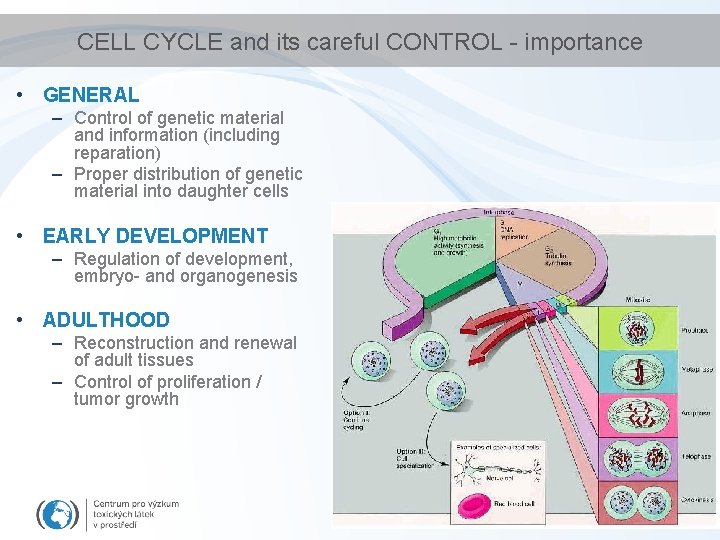
CELL CYCLE and its careful CONTROL - importance • GENERAL – Control of genetic material and information (including reparation) – Proper distribution of genetic material into daughter cells • EARLY DEVELOPMENT – Regulation of development, embryo- and organogenesis • ADULTHOOD – Reconstruction and renewal of adult tissues – Control of proliferation / tumor growth
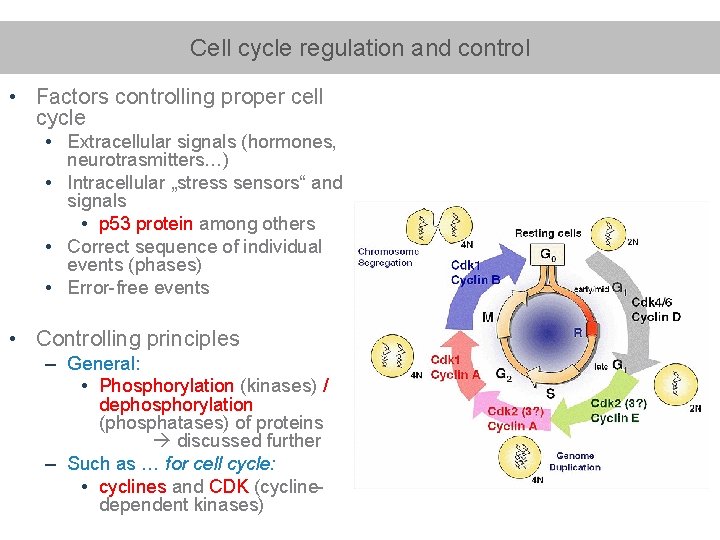
Cell cycle regulation and control • Factors controlling proper cell cycle • Extracellular signals (hormones, neurotrasmitters…) • Intracellular „stress sensors“ and signals • p 53 protein among others • Correct sequence of individual events (phases) • Error-free events • Controlling principles – General: • Phosphorylation (kinases) / dephosphorylation (phosphatases) of proteins discussed further – Such as … for cell cycle: • cyclines and CDK (cyclinedependent kinases)
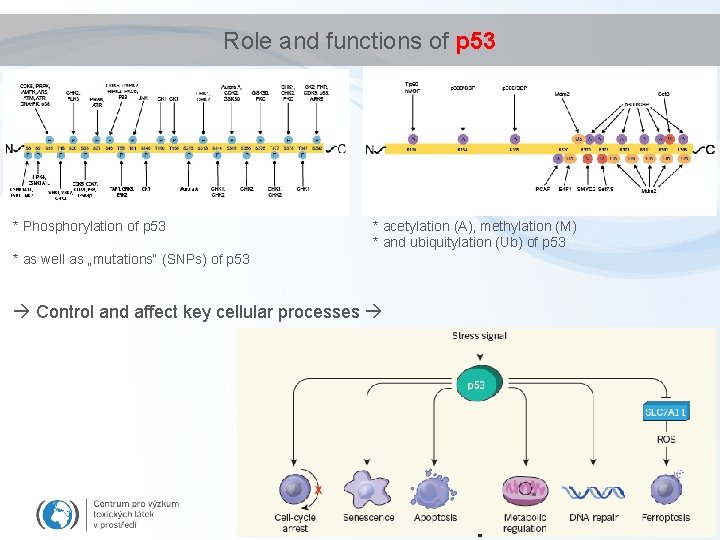
Role and functions of p 53 * Phosphorylation of p 53 * acetylation (A), methylation (M) * and ubiquitylation (Ub) of p 53 * as well as „mutations“ (SNPs) of p 53 Control and affect key cellular processes
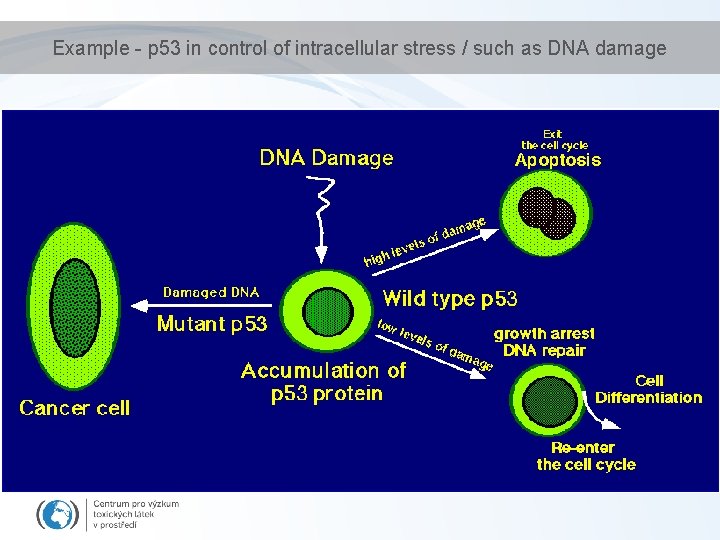
Example - p 53 in control of intracellular stress / such as DNA damage
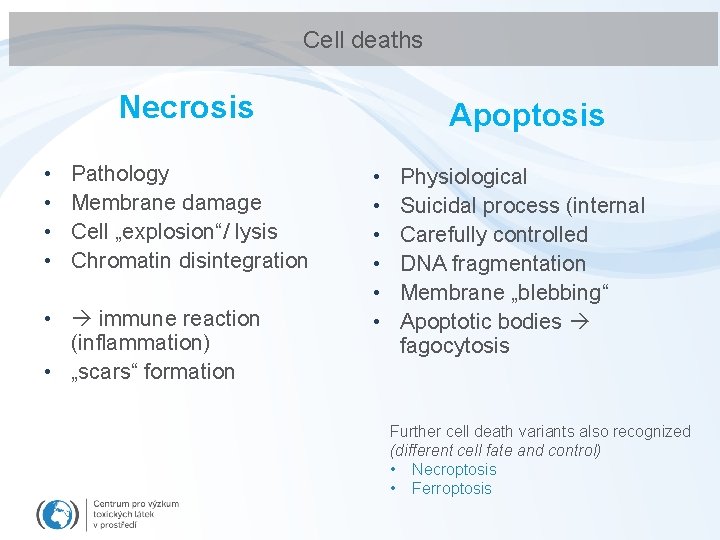
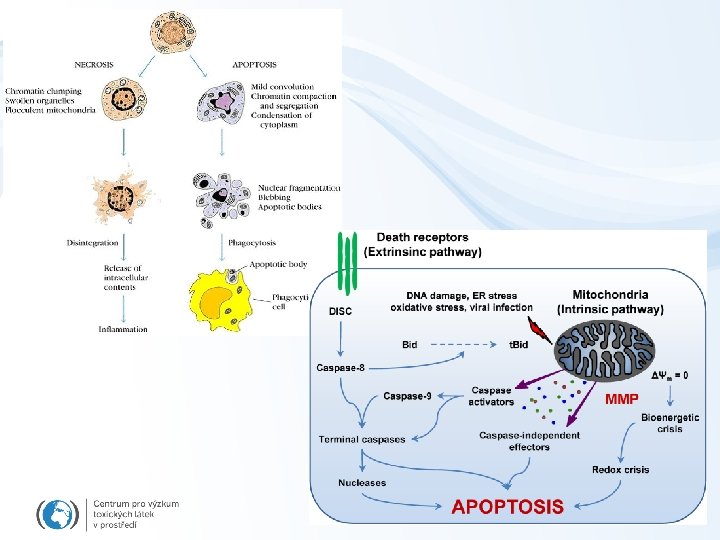
Cell deaths Necrosis • • Pathology Membrane damage Cell „explosion“/ lysis Chromatin disintegration • immune reaction (inflammation) • „scars“ formation Apoptosis • • • Physiological Suicidal process (internal Carefully controlled DNA fragmentation Membrane „blebbing“ Apoptotic bodies fagocytosis Further cell death variants also recognized (different cell fate and control) • Necroptosis • Ferroptosis
- Slides: 22