
BIOLOGY Unit 4 Notes Meiosis 1 Reproduction Types
BIOLOGY Unit 4 Notes: Meiosis
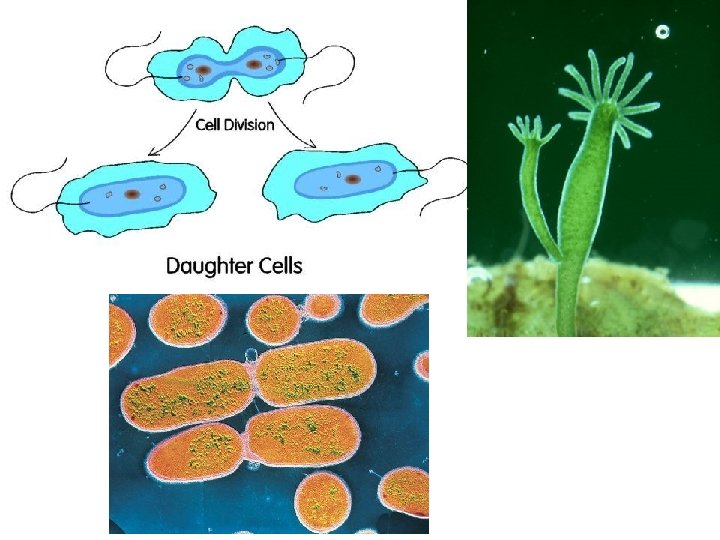
(1) Reproduction • Types of Reproduction: – Asexual – Sexual • Sexual Reproduction: Two parent organisms exchange genetic information to produce genetically different offspring. • Asexual Reproduction: A single celled organism which makes an identical copy of itself (becoming the offspring).
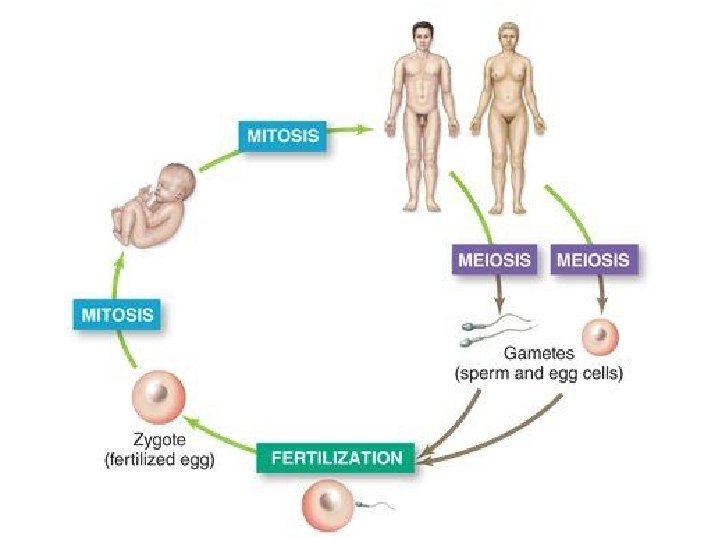
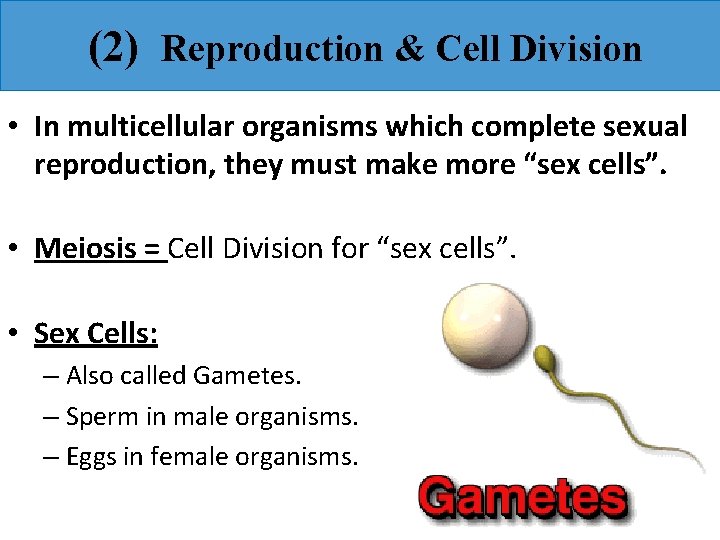
(2) Reproduction & Cell Division • In multicellular organisms which complete sexual reproduction, they must make more “sex cells”. • Meiosis = Cell Division for “sex cells”. • Sex Cells: – Also called Gametes. – Sperm in male organisms. – Eggs in female organisms.
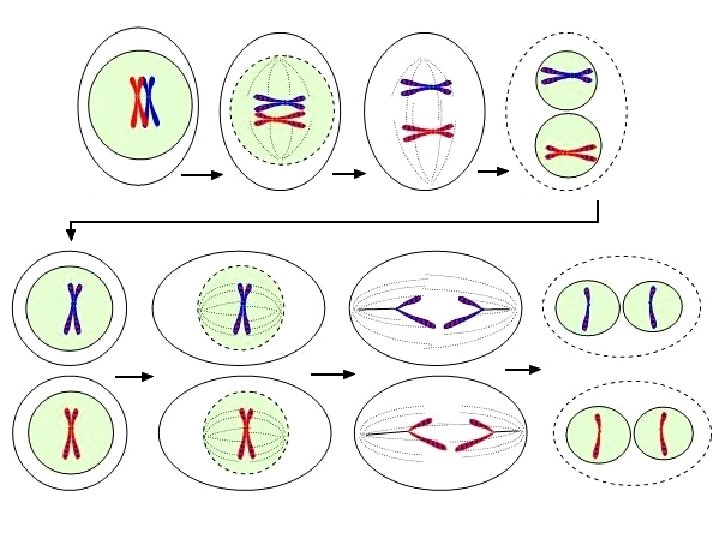
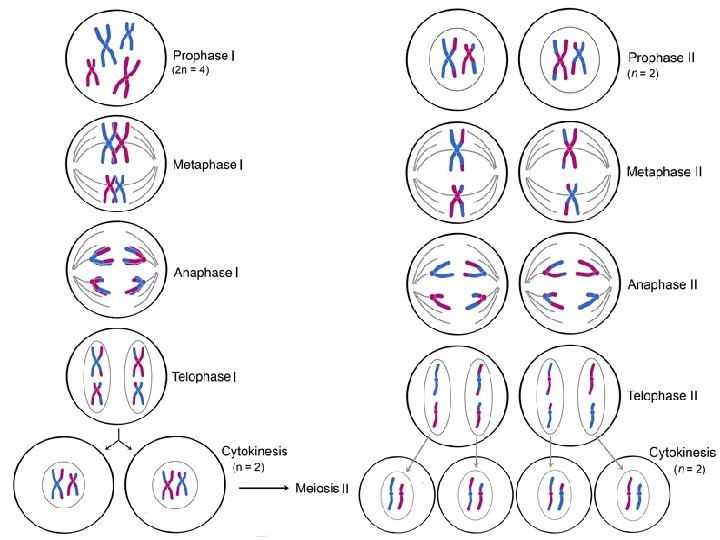
(3) What happens during Meiosis? • There are 2 divisions. • Start with 1 cell and end up with 4 genetically unique cells. • Start “ 2 n” or “Diploid” End “ 1 n” or “Haploid” • 1 n = Haploid = ½ Set of Genetic Information – In Humans that means that each sperm or egg cell should have 23 chromosomes.
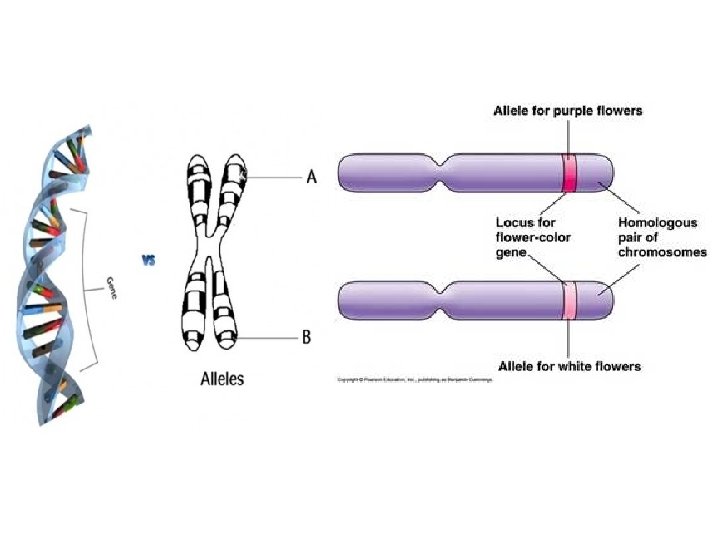
(4) Genetic Variation • The Purpose of Meiosis is to: – Cut the amount of DNA in ½, so that when a sperm and egg combine, the resulting baby will have a full set of DNA. – Increase genetic variation and diversity amongst all sperm and egg cells. • You have at least 2 variations for every gene in your DNA: – Gene = Specific sequence of DNA. – Allele = Variation of a gene. • Each sperm/egg cell should have a unique combination of gene alleles.
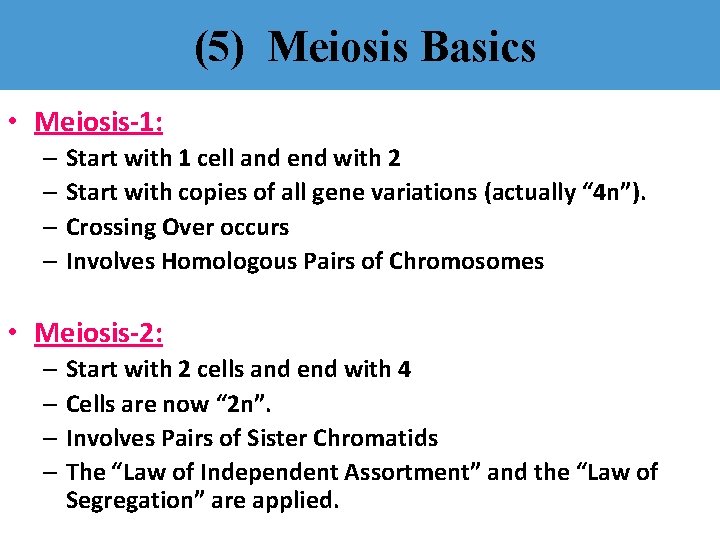
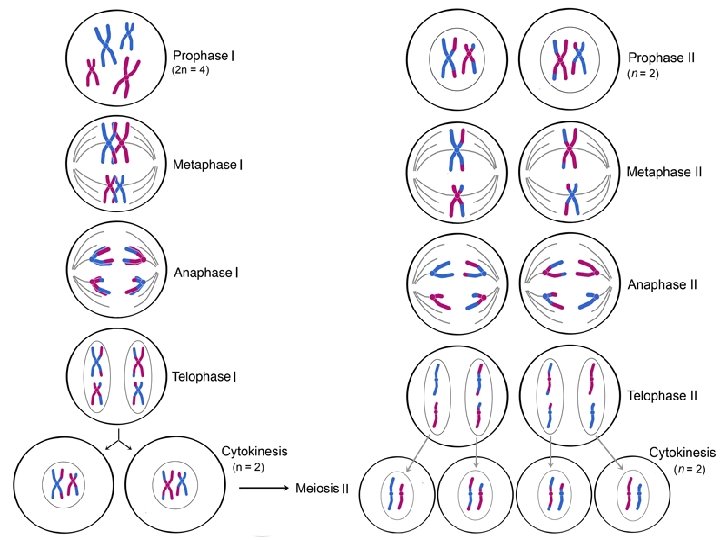
(5) Meiosis Basics • Meiosis-1: – Start with 1 cell and end with 2 – Start with copies of all gene variations (actually “ 4 n”). – Crossing Over occurs – Involves Homologous Pairs of Chromosomes • Meiosis-2: – Start with 2 cells and end with 4 – Cells are now “ 2 n”. – Involves Pairs of Sister Chromatids – The “Law of Independent Assortment” and the “Law of Segregation” are applied.
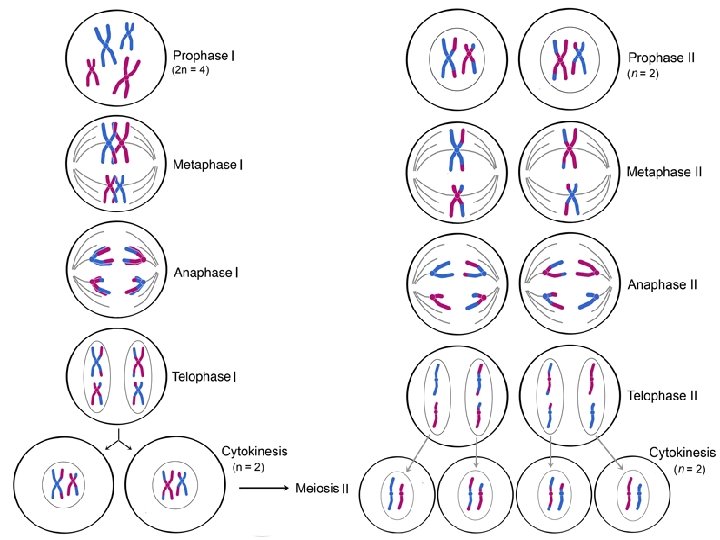
(6) Meiosis-1 Details 1. Chromosomes form + Nucleus dissolves. 2. Homologous pairs of chromosomes line. 3. Crossing Over occurs. 4. Homologous pairs of chromosomes separate. 5. Cells divide and split, resulting in two cells.
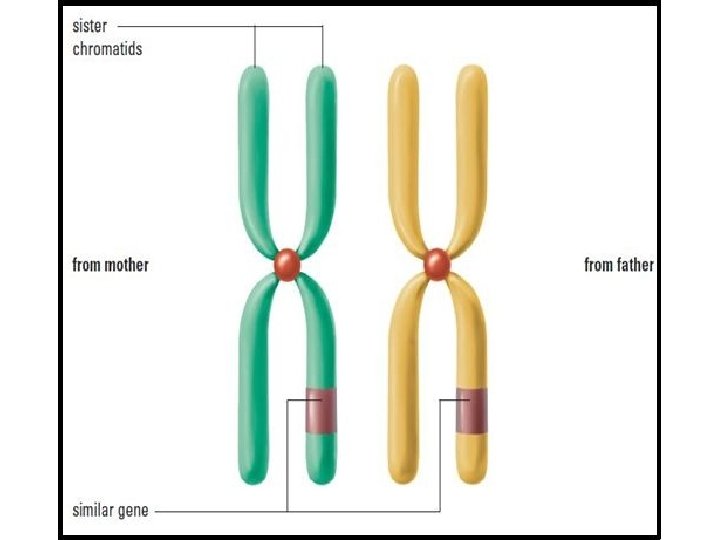
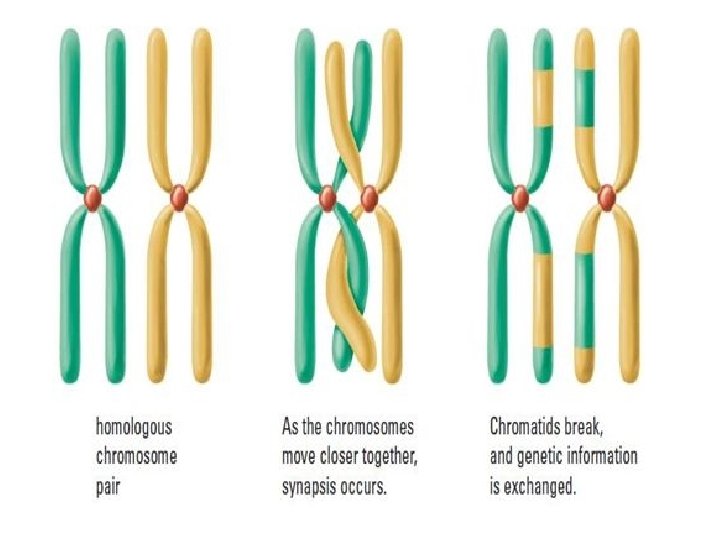
(7) Meiosis-1 Vocabulary • Homologous Pairs of Chromosomes – Pairs of sister chromatids with similar segments of DNA (or genes. ) – Looks like 2 X’s. • Crossing Over – When nearby chunks of DNA are exchanged between homologous pairs of chromosomes. – Used to increase genetic diversity.
(8) Meiosis-2: 1. Pairs of sister chromatids line up. 2. Pairs of sister chromatids separate using the “Law of Segregation” and the “Law of Independent Assortment”. 3. Cells divide, resulting in 4 cells.
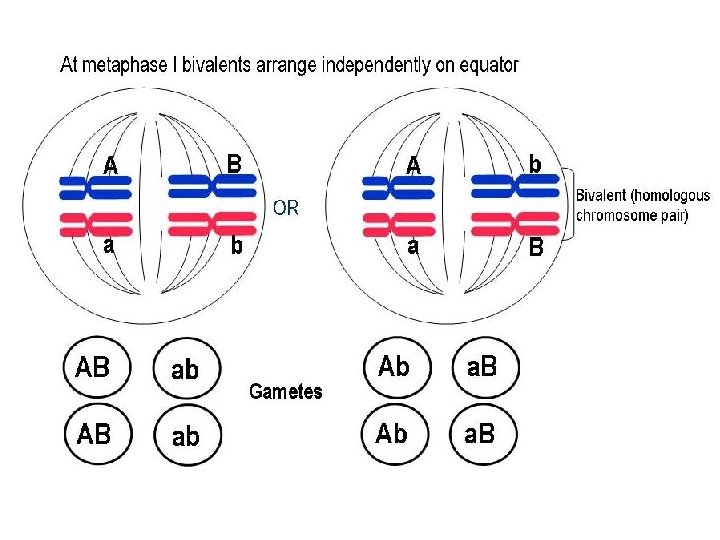
(9) Meiosis-2 Vocabulary: • Sister Chromatids: Identical copies of chromosomes. • Law of Segregation: Chromosomes split up so that each sex cell receives a different variation of each gene. • Law of Independent Assortment: Chromosomes split up completely independent of every other chromosome and gene variation.
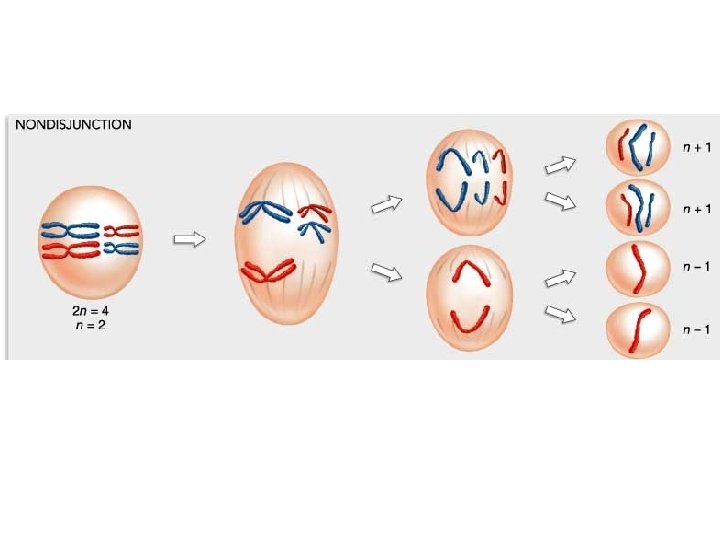
(10) Meiosis Errors • When chromosomes do not separate correctly during meiosis this can cause: – Sex Cells to have too many chromosomes (more than 23). – Sex cells to have too few chromosomes (less than 23). • Individuals born from these sex cells will acquire a genetic disorder from having the wrong number of sex chromosomes.
- Slides: 22