
Biology Types of Cells and Cell Structures Part
Biology Types of Cells and Cell Structures Part 1
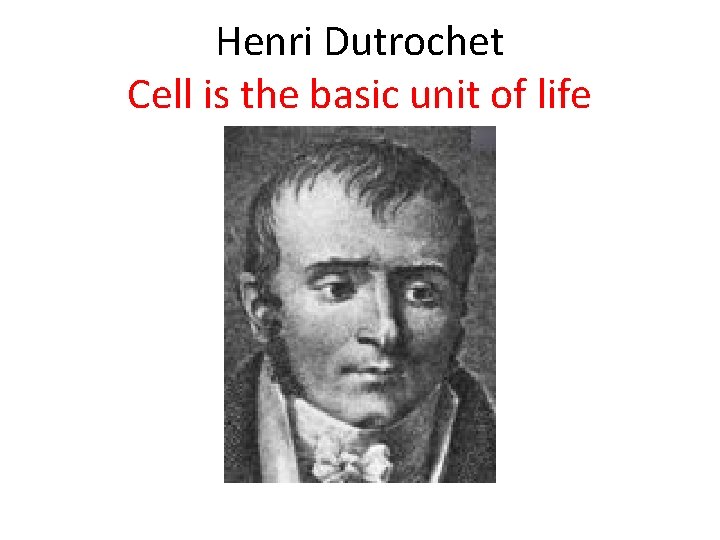
Henri Dutrochet Cell is the basic unit of life
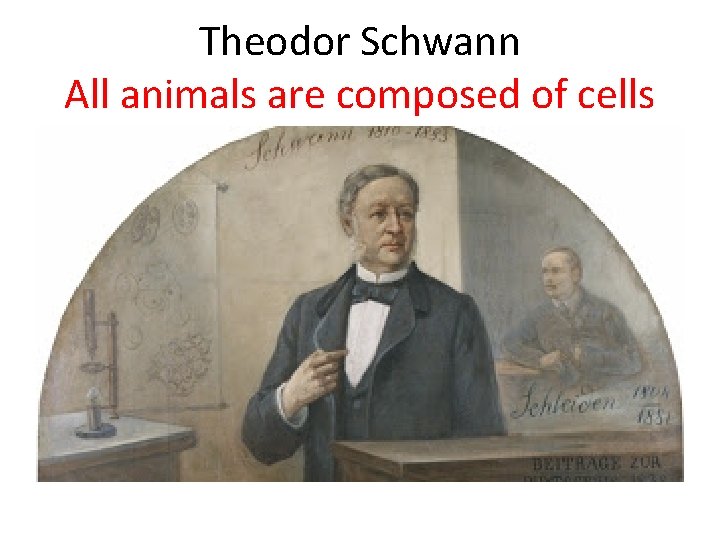
Theodor Schwann All animals are composed of cells
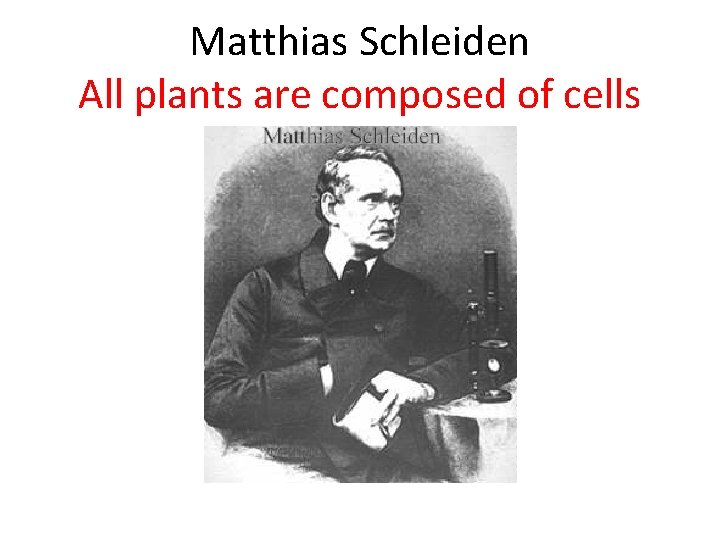
Matthias Schleiden All plants are composed of cells
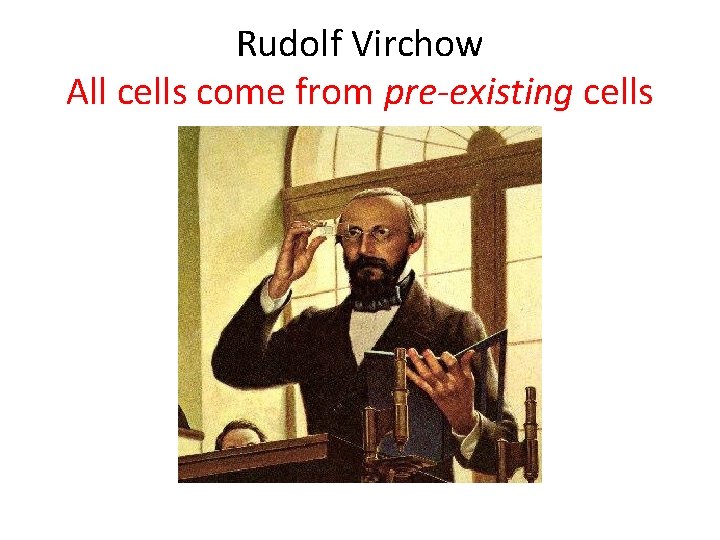
Rudolf Virchow All cells come from pre-existing cells
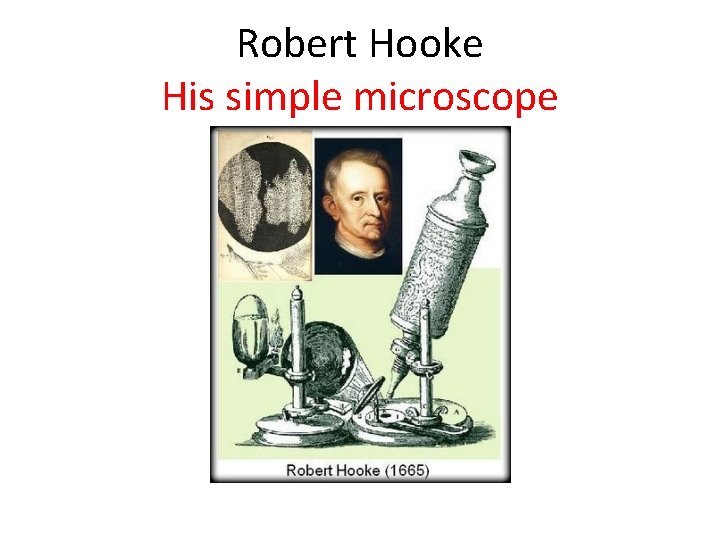
Robert Hooke His simple microscope
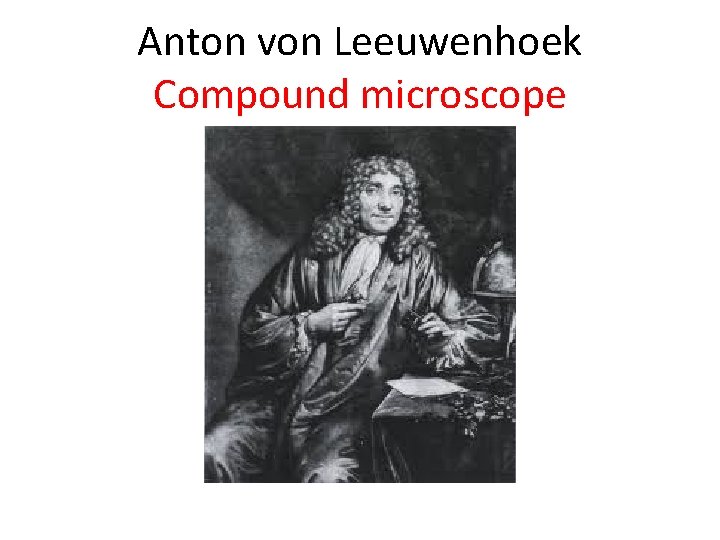
Anton von Leeuwenhoek Compound microscope
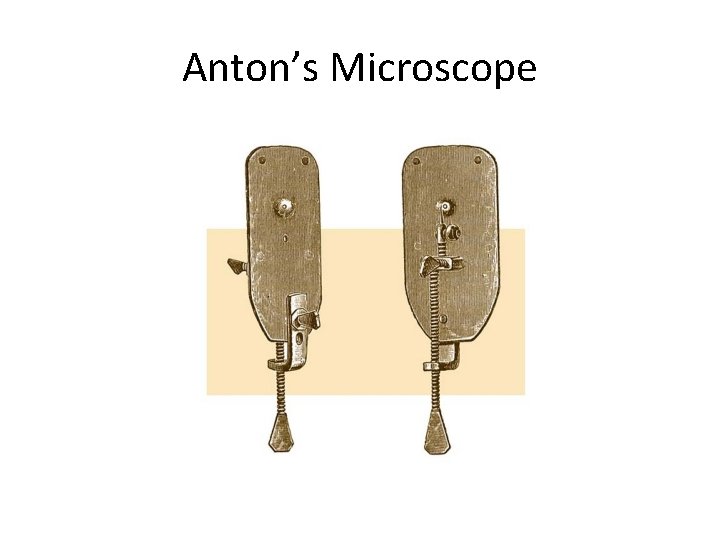
Anton’s Microscope
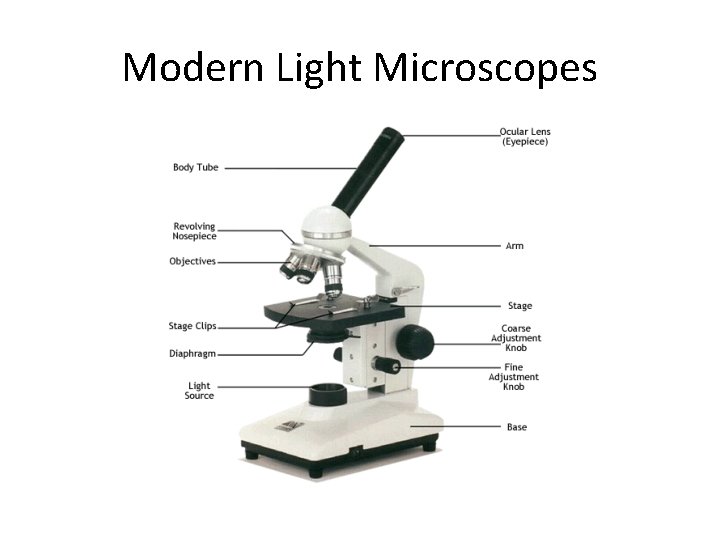
Modern Light Microscopes

Microscopic Resolution
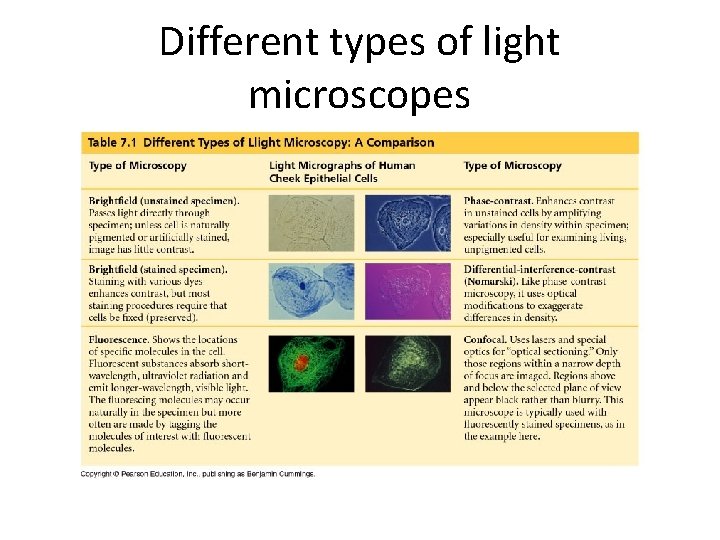
Different types of light microscopes
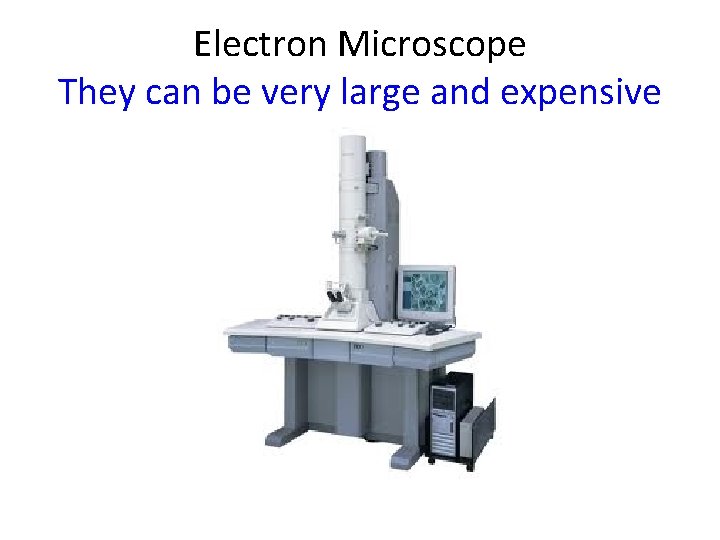
Electron Microscope They can be very large and expensive
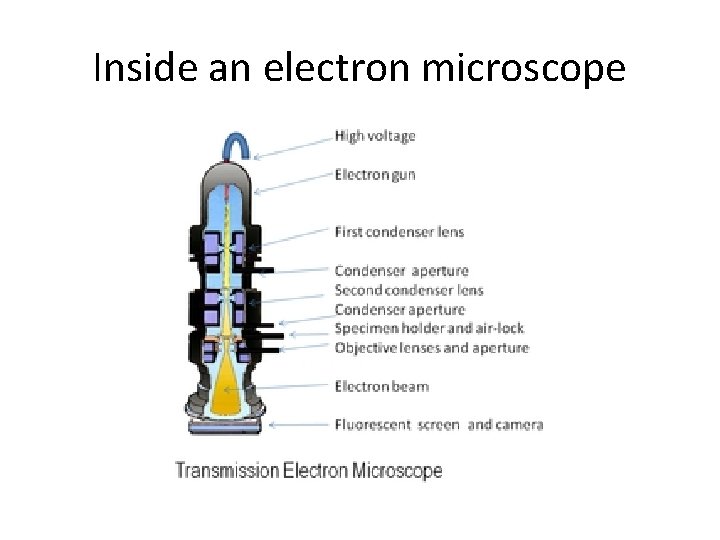
Inside an electron microscope
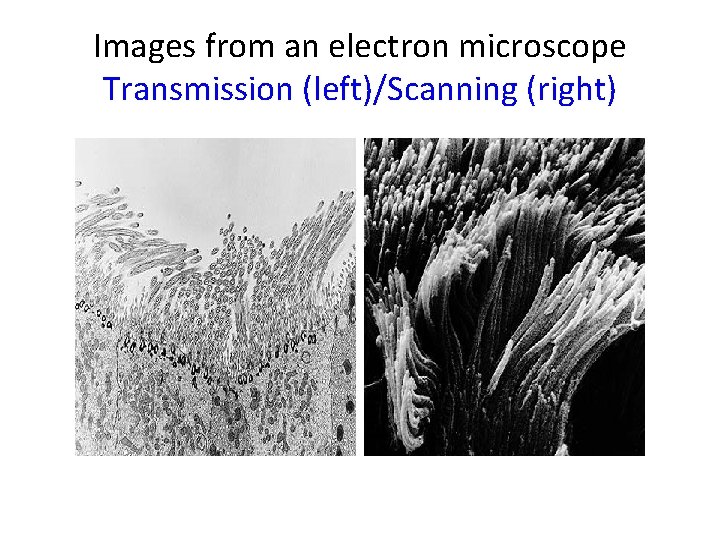
Images from an electron microscope Transmission (left)/Scanning (right)
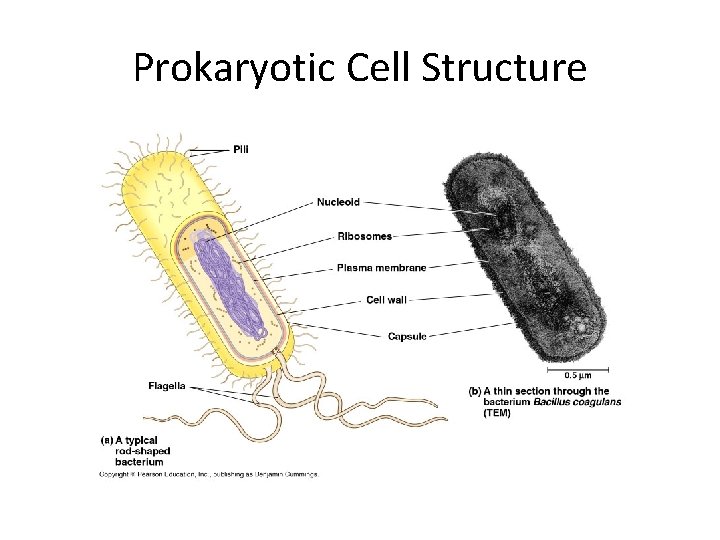
Prokaryotic Cell Structure
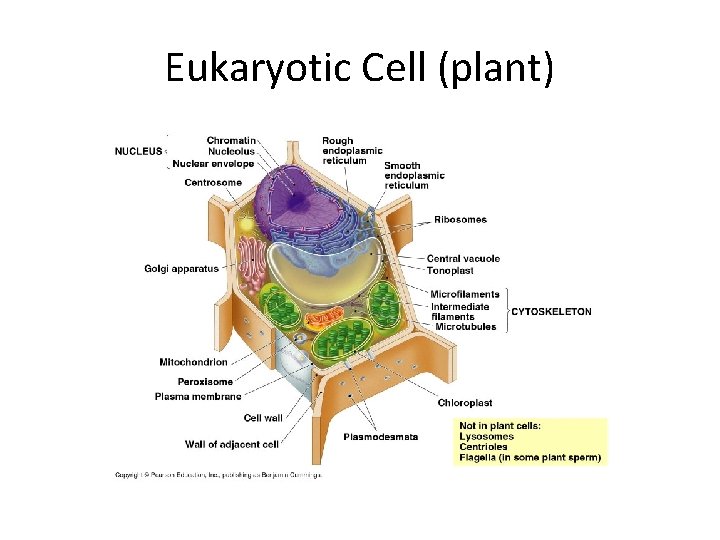
Eukaryotic Cell (plant)
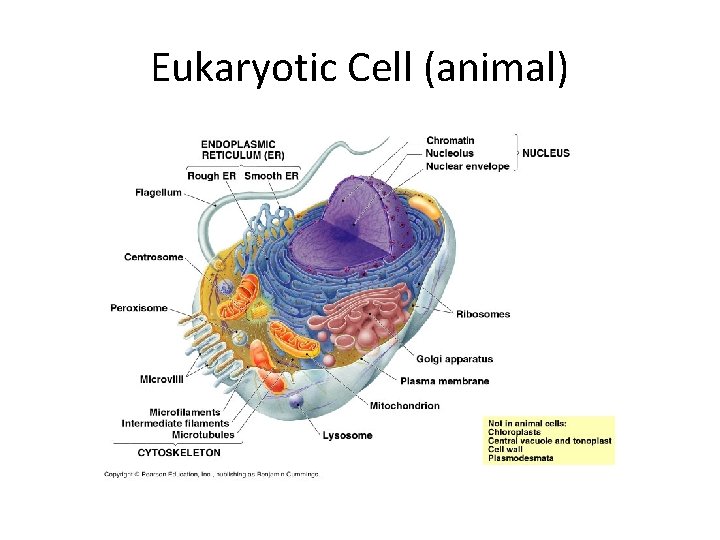
Eukaryotic Cell (animal)
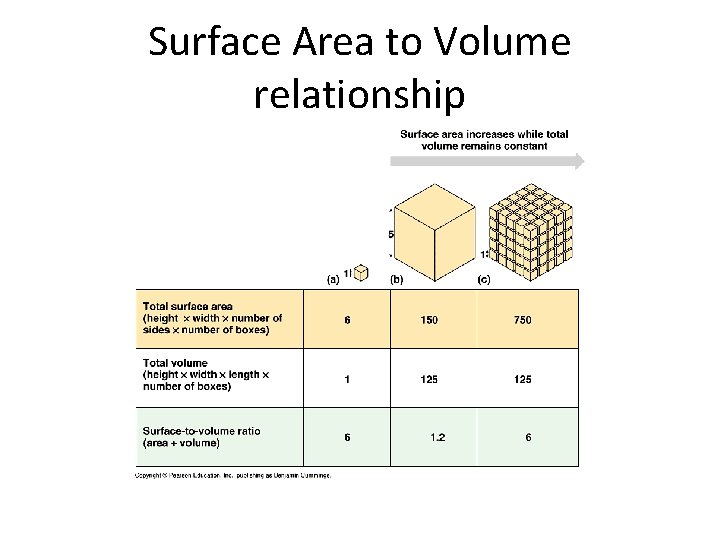
Surface Area to Volume relationship
Biology Types of Cells and Cell Structures Part 2
Eukaryotic Cells • There are three main parts to Eukaryotic Cells • A. Plasma “cell” membrane (This holds the cell together. ) • B. Nucleus (This controls the activities of a cell by holding the DNA. The DNA is the “instructions”. ) • C. Cytoplasm or cytosol (This creates room for work and space for holding organelles and ribosomes. )
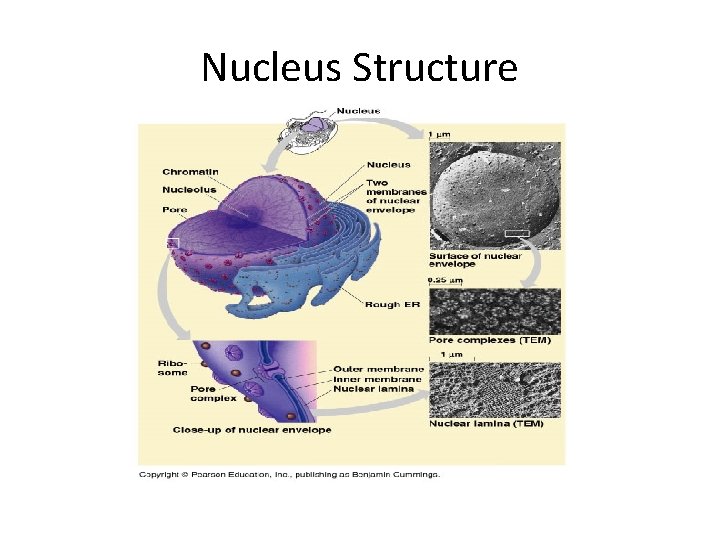
Nucleus Structure
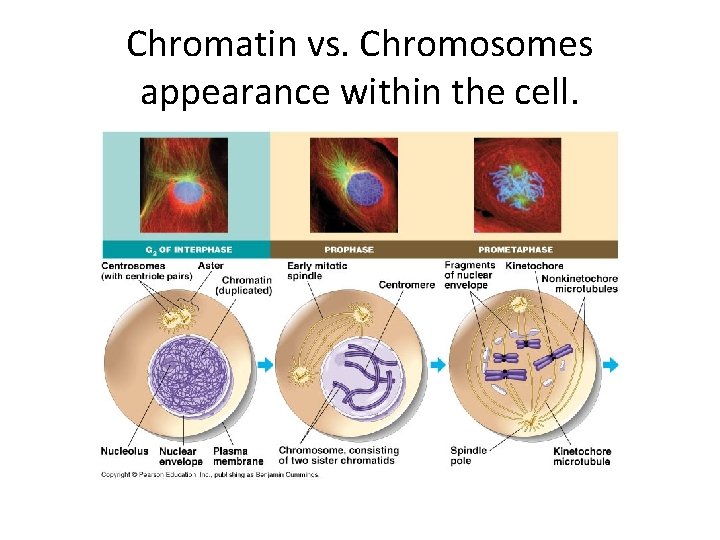
Chromatin vs. Chromosomes appearance within the cell.
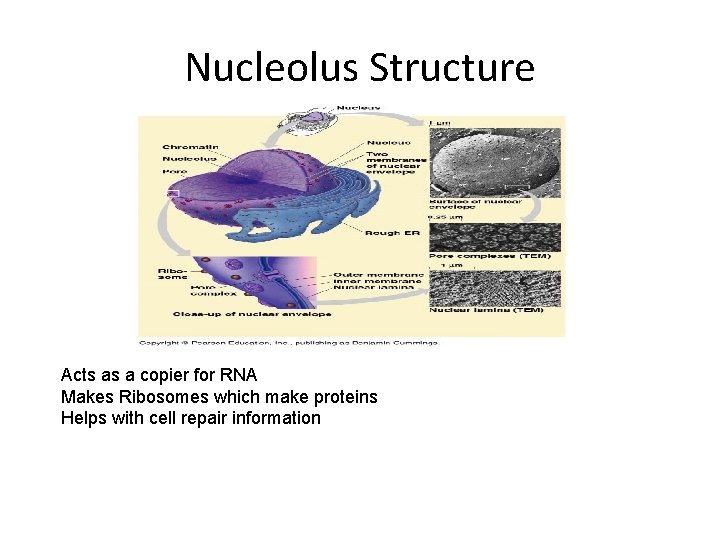
Nucleolus Structure Acts as a copier for RNA Makes Ribosomes which make proteins Helps with cell repair information
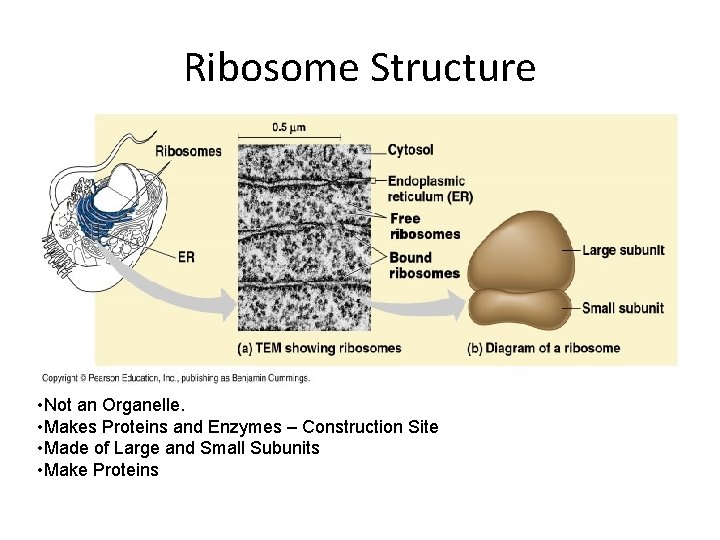
Ribosome Structure • Not an Organelle. • Makes Proteins and Enzymes – Construction Site • Made of Large and Small Subunits • Make Proteins
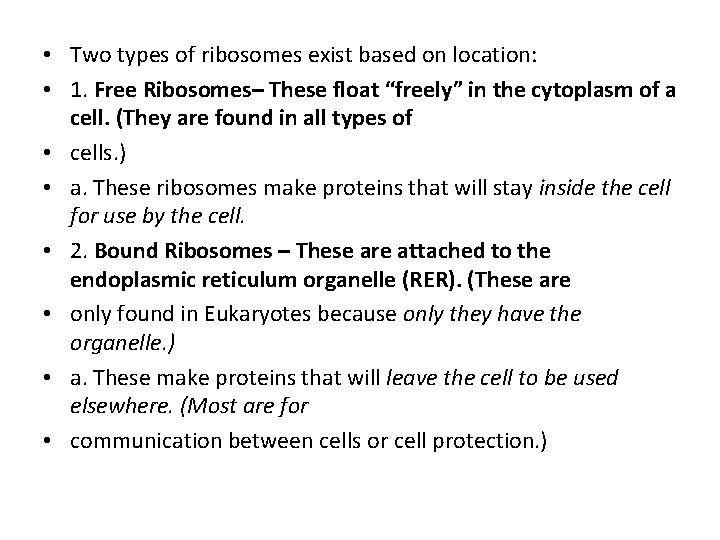
• Two types of ribosomes exist based on location: • 1. Free Ribosomes– These float “freely” in the cytoplasm of a cell. (They are found in all types of • cells. ) • a. These ribosomes make proteins that will stay inside the cell for use by the cell. • 2. Bound Ribosomes – These are attached to the endoplasmic reticulum organelle (RER). (These are • only found in Eukaryotes because only they have the organelle. ) • a. These make proteins that will leave the cell to be used elsewhere. (Most are for • communication between cells or cell protection. )
Biology Types of Cells and Cell Structures Part 3
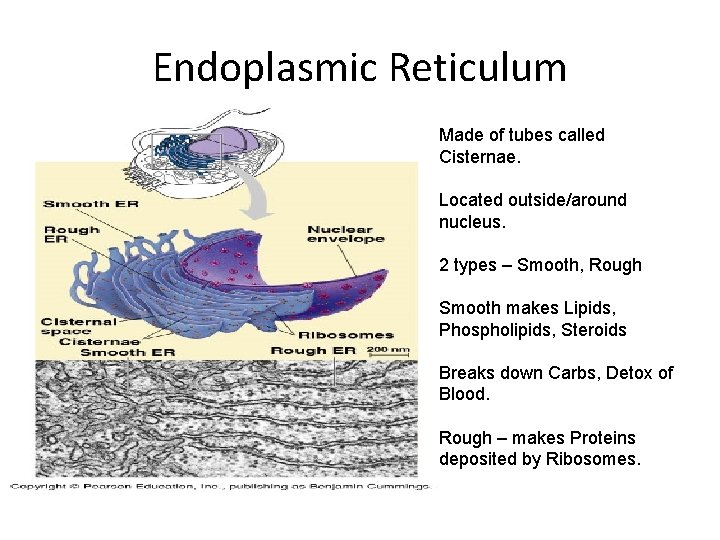
Endoplasmic Reticulum Made of tubes called Cisternae. Located outside/around nucleus. 2 types – Smooth, Rough Smooth makes Lipids, Phospholipids, Steroids Breaks down Carbs, Detox of Blood. Rough – makes Proteins deposited by Ribosomes.
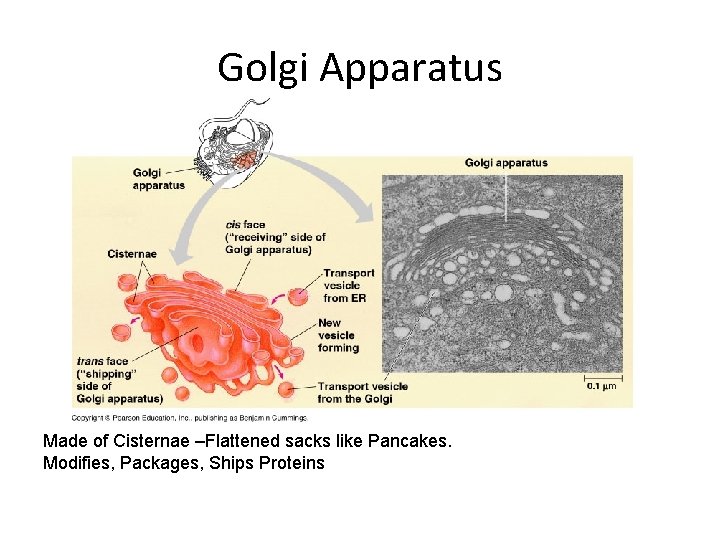
Golgi Apparatus Made of Cisternae –Flattened sacks like Pancakes. Modifies, Packages, Ships Proteins
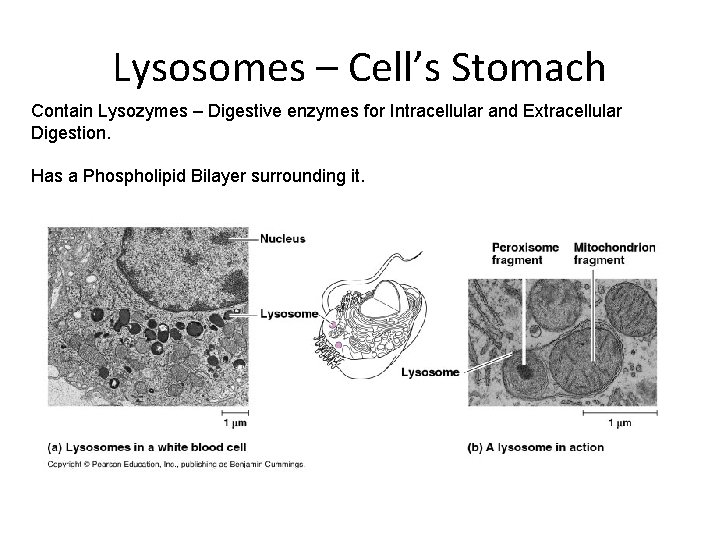
Lysosomes – Cell’s Stomach Contain Lysozymes – Digestive enzymes for Intracellular and Extracellular Digestion. Has a Phospholipid Bilayer surrounding it.
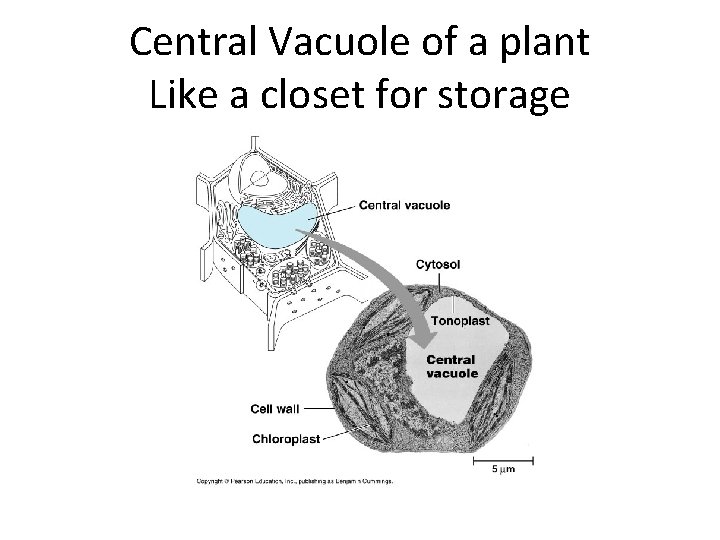
Central Vacuole of a plant Like a closet for storage
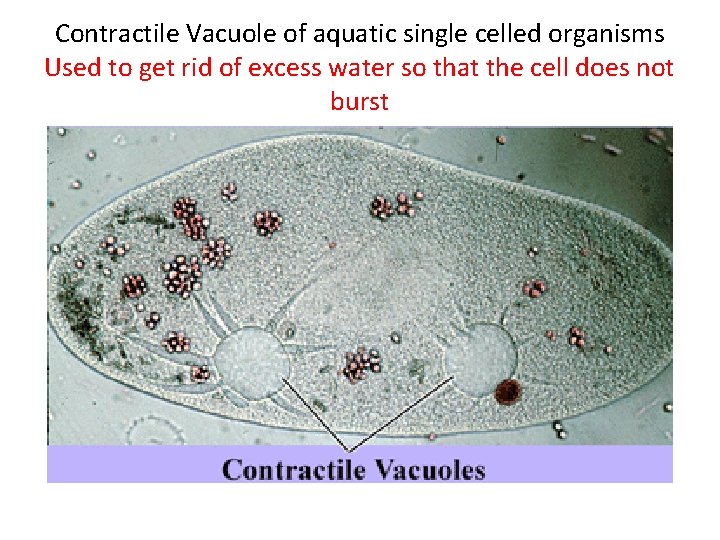
Contractile Vacuole of aquatic single celled organisms Used to get rid of excess water so that the cell does not burst
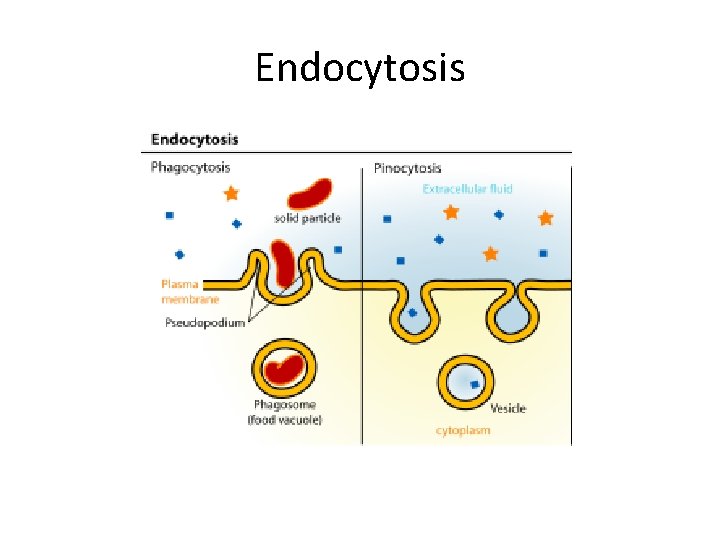
Endocytosis
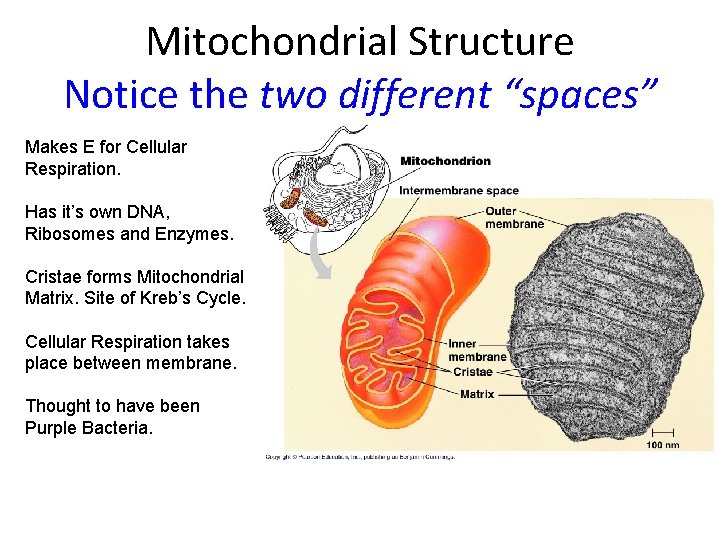
Mitochondrial Structure Notice the two different “spaces” Makes E for Cellular Respiration. Has it’s own DNA, Ribosomes and Enzymes. Cristae forms Mitochondrial Matrix. Site of Kreb’s Cycle. Cellular Respiration takes place between membrane. Thought to have been Purple Bacteria.
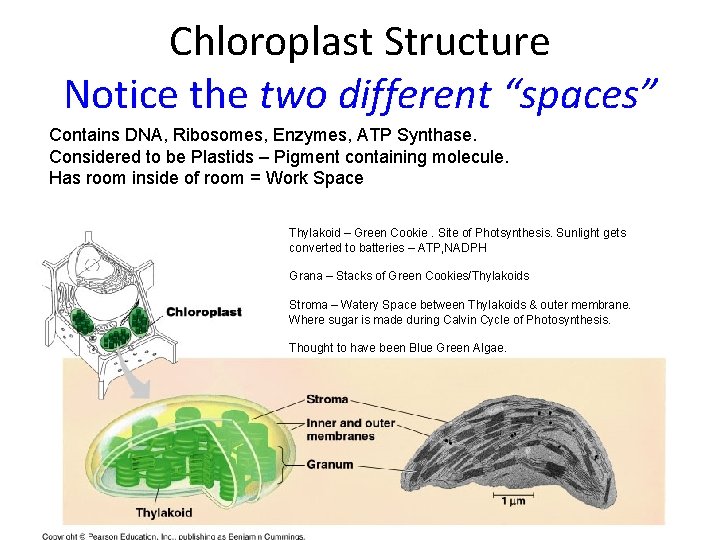
Chloroplast Structure Notice the two different “spaces” Contains DNA, Ribosomes, Enzymes, ATP Synthase. Considered to be Plastids – Pigment containing molecule. Has room inside of room = Work Space Thylakoid – Green Cookie. Site of Photsynthesis. Sunlight gets converted to batteries – ATP, NADPH Grana – Stacks of Green Cookies/Thylakoids Stroma – Watery Space between Thylakoids & outer membrane. Where sugar is made during Calvin Cycle of Photosynthesis. Thought to have been Blue Green Algae.
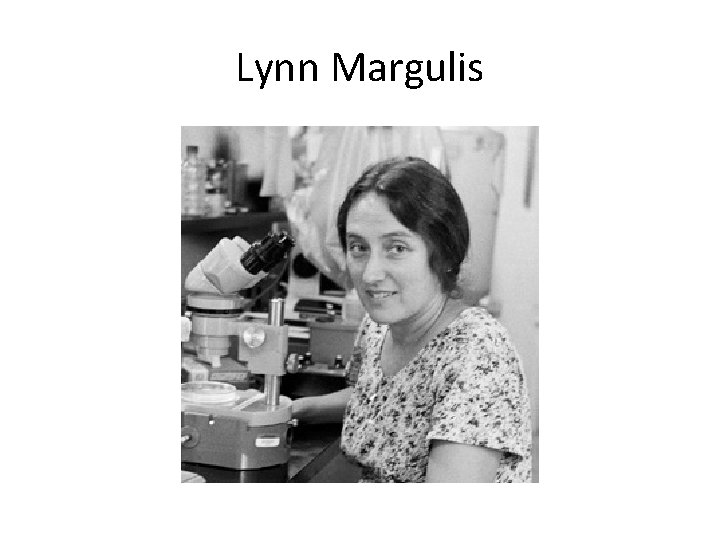
Lynn Margulis
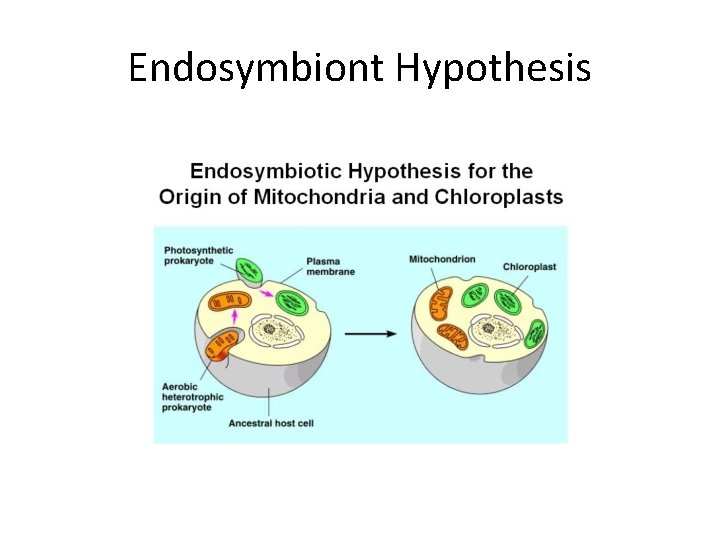
Endosymbiont Hypothesis
Biology Types of Cells and Cell Structures Part 4
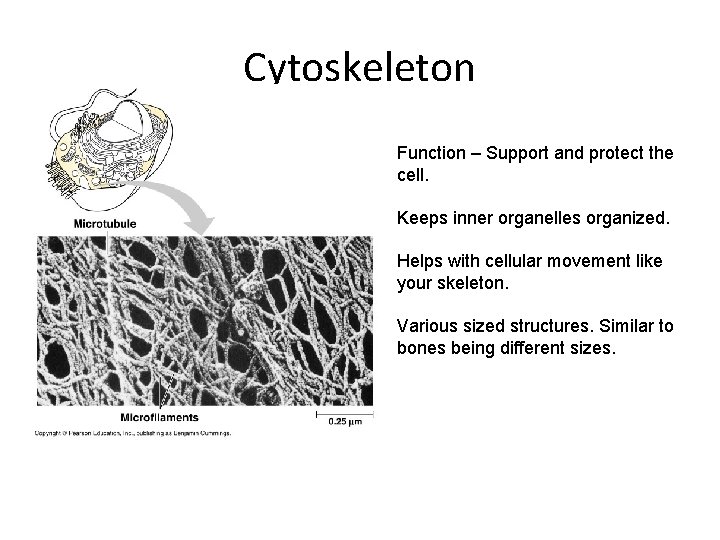
Cytoskeleton Function – Support and protect the cell. Keeps inner organelles organized. Helps with cellular movement like your skeleton. Various sized structures. Similar to bones being different sizes.
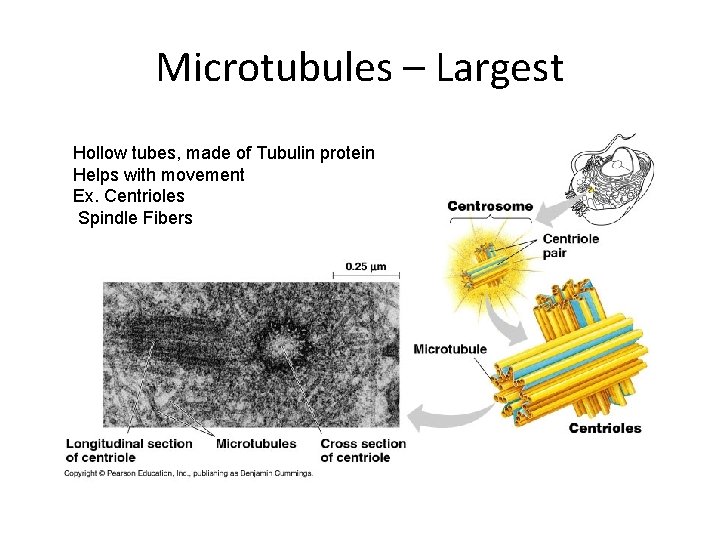
Microtubules – Largest Hollow tubes, made of Tubulin protein Helps with movement Ex. Centrioles Spindle Fibers
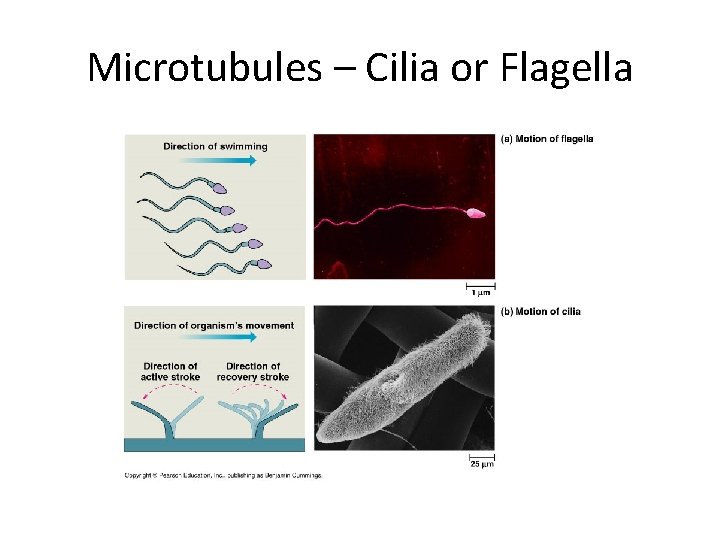
Microtubules – Cilia or Flagella
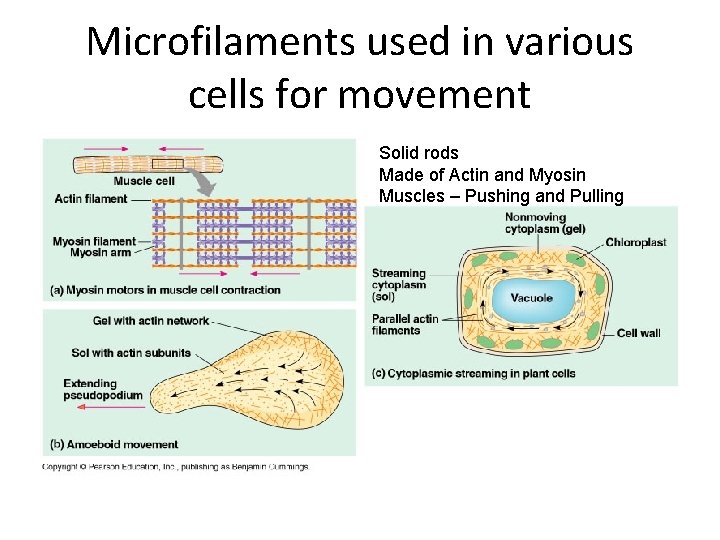
Microfilaments used in various cells for movement Solid rods Made of Actin and Myosin Muscles – Pushing and Pulling
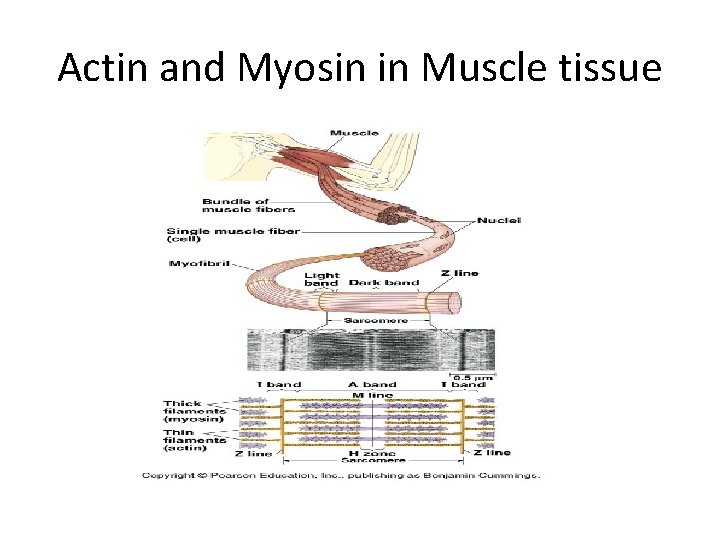
Actin and Myosin in Muscle tissue
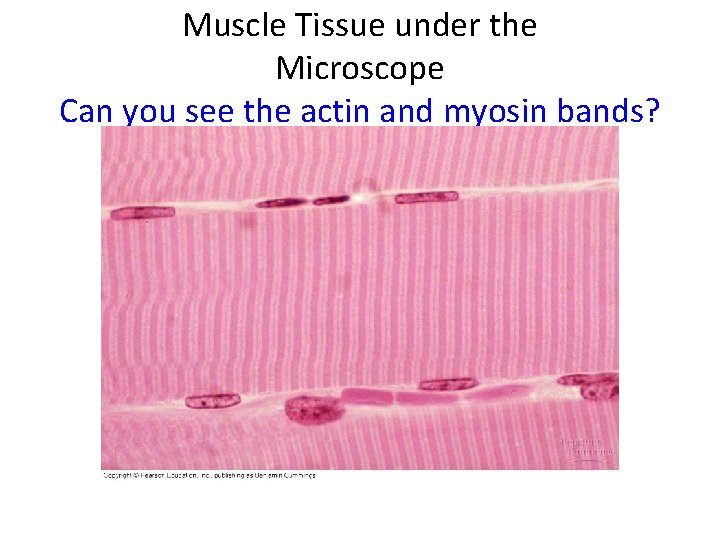
Muscle Tissue under the Microscope Can you see the actin and myosin bands?
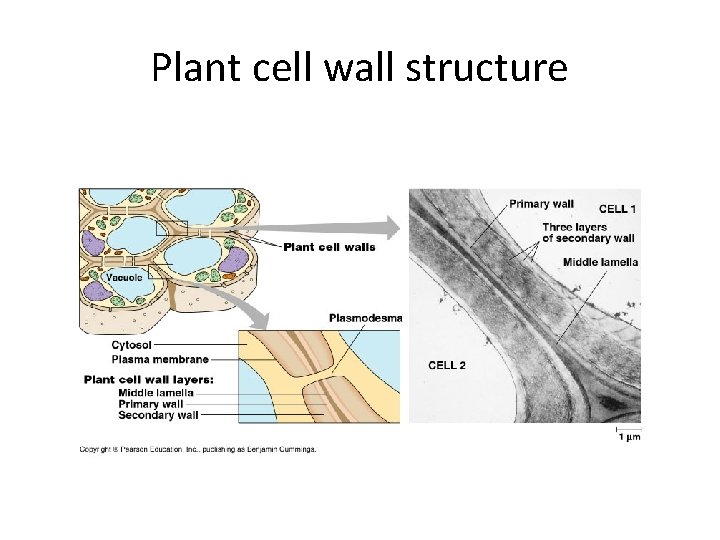
Plant cell wall structure
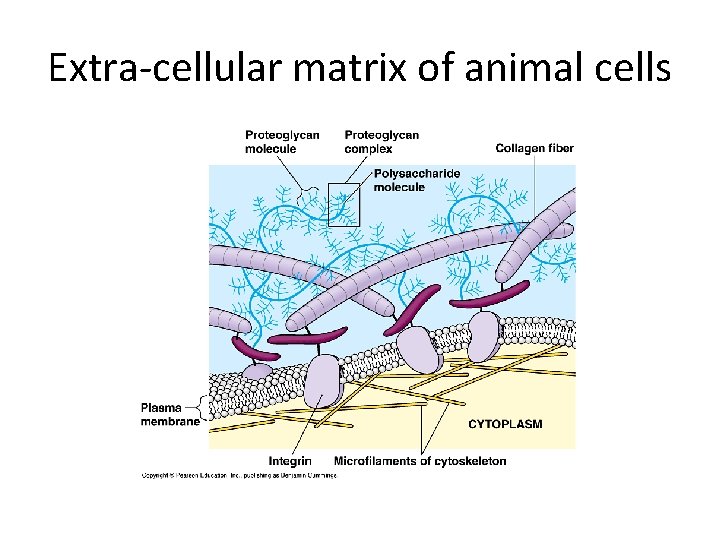
Extra-cellular matrix of animal cells
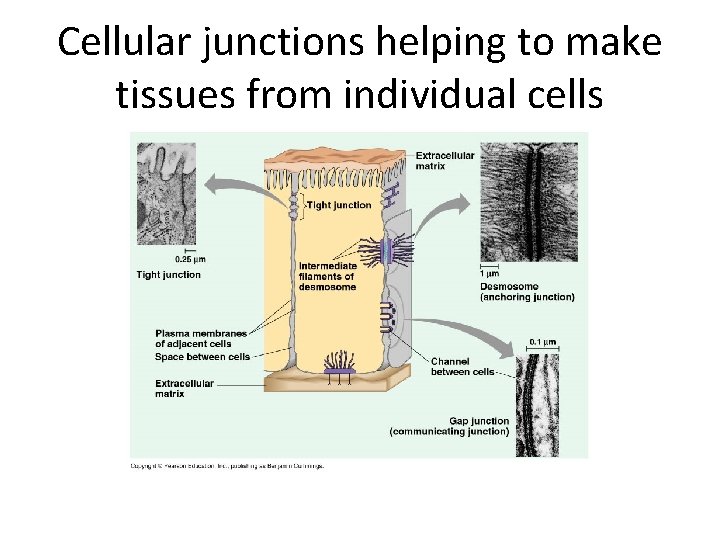
Cellular junctions helping to make tissues from individual cells
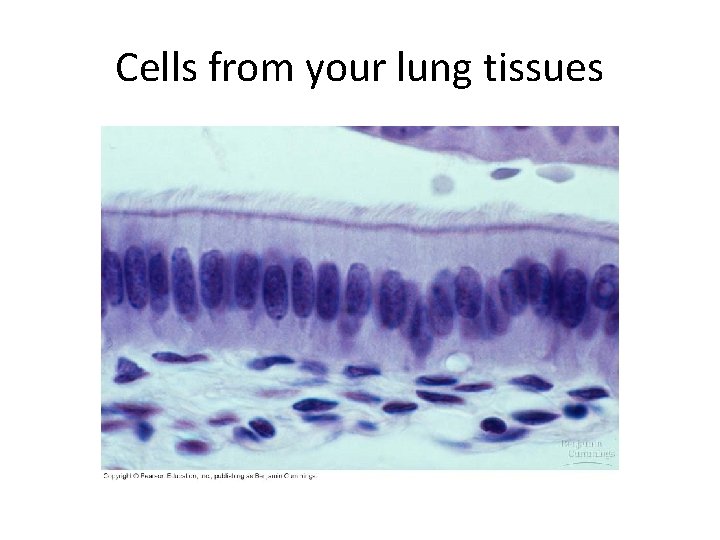
Cells from your lung tissues
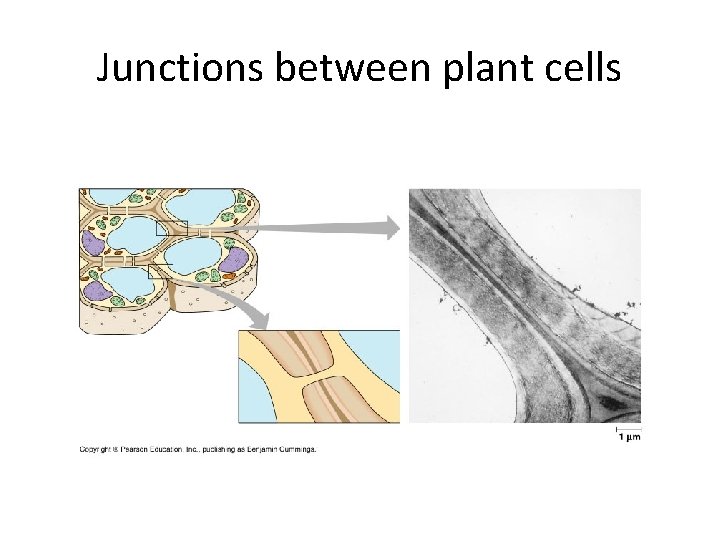
Junctions between plant cells
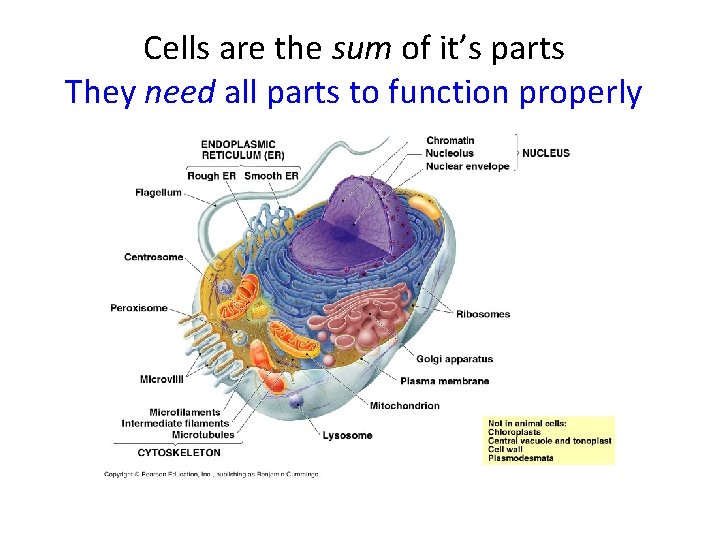
Cells are the sum of it’s parts They need all parts to function properly
- Slides: 49