
Biology PreDP Course 2 Human Biology Human Biology
Biology Pre-DP Course 2 Human Biology
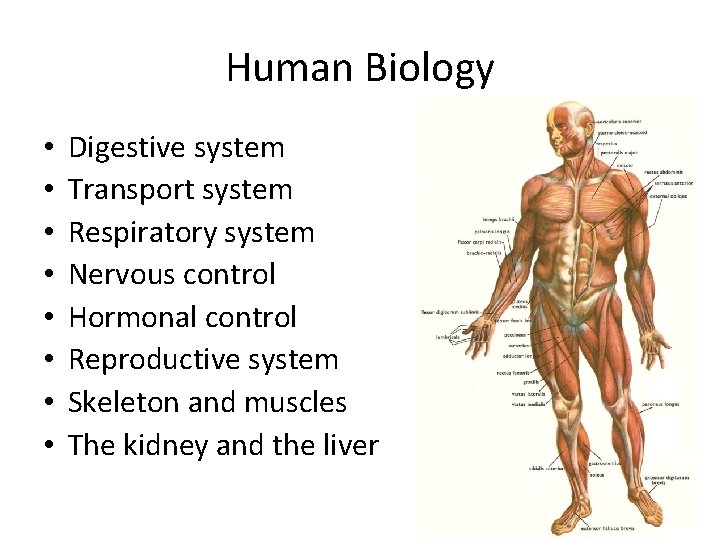
Human Biology • • Digestive system Transport system Respiratory system Nervous control Hormonal control Reproductive system Skeleton and muscles The kidney and the liver
Digestive system • Understand the processes of ingestion, digestion, absorption, assimilation & egestion • Know the names and functions of the parts of the human alimentary canal • Understand how the digestive system is highly adapted to its functions
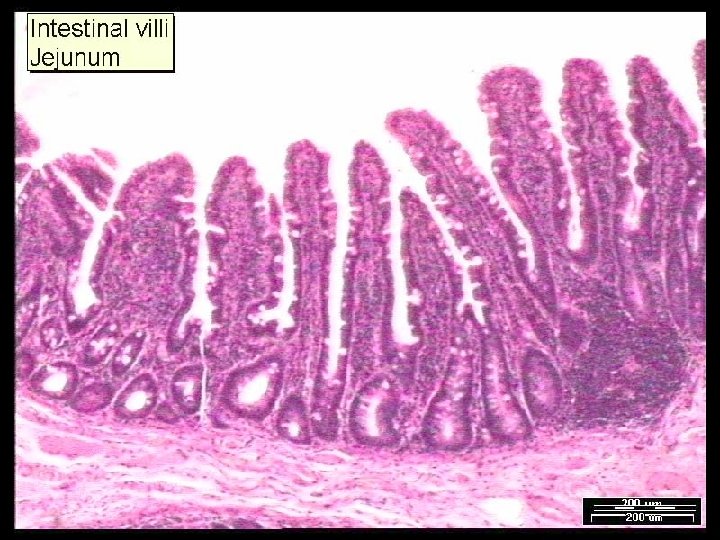
Digestive system • Know the structure and function of villi in the small intestine • Understand the significance of the microvilli • Know which enzymes are produced from the different parts of the alimentary canal and their functions
Digestion lab • Investigating the effect of the digestive enzyme amylase on the digestion of starch
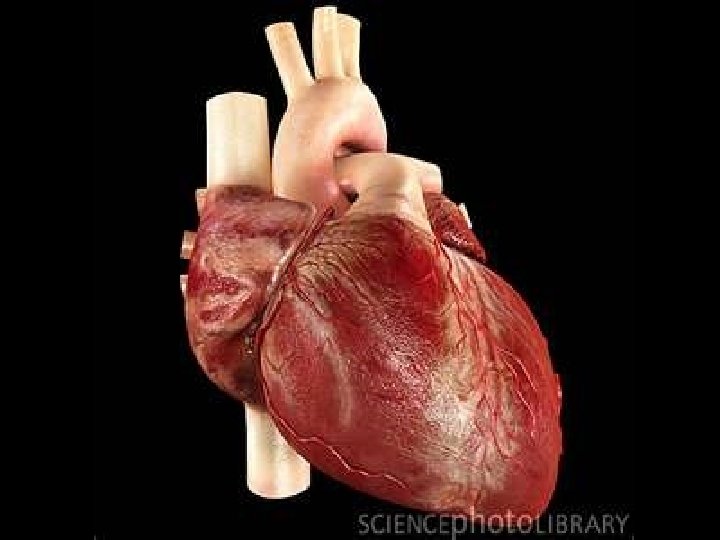
Transport system • Know the names and functions of the parts of the heart
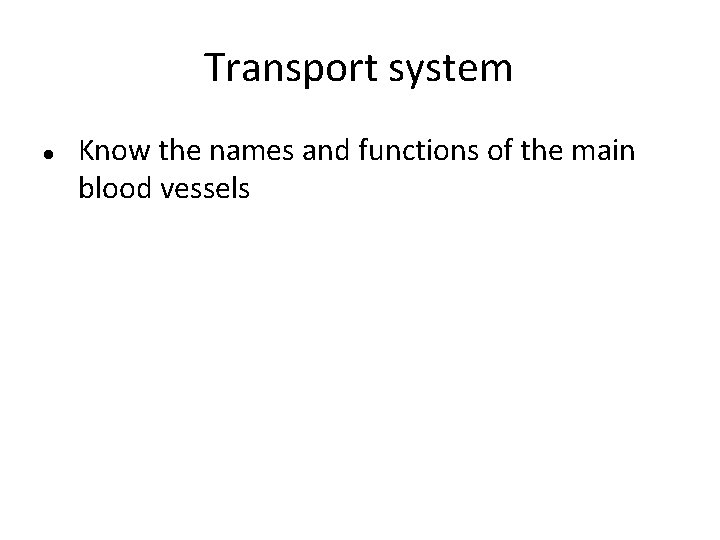
Transport system Know the names and functions of the main blood vessels
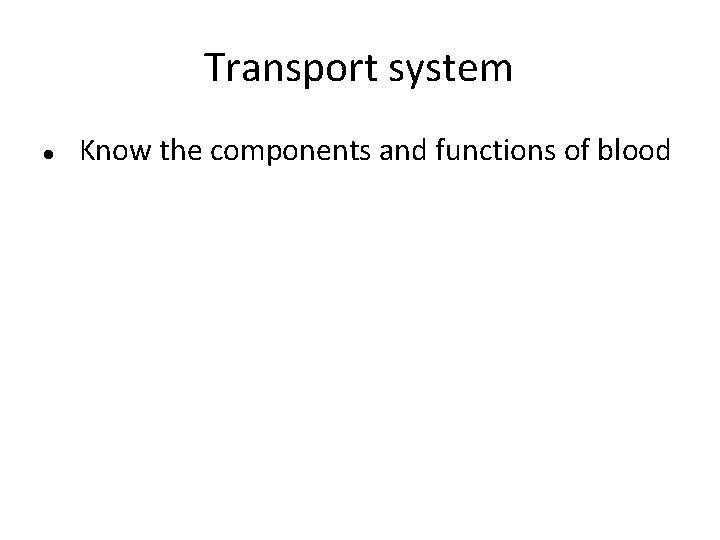
Transport system Know the components and functions of blood
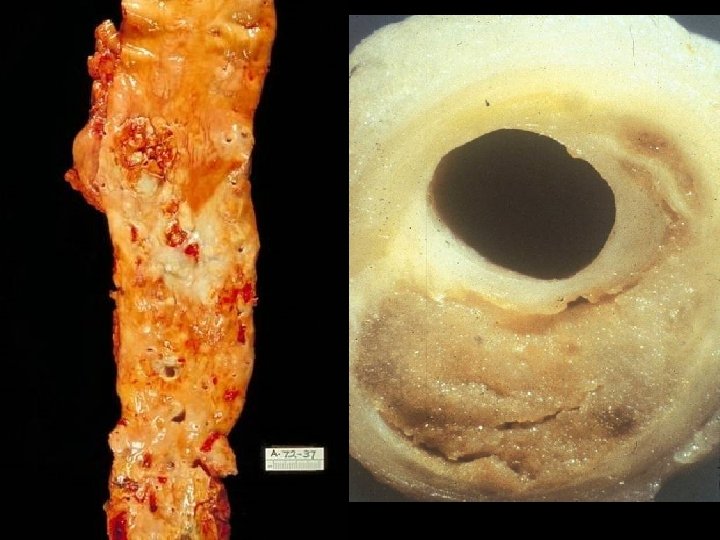
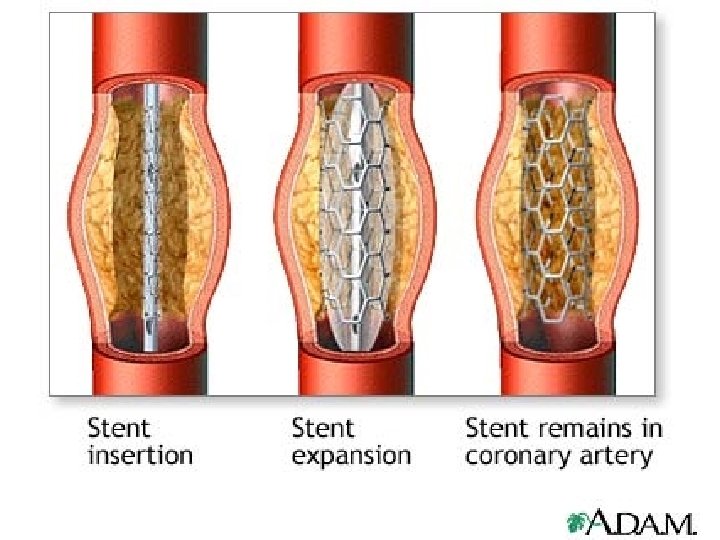
Transport system • Understand the stages in the cardiac cycle • Understand the pressure changes that take place in the ventricles during one contraction • Understand the factors that can contribute towards heart disease and what CHD is
Transport lab • Investigating the effect of exercise on heart rate
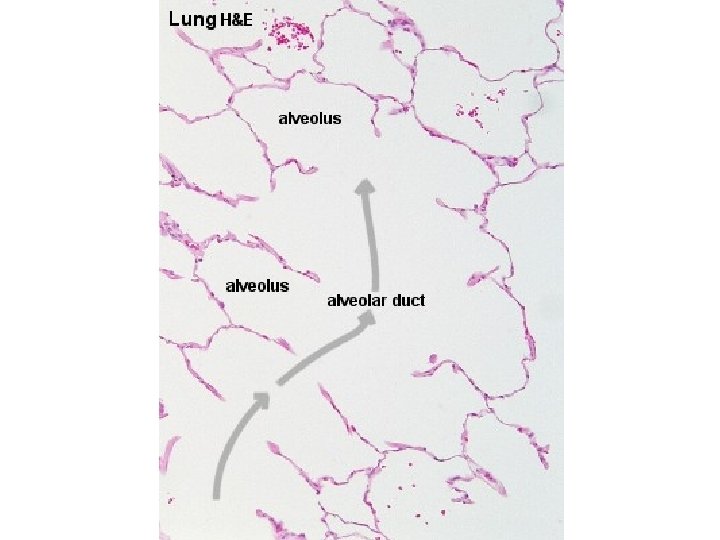
Respiratory system • Know the names and functions of the parts of the lungs • Understand how the lungs are highly adapted for the process of gas exchange
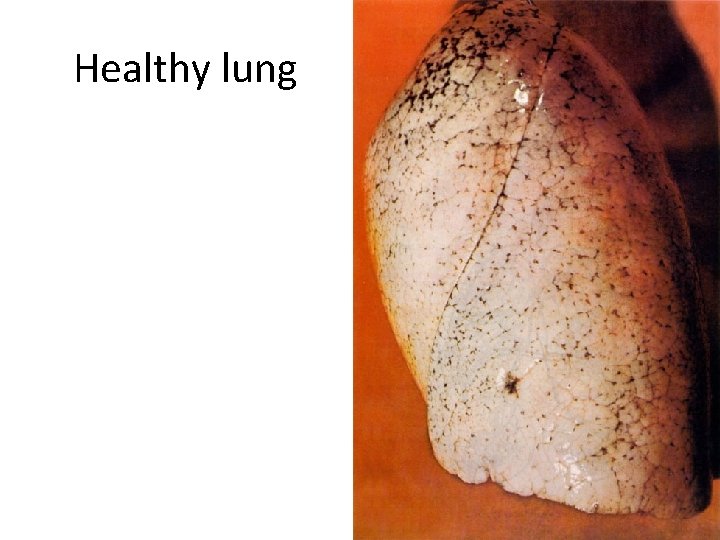
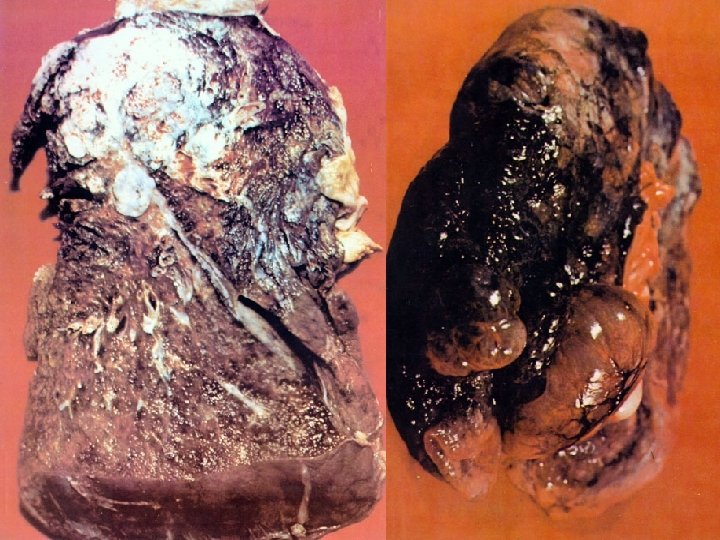
Healthy lung
Ventilation lab • Investigating the correlation between lung volume, body mass and height
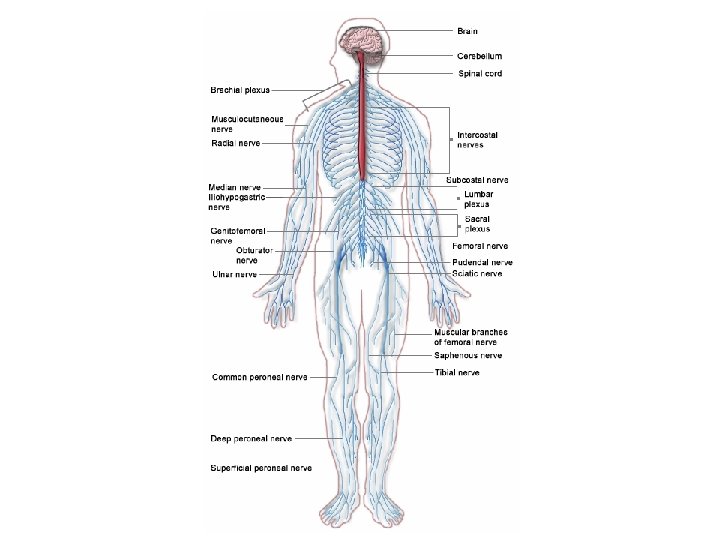
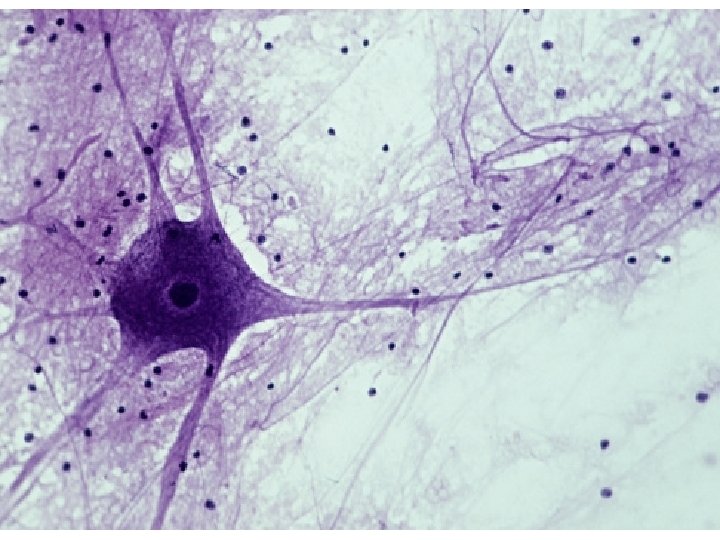
Nervous control • Understand the general layout of the nervous system (CNS & PNS) • Know the names and functions of the parts of a typical neurone (motor neurone) • Understand how a reflex arc works • Outline how a synapse works
Nervous control – the eye • Understand that receptors around our body allow us to detect environmental stimuli • Understand how the eye works as an example of a sensory receptor • Know the names and functions of the parts of the eye
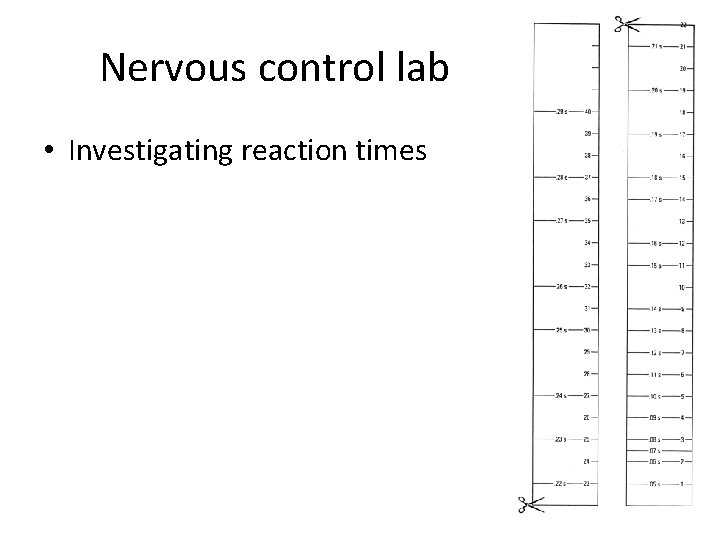
Nervous control lab • Investigating reaction times
Hormonal control • Know the names, locations and functions of some of the main glands in the body • Know the functions of some of the main hormones produced by the body • Outline what hormones are and how they function (e. g insulin / glucagon)
Reproductive system • Know the names and functions of the parts of the male and female reproductive systems • Understand how gametes are specialised for their function
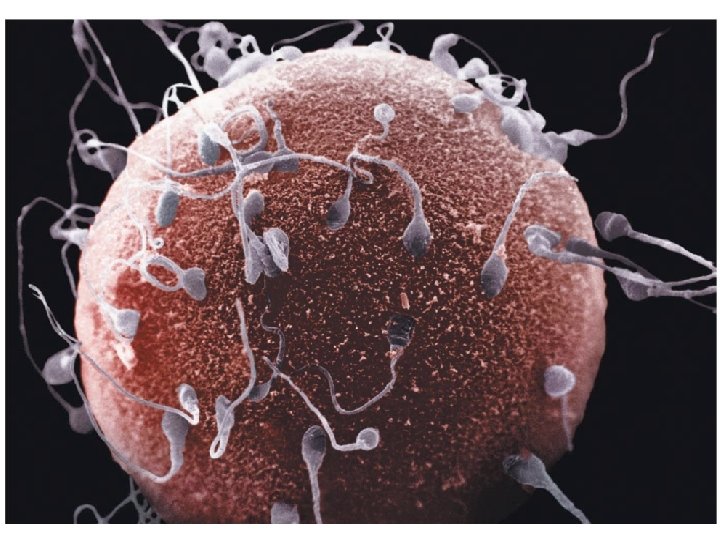
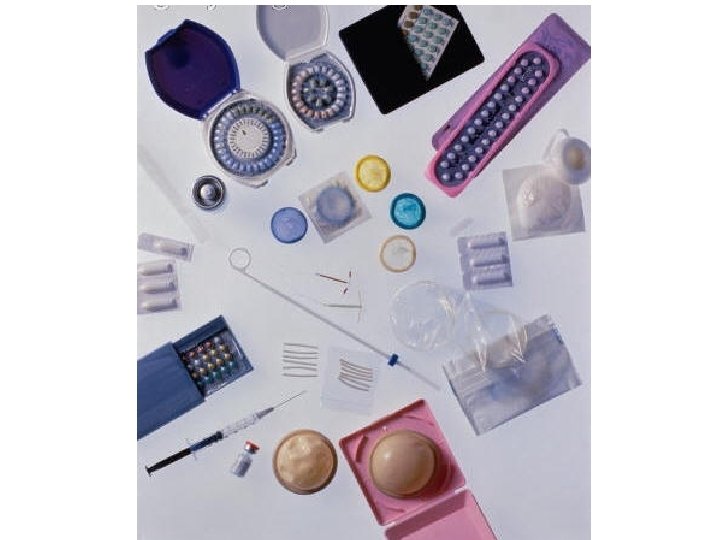
Reproductive system Understand, in outline, how hormones control the female reproductive cycle Know how our knowledge of hormones is used in contraception and IVF treatment
Skeleton and muscles • Know the main functions of bones & the names of some of the main bones in the skeleton • Know the main functions of muscles & a named example of muscles working in an antagonistic pair. • Understand how the elbow joint works.
Skeleton and muscles Investigating muscle fatigue.
The kidney • Know the gross structure of the kidney • Understand the main role of the kidney as a filtering system, and in the control of water in the body • Understand the role of ADH in controlling body water content
The liver Outline the roles of the liver: Produces bile Stores glycogen Stores vitamins (A, D, B 12) Makes proteins Breaks down proteins to urea Makes cholesterol Detoxification Makes coagulation factors Breaks down some hormones (insulin)
- Slides: 35