
BIOLOGY NOTES GENETICS PART 2 PAGES 166 176
BIOLOGY NOTES GENETICS PART 2 PAGES 166 -176
Standards 5. 4 ____ Describe the process of meiosis, including independent assortment and crossing over. Explain how reduction division results in the formation of haploid gametes or spores 5. 5 ____ Compare and contrast mitosis and meiosis and relate them to the processes of sexual and asexual reproduction and their consequences for genetic variation
Essential Question: 1. What are the advantages of sexual reproduction over asexual reproduction?
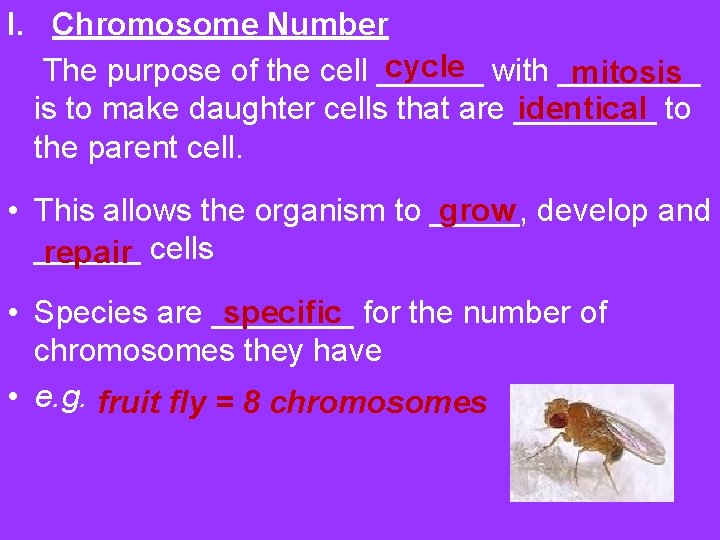
I. Chromosome Number cycle The purpose of the cell ______ with ____ mitosis identical is to make daughter cells that are ____ to the parent cell. grow • This allows the organism to _____, develop and ______ cells repair specific • Species are ____ for the number of chromosomes they have • e. g. fruit fly = 8 chromosomes
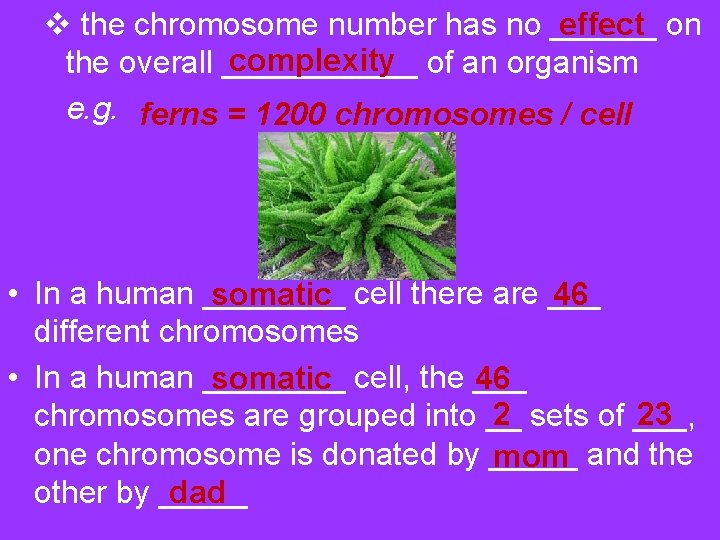
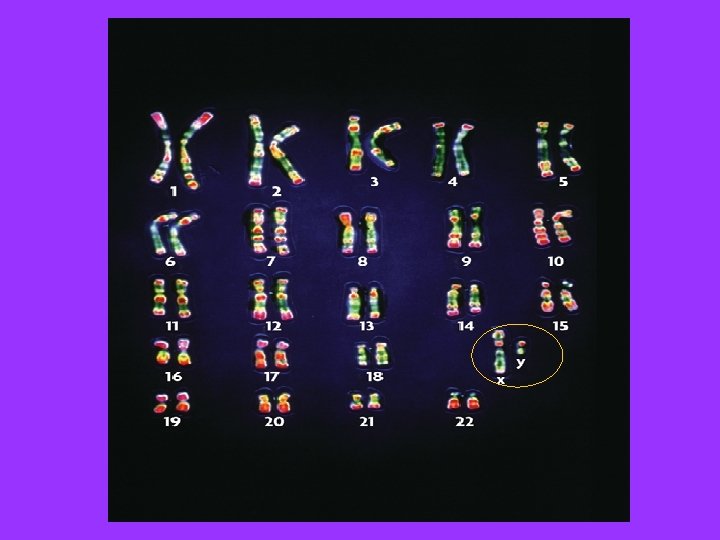
effect v the chromosome number has no ______ on complexity the overall ______ of an organism e. g. ferns = 1200 chromosomes / cell • In a human ____ cell there are ___ somatic 46 different chromosomes • In a human ____ cell, the ___ somatic 46 2 23 chromosomes are grouped into __ sets of ___, one chromosome is donated by _____ and the mom dad other by _____
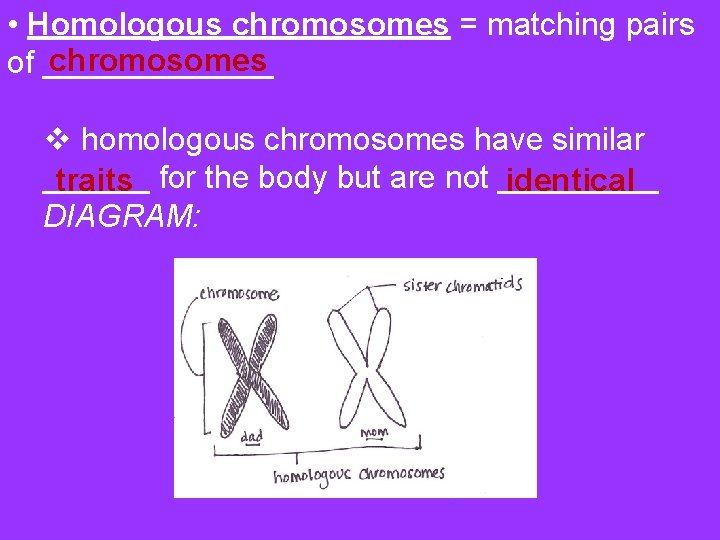
• Homologous chromosomes = matching pairs chromosomes of _______ v homologous chromosomes have similar ______ for the body but are not _____ traits identical DIAGRAM:
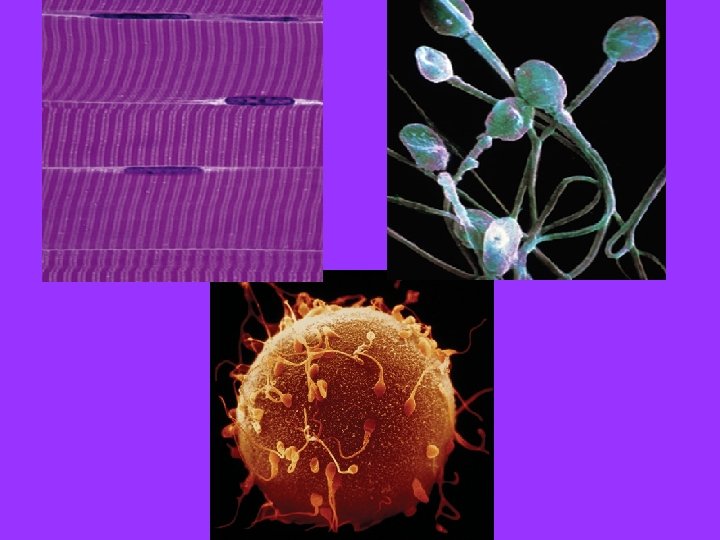
How is it possible for two different parents to form an offspring that has the same amount of chromosomes as they do? A. Sexual reproduction = the process by which chromosomes of __ parents combine to form a 2 individual new _____ • Each parent has to produce _____ that have cells 1/2 only ____ the amount of chromosomes as their _______ cells parent v gametes = special, reproductive cells that house only ___ the number of chromosomes as 1/2 body _____ cells e. g. egg, sperm
v with regard to chromosome number, gametes are haploid described as being ____ while somatic cells are diploid _____ Ø haploid = term used to describe cells with only __ complete set of chromosomes 1 e. g. egg, sperm (gametes) 2 Ø diploid = term used to describe cells with ___ complete sets of chromosomes e. g. body cells (somatic cells)
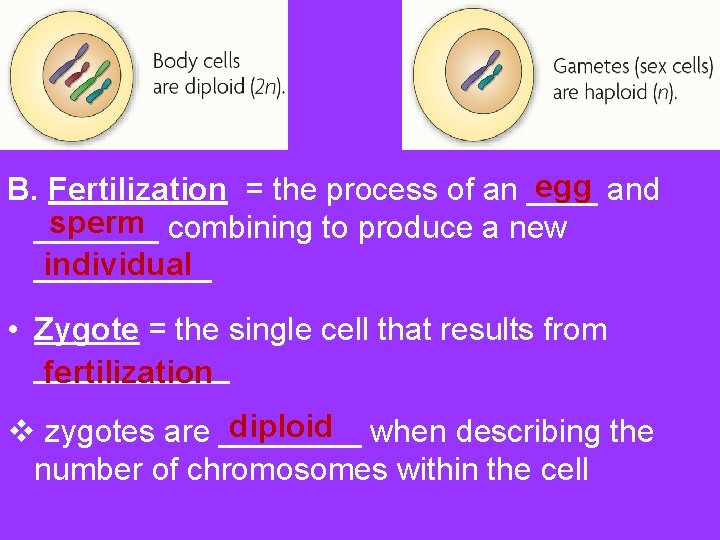
egg B. Fertilization = the process of an ____ and sperm _______ combining to produce a new individual _____ • Zygote = the single cell that results from ______ fertilization diploid v zygotes are ____ when describing the number of chromosomes within the cell
II. The Production of Gametes Since a new cell is being made when an offspring zygote _____ or _______ is formed, the cell mitosis ______ is used only instead of ____ there cycle is a process called ____ meiosis
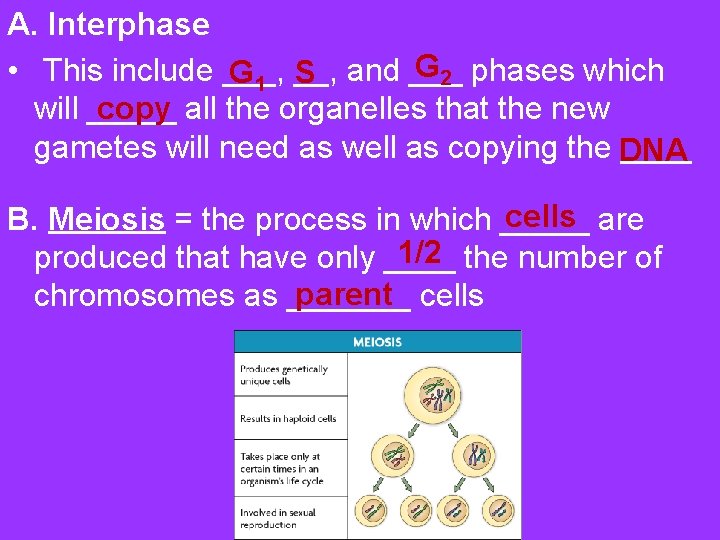
A. Interphase G 2 • This include ___, and ___ phases which G 1 S copy will _____ all the organelles that the new gametes will need as well as copying the ____ DNA cells B. Meiosis = the process in which _____ are 1/2 produced that have only ____ the number of parent chromosomes as _______ cells
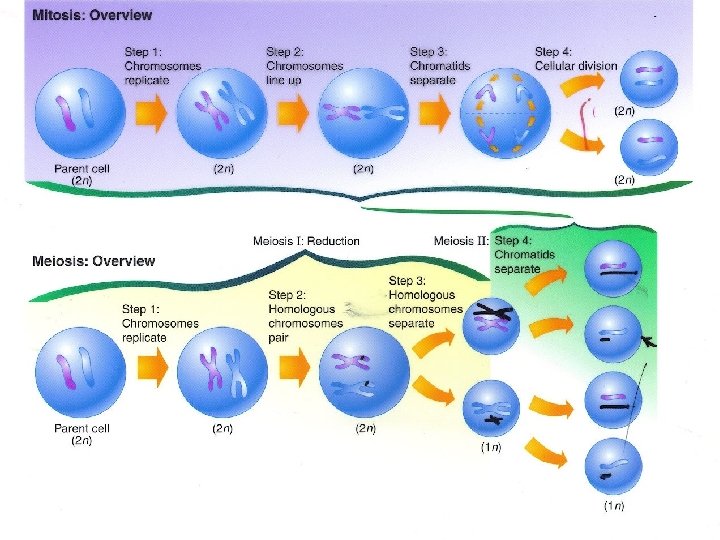
2 • Meiosis involves __ divisions after interphase which can cut the chromosome number by ____ for the daughter cells 1/2 prophase I • Meiosis division 1 includes: _____, metaphase I anaphase I ______, and telophase I ______ prophase II • Meiosis division 2 includes: ______, metaphase II anaphase II ______, and telophase II ______
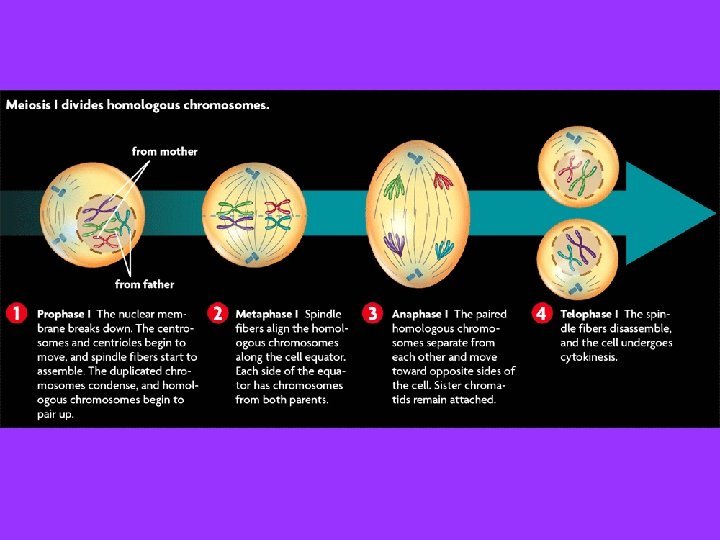
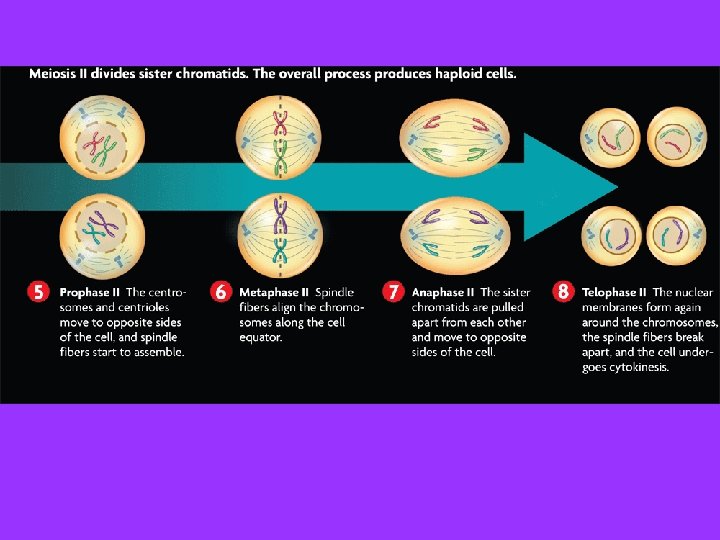
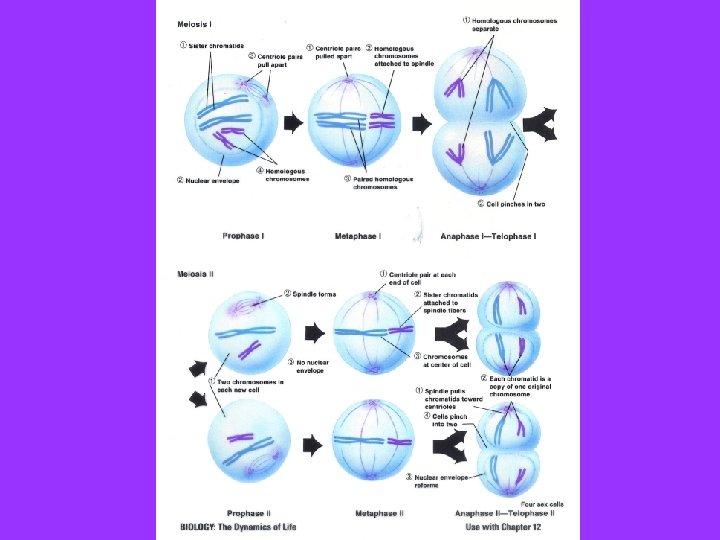
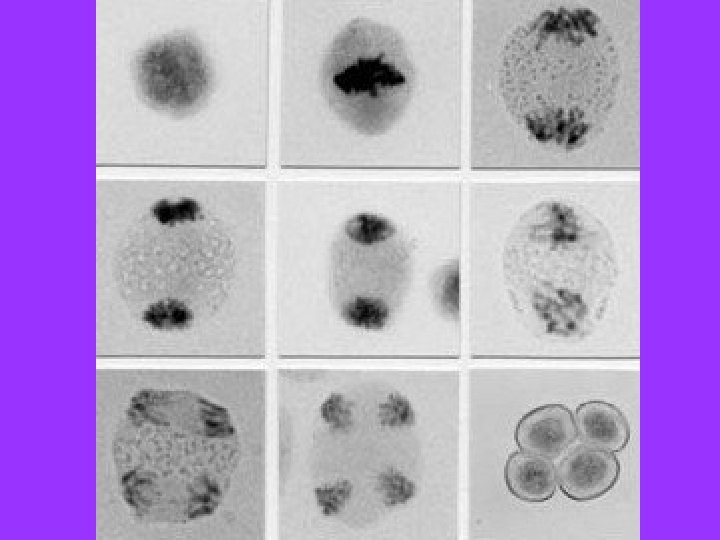
C. Cytokinesis 4 v divides the resulting __ daughter cells each haploid of which is _______ in chromosome number
III. Gamete Formation Even after the cell cycle with ____, the meiosis gametes daughter cells are only ____ NOT fully egg mature ____ or sperm • Gametogenesis = the production of fully gametes mature _____ or sex cells gametes v the process to obtain a fully mature _____ will vary by organism in time and according to sex
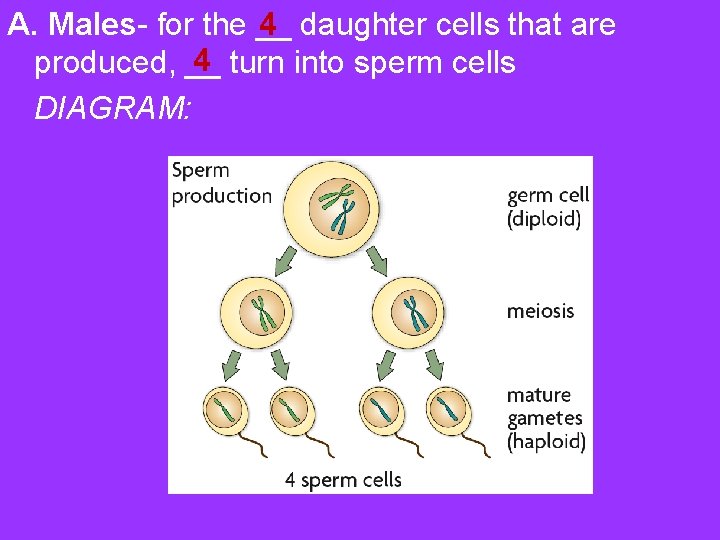
4 A. Males- for the __ daughter cells that are 4 produced, __ turn into sperm cells DIAGRAM:
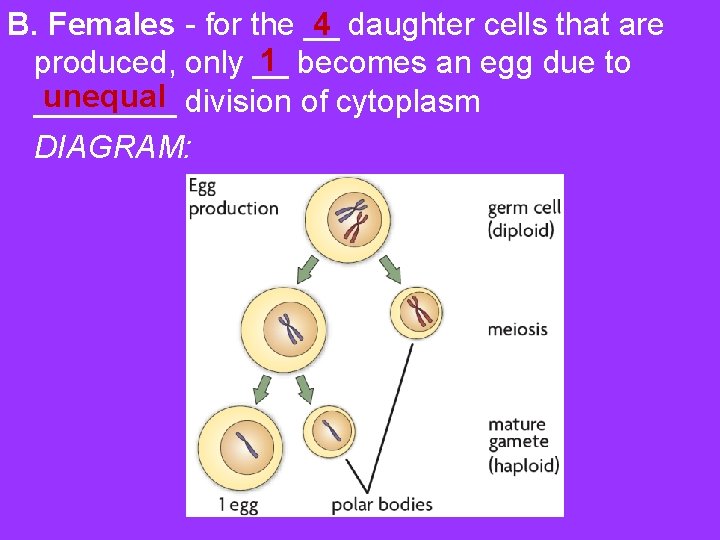
4 B. Females - for the __ daughter cells that are 1 produced, only __ becomes an egg due to unequal ____ division of cytoplasm DIAGRAM:
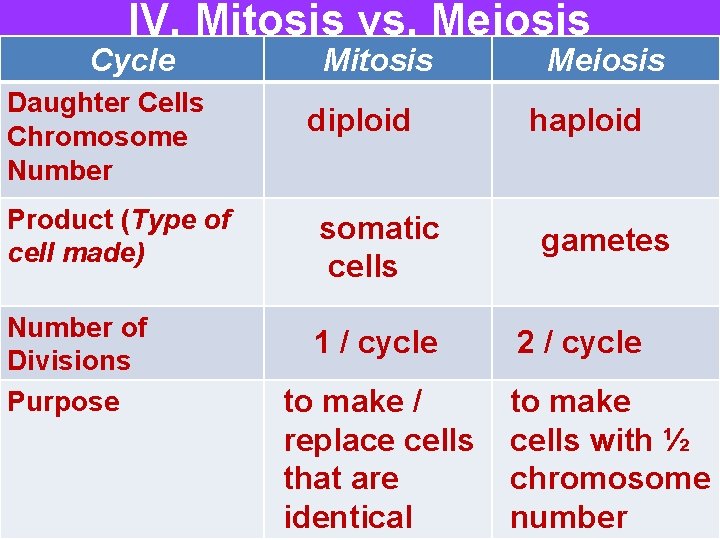
IV. Mitosis vs. Meiosis Cycle Daughter Cells Chromosome Number Mitosis diploid Product (Type of cell made) somatic cells Number of Divisions Purpose 1 / cycle to make / replace cells that are identical Meiosis haploid gametes 2 / cycle to make cells with ½ chromosome number
- Slides: 24