
Biology Inquiry with Invertebrates Charlie Drewes Ecology Evolution
Biology Inquiry with Invertebrates Charlie Drewes Ecology, Evolution & Organismal Biology Iowa State University Ames, IA 50011
“ I hear and I forget, I see and I remember, I do and I understand. ”
► Guided inquiry “BIOLOGY in ACTION” ► Open-ended inquiry ”Stuck-on Artemia” ► Independent Inquiry “Biological Smoke Detectors”

‘BIOLOGY in ACTION’ 31 Interactive & Computational Animations WEB-based and CD (non-proprietary)
INTERDISCIPLINARY AREAS: Biology, Math, Physics TOPICS & FOCAL POINTS: Locomotion Biomechanics Cell Biology Animal Behavior
CURRICULAR UTILITY: adjuncts to hands-on laboratory inquiries with living organisms adjuncts to lecture / discussion (homework or student presentations) focal points for problem-based learning (computation & data analysis)
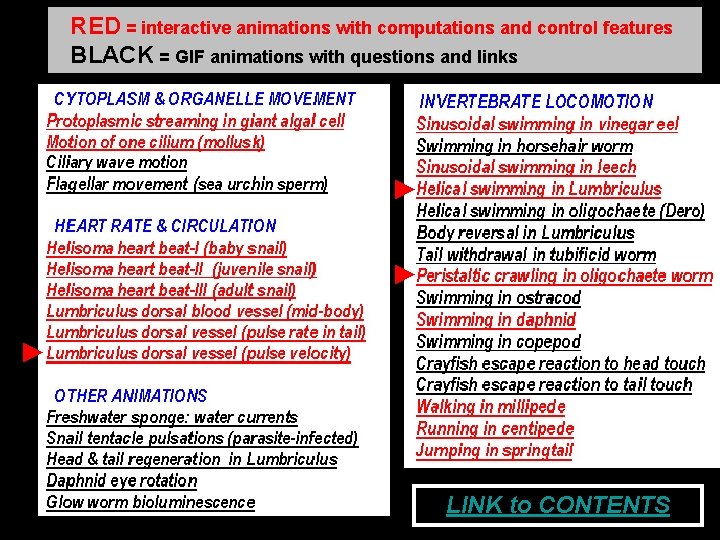
RED = interactive animations with computations and control features BLACK = GIF animations with questions and links ► ► ► LINK to CONTENTS
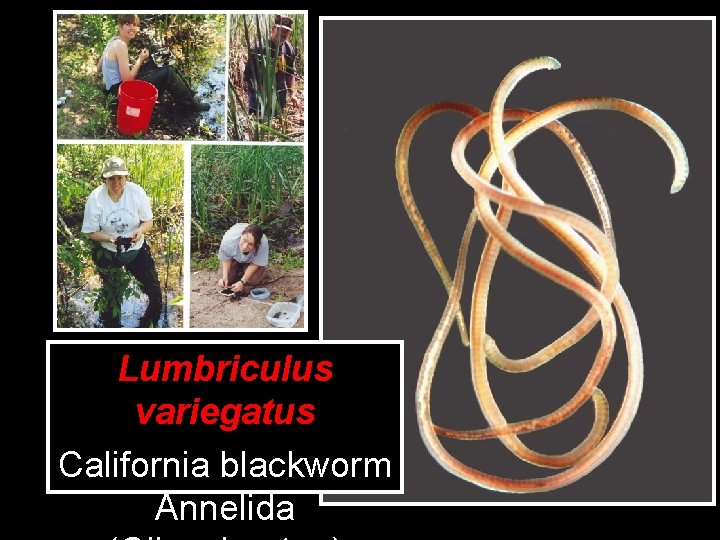
Lumbriculus variegatus California blackworm Annelida
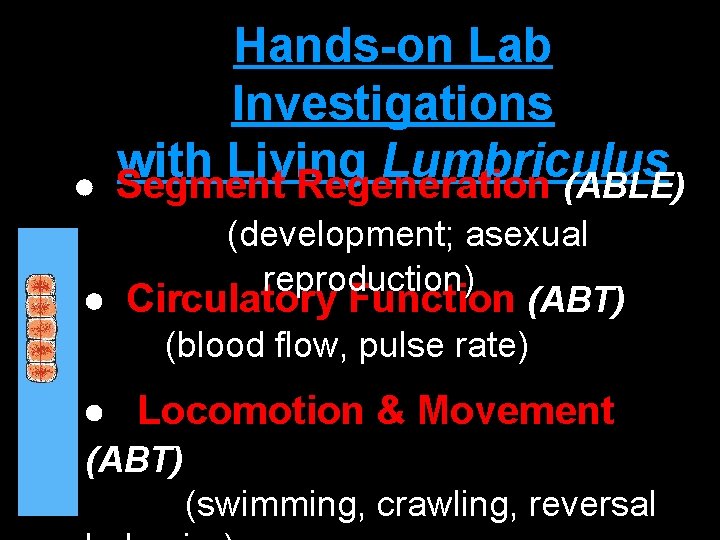
Hands-on Lab Investigations with Living Lumbriculus Segment Regeneration (ABLE) (development; asexual reproduction) Circulatory Function (ABT) (blood flow, pulse rate) Locomotion & Movement (ABT) (swimming, crawling, reversal
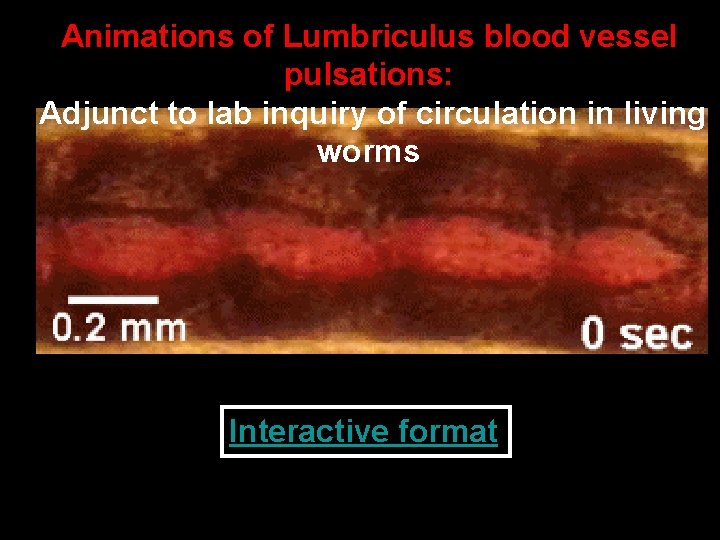
Animations of Lumbriculus blood vessel pulsations: Adjunct to lab inquiry of circulation in living worms Interactive format
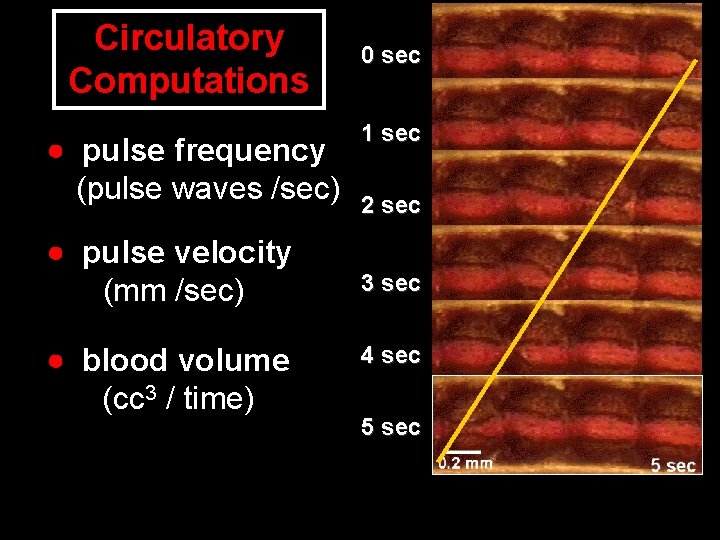
Circulatory Computations pulse frequency (pulse waves /sec) pulse velocity (mm /sec) blood volume (cc 3 / time) 0 sec 1 sec 2 sec 3 sec 4 sec 5 sec
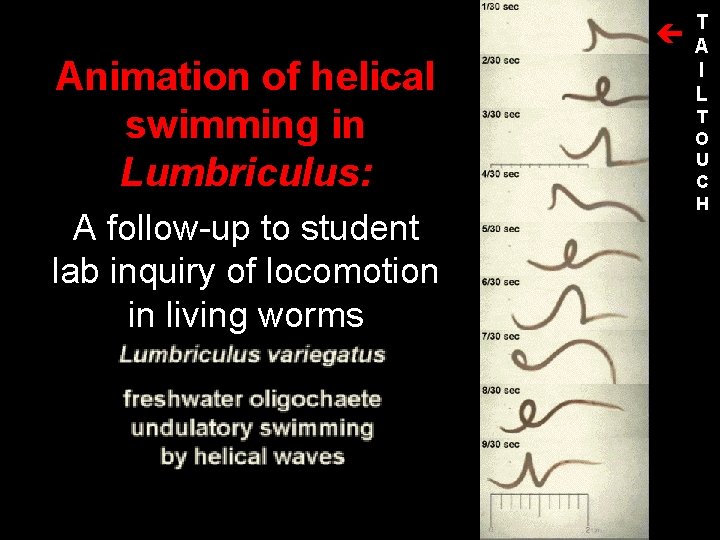
Animation of helical swimming in Lumbriculus: A follow-up to student lab inquiry of locomotion in living worms T A I L T O U C H
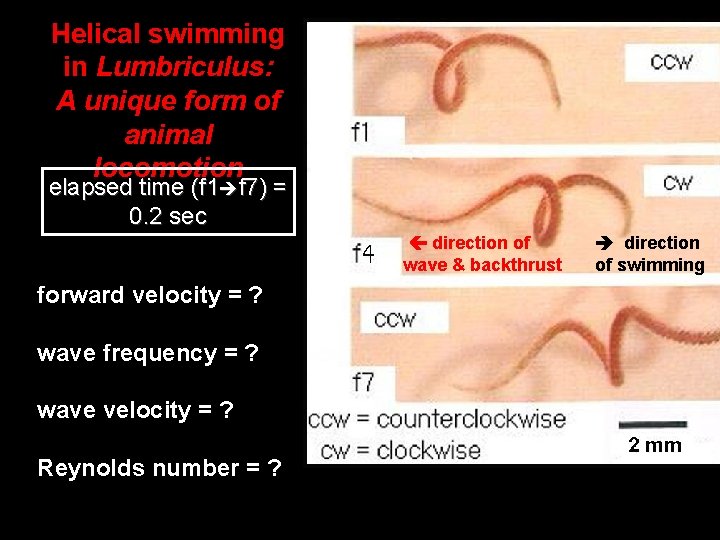
Helical swimming in Lumbriculus: A unique form of animal locomotion elapsed time (f 1 f 7) = 0. 2 sec direction of wave & backthrust forward velocity = ? wave frequency = ? wave velocity = ? Reynolds number = ? direction of swimming
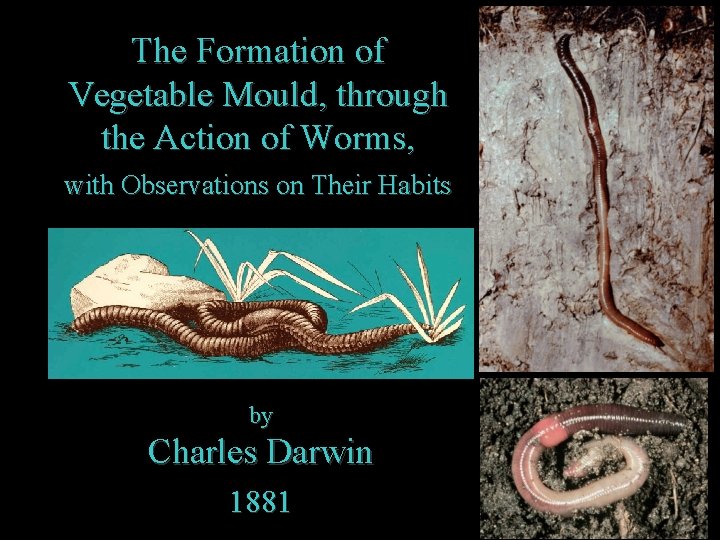
The Formation of Vegetable Mould, through the Action of Worms, with Observations on Their Habits by Charles Darwin 1881
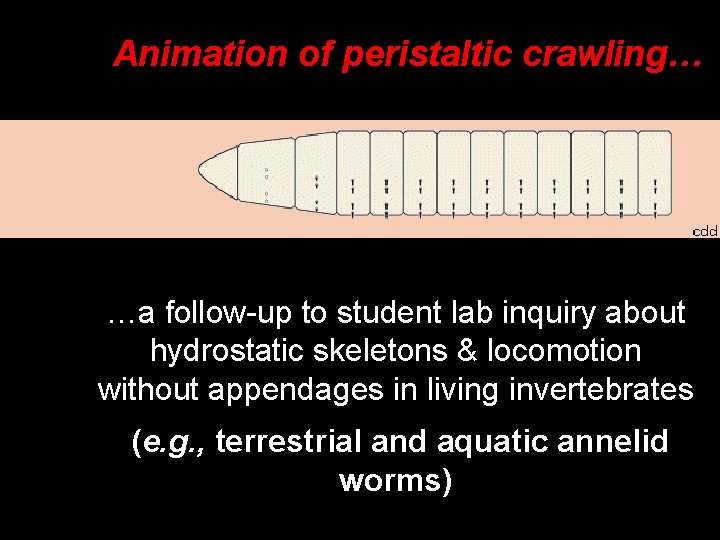
Animation of peristaltic crawling… …a follow-up to student lab inquiry about hydrostatic skeletons & locomotion without appendages in living invertebrates (e. g. , terrestrial and aquatic annelid worms)
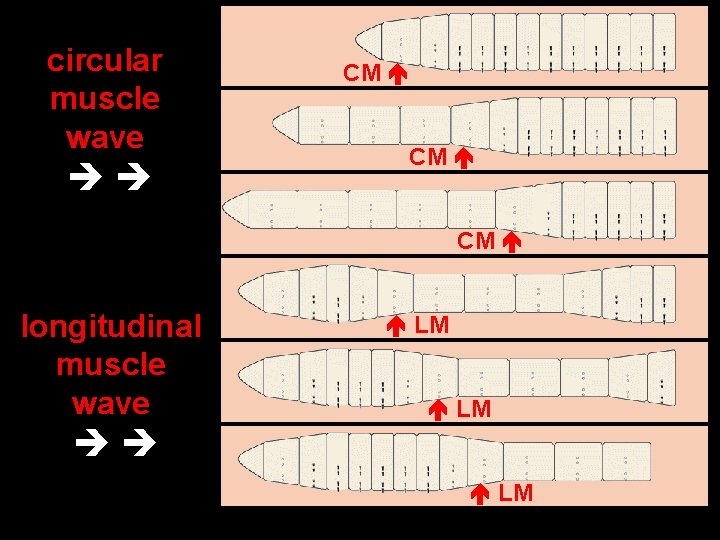
circular muscle wave CM CM longitudinal muscle wave LM LM
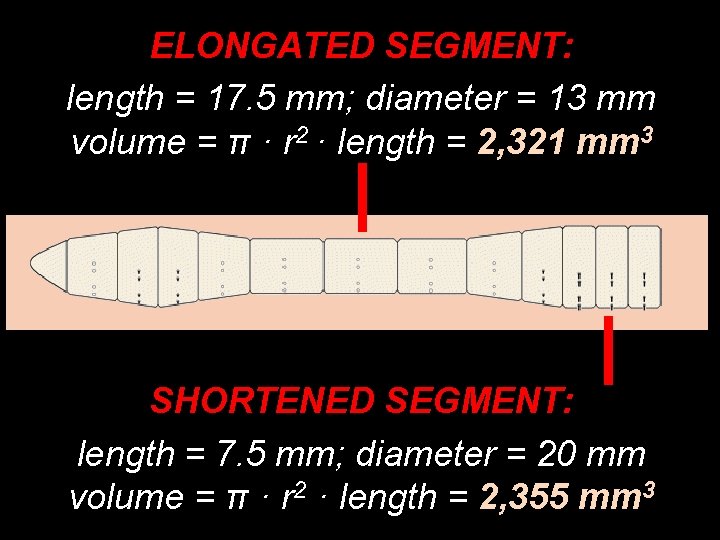
ELONGATED SEGMENT: length = 17. 5 mm; diameter = 13 mm volume = π · r 2 · length = 2, 321 mm 3 I I SHORTENED SEGMENT: length = 7. 5 mm; diameter = 20 mm volume = π · r 2 · length = 2, 355 mm 3
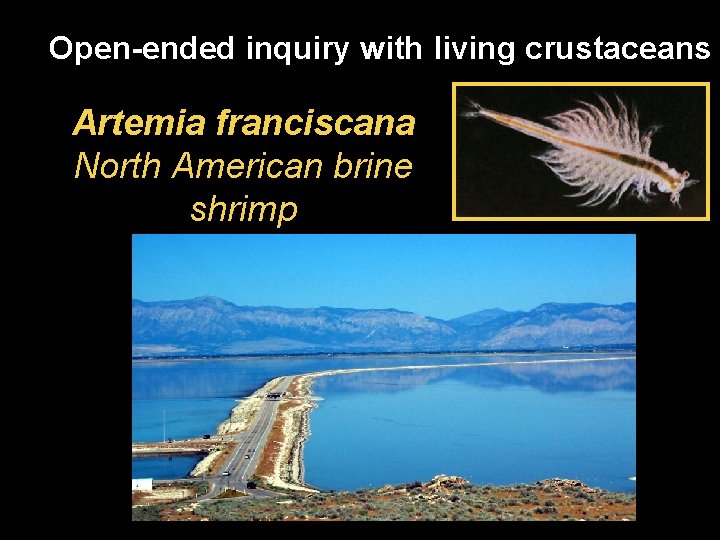
Open-ended inquiry with living crustaceans Artemia franciscana North American brine shrimp
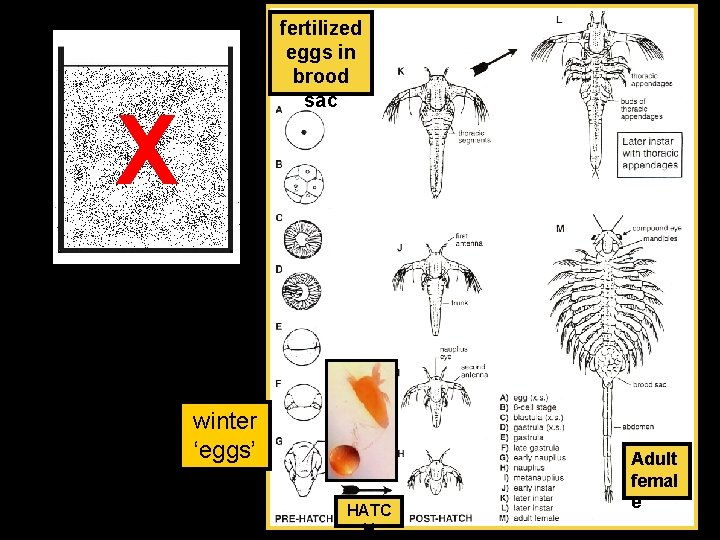
Artemia X fertilized eggs in brood sac life cycle winter ‘eggs’ HATC H Adult femal e
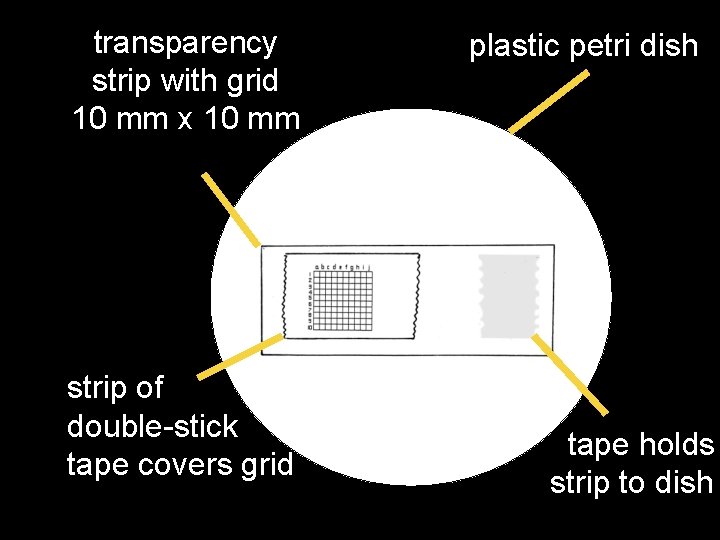
transparency strip with grid 10 mm x 10 mm strip of double-stick tape covers grid plastic petri dish tape holds strip to dish
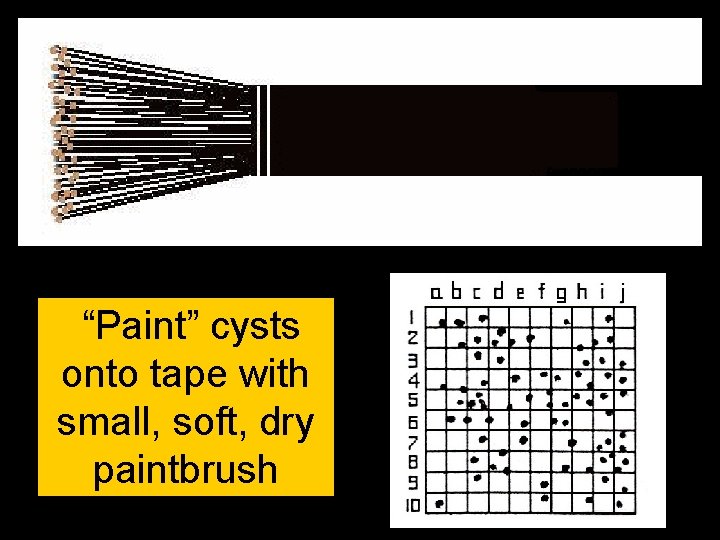
“Paint” cysts onto tape with small, soft, dry paintbrush
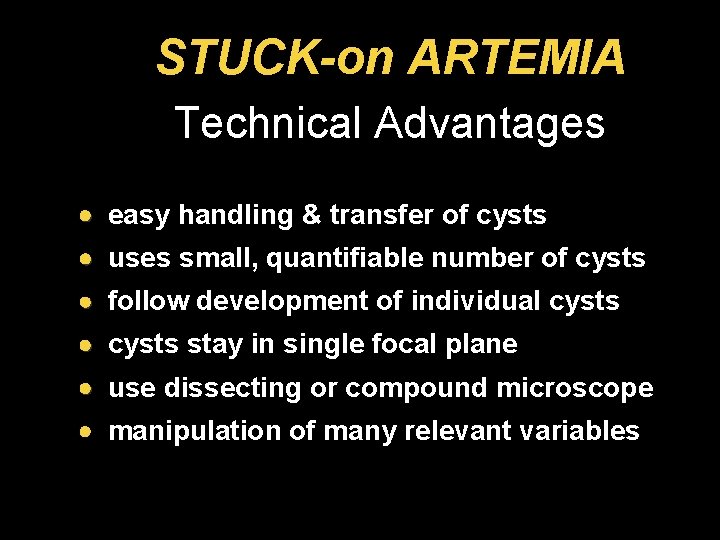
STUCK-on ARTEMIA Technical Advantages easy handling & transfer of cysts uses small, quantifiable number of cysts follow development of individual cysts stay in single focal plane use dissecting or compound microscope manipulation of many relevant variables
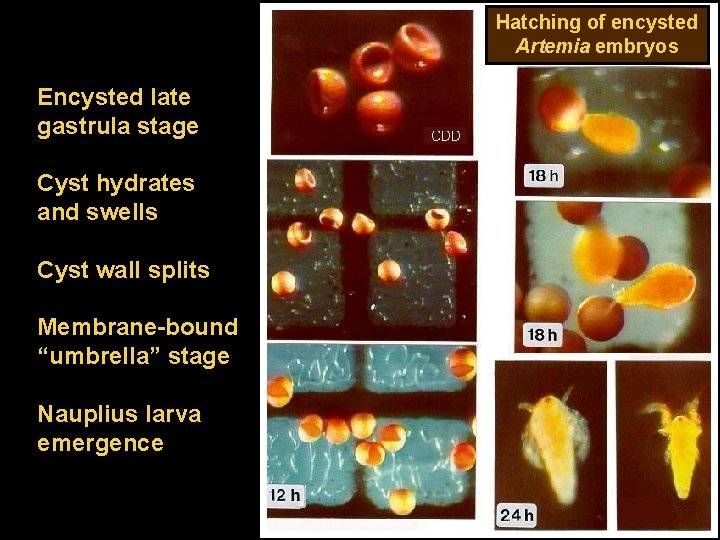
Hatching of encysted Artemia embryos Encysted late gastrula stage Cyst hydrates and swells Cyst wall splits Membrane-bound “umbrella” stage Nauplius larva emergence
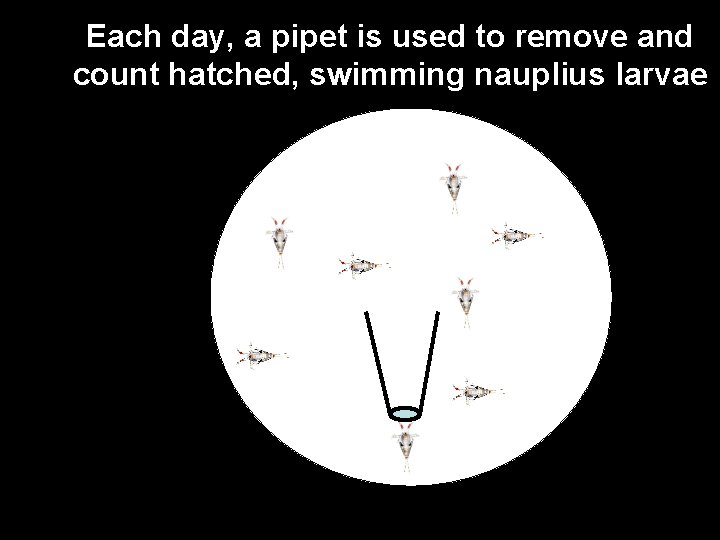
Each day, a pipet is used to remove and count hatched, swimming nauplius larvae
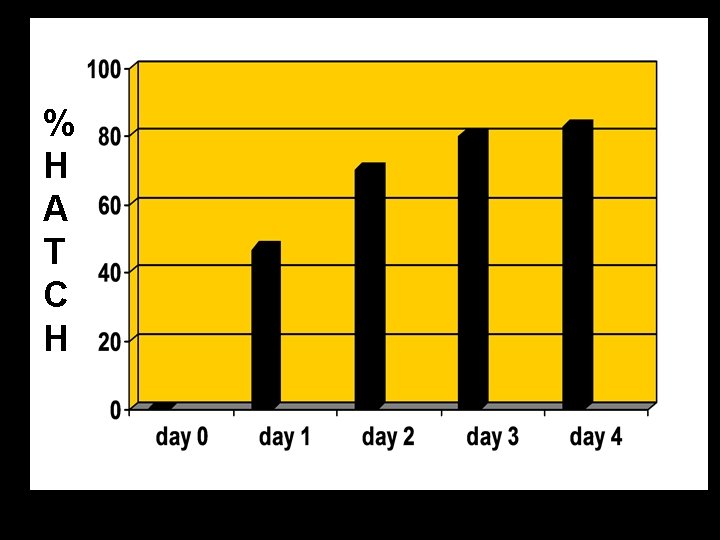
% H A T C H
Experimental variables PHYSICAL & CHEMICAL ENVIRONMENT Temperature (heating, cooling, freezing) Sun light (UV) Microwave irradiation Salinity (hypo- & hyperosmotic) Repeated hydration Dissolved oxygen Toxicants (pollutants, pharmacological agents) Measurements & End-points Hatching % Hatching time-course Developmental anomalies Larval motility Molting & growth
Independent inquiry
CONCEPTS & PRACTICAL IDEAS cookbook) (non- 1) Invertebrates as toxicity test organisms 2) Selection of test chemical(s) 3) Exposure / treatment protocols 4) End-points (lethal versus sublethal effects) 5) Concentration range-finding (preliminary expts) 6) Final testing and analysis
Invertebrates are more than… …creepy, crawly novelties …taxonomic survey material …anatomy & dissection material
Use of living invertebrates for biology lab inquiries… … engages & enlivens interest … makes biology more than a ‘spectator sport’ … promotes analytical thinking
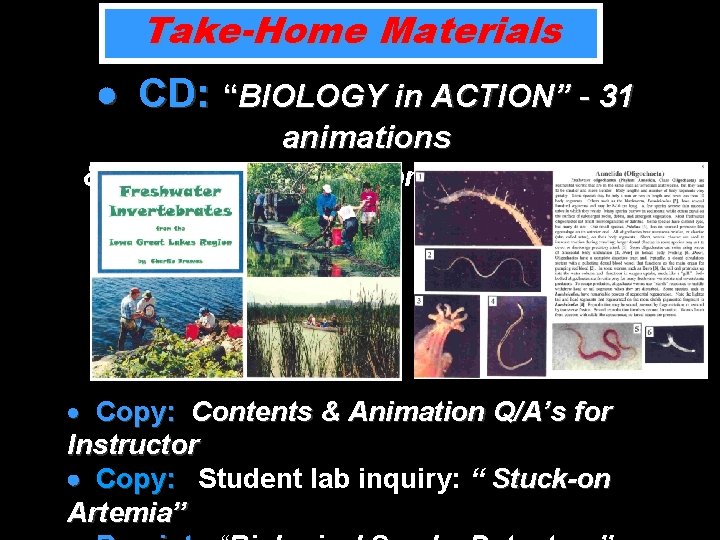
Take-Home Materials CD: “BIOLOGY in ACTION” - 31 animations & “Freshwater Invertebrates” - Power. Pt file · Copy: Contents & Animation Q/A’s for Instructor Copy: Student lab inquiry: “ Stuck-on Artemia”
- Slides: 31