
Biology Characteristics of Life 1 1 Biology the
Biology & Characteristics of Life 1. 1
• Biology = the study of life • Organism = any individual living thing
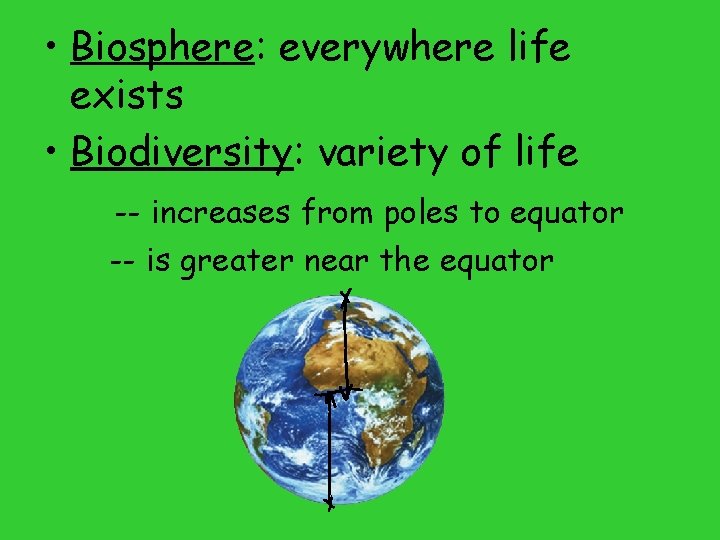
• Biosphere: everywhere life exists • Biodiversity: variety of life -- increases from poles to equator -- is greater near the equator
• What is a species? Group of organisms that can interbreed and produce fertile offspring ** It is possible, in some cases, to breed different species of organisms and produce offspring, but the offspring may be infertile.
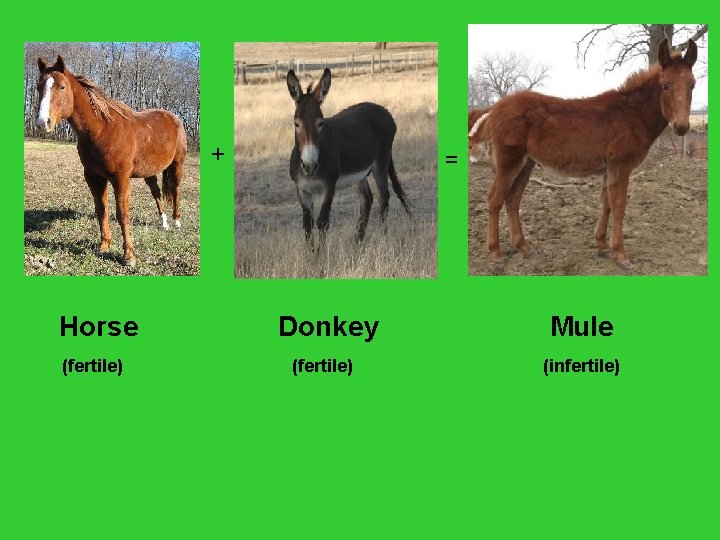
+ Horse (fertile) = Donkey (fertile) Mule (infertile)
Characteristics of Living Things: 1) All living things are made of small units called cells § Organisms may be: - Unicellular—made of only one cell - Multicellular—made of many cells
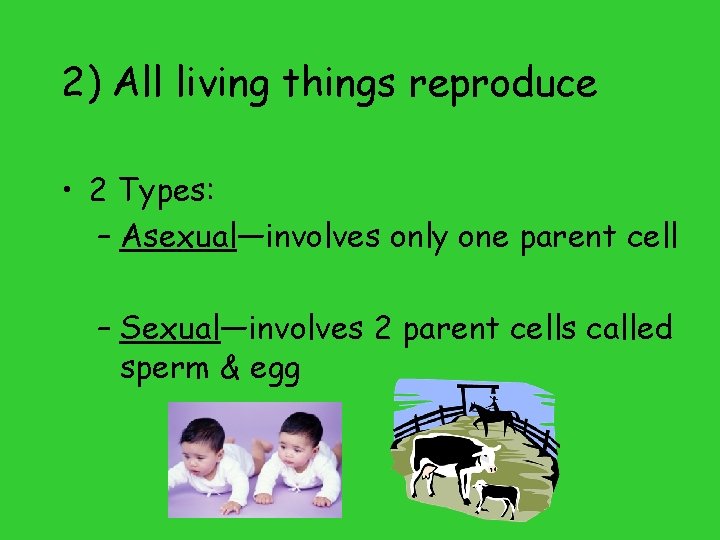
2) All living things reproduce • 2 Types: – Asexual—involves only one parent cell – Sexual—involves 2 parent cells called sperm & egg
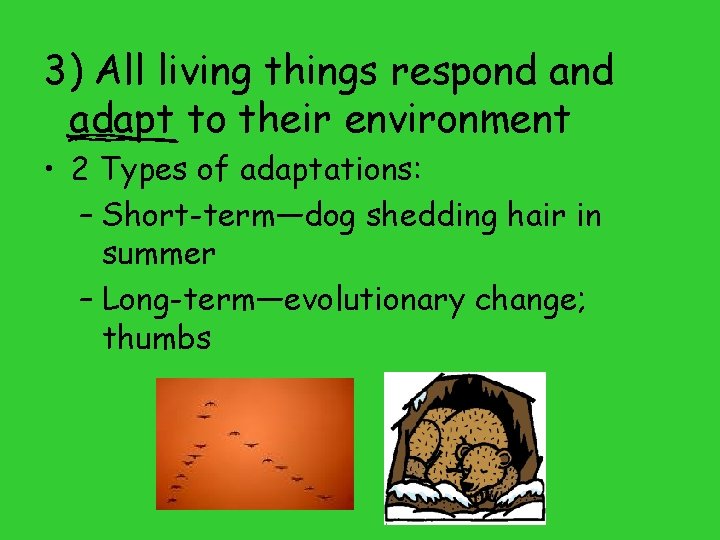
3) All living things respond adapt to their environment • 2 Types of adaptations: – Short-term—dog shedding hair in summer – Long-term—evolutionary change; thumbs
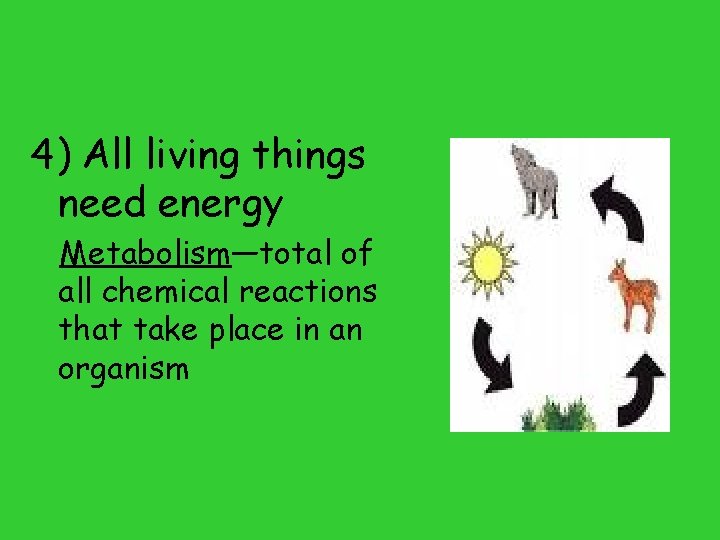
4) All living things need energy Metabolism—total of all chemical reactions that take place in an organism
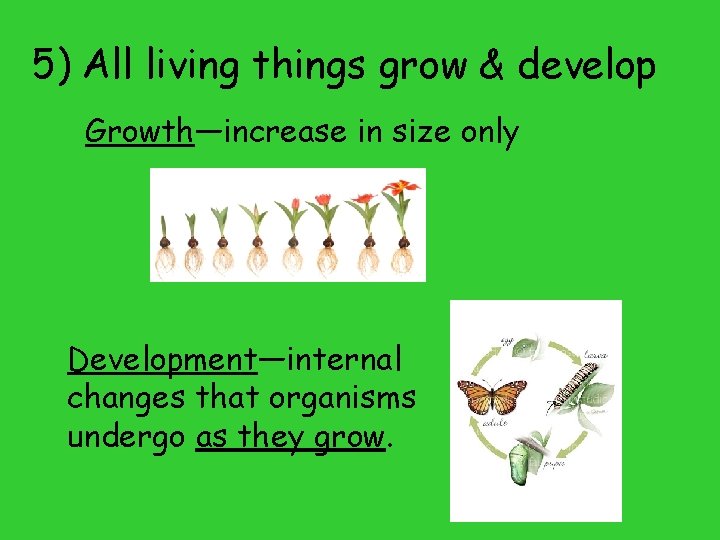
5) All living things grow & develop Growth—increase in size only Development—internal changes that organisms undergo as they grow.
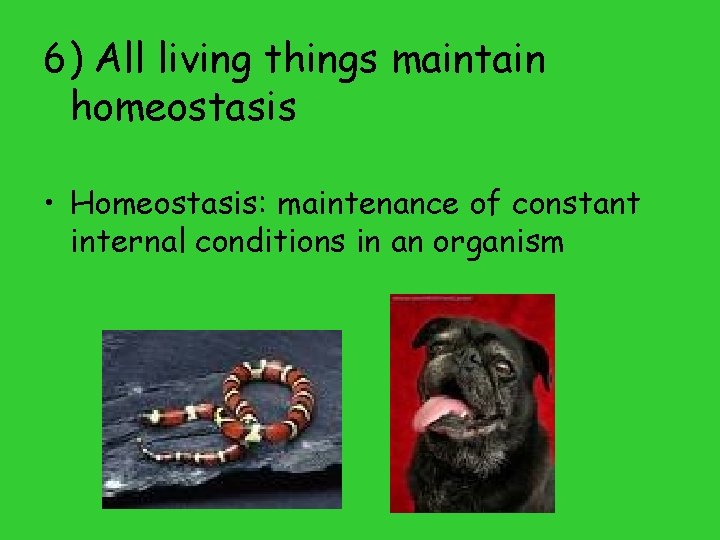
6) All living things maintain homeostasis • Homeostasis: maintenance of constant internal conditions in an organism
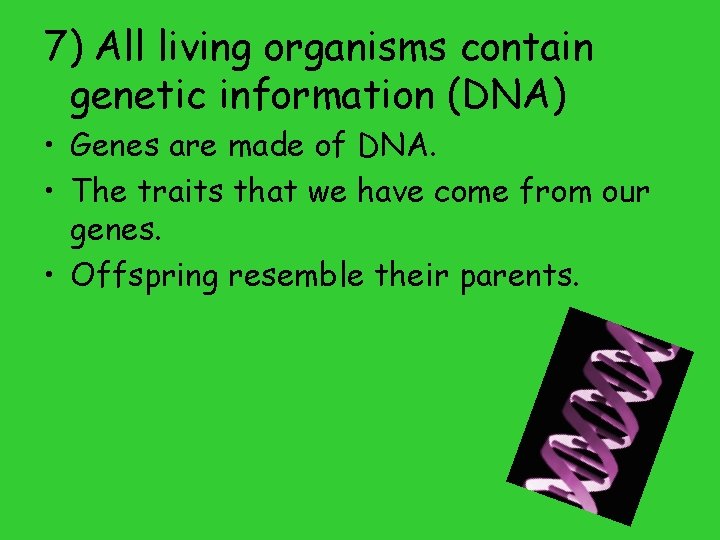
7) All living organisms contain genetic information (DNA) • Genes are made of DNA. • The traits that we have come from our genes. • Offspring resemble their parents.
Review: Can you list the 7 characteristics that all living things have in common?
Unifying Themes in Biology 1. 2
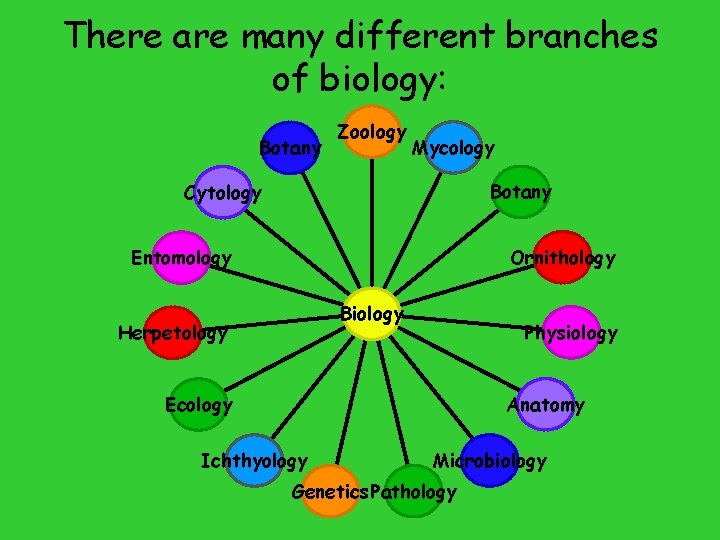
There are many different branches of biology: Botany Zoology Mycology Botany Cytology Ornithology Entomology Biology Herpetology Physiology Anatomy Ecology Ichthyology Microbiology Genetics. Pathology
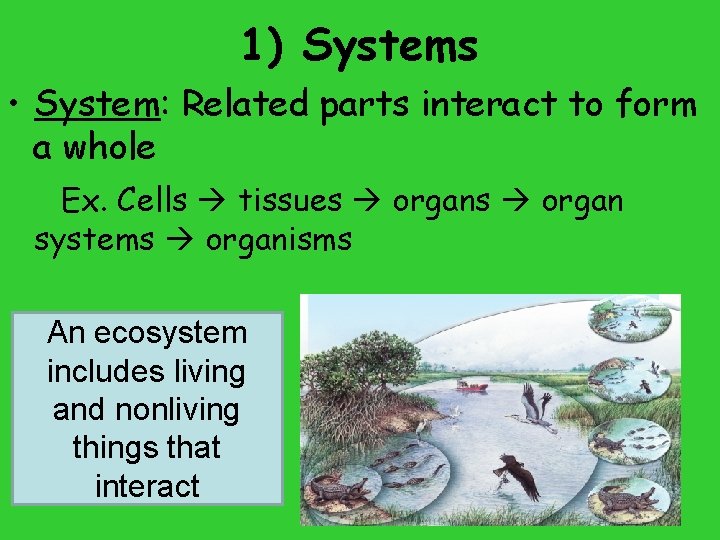
1) Systems • System: Related parts interact to form a whole Ex. Cells tissues organ systems organisms An ecosystem includes living and nonliving things that interact
2) Structure & Function • Function is related to and dependent upon structure. Examples: ~ cell structure- red blood cells are small enough to fit through blood vessels ~ anatomical structure- feet designed for walking
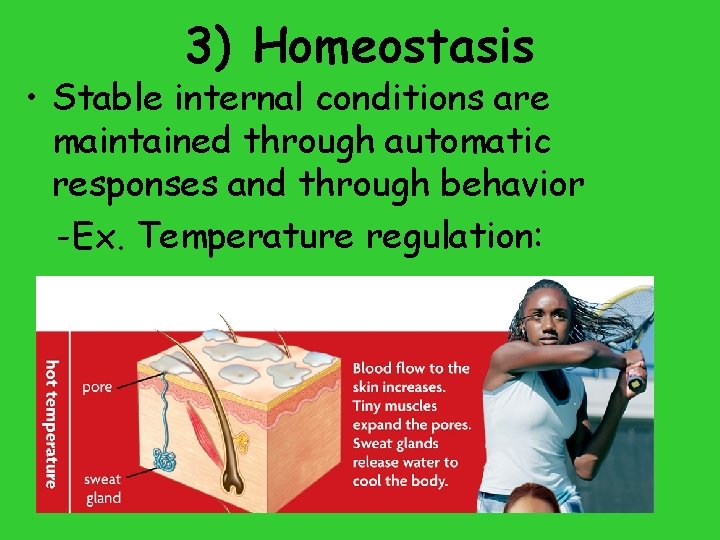
3) Homeostasis • Stable internal conditions are maintained through automatic responses and through behavior -Ex. Temperature regulation:
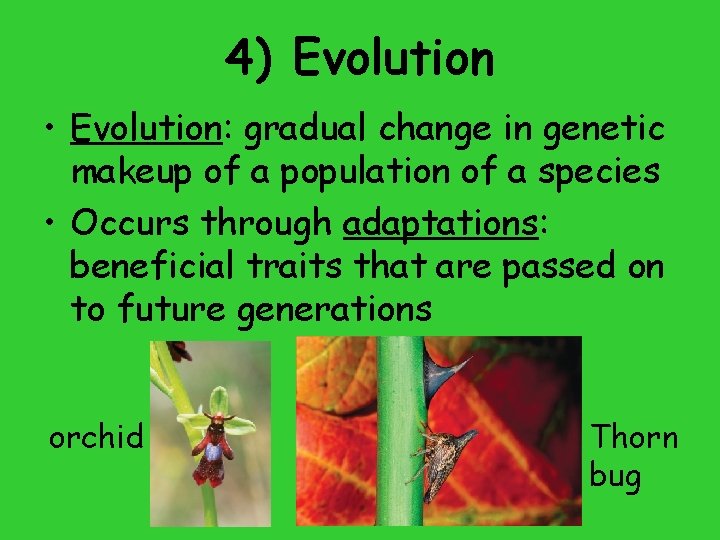
4) Evolution • Evolution: gradual change in genetic makeup of a population of a species • Occurs through adaptations: beneficial traits that are passed on to future generations orchid Thorn bug
- Slides: 19