
BIOLOGY Bell ringer Pearson realize interactivity scientific methodology
BIOLOGY
Bell ringer Pearson realize – interactivity: scientific methodology (if technology is available) Continue on the same bell ringer page in your notebooks Put today’s date and bell ringer # 3: 1. How do you know something is alive?
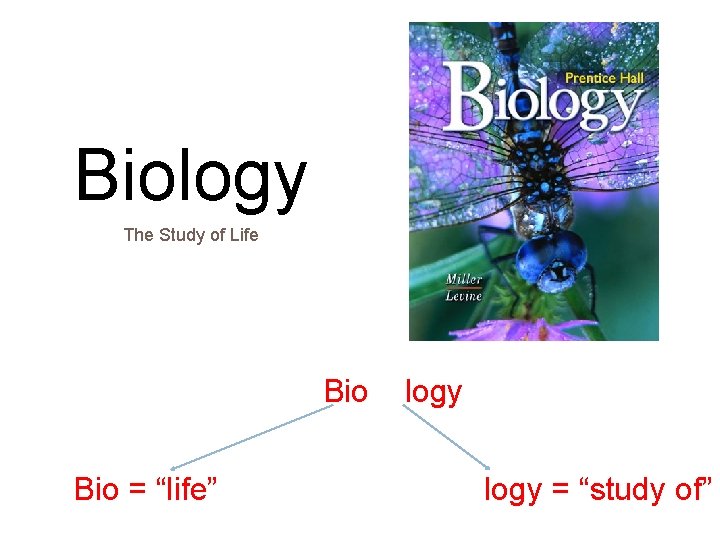
Biology The Study of Life Bio = “life” logy = “study of”
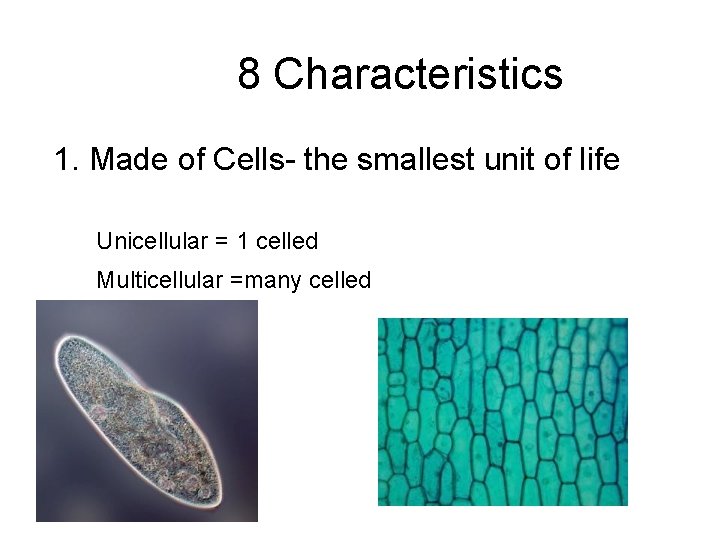
8 Characteristics 1. Made of Cells- the smallest unit of life Unicellular = 1 celled Multicellular =many celled

2. Ability to Reproduce Sexual = DNA from 2 different parents Asexual = single parent (cloning, budding)
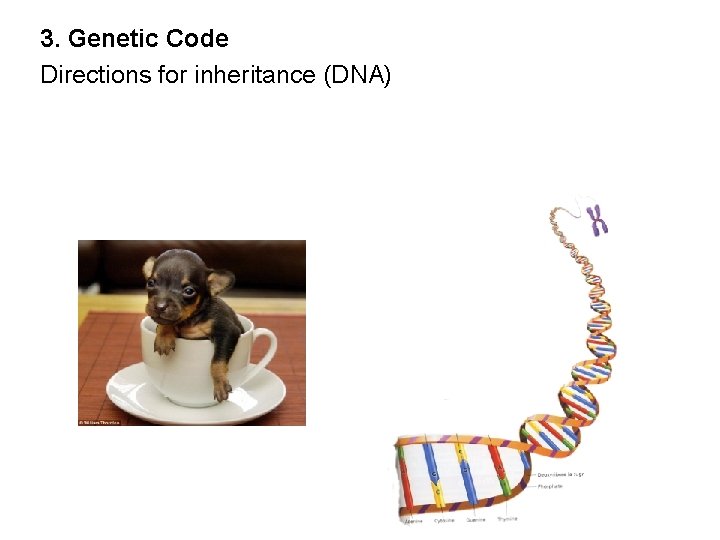
3. Genetic Code Directions for inheritance (DNA)

4. Growth and Development Growth = getting larger Development = changing shape and structure Differentiation = cells look different and perform different functions
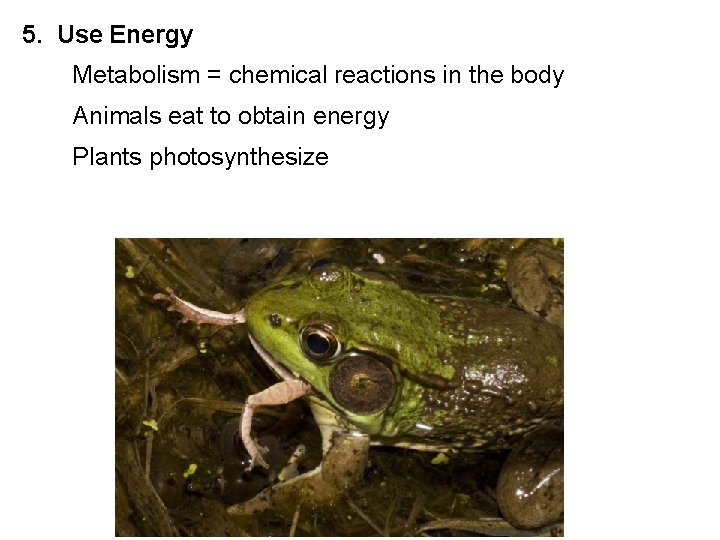
5. Use Energy Metabolism = chemical reactions in the body Animals eat to obtain energy Plants photosynthesize
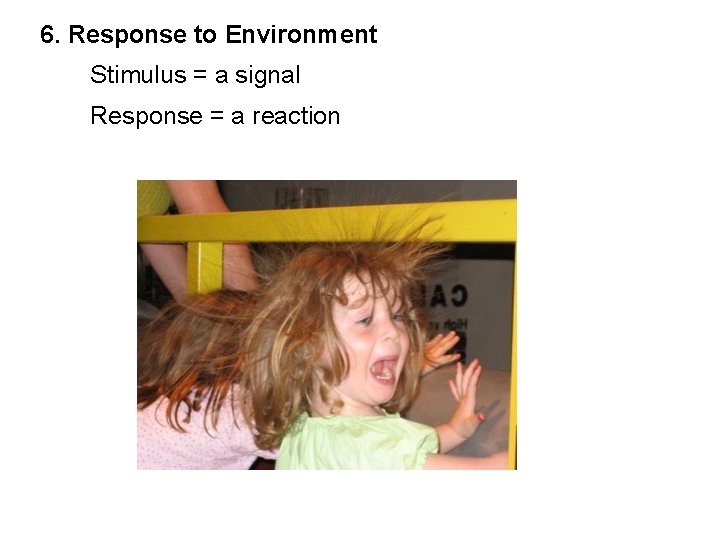
6. Response to Environment Stimulus = a signal Response = a reaction
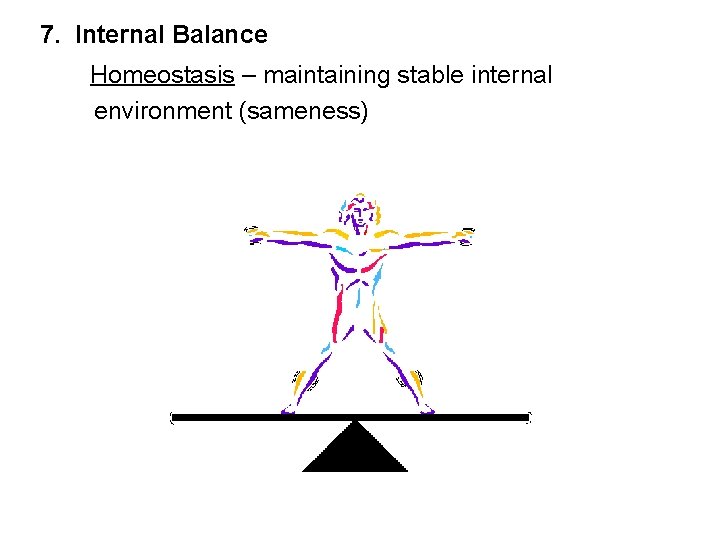
7. Internal Balance Homeostasis – maintaining stable internal environment (sameness)
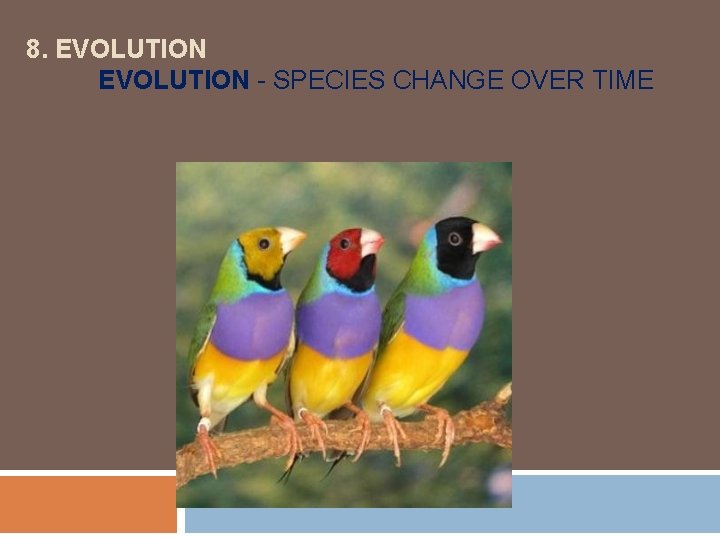
8. EVOLUTION - SPECIES CHANGE OVER TIME
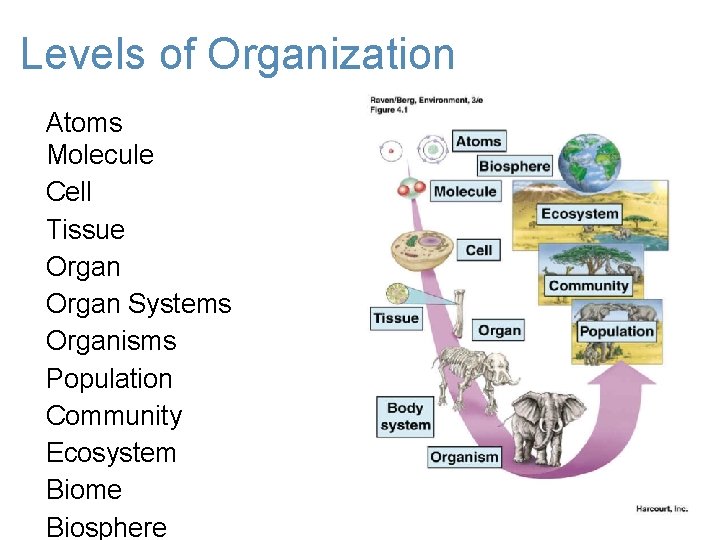
Levels of Organization Atoms Molecule Cell Tissue Organ Systems Organisms Population Community Ecosystem Biome Biosphere
Crosscutting Concepts (central themes) in Biology Cause and Effect: Mechanism and Explanation Systems and System Models Stability and Change Patterns Scale, Proportion, and Quantity Energy and Matter: Flows, Cycles, and Conservation Structure and Function
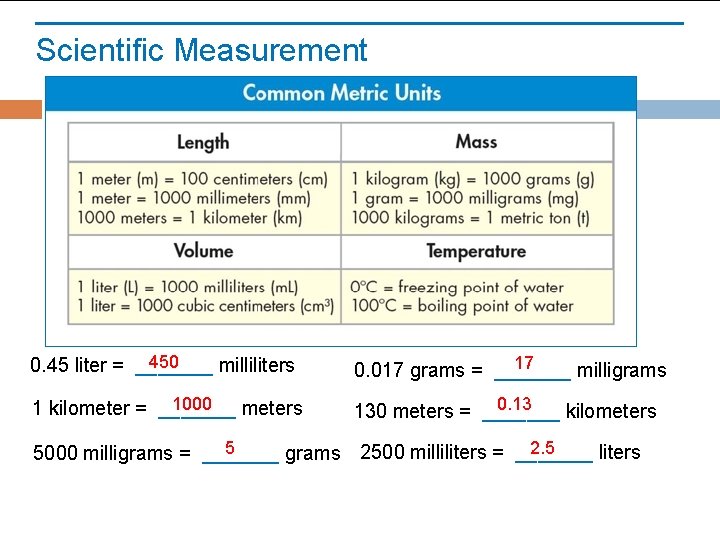
Scientific Measurement 450 0. 45 liter = _______ milliliters 17 0. 017 grams = _______ milligrams 1000 1 kilometer = _______ meters 0. 13 130 meters = _______ kilometers 2. 5 5 liters 5000 milligrams = _______ grams 2500 milliliters = _______
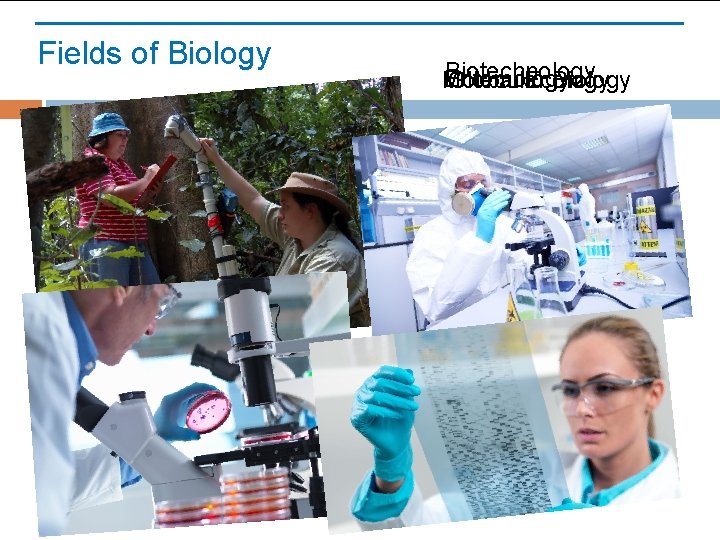
Fields of Biology Biotechnology Entomology Global Ecology Molecular Biology
Major Branches of Biology Zoology – Study of animals Ecology – how animals interact with each other and their environment Ethology – animal behavior Botany – plants Cytology – cells Genetics - heredity Paleontology – ancient life
- Slides: 16