
Biology 1 Review Hierarchy of life Atom molecule
Biology 1 Review
Hierarchy of life! • Atom molecule Organelle Cell tissue organ system organism population community ecosystem biome biosphere
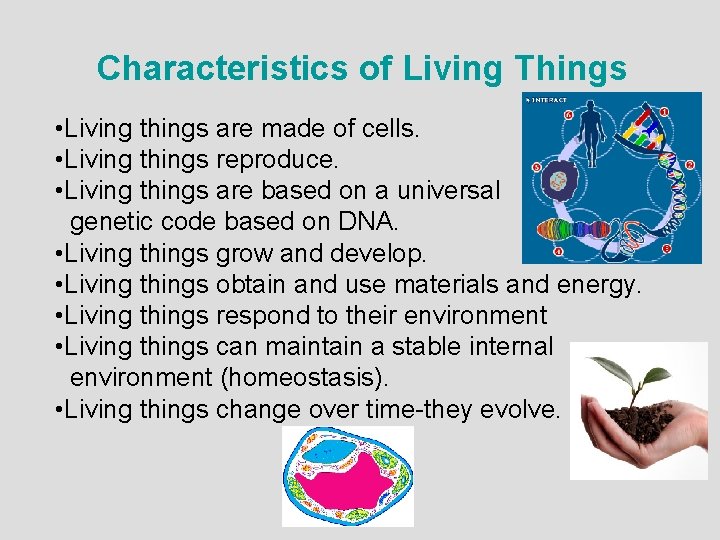
Characteristics of Living Things • Living things are made of cells. • Living things reproduce. • Living things are based on a universal genetic code based on DNA. • Living things grow and develop. • Living things obtain and use materials and energy. • Living things respond to their environment • Living things can maintain a stable internal environment (homeostasis). • Living things change over time-they evolve.
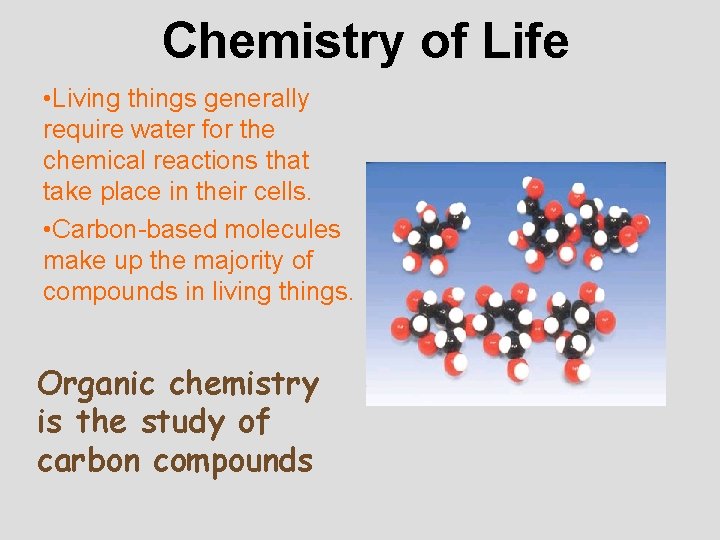
Chemistry of Life • Living things generally require water for the chemical reactions that take place in their cells. • Carbon-based molecules make up the majority of compounds in living things. Organic chemistry is the study of carbon compounds
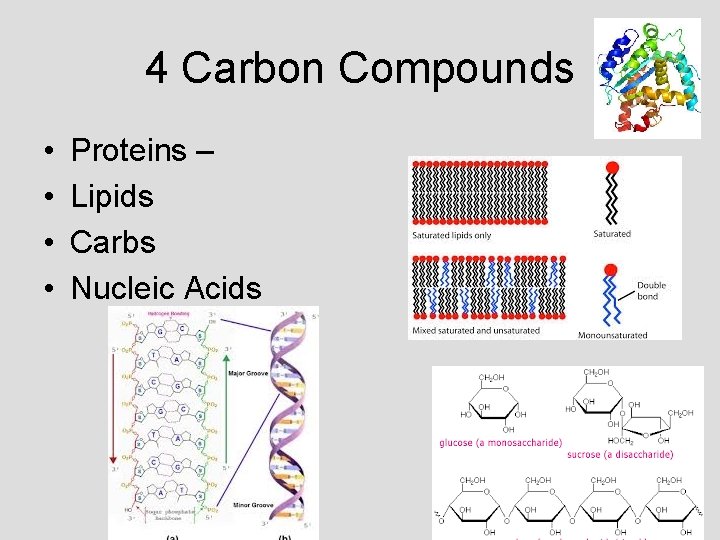
4 Carbon Compounds • • Proteins – Lipids Carbs Nucleic Acids

Enzymes • Enzymes are catalysts. • Enzymes speed up chemical reactions in living things. • Very specific—usually acting on only one other material. • Can be destroyed by extreme heat. Cold can impair enzyme function. Examples: Bromelain—in meat tenderizers to break down muscle fibers Amylase—in saliva to begin breaking down simple sugars DNA Polymerase—”proofreads” DNA after replication to prevent mutations
Cell Theory (1850’s) • All living things are made of one or more cells. • The cell is the basic unit of organization of all living things. • All cells come from pre-existing cells.
Two Types of Cells Eukaryotic Cells • Make up plants, animals, fungi and protists • Have membrane-bound organelles • Organelles include nucleus, mitochondria, lysosomes, ribosomes, etc. Prokaryotic Cells • Make up Archaea and Bacteria • DO NOT contain internal membrane-bound organelles. • Genetic material is a circular chromosome. • Have extra DNA as a plasmid.
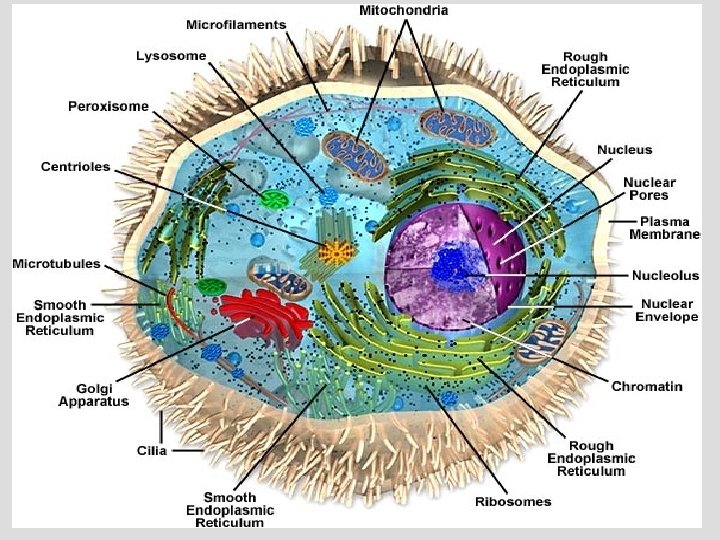
Organelle questions • Cell Control Center? • The ____ help to give the cell its shape, made of mostly water, contains organelles. • Makes energy. • Mainly thought to be in plants, holds water. • _______ can make cells mobile.
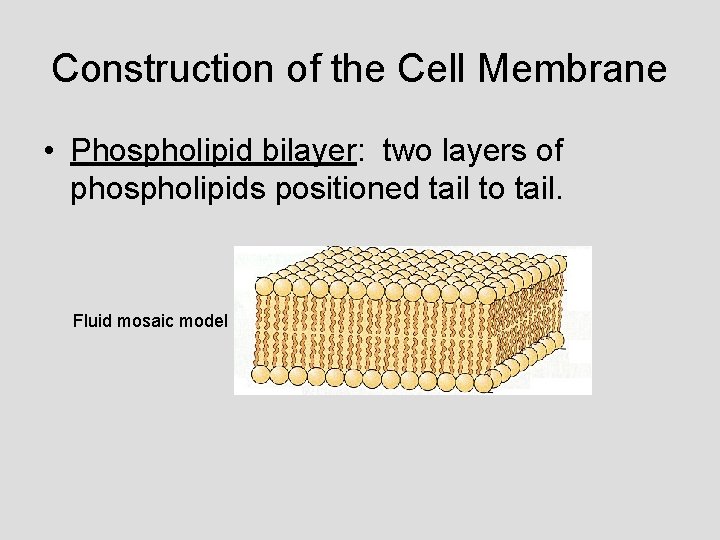
Construction of the Cell Membrane • Phospholipid bilayer: two layers of phospholipids positioned tail to tail. Fluid mosaic model
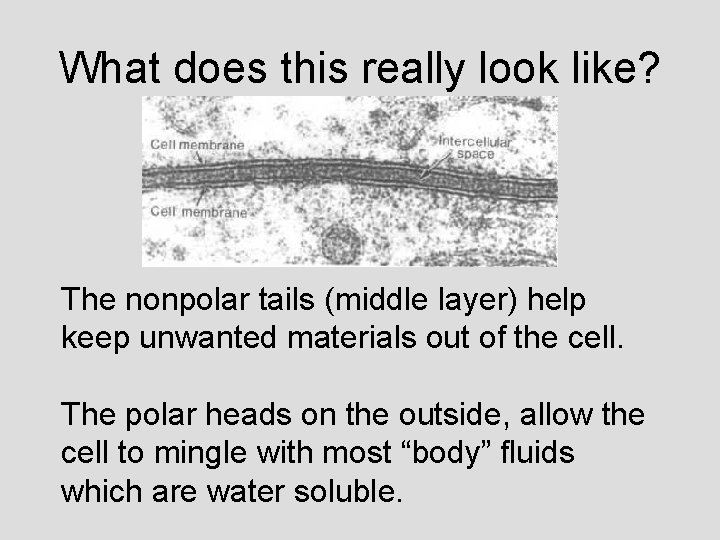
What does this really look like? The nonpolar tails (middle layer) help keep unwanted materials out of the cell. The polar heads on the outside, allow the cell to mingle with most “body” fluids which are water soluble.
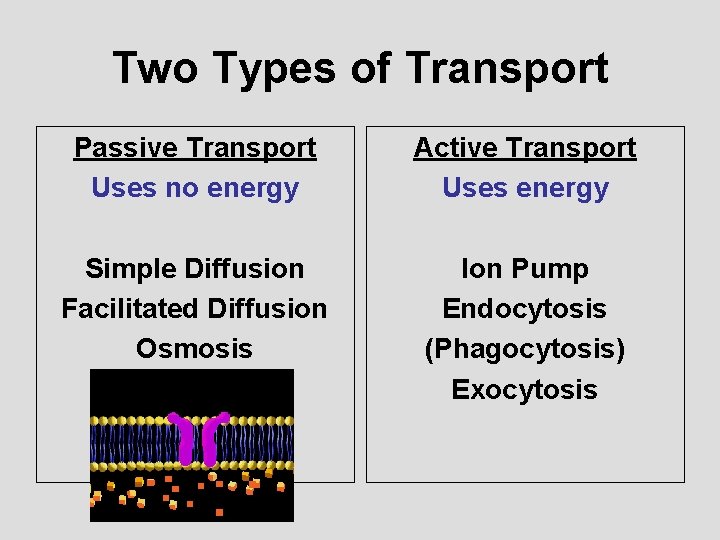
Two Types of Transport Passive Transport Uses no energy Active Transport Uses energy Simple Diffusion Facilitated Diffusion Osmosis Ion Pump Endocytosis (Phagocytosis) Exocytosis
Cell Transport Questions • The cell membrane is made of 2 layers of ____ • The head of phospholipid is (polar / nonpolar) • Active transport requires ______ from the cell. • Normally, materials diffuse from ____ to _______ • The cell memrane controls the entrance and exit of lots of material, but allows free passage of _______
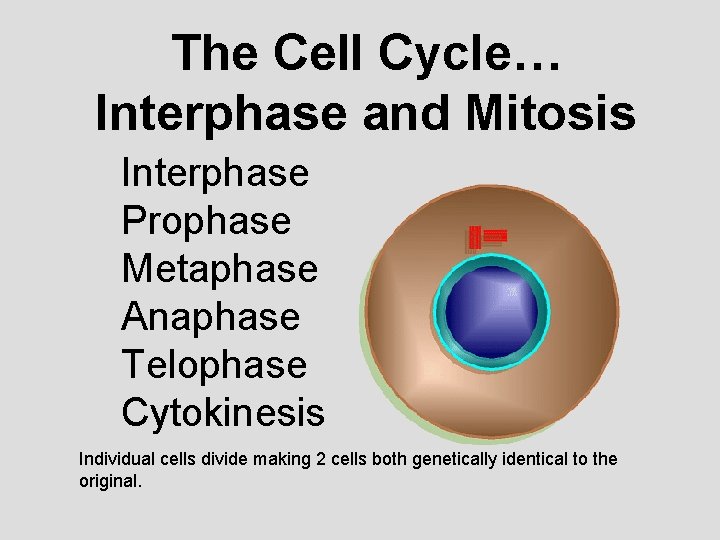
The Cell Cycle… Interphase and Mitosis Interphase Prophase Metaphase Anaphase Telophase Cytokinesis Individual cells divide making 2 cells both genetically identical to the original.
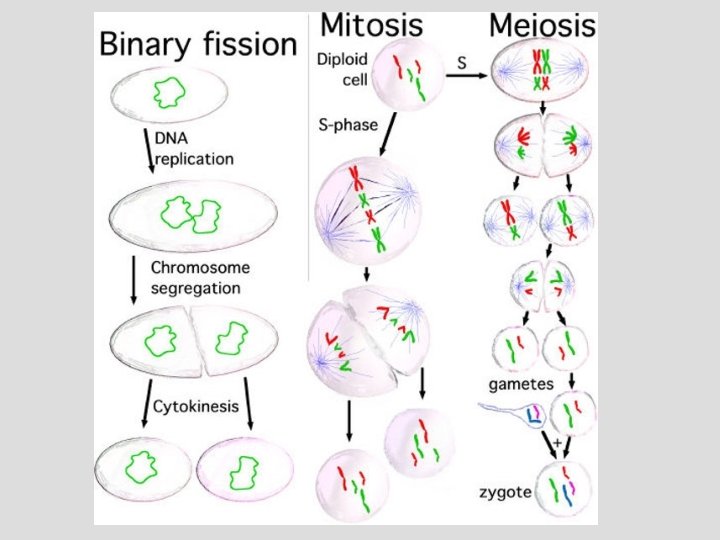
• What is a daughter cell? • When does a cell plate form?
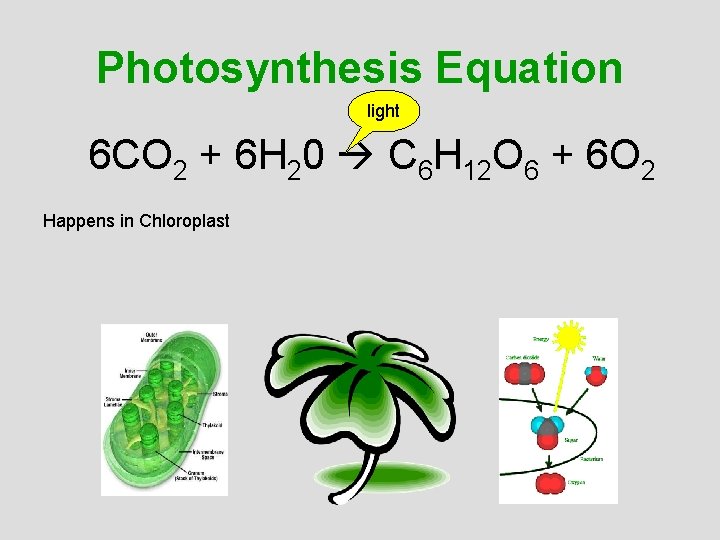
Photosynthesis Equation light 6 CO 2 + 6 H 20 C 6 H 12 O 6 + 6 O 2 Happens in Chloroplast
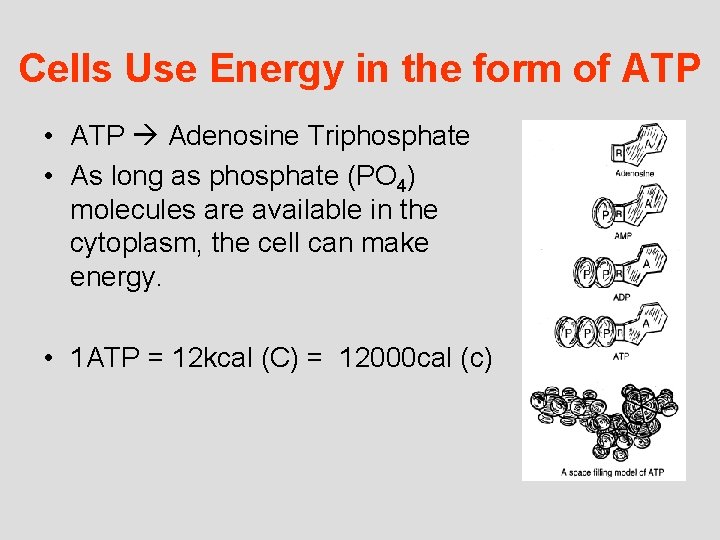
Cells Use Energy in the form of ATP • ATP Adenosine Triphosphate • As long as phosphate (PO 4) molecules are available in the cytoplasm, the cell can make energy. • 1 ATP = 12 kcal (C) = 12000 cal (c)
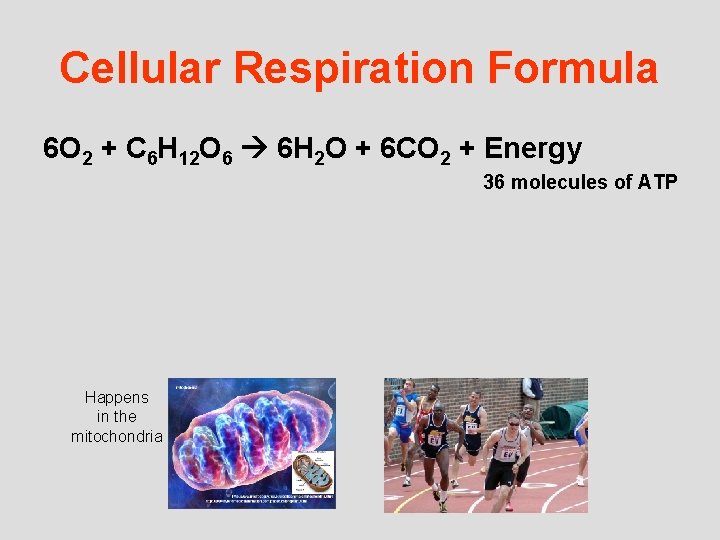
Cellular Respiration Formula 6 O 2 + C 6 H 12 O 6 6 H 2 O + 6 CO 2 + Energy 36 molecules of ATP Happens in the mitochondria
Fermentation… the other way to break down sugar Lactic Acid Fermentation: builds up in muscle cells causing a burning pain. Lactic Acid Alcoholic Fermentation: Yeasts and some bacteria can break down sugar to produce ethanol (alcohol), carbon dioxide and energy.
What Mendel Learned • Genetics: the study of heredity • Heredity: the study of how traits are passed from parent to offspring. • Alleles: alternative forms of a gene that may appear at the same point on a chromosome • Dominant: the stronger, overriding gene (allele), if present will show (T) • Recessive: the hidden, weaker, gene (allele), will show if dominant is not present (t) • Genotype: The 2 gene combination of an organism (TT, Tt, tt) • Phenotype: how the 2 gene combination physically appears (tall, short) • Homozygous: having 2 of the same genes for a trait (TT, tt) Purebred • Heterozygous: having 2 different genes for a trait (Tt) Carrier, Hybrid
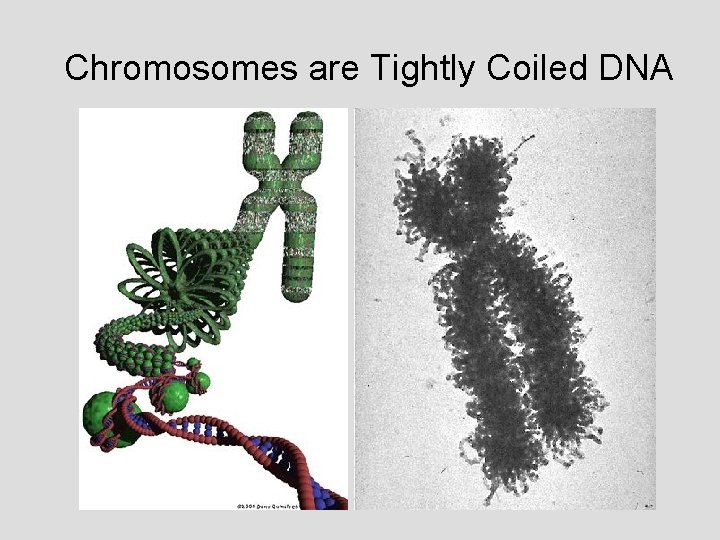
Chromosomes are Tightly Coiled DNA
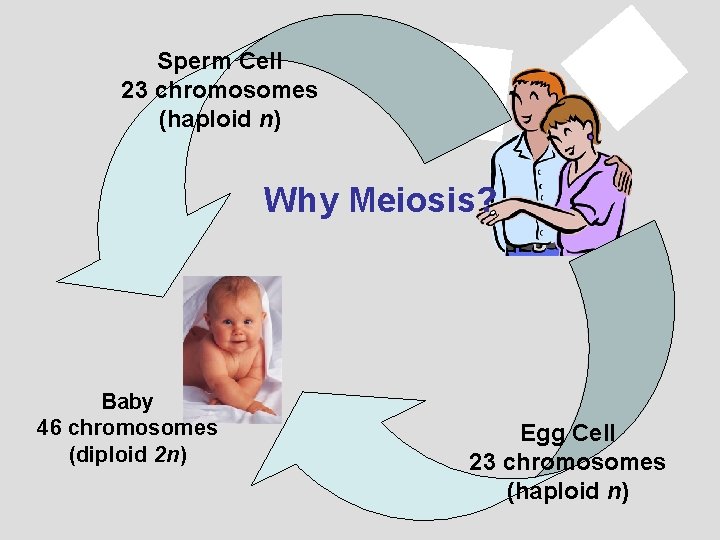
Sperm Cell 23 chromosomes (haploid n) Why Meiosis? Baby 46 chromosomes (diploid 2 n) Egg Cell 23 chromosomes (haploid n)
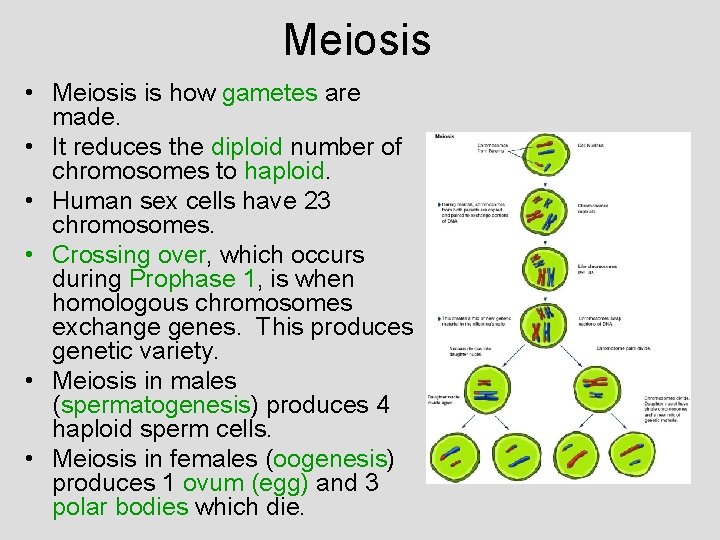
Meiosis • Meiosis is how gametes are made. • It reduces the diploid number of chromosomes to haploid. • Human sex cells have 23 chromosomes. • Crossing over, which occurs during Prophase 1, is when homologous chromosomes exchange genes. This produces genetic variety. • Meiosis in males (spermatogenesis) produces 4 haploid sperm cells. • Meiosis in females (oogenesis) produces 1 ovum (egg) and 3 polar bodies which die.
Genetics Questions • What is alleles for hetero tall pea plant? • What is genotype for short plant? • What would be genotype for Tall but carrying short gene?
Deoxyribonucleic Acid (DNA) Ribonucleic Acid (RNA) • DNA is Cells instructions for making proteins. • A – T, G – C • RNA is different from DNA. 1) RNA has Uracil; DNA has Thymine. What are some other differences?
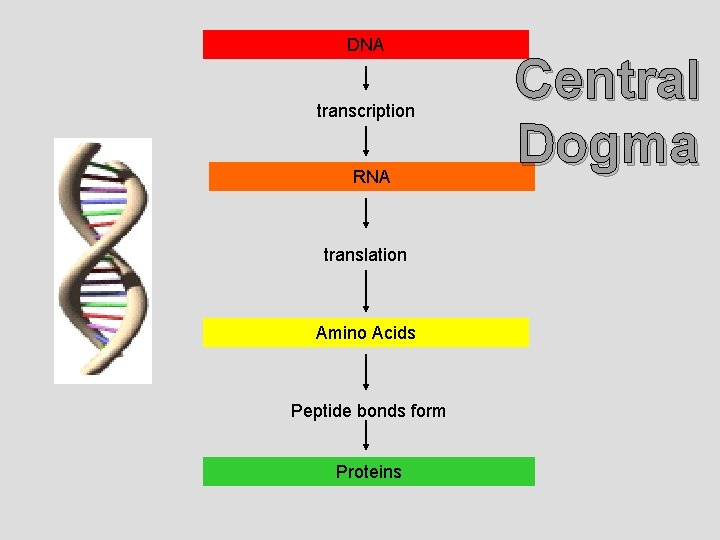
DNA transcription RNA translation Amino Acids Peptide bonds form Proteins Central Dogma

A strand of DNA reads: ATG GAA CAA TTG TGA What would the complementary strand read? TAC CTT GTT AAC ACT Using the complementary strand as a template, what RNA strand would result? AUG GAA CAA UUG UGA Which Amino Acids would result from these codons? Methionine—Glutamic Acid—Glutamine—Leucine—STOP
Don’t have to Write Examples of Proteins • Insulin: breaks down blood glucose • Hemoglobin: carries oxygen in blood cells. • Saliva (Amylase): begins digestive process in mouth • Hormones: chemicals in the body direct cell activities (estrogen, testosterone, growth, etc. ) • Collagen: connects muscles to bones
Finish Worksheet
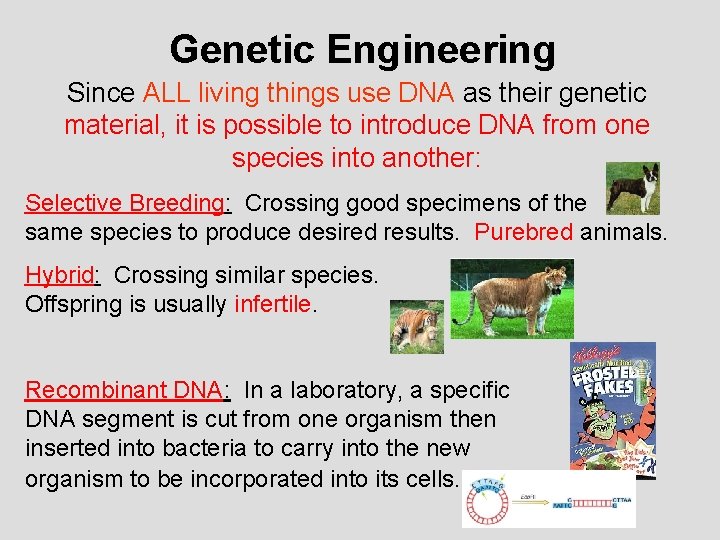
Genetic Engineering Since ALL living things use DNA as their genetic material, it is possible to introduce DNA from one species into another: Selective Breeding: Crossing good specimens of the same species to produce desired results. Purebred animals. Hybrid: Crossing similar species. Offspring is usually infertile. Recombinant DNA: In a laboratory, a specific DNA segment is cut from one organism then inserted into bacteria to carry into the new organism to be incorporated into its cells.
EVOLUTION biological change that causes organisms to differ from their ancestors. Mutations: adds variation. Not All BAD. Don’t need to write Natural Variation: Living things of the same species naturally differ, and some differences are advantageous, or attractive to the opposite sex and tend to become more common over time. Traits that favor survival and reproduction are carried on at a greater rate than other traits.
Ecology is the study of how living things live together Biotic Factors are biological influences on the organisms within an ecosystem. Abiotic Factors are physical, non-living factors that shape an ecosystem. Predation: predator/prey Sustainability – ecosystem renewal Renewable/Non renewable resources
- Slides: 34