
Biological therapy for the manipulation of complement system
Biological therapy for the manipulation of complement system Prohászka Zoltán, IIIrd Department of Medicine, Research Laboratory Semmelweis University prohoz@kut. sote. hu

Biological therapy • Biological therapy refers to the use of medication that is tailored to specifically target an immune mediator of disease or induce an immunological mechanism to cure a disease. • Targeted therapy in clinical immunology (or oncology) refers to medications acting through specific molecular targets to achieve immunomodulation or oncolysis, in contrast to less specific treatments, like steroids or cytostatica. • Specific form of targeted therapy is the substitutional therapy with purified „factors”, like coagulation factors in haemophilia, or insulin therapy • Biological response modifiers (BRMs) are substances influencing biological functions, like interferons, interleukins, growth factors and colony stimulating factors • Vaccination
Milestones in biological therapy • Serum therapy for diphtheria (1890)

The first therapeutic approach, that was created with the understanding of the etiopathogensis of disease Edwin Klebs 1834 -1913 Corynebacterium diphtheriae Klebs-Löffler bacillus (1883) Emil von Behring 1854 -1917 Nobel Prize in Physiology and Medicine, 1901: Orvosi Nobel díj, 1901: "for his work on serum therapy, especially its application against diphtheria, by which he has opened a new road in the domain of medical science and thereby placed in the hands of the physician a victorious weapon against illness and deaths". Diphteria antitoxin, 1890 Tom, the Horse (1894, London) Johannes Bókay Jr 1858 -1937 „based on an international mandate, he checked the safity of the diphteria antitoxin” 1894
Milestones in biological therapy • • • Serum therapy for diphtheria (1890) Treatment for agammaglobulinemia with purified immunogobulin G (1952) The development of monoclonal antibody (m. Ab) technology by Köhler and Milstein (1975) leading to the approval of the first therapeutic murine m. Ab, Muromonab-OKT 3 (1986), for the prevention of transplantation rejection.

Niels K Jerne Georges JF Köhler César Milstein In 1984, the Nobel Prize in Physiology and Medicine was awarded jointly to Niels K. Jerne, Georges J. F. Köhler and César Milstein "for theories concerning the specificity in development and control of the immune system and the discovery of the principle for production of monoclonal antibodies".
Milestones in biological therapy • • Serum therapy for diphtheria (1890) Treatment for agammaglobulinemia with purified immunogobulin G (1952) The development of monoclonal antibody (m. Ab) technology by Köhler and Milstein (1975) leading to the approval of the first therapeutic murine m. Ab, Muromonab-OKT 3 (1986), for the prevention of transplantation rejection. Moreover, the progress of molecular and transgenic technologies has enabled the development of – chimeric m. Ab, Abciximab-Reo. Pro (Gp IIb-IIIa, 1994) and Rituximab-Rituxan (CD 20, 1997), – humanized (complementarity-determining region; CDR-grafted) m. Ab, Trastuzumab-Herceptin (Her 2/Neu, 1998) and Infliximab-Remicade (TNFa, 1998) – fully human m. Ab, phage display–derived Adalimumab-Humira (TNFa, 2002) and transgenic mouse-derived Panitumumab-Vectibix (EGFR, 2006) • The progress of development of these substances has found a niche in the management of various severe diseases, including cancerous, autoimmune and inflammatory syndromes.
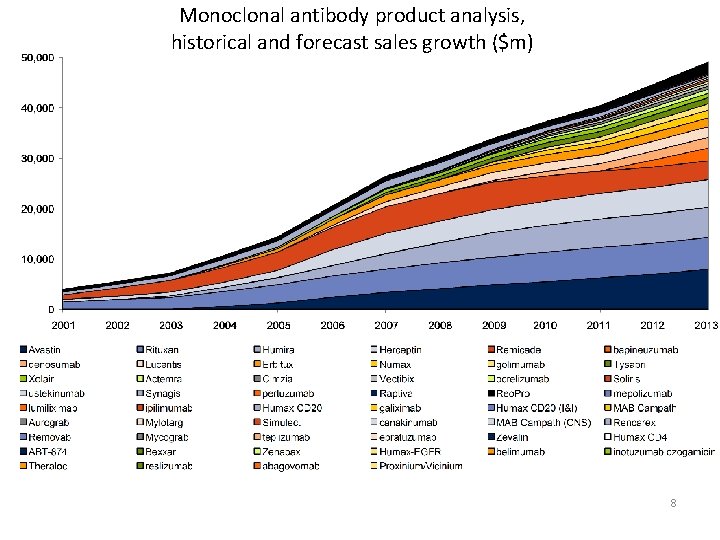
Monoclonal antibody product analysis, historical and forecast sales growth ($m) 8
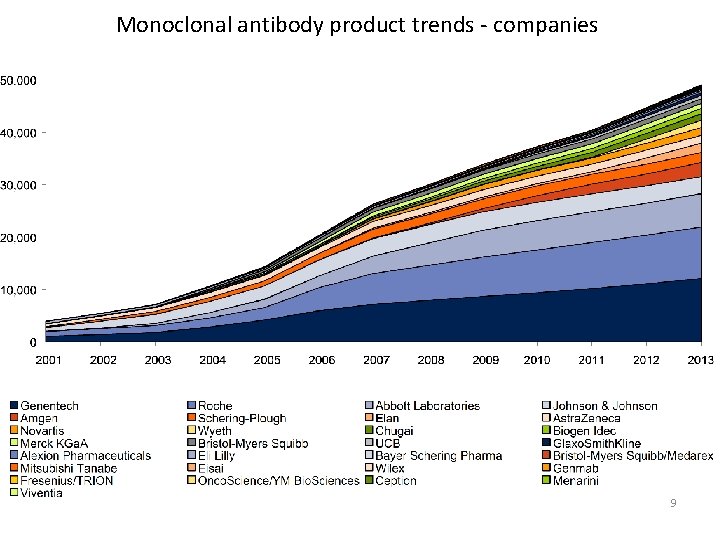
Monoclonal antibody product trends - companies 9
Outline of the lecture • Overview on monoclonal antibodies as therapeutics • Molecular biological technologies to manipulate and produce human antibody based therapeutics • Examples to highlight the application of biological therapeutics to manipulate the complement system

The structure of human immunoglobulin G Antigen binding Light chain (L) Heavy chain (H) • Variable (V) domains (VL and VH domains) Two light chains/molecule – (kappa or lambda) • Two heavy chains/molecule – (mu, gamma, delta, alpha or epsilon Constant (C) domains (CL, CH 1, CH 2, CH 3)

Complementarity determining (CDR) and hypervariable regions in the heavy and light chains
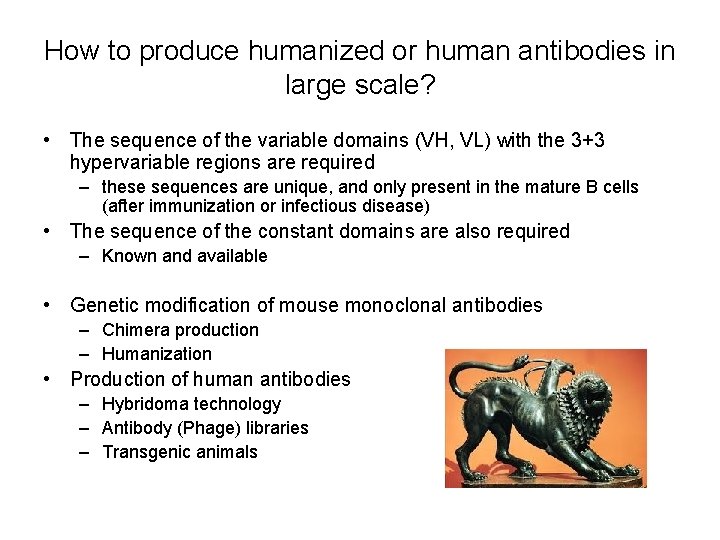
How to produce humanized or human antibodies in large scale? • The sequence of the variable domains (VH, VL) with the 3+3 hypervariable regions are required – these sequences are unique, and only present in the mature B cells (after immunization or infectious disease) • The sequence of the constant domains are also required – Known and available • Genetic modification of mouse monoclonal antibodies – Chimera production – Humanization • Production of human antibodies – Hybridoma technology – Antibody (Phage) libraries – Transgenic animals

Induction of anti-mouse immune response in humans „HAMA”: human anti-mouse antibodies • loss of functional activity of therapeutics • induction of side effects • interference in immunoassays
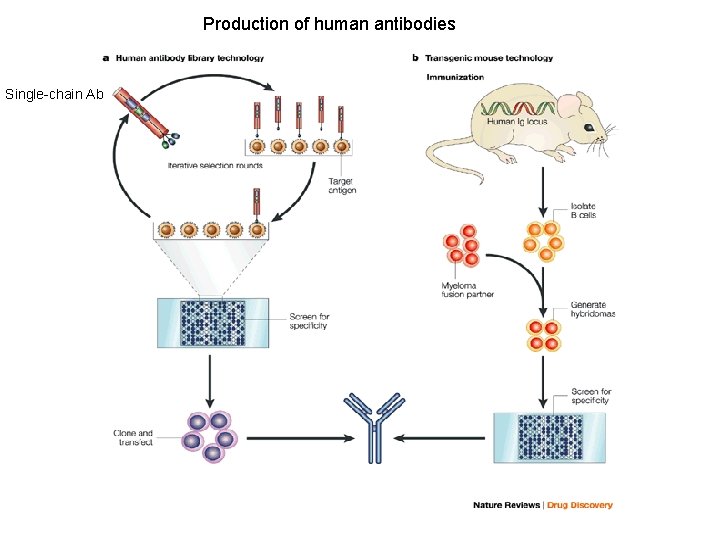
Production of human antibodies Single-chain Ab

Engineering of constant domains • Constant domains determine – The biological functions of the antibodies • Receptor interactions (Fc receptors) • Complement activation (Ig. G 1: ADCC reaction and CDC) • Neutralization (Ig. G 4) – In vivo half-life and access to storage pools depends on glycosilation, which is determined by expression/production systems • Tissue culture: prokaryotes, yeast, insect cells, eukaryote cells • Living organisms: transgenic plants, transgenic animals (secretion of antibodies to milk, to serum, etc…) – The compartment of its production • Bloodstream • Milk (secretory component)
Targeting the human complement system by biological therapeutics, examples • The complement system is a plasma serine protease system, composed by soluble (zymogen) proteases, proteins, humoral regulators, cell-surface regulators and cellular receptors • It is part of the complex plasma serine protease system, including – – Coagulation Fibrinolysis Contact (kinin-kallikrein) system Complement system • These systems have common activators (injury) and common regulators (protease inhibitors)

Key biological functions of complement Tissue macrophages Dendritic cells Mast cells B cells Monocytes T cells Neutrophils Complement system Innate immunity Clearance • Opsonisation • Immunecomplexes • Lysis of pathogens • Apoptotic cells • Chemotaxis • Necrotic cells • Inflammation • Activation of target cells Adaptive immunity • Augmentation of antibody production • T-cell response • Depletion of self-reacting B-cells • Induction of B-cell memory
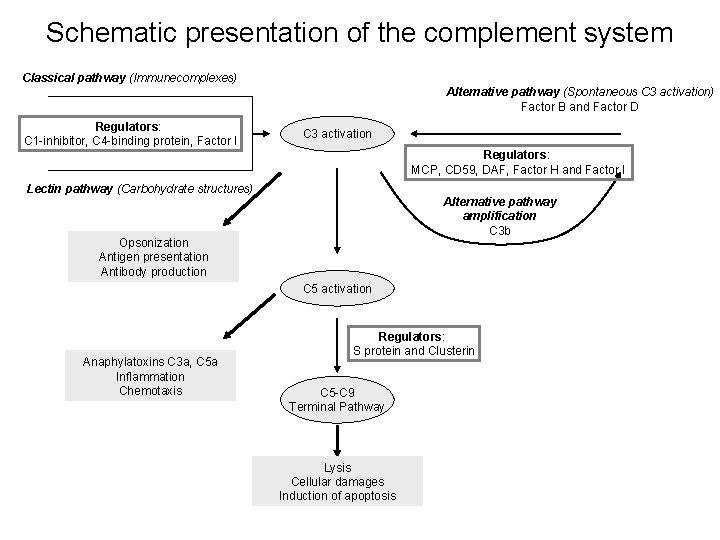
Schematic presentation of the complement system Classical pathway (Immunecomplexes) Alternative pathway (Spontaneous C 3 activation) Factor B and Factor D Regulators: C 1 -inhibitor, C 4 -binding protein, Factor I C 3 activation Regulators: MCP, CD 59, DAF, Factor H and Factor I Lectin pathway (Carbohydrate structures) Alternative pathway amplification C 3 b Opsonization Antigen presentation Antibody production C 5 activation Anaphylatoxins C 3 a, C 5 a Inflammation Chemotaxis Regulators: S protein and Clusterin C 5 -C 9 Terminal Pathway Lysis Cellular damages Induction of apoptosis
Complement related human pathologies • Deficiency (genetic or acquired) – C 1 -inhibitor (hereditary angioedema) – Alternative pathway regulators (Paroxysmal Nocturnal Hemoglobinuria, atypical Hemolytic Uremic Syndrome, ) – Terminal pathway components (meningitis) • Pathological activation – – • Autoimmune diseases (immunecomplex diseases) Transplant rejection Ischemia/reperfusion (stroke, myocardial infarction, etc…) Hemodialysis, on-pump cardiac operation Dysregulated activation and consumption – Sepsis – Pathological pregnancies, preeclampsia, HELLP syndrome, DIC • Complement related biological therapies – Substitution of deficient factor/protein – Non-specific inhibition of pathological activation – Targeted inhibition of complement activation

Substitution therapy for HAE with C 1 -deficiency Classical pathway (Immuncomplexes) Alternative pathway (Spontaneous C 3 activation) Factor B and Factor D Regulators: C 1 -inhibitor, C 4 -binding protein, Factor I C 3 activation Regulators: MCP, CD 59, DAF, Factor H and Factor I Lectin pathway (Carbohydrate strucutures) • Life-threatening edematous attacks Alternative pathway amplification (Bradikinin overproduction) C 3 b • Acute treatment with C 1 -inhibitor Opsonization Antigen presentation concentrate Antibody production • Purified human C 1 -inhibitor C 5 activation • Cetor/Sanquin or Berinert P/Behring • Nanofiltrated Cinryze/Viro. Pharma (4 th Regulators: most expensive drug, 350. 000 $/year S protein and Clusterin Anaphylatoxins C 3 a, C 5 a • Inflammation Recombinant human C 1 -inhibitor • Rhucin/Pharming C 5 -C 9 Chemotaxis Terminal Pathway Lysis Cellular damages Induction of apoptosis

Inhibition of pathological complement activation Classical pathway (Immunecomplexes) Alternative pathway (Spontaneous C 3 activation) Factor B and Factor D Regulators: C 1 -inhibitor, C 4 -binding protein, Factor I C 3 activation Regulators: MCP, CD 59, DAF, Factor H and Factor I Lectin pathway (Carbohydrate structures) Alternative pathway amplification C 3 b Opsonization Antigen presentation Antibody production C 5 activation s. CR 1 (soluble complement receptor 1) Anaphylatoxins C 3 a, C 5 a Inflammation Chemotaxis Regulators: S protein and Clusterin C 5 -C 9 Terminal Pathway Lysis Cellular damages Induction of apoptosis • Inhibition of complement activation on multiple levels • Aimed to be used in I/R injury situation, i. e. bypass operation • Lack of breakthrough results with this drug

Inhibition of pathological complement activation Classical pathway (Immunecomplexes) Alternative pathway (Spontaneous C 3 activation) Factor B and Factor D Regulators: C 1 -inhibitor, C 4 -binding protein, Factor I C 3 activation Regulators: MCP, CD 59, DAF, Factor H and Factor I Lectin pathway (Carbohydrate structures) Opsonization Antigen presentation Antibody production Y Alternative pathway amplification C 3 b Ig. G 4 C 5 activation Eculizumab (humanized murine anti-C 5 Ab) 1 st most expensive drug, 409. 500 $/year Anaphylatoxins C 3 a, C 5 a Inflammation Chemotaxis Regulators: S protein and Clusterin C 5 -C 9 Terminal Pathway Lysis Cellular damages Induction of apoptosis Pexelizumab (sc. V anti-C 5 Ab)
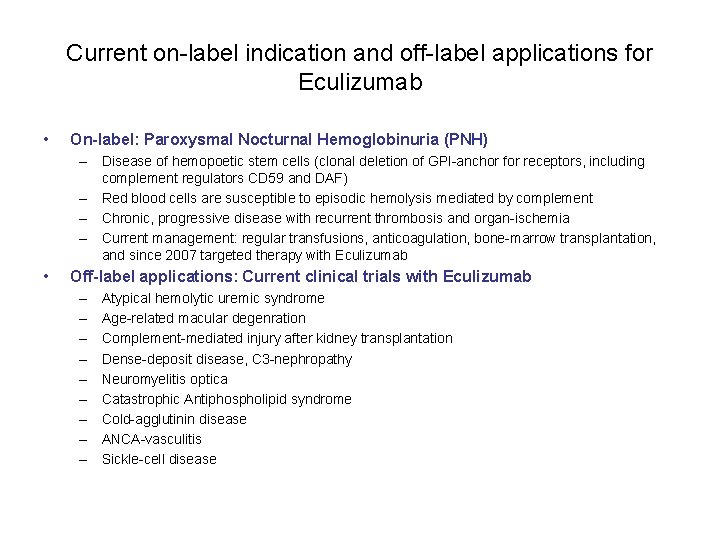
Current on-label indication and off-label applications for Eculizumab • On-label: Paroxysmal Nocturnal Hemoglobinuria (PNH) – Disease of hemopoetic stem cells (clonal deletion of GPI-anchor for receptors, including complement regulators CD 59 and DAF) – Red blood cells are susceptible to episodic hemolysis mediated by complement – Chronic, progressive disease with recurrent thrombosis and organ-ischemia – Current management: regular transfusions, anticoagulation, bone-marrow transplantation, and since 2007 targeted therapy with Eculizumab • Off-label applications: Current clinical trials with Eculizumab – – – – – Atypical hemolytic uremic syndrome Age-related macular degenration Complement-mediated injury after kidney transplantation Dense-deposit disease, C 3 -nephropathy Neuromyelitis optica Catastrophic Antiphospholipid syndrome Cold-agglutinin disease ANCA-vasculitis Sickle-cell disease

A simplified overview on the classification of thrombotic microangiopathies (based on Besbas et al. , 2006, Kidney Int. ) • Advanced etiology, no underlying disease – Infections • • Shiga-like toxin producing pathogens Neuraminidase producing pathogens – Complement dysregulation • • Alternative pathway dysregultaion Thrombomodulin mutation – Failure of von-Willebrand factor processing • • Acute renal failure, HUS Critically ill, HUS • Acute renal failure, HUS • Acute neurological symptoms, TTP • TMA as severe complication Acquired ADAMTS 13 inhibitory antibodies Congenital defect of ADAMTS 13 protease – • Typical clinical presentation (Upshaw-Schülman sy) Secondary forms, underlying diseases
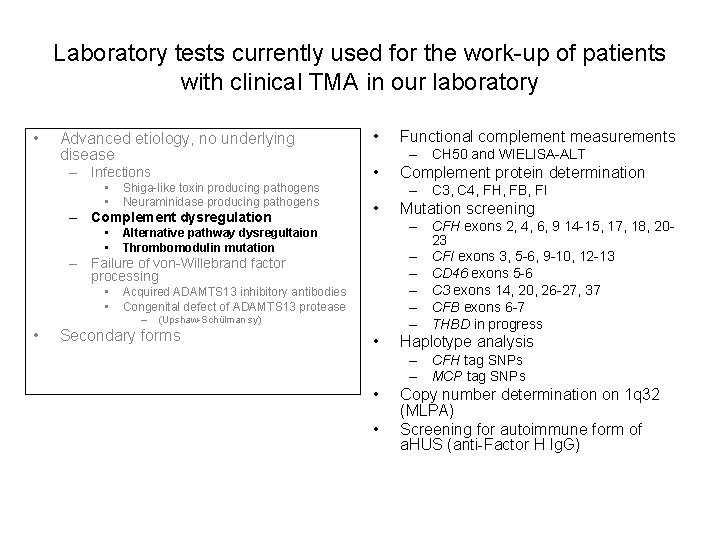
Laboratory tests currently used for the work-up of patients with clinical TMA in our laboratory • Advanced etiology, no underlying disease – Infections • • Shiga-like toxin producing pathogens Neuraminidase producing pathogens – Complement dysregulation • • • – CH 50 and WIELISA-ALT • • • Acquired ADAMTS 13 inhibitory antibodies Congenital defect of ADAMTS 13 protease (Upshaw-Schülman sy) Secondary forms Mutation screening – CFH exons 2, 4, 6, 9 14 -15, 17, 18, 2023 – CFI exons 3, 5 -6, 9 -10, 12 -13 – CD 46 exons 5 -6 – C 3 exons 14, 20, 26 -27, 37 – CFB exons 6 -7 – THBD in progress Alternative pathway dysregultaion Thrombomodulin mutation – Complement protein determination – C 3, C 4, FH, FB, FI – Failure of von-Willebrand factor processing • • Functional complement measurements • Haplotype analysis – CFH tag SNPs – MCP tag SNPs • • Copy number determination on 1 q 32 (MLPA) Screening for autoimmune form of a. HUS (anti-Factor H Ig. G)
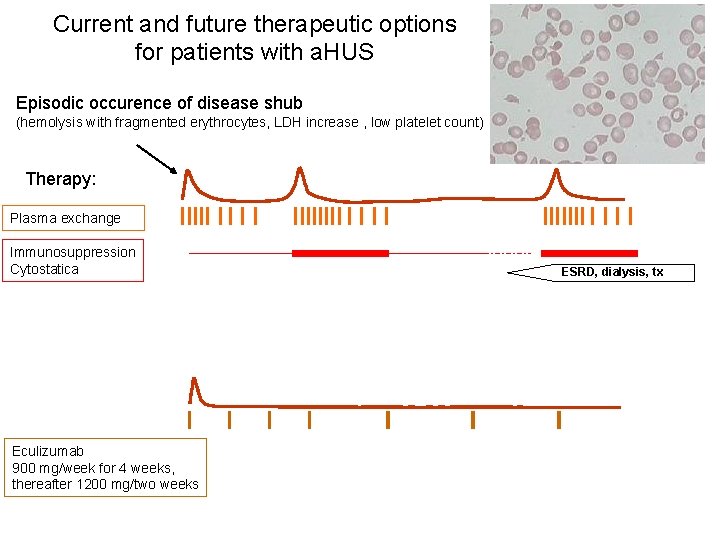
Current and future therapeutic options for patients with a. HUS Episodic occurence of disease shub (hemolysis with fragmented erythrocytes, LDH increase , low platelet count) Therapy: Plasma exchange Immunosuppression Cytostatica Eculizumab 900 mg/week for 4 weeks, thereafter 1200 mg/two weeks ESRD, dialysis, tx
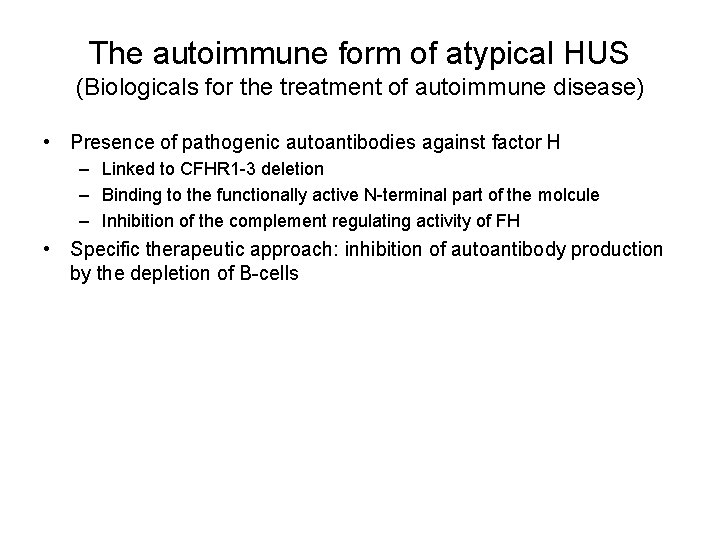
The autoimmune form of atypical HUS (Biologicals for the treatment of autoimmune disease) • Presence of pathogenic autoantibodies against factor H – Linked to CFHR 1 -3 deletion – Binding to the functionally active N-terminal part of the molcule – Inhibition of the complement regulating activity of FH • Specific therapeutic approach: inhibition of autoantibody production by the depletion of B-cells
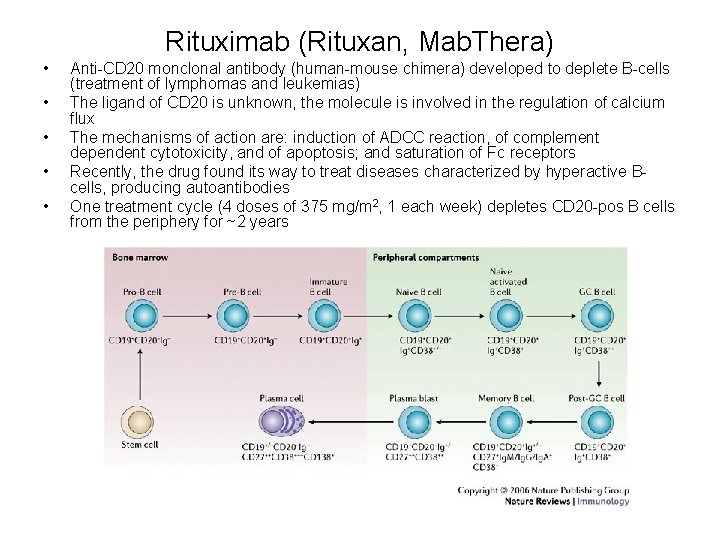
Rituximab (Rituxan, Mab. Thera) • • • Anti-CD 20 monclonal antibody (human-mouse chimera) developed to deplete B-cells (treatment of lymphomas and leukemias) The ligand of CD 20 is unknown, the molecule is involved in the regulation of calcium flux The mechanisms of action are: induction of ADCC reaction, of complement dependent cytotoxicity, and of apoptosis; and saturation of Fc receptors Recently, the drug found its way to treat diseases characterized by hyperactive Bcells, producing autoantibodies One treatment cycle (4 doses of 375 mg/m 2, 1 each week) depletes CD 20 -pos B cells from the periphery for ~2 years
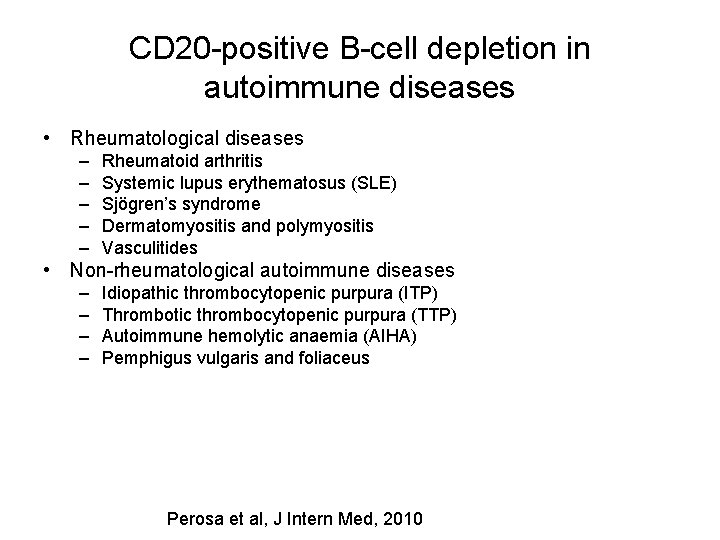
CD 20 -positive B-cell depletion in autoimmune diseases • Rheumatological diseases – – – Rheumatoid arthritis Systemic lupus erythematosus (SLE) Sjögren’s syndrome Dermatomyositis and polymyositis Vasculitides • Non-rheumatological autoimmune diseases – – Idiopathic thrombocytopenic purpura (ITP) Thrombotic thrombocytopenic purpura (TTP) Autoimmune hemolytic anaemia (AIHA) Pemphigus vulgaris and foliaceus Perosa et al, J Intern Med, 2010
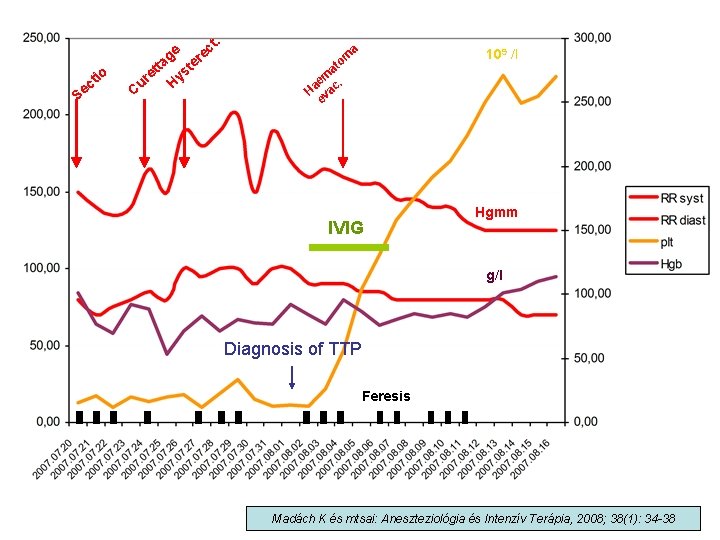
ge c Se tio tta C e ur H ys t. te c re a 109 /l m to a m. e Ha vac e IVIG Hgmm g/l Diagnosis of TTP Feresis Madách K és mtsai: Aneszteziológia és Intenzív Terápia, 2008; 38(1): 34 -38
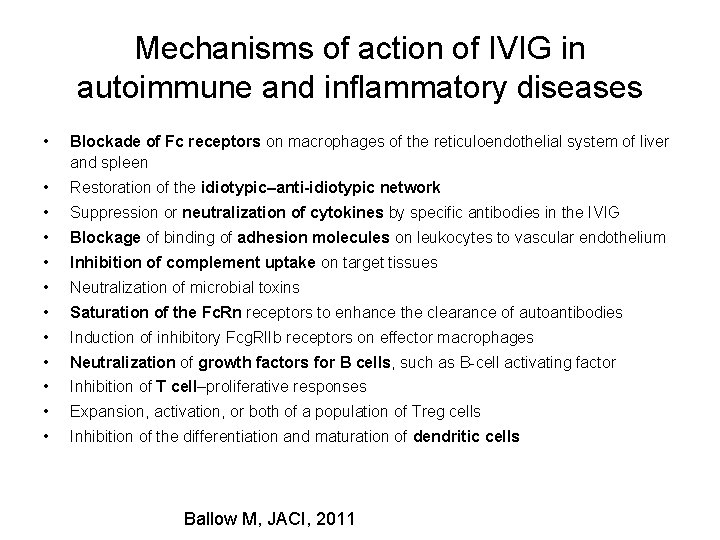
Mechanisms of action of IVIG in autoimmune and inflammatory diseases • Blockade of Fc receptors on macrophages of the reticuloendothelial system of liver and spleen • Restoration of the idiotypic–anti-idiotypic network • Suppression or neutralization of cytokines by specific antibodies in the IVIG • Blockage of binding of adhesion molecules on leukocytes to vascular endothelium • Inhibition of complement uptake on target tissues • Neutralization of microbial toxins • Saturation of the Fc. Rn receptors to enhance the clearance of autoantibodies • Induction of inhibitory Fcg. RIIb receptors on effector macrophages • Neutralization of growth factors for B cells, such as B-cell activating factor • Inhibition of T cell–proliferative responses • Expansion, activation, or both of a population of Treg cells • Inhibition of the differentiation and maturation of dendritic cells Ballow M, JACI, 2011
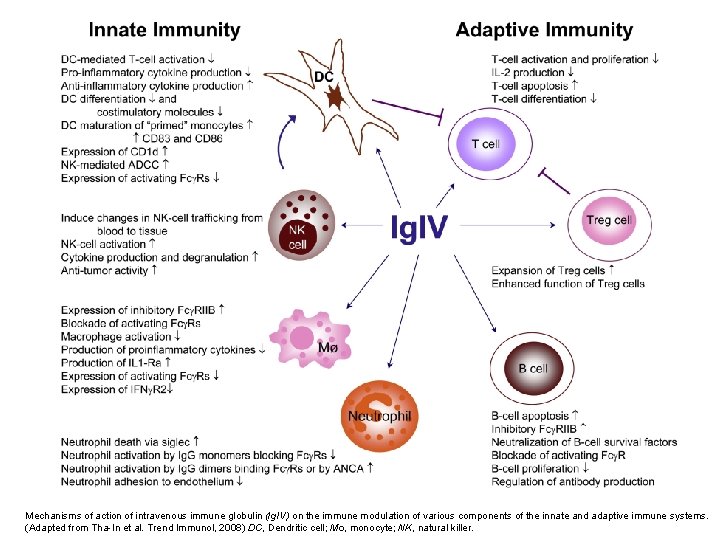
Mechanisms of action of intravenous immune globulin (Ig. IV) on the immune modulation of various components of the innate and adaptive immune systems. (Adapted from Tha-In et al. Trend Immunol, 2008) DC, Dendritic cell; Mo, monocyte; NK, natural killer.
Take home messages • Biological therapy, 2011: 29 companies, 52 products, several hundreds of indications, 40 milliard US dollars annual turnover • Several diseases, that were untreatable or treatable but only in nonspecific manner, are now efficiently cured or treated • Based on continuous product development, there is – increased efficacy (engineering of biological effects) – decreased side-effects of novel products (100% human antibodies) • Drugs, currently in clinical practice are increasingly used off-label, and this will soon result in broadening of the field of indications – rituximab for autoimmune diseases • Alternative applications of different preparations for substitution therapies is also spreading – IVIG for modulation of autoimmunity and inflammation • The appearance of generic drugs will also arrive soon (for rituximab: 1997+15=2012) – Biosimilarity, in contrast to bioequivalency
Thank you for your attenetion! www. kutlab. hu
- Slides: 35