
BIOGEOCHEMICAL CYCLES VOCABULARY Law of Conservation of Mass
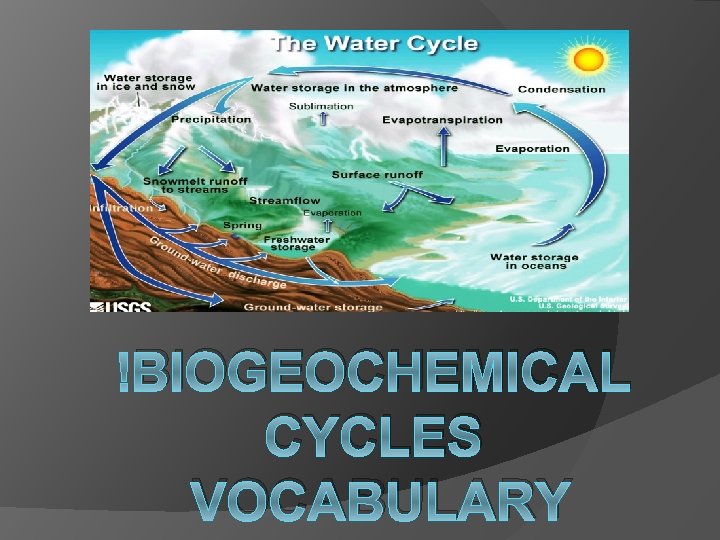
BIOGEOCHEMICAL CYCLES VOCABULARY
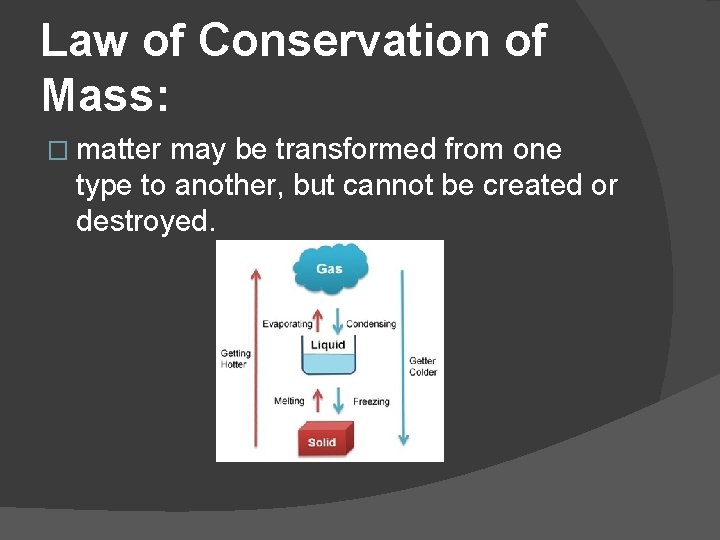
Law of Conservation of Mass: � matter may be transformed from one type to another, but cannot be created or destroyed.
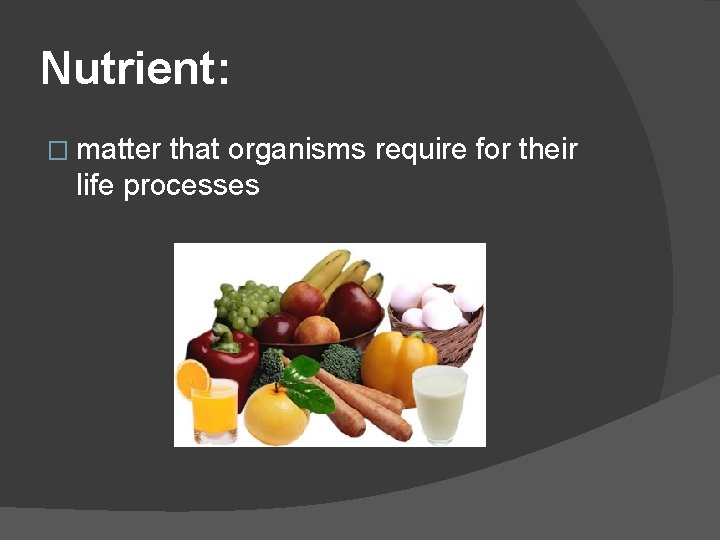
Nutrient: � matter that organisms require for their life processes
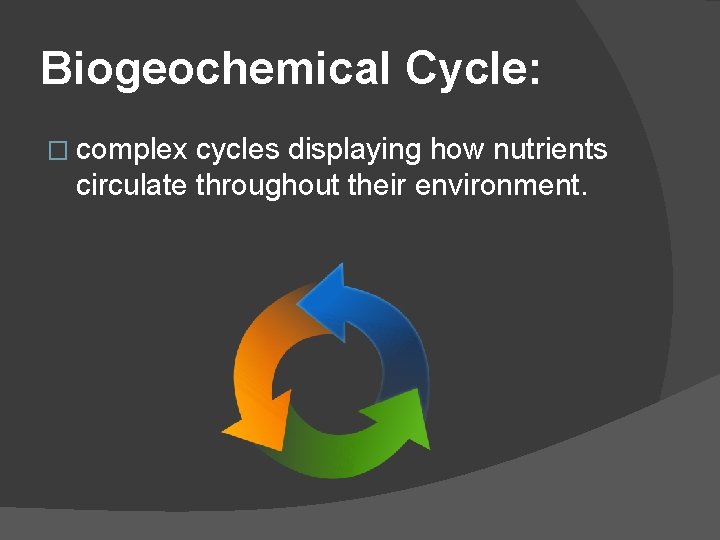
Biogeochemical Cycle: � complex cycles displaying how nutrients circulate throughout their environment.

Primary producer: � organisms that produce their own food; also called an autotroph
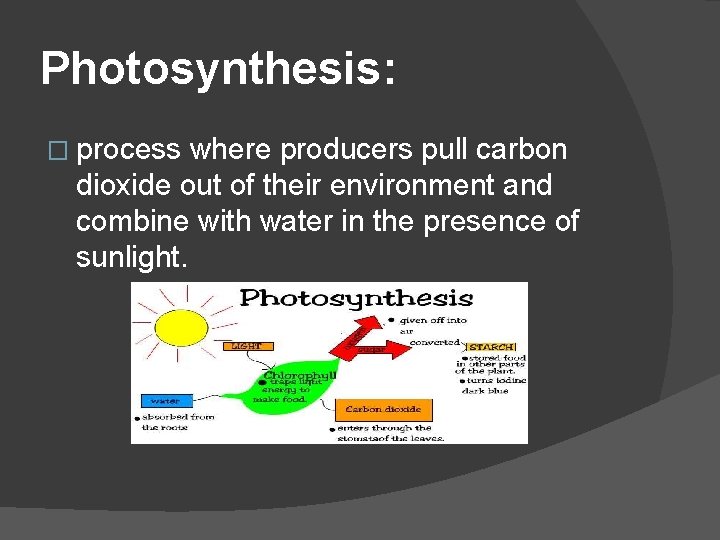
Photosynthesis: � process where producers pull carbon dioxide out of their environment and combine with water in the presence of sunlight.
Consumer: � Organisms, mainly animals, that must eat other organisms to obtain nutrients
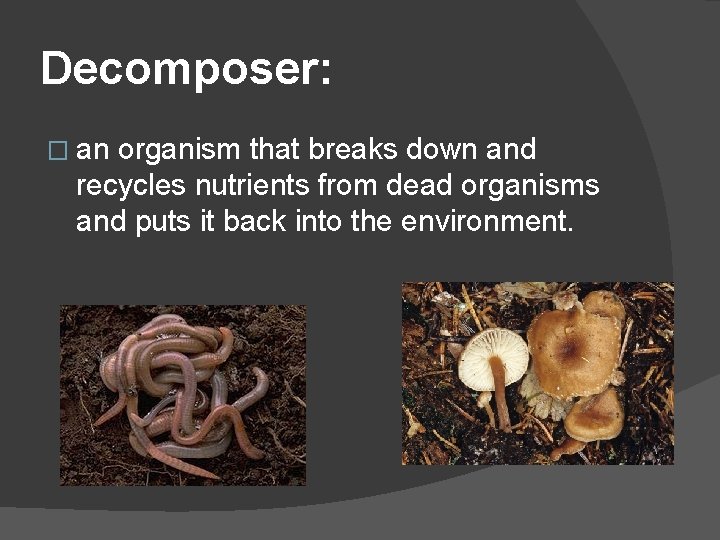
Decomposer: � an organism that breaks down and recycles nutrients from dead organisms and puts it back into the environment.
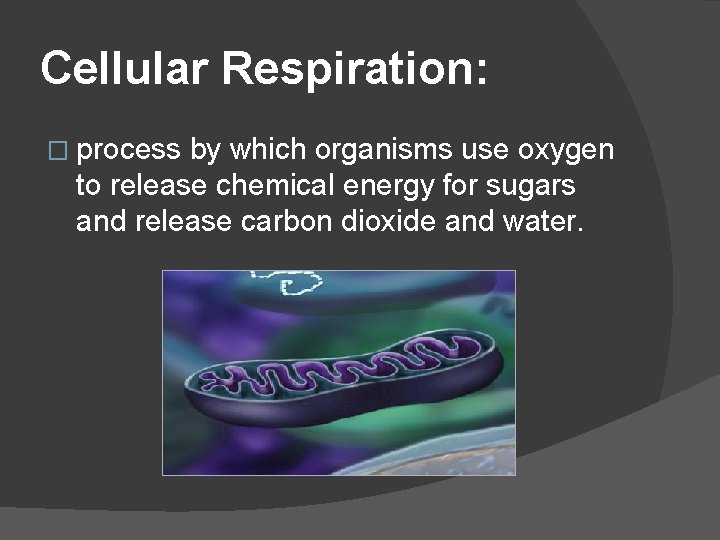
Cellular Respiration: � process by which organisms use oxygen to release chemical energy for sugars and release carbon dioxide and water.
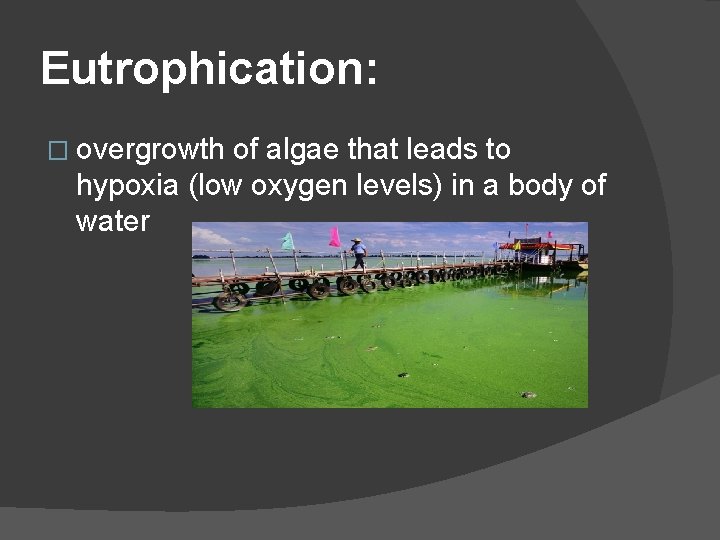
Eutrophication: � overgrowth of algae that leads to hypoxia (low oxygen levels) in a body of water
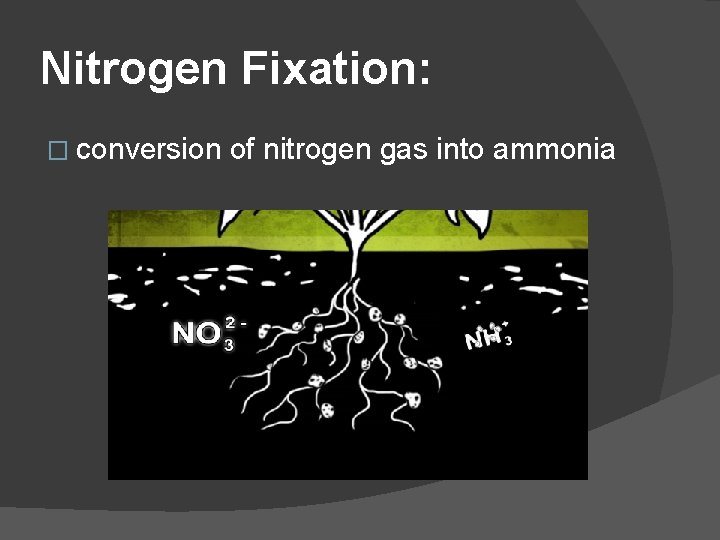
Nitrogen Fixation: � conversion of nitrogen gas into ammonia
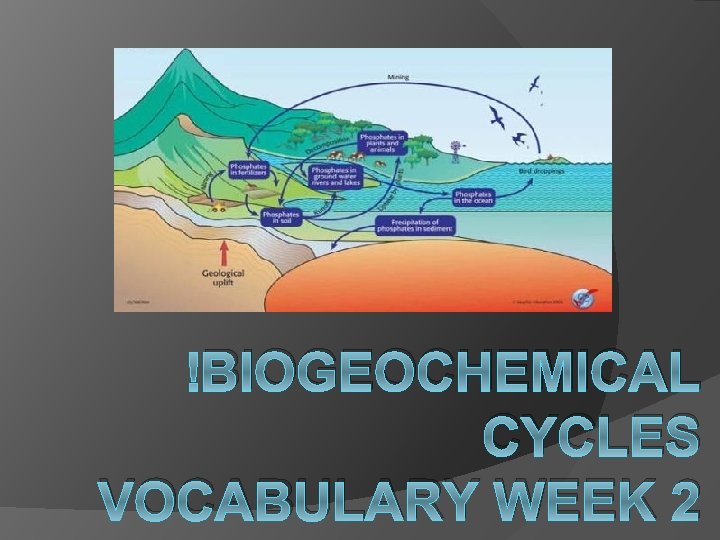
BIOGEOCHEMICAL CYCLES VOCABULARY WEEK 2
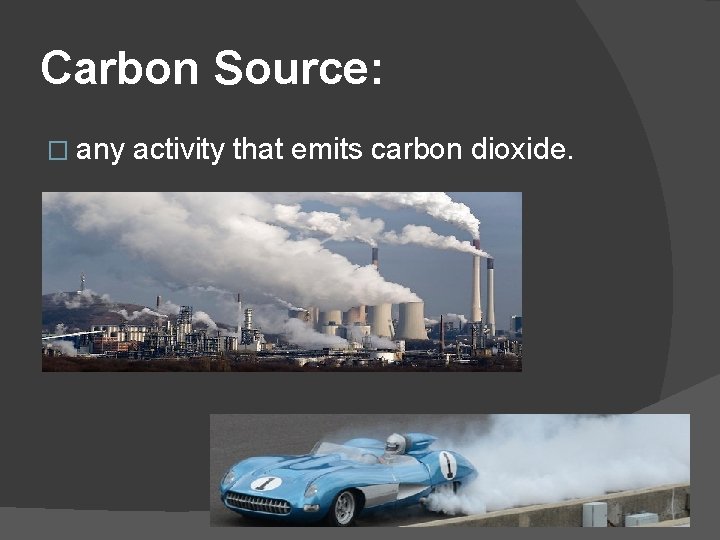
Carbon Source: � any activity that emits carbon dioxide.
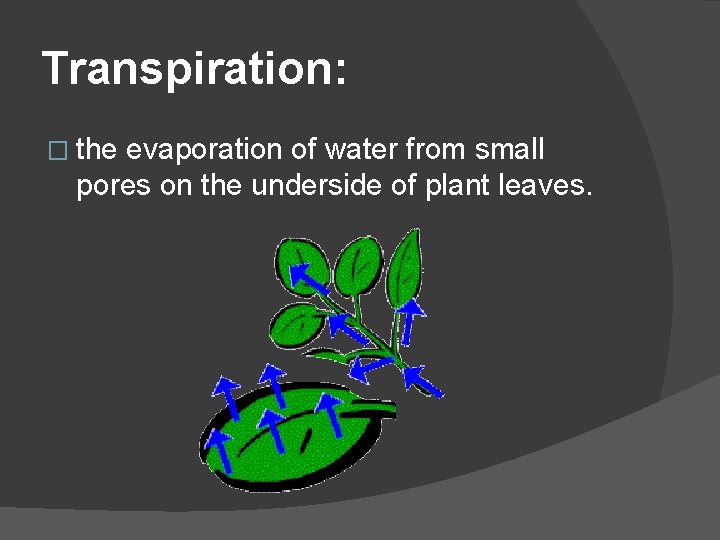
Transpiration: � the evaporation of water from small pores on the underside of plant leaves.
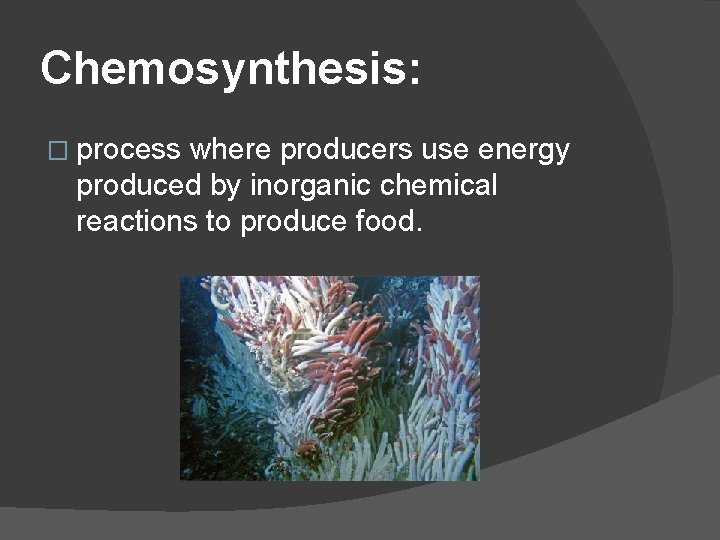
Chemosynthesis: � process where producers use energy produced by inorganic chemical reactions to produce food.
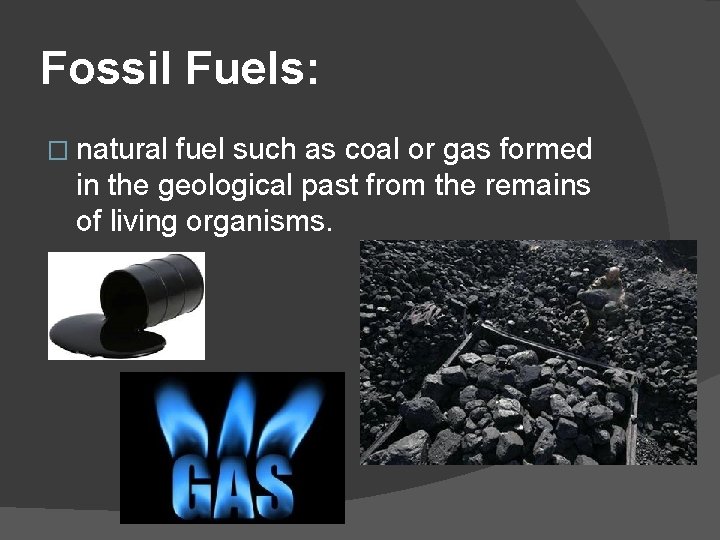
Fossil Fuels: � natural fuel such as coal or gas formed in the geological past from the remains of living organisms.
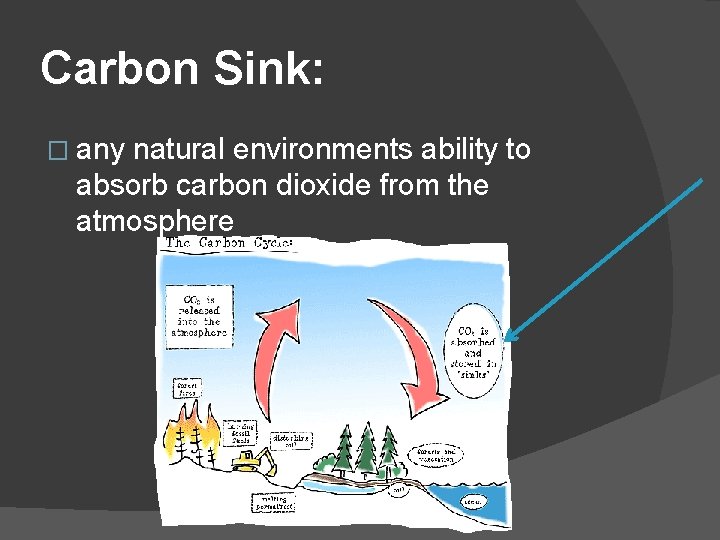
Carbon Sink: � any natural environments ability to absorb carbon dioxide from the atmosphere
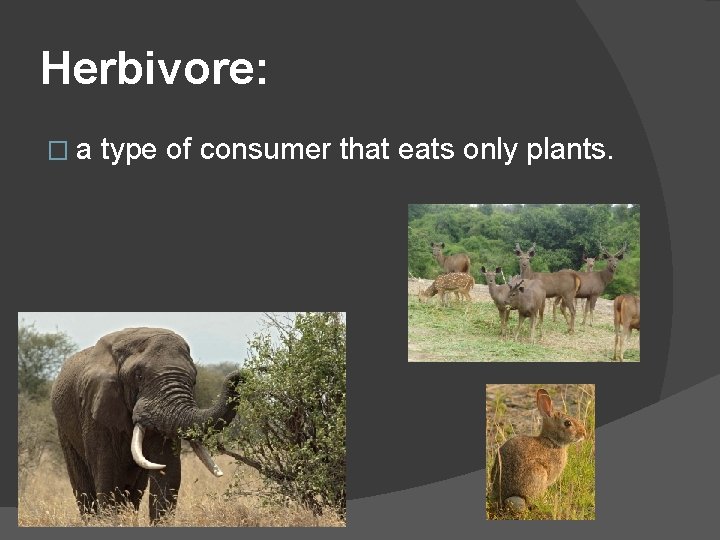
Herbivore: �a type of consumer that eats only plants.
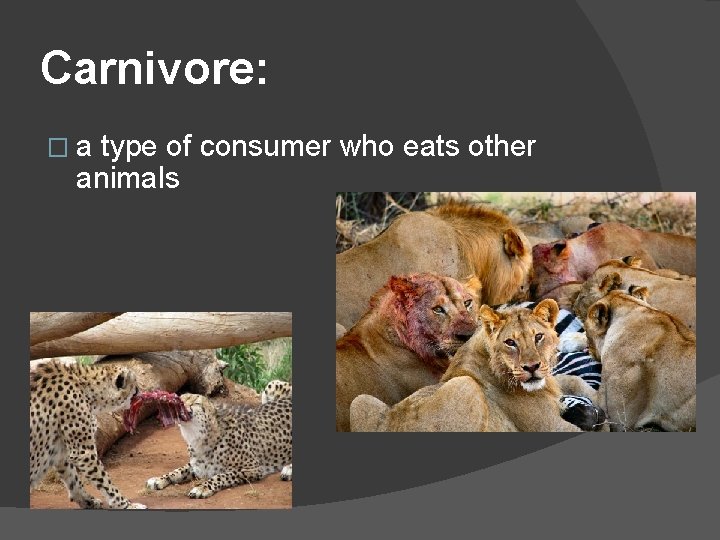
Carnivore: �a type of consumer who eats other animals
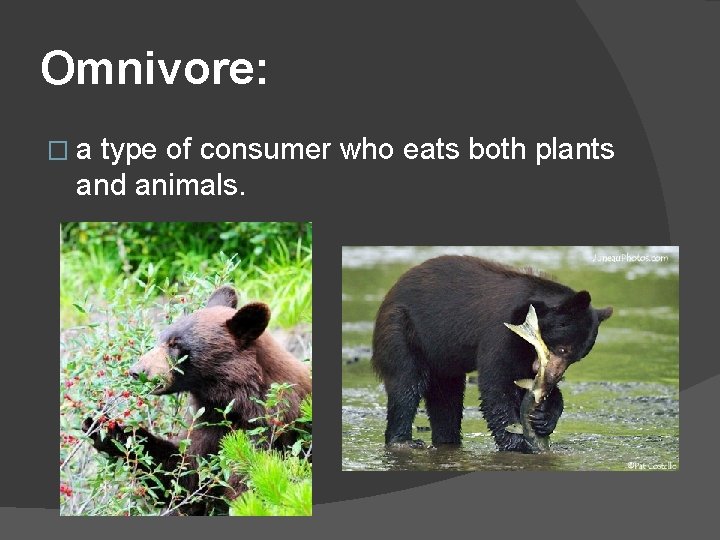
Omnivore: �a type of consumer who eats both plants and animals.
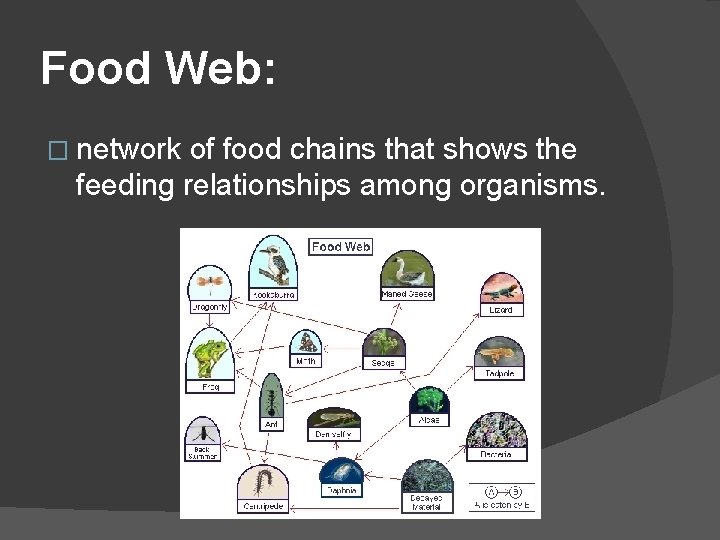
Food Web: � network of food chains that shows the feeding relationships among organisms.
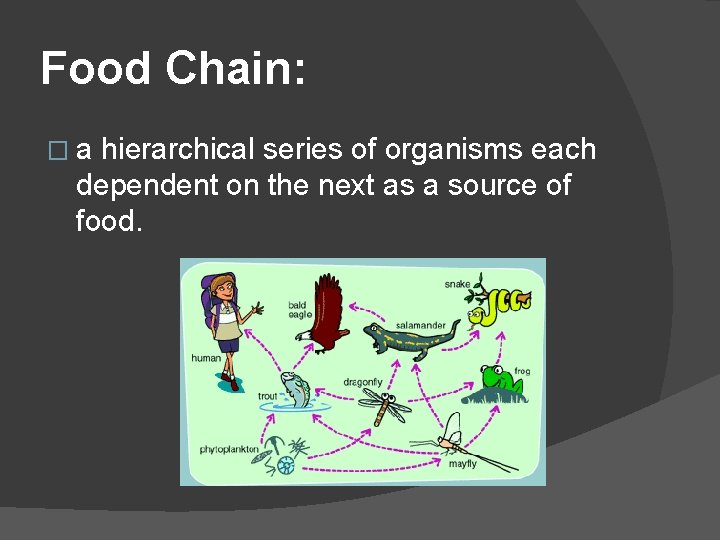
Food Chain: �a hierarchical series of organisms each dependent on the next as a source of food.
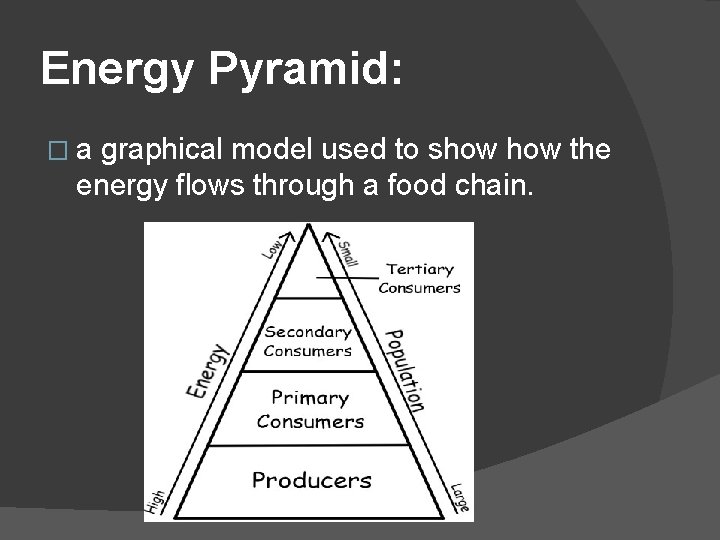
Energy Pyramid: �a graphical model used to show the energy flows through a food chain.
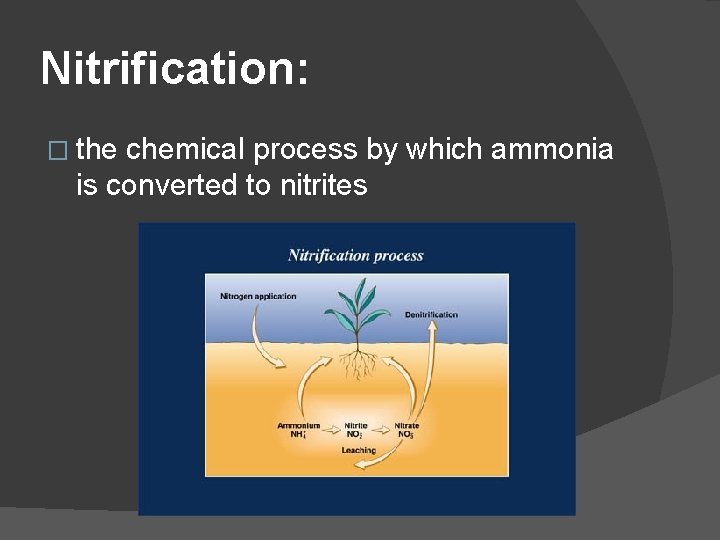
Nitrification: � the chemical process by which ammonia is converted to nitrites
- Slides: 24