
Biogeochemical Cycles EQ Identify and describe the flow
Biogeochemical Cycles EQ: Identify and describe the flow of nutrients in each biogeochemical cycle. Explain the impact that humans have on the biogeochemical cycles.
What does biogeochemical mean? • Bio • Geo • Chemical
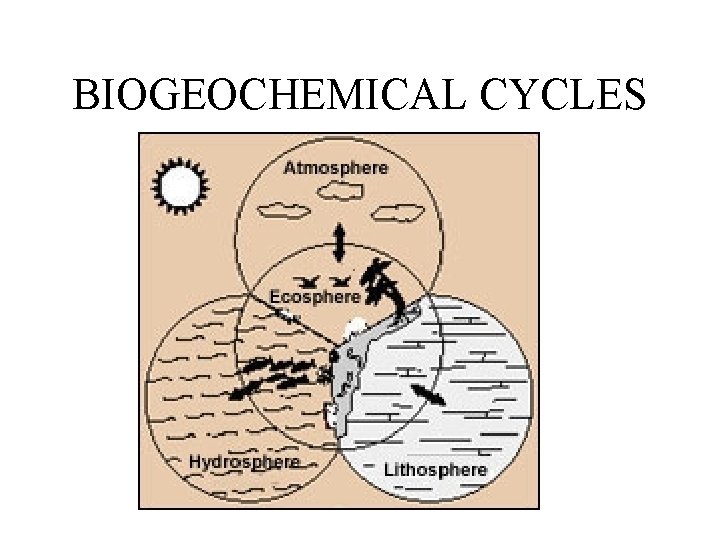
BIOGEOCHEMICAL CYCLES
‘Fundamentals’ of biogeochemical cycles • All matter cycles. . . it is neither created nor destroyed. . . • As the Earth is essentially a closed system with respect to matter, we can say that all matter on Earth cycles. • Biogeochemical cycles: the movement (or cycling) of matter through a system
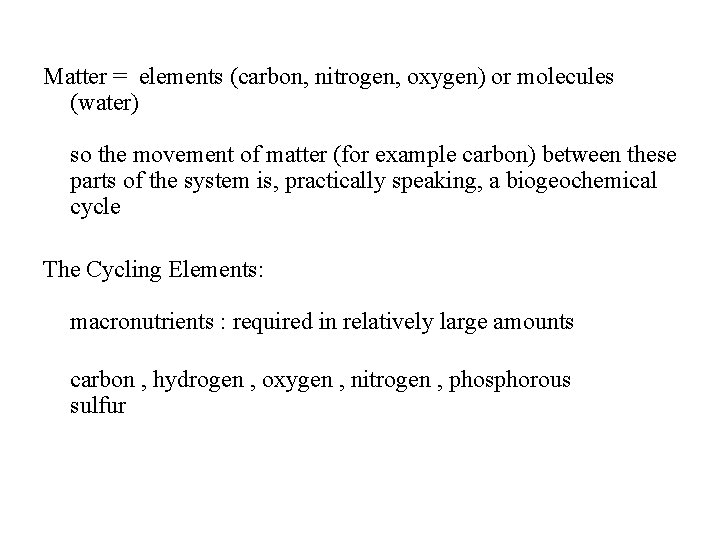
Matter = elements (carbon, nitrogen, oxygen) or molecules (water) so the movement of matter (for example carbon) between these parts of the system is, practically speaking, a biogeochemical cycle The Cycling Elements: macronutrients : required in relatively large amounts carbon , hydrogen , oxygen , nitrogen , phosphorous sulfur
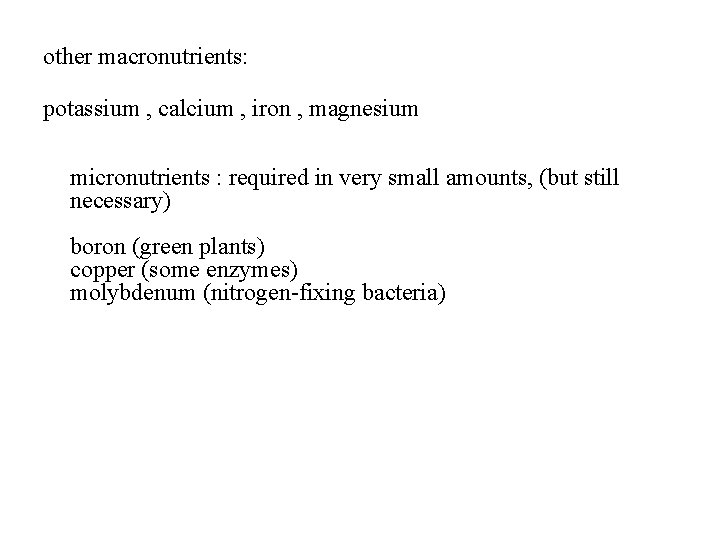
other macronutrients: potassium , calcium , iron , magnesium micronutrients : required in very small amounts, (but still necessary) boron (green plants) copper (some enzymes) molybdenum (nitrogen-fixing bacteria)
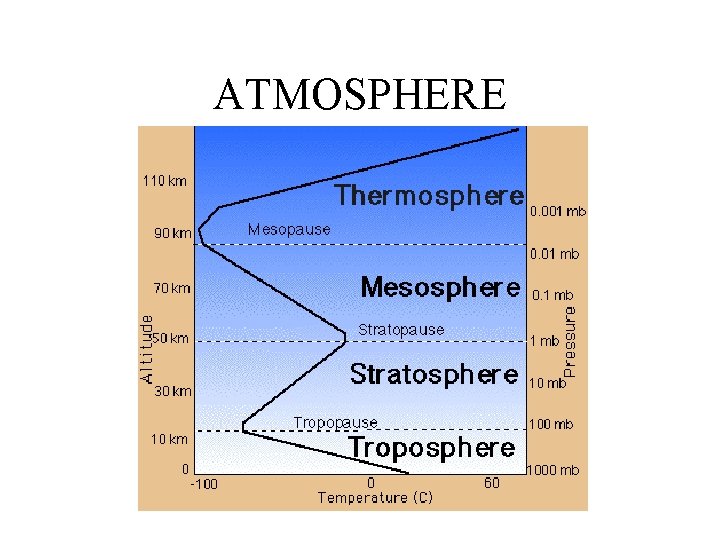
ATMOSPHERE
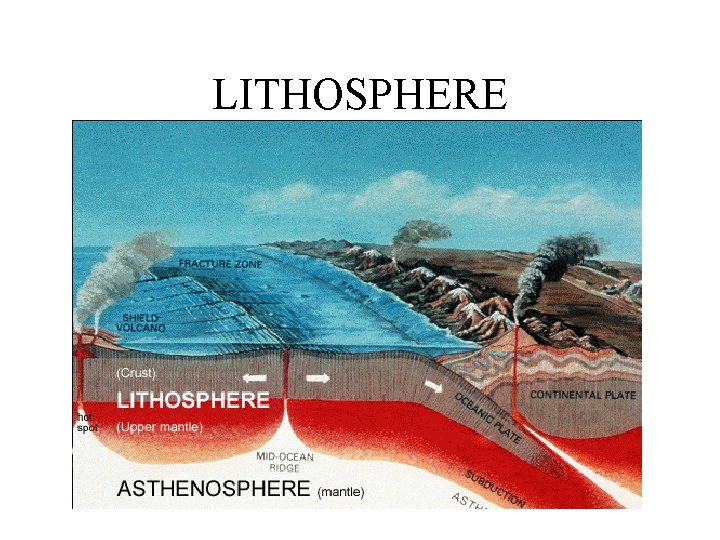
LITHOSPHERE
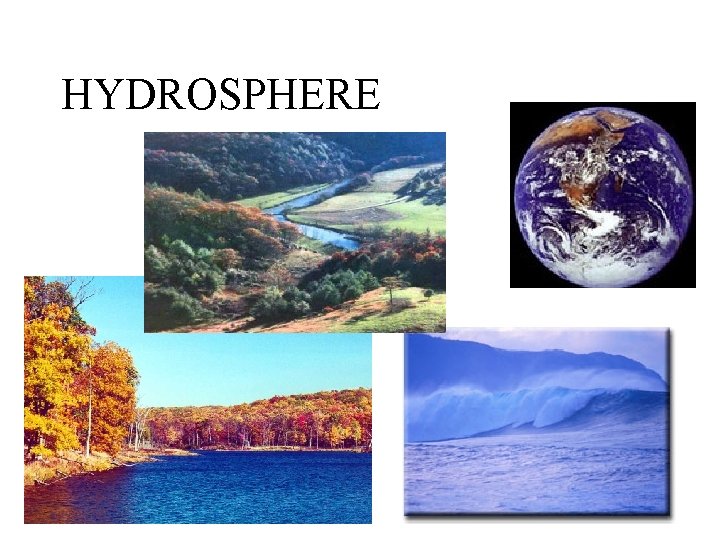
HYDROSPHERE
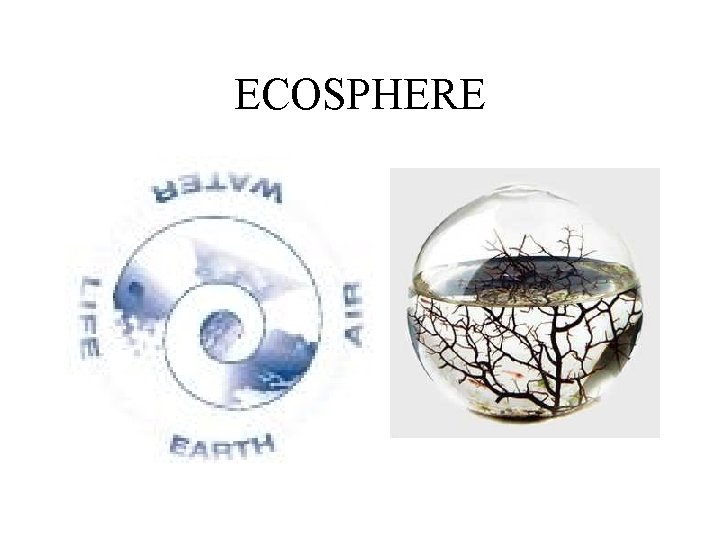
ECOSPHERE
6 of the most important cycles are the water, carbon, nitrogen, sulfur, phosphorus and oxygen. 1. 2. 3. 4. 5. 6. Water Carbon Nitrogen Phosphorous Sulfur Oxygen
I. The Water Cycle
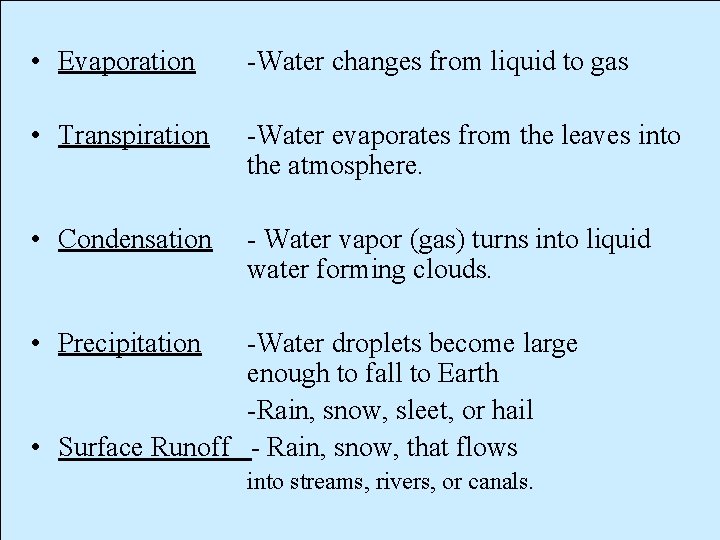
• Evaporation -Water changes from liquid to gas • Transpiration -Water evaporates from the leaves into the atmosphere. • Condensation - Water vapor (gas) turns into liquid water forming clouds. • Precipitation -Water droplets become large enough to fall to Earth -Rain, snow, sleet, or hail • Surface Runoff - Rain, snow, that flows into streams, rivers, or canals.
HYDROLOGIC CYCLE
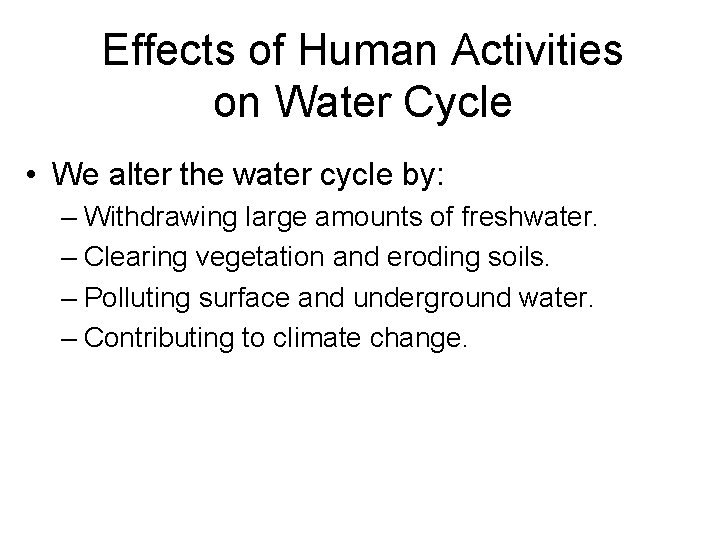
Effects of Human Activities on Water Cycle • We alter the water cycle by: – Withdrawing large amounts of freshwater. – Clearing vegetation and eroding soils. – Polluting surface and underground water. – Contributing to climate change.
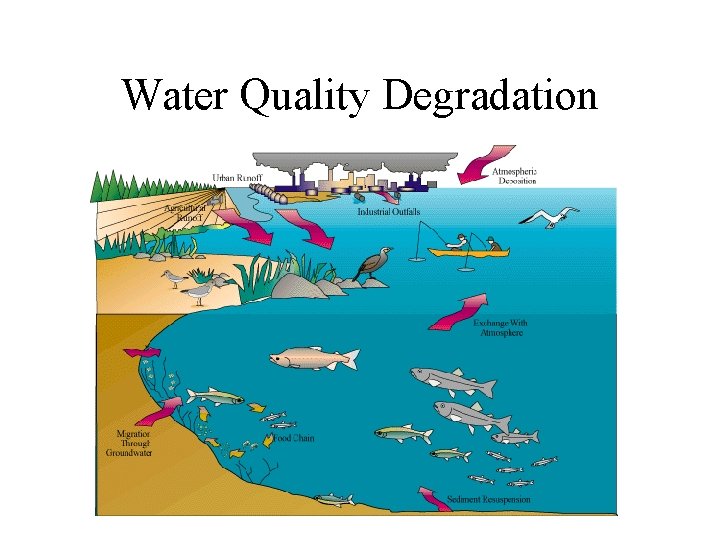
Water Quality Degradation
II. The Carbon Cycle
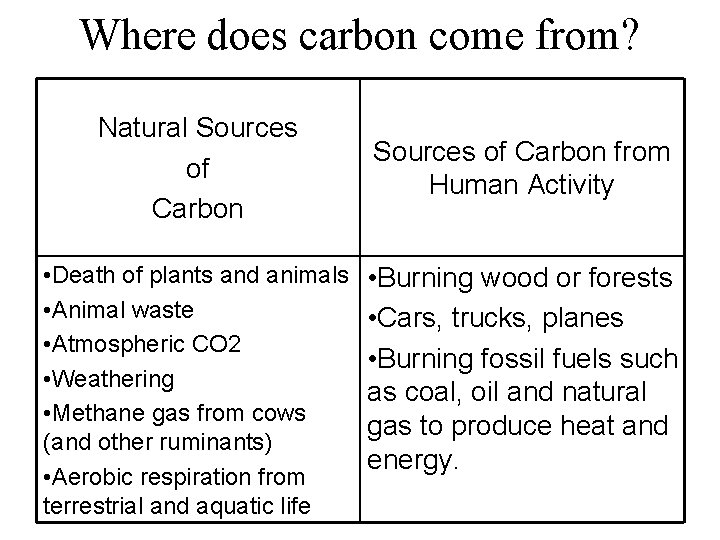
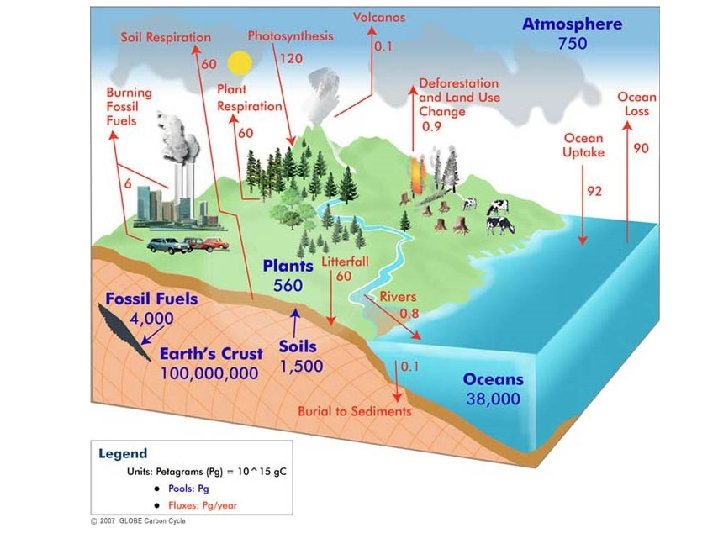
Where does carbon come from? Natural Sources of Carbon • Death of plants and animals • Animal waste • Atmospheric CO 2 • Weathering • Methane gas from cows (and other ruminants) • Aerobic respiration from terrestrial and aquatic life Sources of Carbon from Human Activity • Burning wood or forests • Cars, trucks, planes • Burning fossil fuels such as coal, oil and natural gas to produce heat and energy.
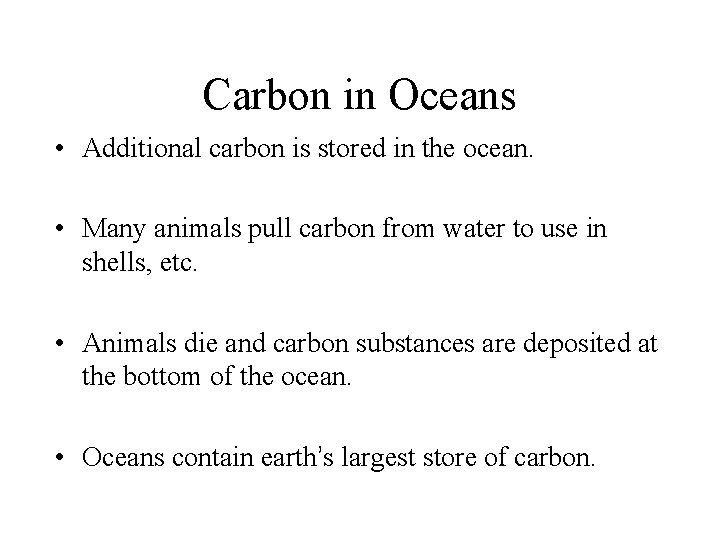
Carbon in Oceans • Additional carbon is stored in the ocean. • Many animals pull carbon from water to use in shells, etc. • Animals die and carbon substances are deposited at the bottom of the ocean. • Oceans contain earth’s largest store of carbon.
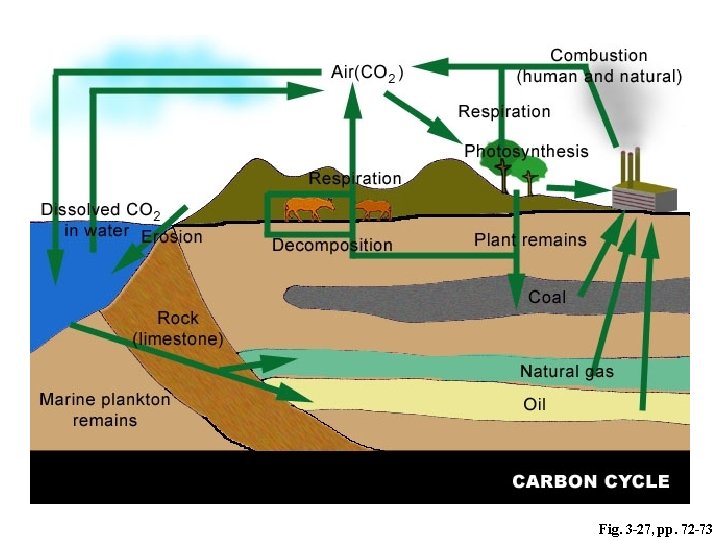
Fig. 3 -27, pp. 72 -73
MARINE CARBON CYCLE
TERRESTRIAL CARBON CYCLE
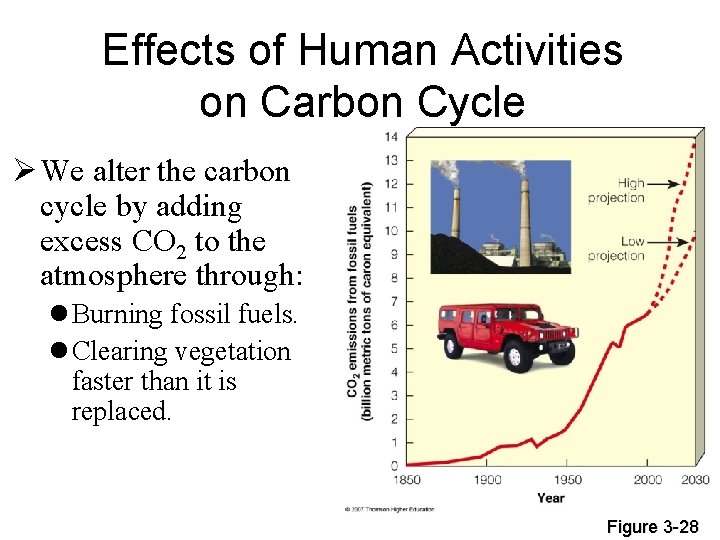
Effects of Human Activities on Carbon Cycle Ø We alter the carbon cycle by adding excess CO 2 to the atmosphere through: l Burning fossil fuels. l Clearing vegetation faster than it is replaced. Figure 3 -28
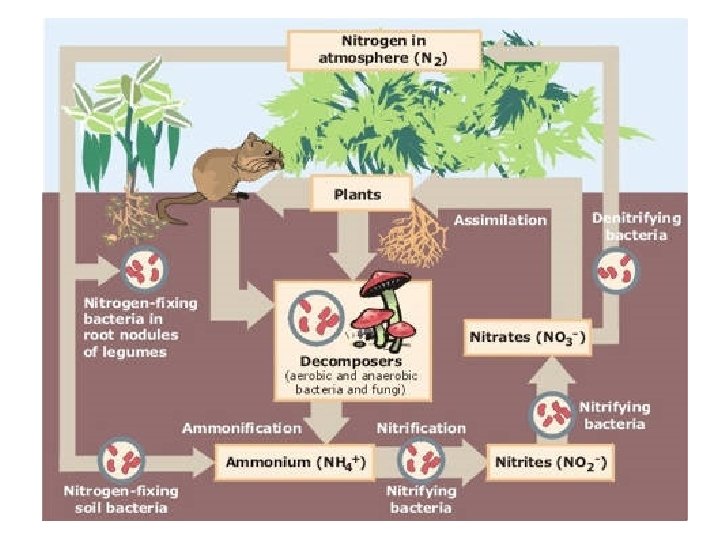
III. The Nitrogen Cycle • Where does nitrogen come from?
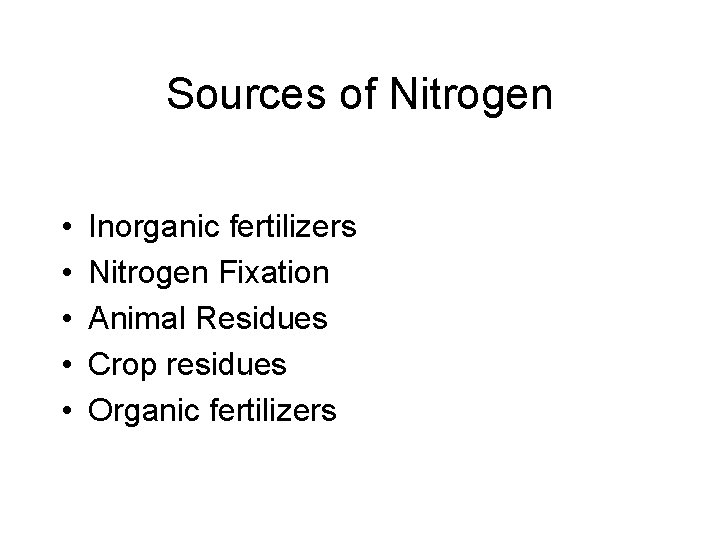
Sources of Nitrogen • • • Inorganic fertilizers Nitrogen Fixation Animal Residues Crop residues Organic fertilizers
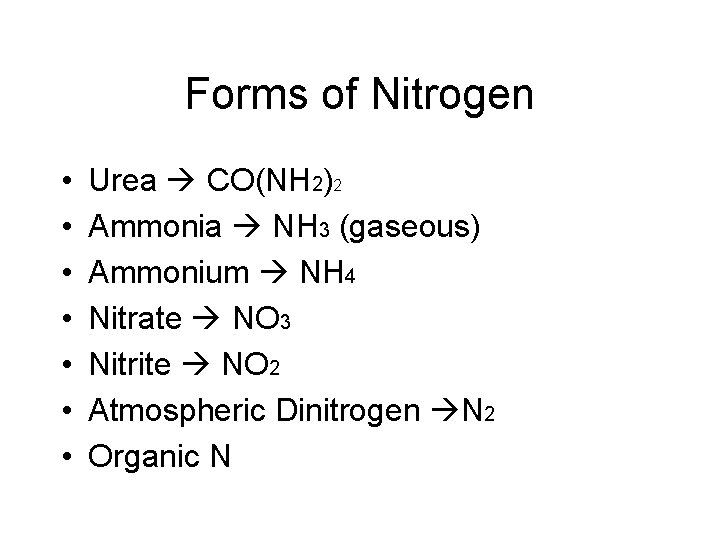
Forms of Nitrogen • • Urea CO(NH 2)2 Ammonia NH 3 (gaseous) Ammonium NH 4 Nitrate NO 3 Nitrite NO 2 Atmospheric Dinitrogen N 2 Organic N
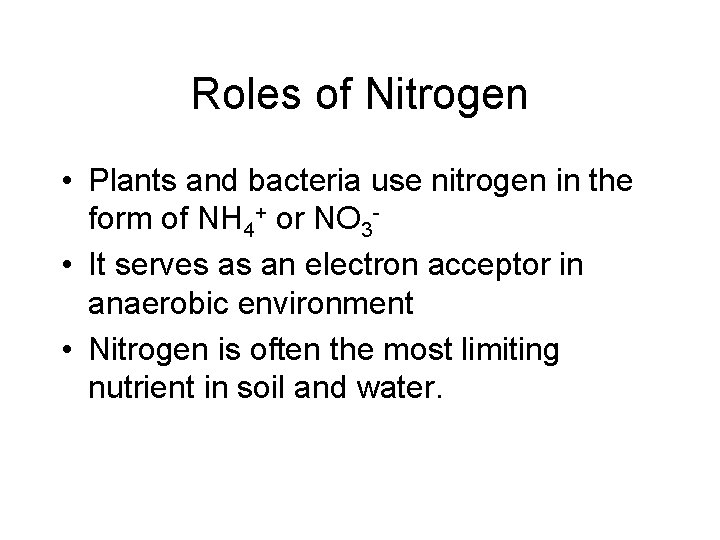
Roles of Nitrogen • Plants and bacteria use nitrogen in the form of NH 4+ or NO 3 • It serves as an electron acceptor in anaerobic environment • Nitrogen is often the most limiting nutrient in soil and water.
Nitrogen is a key element for • amino acids • nucleic acids (purine, pyrimidine) • cell wall components of bacteria (NAM).
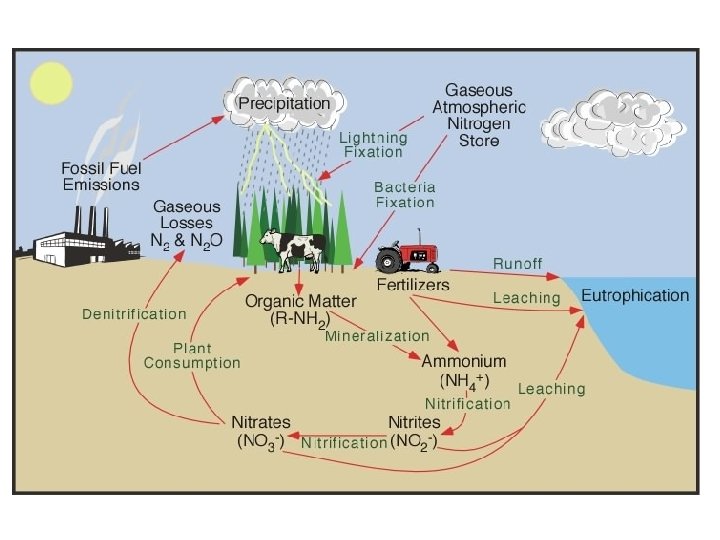
Effects of Human Activities on the Nitrogen Cycle • We alter the nitrogen cycle by: – Adding gases that contribute to acid rain. – Adding nitrous oxide to the atmosphere through farming practices which can warm the atmosphere and deplete ozone. – Contaminating ground water from nitrate ions in inorganic fertilizers. – Releasing nitrogen into the troposphere through deforestation.
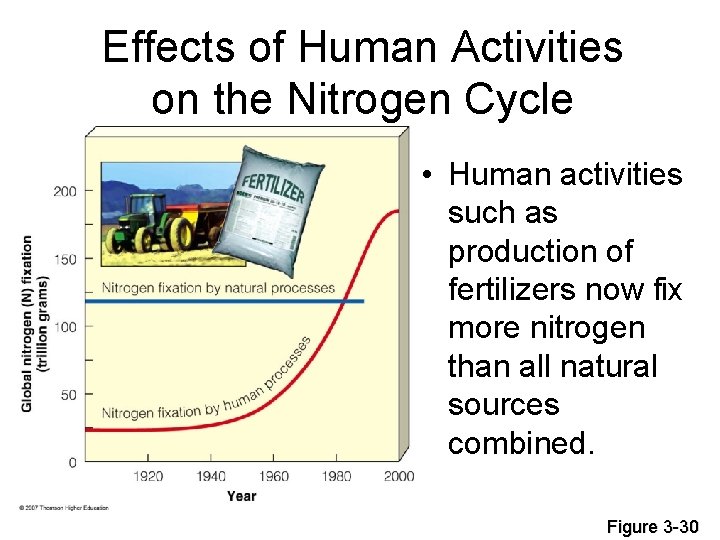
Effects of Human Activities on the Nitrogen Cycle • Human activities such as production of fertilizers now fix more nitrogen than all natural sources combined. Figure 3 -30
IV. The Phosphorous Cycle
IMPORTANCE OF PHOSPHOROUS CYCLE • 1. Phosphorous is an essential nutrient of both plants and animals. • 2. It is part of DNA molecules which carry genetic information. • 3. It is part of ATP and ADP) that store chemical energy for use by organisms in cellular respiration. • 4. Forms phospholipids in cell membranes of plants and animal cells. • 5. Forms bones, teeth, and shells of animals as calcium phosphate compounds.
PHOSPHOROUS CYCLE
HUMAN IMPACTS TO PHOSPHOROUS CYCLE 1. Humans mine LARGE quantities of phosphate rock to use in commercial fertilizers and detergents. Phosphorous is NOT found as a gas, only as a solid in the earth’s crust. It takes millions to hundreds of millions of years to replenish. 2. Phosphorous is held in the tissue of the trees and vegetation, not in the soil and as we deforest the land, we remove the ability for phosphorous to replenish globally in ecosystems. 3. Cultural eutrophication – ad excess phosphate to aquatic ecosystems in runoff of animal wastes from livestock feedlots, runoff of commercial phosphate fertilizers fro cropland, and discharge of municipal sewage.
Effects of Human Activities on the Phosphorous Cycle • We remove large amounts of phosphate from the earth to make fertilizer. • We reduce phosphorous in tropical soils by clearing forests. • We add excess phosphates to aquatic systems from runoff of animal wastes and fertilizers.
V. The Sulfur Cycle
IMPORTANCE OF SULFUR CYCLE 1. Sulfur is a component of most proteins and some vitamins. 2. Sulfate ions (SO 4 2 - ) dissolved in water are common in plant tissue. They are part of sulfur-containing amino acids that are the building blocks for proteins. 3. Sulfur bonds give three dimensional structure of amino acids. 4. Many animals, including humans, depend on plants for sulfur-containing amino acids.
SULFUR CYCLE
Effects of Human Activities on the Sulfur Cycle • We add sulfur dioxide to the atmosphere by: – Burning coal and oil – Refining sulfur containing petroleum. – Convert sulfur-containing metallic ores into free metals such as copper, lead, and zinc releasing sulfur dioxide into the environment.
VI. The Oxygen Cycle
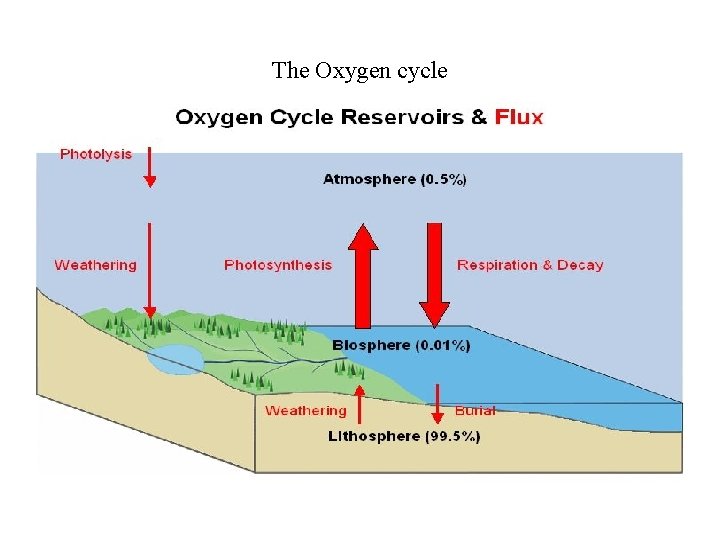
The Oxygen cycle
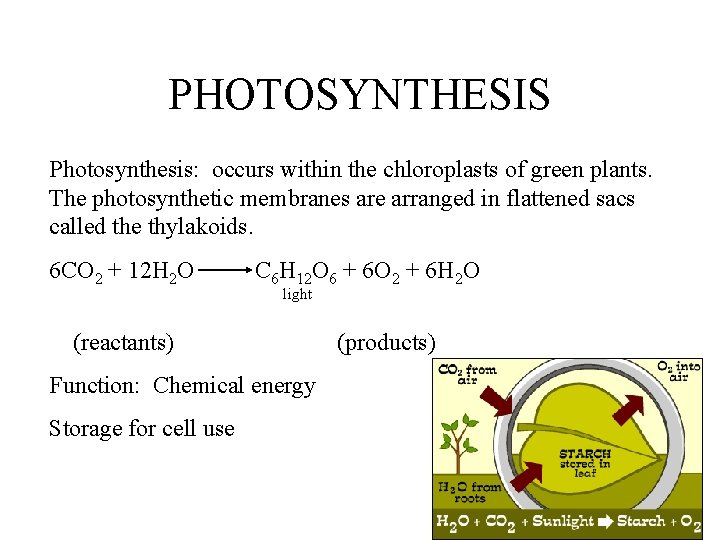
PHOTOSYNTHESIS Photosynthesis: occurs within the chloroplasts of green plants. The photosynthetic membranes are arranged in flattened sacs called the thylakoids. 6 CO 2 + 12 H 2 O C 6 H 12 O 6 + 6 O 2 + 6 H 2 O light (reactants) Function: Chemical energy Storage for cell use (products)
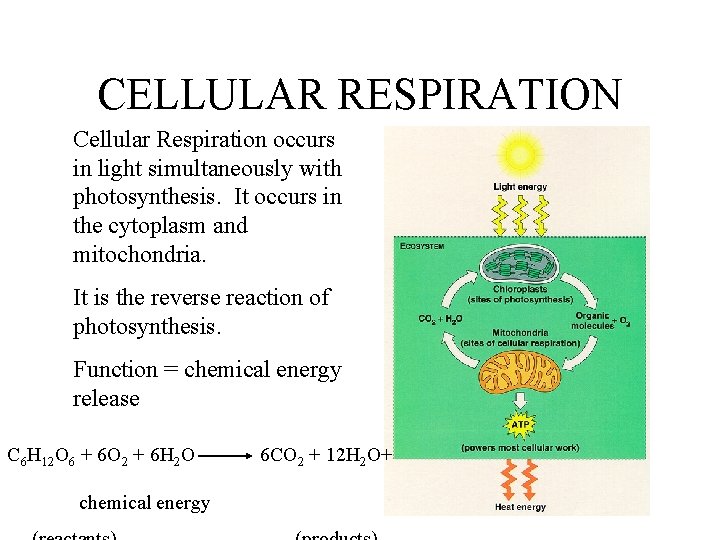
CELLULAR RESPIRATION Cellular Respiration occurs in light simultaneously with photosynthesis. It occurs in the cytoplasm and mitochondria. It is the reverse reaction of photosynthesis. Function = chemical energy release C 6 H 12 O 6 + 6 O 2 + 6 H 2 O chemical energy 6 CO 2 + 12 H 2 O+
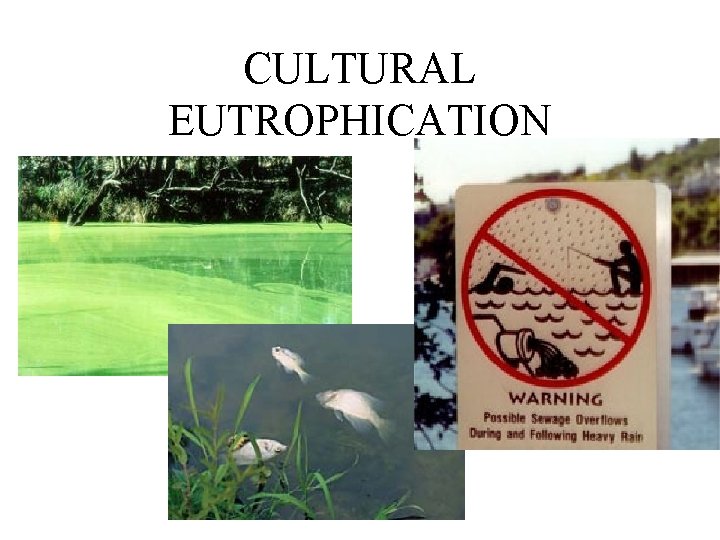
CULTURAL EUTROPHICATION
Cultural Eutrophication & Anoxia • Eutrophication: natural process; over 1000’s of years, lakes fill in with sediment, become marshes then dry land • Cultural Eutrophication: same process, but speeded enormously by loading with “limiting nutrients” (typically P, sometimes N)
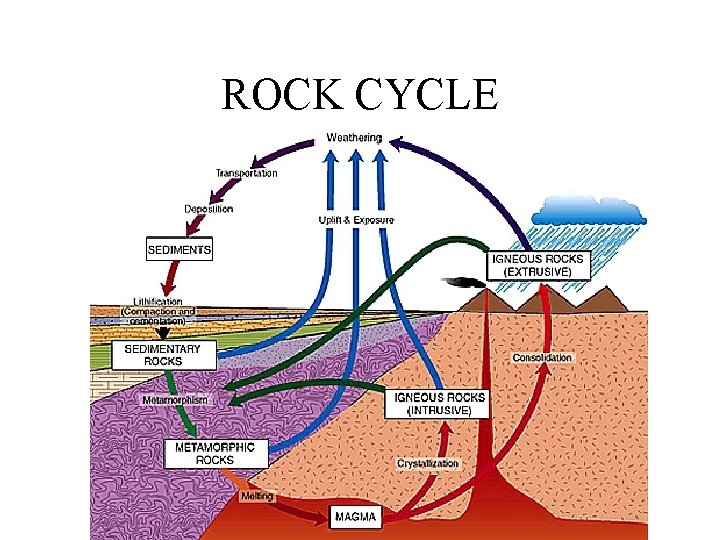
ROCK CYCLE
HUMAN IMPACTS ON THE ROCK CYCLE • 1. Humans are excavating minerals and removing rock material. It takes millions of years for rock to form. • 2. Humans remove sediments for building materials. This removes sediments that may form sedimentary rocks in the future. • 3. Humans are filling in wetlands (peatlands), area that will form future coal beds.
1. Which part of the atmosphere is the ozone layer right above? A. Stratosphere B. Troposphere C. Mesosphere D. Thermosphere 2. How long does it take rock formations to form? A. 1, 000 years B. 10, 000 years C. 100, 000 years D. 1, 000 years E. 10, 000 years 3. What is cultural eutrophication good for? A. Fish B. Dissolved Oxygen in the lake C. algae D. clear lake
Works Cited 1. http: //science. pppst. com/carboncycle. html 2. westernreservepublicmedia. org/earthmotion 3/image s/Carbon_Cycle. ppt 3. clima-dods. ictp. it/d 3/annalisa/ocean_sv/lecture 1. ppt 4. www. geology. wmich. edu/Koretsky/envs 2150/Pcycl e_1. ppt
- Slides: 52