
Biofeedback for Faecal Incontinence and Constipation By courtesy
Biofeedback for Faecal Incontinence and Constipation By courtesy of Christine Norton Ph. D MA RN Nurse Consultant (Bowel Control) & Professor of Gastrointestinal Nursing St Mark’s Hospital & Kings College London, United Kingdom
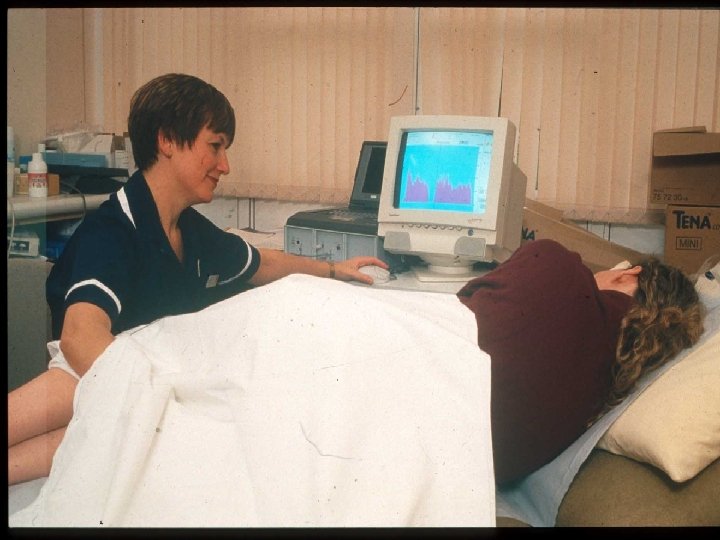
What is “Biofeedback”? • Whatever you want it to be? • Use of equipment to record or amplify biological signals normally unnoticed, to enable the individual to alter function or responses • Huge variety of protocols – 1 -28 sessions – Daily-monthly – Few described intervention or used controls
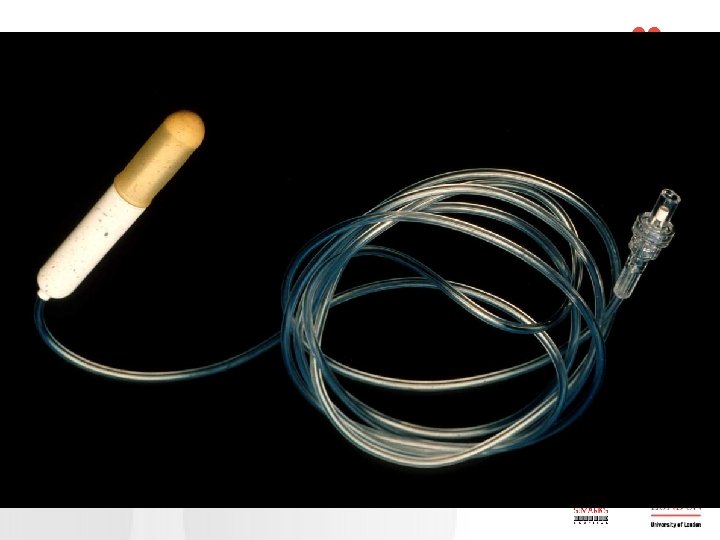
3 main modalities for FI • Strength training: feedback of squeeze increment to enhance performance of exercises – EMG (surface or intra-anal) (17 studies) – Pressure (water perfused, solid state, air balloon) – Ultrasound (anal or vaginal) (2 studies) • Increase voluntary squeeze response to rectal distension (co-ordination) • Rectal balloon: decrease threshold of sensation to rectal filling, or increase threshold for urgency • Combinations
Systematic review of biofeedback for FI • 46 studies identified in adults in English • Total of 1364 patients • 49% no incontinence, 72% cured or improved • Only one study showed no improvement • Poor outcome measures, no standard technique (Norton & Kamm, Alimentary Pharmacology & Therapeutics, 2001) • Now (2006) 65+ case series
Problems with case series • Publication bias (negative studies not published? ) • We all talk to patients (hopefully) • Known effect of intervening per se (placebo response is high in functional gut disorders) • Confounding effect of: time, attention, patient education and understanding, reassurance that symptoms not sinister, advice on diet, titration of medication…etc • Is it biofeedback that is effective? ?
Elements of “Biofeedback” • Nurse / physiotherapist led service • Patient teaching and understanding • Sphincter isolation & exercises (+ home practice) Strength, endurance, speed of reaction • Behaviour modification - urge resistance +/balloon distension & co-ordination • Diet, caffeine, lifestyle • Practical coping & medication titration • Emotional support • Which are the important elements? (Norton & Chelvanayagam, JWOC Nursing, 2001)
- Slides: 12