
Biodiversity Species Interactions and Population Control Fig 5
Biodiversity, Species Interactions, and Population Control
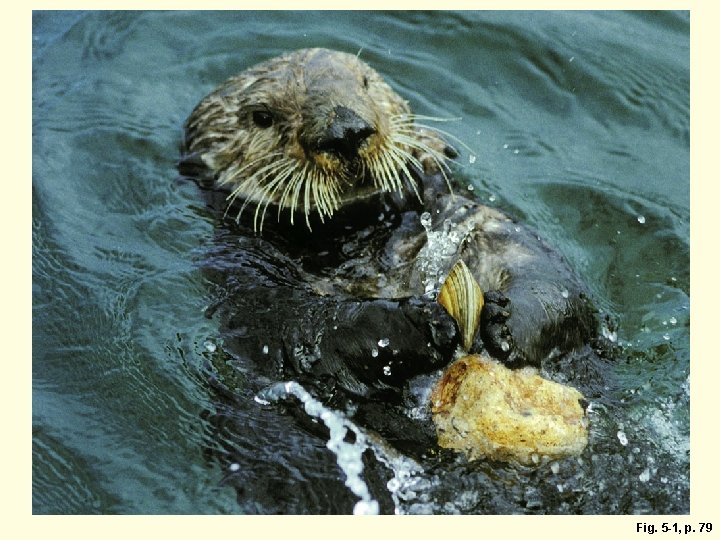
Fig. 5 -1, p. 79
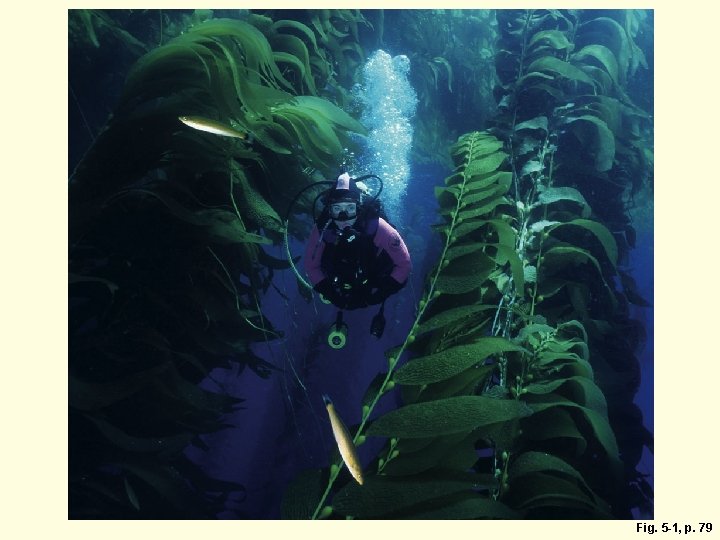
Fig. 5 -1, p. 79
How Do Species Interact? • Five types of species interactions affect the resource use and population sizes of the species in an ecosystem.
Species Interact in 5 Major Ways • • • Interspecific competition Predation Parasitism Mutualism Commensalism
Interspecific Competition • No two species can share vital limited resources for long • Resolved by: – Migration – Shift in feeding habits or behavior – Population drop – Extinction • Intense competition leads to resource partitioning
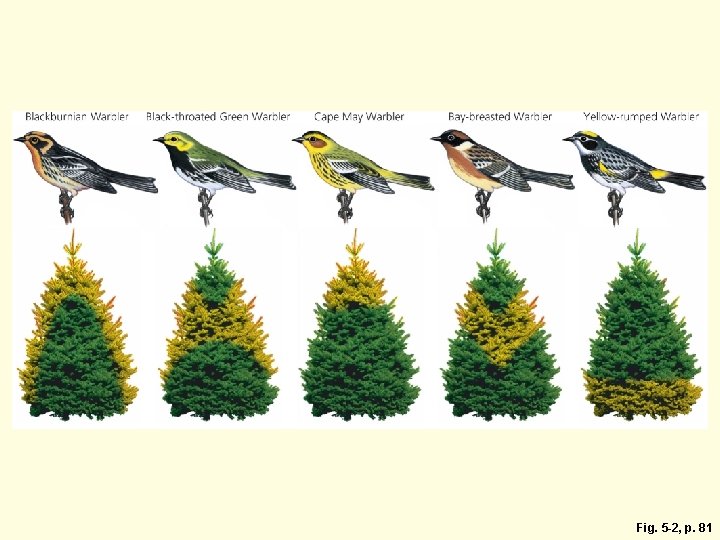
Fig. 5 -2, p. 81
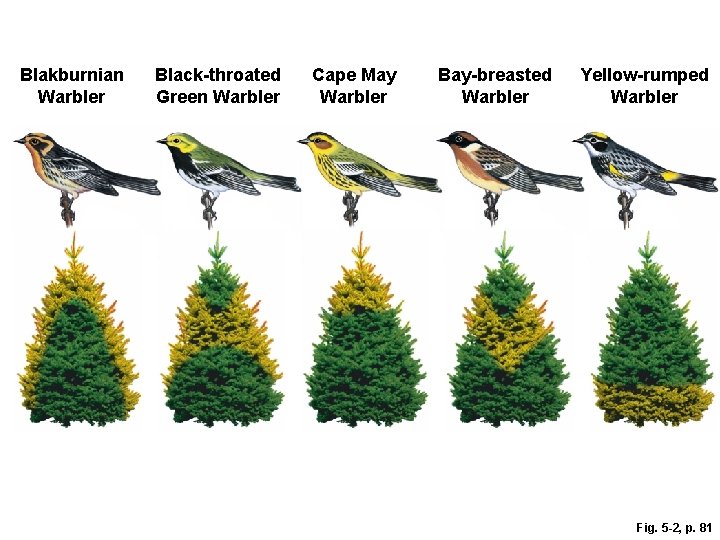
Blakburnian Warbler Black-throated Green Warbler Cape May Warbler Bay-breasted Warbler Yellow-rumped Warbler Fig. 5 -2, p. 81
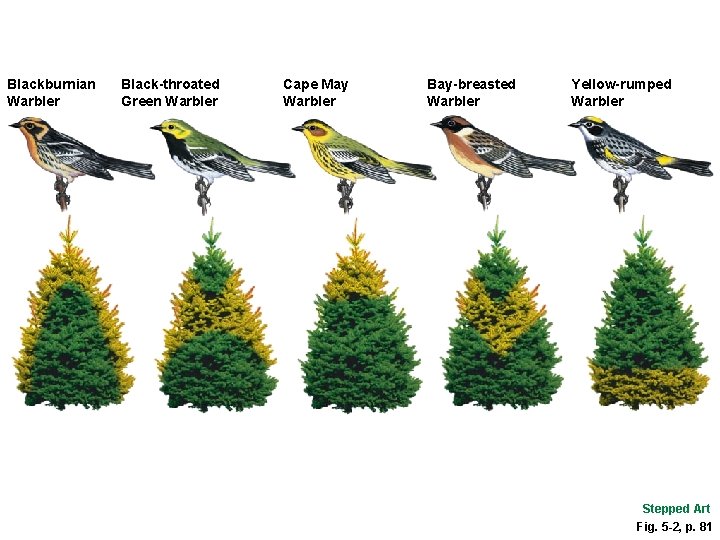
Blackburnian Warbler Black-throated Green Warbler Cape May Warbler Bay-breasted Warbler Yellow-rumped Warbler Stepped Art Fig. 5 -2, p. 81
Predation (1) • Predator strategies – Herbivores can move to plants – Carnivores • Pursuit • Ambush – Camouflage – Chemical warfare
Science Focus: Sea Urchins Threaten Kelp Forests (1) • Kelp forests – Can grow two feet per day – Require cool water – Host many species – high biodiversity – Fight beach erosion – Algin
Science Focus: Sea Urchins Threaten Kelp Forests (2) • Kelp forests threatened by – Sea urchins – Pollution – Rising ocean temperatures • Southern sea otters eat urchins – Keystone species
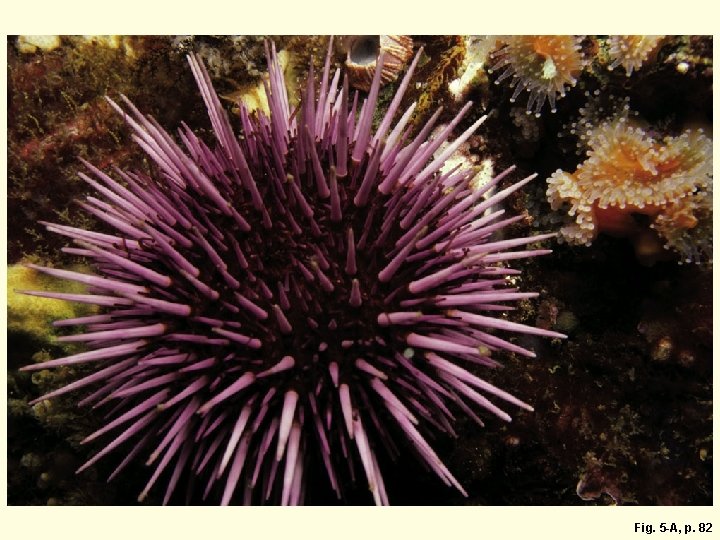
Fig. 5 -A, p. 82
Predation (2) • Prey strategies – Evasion – Alertness – highly developed senses – Protection – shells, bark, spines, thorns – Camouflage
Predation (3) • Prey strategies, continued – Mimicry – Chemical warfare – Warning coloration – Behavioral strategies – puffing up
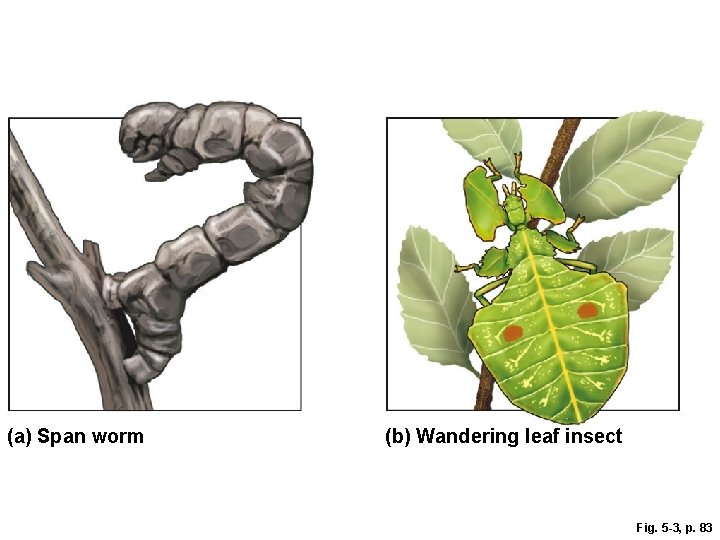
(a) Span worm (b) Wandering leaf insect Fig. 5 -3, p. 83
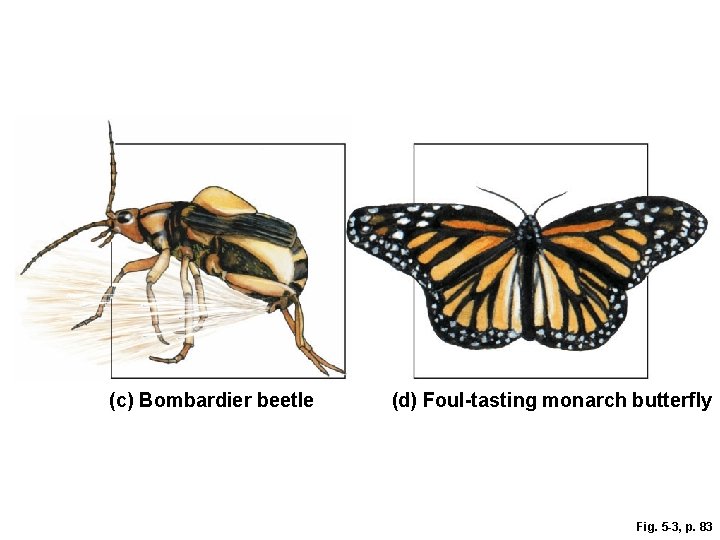
(c) Bombardier beetle (d) Foul-tasting monarch butterfly Fig. 5 -3, p. 83
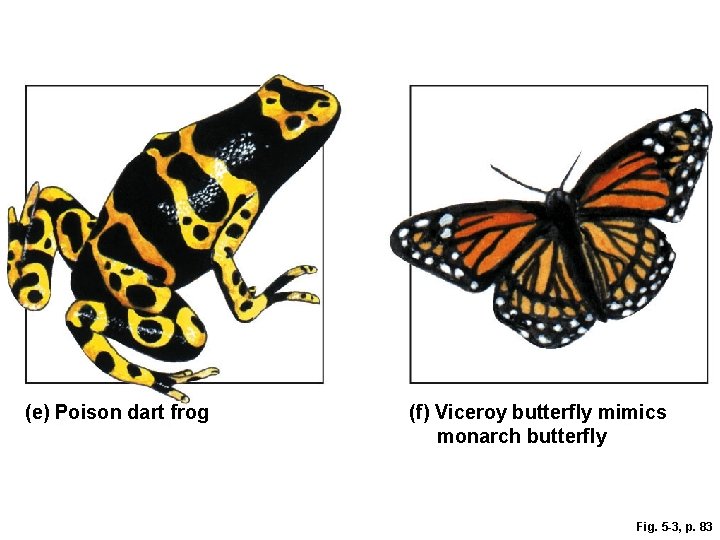
(e) Poison dart frog (f) Viceroy butterfly mimics monarch butterfly Fig. 5 -3, p. 83
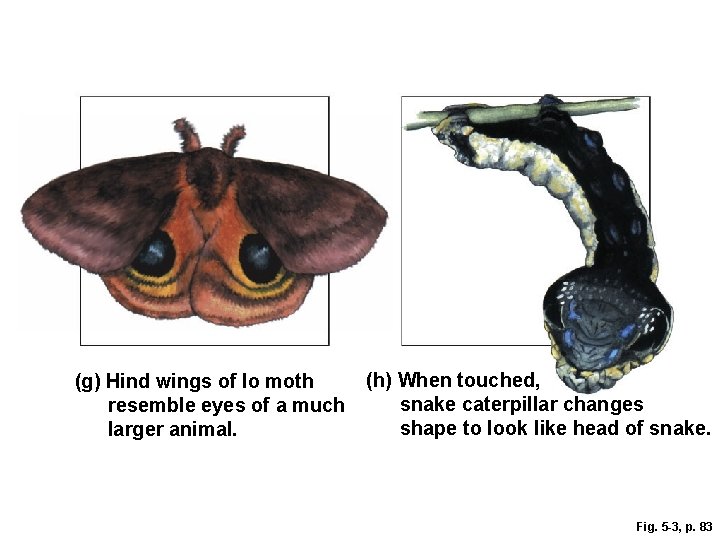
(g) Hind wings of Io moth resemble eyes of a much larger animal. (h) When touched, snake caterpillar changes shape to look like head of snake. Fig. 5 -3, p. 83
Science Focus: Sea Urchins Threaten Kelp Forests (1) • Kelp forests – Can grow two feet per day – Require cool water – Host many species – high biodiversity – Fight beach erosion – Algin
Science Focus: Sea Urchins Threaten Kelp Forests (2) • Kelp forests threatened by – Sea urchins – Pollution – Rising ocean temperatures • Southern sea otters eat urchins – Keystone species
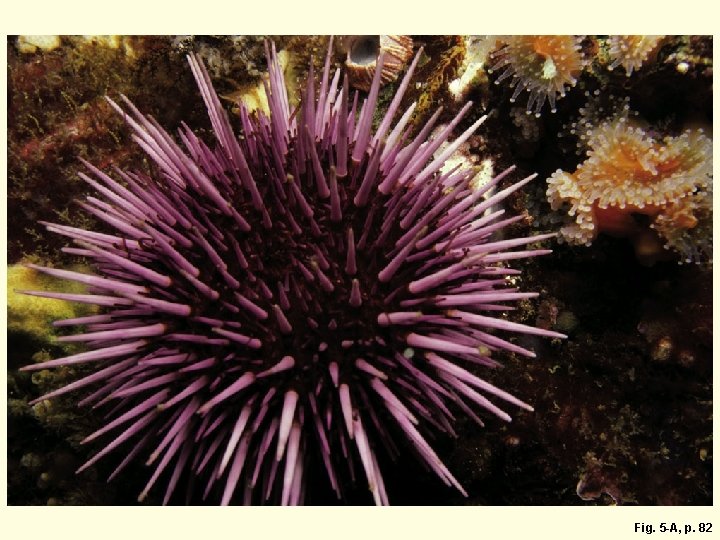
Fig. 5 -A, p. 82
Coevolution • Predator and prey – Intense natural selection pressure on each other – Each can evolve to counter the advantageous traits the other has developed – Bats and moths
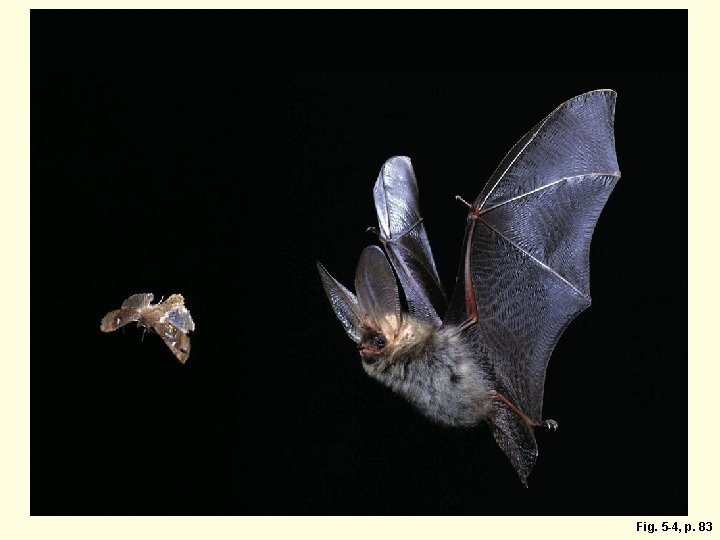
Fig. 5 -4, p. 83
Parasitism • Live in or on the host • Parasite benefits, host harmed • Parasites promote biodiversity
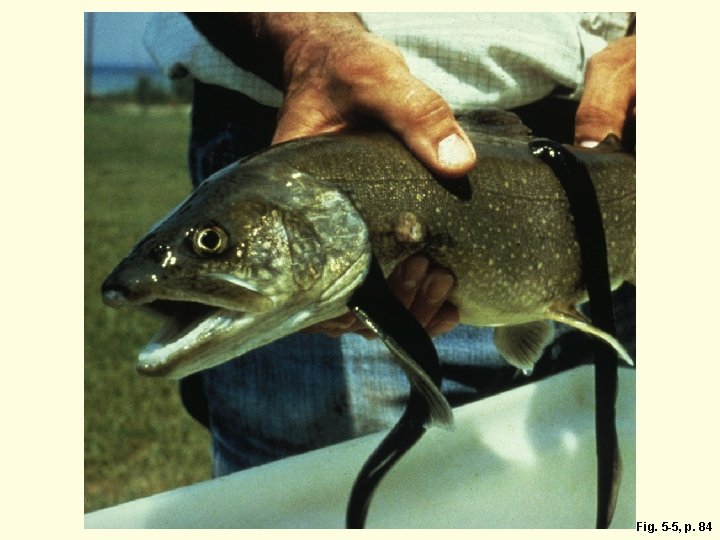
Fig. 5 -5, p. 84
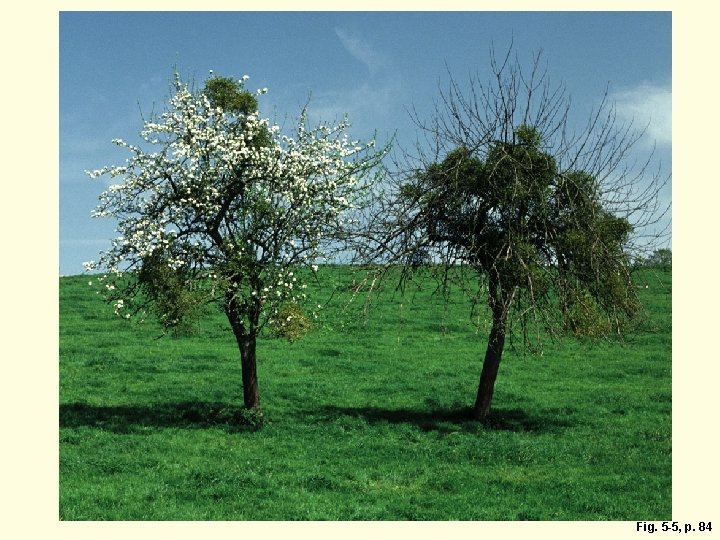
Fig. 5 -5, p. 84
Mutualism • Both species benefit • Nutrition and protection • Gut inhabitant mutualism
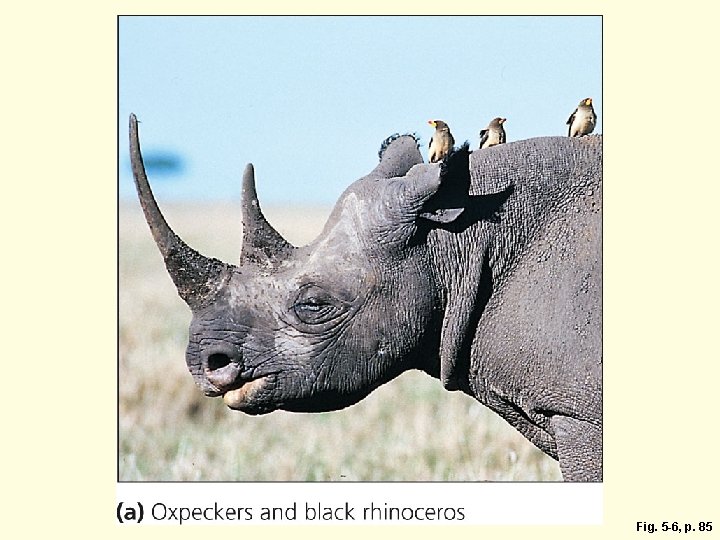
Fig. 5 -6, p. 85
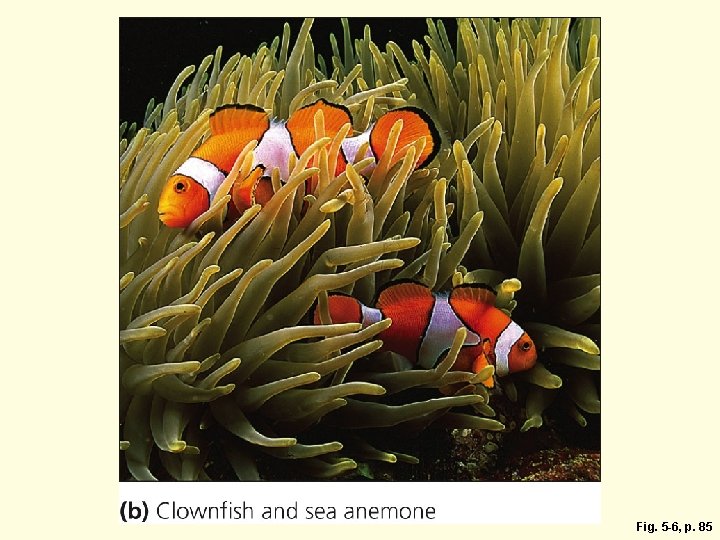
Fig. 5 -6, p. 85
Commensalism • Benefits one species with little impact on other
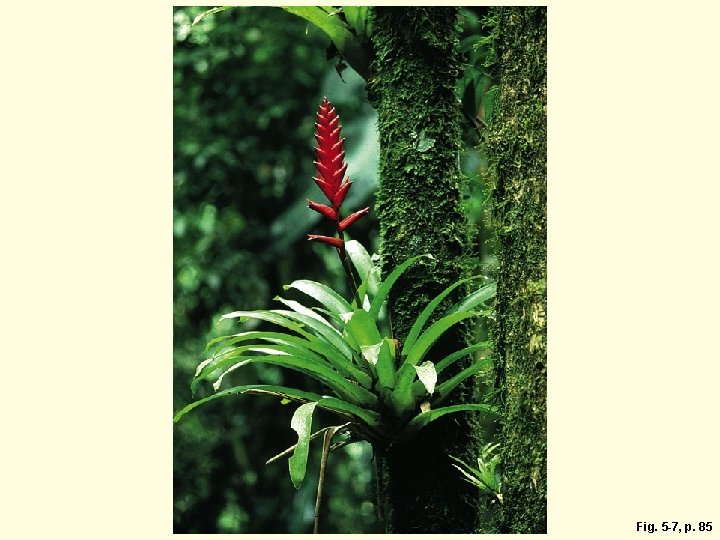
Fig. 5 -7, p. 85
What Limits the Growth of Populations? • No population can continue to grow indefinitely because of limitations on resources and because of competition among species for those resources.
Population Distribution • Clumping – most populations • Uniform dispersion • Random dispersion
Why Clumping? • Resources not uniformly distributed • Protection of the group • Pack living gives some predators greater success • Temporary mating or young-rearing groups
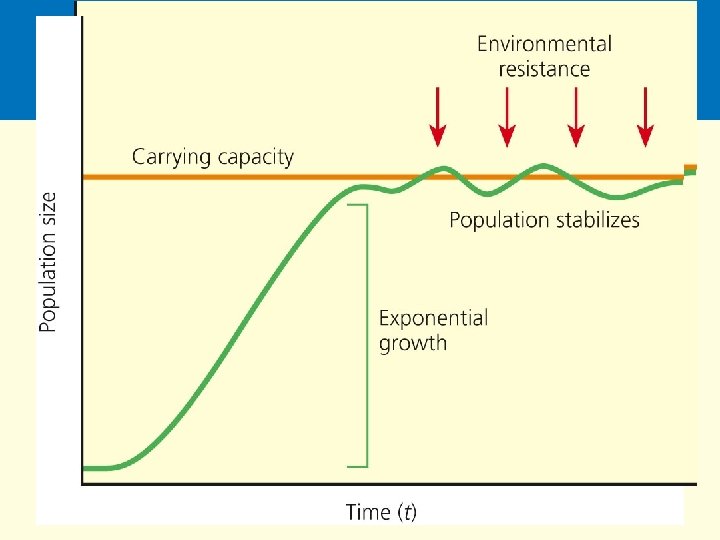
Limits to Population Growth (1) • Biotic potential is idealized capacity for growth • Intrinsic rate of increase (r) • Nature limits population growth with resource limits and competition • Environmental resistance
Limits to Population Growth (1) • Carrying capacity – biotic potential and environmental resistance • Exponential growth • Logistic growth
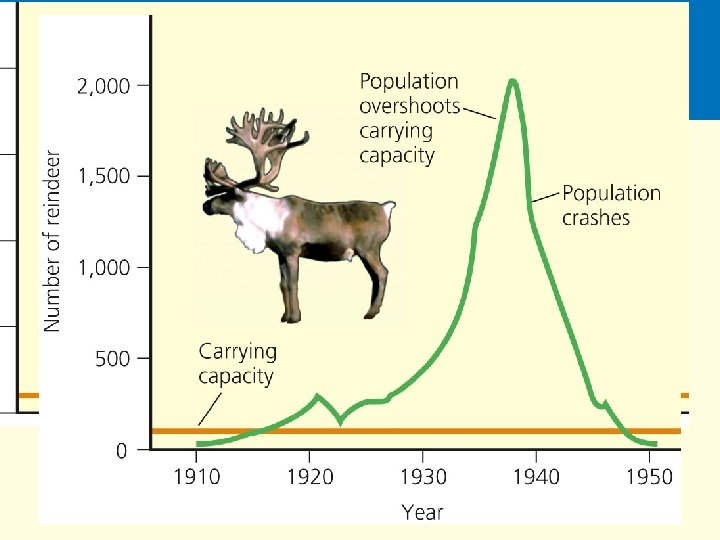
Overshoot and Dieback • Population not transition smoothly from exponential to logistic growth • Overshoot carrying capacity of environment • Caused by reproductive time lag • Dieback, unless excess individuals switch to new resource
Different Reproductive Patterns • r-Selected species – High rate of population increase – Opportunists • K-selected species – Competitors – Slowly reproducing • Most species’ reproductive cycles between two extremes
Humans Not Excempt from Population Controls • • Bubonic plague (14 th century) Famine in Ireland (1845) AIDS Technology, social, and cultural changes extended earth’s carrying capacity for humans • Expand indefinitely or reach carrying capacity?
Case Study: Exploding White-tailed Deer Populations in the United States • 1900: population 500, 000 • 1920– 30 s: protection measures • Today: 25– 30 million white-tailed deer in U. S. • Conflicts with people living in suburbia
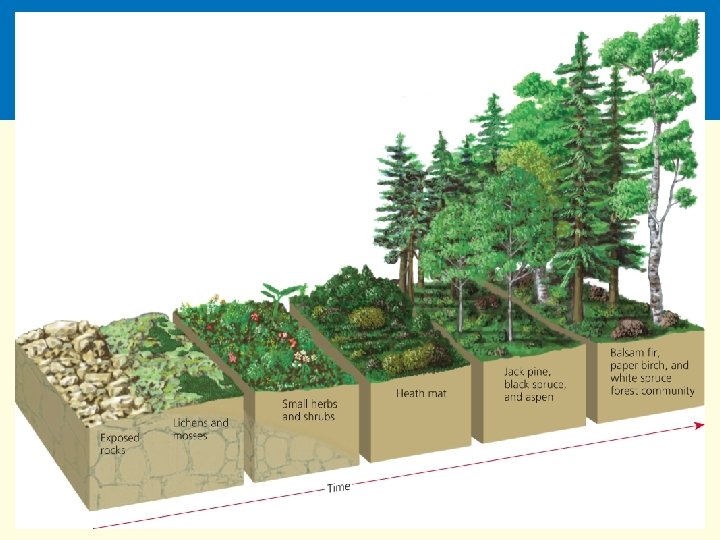
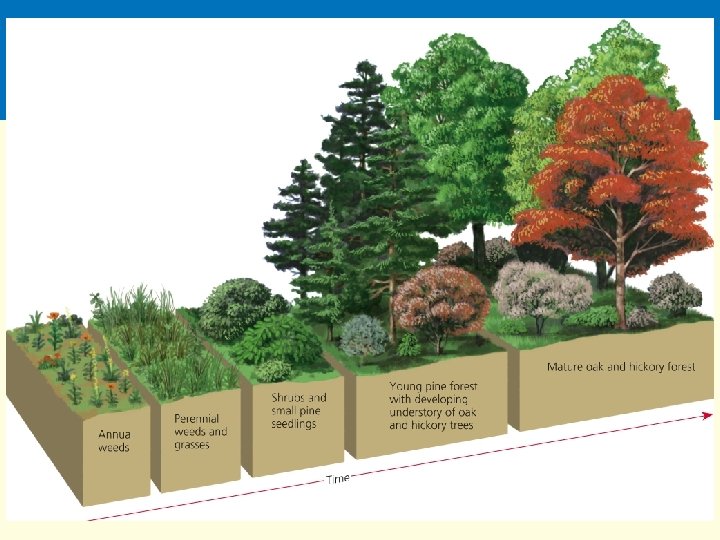
How Do Communities and Ecosystems Respond to Changing Environmental Conditions? • The structure and species composition of communities and ecosystems change in response to changing environmental conditions through a process called ecological succession.
Ecological Succession • • Primary succession Secondary succession Disturbances create new conditions Intermediate disturbance hypothesis
Succession’s Unpredictable Path • Successional path not always predictable toward climax community • Communities are ever-changing mosaics of different stages of succession • Continual change, not permanent equilibrium
Precautionary Principle • Lack of predictable succession and equilibrium should not prevent conservation • Ecological degradation should be avoided • Better safe than sorry
- Slides: 49