
Biodiversity Revision Starter questions What is biodiversity Why
Biodiversity Revision Starter questions: • What is biodiversity? • Why is it important?
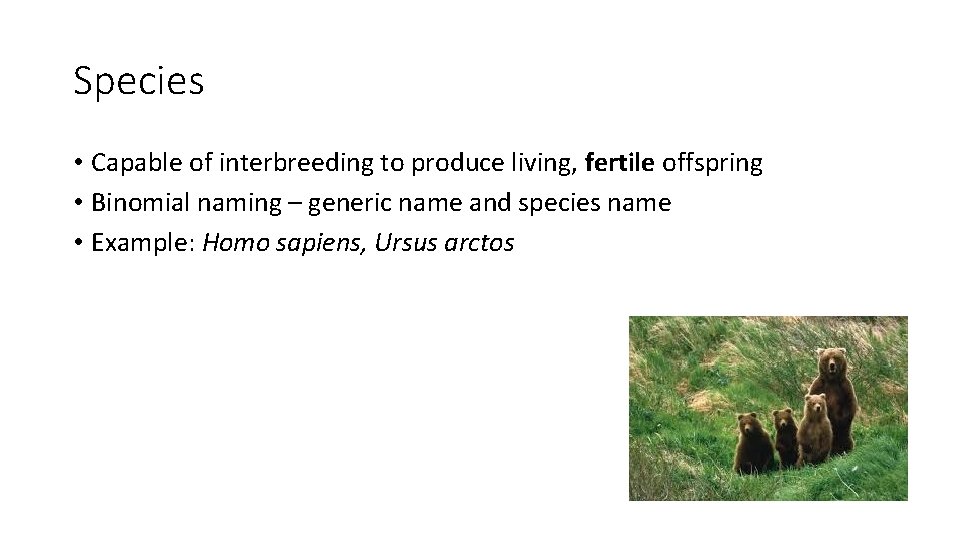
Species • Capable of interbreeding to produce living, fertile offspring • Binomial naming – generic name and species name • Example: Homo sapiens, Ursus arctos
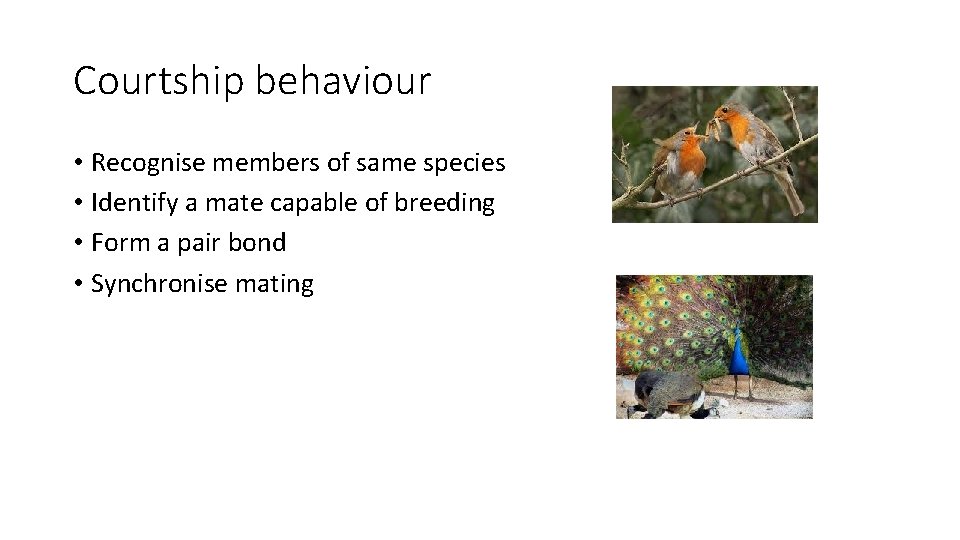
Courtship behaviour • Recognise members of same species • Identify a mate capable of breeding • Form a pair bond • Synchronise mating
Classification • Classification – grouping organisms together • Artificial classification – grouping based on analogous characteristics • Phylogenetic classification – grouping based on evolutionary relationships and homologous characteristics arranged in hierarchy • Hierarchy – groups are contained in larger groups with no overlap • Analogous characteristics may have similar function but different origin e. g. wings on butterfly and on a bird • Homologous characteristics may have different functions but same evolutionary origin e. g. wings on a bird and forelegs of a mammal

Taxonomy • Taxonomy – theory and practice of biological classification • Domains – eukaryotes, bacteria and archaea • Kingdoms – animals, plants, fungi, protoctists
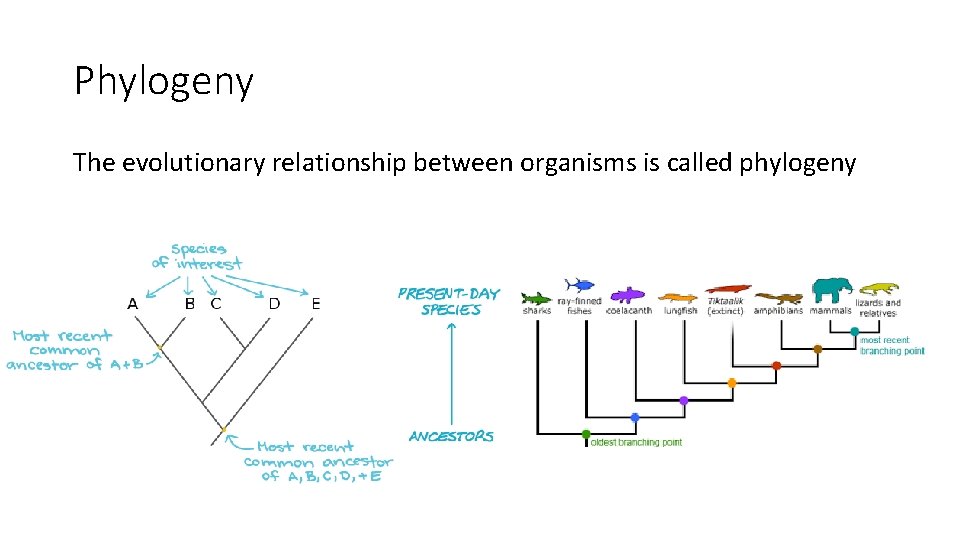
Phylogeny The evolutionary relationship between organisms is called phylogeny
Biodiversity • Species diversity – number of different species and number of individuals of each species within a community • Genetic diversity – variety of genes in population • Ecosystem diversity – range of different habitats

Index of diversity
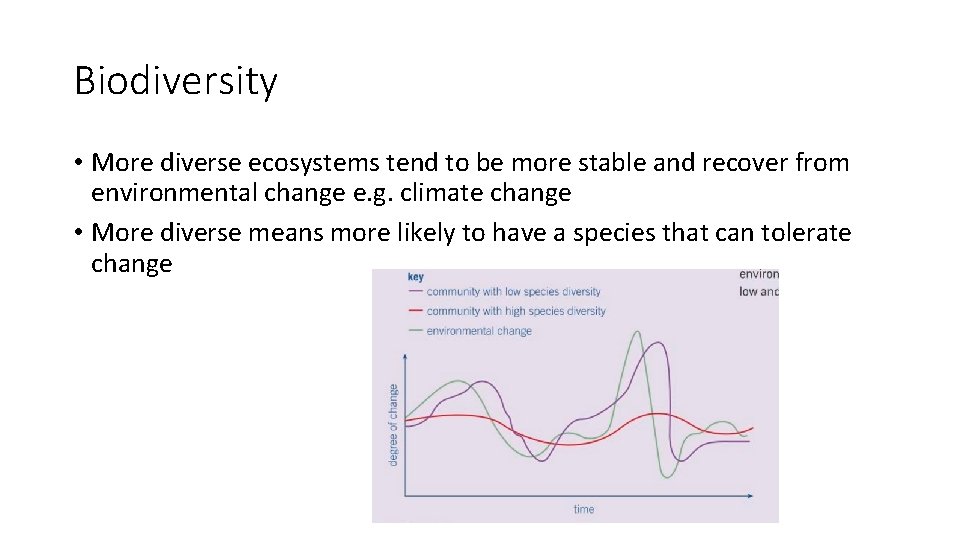
Biodiversity • More diverse ecosystems tend to be more stable and recover from environmental change e. g. climate change • More diverse means more likely to have a species that can tolerate change
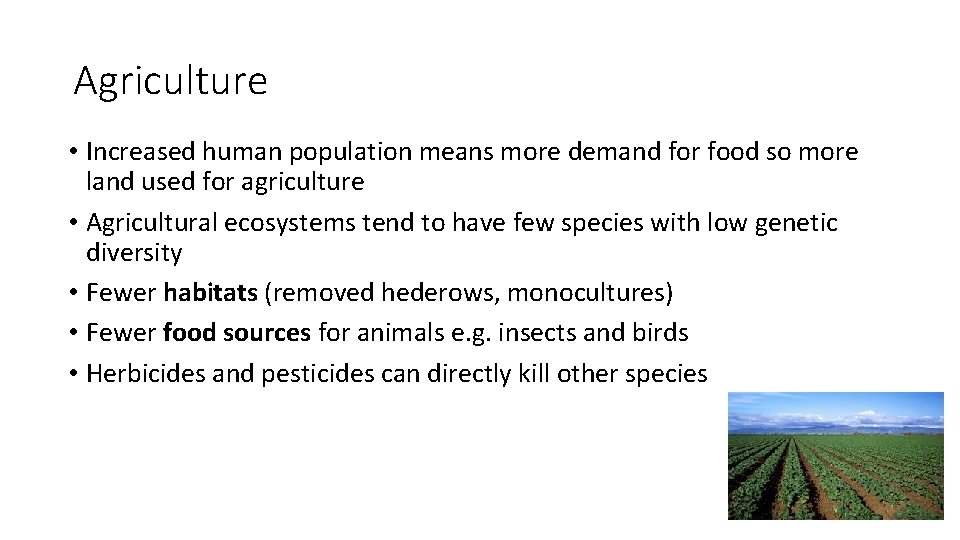
Agriculture • Increased human population means more demand for food so more land used for agriculture • Agricultural ecosystems tend to have few species with low genetic diversity • Fewer habitats (removed hederows, monocultures) • Fewer food sources for animals e. g. insects and birds • Herbicides and pesticides can directly kill other species
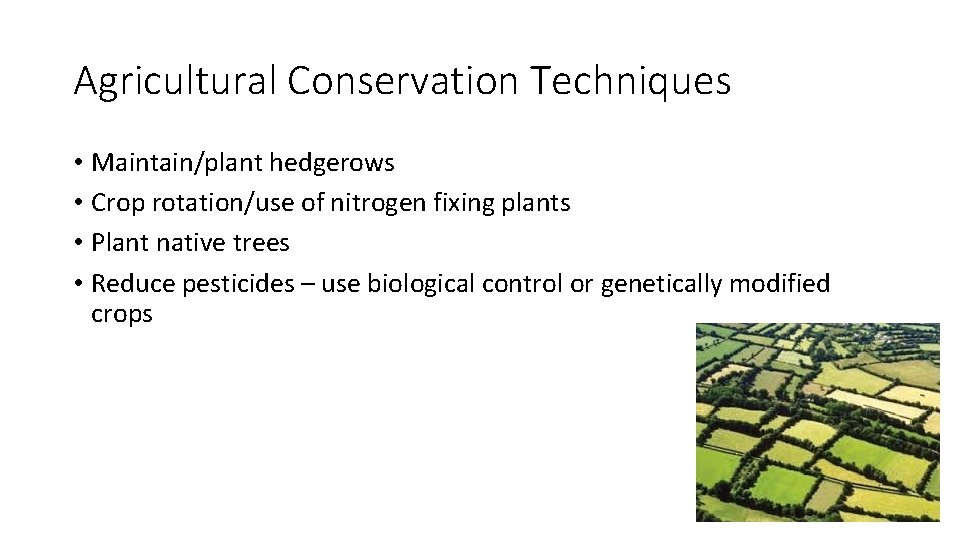
Agricultural Conservation Techniques • Maintain/plant hedgerows • Crop rotation/use of nitrogen fixing plants • Plant native trees • Reduce pesticides – use biological control or genetically modified crops
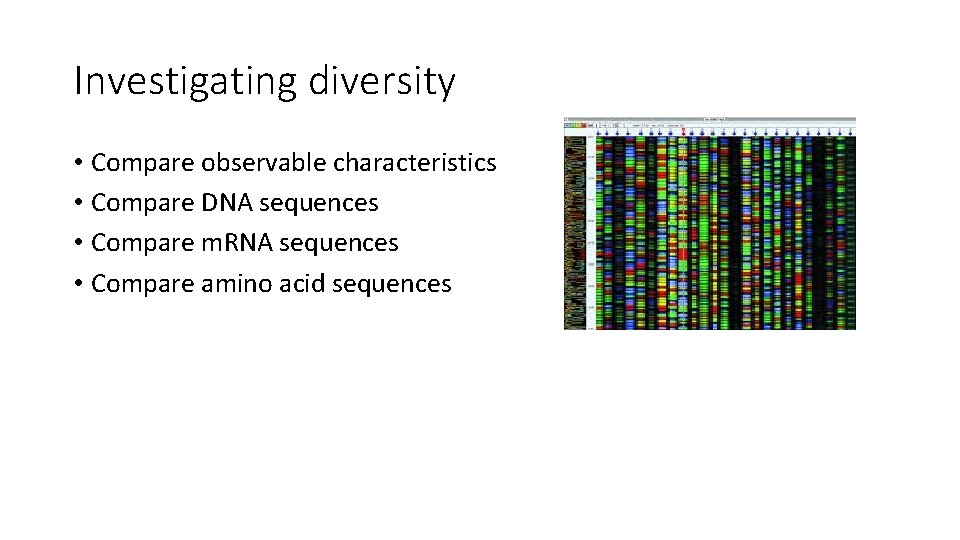
Investigating diversity • Compare observable characteristics • Compare DNA sequences • Compare m. RNA sequences • Compare amino acid sequences
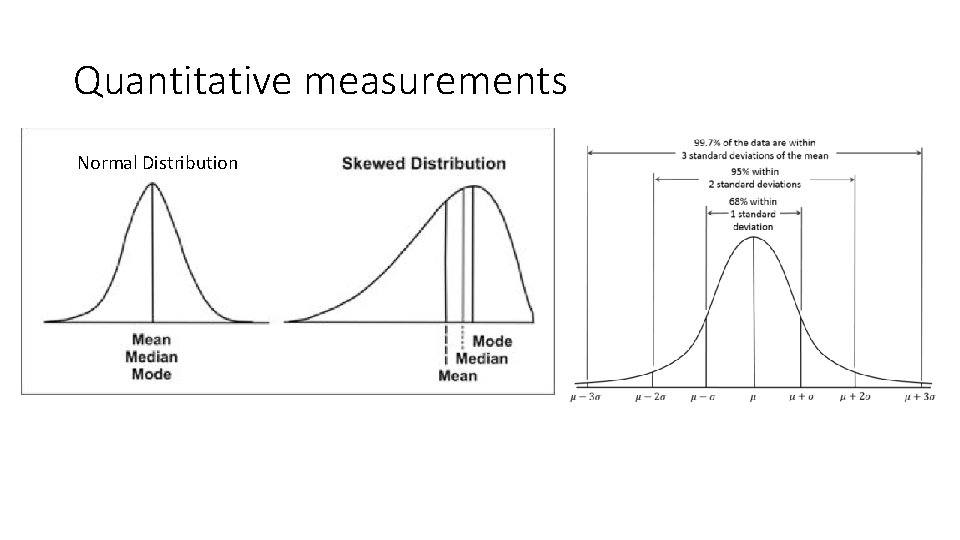
Quantitative measurements Normal Distribution
- Slides: 13