
Biodiversity is the variety of all life forms
“Biodiversity is the variety of all life forms – species of plants, animals and micro-organisms, the genes they contain, and the populations, communities and ecosystems they create – and the interactions between and among them, and the physical environment that generate ecosystem (or ecological) processes (SEAC 1996, Saunders 2000, SER 2004). Examples of ecosystem processes include carbon fixation by plants (photosynthesis), nutrient cycling by micro-organisms, nitrogen fixation by bacteria, decomposition of organic matter, water filtration, pollination of flowering plants by fauna and seed dispersal. ” (Daily 1997, CSIRO 2001). Radford J, Williams J & Parkes G () “Effective Landscape Restoration for Native Biodiversity in Northern Victoria” http: //connectingcountry. org. au/resources/Layingthe. Foundation. pdf

Living organisms present in soil include : • microscopic archaea, bacteria, actinomycetes, fungi, algae, protozoa (microbiome) • a wide variety of more visible soil fauna, including springtails, mites, nematodes, earthworms, ants & insects that spend all or part of their life underground • larger organisms such as burrowing marsupials and rodents, reptiles, amphibians & crustaceans
“The soil microbiome is one of the most genetically and ecologically diverse communities on Earth, but is poorly understood. Soil microbes are difficult to measure in the field or culture in the lab. This has severely limited Australia's ability to measure and manage soil microbial diversity to achieve positive outcomes for agriculture and the environment. ” https: //www. csiro. au/en/Research/Collections/ANH/Supporting -conservation/Mapping-soil-biodiversity
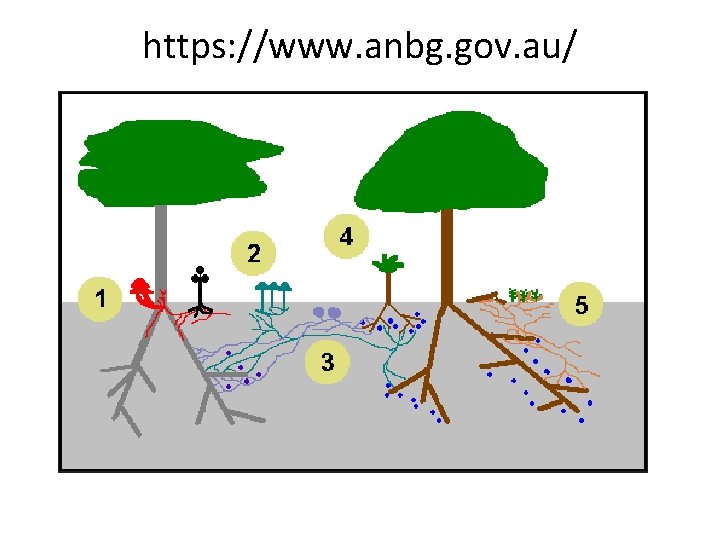
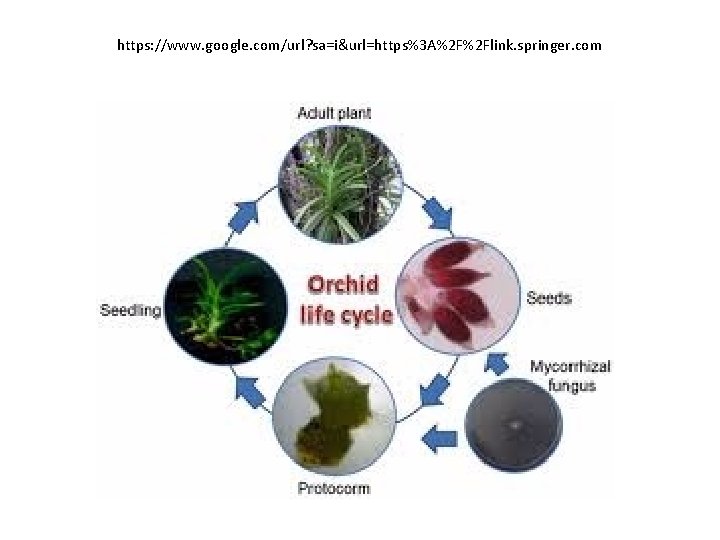
More than 90% of plants are believed to have some form of symbiotic fungal partners which enable their survival in nutrientpoor soils. . . by extracting essential minerals and passing them on through interaction inside the plants’ root cells. • Many native plants have some form of arbuscular mycorrhizal (AM) fungi that are believed to increase the plants efficiency in extracting phosphate from our low-phosphate soils by effectively extending the root area in contact with the soil. • Most of the Myrtaceae are ectomycorrhiza and the fungal partners produce macrofungal fruiting bodies, Australia’s low nutrient soils massive diversity in Australias forests and woodlands. The health of these woody species rely on their ectomycorrhizal partners. http: //www. gondwanalink. org/natwonders/fungi. aspx
https: //www. anbg. gov. au/
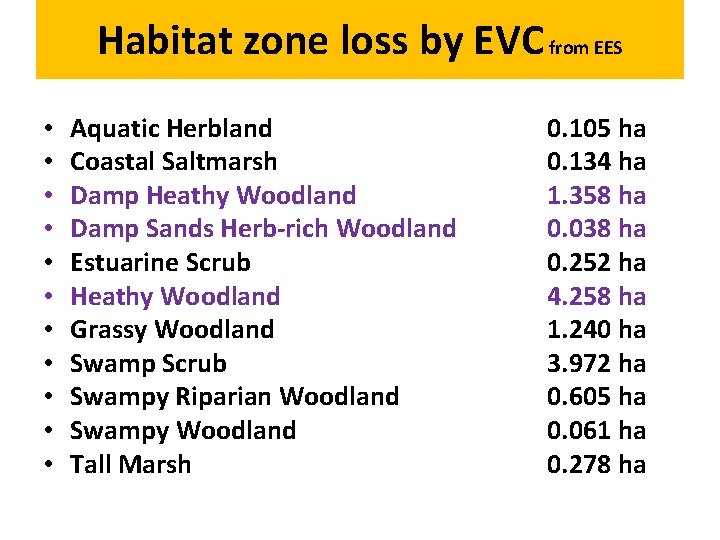
Habitat zone loss by EVC from EES • • • Aquatic Herbland Coastal Saltmarsh Damp Heathy Woodland Damp Sands Herb-rich Woodland Estuarine Scrub Heathy Woodland Grassy Woodland Swamp Scrub Swampy Riparian Woodland Swampy Woodland Tall Marsh 0. 105 ha 0. 134 ha 1. 358 ha 0. 038 ha 0. 252 ha 4. 258 ha 1. 240 ha 3. 972 ha 0. 605 ha 0. 061 ha 0. 278 ha
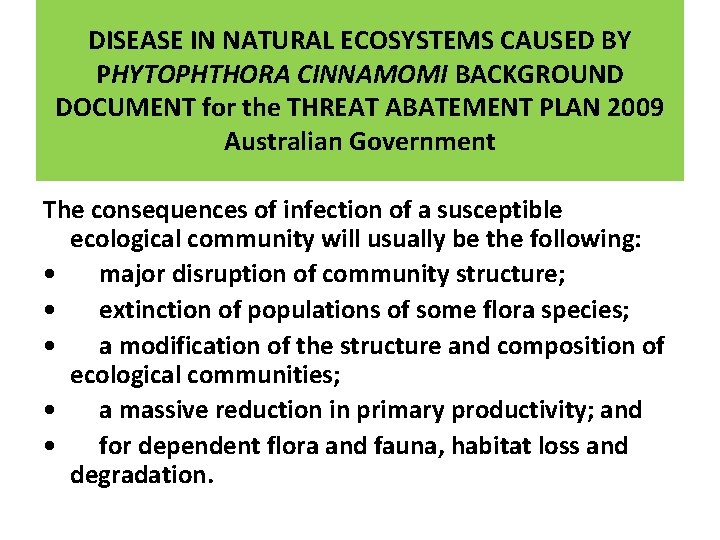
DISEASE IN NATURAL ECOSYSTEMS CAUSED BY PHYTOPHTHORA CINNAMOMI BACKGROUND DOCUMENT for the THREAT ABATEMENT PLAN 2009 Australian Government The consequences of infection of a susceptible ecological community will usually be the following: • major disruption of community structure; • extinction of populations of some flora species; • a modification of the structure and composition of ecological communities; • a massive reduction in primary productivity; and • for dependent flora and fauna, habitat loss and degradation.
https: //www. google. com/url? sa=i&url=https%3 A%2 F%2 Flink. springer. com
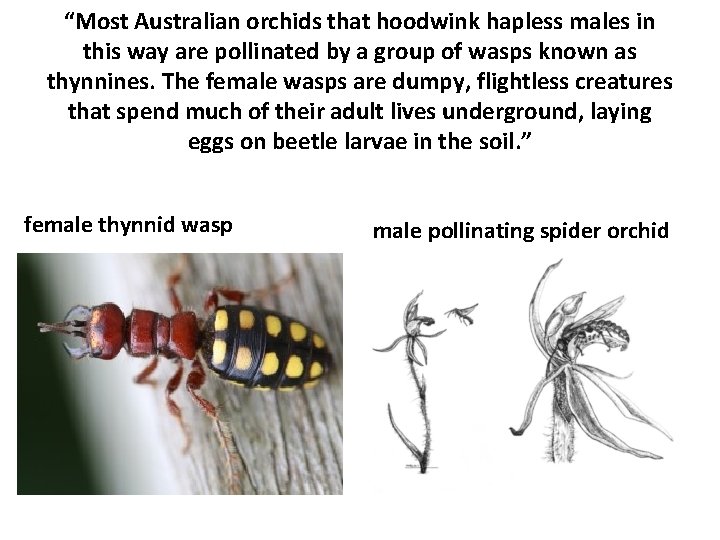
“Most Australian orchids that hoodwink hapless males in this way are pollinated by a group of wasps known as thynnines. The female wasps are dumpy, flightless creatures that spend much of their adult lives underground, laying eggs on beetle larvae in the soil. ” female thynnid wasp male pollinating spider orchid
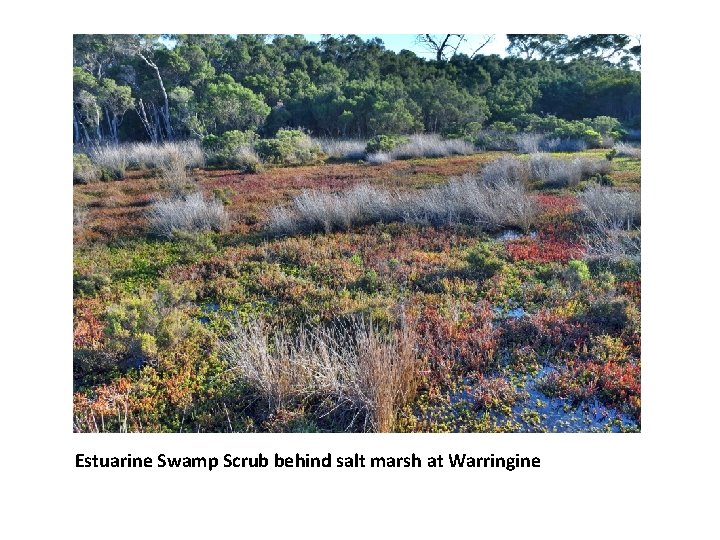
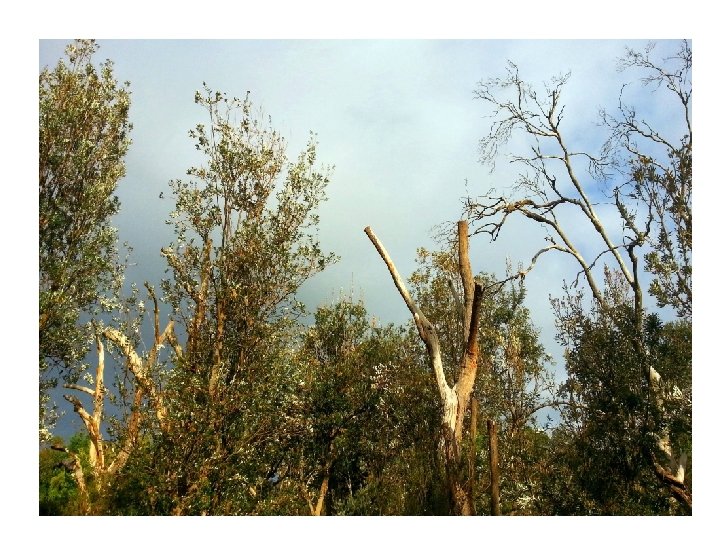
Estuarine Swamp Scrub behind salt marsh at Warringine
- Slides: 11