
Biochemistry Lecture 6 Functions of Nucleotides and Nucleic
Biochemistry Lecture 6
Functions of Nucleotides and Nucleic Acids • Nucleotide Functions: – Energy for metabolism (ATP) – Enzyme cofactors (NAD+) – Signal transduction (c. AMP) • Nucleic Acid Functions: – Storage of genetic info (DNA) – Transmission of genetic info (m. RNA) – Processing of genetic information (ribozymes) – Protein synthesis (t. RNA and r. RNA)
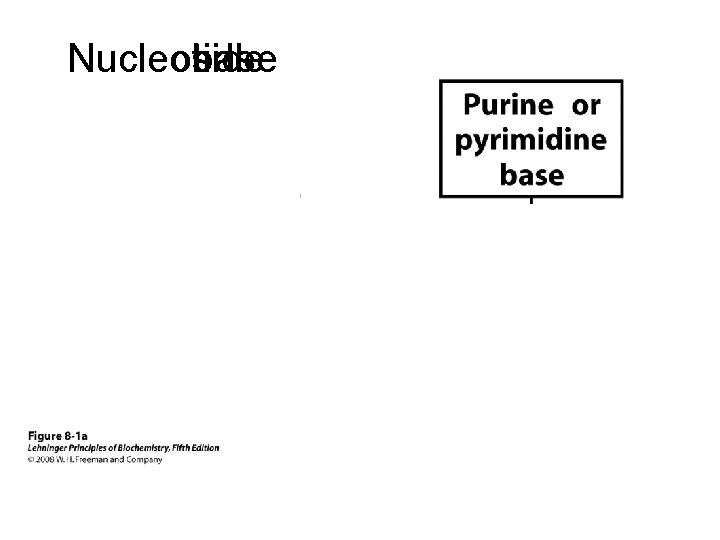
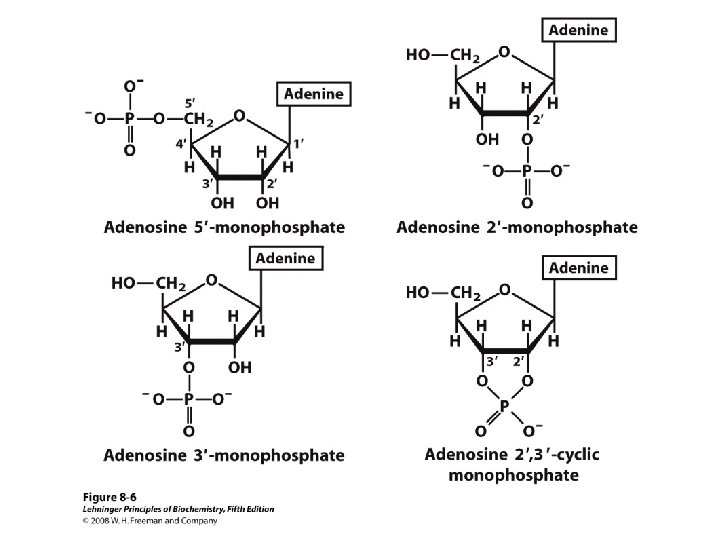
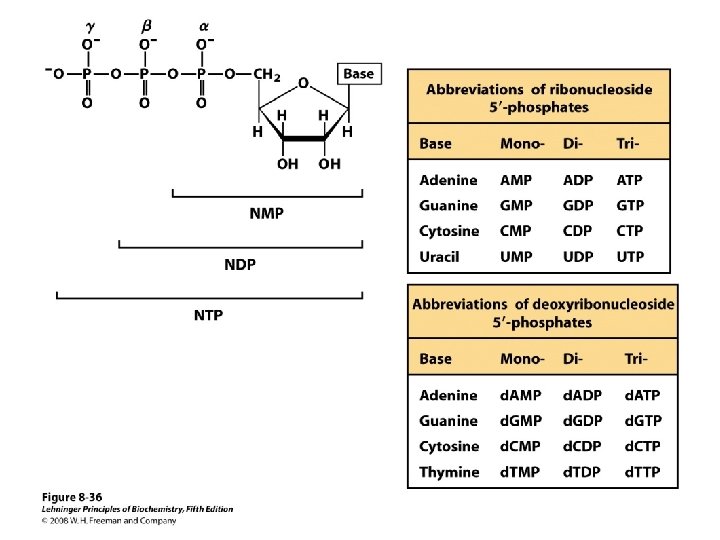
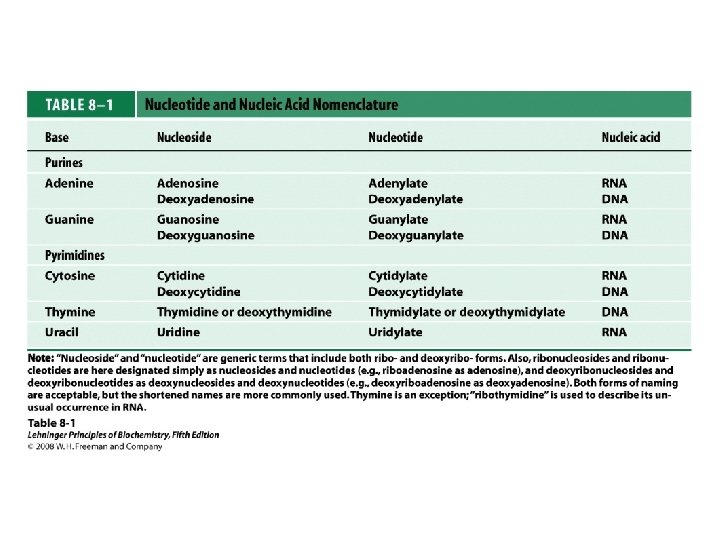
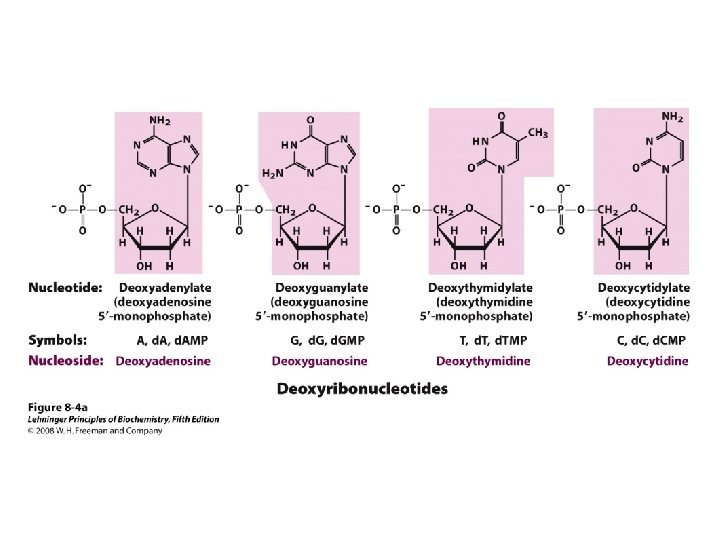
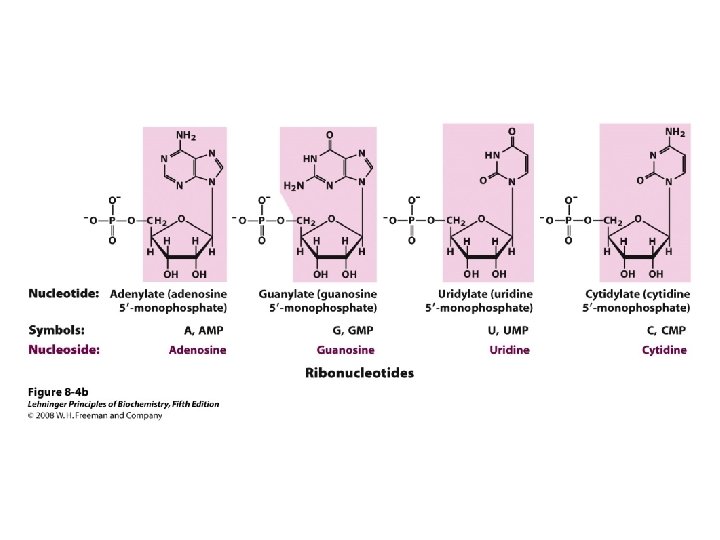
Nucleoside Nucleotide Nucleobase
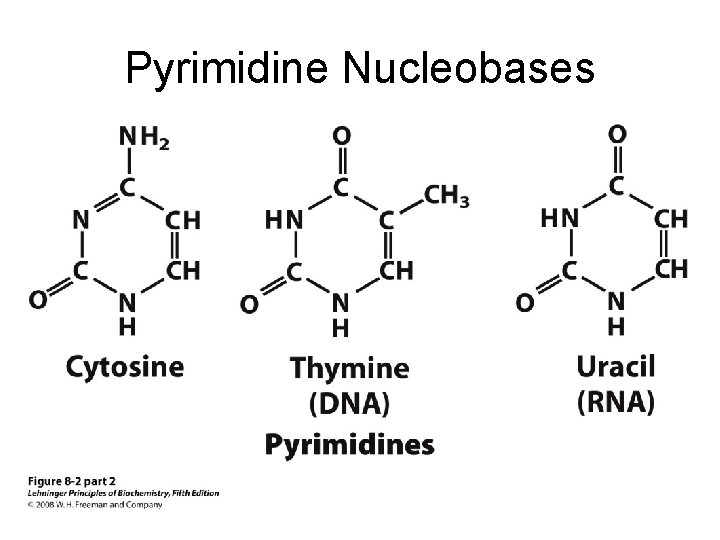
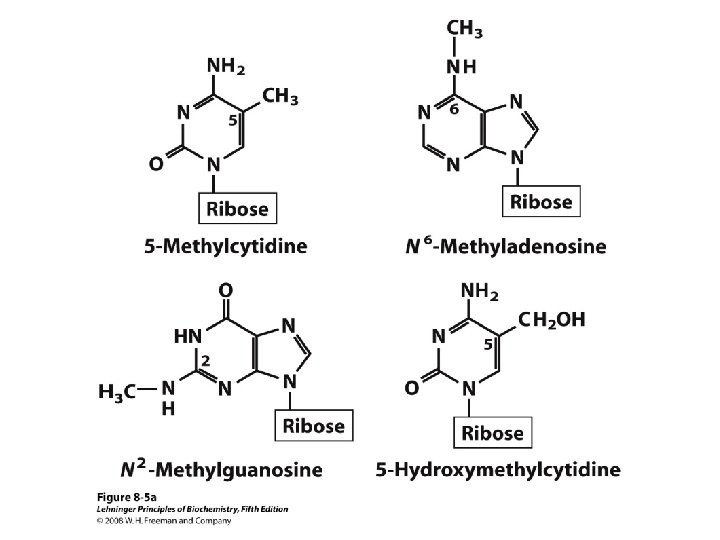
Pyrimidine Nucleobases
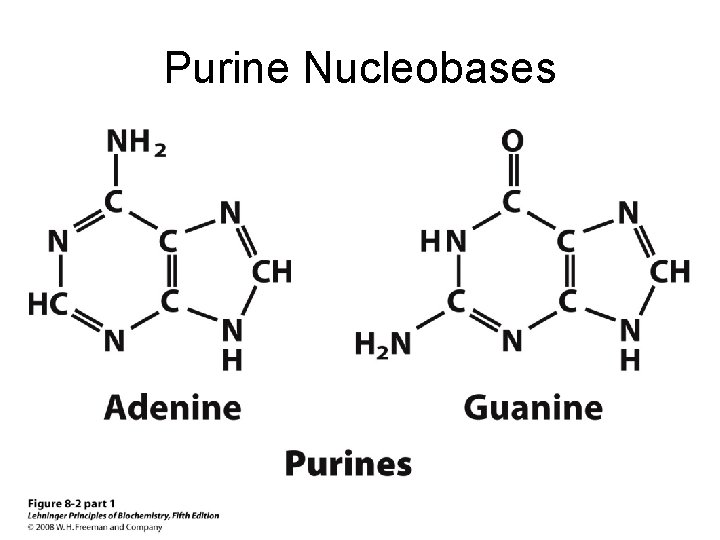
Purine Nucleobases
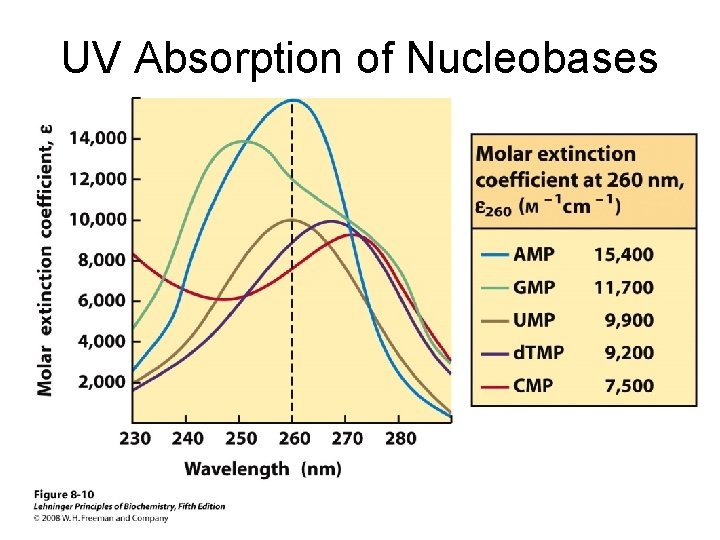
UV Absorption of Nucleobases
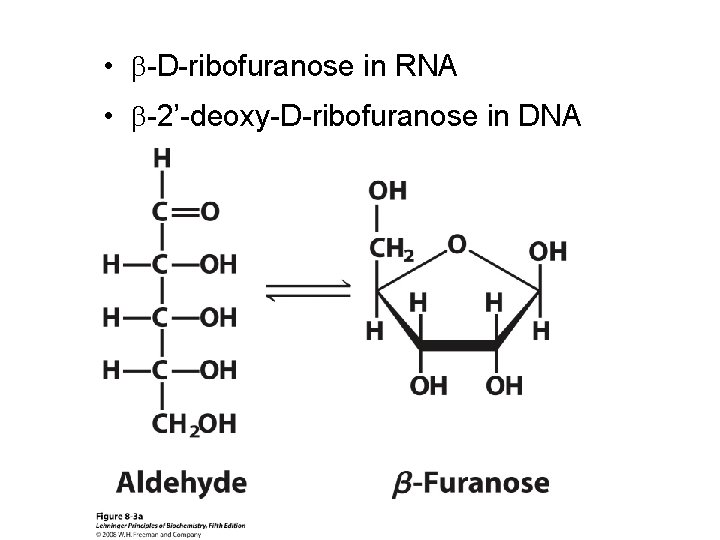
• -D-ribofuranose in RNA • -2’-deoxy-D-ribofuranose in DNA
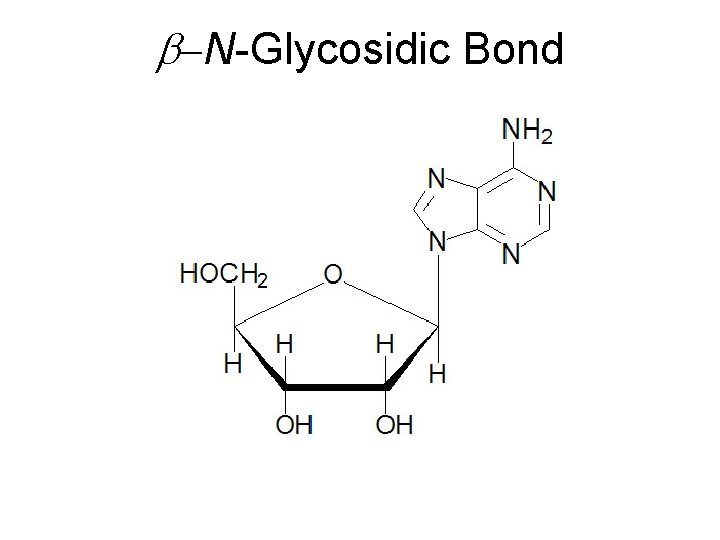
b-N-Glycosidic Bond
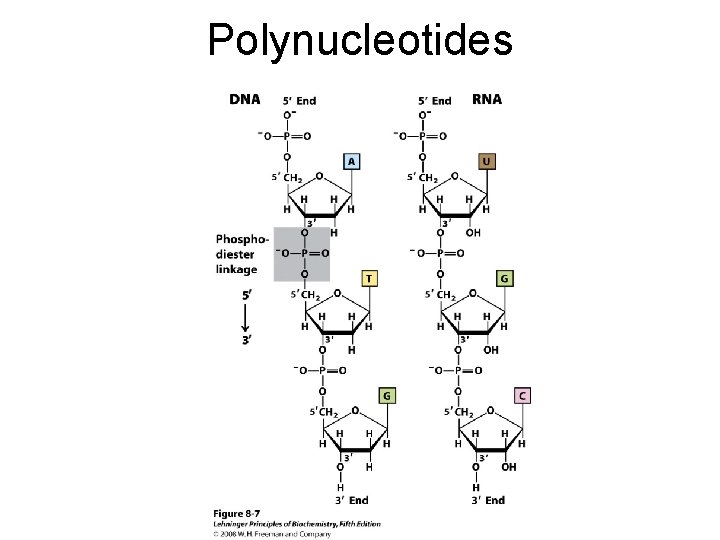
Polynucleotides
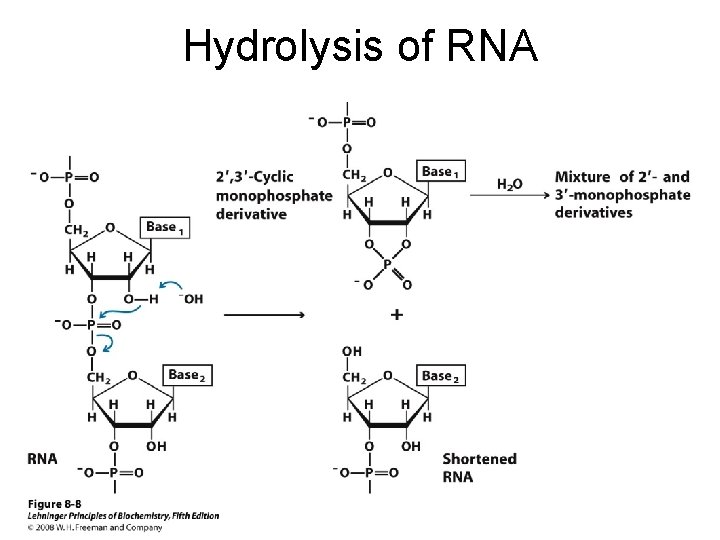
Hydrolysis of RNA
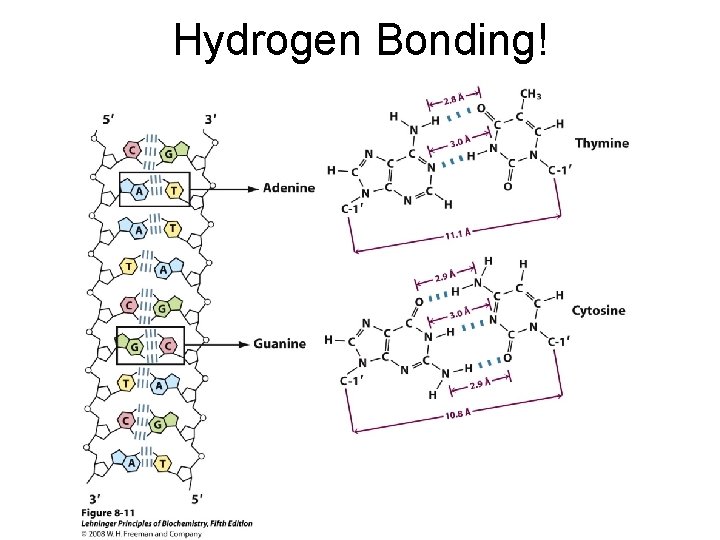
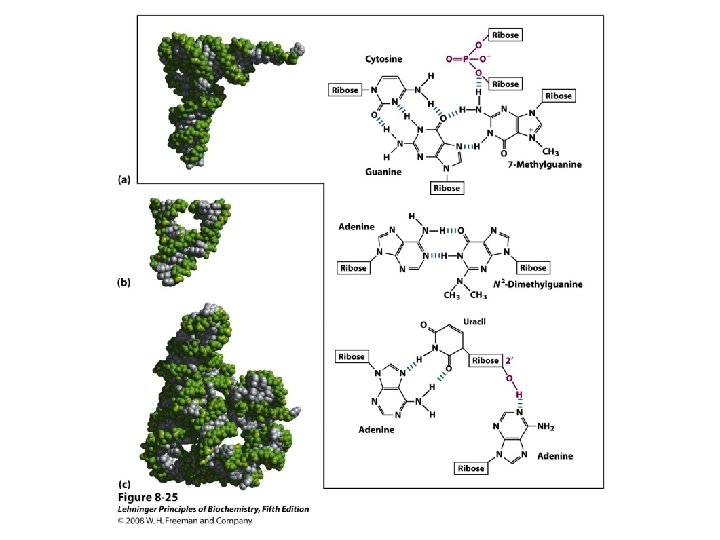
Hydrogen Bonding!
Discovery of DNA Structure • One of the most important discoveries in biology • Why is this important – "This structure has novel features which are of considerable biological interest“ --- Watson and Crick, Nature, 1953 • Good illustration of science in action: – – Missteps in the path to a discovery Value of knowledge Value of collaboration Cost of sharing your data too early
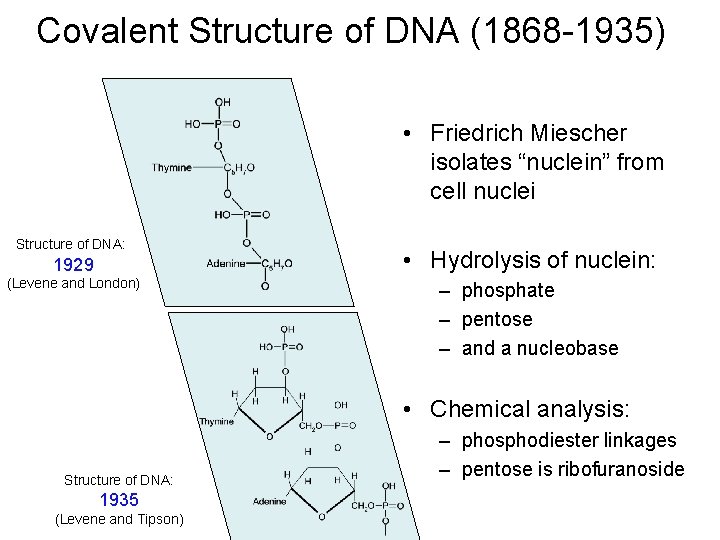
Covalent Structure of DNA (1868 -1935) • Friedrich Miescher isolates “nuclein” from cell nuclei Structure of DNA: 1929 (Levene and London) • Hydrolysis of nuclein: – phosphate – pentose – and a nucleobase • Chemical analysis: Structure of DNA: 1935 (Levene and Tipson) – phosphodiester linkages – pentose is ribofuranoside
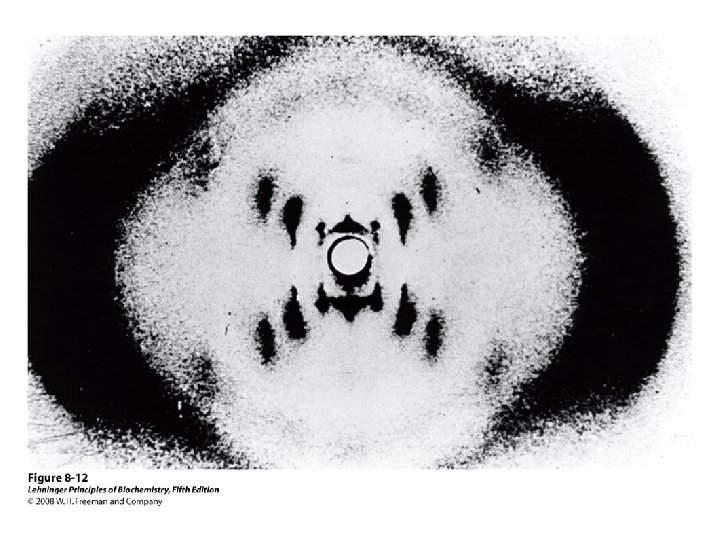
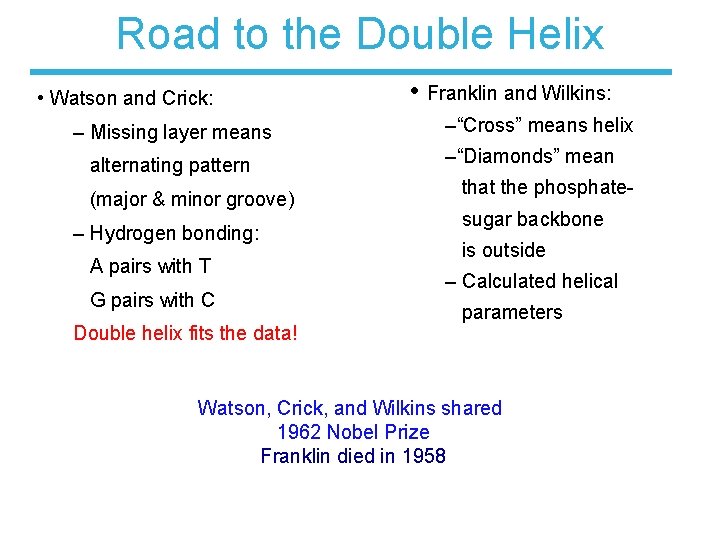
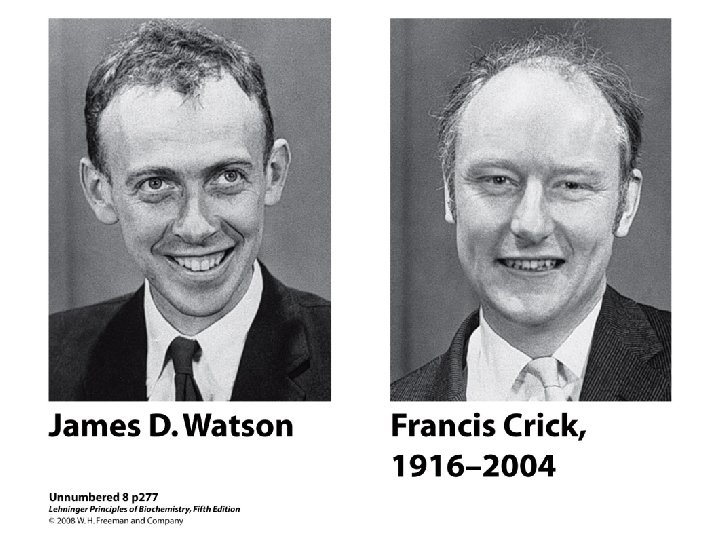
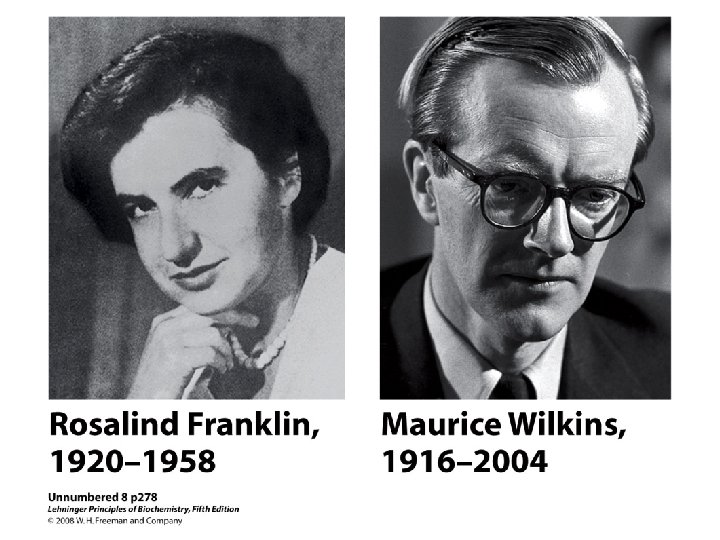
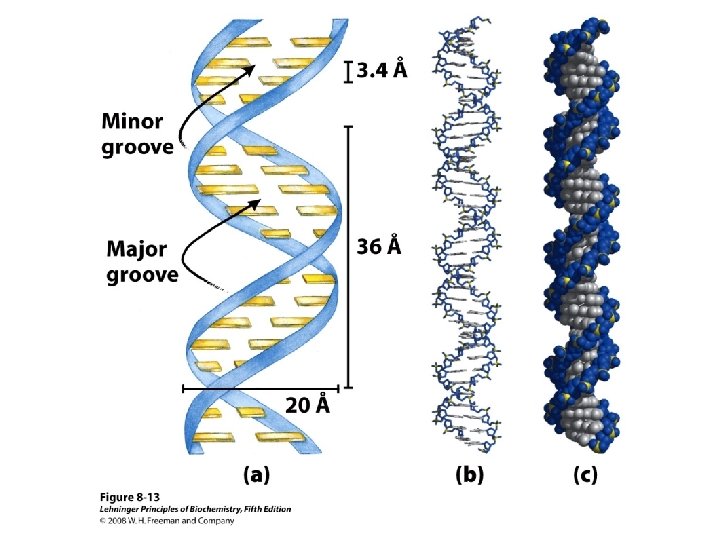
Road to the Double Helix • Watson and Crick: – Missing layer means alternating pattern (major & minor groove) – Hydrogen bonding: A pairs with T G pairs with C Double helix fits the data! • Franklin and Wilkins: –“Cross” means helix –“Diamonds” mean that the phosphatesugar backbone is outside – Calculated helical parameters Watson, Crick, and Wilkins shared 1962 Nobel Prize Franklin died in 1958
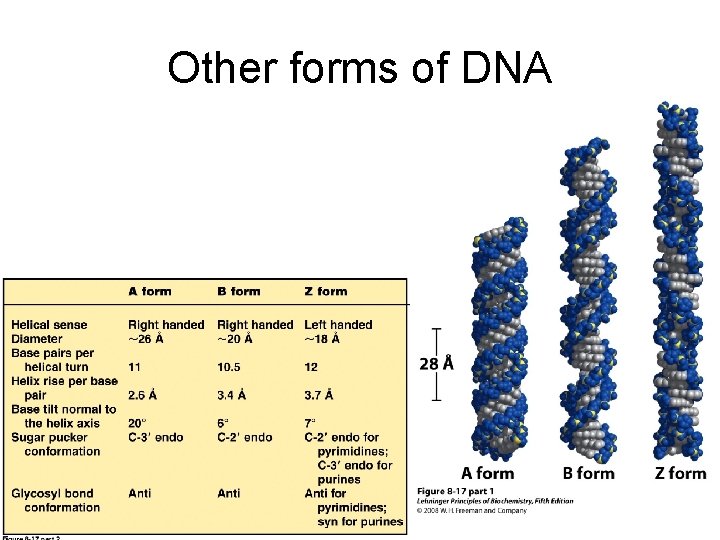
Other forms of DNA
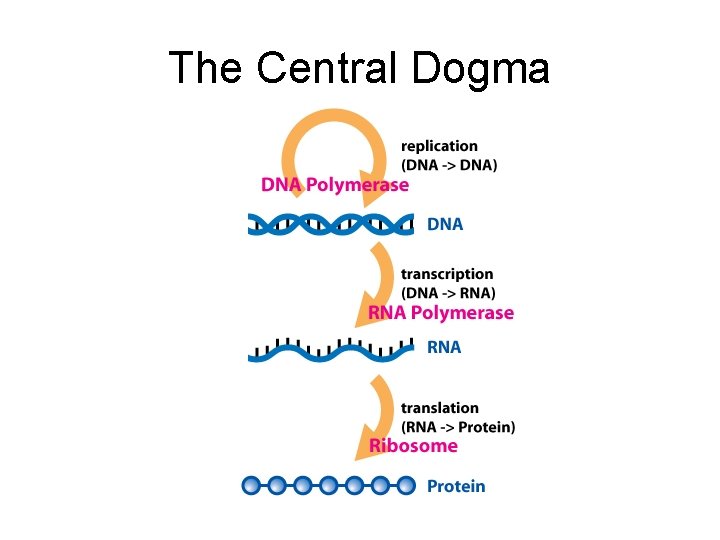
The Central Dogma
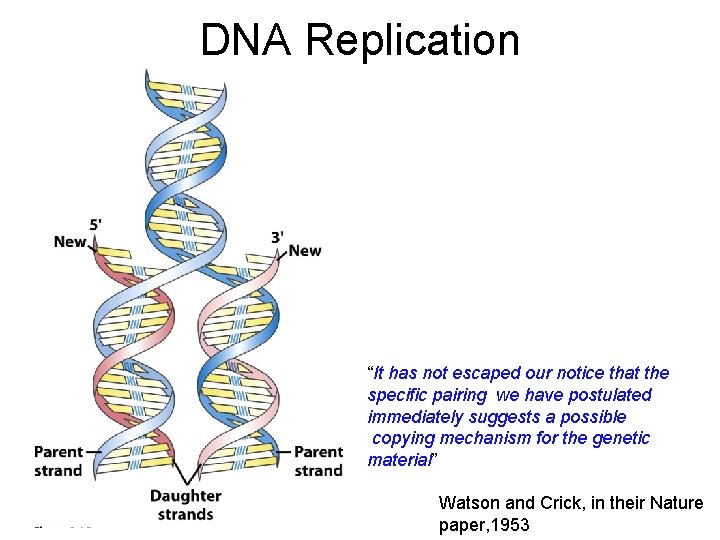
DNA Replication “It has not escaped our notice that the specific pairing we have postulated immediately suggests a possible copying mechanism for the genetic material” Watson and Crick, in their Nature paper, 1953
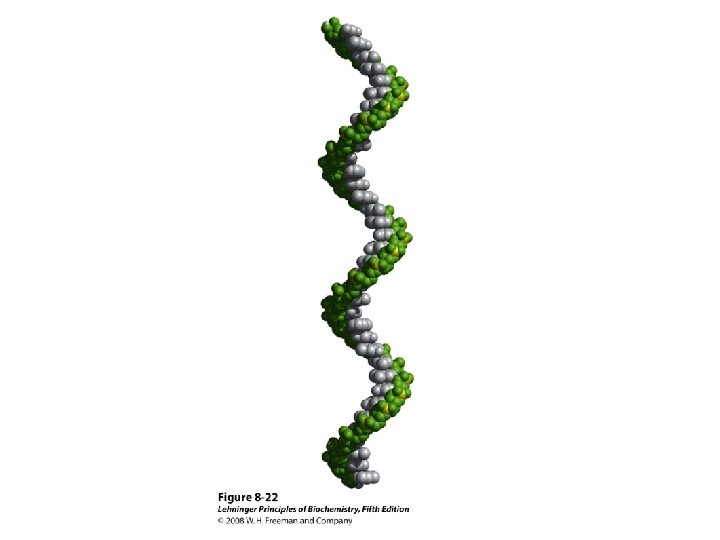
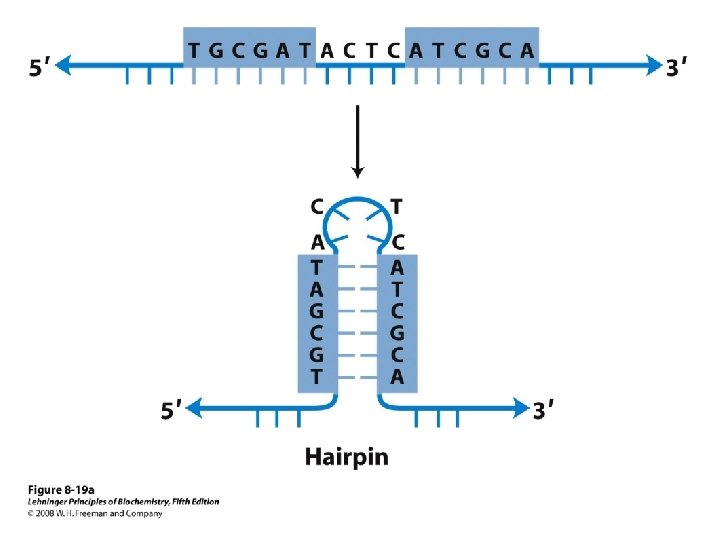
Using DNA Structure
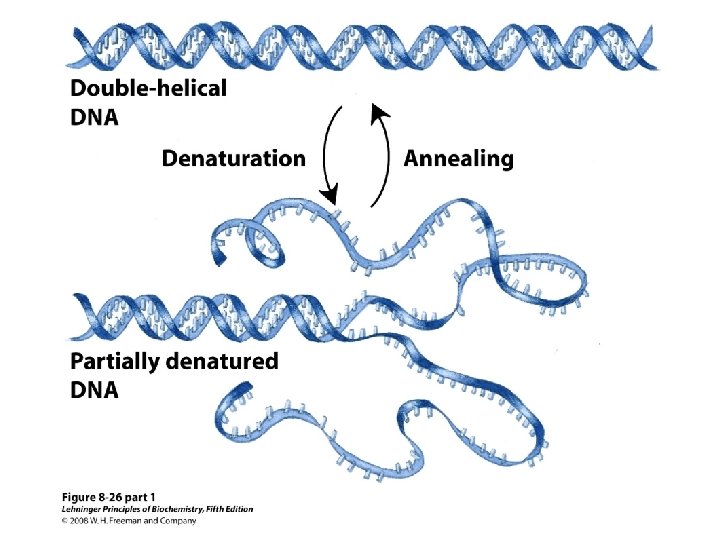
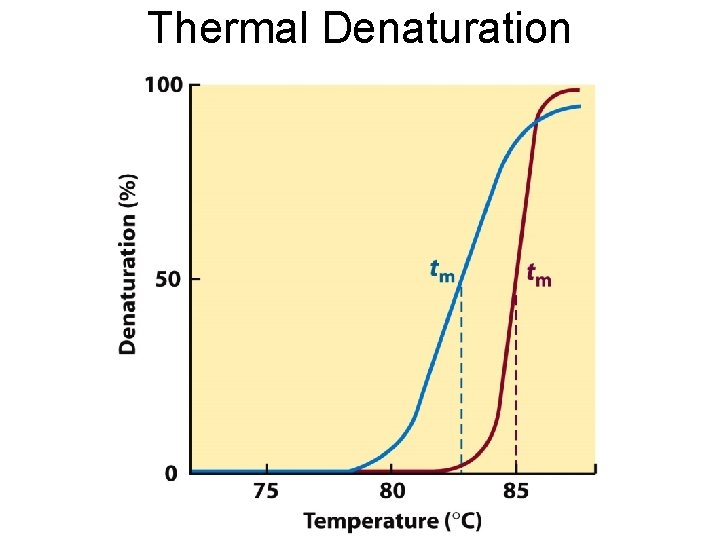
Thermal Denaturation
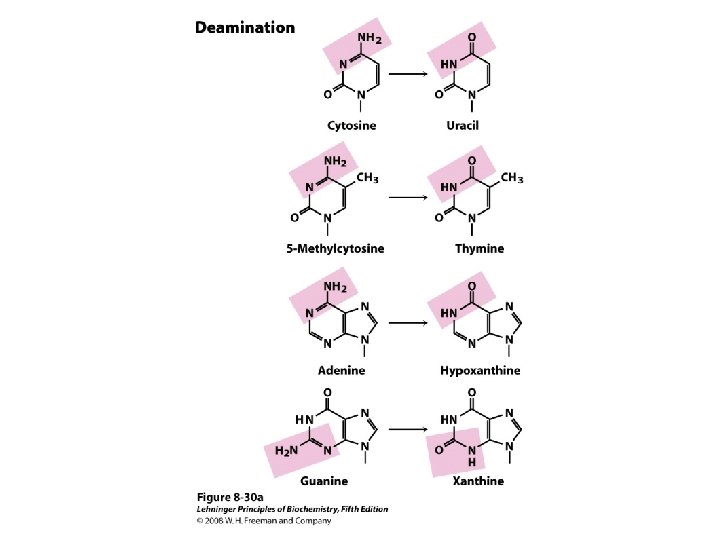
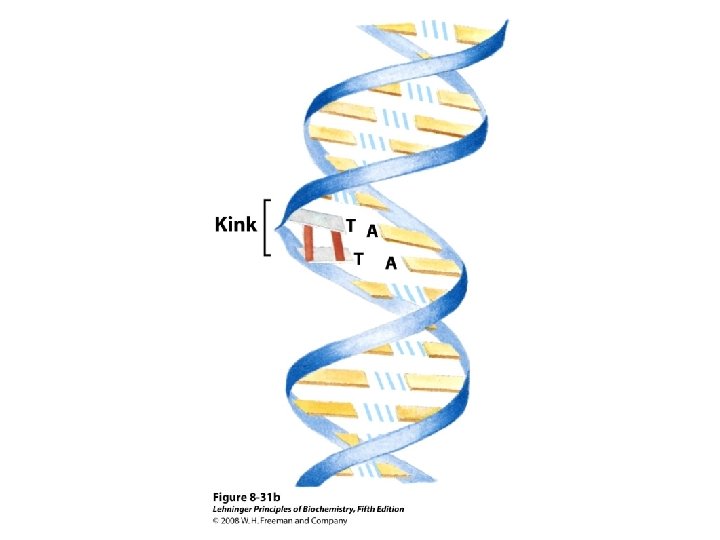
Molecular Mechanisms of Spontaneous Mutagenesis • Deamination • Very slow reactions • Large number of residues • The net effect is significant: 100 C U events /day in a mammalian cell • Depurination • N-glycosidic bond is hydrolyzed • Significant for purines: 10, 000 purines lost/day in a mammalian cell • Cells have mechanisms to correct most of these modifications.
DNA Technologies
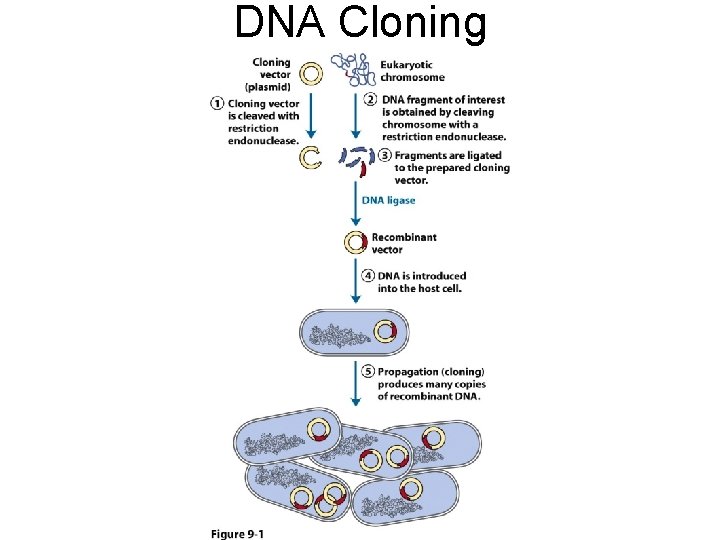
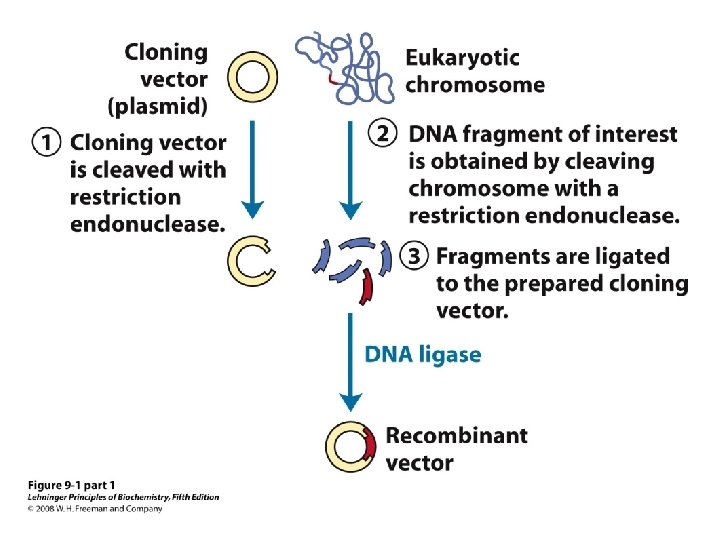
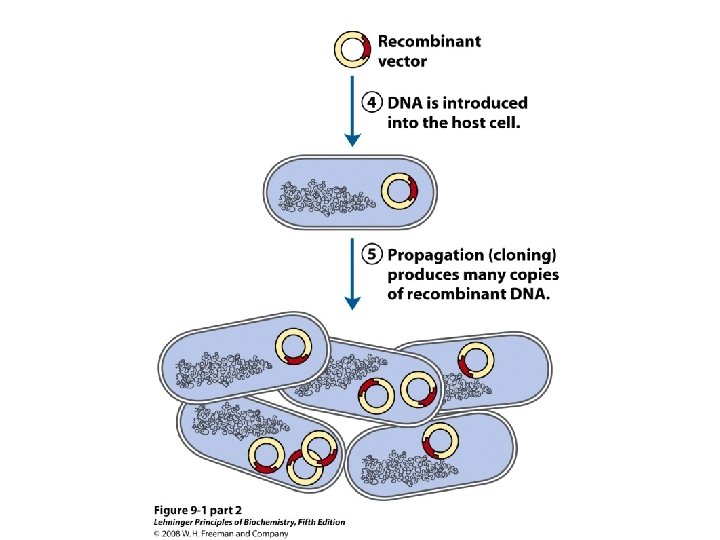
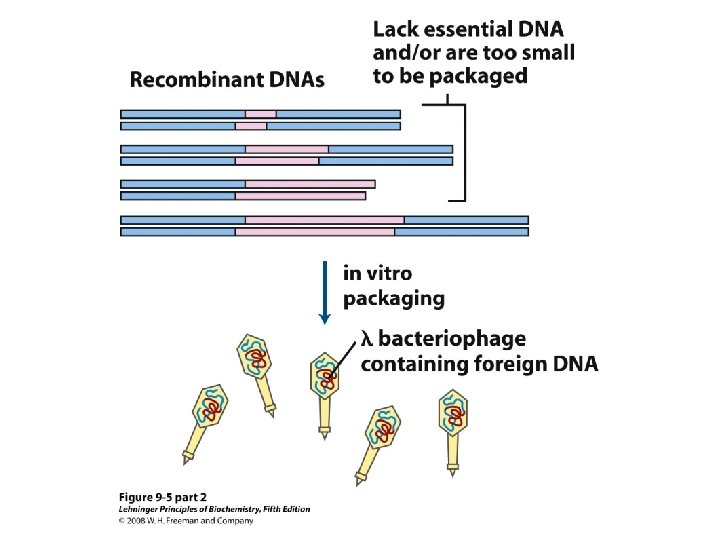
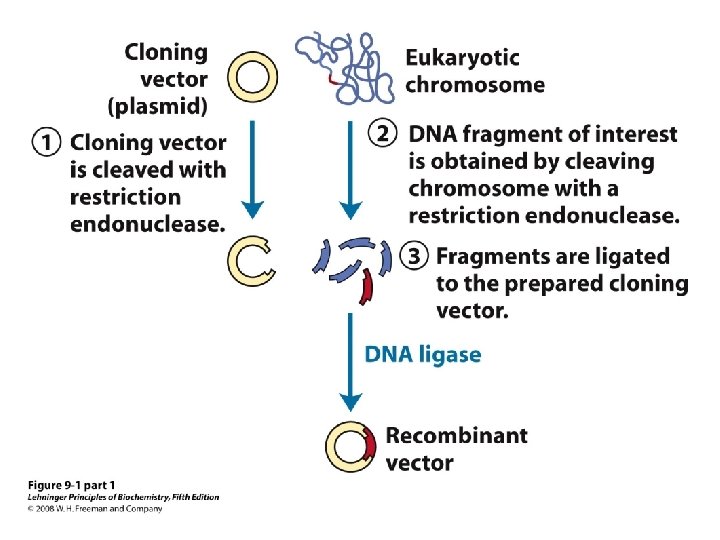
DNA Cloning
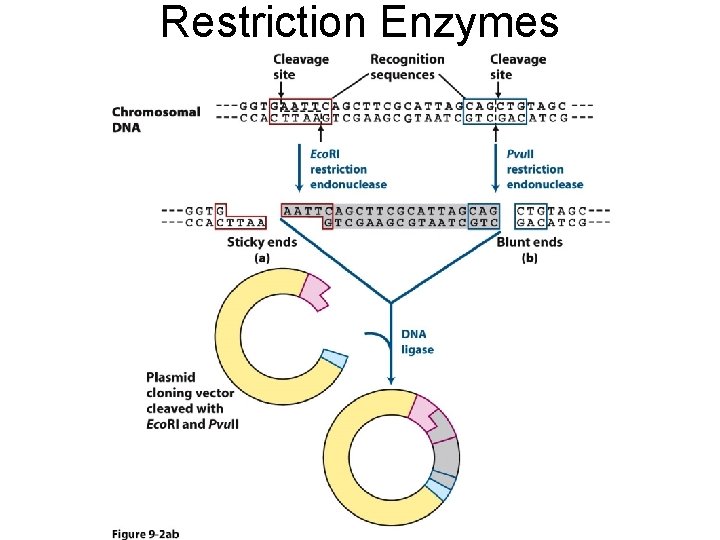
Restriction Enzymes
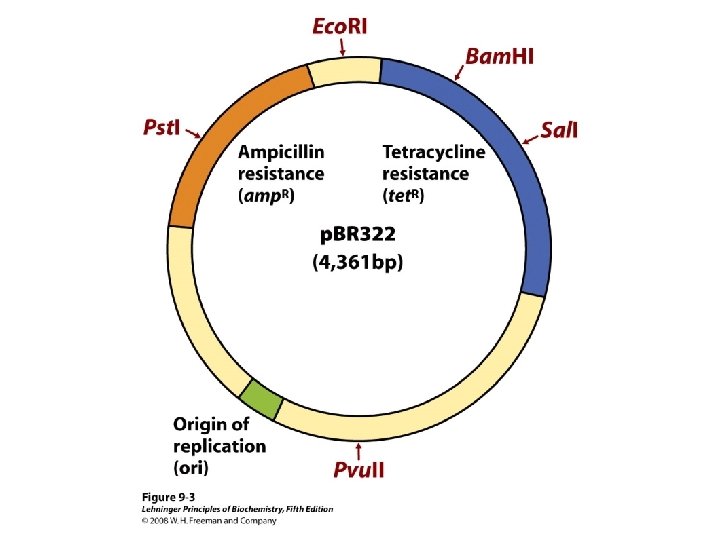
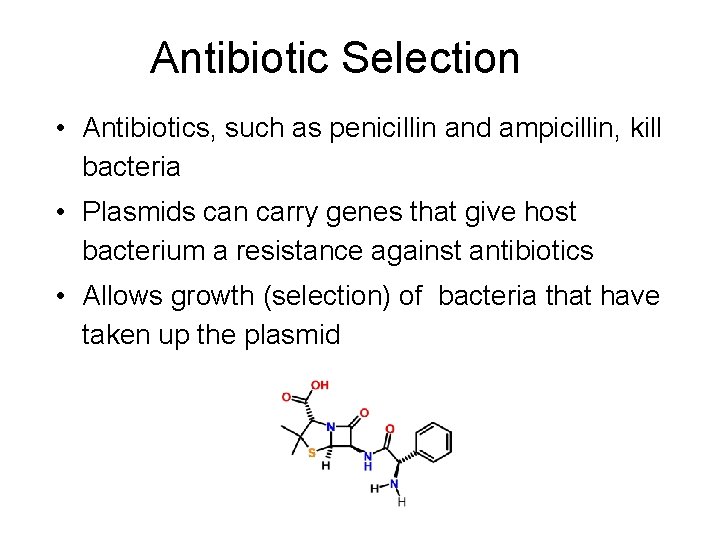
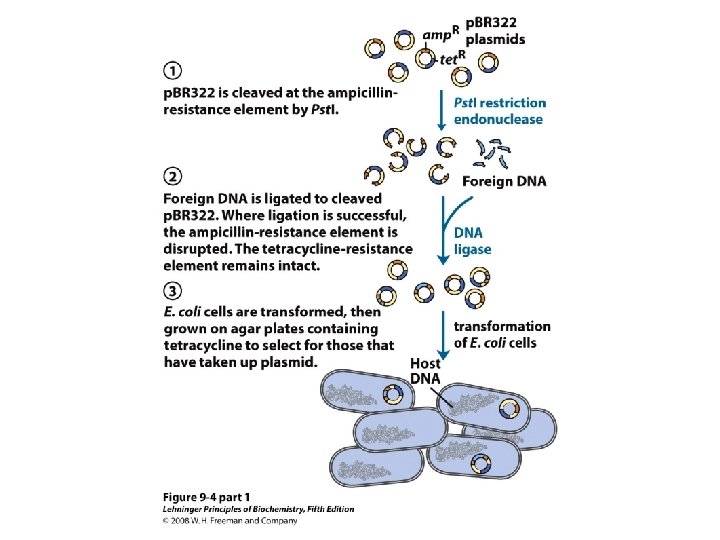
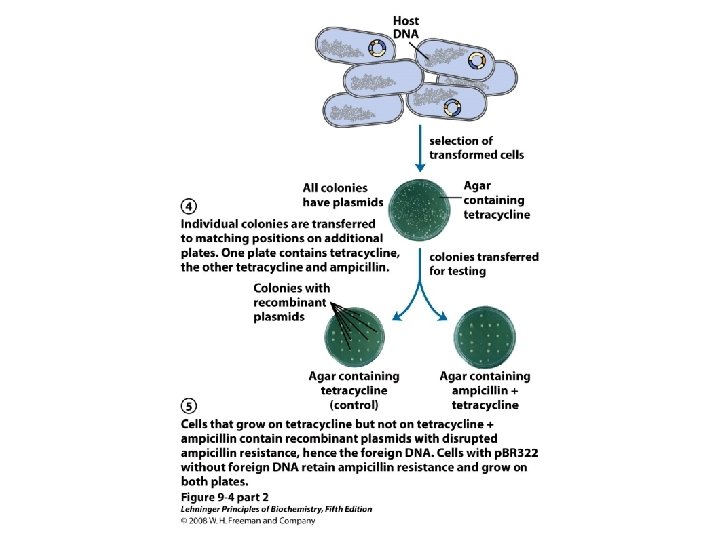
Antibiotic Selection • Antibiotics, such as penicillin and ampicillin, kill bacteria • Plasmids can carry genes that give host bacterium a resistance against antibiotics • Allows growth (selection) of bacteria that have taken up the plasmid
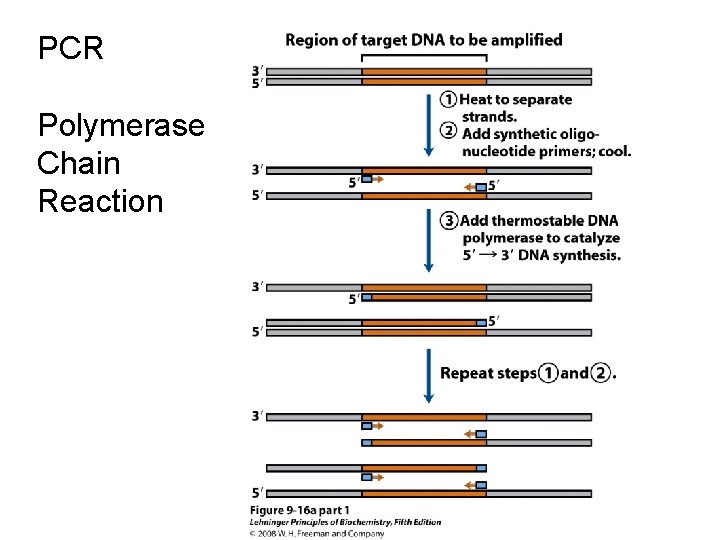
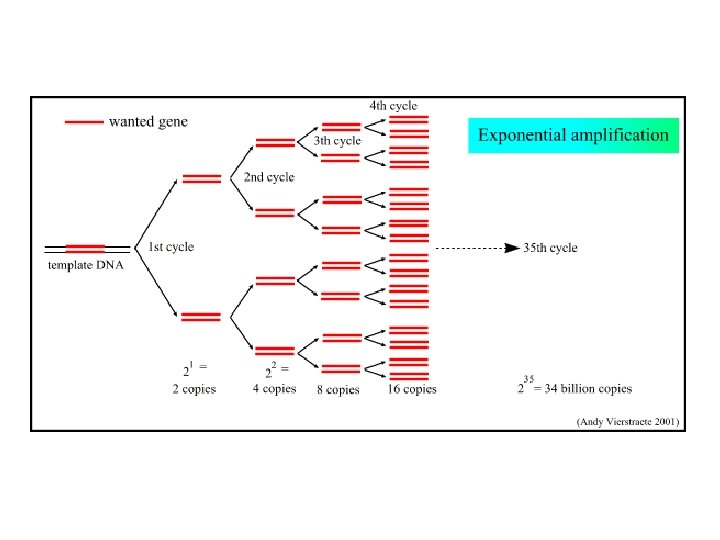
PCR Polymerase Chain Reaction
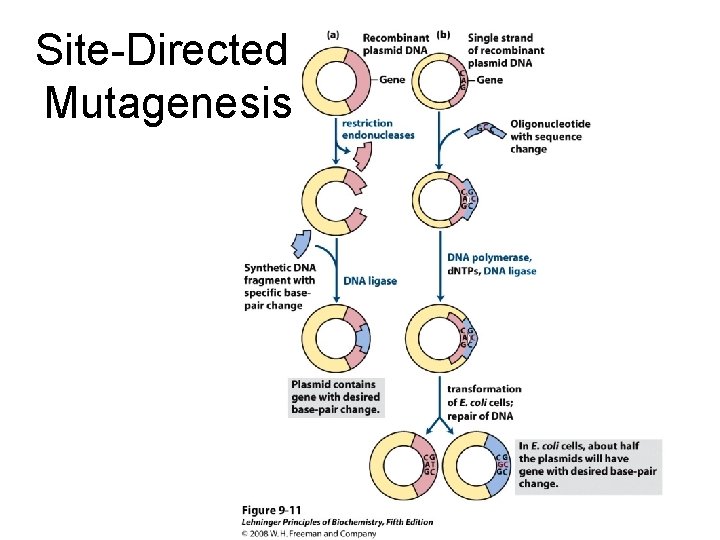
Site-Directed Mutagenesis
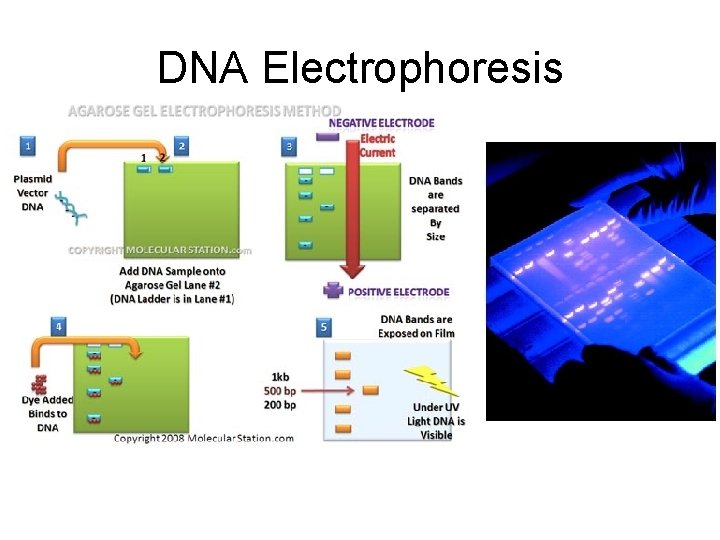
DNA Electrophoresis
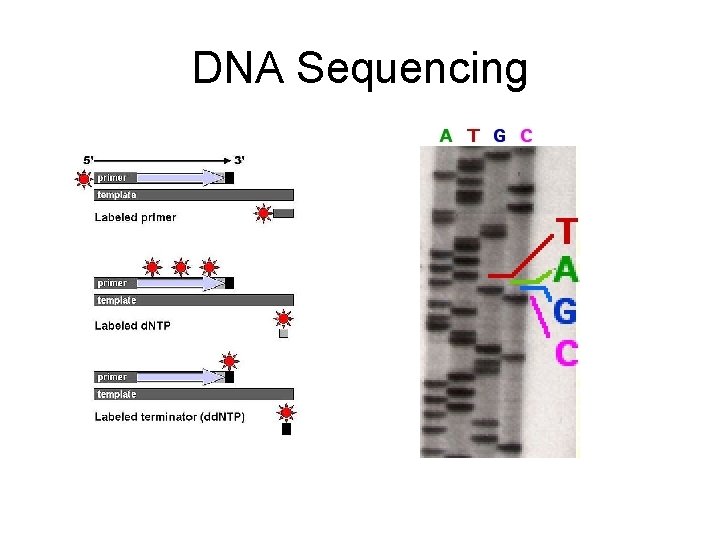
DNA Sequencing
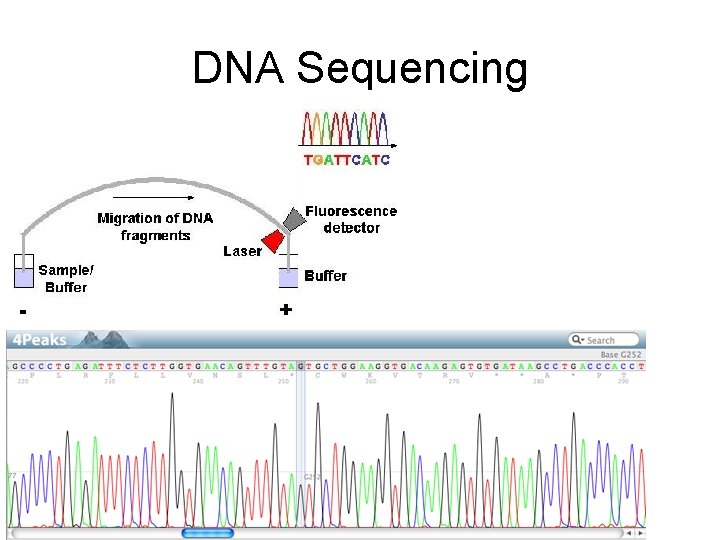
DNA Sequencing
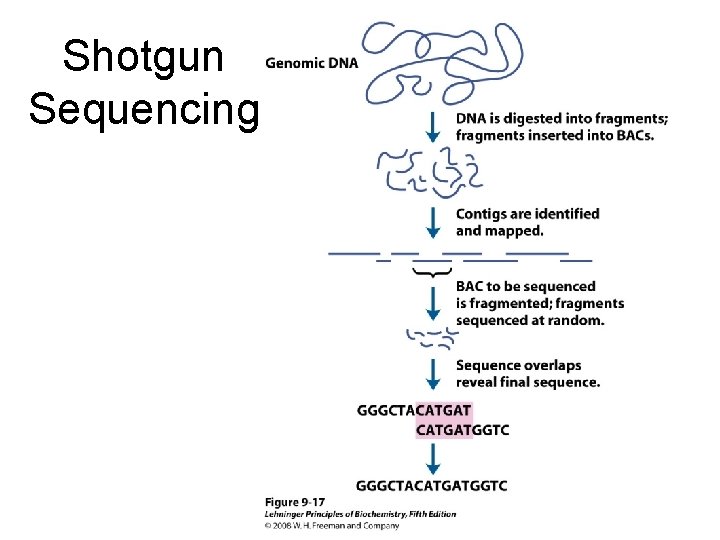
Shotgun Sequencing
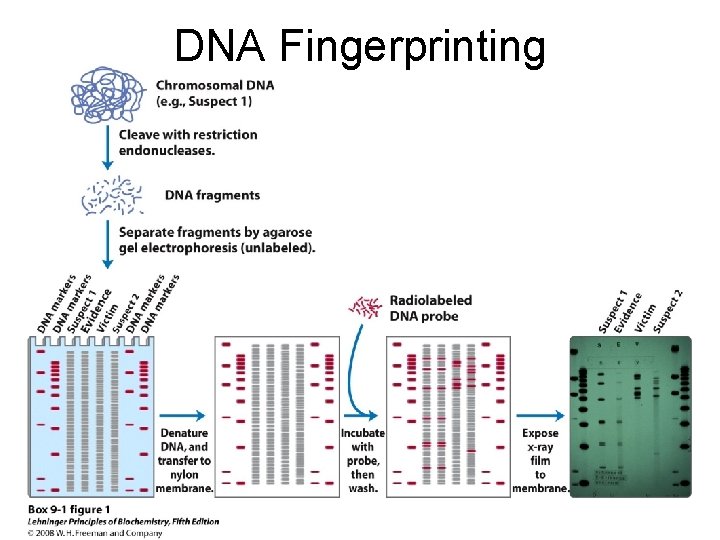
DNA Fingerprinting
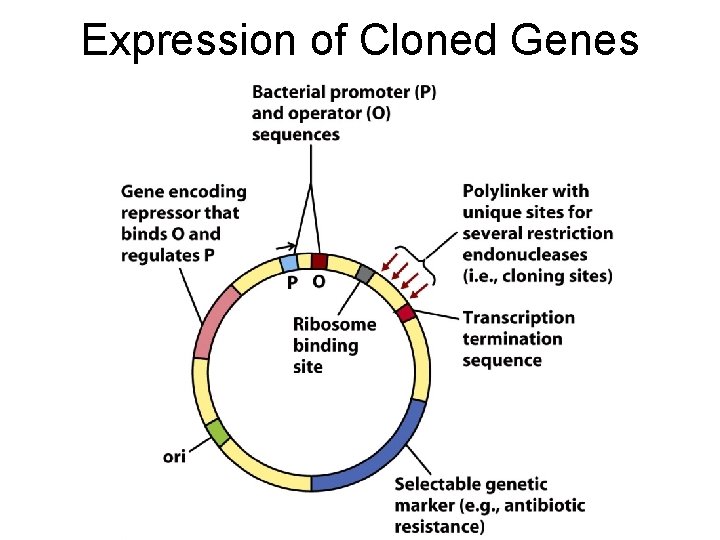
Expression of Cloned Genes
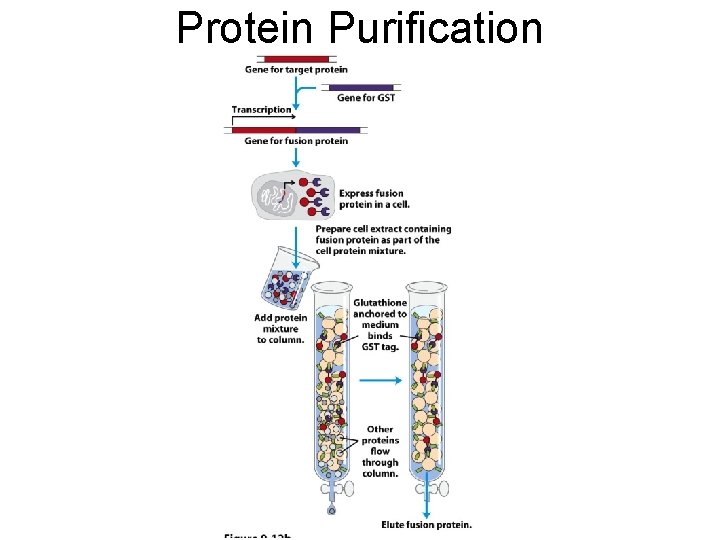
Protein Purification
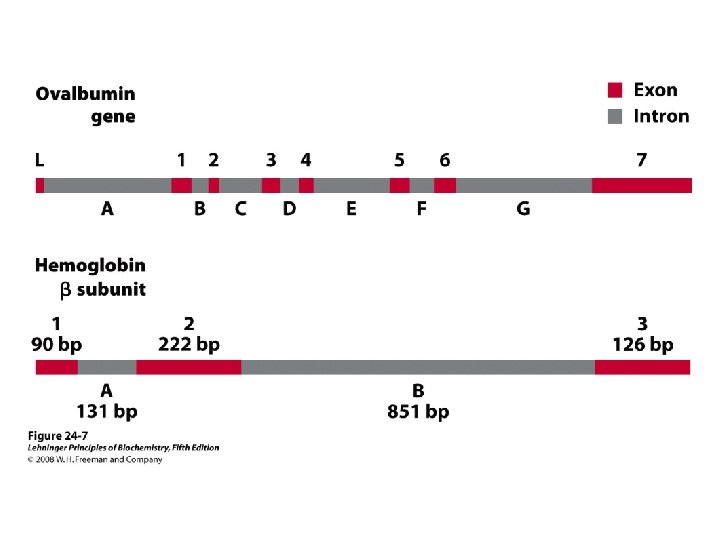
Eukaryotic Gene Expression in Bacteria • An eukaryotic gene from the eukaryotic genome will not express correctly in the bacterium • Eukaryotic genes have – Exons: coding regions – Introns: noncoding regions • Introns in eukaryouric gene pose problems • Bacteria cannot splice introns out • m. RNA is intron-free genetic material
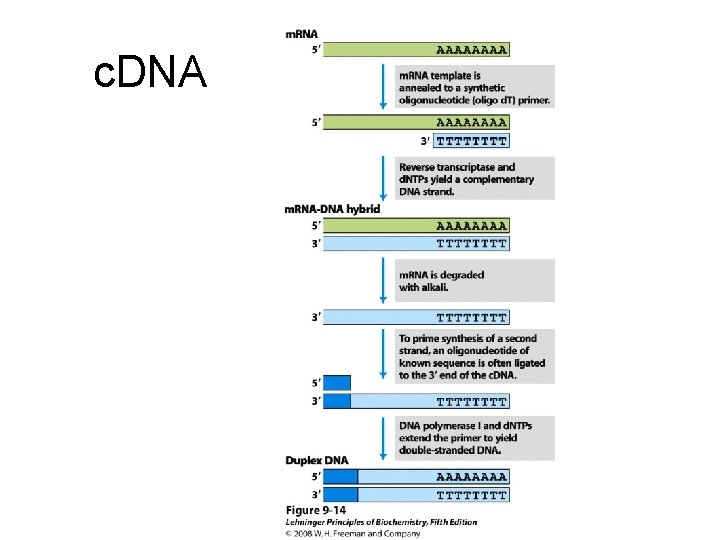
c. DNA
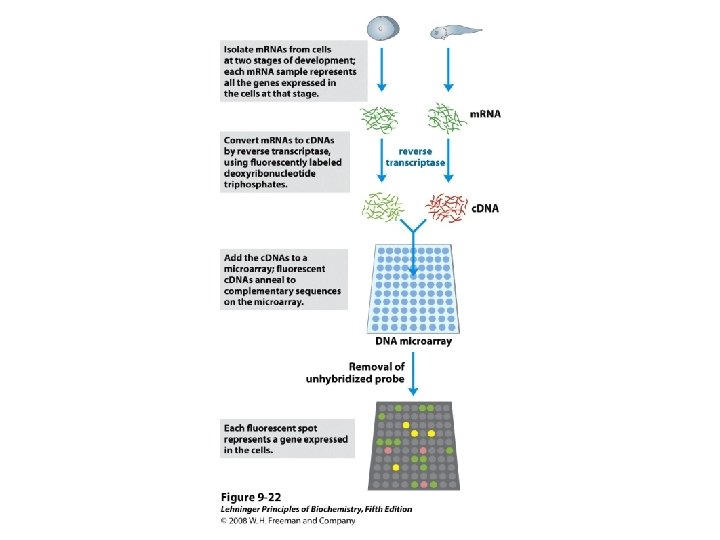
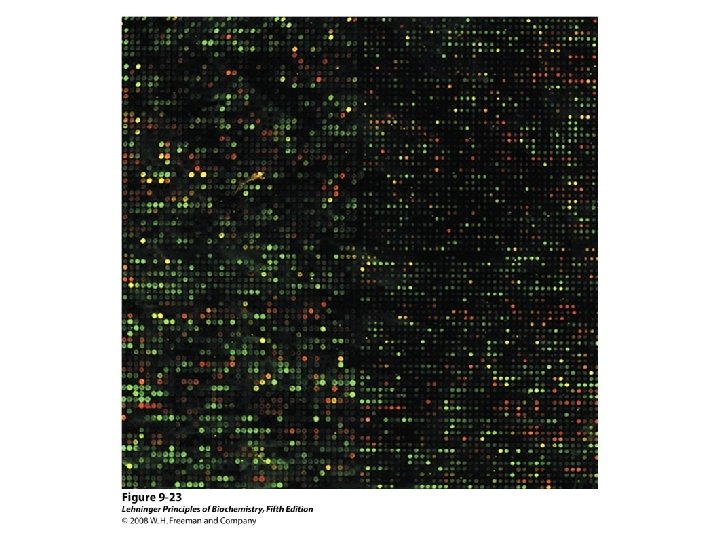
DNA Microarrays: Applications DNA Microarrays allow simultaneous screening of many thousands of genes: high-throughput screening • genome wide genotyping – Which genes are present in this individual? • tissue-specific gene expression – Which genes are used to make proteins? • mutational analysis – Which genes have been mutated?
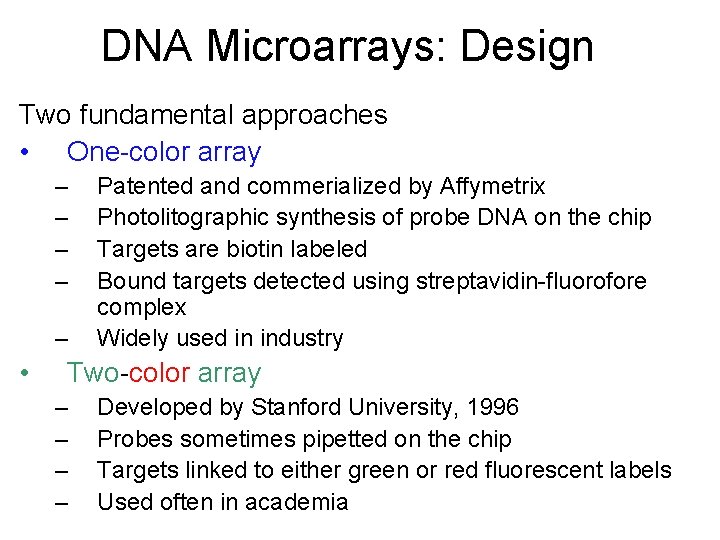
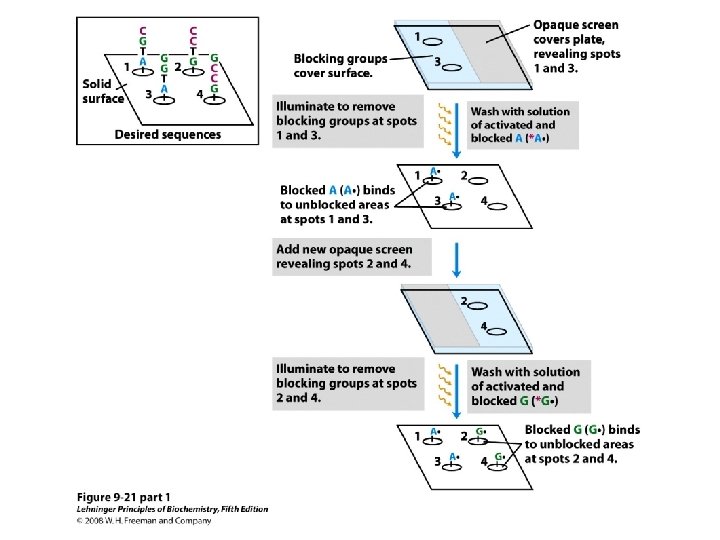
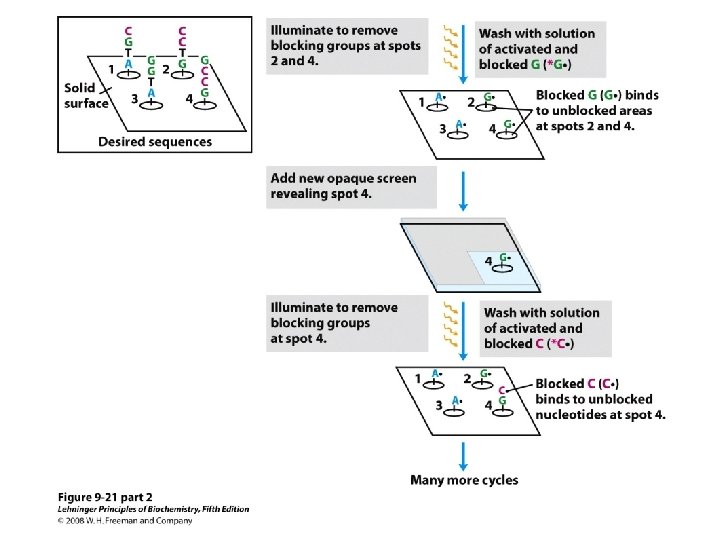
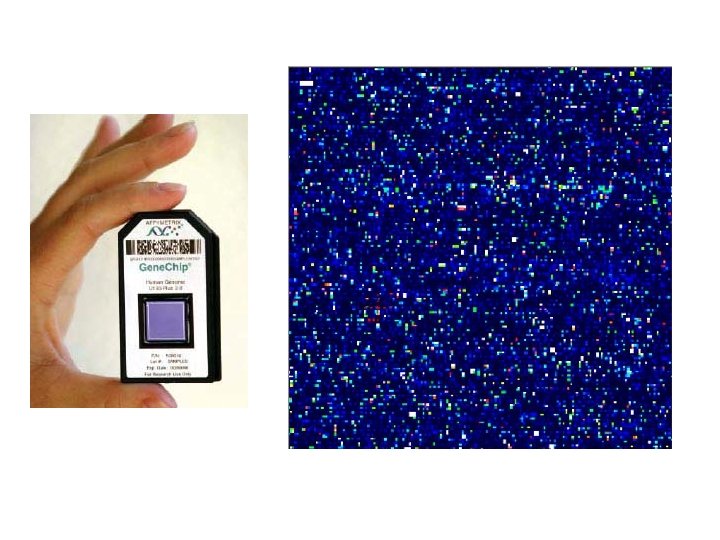
DNA Microarrays: Design Two fundamental approaches • One-color array – – – • Patented and commerialized by Affymetrix Photolitographic synthesis of probe DNA on the chip Targets are biotin labeled Bound targets detected using streptavidin-fluorofore complex Widely used in industry Two-color array – – Developed by Stanford University, 1996 Probes sometimes pipetted on the chip Targets linked to either green or red fluorescent labels Used often in academia
- Slides: 70