
Biochemistry Lecture 5 Protein Functions Binding P L
Biochemistry Lecture 5
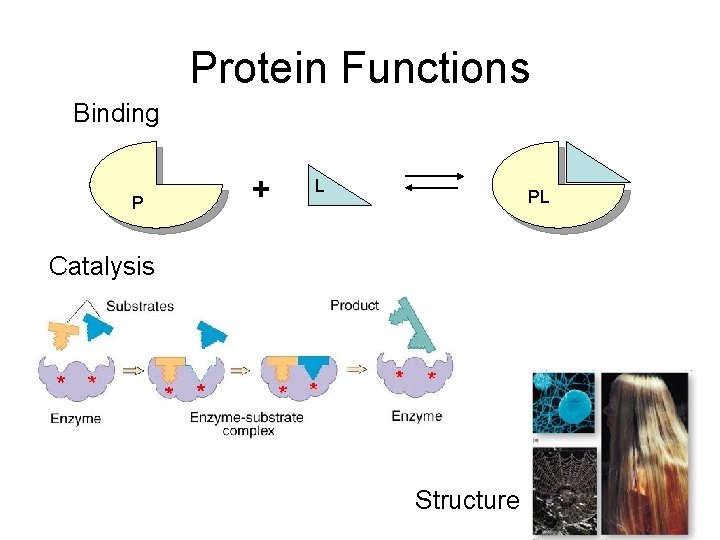
Protein Functions Binding P + L PL Catalysis Structure
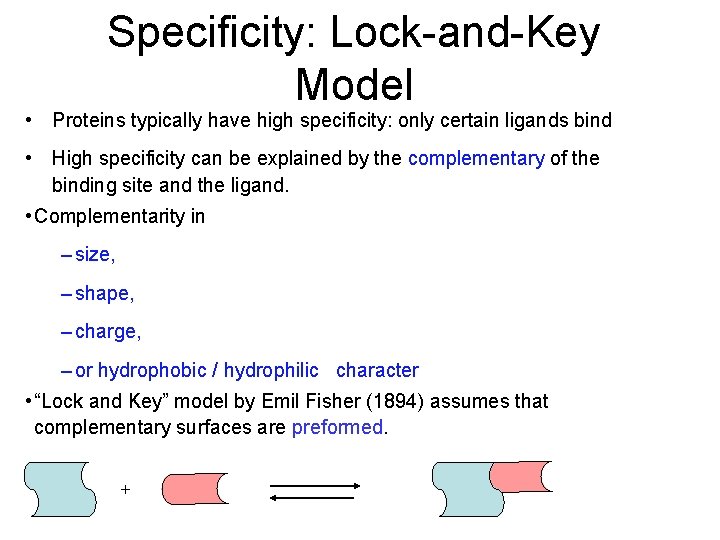
Specificity: Lock-and-Key Model • Proteins typically have high specificity: only certain ligands bind • High specificity can be explained by the complementary of the binding site and the ligand. • Complementarity in – size, – shape, – charge, – or hydrophobic / hydrophilic character • “Lock and Key” model by Emil Fisher (1894) assumes that complementary surfaces are preformed. +
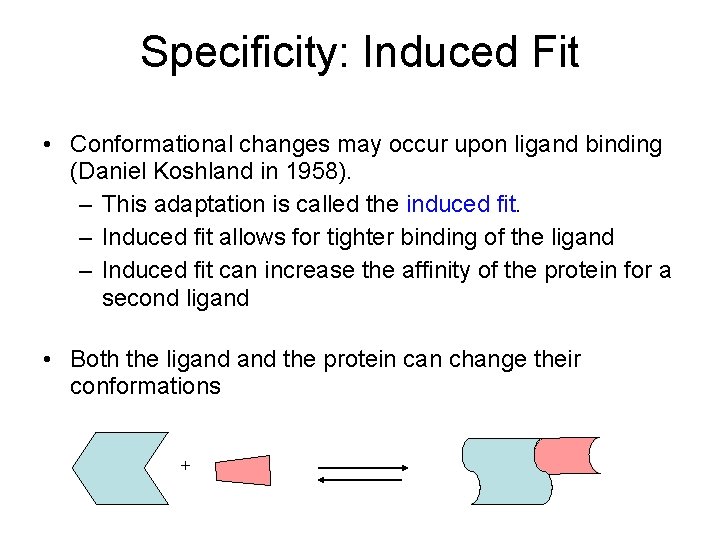
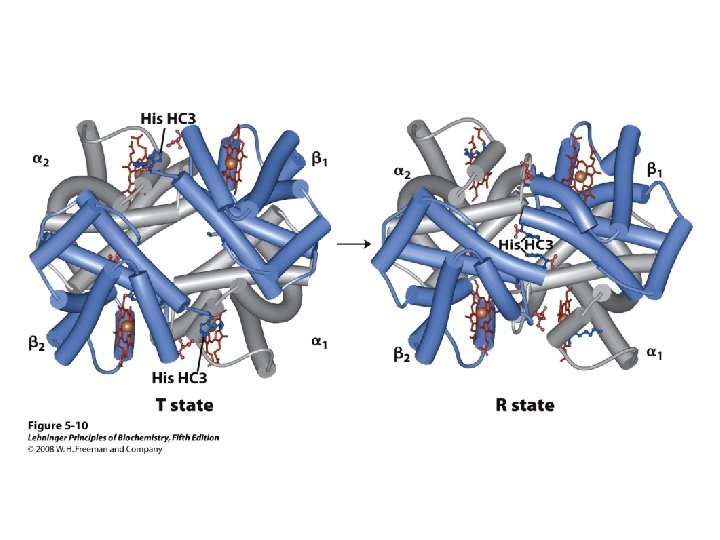
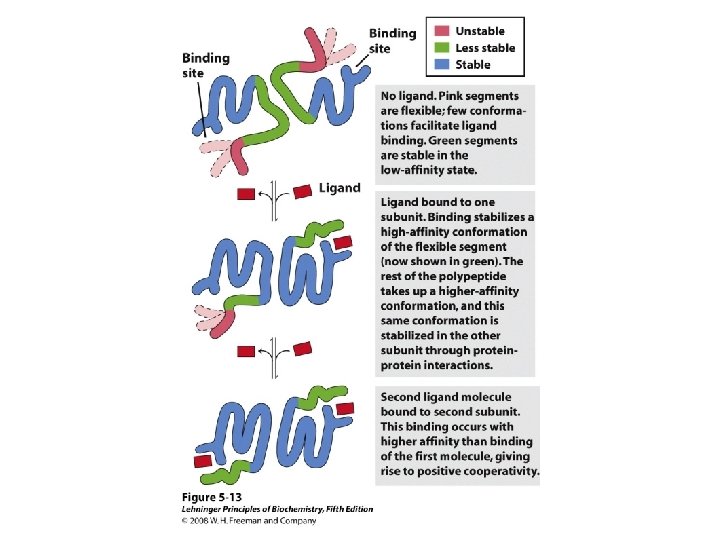
Specificity: Induced Fit • Conformational changes may occur upon ligand binding (Daniel Koshland in 1958). – This adaptation is called the induced fit. – Induced fit allows for tighter binding of the ligand – Induced fit can increase the affinity of the protein for a second ligand • Both the ligand the protein can change their conformations +
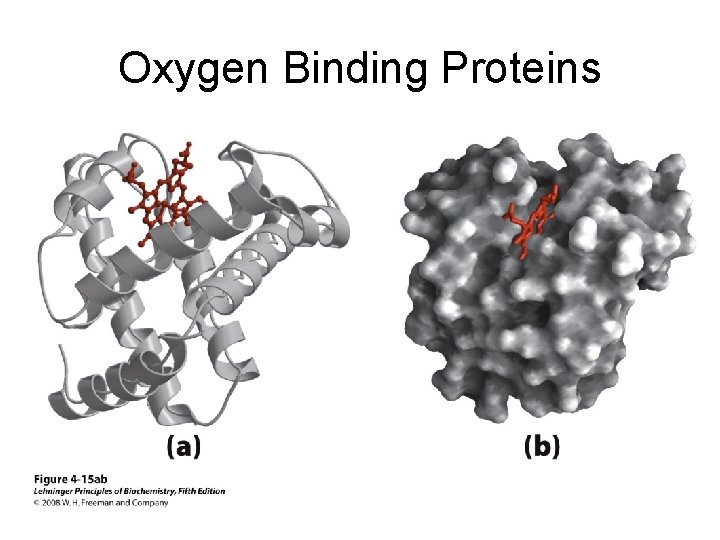
Oxygen Binding Proteins
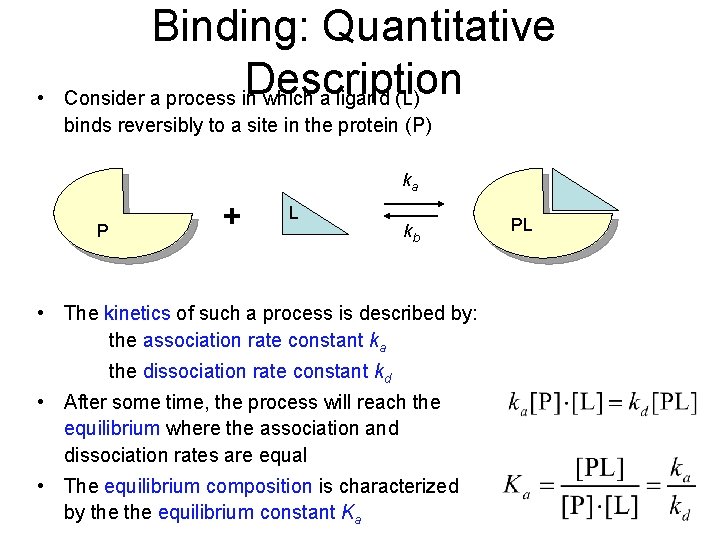
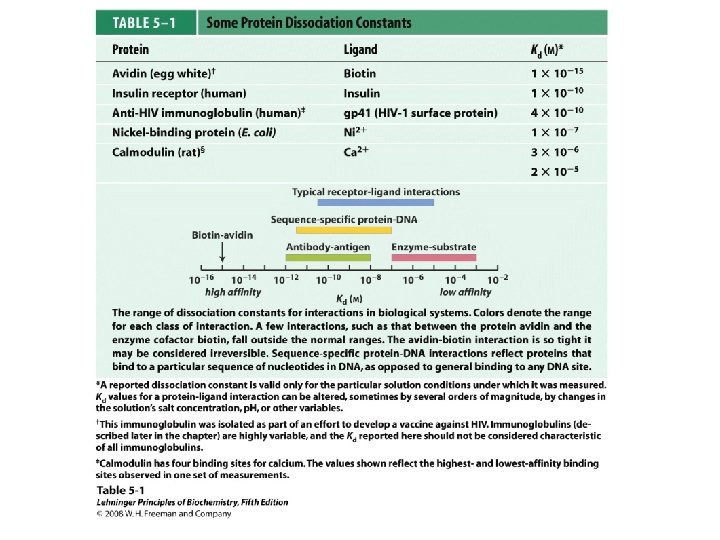
• Binding: Quantitative Description Consider a process in which a ligand (L) binds reversibly to a site in the protein (P) ka P + L kb • The kinetics of such a process is described by: the association rate constant ka the dissociation rate constant kd • After some time, the process will reach the equilibrium where the association and dissociation rates are equal • The equilibrium composition is characterized by the equilibrium constant Ka PL
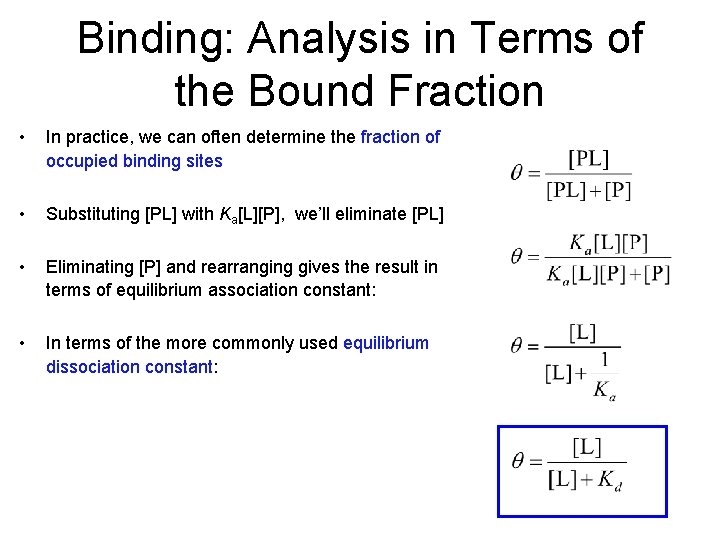
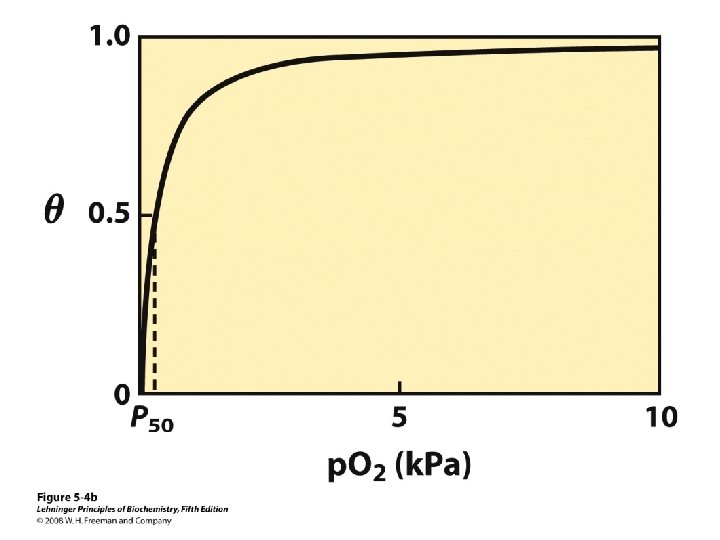
Binding: Analysis in Terms of the Bound Fraction • In practice, we can often determine the fraction of occupied binding sites • Substituting [PL] with Ka[L][P], we’ll eliminate [PL] • Eliminating [P] and rearranging gives the result in terms of equilibrium association constant: • In terms of the more commonly used equilibrium dissociation constant:
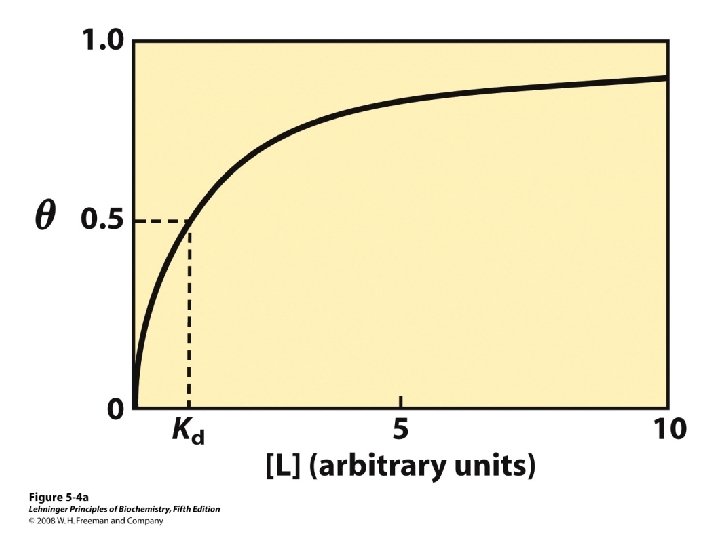
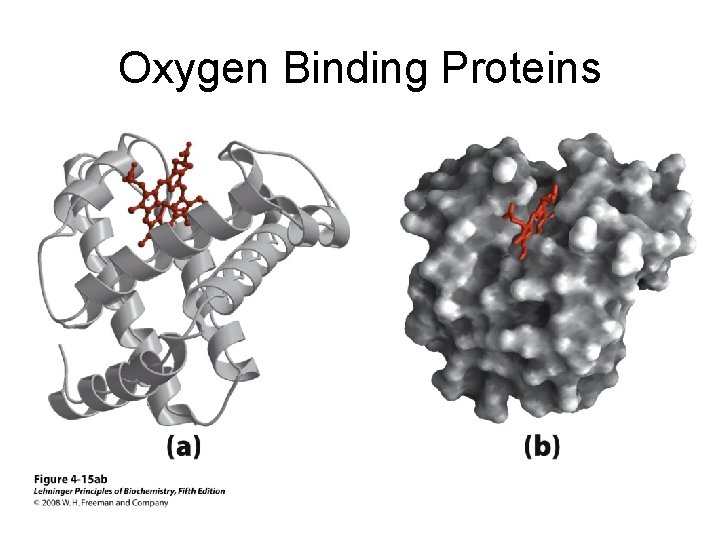
Oxygen Binding Proteins
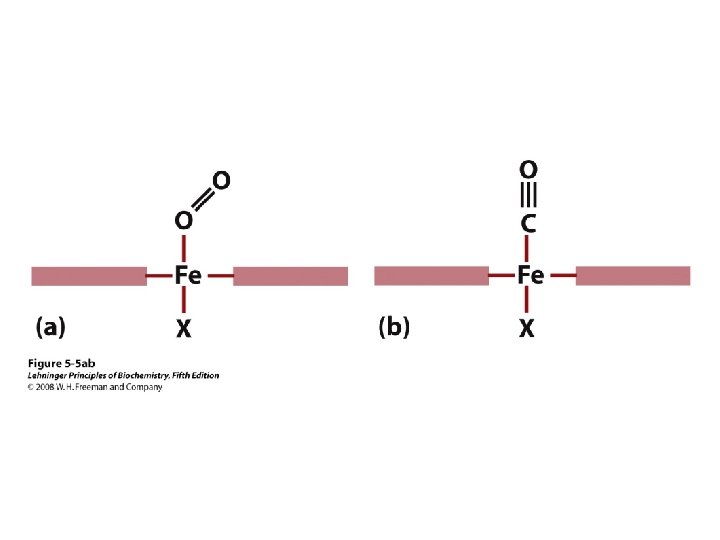
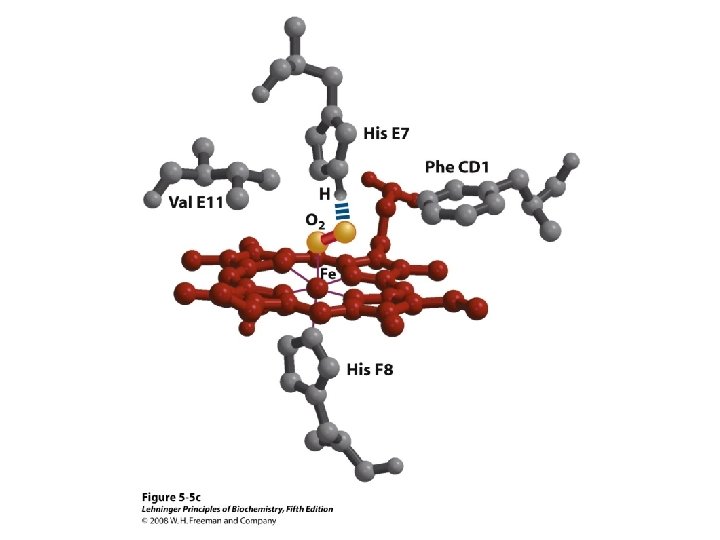
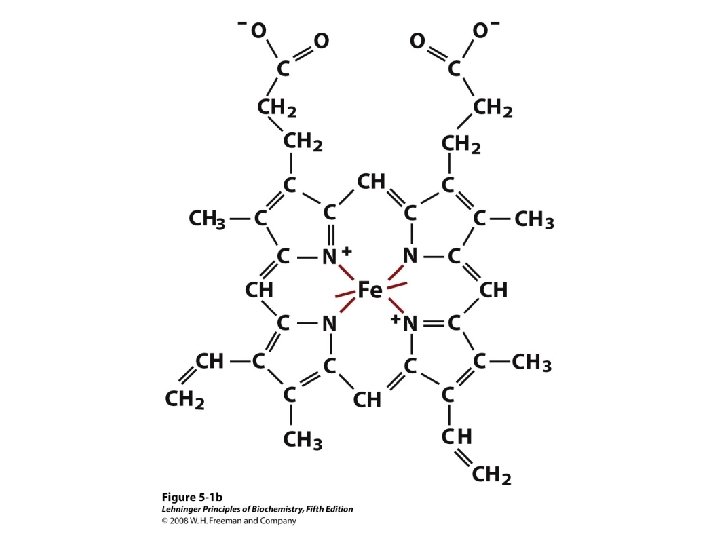
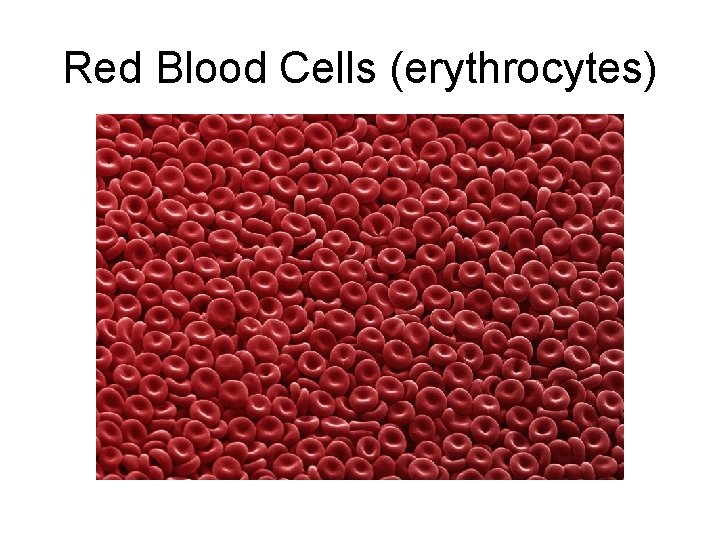
Red Blood Cells (erythrocytes)
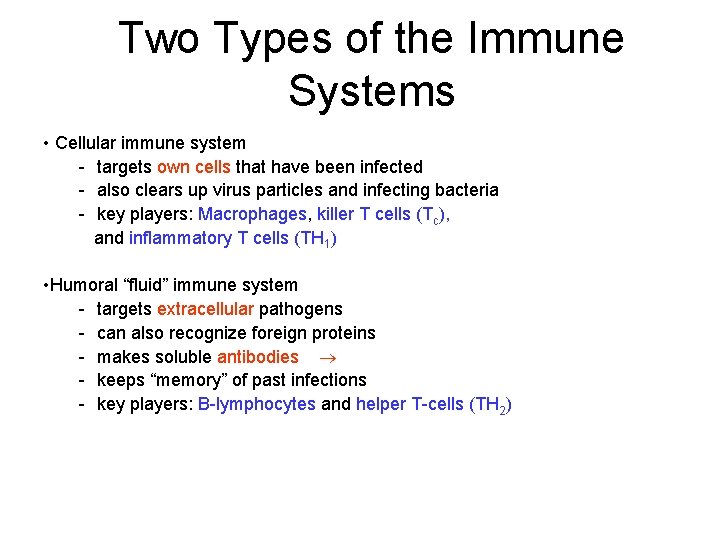
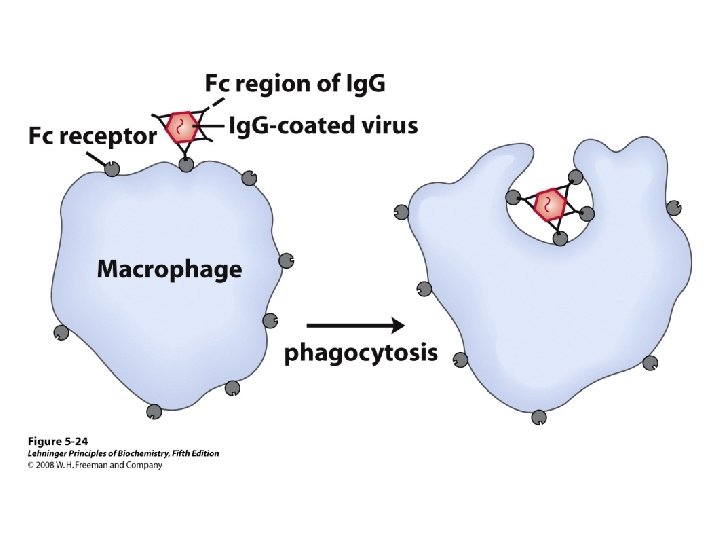
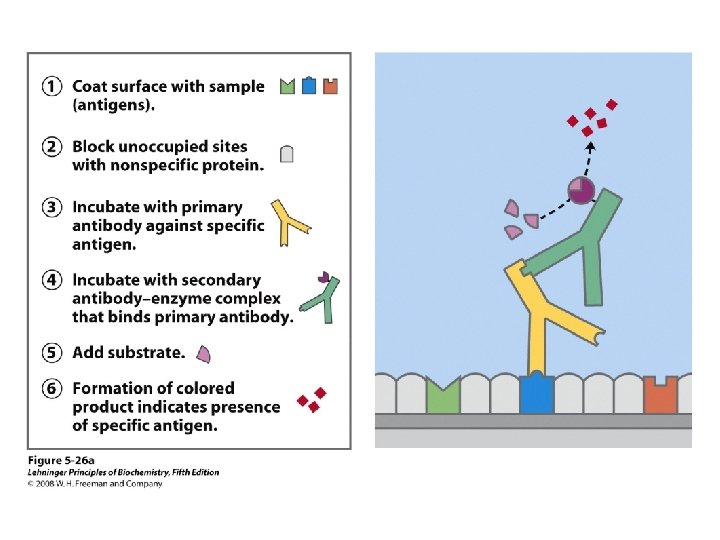
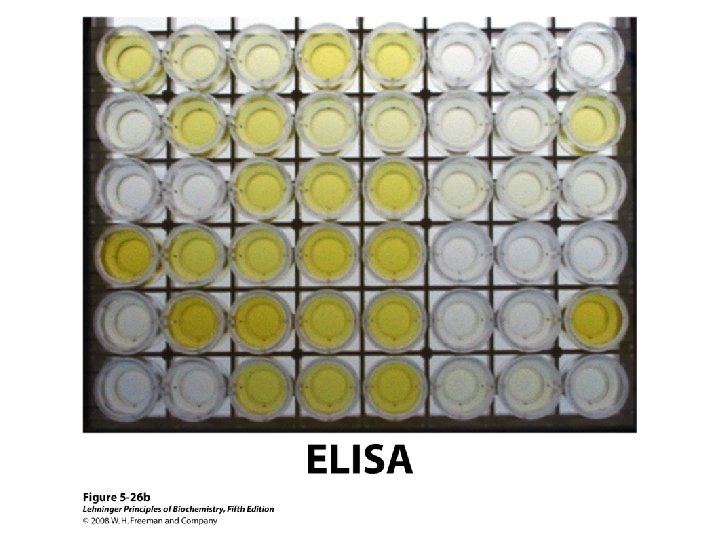
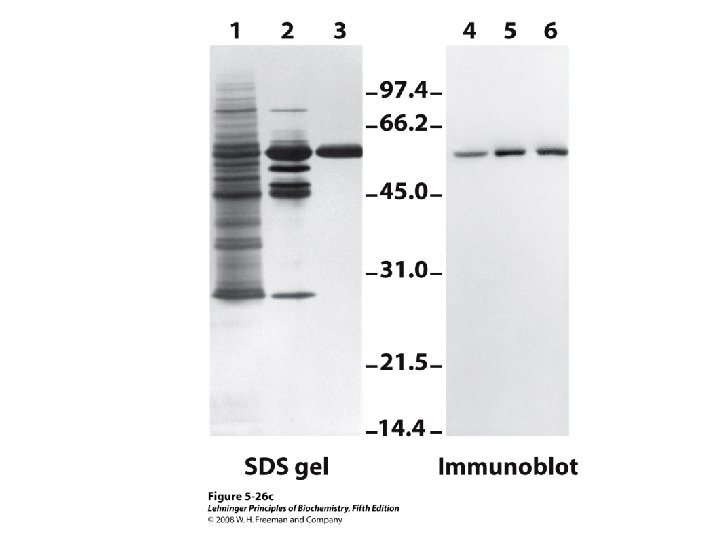
Two Types of the Immune Systems • Cellular immune system - targets own cells that have been infected - also clears up virus particles and infecting bacteria - key players: Macrophages, killer T cells (Tc), and inflammatory T cells (TH 1) • Humoral “fluid” immune system - targets extracellular pathogens - can also recognize foreign proteins - makes soluble antibodies - keeps “memory” of past infections - key players: B-lymphocytes and helper T-cells (TH 2)
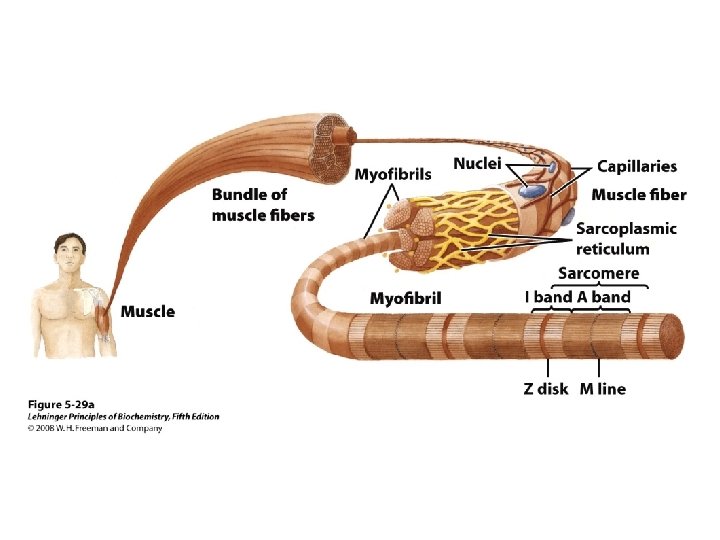
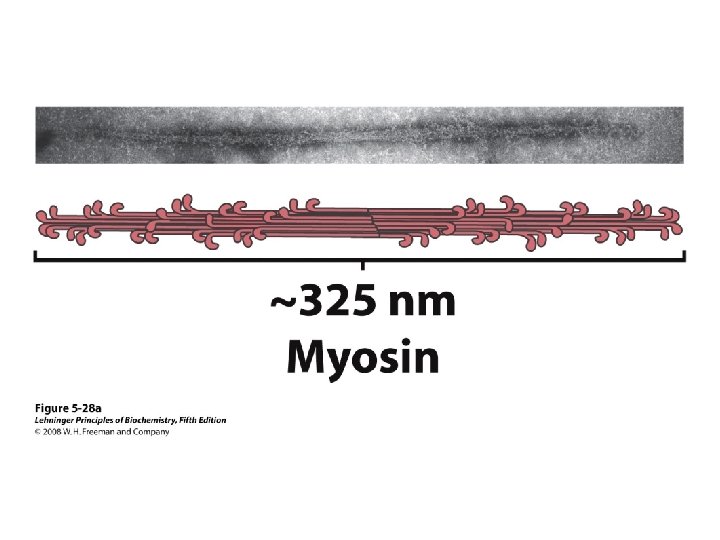
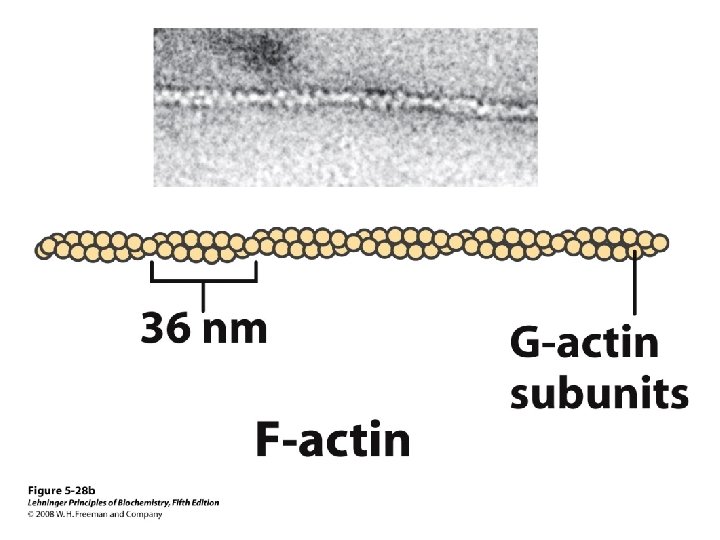
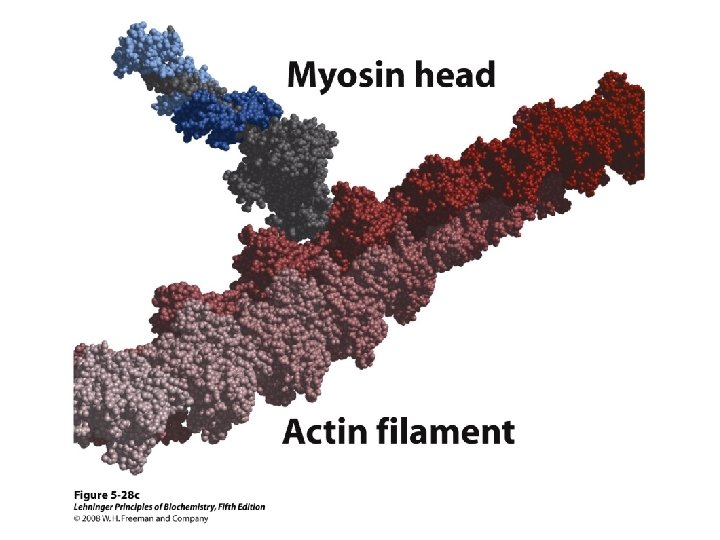
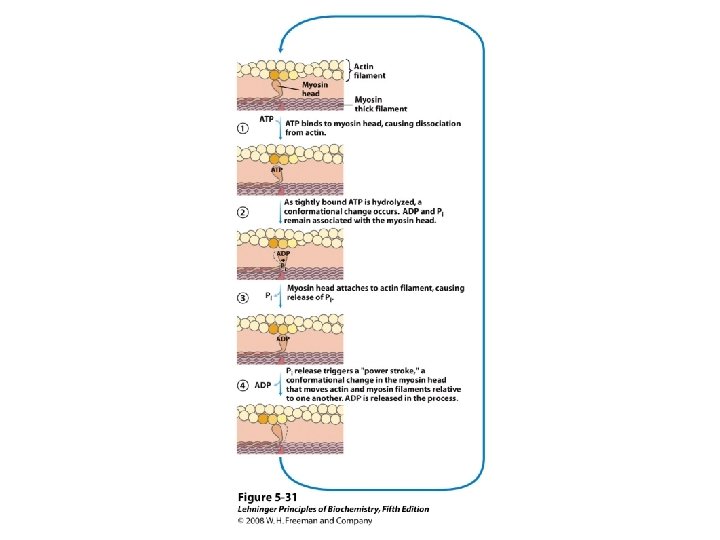
Myosin In Motion! http: //www. youtube. com/watch? v=ed. BRWl 1 vftc&feature=player_embedded http: //highered. mcgrawhill. com/sites/0072495855/student_view 0/chapter 10/animation__myofilament _contraction. html
- Slides: 34