
Biochemistry Lecture 13 Citric Acid Cycle Only a
Biochemistry Lecture 13 Citric Acid Cycle
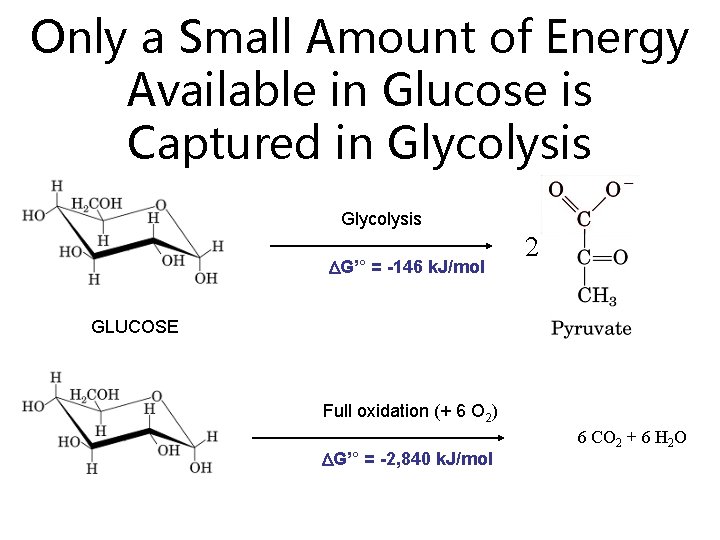
Only a Small Amount of Energy Available in Glucose is Captured in Glycolysis G’° = -146 k. J/mol 2 GLUCOSE Full oxidation (+ 6 O 2) G’° = -2, 840 k. J/mol 6 CO 2 + 6 H 2 O
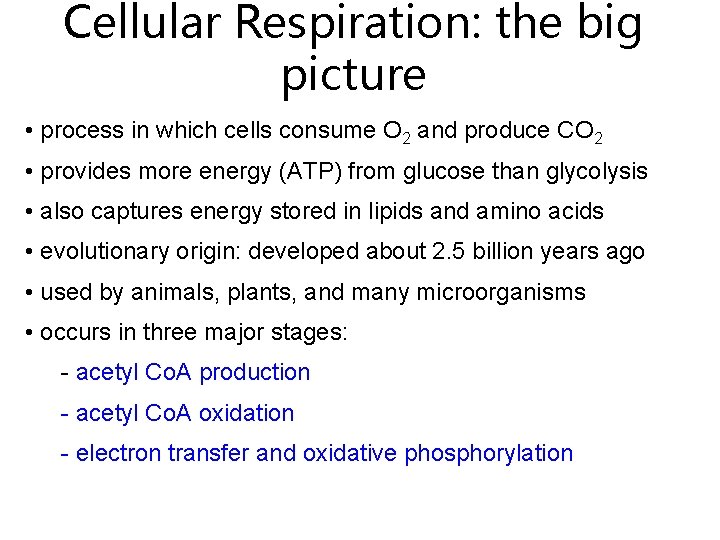
Cellular Respiration: the big picture • process in which cells consume O 2 and produce CO 2 • provides more energy (ATP) from glucose than glycolysis • also captures energy stored in lipids and amino acids • evolutionary origin: developed about 2. 5 billion years ago • used by animals, plants, and many microorganisms • occurs in three major stages: - acetyl Co. A production - acetyl Co. A oxidation - electron transfer and oxidative phosphorylation
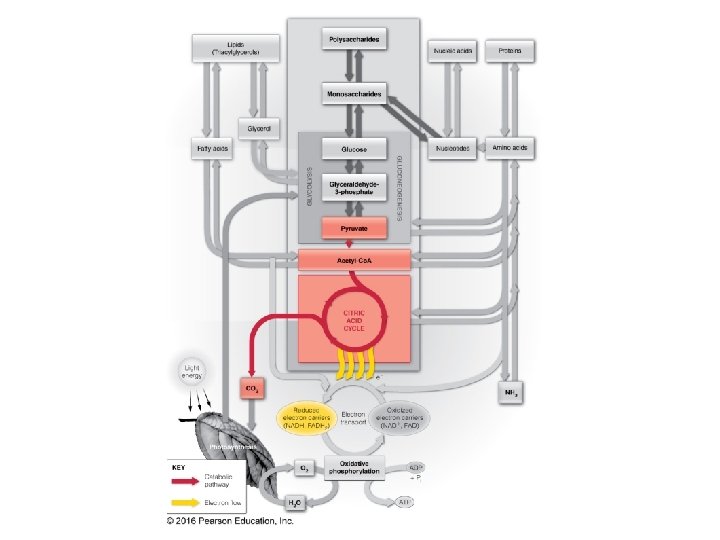
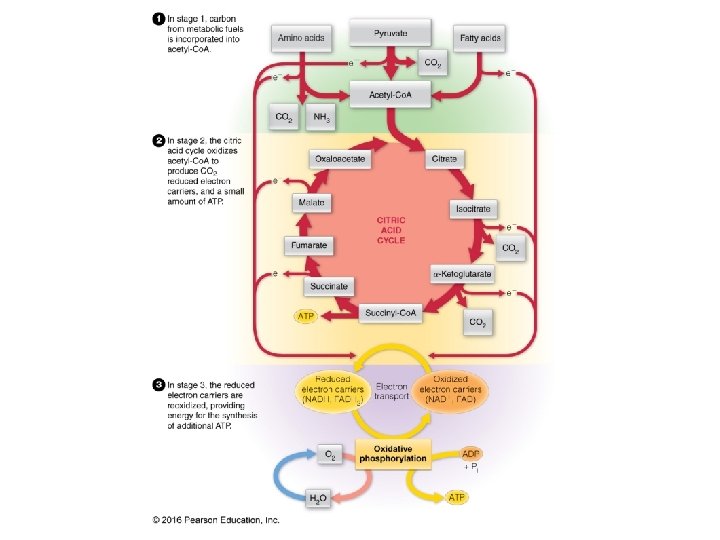
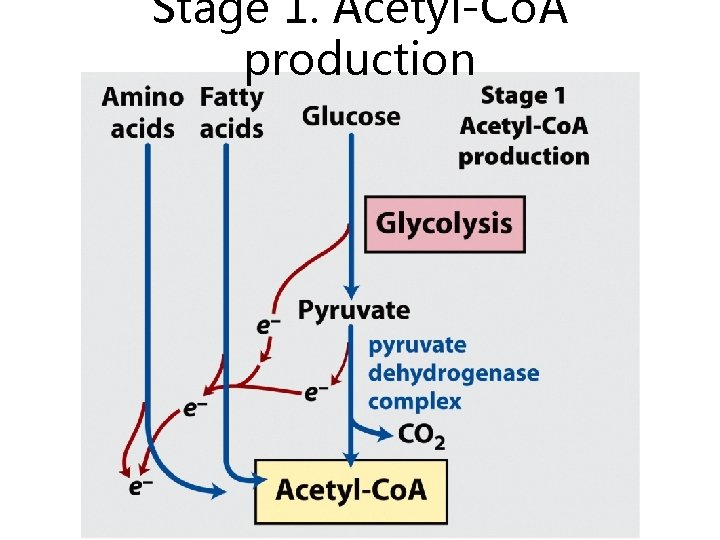
Stage 1. Acetyl-Co. A production
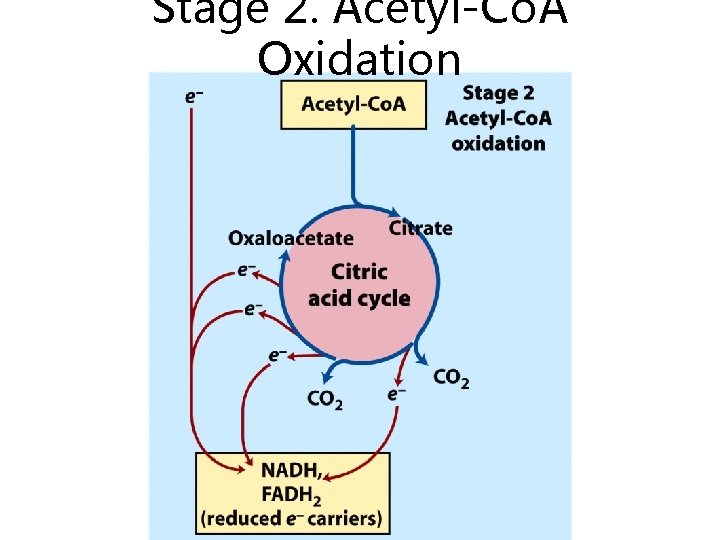
Stage 2. Acetyl-Co. A Oxidation
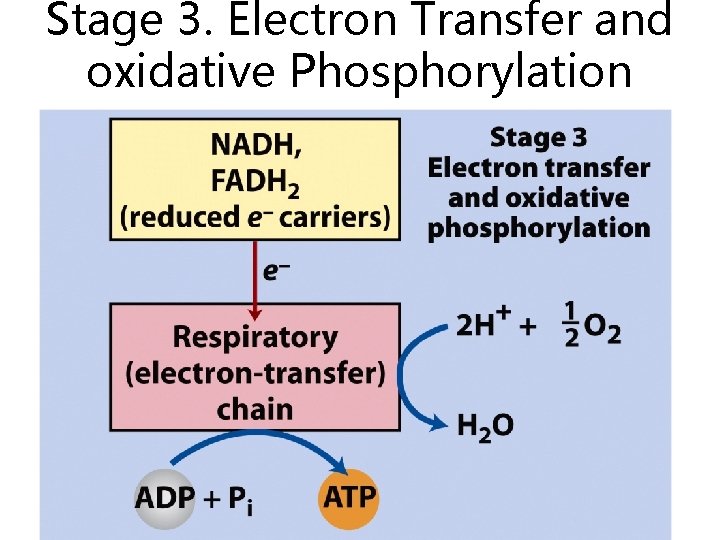
Stage 3. Electron Transfer and oxidative Phosphorylation
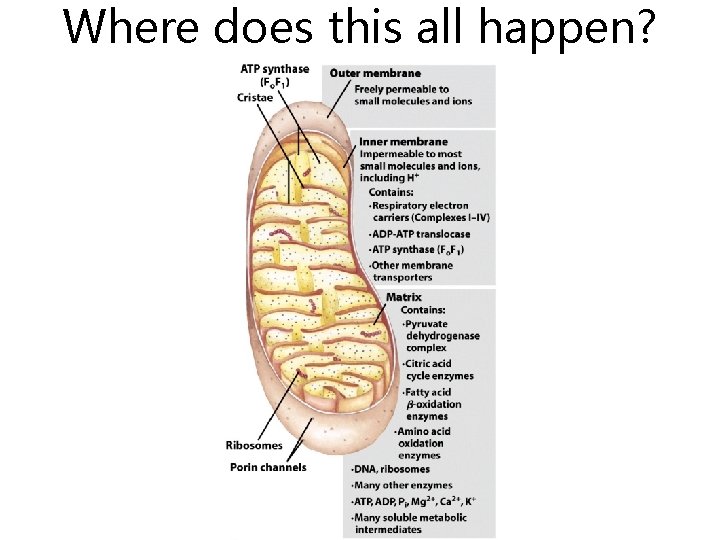
Where does this all happen?
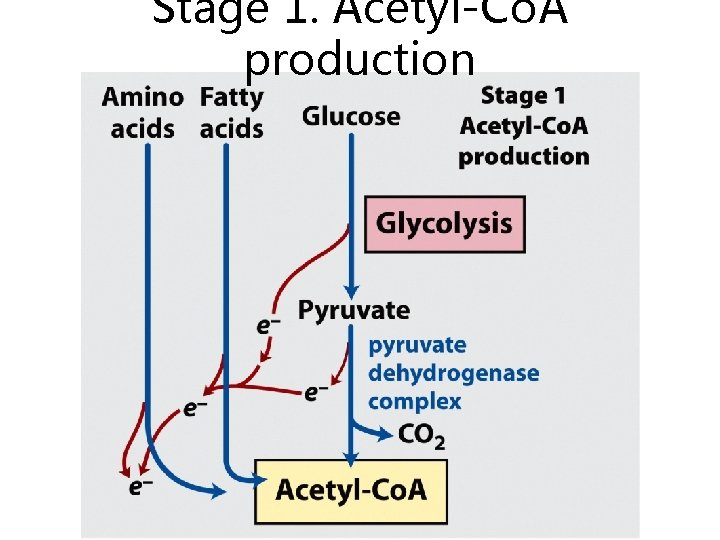
Stage 1. Acetyl-Co. A production
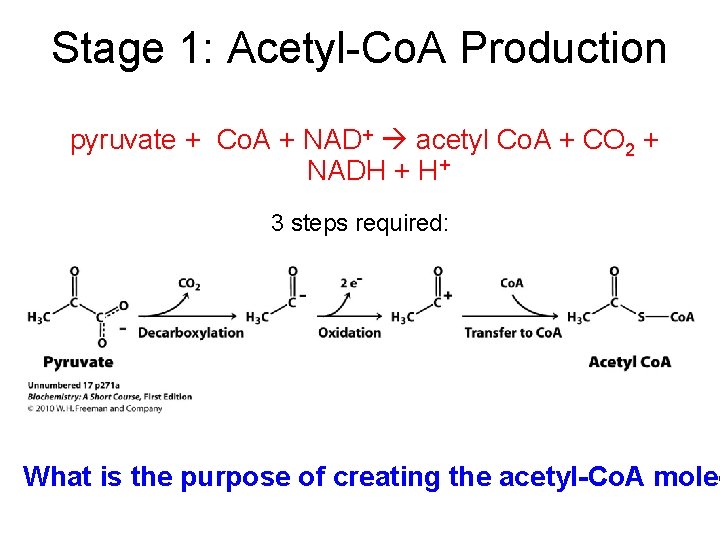
Stage 1: Acetyl-Co. A Production pyruvate + Co. A + NAD+ acetyl Co. A + CO 2 + NADH + H+ 3 steps required: What is the purpose of creating the acetyl-Co. A molec
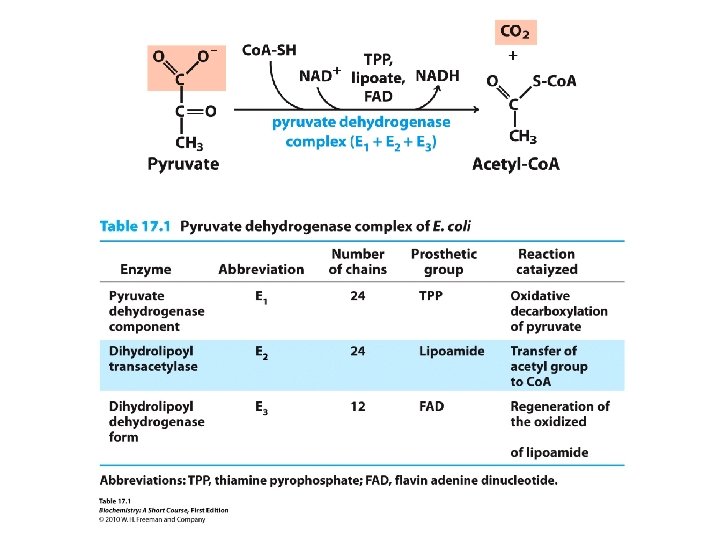
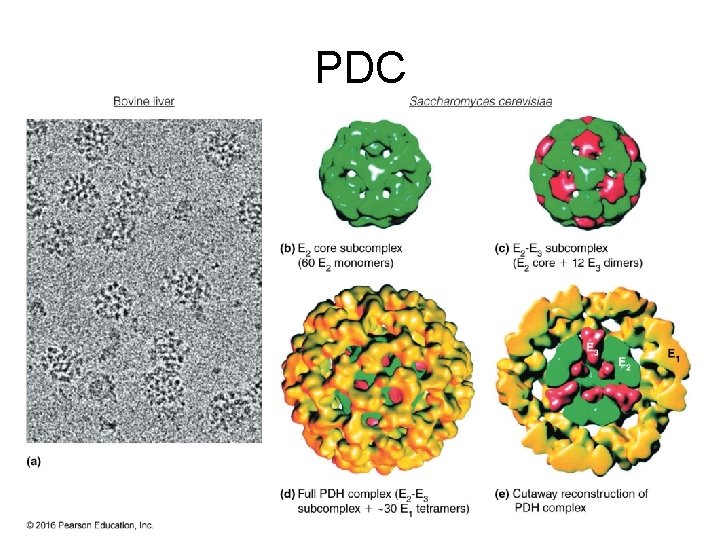
PDC
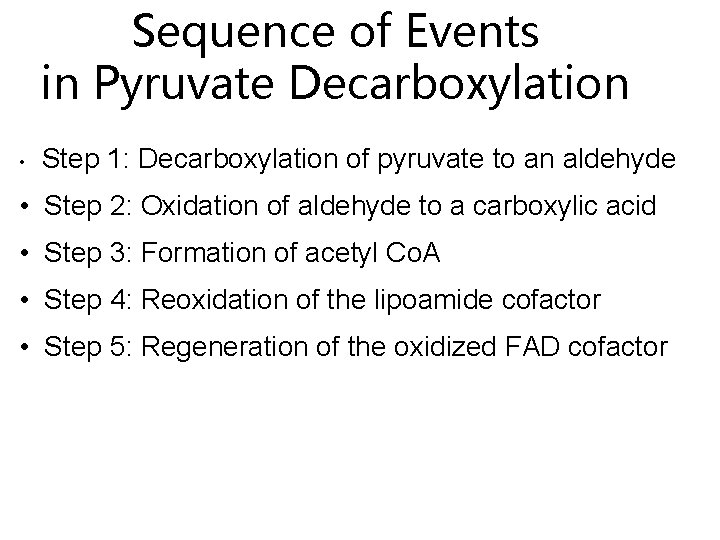
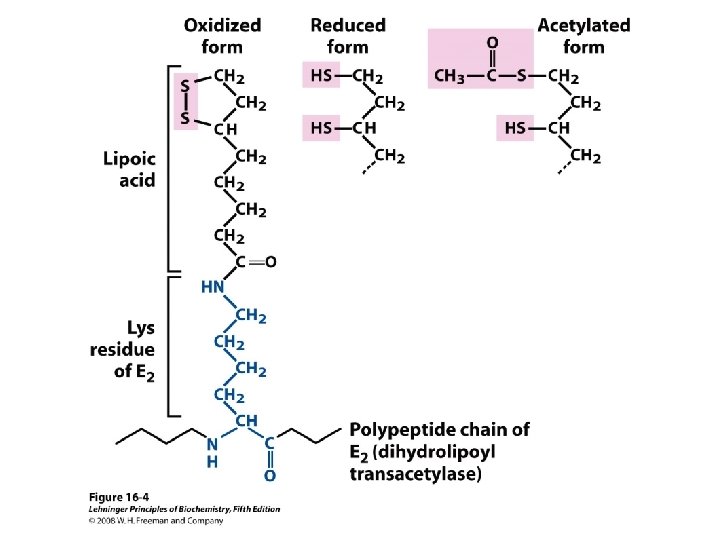
Sequence of Events in Pyruvate Decarboxylation • Step 1: Decarboxylation of pyruvate to an aldehyde • Step 2: Oxidation of aldehyde to a carboxylic acid • Step 3: Formation of acetyl Co. A • Step 4: Reoxidation of the lipoamide cofactor • Step 5: Regeneration of the oxidized FAD cofactor
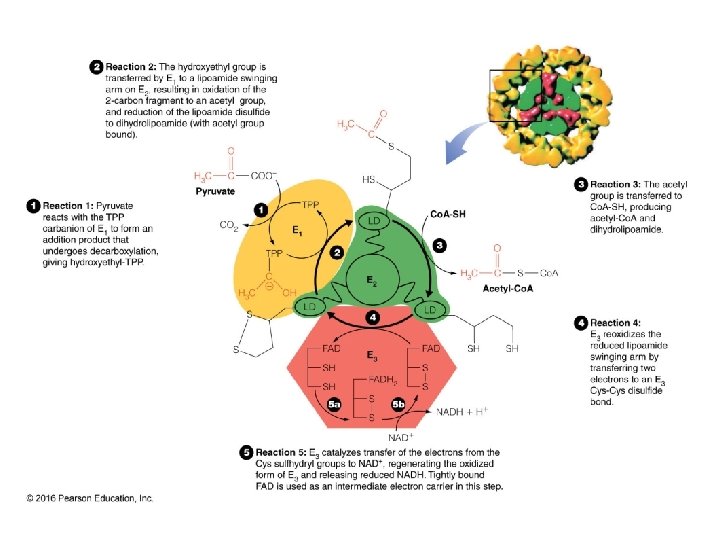

Structure of FMN
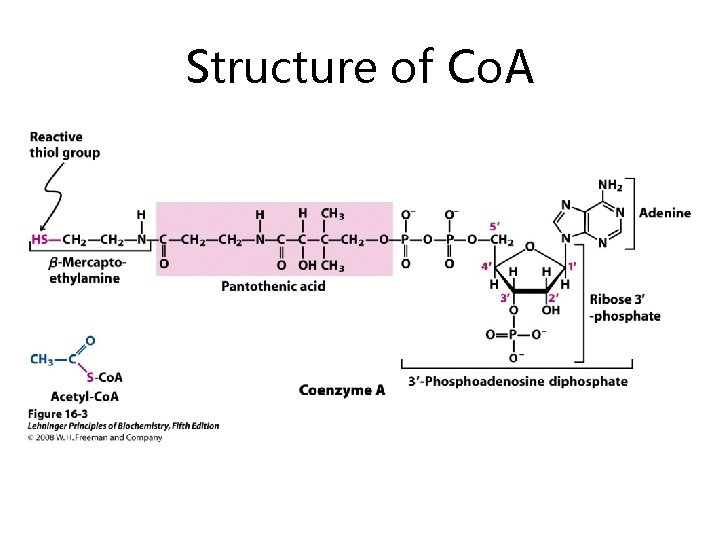
Structure of Co. A
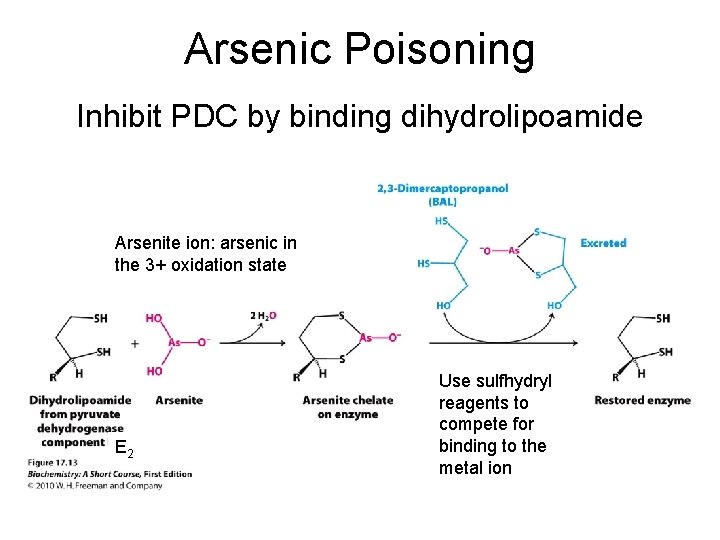
Arsenic Poisoning Inhibit PDC by binding dihydrolipoamide Arsenite ion: arsenic in the 3+ oxidation state E 2 Use sulfhydryl reagents to compete for binding to the metal ion
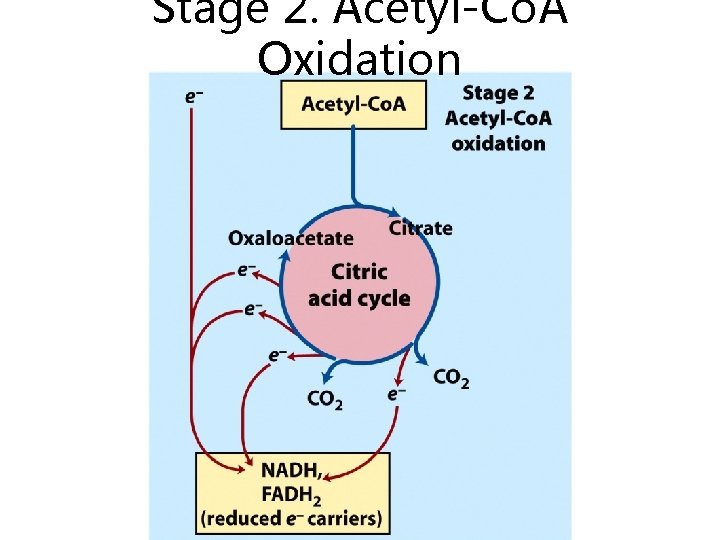
Stage 2. Acetyl-Co. A Oxidation
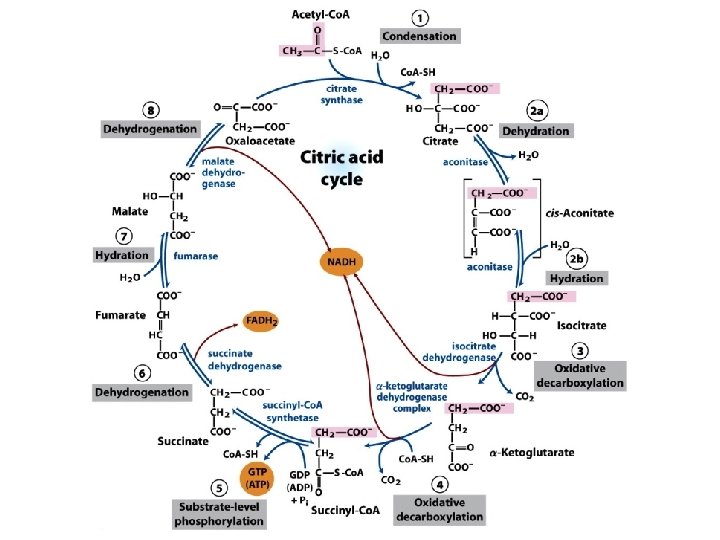
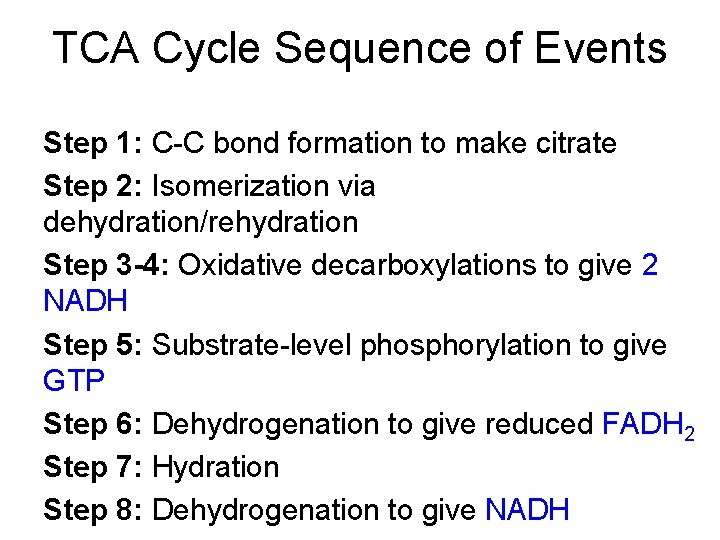
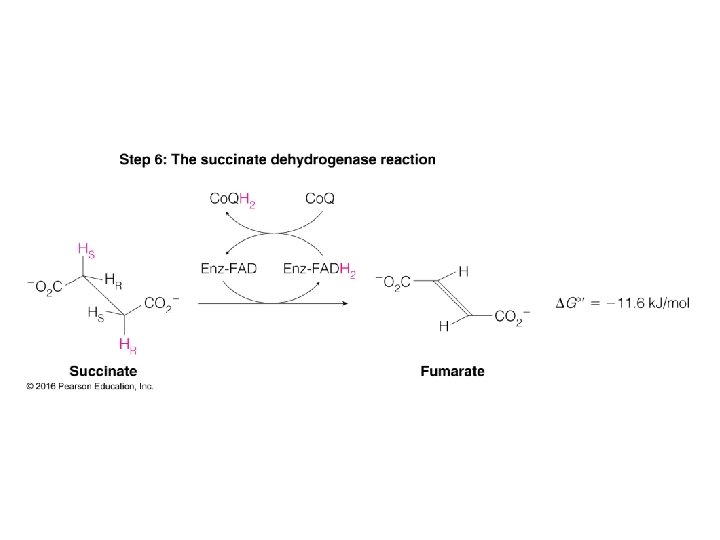
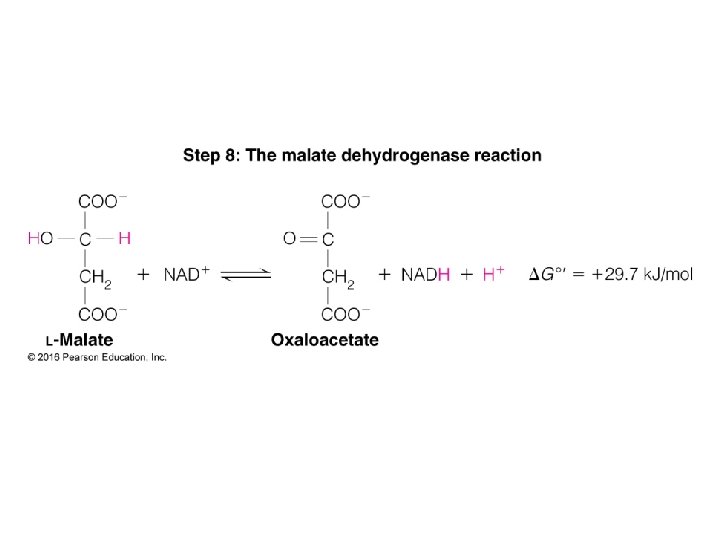
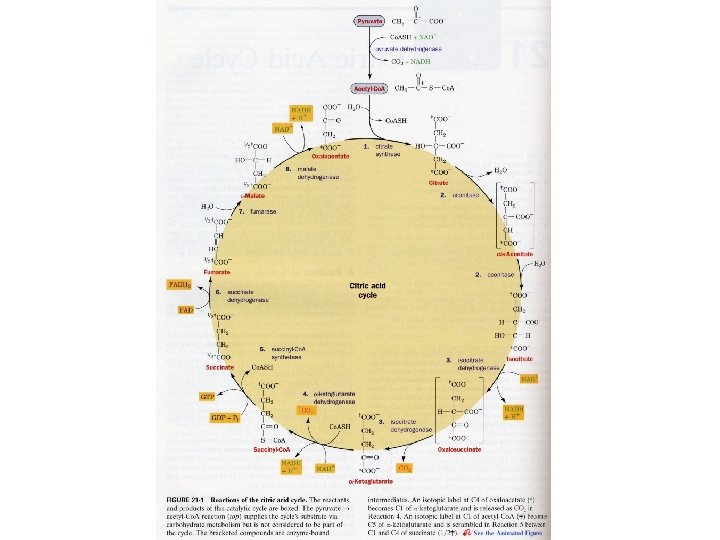
TCA Cycle Sequence of Events Step 1: C-C bond formation to make citrate Step 2: Isomerization via dehydration/rehydration Step 3 -4: Oxidative decarboxylations to give 2 NADH Step 5: Substrate-level phosphorylation to give GTP Step 6: Dehydrogenation to give reduced FADH 2 Step 7: Hydration Step 8: Dehydrogenation to give NADH
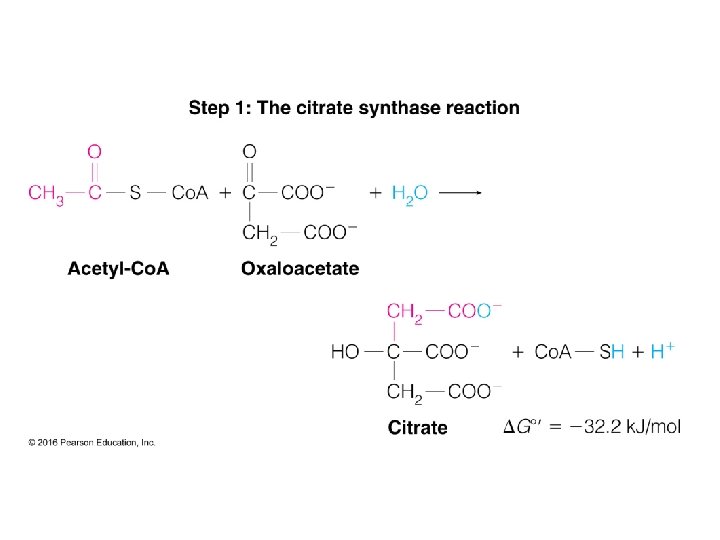
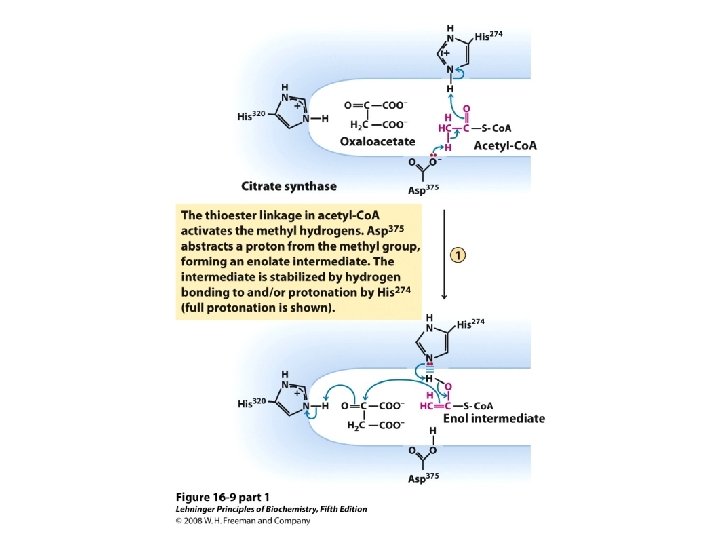
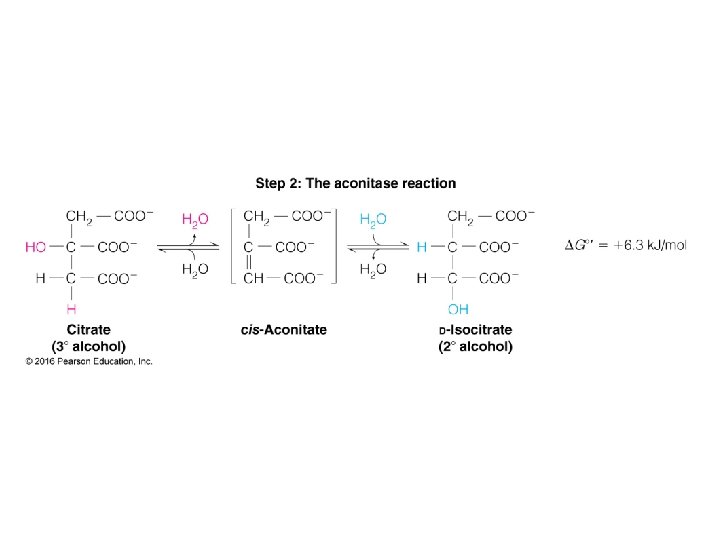
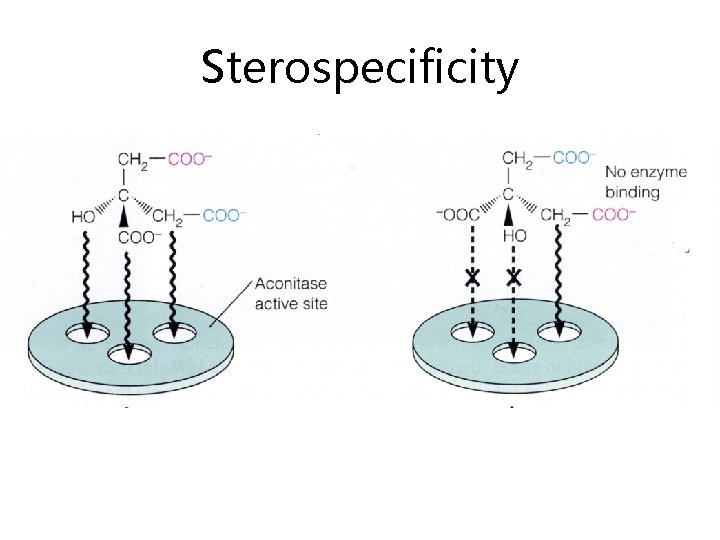
Sterospecificity
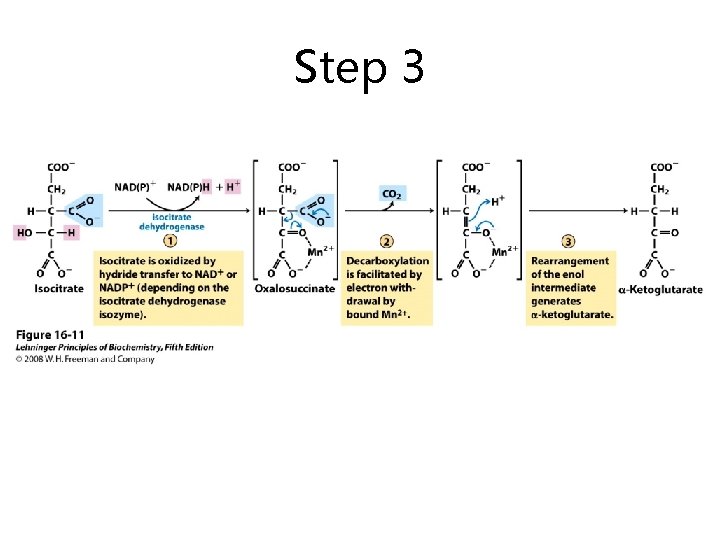
Step 3
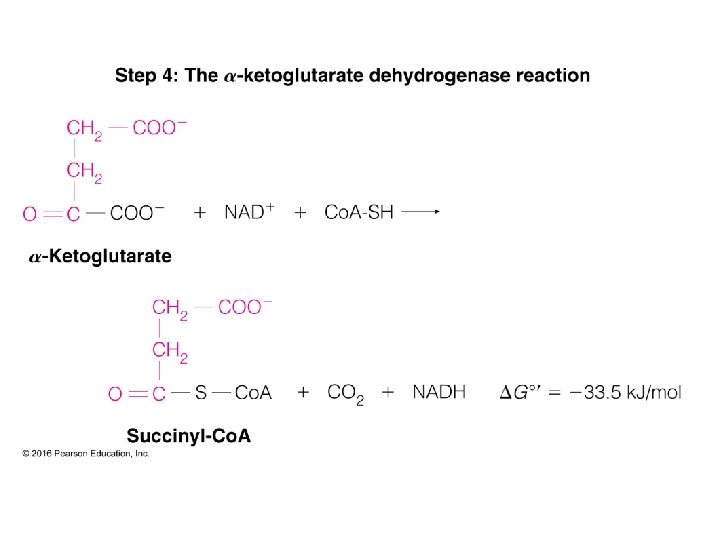
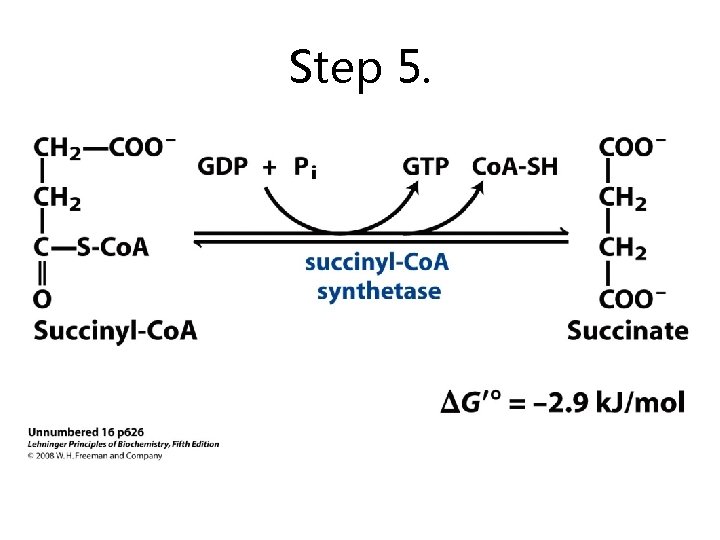
Step 5.
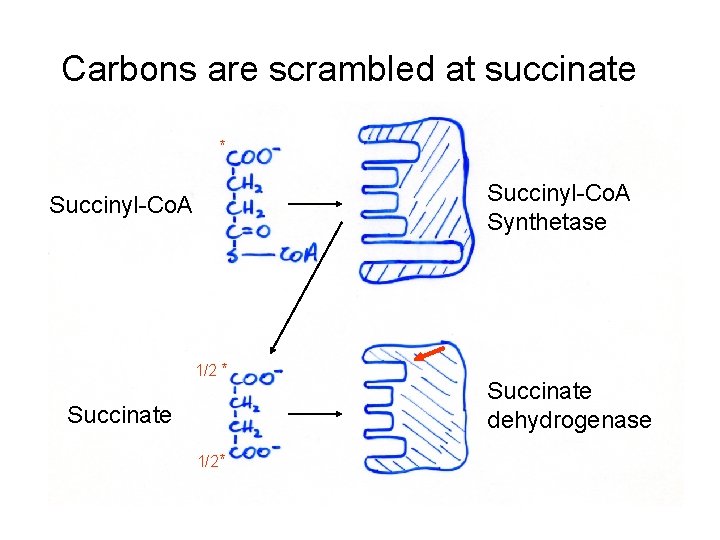
Carbons are scrambled at succinate * Succinyl-Co. A Synthetase Succinyl-Co. A 1/2 * Succinate 1/2* Succinate dehydrogenase
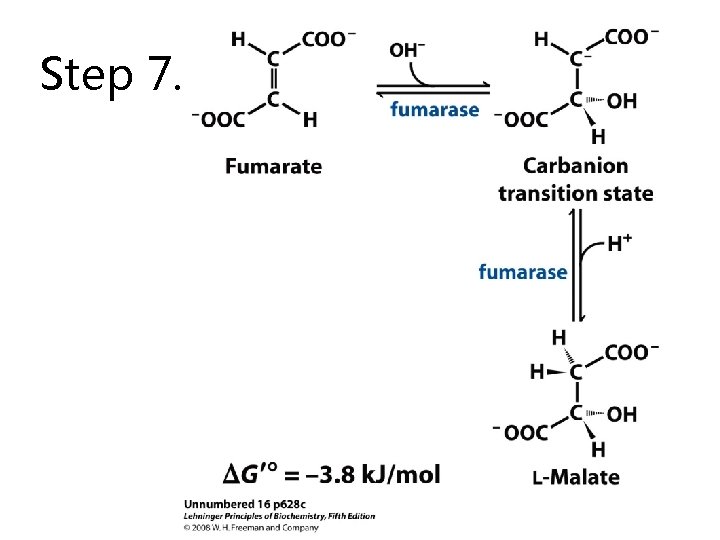
Step 7.
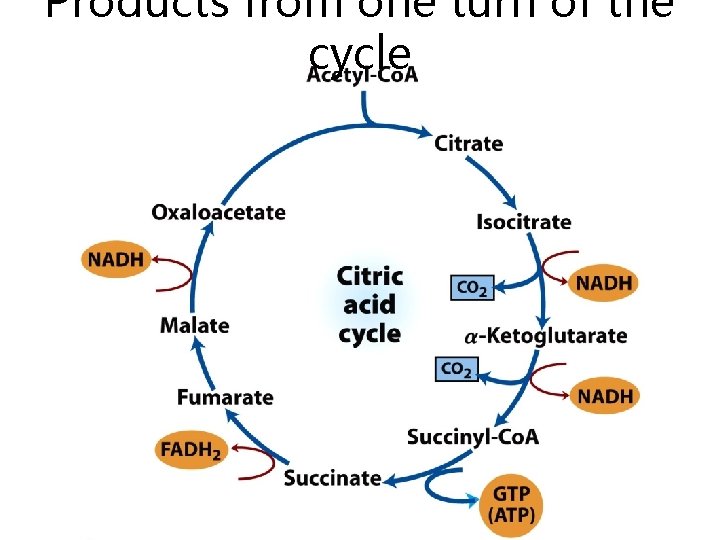
Products from one turn of the cycle
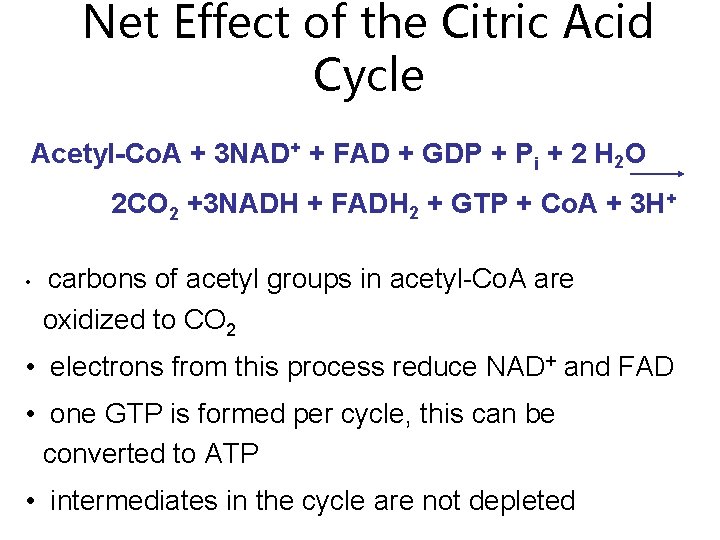
Net Effect of the Citric Acid Cycle Acetyl-Co. A + 3 NAD+ + FAD + GDP + Pi + 2 H 2 O 2 CO 2 +3 NADH + FADH 2 + GTP + Co. A + 3 H+ • carbons of acetyl groups in acetyl-Co. A are oxidized to CO 2 • electrons from this process reduce NAD+ and FAD • one GTP is formed per cycle, this can be converted to ATP • intermediates in the cycle are not depleted
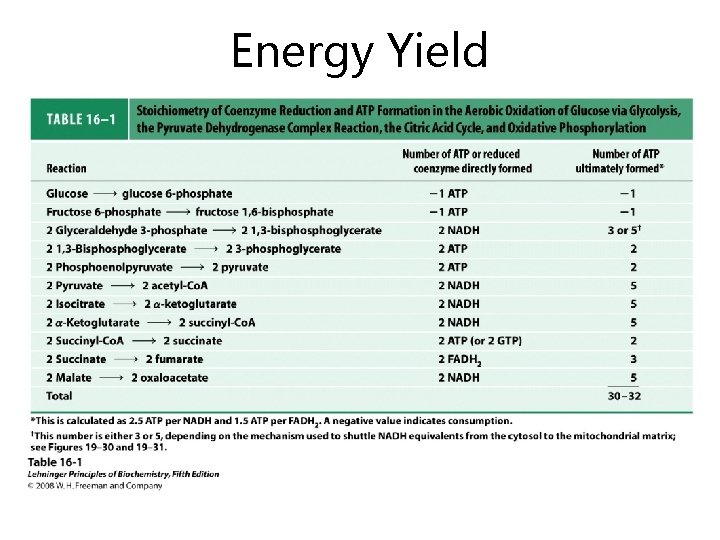
Energy Yield
- Slides: 41