
Bio 161 Ecology and Evolution Macroevolution Speciation Species
Bio 161 Ecology and Evolution Macroevolution Speciation
Species = Groups of actually (or potentially) interbreeding natural populations that are reproductively isolated from other such groups. Ernst Mayer. Population genetic translation: a single gene pool. ? Morphological or Genetic Species
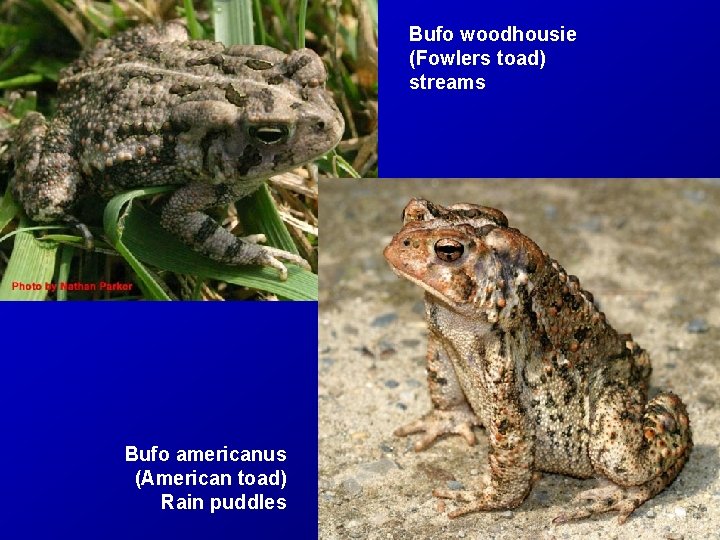
Bufo woodhousie (Fowlers toad) streams Bufo americanus (American toad) Rain puddles
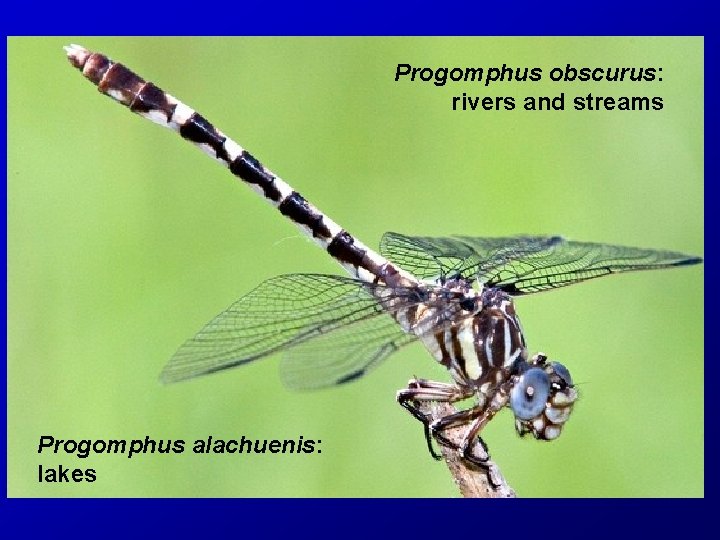
Progomphus obscurus: rivers and streams Progomphus alachuenis: lakes
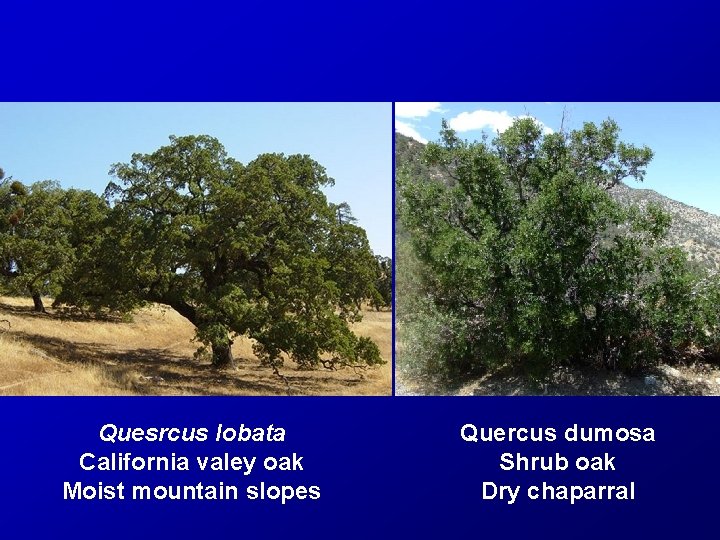
Quesrcus lobata California valey oak Moist mountain slopes Quercus dumosa Shrub oak Dry chaparral
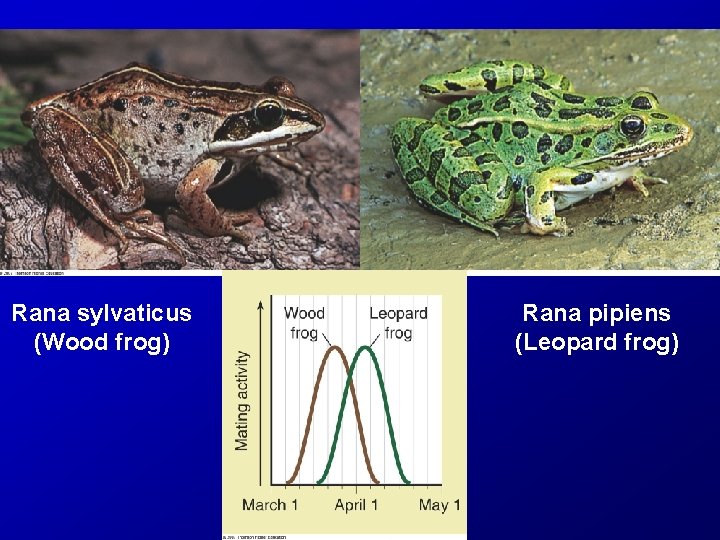
Rana sylvaticus (Wood frog) Rana pipiens (Leopard frog)
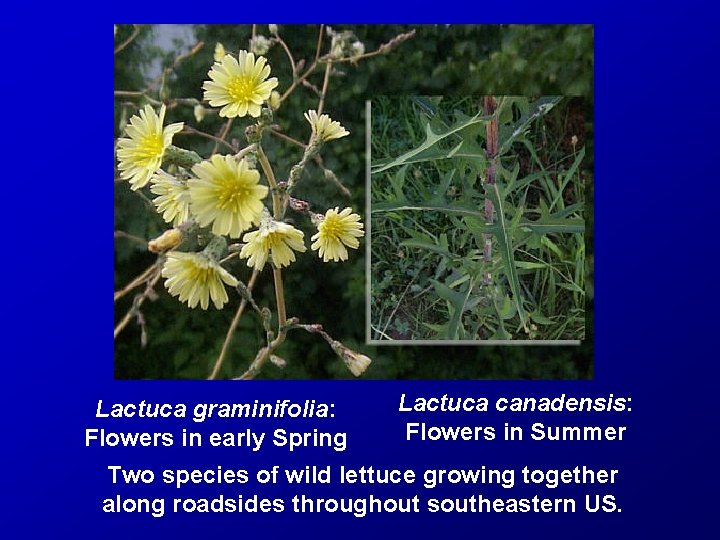
Lactuca graminifolia: Flowers in early Spring Lactuca canadensis: Flowers in Summer Two species of wild lettuce growing together along roadsides throughout southeastern US.
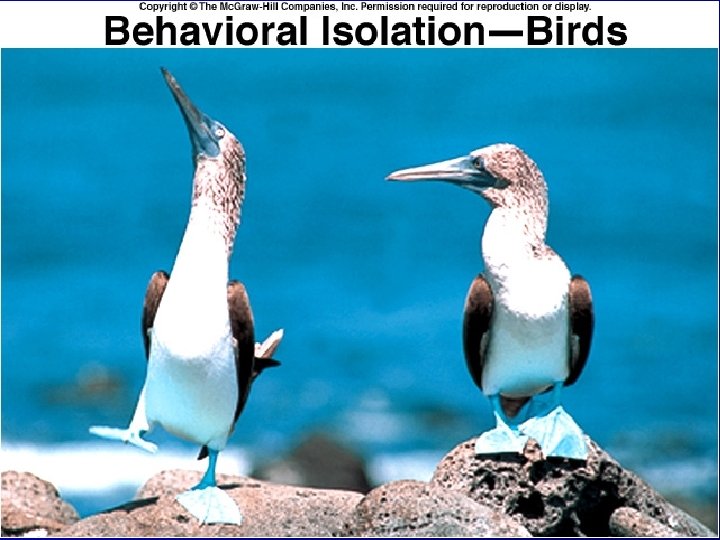
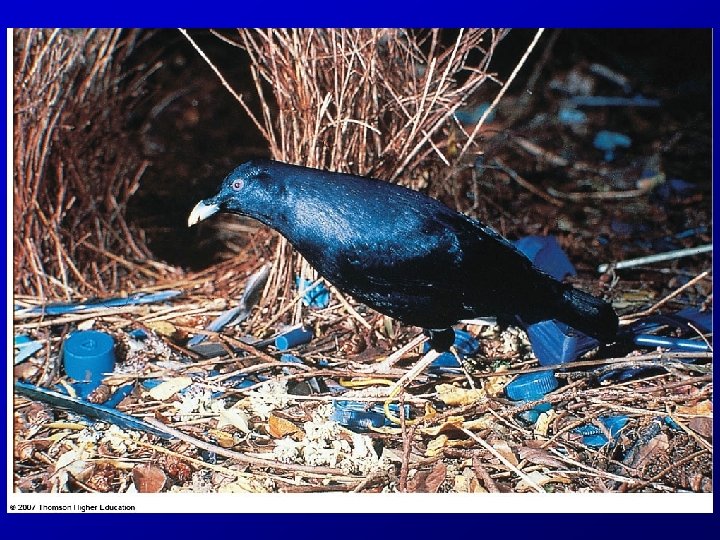
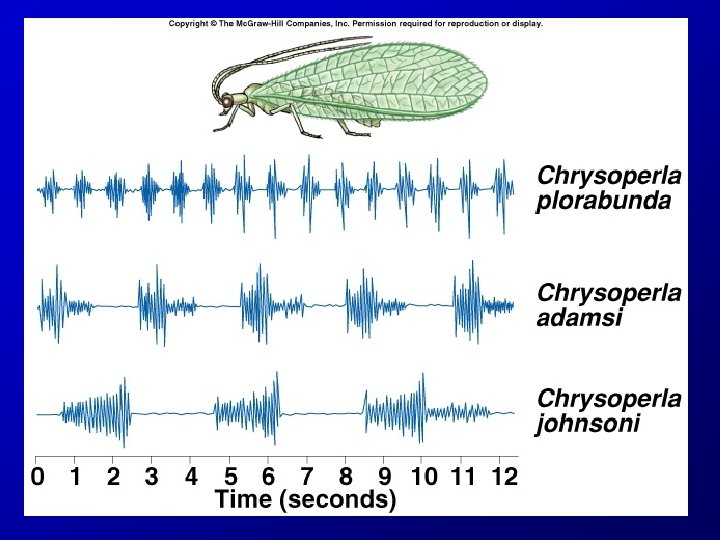
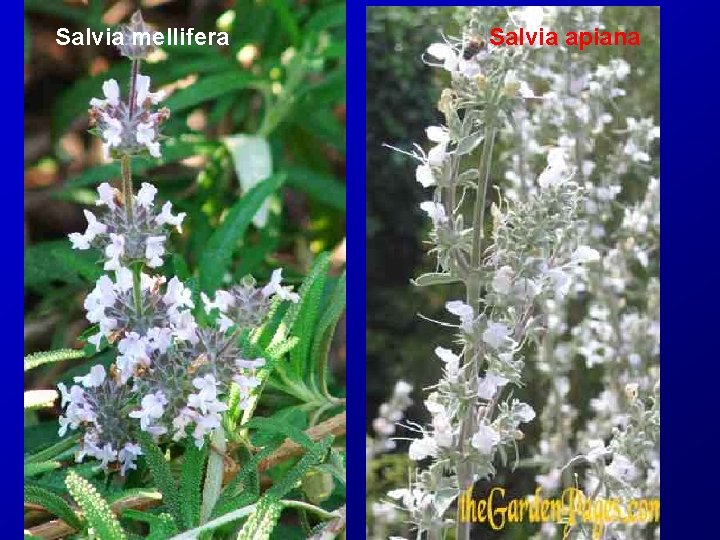
Salvia mellifera Salvia apiana
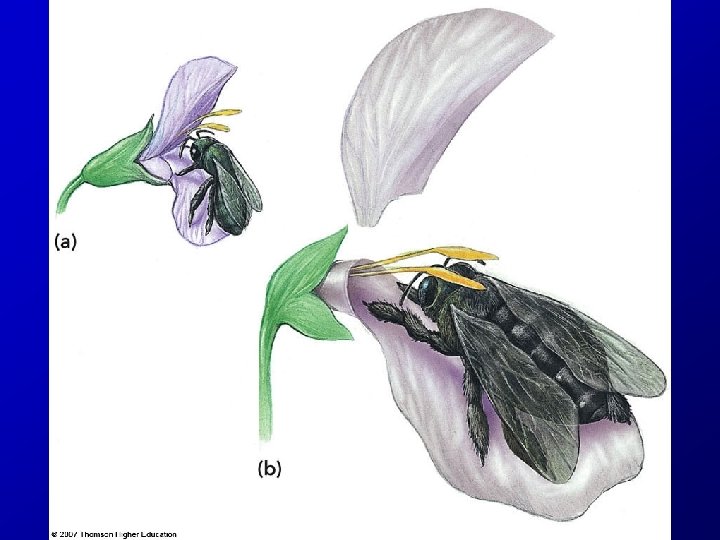
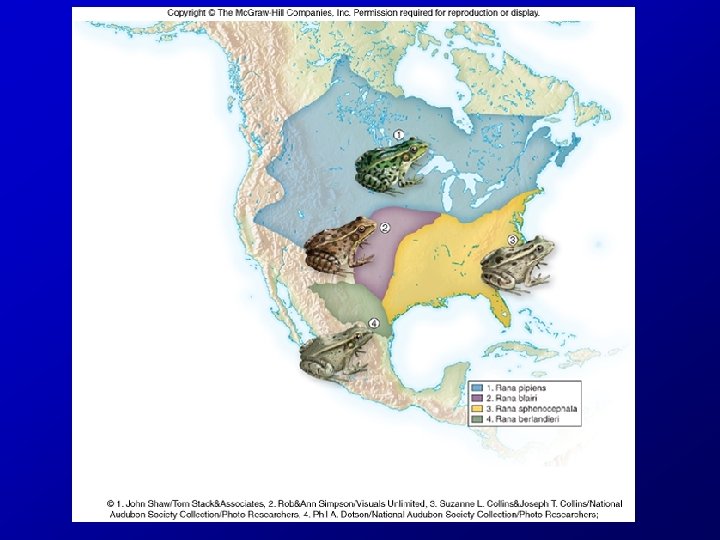
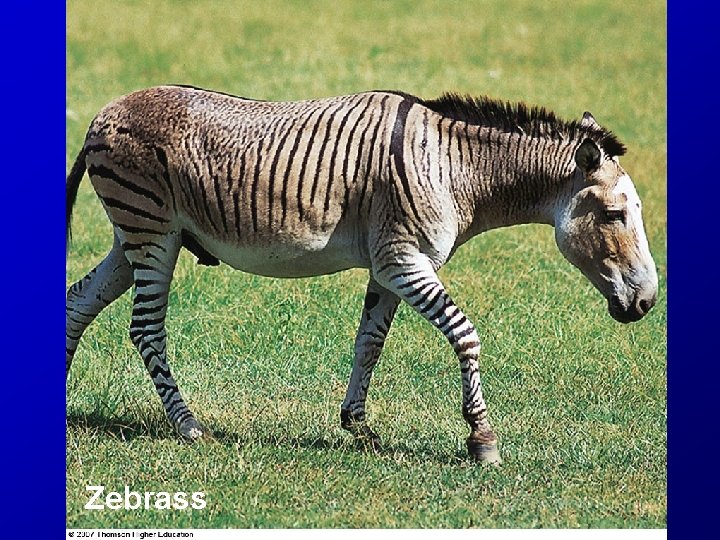
Zebrass
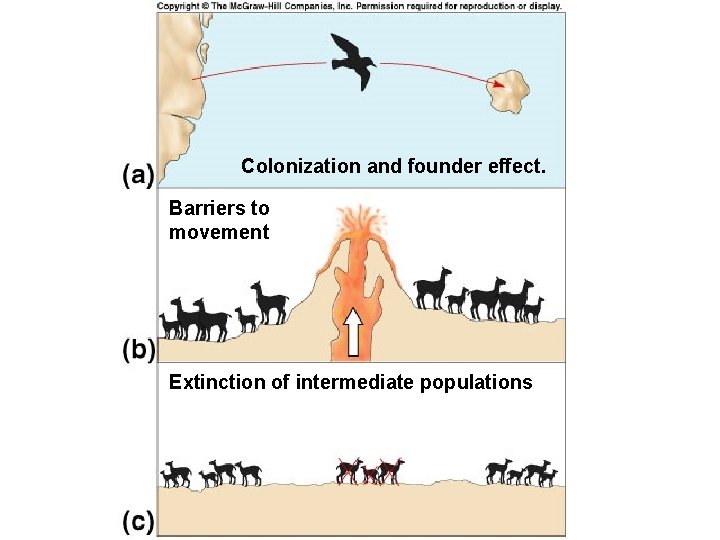
Colonization and founder effect. Barriers to movement Extinction of intermediate populations

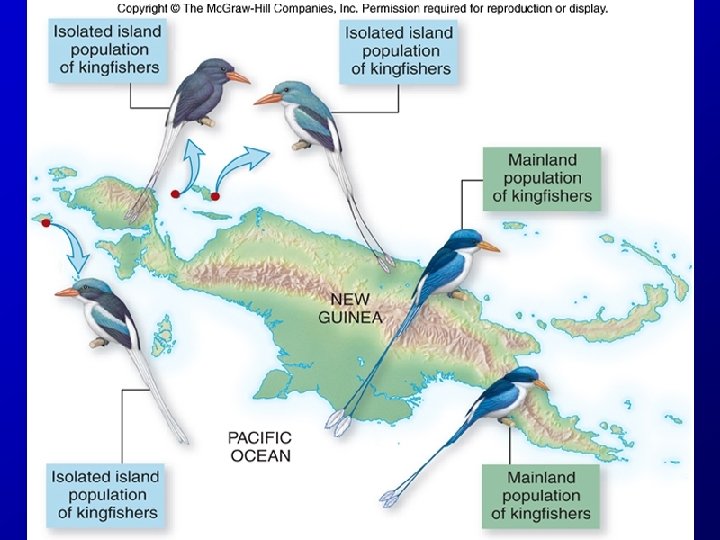
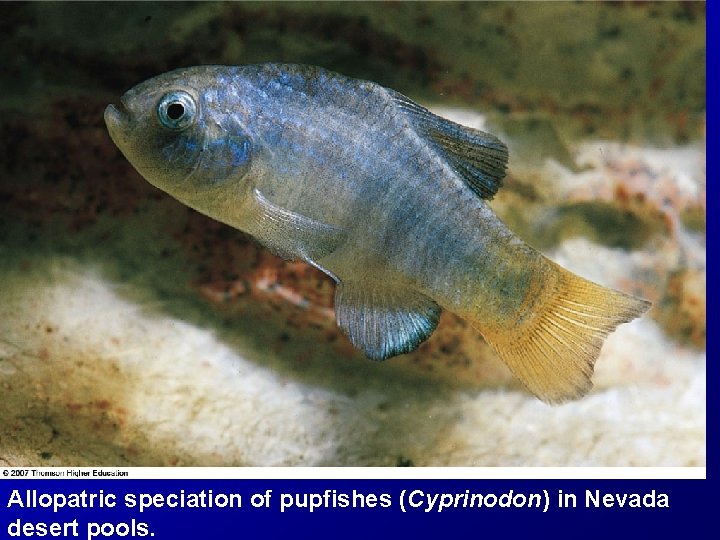
Allopatric speciation of pupfishes (Cyprinodon) in Nevada desert pools.
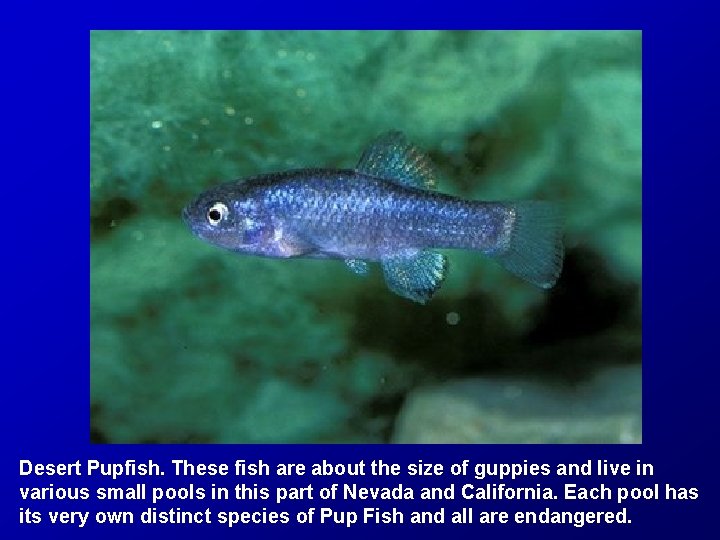
Desert Pupfish. These fish are about the size of guppies and live in various small pools in this part of Nevada and California. Each pool has its very own distinct species of Pup Fish and all are endangered.
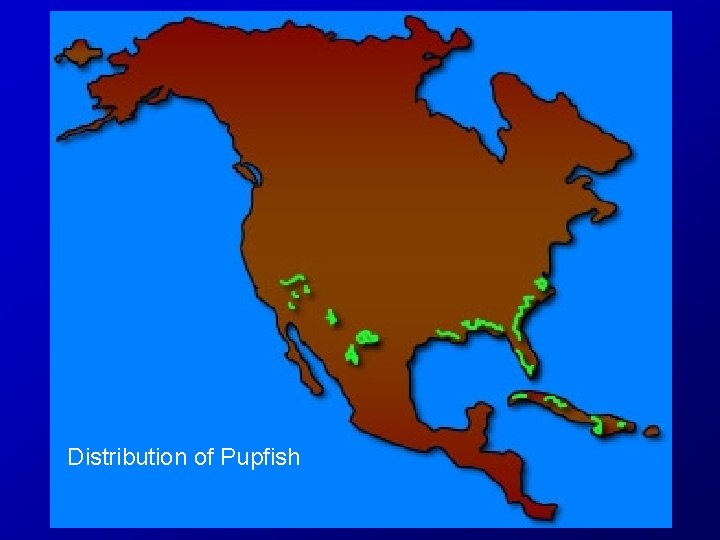
Distribution of Pupfish
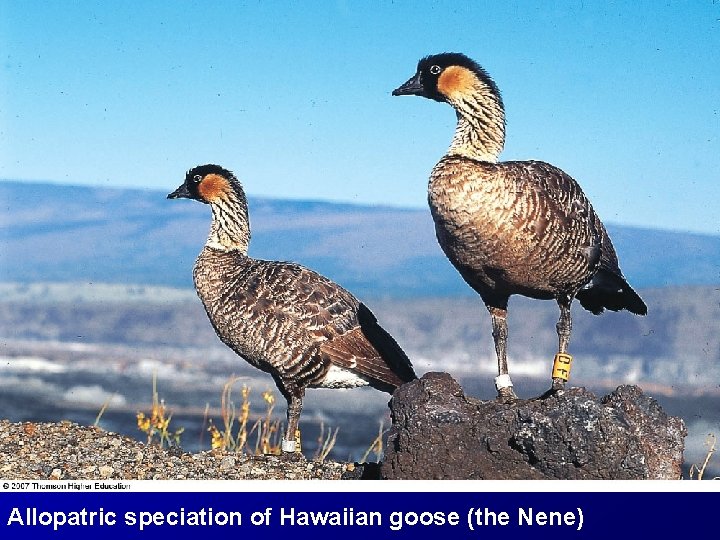
Allopatric speciation of Hawaiian goose (the Nene)

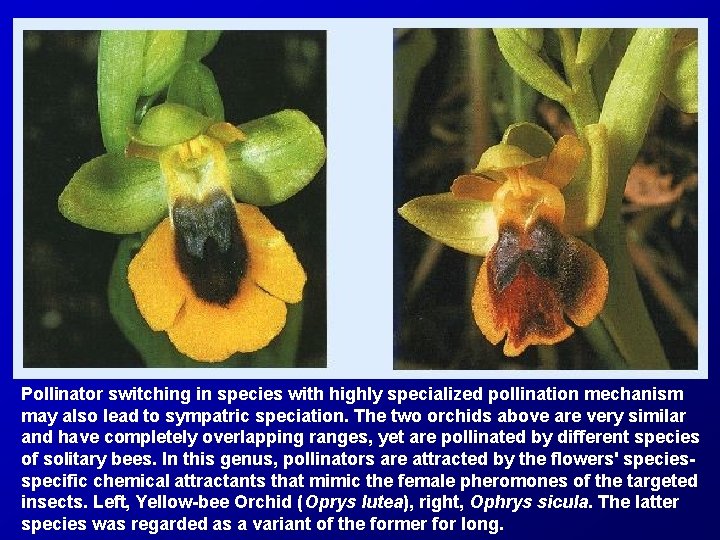
Pollinator switching in species with highly specialized pollination mechanism may also lead to sympatric speciation. The two orchids above are very similar and have completely overlapping ranges, yet are pollinated by different species of solitary bees. In this genus, pollinators are attracted by the flowers' speciesspecific chemical attractants that mimic the female pheromones of the targeted insects. Left, Yellow-bee Orchid (Oprys lutea), right, Ophrys sicula. The latter species was regarded as a variant of the former for long.
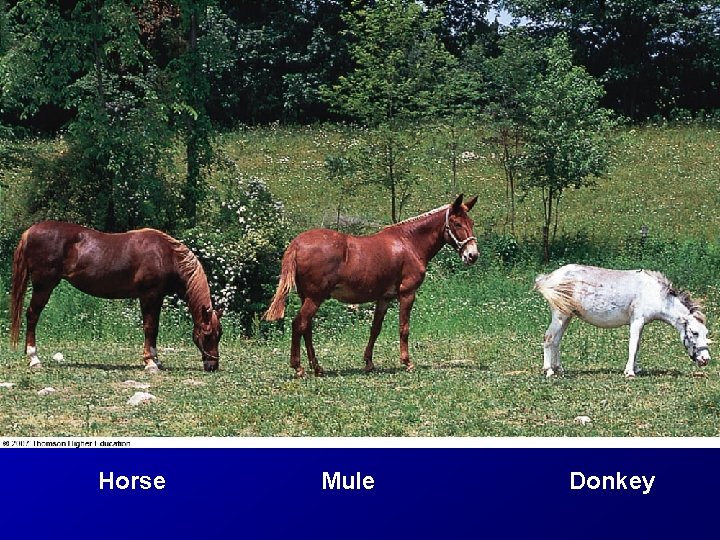
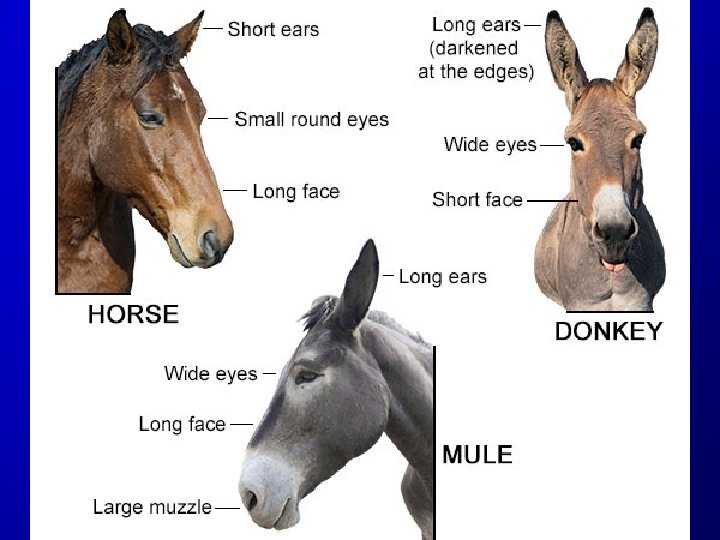
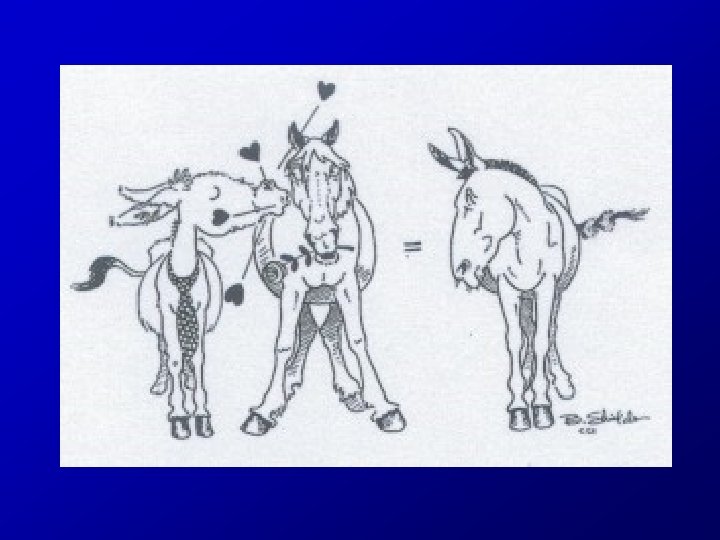
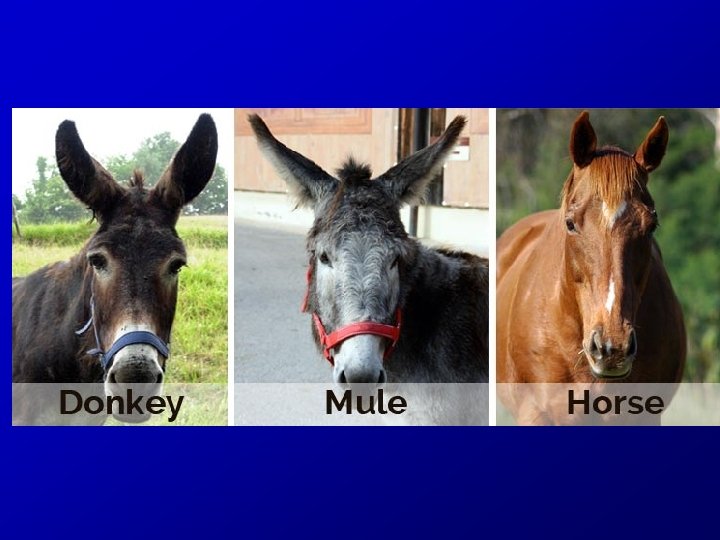
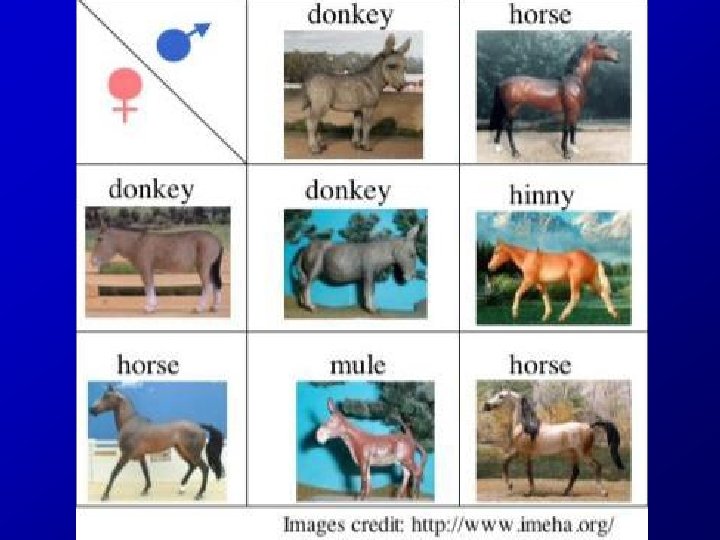
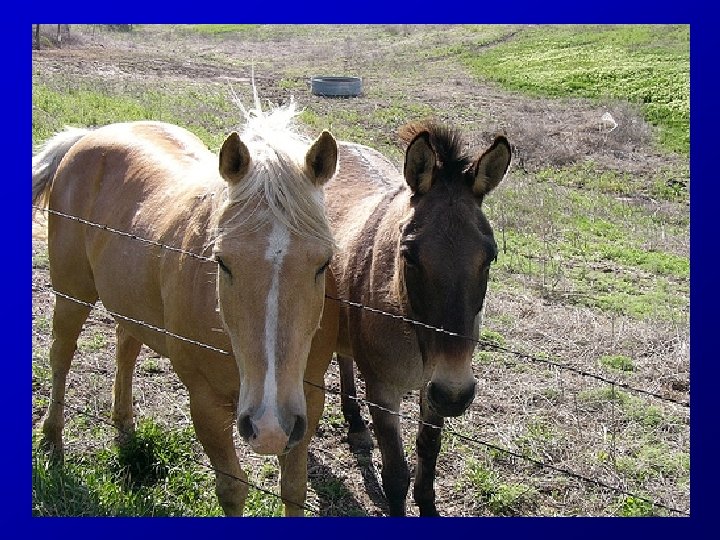
Horse Mule Donkey
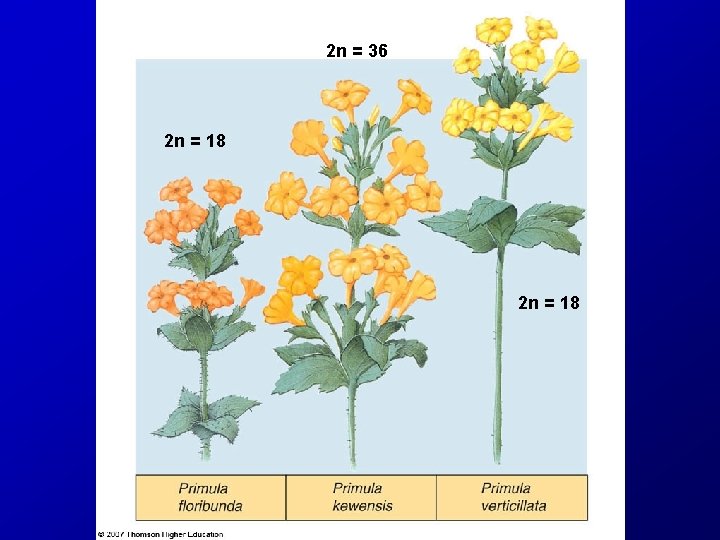
2 n = 36 2 n = 18
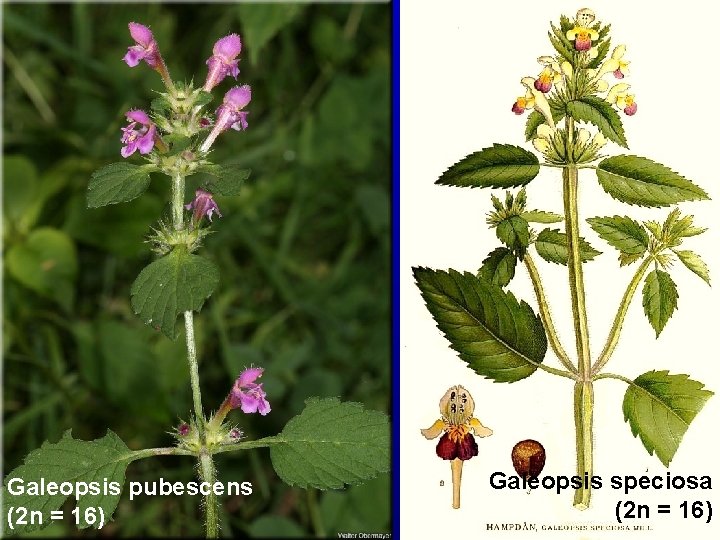
Galeopsis pubescens (2 n = 16) Galeopsis speciosa (2 n = 16)
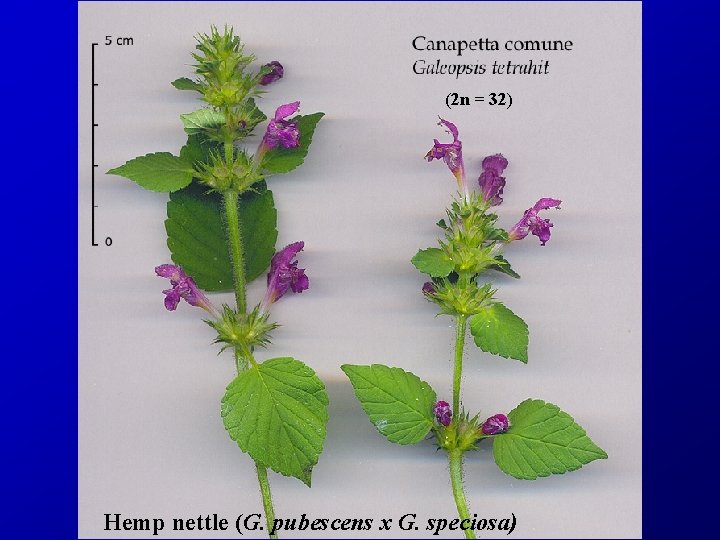
(2 n = 32) Hemp nettle (G. pubescens x G. speciosa)
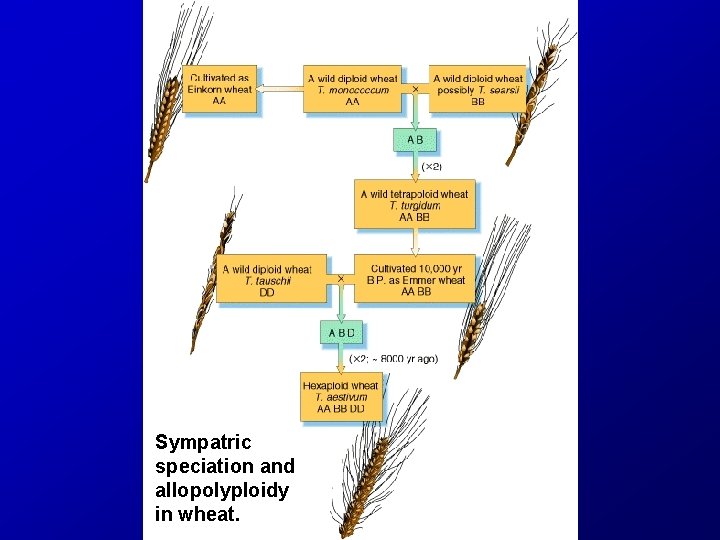
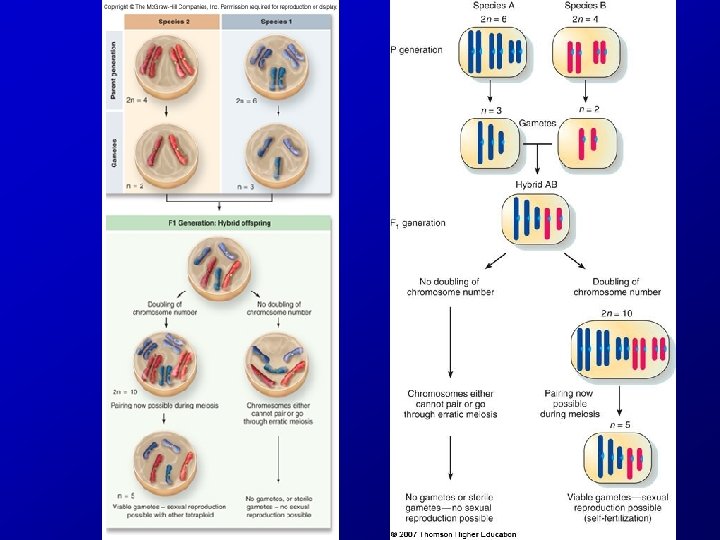
Sympatric speciation and allopolyploidy in wheat.
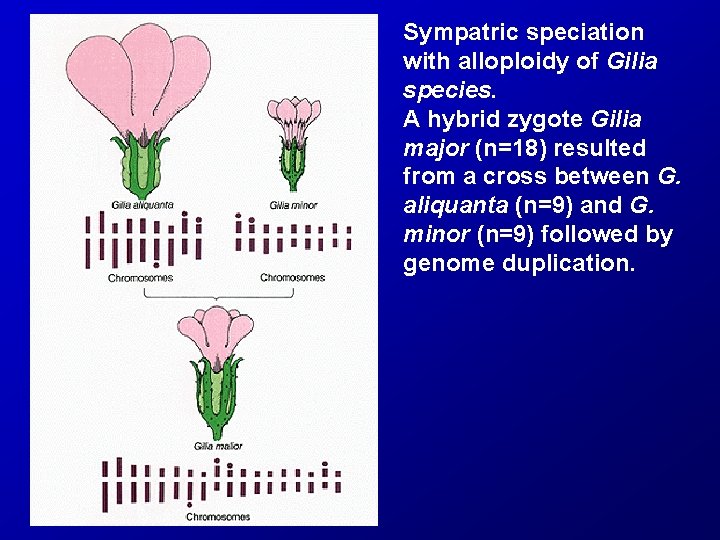
Sympatric speciation with alloploidy of Gilia species. A hybrid zygote Gilia major (n=18) resulted from a cross between G. aliquanta (n=9) and G. minor (n=9) followed by genome duplication.
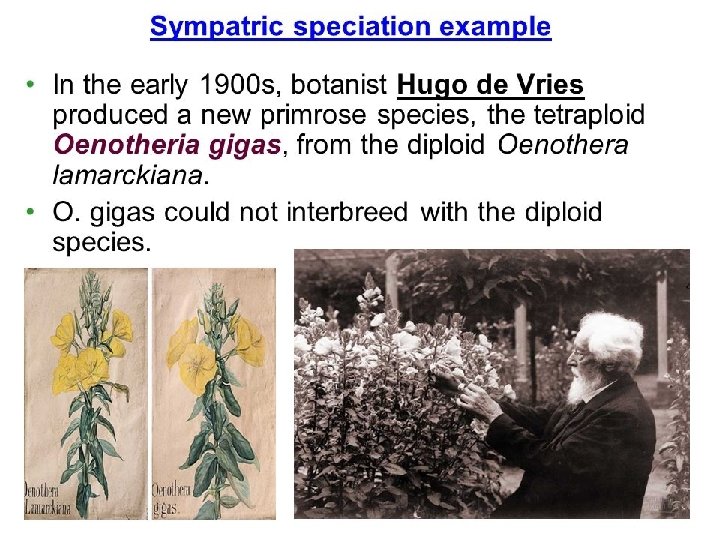
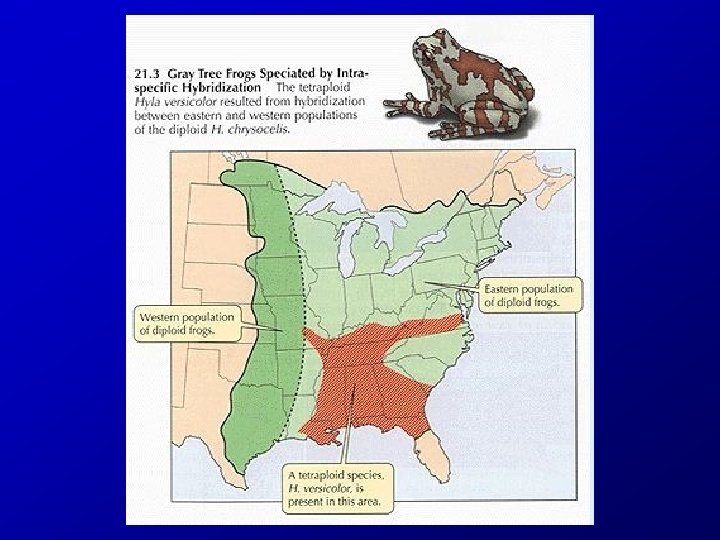
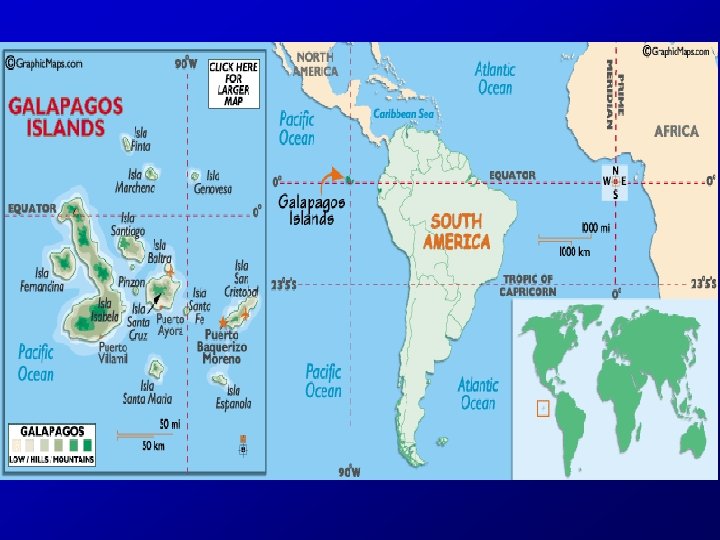
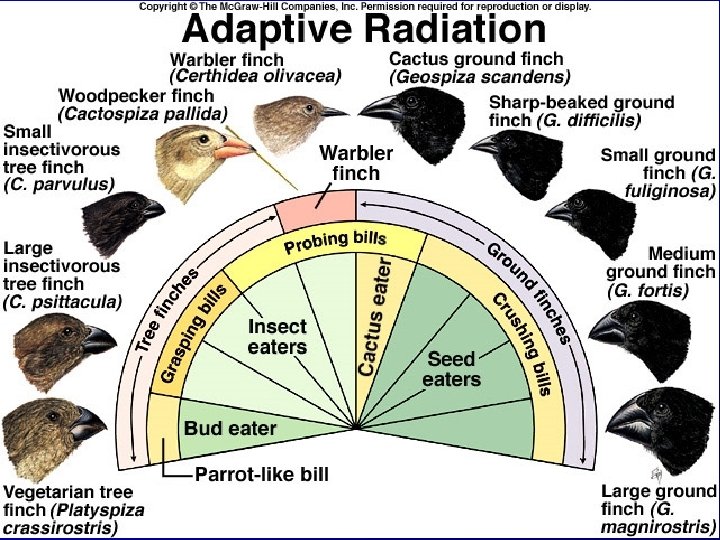
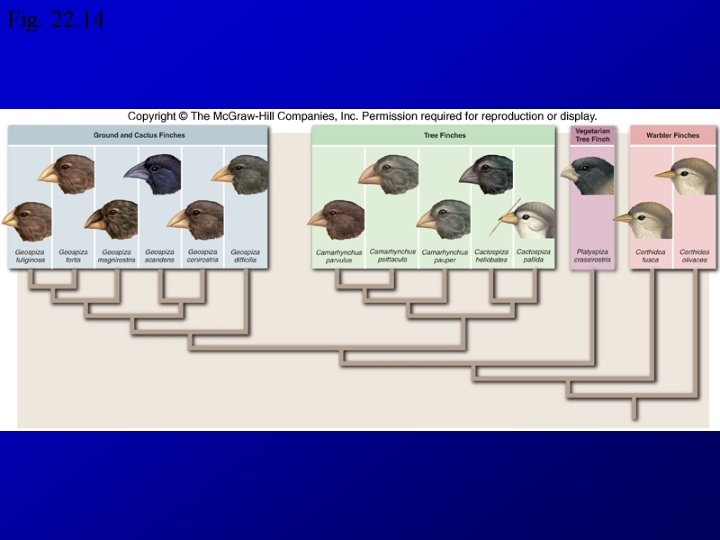
Fig. 22. 14
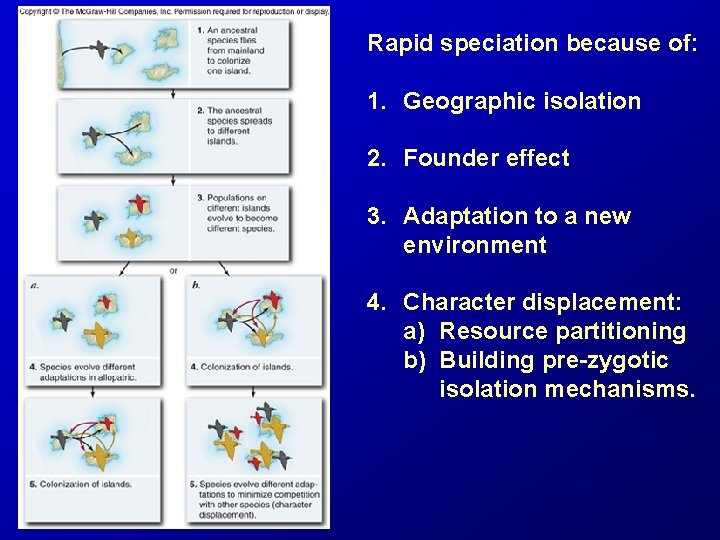
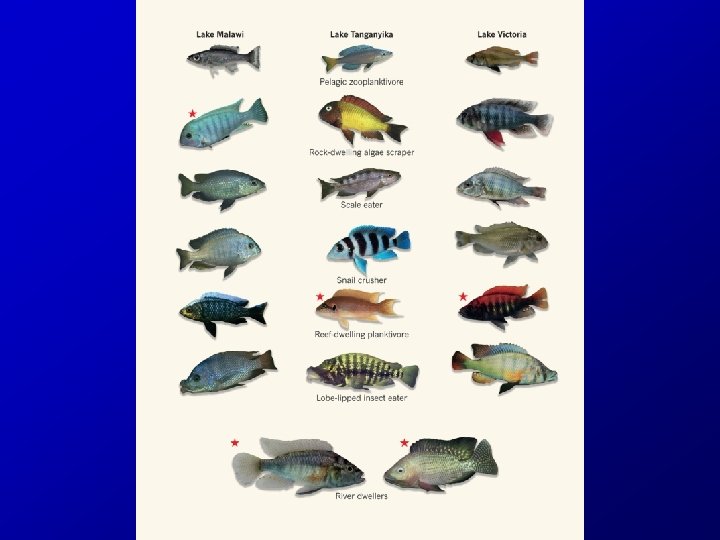
Rapid speciation because of: 1. Geographic isolation 2. Founder effect 3. Adaptation to a new environment 4. Character displacement: a) Resource partitioning b) Building pre-zygotic isolation mechanisms.
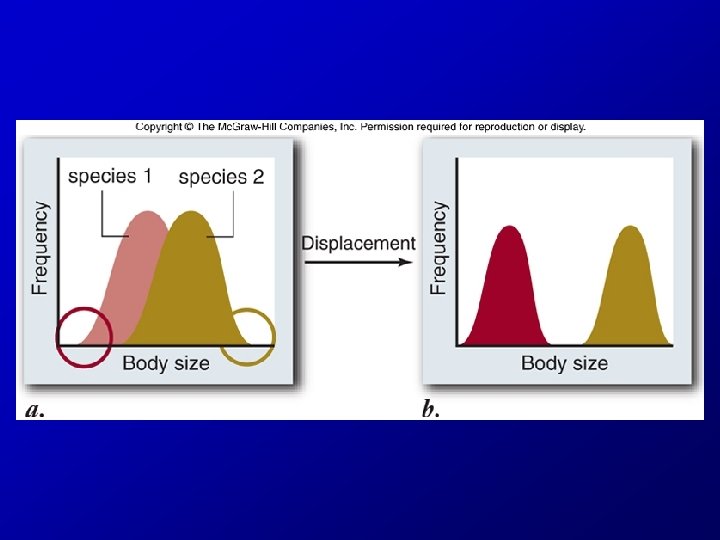
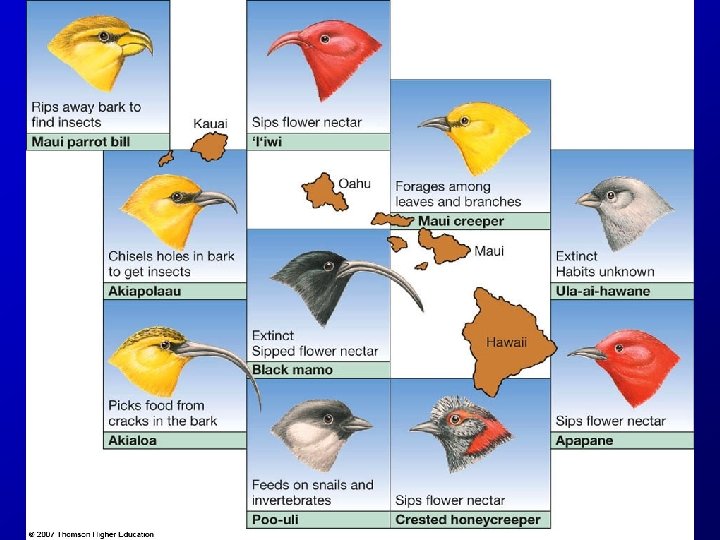
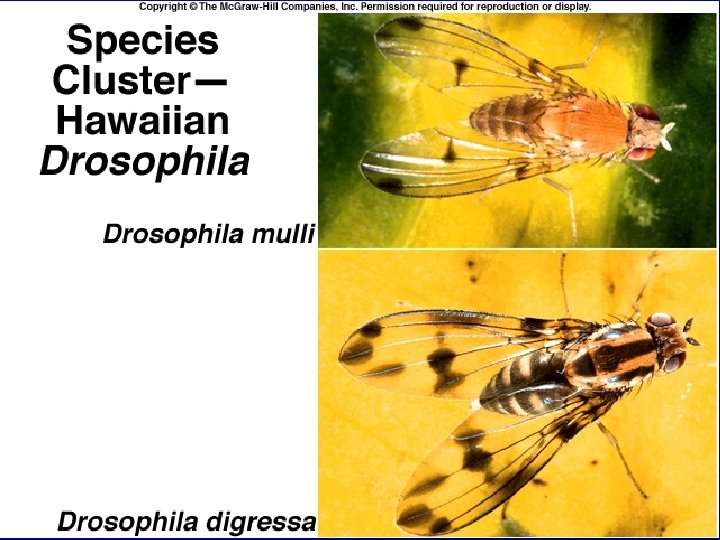
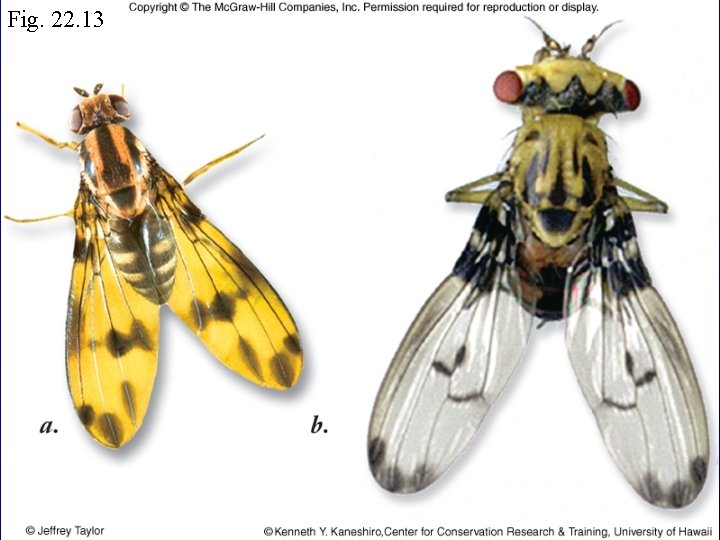
Fig. 22. 13
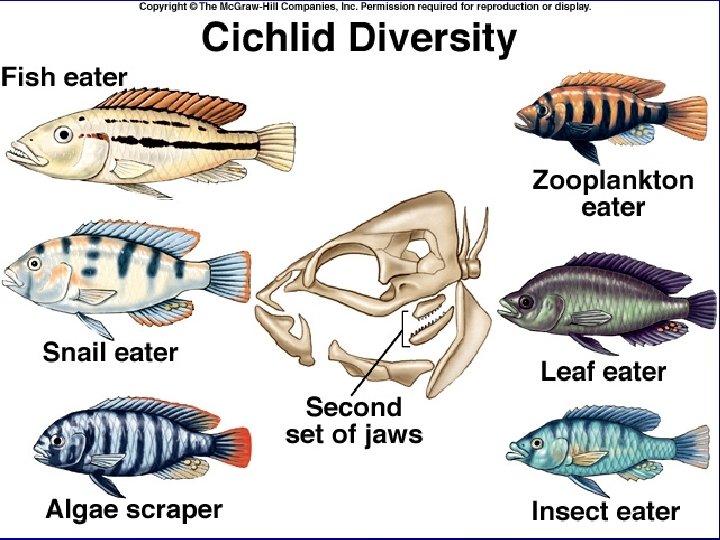
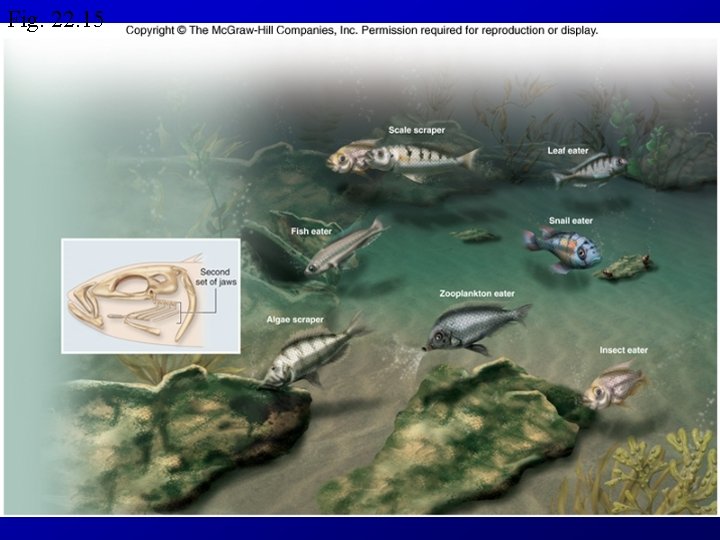
Fig. 22. 15
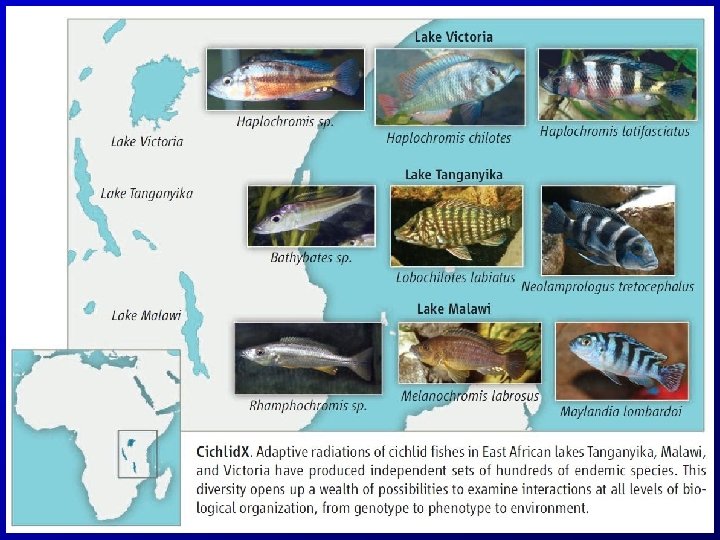
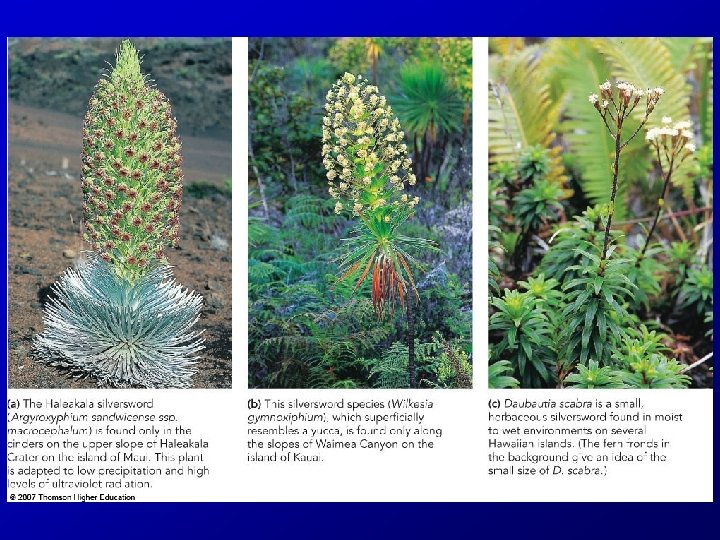
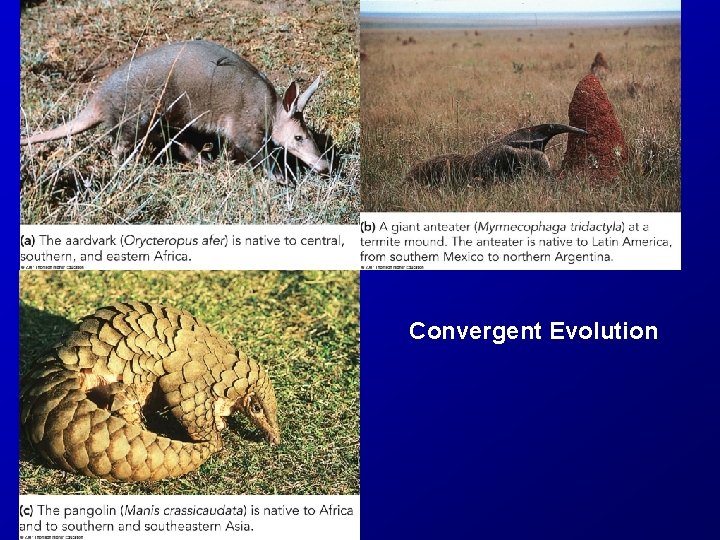
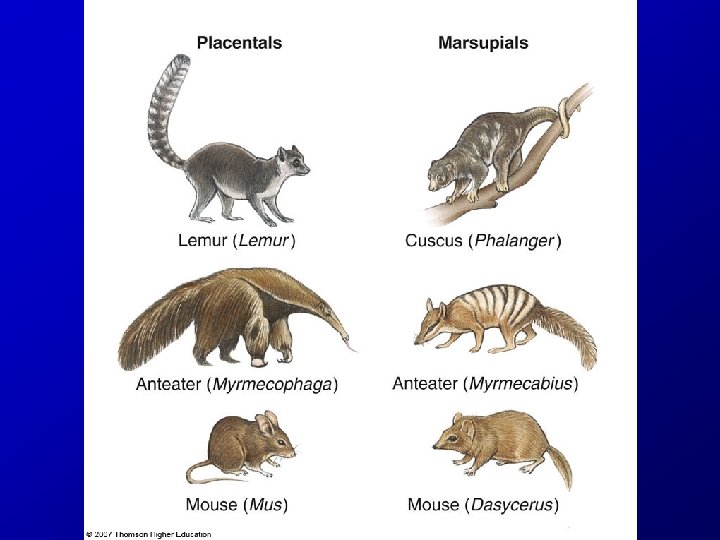
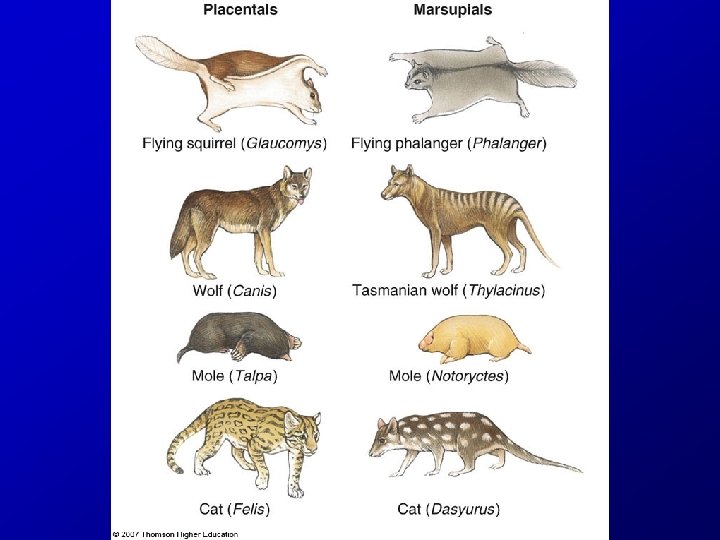
Convergent Evolution
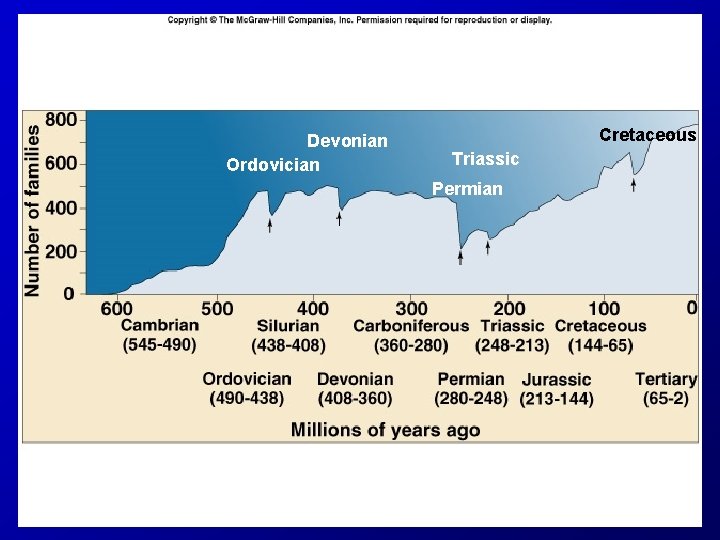
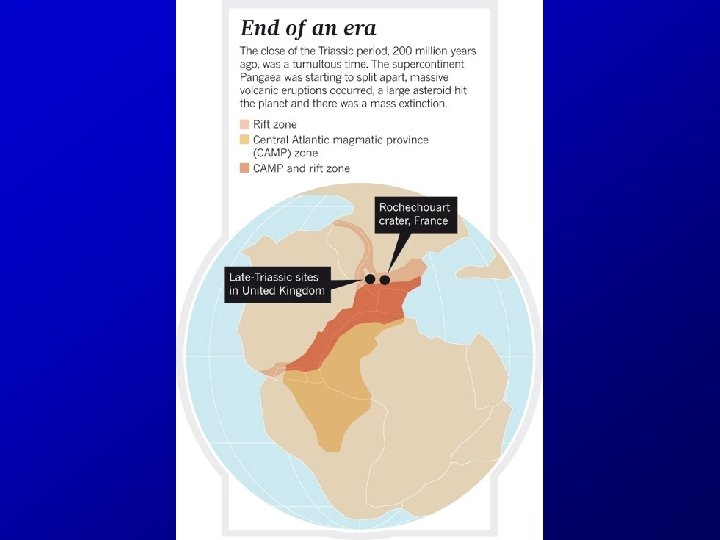
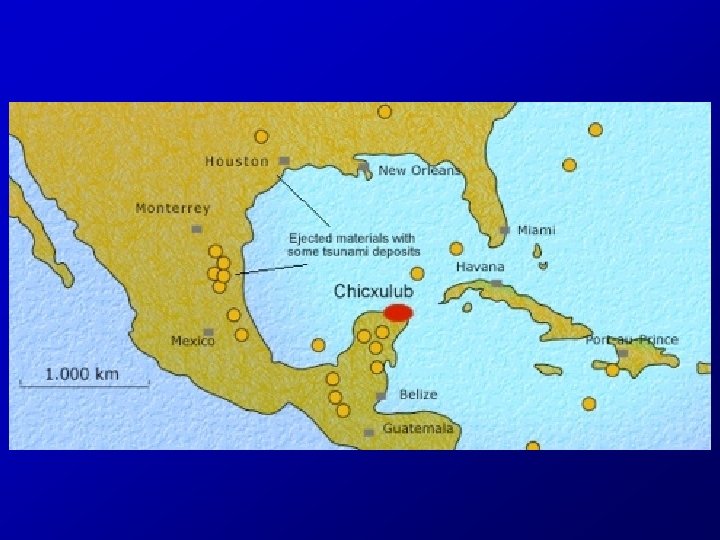
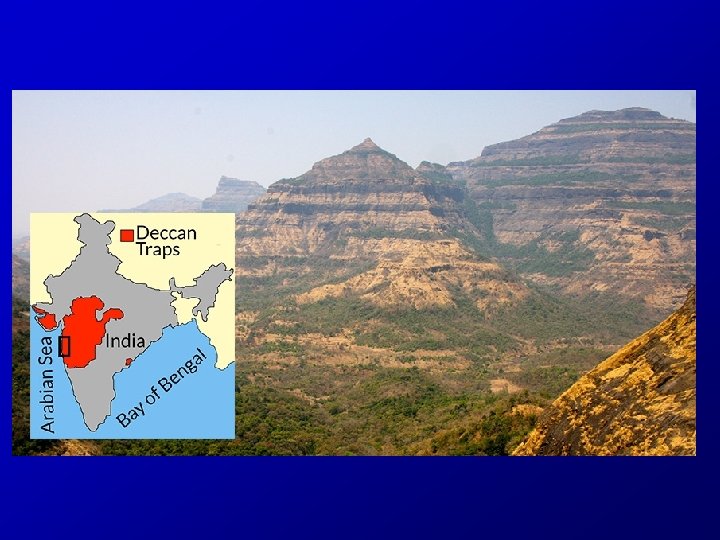
Devonian Ordovician Cretaceous Triassic Permian
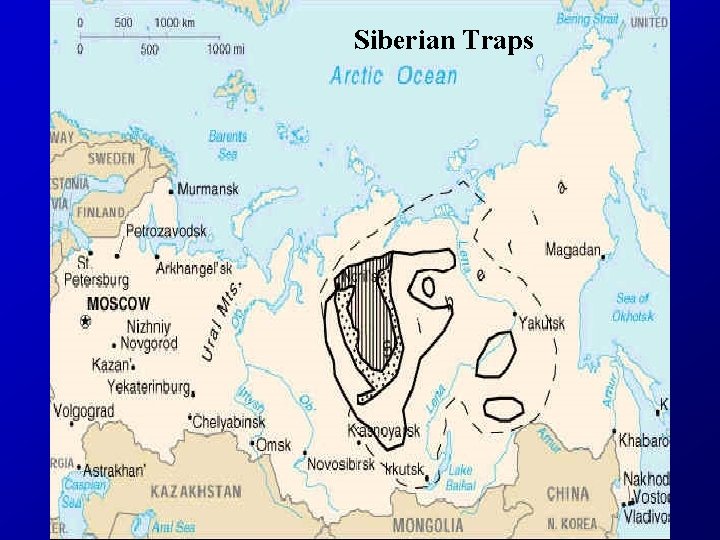
Siberian Traps
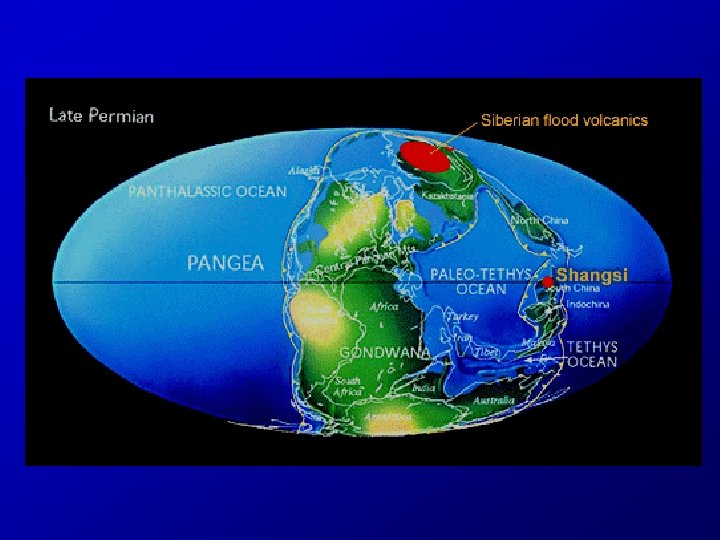

Volcanic eruption à CO 2 increase in the atmosphere à Global warming à Loss of O 2 of the ocean à Growth of sulfate reducing bacteria à H 2 S production à Killing of marine animals à Release of H 2 S in the atmosphere à Killing of terrestrial life.


The End.
- Slides: 83