
Beyond SCIP Stanford Hospital and Clinics John Morton
Beyond SCIP Stanford Hospital and Clinics John Morton, MD, MPH, FACS
Surgical Safety A serious public health issue n n Globally, 234 million operations/yr With a mortality rate of 0. 4 -0. 8% and 316% complications rate: – 1 million deaths – 7 million disabling complications
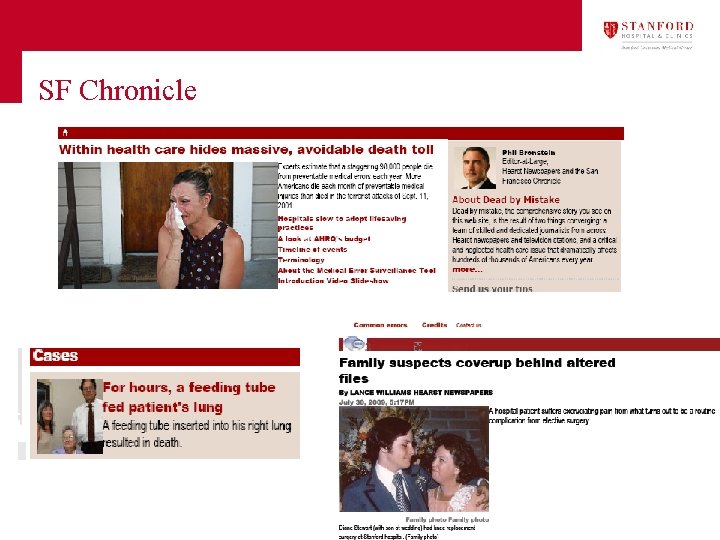
SF Chronicle
Update: MEASURES FY 2010 SCIP CORE
Surgical care improvement project n SCIP is one of four categories of Core Measures n The Surgical Care Improvement Project (SCIP) is a national quality partnership of organizations interested in improving surgical care by significantly reducing surgical complications. n Each of the SCIP target areas are advised by a technical expert panel and supported by evidence-based research.

FY 2010 SCIP CORE measures n SCIP INF 1: Patient receives prophylactic antibiotic within 60 minutes prior to surgical incision. n SCIP INF 2: Patient receives prophylactic antibiotics consistent with current recommendations identified in published guidelines. n SCIP INF 3: Prophylactic antibiotics are discontinued within 24 hours of surgery end time (48 hours for cardiac surgery). n SCIP INF 4: Glucose control in cardiac surgery patients. n SCIP INF 6: Surgery patients with appropriate hair removal.
FY 2010 SCIP CORE measures n SCIP CARD 2: Beta Blocker therapy prior to Admission who Received a Beta Blocker During the Perioperative Period n SCIP VTE 1: Surgery patients with recommended VTE prophylaxis n SCIP VTE 2: Surgery patients who received appropriate VTE prophylaxis within 24 hours prior to surgery to 24 hours after surgery, 48 hours for CABG and other cardiac surgery. NEW n SCIP-INF-9: Urinary Catheter Removed on Postoperative Day 1 (POD 1) or by midnight on Postoperative Day 2 (POD 2). NEW n SCIP-Inf-10 Surgery Patients with Perioperative Temperature Management.
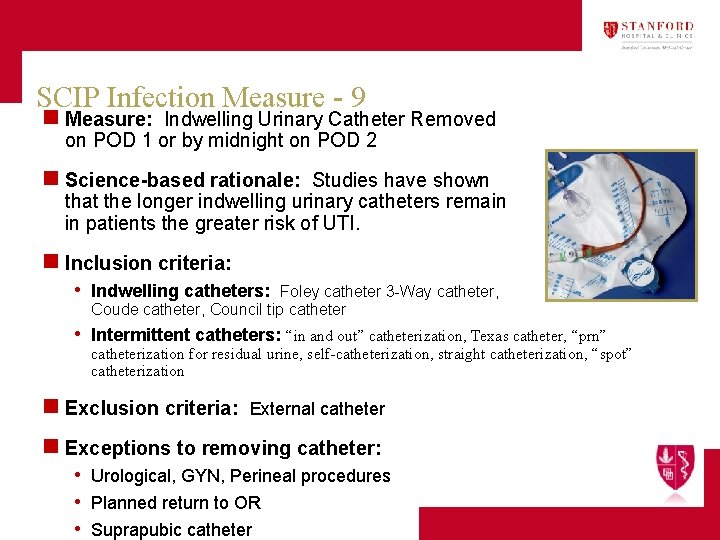
SCIP Infection Measure - 9 n Measure: Indwelling Urinary Catheter Removed on POD 1 or by midnight on POD 2 n Science-based rationale: Studies have shown that the longer indwelling urinary catheters remain in patients the greater risk of UTI. n Inclusion criteria: • Indwelling catheters: Foley catheter 3 -Way catheter, Coude catheter, Council tip catheter • Intermittent catheters: “in and out” catheterization, Texas catheter, “prn” catheterization for residual urine, self-catheterization, straight catheterization, “spot” catheterization n Exclusion criteria: External catheter n Exceptions to removing catheter: • Urological, GYN, Perineal procedures • Planned return to OR • Suprapubic catheter
Potential Exclusion Criterion n Urological, gynecological or perineal procedure performed n ICU bed and documentation of receiving diuretics n Other surgical procedures that occurred within 3 days (4 days for CABG) prior to or after the procedure of interest n Physician documented infection prior to surgical procedure n Length of stay < two days postoperatively n Suprapubic catheter or had intermittent catheterization preoperatively n No catheter in place postoperatively n Physician documentation of a reason for not removing the urinary catheter postoperatively Example: “Foley retained to monitor accurate input and output”
SCIP INFECTION MEASURE - 9 Documentation that the catheter was removed on POD 1 or POD 2 with Anesthesia End Date being POD 0 (POD 2 ends at midnight on the second post-op day) Role of Surgeons: • Documentation of the reason why urinary catheter needs to stay in longer than midnight on POD 2. • An order to just “continue catheter” will not suffice. • Example: The patient required ICU care AND receiving diuretics”. Role of RNs: • Check physicians’ orders to discontinue catheter and then discontinue catheter asap and document removal.
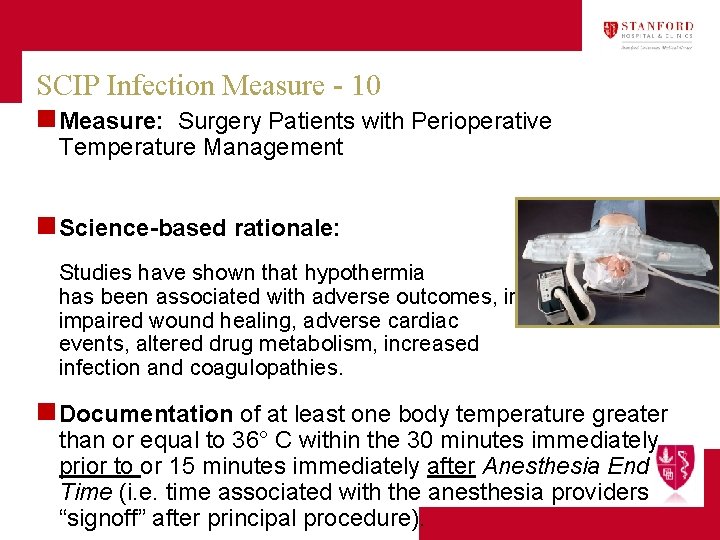
SCIP Infection Measure - 10 n Measure: Surgery Patients with Perioperative Temperature Management n Science-based rationale: Studies have shown that hypothermia has been associated with adverse outcomes, including impaired wound healing, adverse cardiac events, altered drug metabolism, increased infection and coagulopathies. n Documentation of at least one body temperature greater than or equal to 36° C within the 30 minutes immediately prior to or 15 minutes immediately after Anesthesia End Time (i. e. time associated with the anesthesia providers “signoff” after principal procedure).

SCIP Infection Measure - 10 n Anesthesiologists: • Temperature must be 36 degrees or higher by end of • • surgery, unless “Intentional Hypothermia” is documented in medical record. Document core temperature on anesthesia record 30 minutes before patient is transferred. Physicians/CRNAs need to document “intentional” hypothermia during perioperative period. n PACU and ICU RNs: • Obtain and document temperature within first 15 minutes after patient arrives in unit.
Potential Exclusion Criterion • Patients whose length of anesthesia was less than 60 minutes • Patients who did not have general or neuraxial anesthesia • Patients who received Intentional Hypothermia for the procedure performed.
Focus on outstanding surgical care Remove urinary catheters by POD 2 SCIP Measure effective NOW Surgeons: Document reason catheter needs to stay in longer Example: “Foley retained to monitor accurate urine output” Exceptions to removing catheter: þUrological, GYN, and Perineal procedures þPlanned return to OR þIn ICU and receiving diuretic on POD 1 or POD 2 RNs: Check MD orders for the DC Catheter order t! en t! um en t! c m n Do ocu me D ocu D Ask MD to document any exceptions Do Do cume nt! cu me nt!
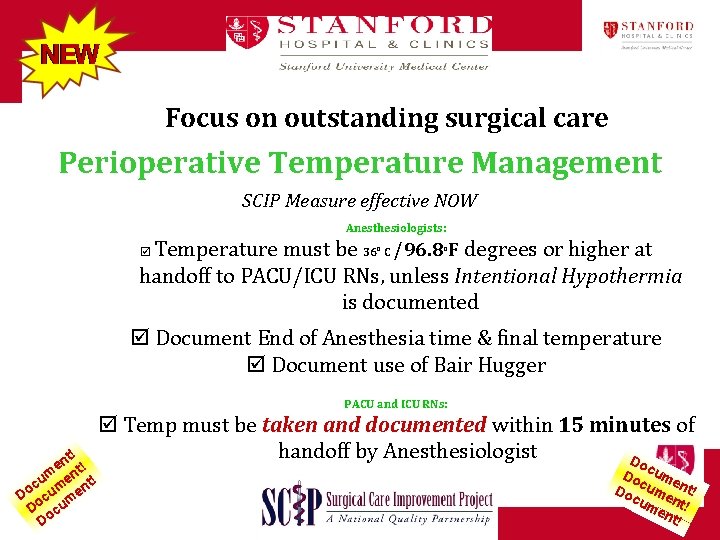
Focus on outstanding surgical care Perioperative Temperature Management SCIP Measure effective NOW Anesthesiologists: Temperature must be 36º C /96. 8ºF degrees or higher at handoff to PACU/ICU RNs, unless Intentional Hypothermia is documented þ þ Document End of Anesthesia time & final temperature þ Document use of Bair Hugger PACU and ICU RNs: þ Temp must be taken and documented within 15 minutes of handoff by Anesthesiologist Do t! en t! um en t! c m n Do ocu me D ocu D Do cume nt! cu me nt!
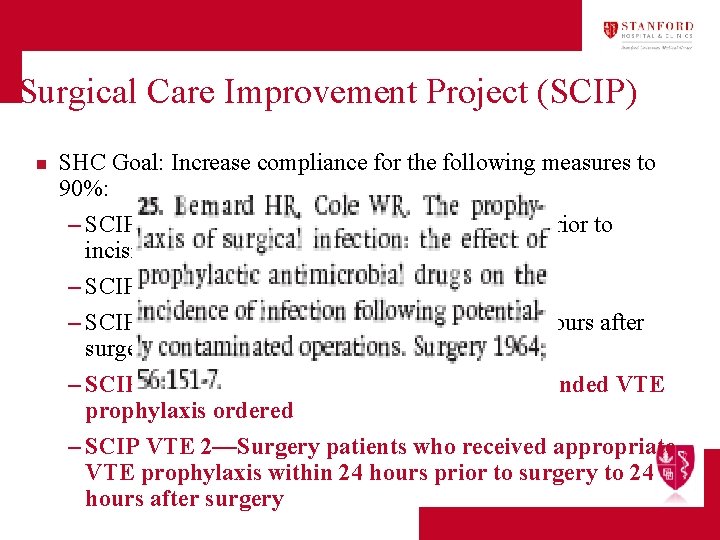
Surgical Care Improvement Project (SCIP) n SHC Goal: Increase compliance for the following measures to 90%: – SCIP Inf 1—Antibiotic received with one hour prior to incision – SCIP Inf 2—Antibiotic selection – SCIP Inf 3—Antibiotic discontinued within 24 hours after surgery time – SCIP VTE 1—Surgery patients with recommended VTE prophylaxis ordered – SCIP VTE 2—Surgery patients who received appropriate VTE prophylaxis within 24 hours prior to surgery to 24 hours after surgery
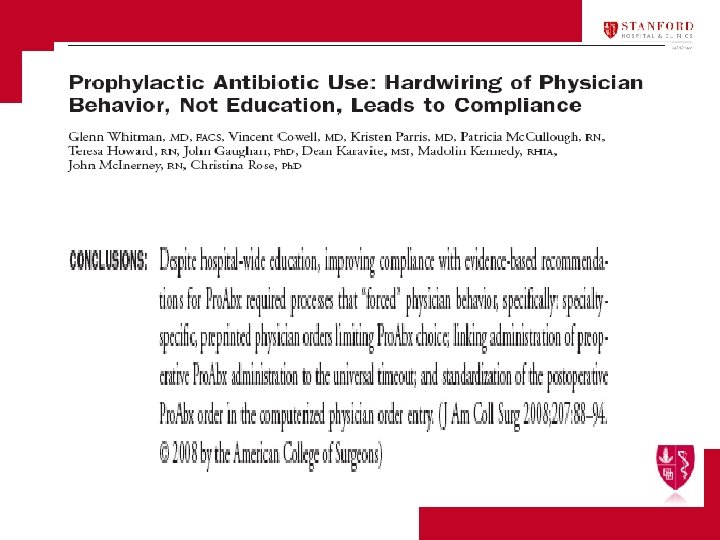

COLLABORATION
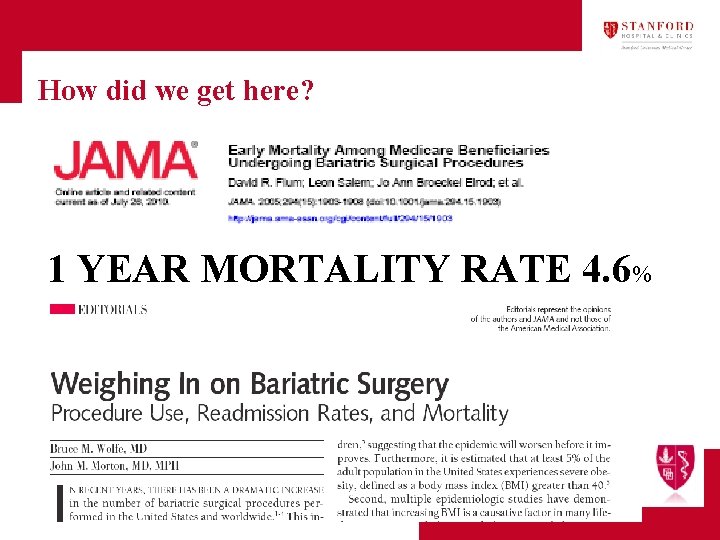
How did we get here? 1 YEAR MORTALITY RATE 4. 6%
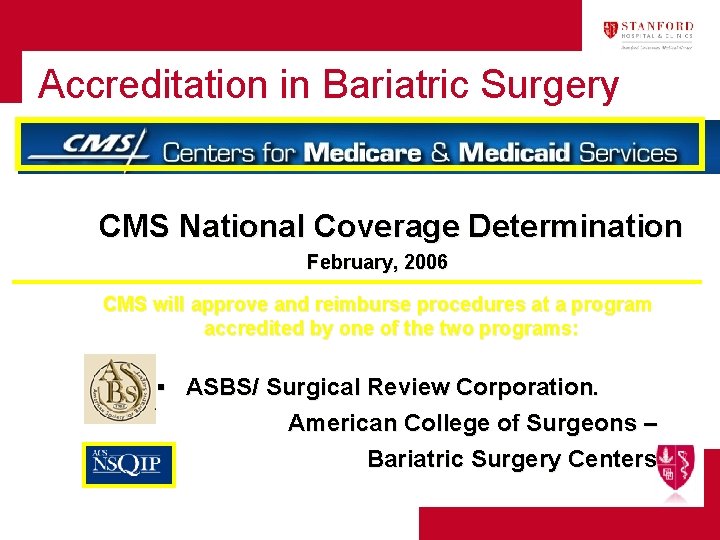
Accreditation in Bariatric Surgery CMS National Coverage Determination February, 2006 CMS will approve and reimburse procedures at a program accredited by one of the two programs: ▪ ASBS/ Surgical Review Corporation. American College of Surgeons – Bariatric Surgery Centers
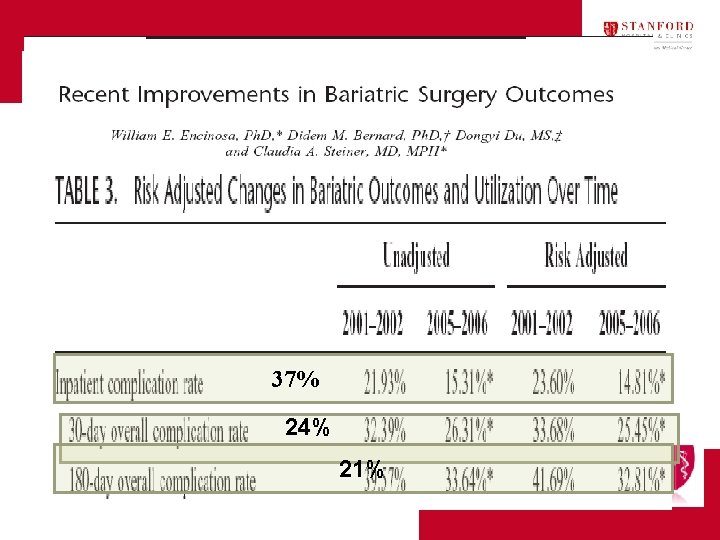
37% 24% 21%
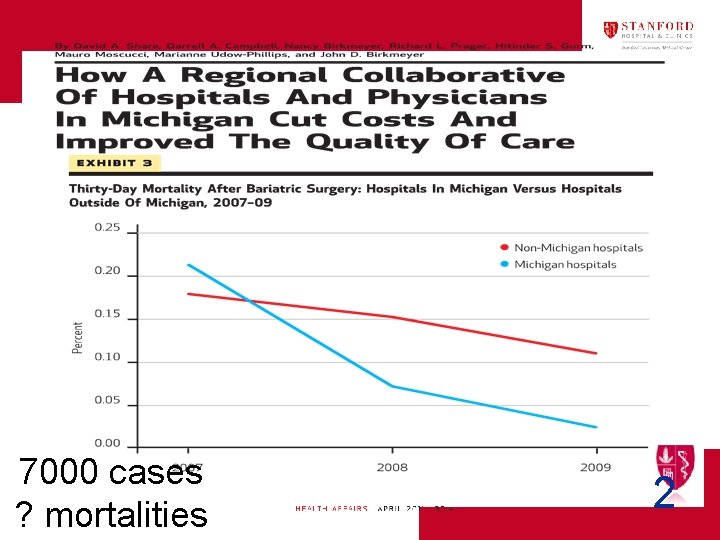
7000 cases ? mortalities 2
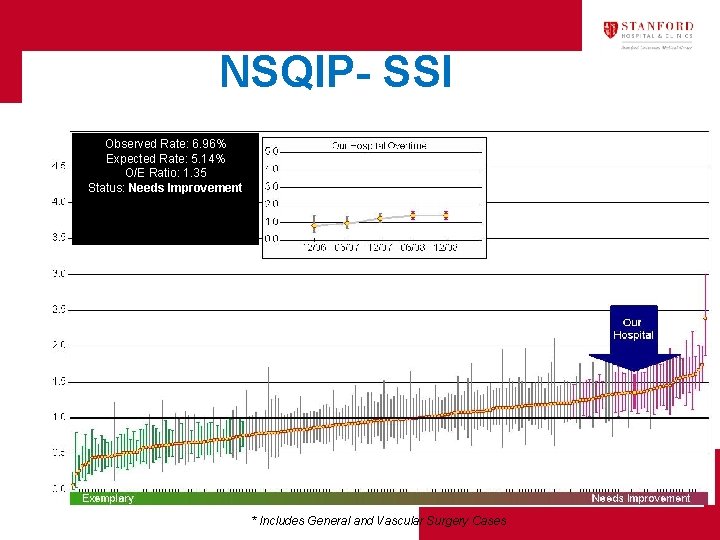
NSQIP- SSI Observed Rate: 6. 96% Expected Rate: 5. 14% O/E Ratio: 1. 35 Status: Needs Improvement * Includes General and Vascular Surgery Cases

American College of Surgeons National Surgical Quality Improvement Program Semiannual Report, July 2009 Dates of Surgery: January 1, 2008 – December 31, 2008 Stanford Hospital and Clinics
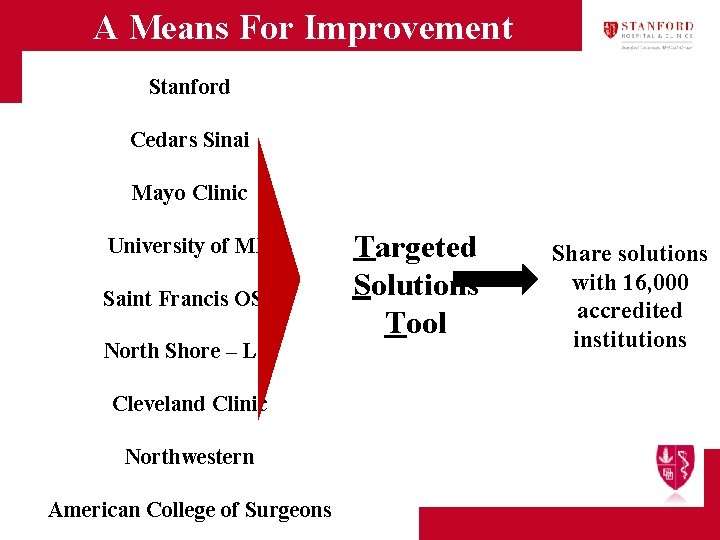
A Means For Improvement Stanford Cedars Sinai Mayo Clinic University of MN Saint Francis OSF North Shore – LIJ Cleveland Clinic Northwestern American College of Surgeons Targeted Solutions Tool Share solutions with 16, 000 accredited institutions
Joint Commission Center for Transforming Healthcare - American College of Surgeons Surgical Site Infection Project n Looked for a procedure/outcome that: –Is common across different types of hospitals –Complications have significant, adverse clinical impact –High variability in performance across hospitals n Ideal Candidate = SSI in colorectal
Joint Commission Center for Transforming Healthcare - American College of Surgeons Surgical Site Infection Project n Participating Hospitals – Cedars-Sinai, Cleveland Clinic, Mayo Clinic, Northwestern North Shore Long Island Jewish, OSF Saint Francis, Stanford n In August 2010, CTH launched its fourth project in collaboration with ACS on SSI – NSQIP data on outcomes of surgery are widely regarded as highly reliable, with exemplary risk-adjusted outcomes
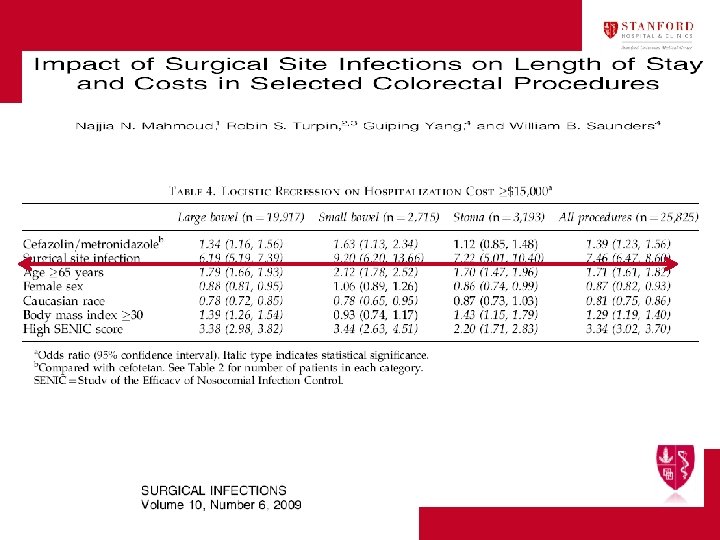
Impact of SSI n Year 2008: SSIs generate an average of $28, 211 in extra costs per case and comprise 38% of all morbidities. (ACS NSQIP, Business case, 2008) n SSI’s add an additional 7 -9 excess hospital days per case. (Infection Control Today, 2002)
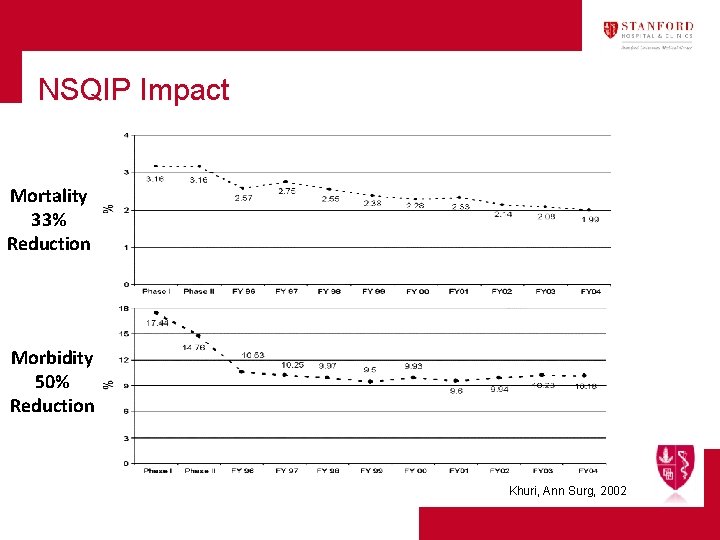
NSQIP Impact Mortality 33% Reduction Morbidity 50% Reduction Khuri, Ann Surg, 2002
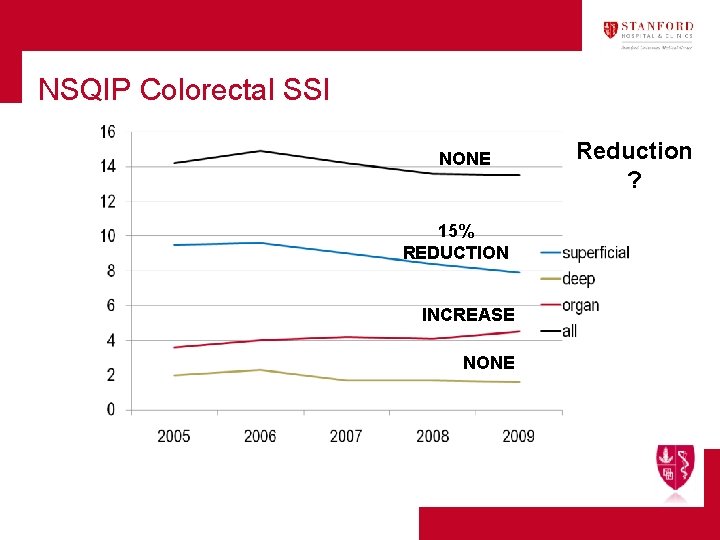
NSQIP Colorectal SSI NONE 15% REDUCTION INCREASE NONE Reduction ?
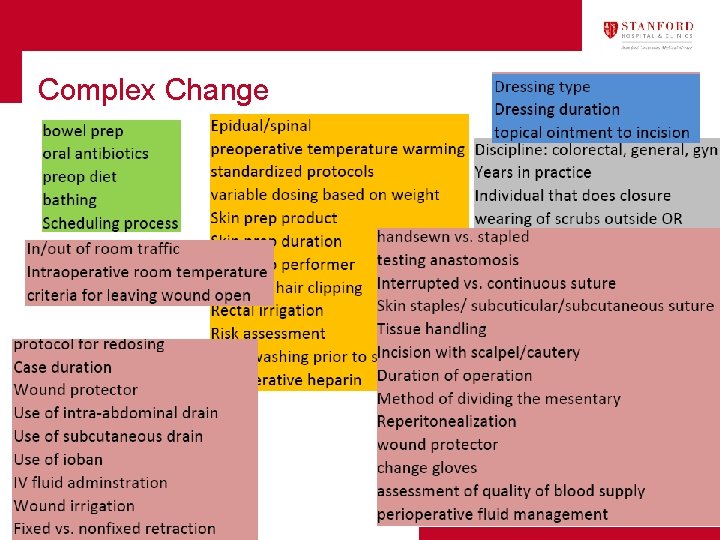
Complex Change
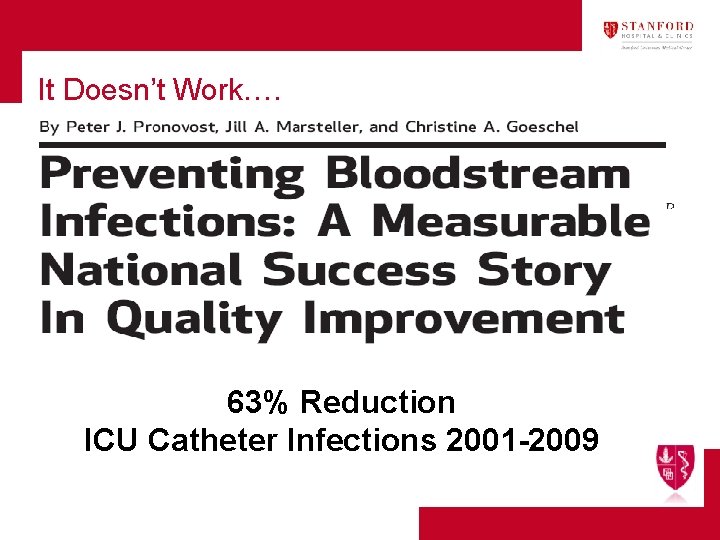
It Doesn’t Work…. 63% Reduction ICU Catheter Infections 2001 -2009
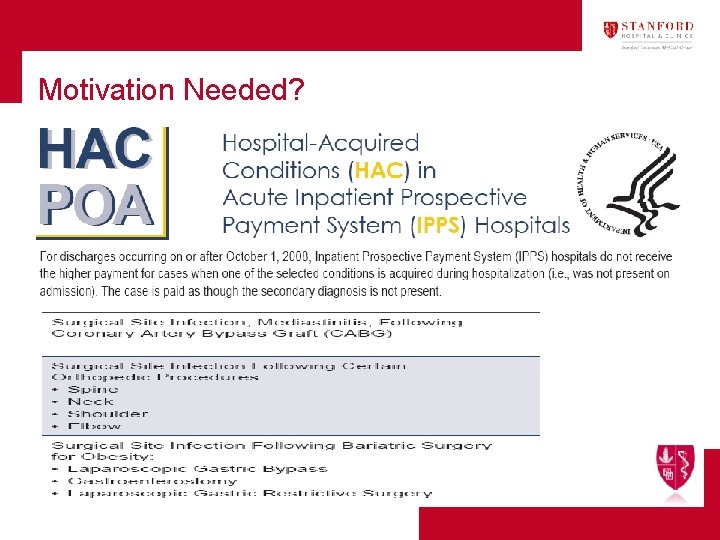
Motivation Needed?
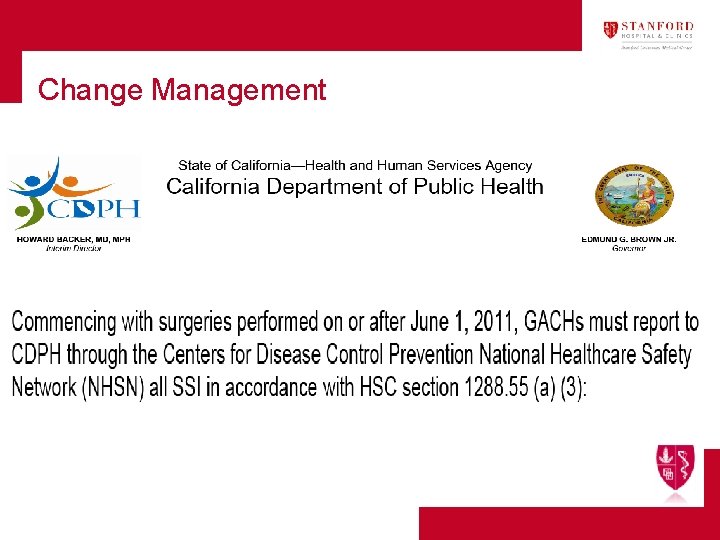
Change Management
New Rules n n Dialogue is almost always a signpost on the road to quality improvement Quality is not a personal virtue; it is an performance expectation that is accountable and rewarded. If you knock one down, you got to put up another one CAN NOT KEEP DOING THE SAME
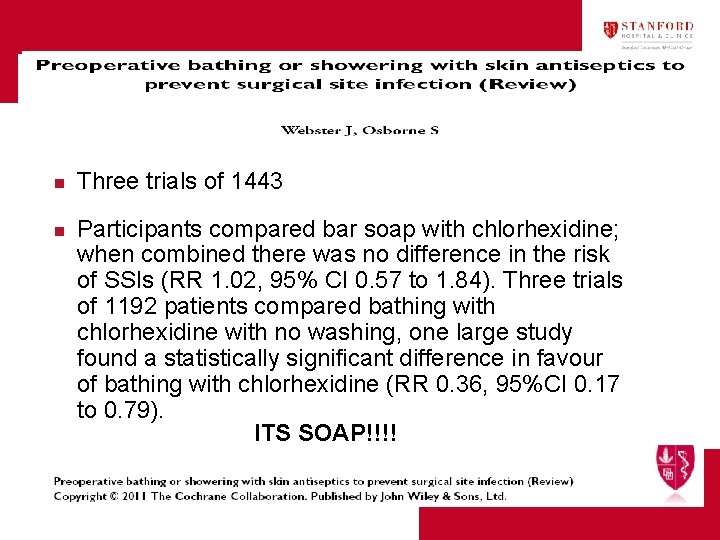
n n Three trials of 1443 Participants compared bar soap with chlorhexidine; when combined there was no difference in the risk of SSIs (RR 1. 02, 95% CI 0. 57 to 1. 84). Three trials of 1192 patients compared bathing with chlorhexidine with no washing, one large study found a statistically significant difference in favour of bathing with chlorhexidine (RR 0. 36, 95%CI 0. 17 to 0. 79). ITS SOAP!!!!
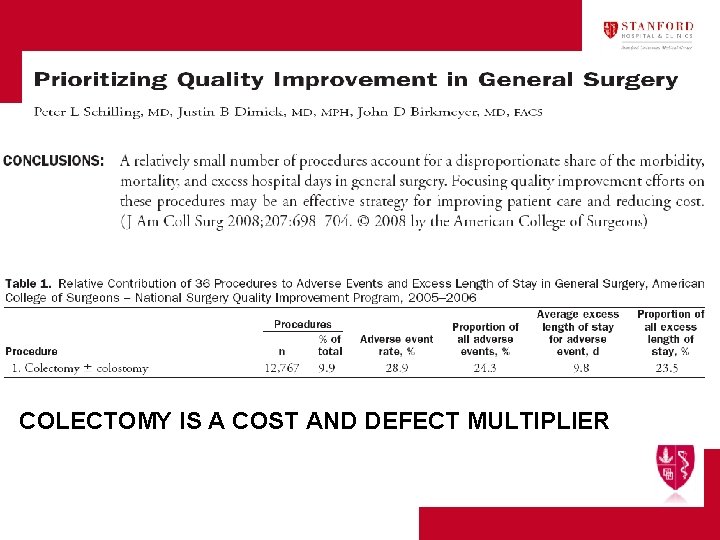
COLECTOMY IS A COST AND DEFECT MULTIPLIER
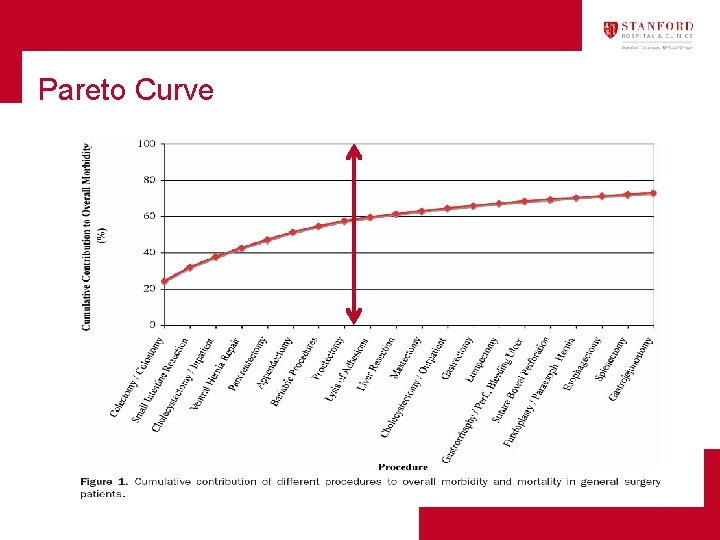
Pareto Curve
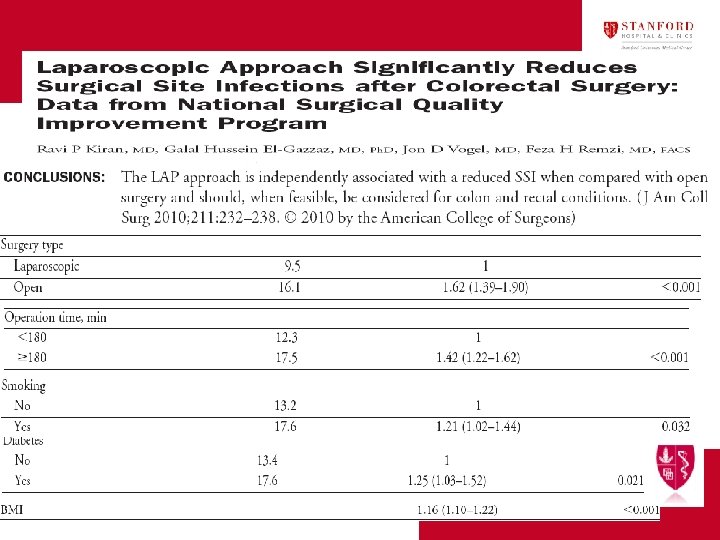
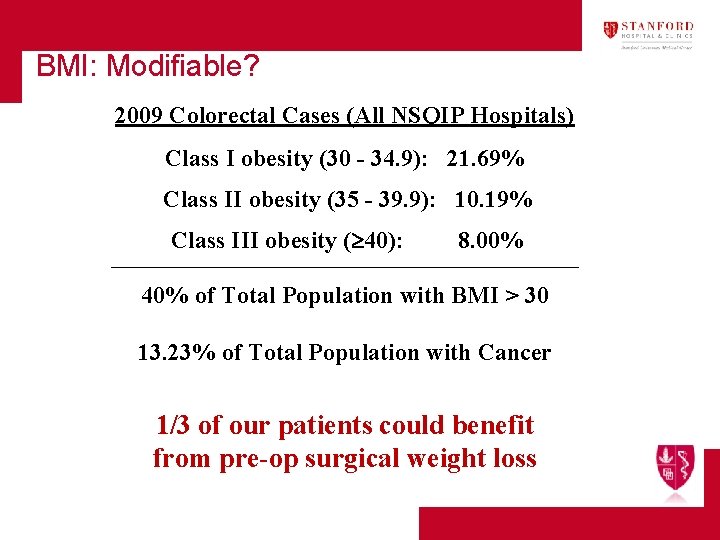
BMI: Modifiable? 2009 Colorectal Cases (All NSQIP Hospitals) Class I obesity (30 - 34. 9): 21. 69% Class II obesity (35 - 39. 9): 10. 19% Class III obesity ( 40): 8. 00% _______________________________________ 40% of Total Population with BMI > 30 13. 23% of Total Population with Cancer 1/3 of our patients could benefit from pre-op surgical weight loss
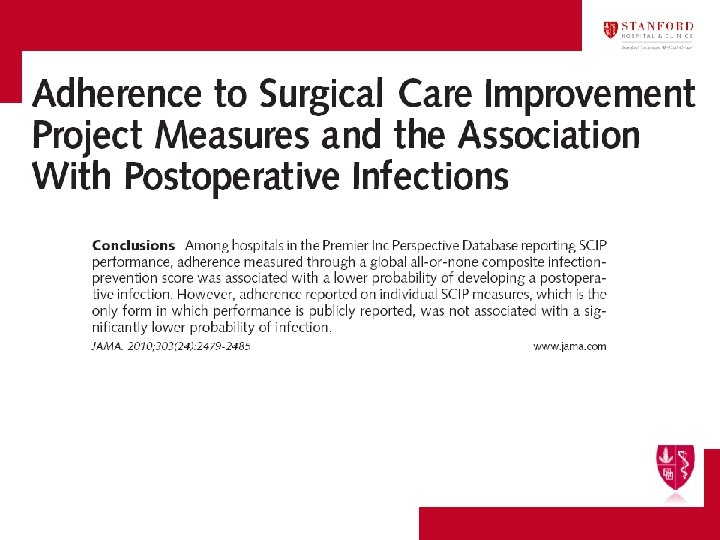
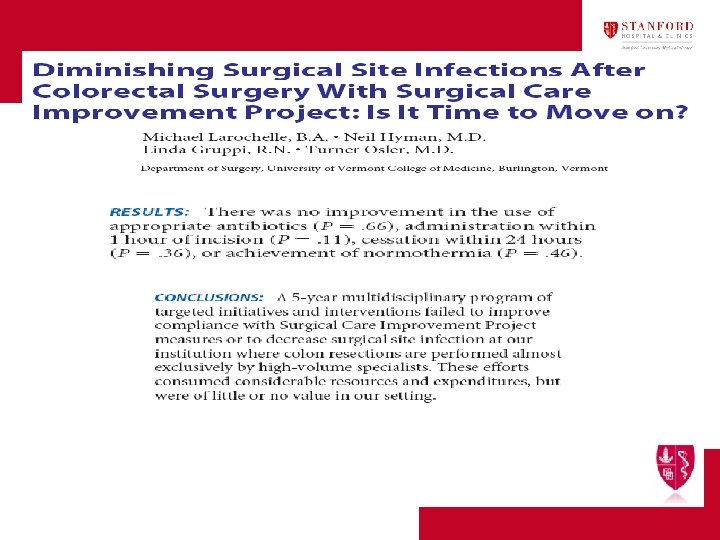
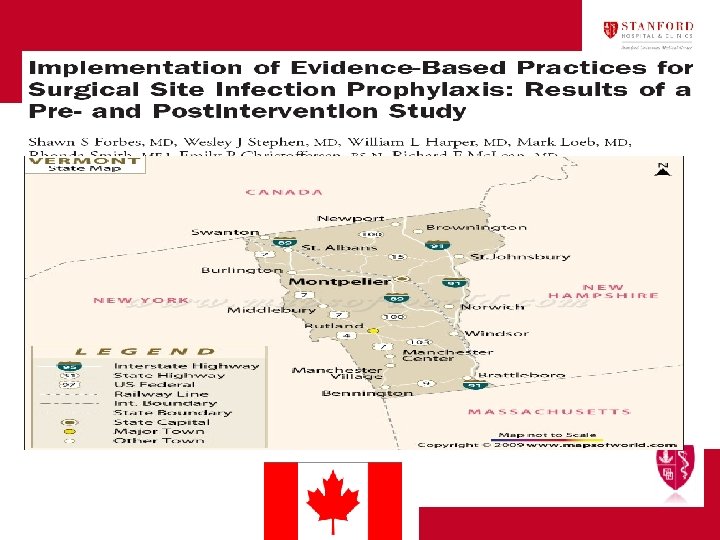
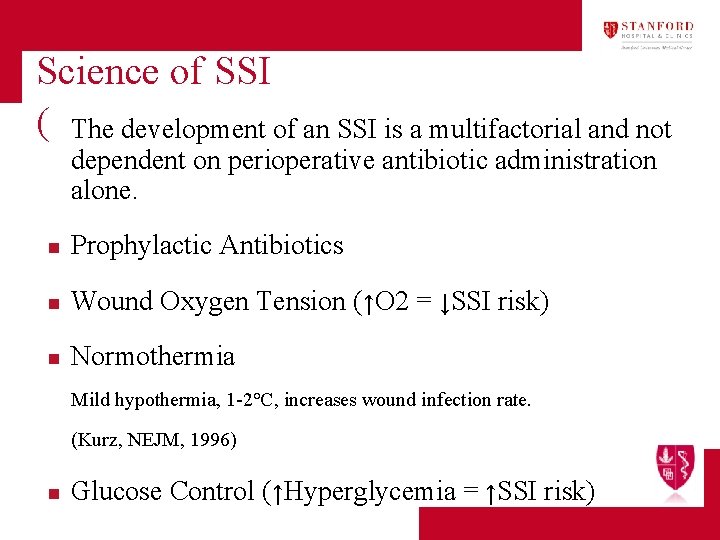
Science of SSI ( The development of an SSI is a multifactorial and not dependent on perioperative antibiotic administration alone. n Prophylactic Antibiotics n Wound Oxygen Tension (↑O 2 = ↓SSI risk) n Normothermia Mild hypothermia, 1 -2°C, increases wound infection rate. (Kurz, NEJM, 1996) n Glucose Control (↑Hyperglycemia = ↑SSI risk)
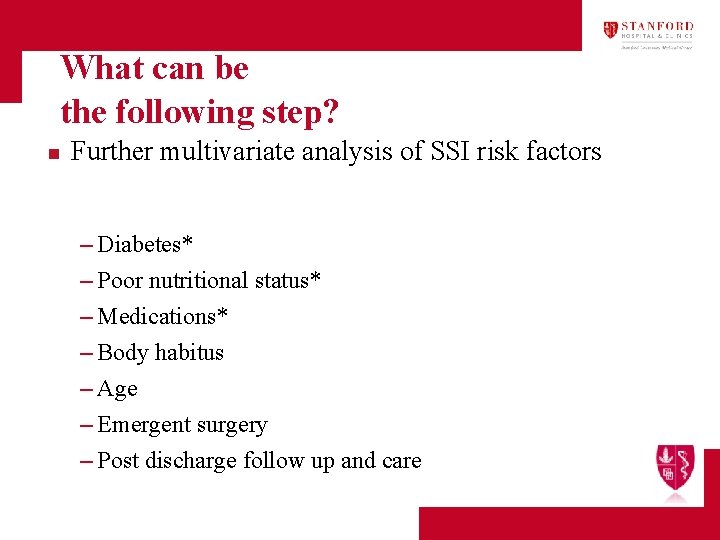
What can be the following step? n Further multivariate analysis of SSI risk factors – Diabetes* – Poor nutritional status* – Medications* – Body habitus – Age – Emergent surgery – Post discharge follow up and care
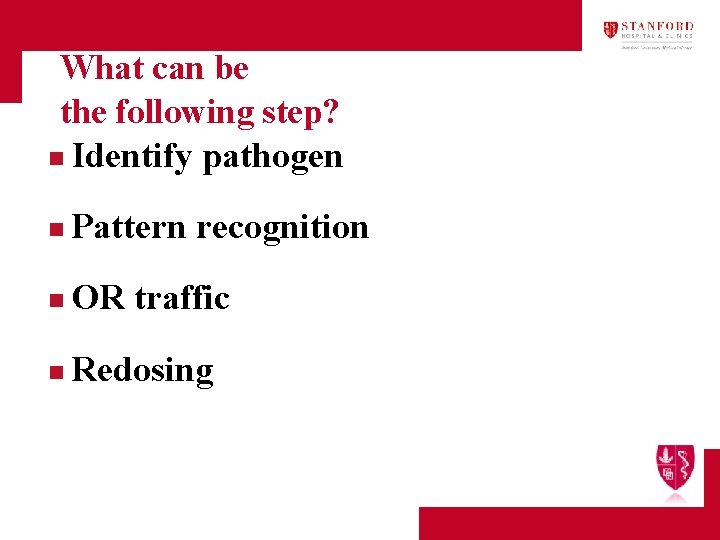
What can be the following step? n Identify pathogen n Pattern recognition n OR traffic n Redosing
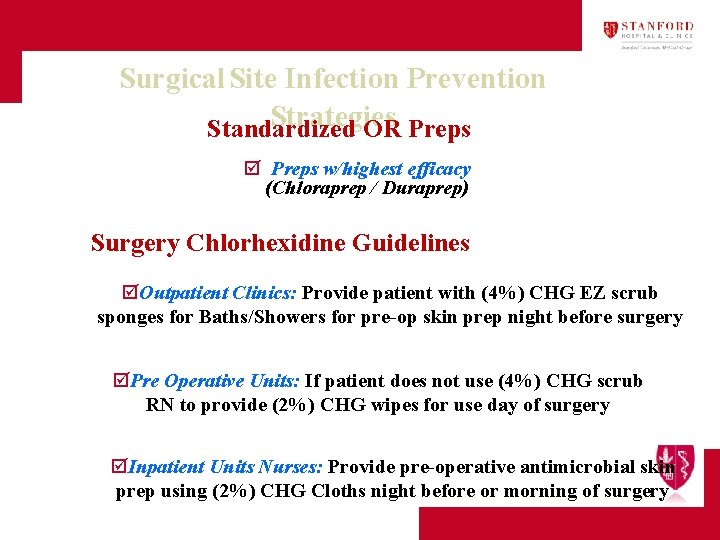
Surgical Site Infection Prevention Strategies Standardized OR Preps þ Preps w/highest efficacy (Chloraprep / Duraprep) Surgery Chlorhexidine Guidelines þOutpatient Clinics: Provide patient with (4%) CHG EZ scrub sponges for Baths/Showers for pre-op skin prep night before surgery þPre Operative Units: If patient does not use (4%) CHG scrub RN to provide (2%) CHG wipes for use day of surgery þInpatient Units Nurses: Provide pre-operative antimicrobial skin prep using (2%) CHG Cloths night before or morning of surgery
Phase II (May – November 2010) o Service Specific Drill Down Review current practice for alignment with evidence based practice n o Antibiotic Re-dosing on OR Complex cases & cases longer than 4 hours; define re-dosing timeframe n o Cath Lab / ACS Cases “Small test of Change” pilot for EPS (Pace Maker and ICD cases ) n o Develop measurement and reporting mechanisms Adherence to dispensing of CHG shower/bath prior to surgery Boarding Pass for compliance with CHG shower/bath prior to surgery n n o Post Operative Incision Care Guidelines n o Service specific “Surgical Wound Guidelines” Joint Commission Center for Transforming Healthcare n American College of Surgeons NSQIP Project

morton@stanford. edu
- Slides: 51