
Beyond Risk Stratification Why Understanding Population Segments Is
Beyond Risk Stratification Why Understanding Population Segments Is the Future of Stratification Matthew Mitchell Data Analytics Manager Central City Concern
1 Risk stratification … and its limits 2 Population segmentation … and why it matters 3 Vision for the future 2

First, a bit about Portland… 3
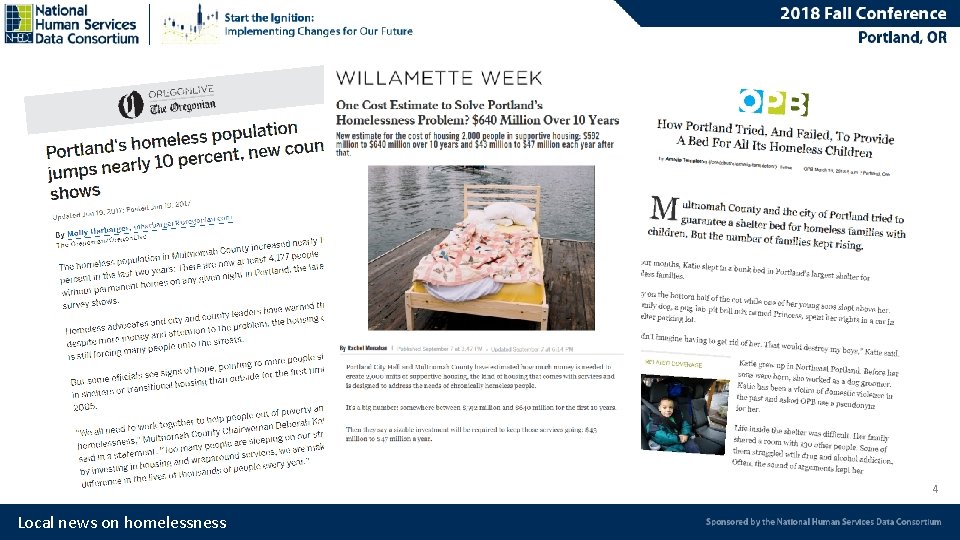
4 Local news on homelessness
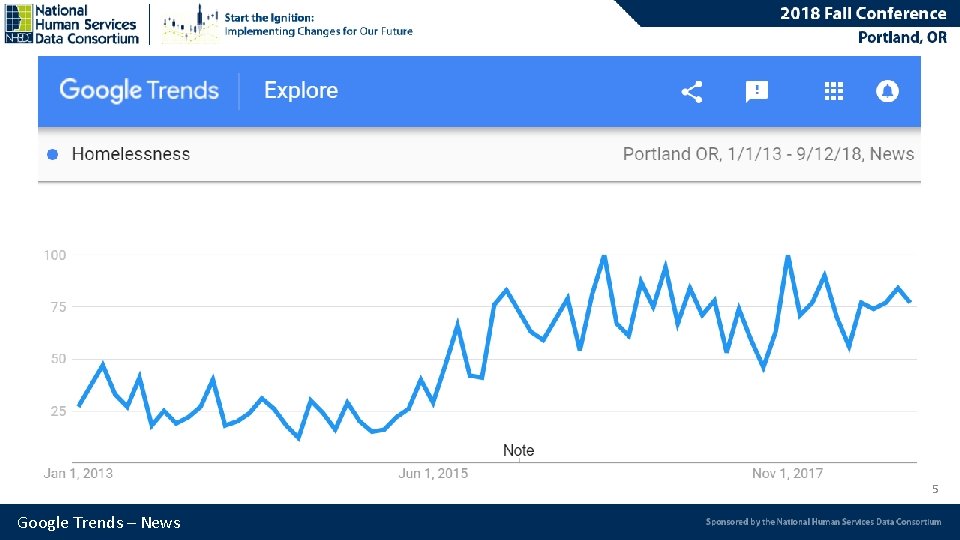
5 Google Trends – News
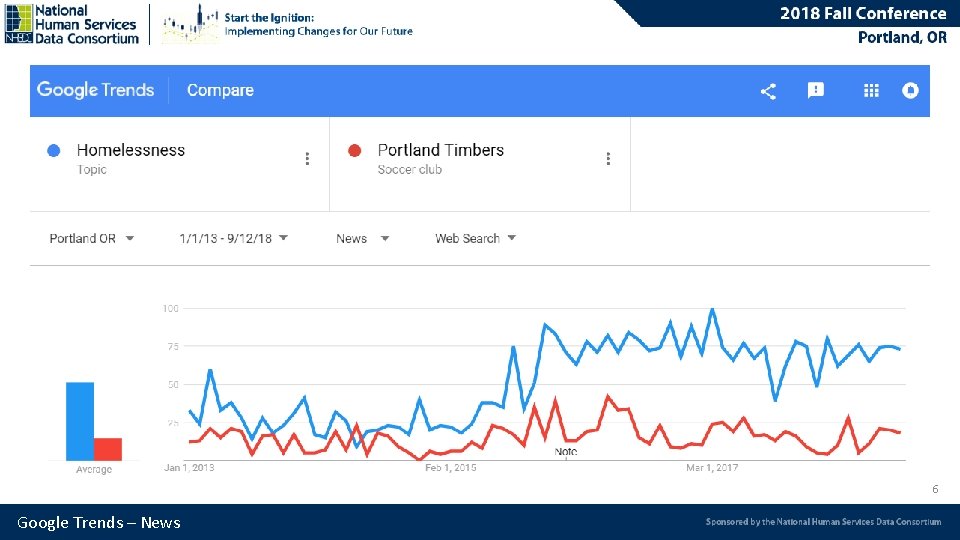
6 Google Trends – News
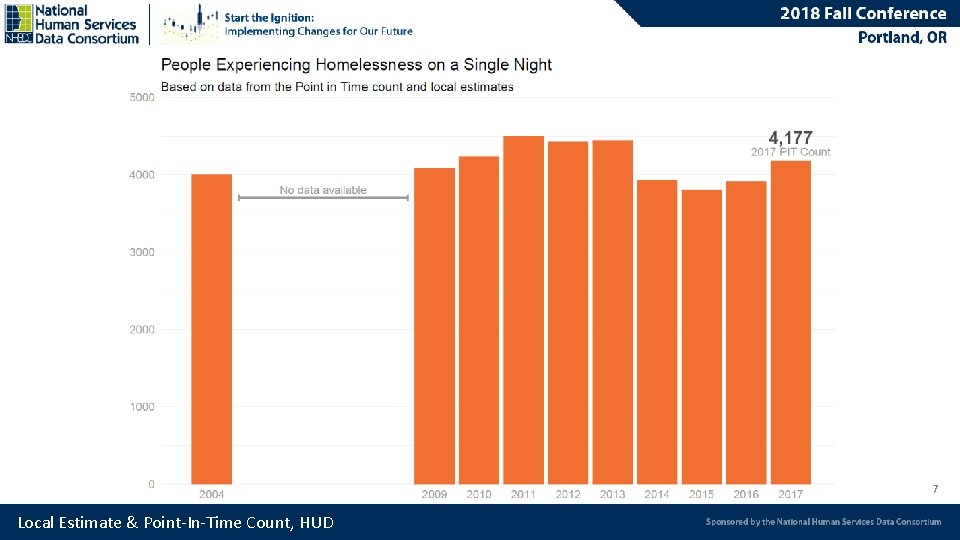
7 Local Estimate & Point-In-Time Count, HUD
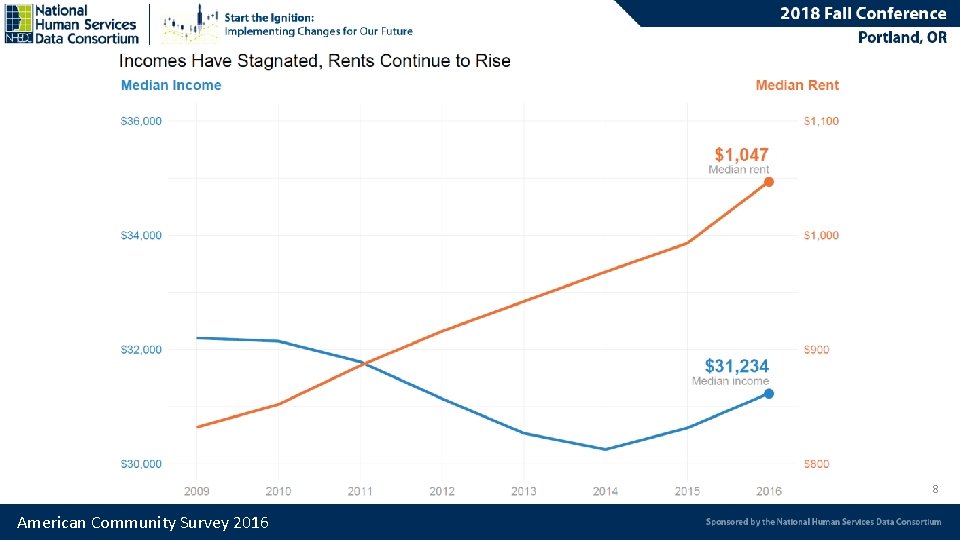
8 American Community Survey 2016
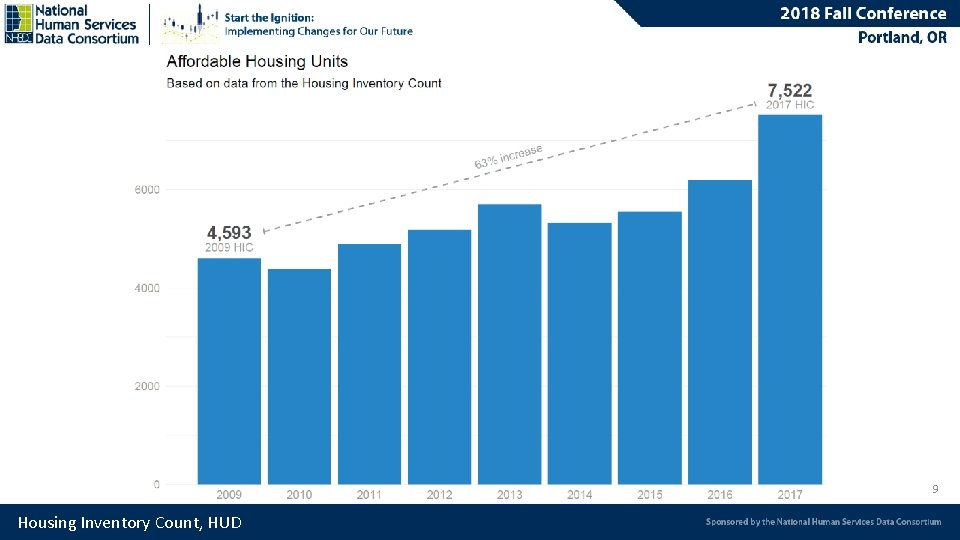
9 Housing Inventory Count, HUD
14, 000 people experience homelessness in Multnomah County each year 10 2017 estimate
Where I’m coming from… 11
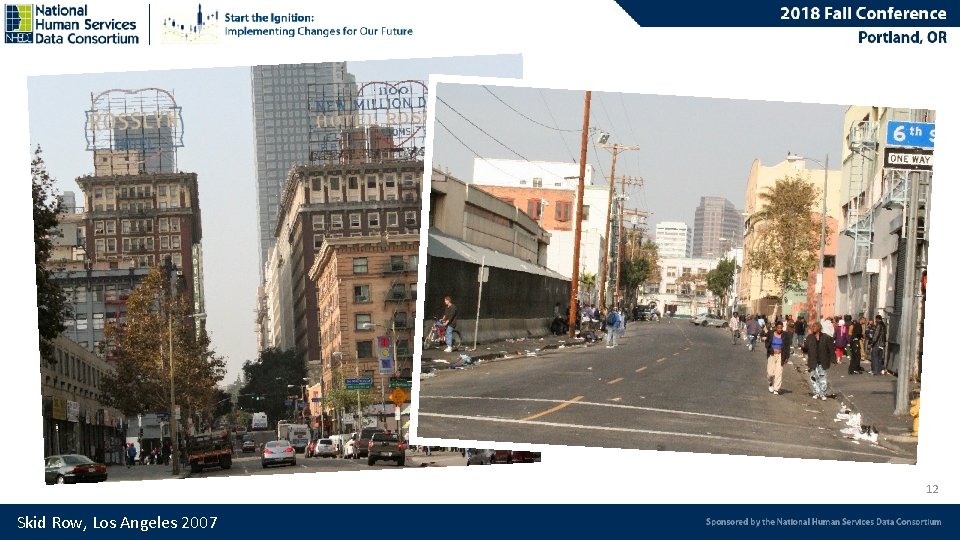
12 Skid Row, Los Angeles 2007
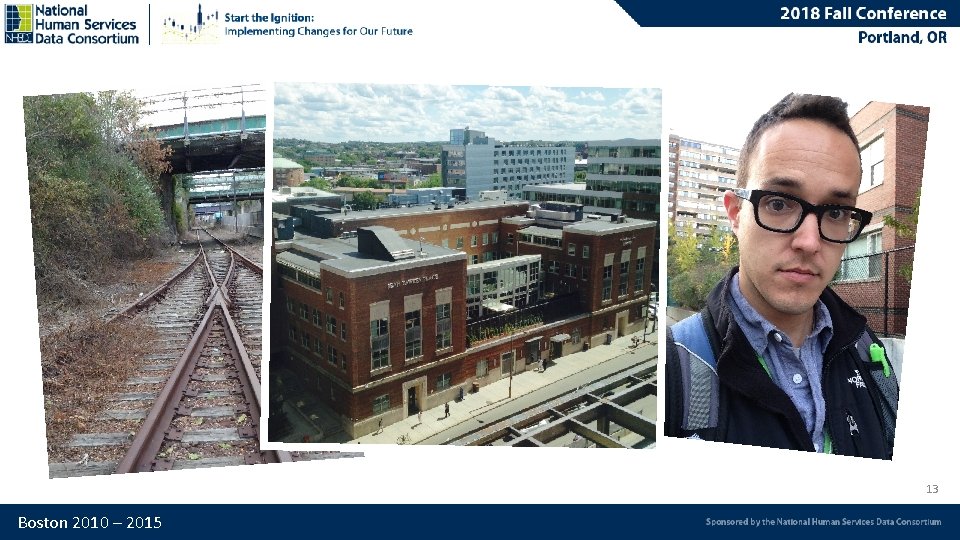
13 Boston 2010 – 2015
Risk stratification … and its limits 14
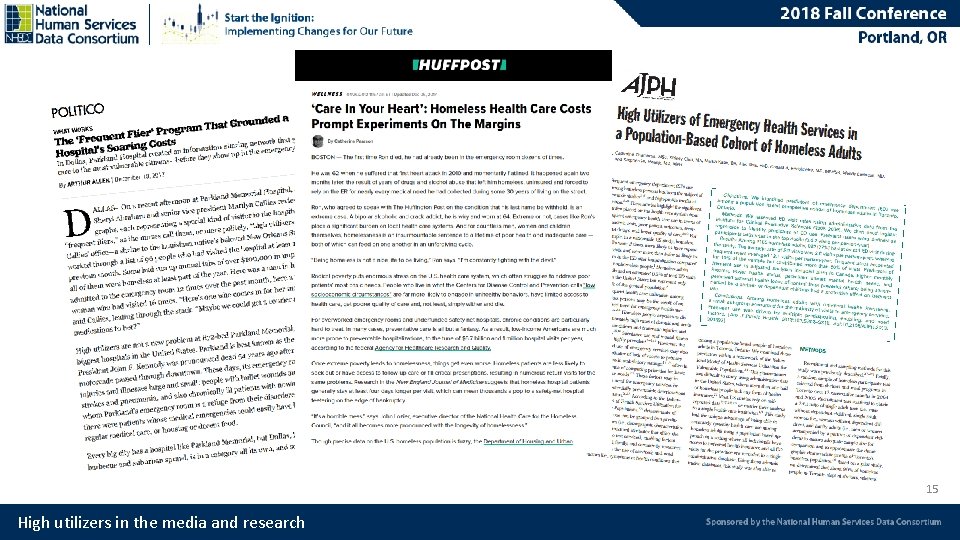
15 High utilizers in the media and research
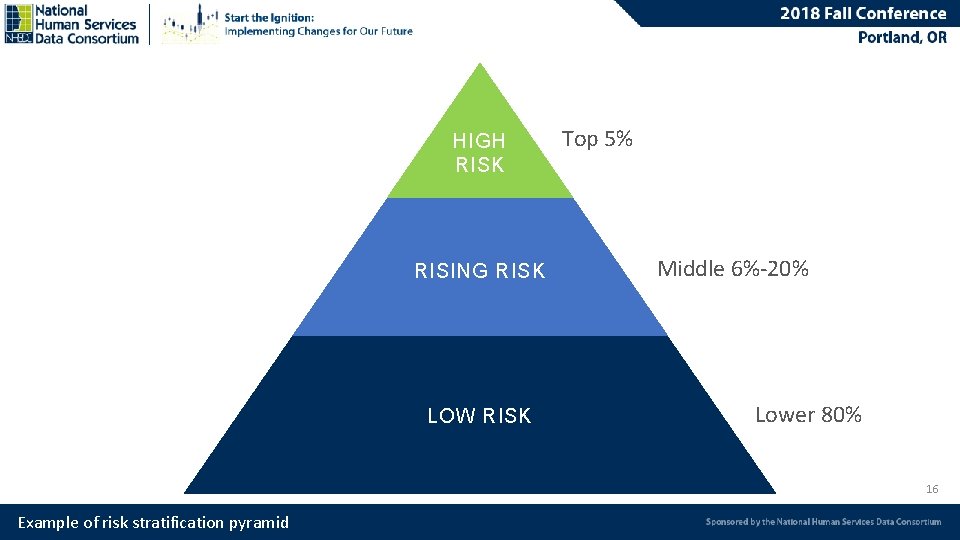
HIGH RISK RISING RISK LOW RISK Top 5% Middle 6%-20% Lower 80% 16 Example of risk stratification pyramid
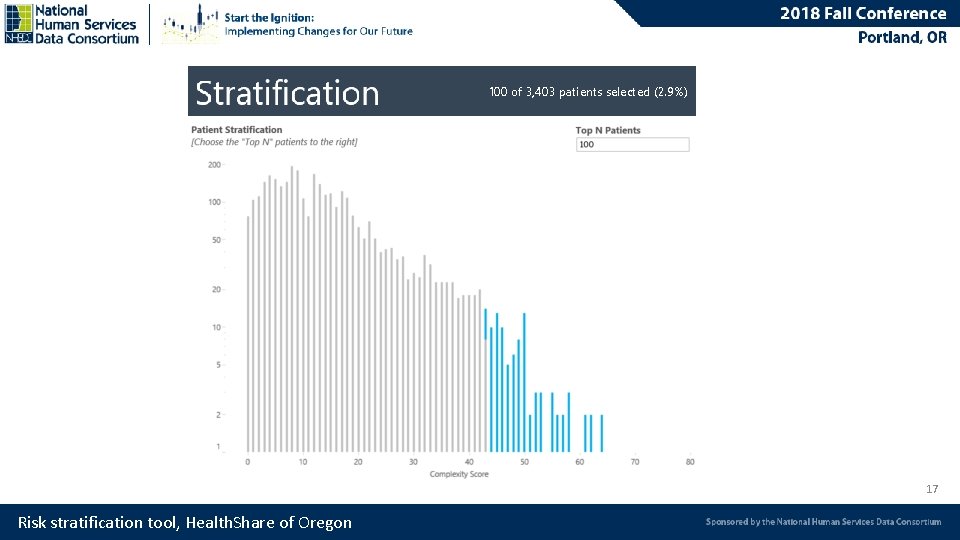
100 of 3, 403 patients selected (2. 9%) 17 Risk stratification tool, Health. Share of Oregon
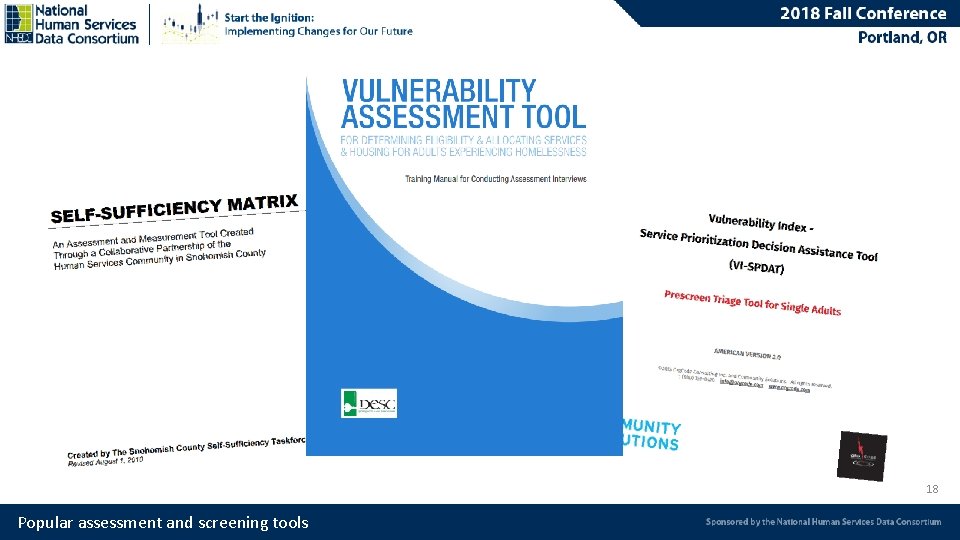
18 Popular assessment and screening tools
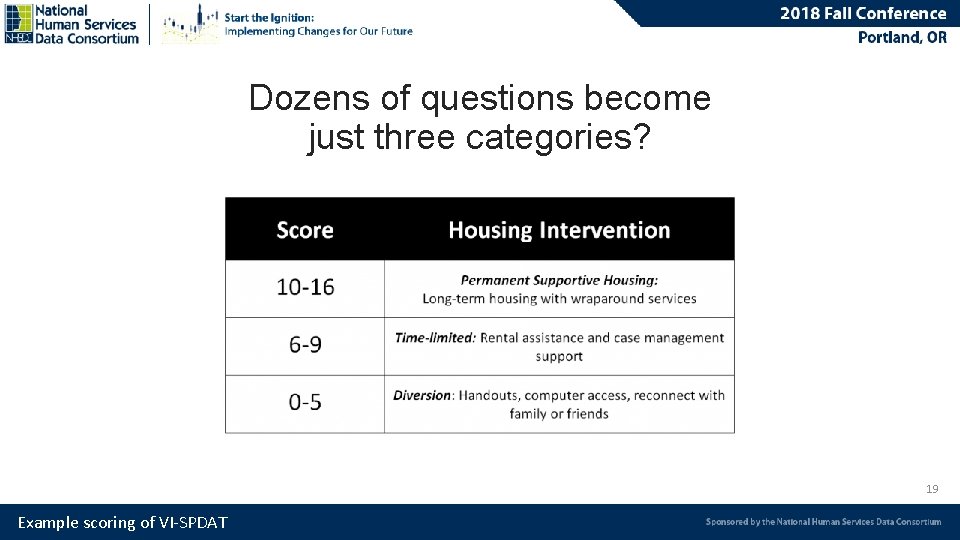
Dozens of questions become just three categories? 19 Example scoring of VI-SPDAT
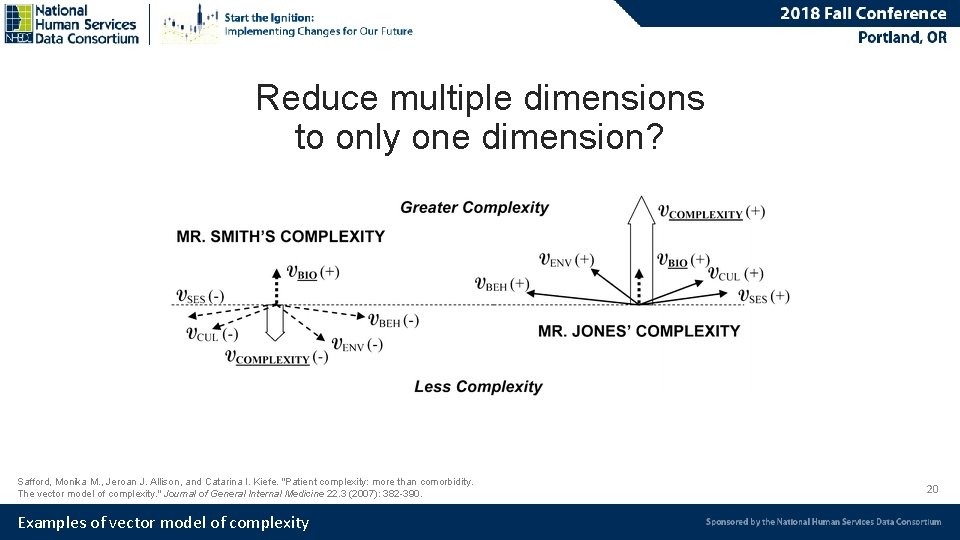
Reduce multiple dimensions to only one dimension? Safford, Monika M. , Jeroan J. Allison, and Catarina I. Kiefe. "Patient complexity: more than comorbidity. The vector model of complexity. " Journal of General Internal Medicine 22. 3 (2007): 382 -390. Examples of vector model of complexity 20
Mitchell, Matthew S. , et al. "Cost of health care utilization among homeless frequent emergency department users. “ Psychological services 14. 2 (2017): 193. High utilizers meet population segmentation 21
Population Segmentation 22
Deliver the right services to the right people Need stratification, not risk stratification 23
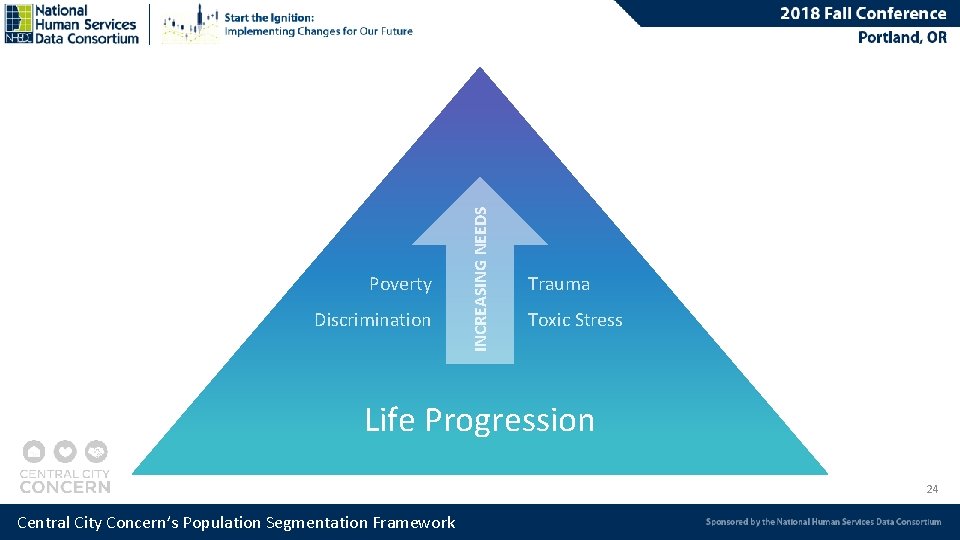
Discrimination INCREASING NEEDS Poverty Trauma Toxic Stress Life Progression 24 Central City Concern’s Population Segmentation Framework
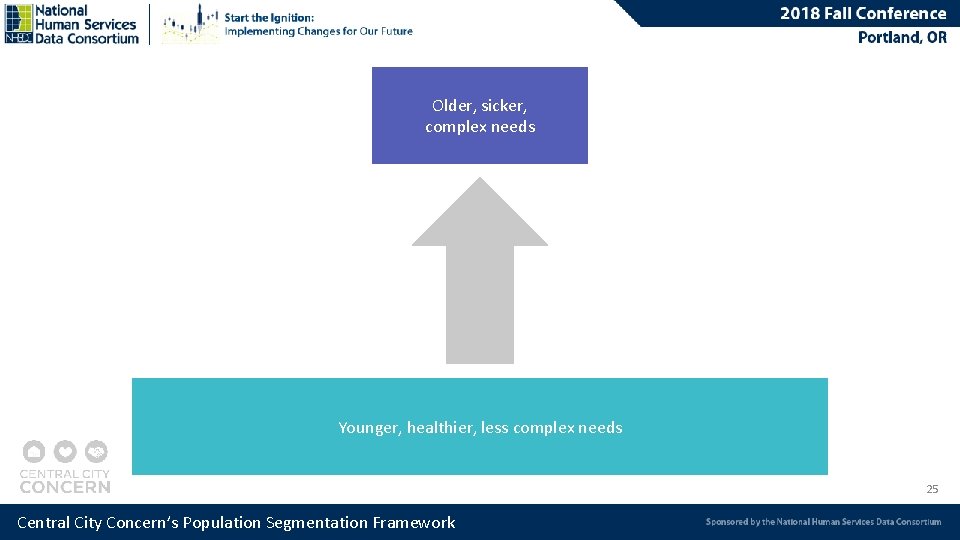
Older, sicker, complex needs Younger, healthier, less complex needs 25 Central City Concern’s Population Segmentation Framework
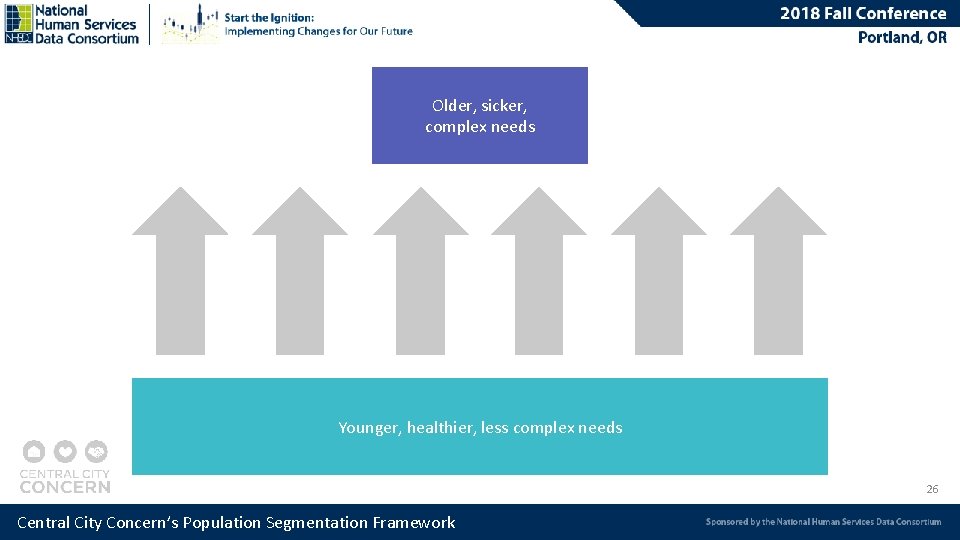
Older, sicker, complex needs Younger, healthier, less complex needs 26 Central City Concern’s Population Segmentation Framework
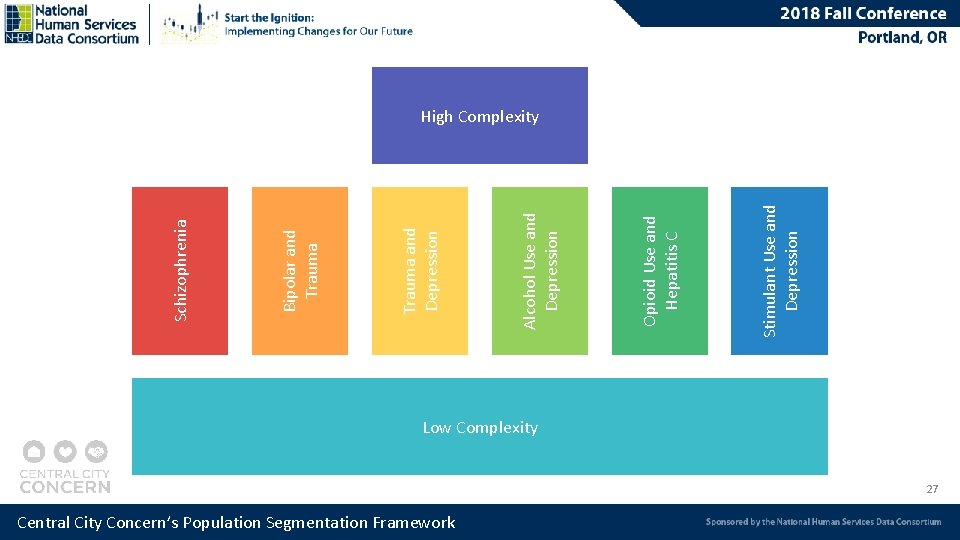
Central City Concern’s Population Segmentation Framework Stimulant Use and Depression Opioid Use and Hepatitis C Alcohol Use and Depression Trauma and Depression Bipolar and Trauma Schizophrenia High Complexity Low Complexity 27
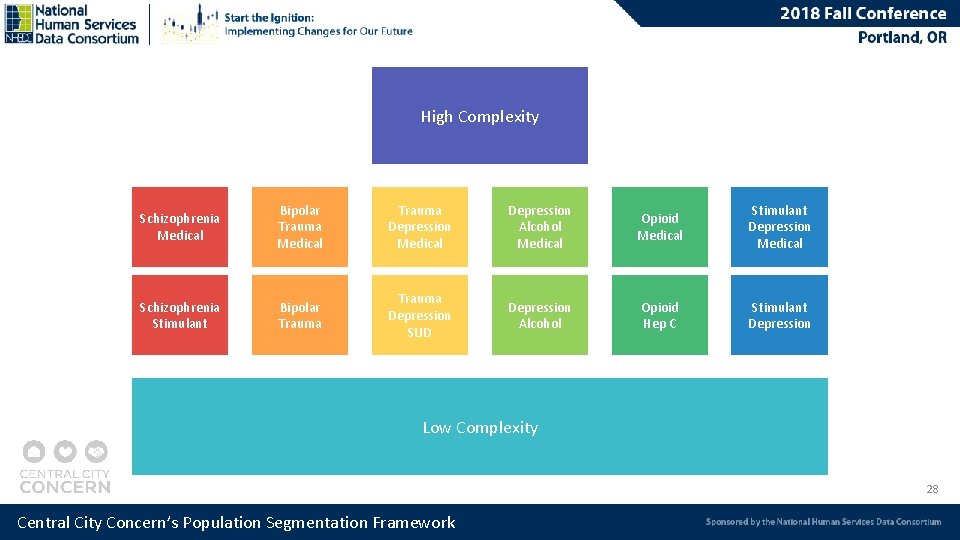
High Complexity Schizophrenia Medical Bipolar Trauma Medical Trauma Depression Medical Depression Alcohol Medical Opioid Medical Stimulant Depression Medical Schizophrenia Stimulant Bipolar Trauma Depression SUD Depression Alcohol Opioid Hep C Stimulant Depression Low Complexity 28 Central City Concern’s Population Segmentation Framework
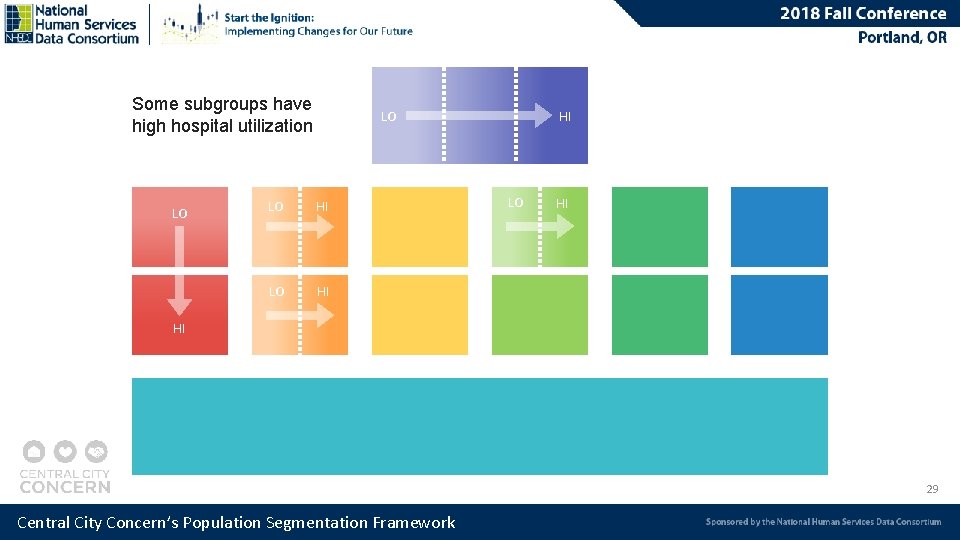
Some subgroups have high hospital utilization LO LO LO HI HI 29 Central City Concern’s Population Segmentation Framework
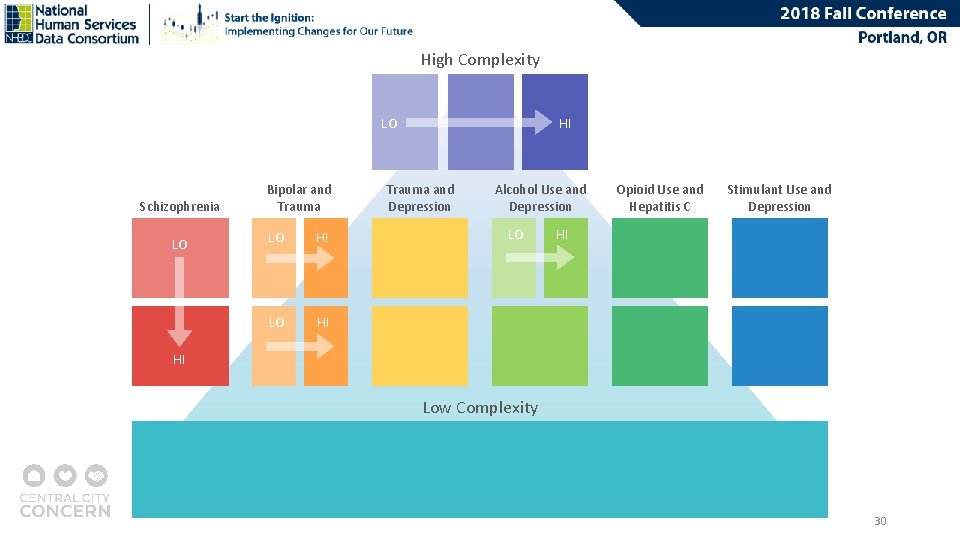
High Complexity LO Schizophrenia LO Bipolar and Trauma LO HI HI Trauma and Depression Alcohol Use and Depression LO Opioid Use and Hepatitis C Stimulant Use and Depression HI HI Low Complexity 30

Validating the Framework 31
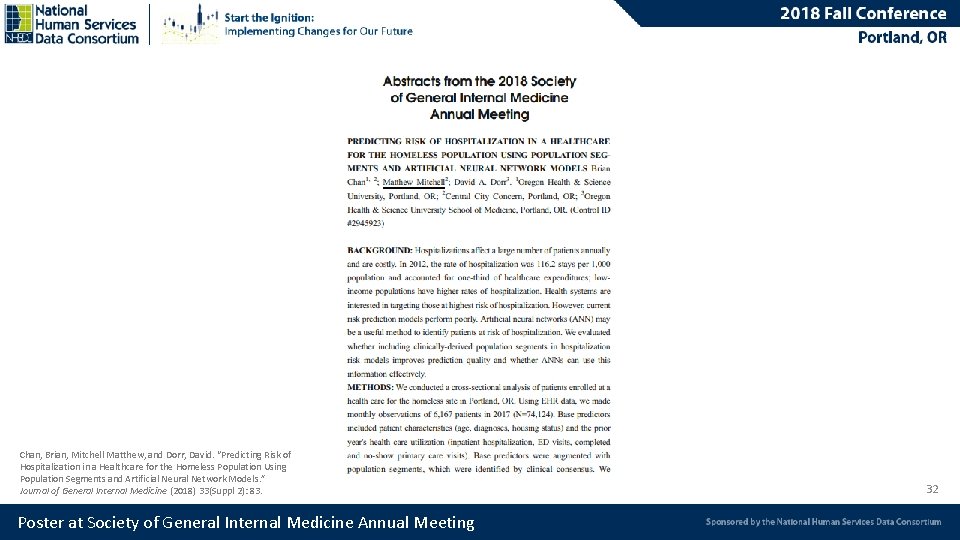
Chan, Brian, Mitchell Matthew, and Dorr, David. “Predicting Risk of Hospitalization in a Healthcare for the Homeless Population Using Population Segments and Artificial Neural Network Models. ” Journal of General Internal Medicine (2018) 33(Suppl 2): 83. Poster at Society of General Internal Medicine Annual Meeting 32
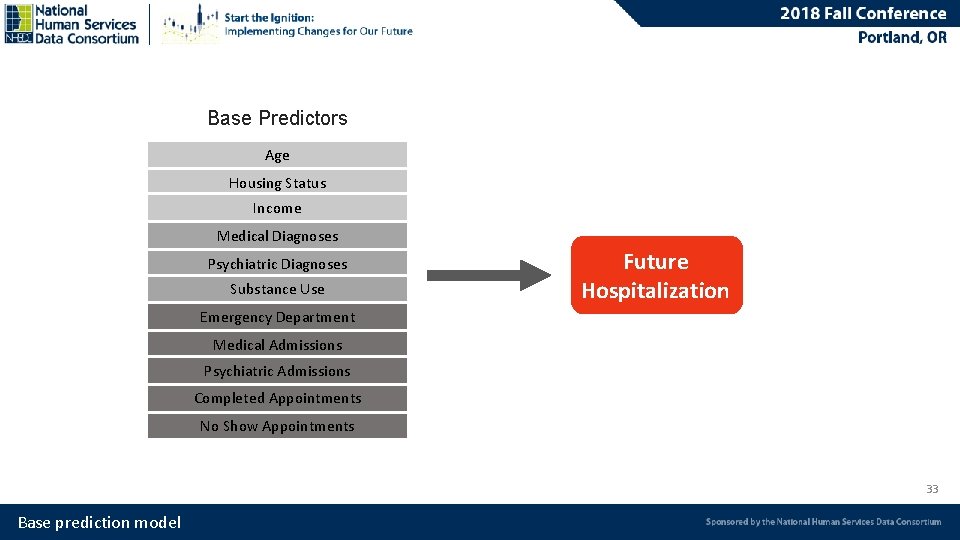
Base Predictors Age Housing Status Income Medical Diagnoses Psychiatric Diagnoses Substance Use Future Hospitalization Emergency Department Medical Admissions Psychiatric Admissions Completed Appointments No Show Appointments 33 Base prediction model
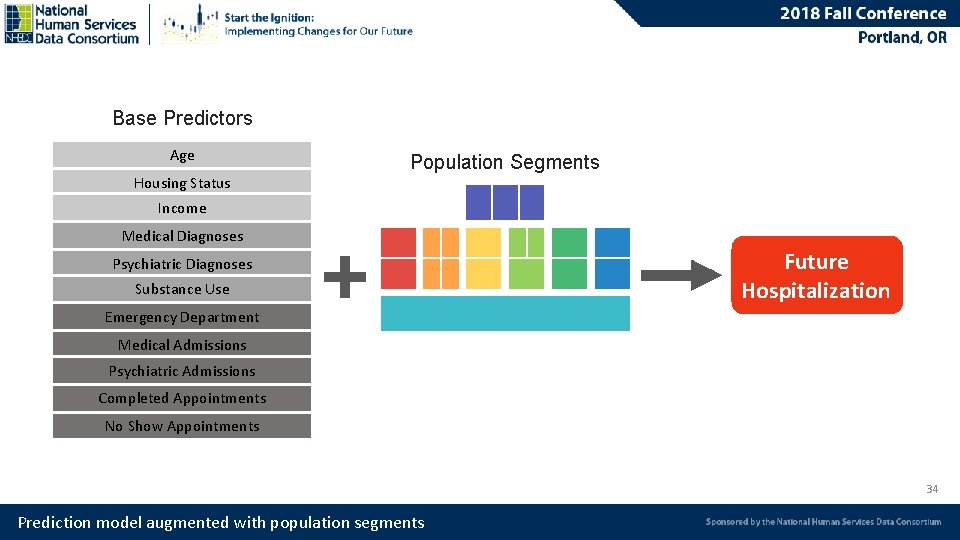
Base Predictors Age Housing Status Population Segments Income Medical Diagnoses Psychiatric Diagnoses Substance Use Future Hospitalization Emergency Department Medical Admissions Psychiatric Admissions Completed Appointments No Show Appointments 34 Prediction model augmented with population segments
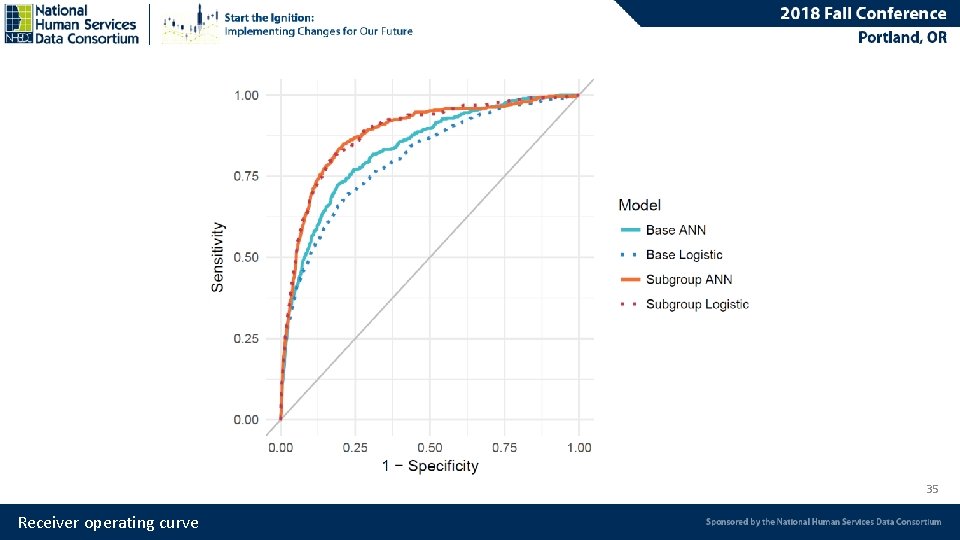
35 Receiver operating curve
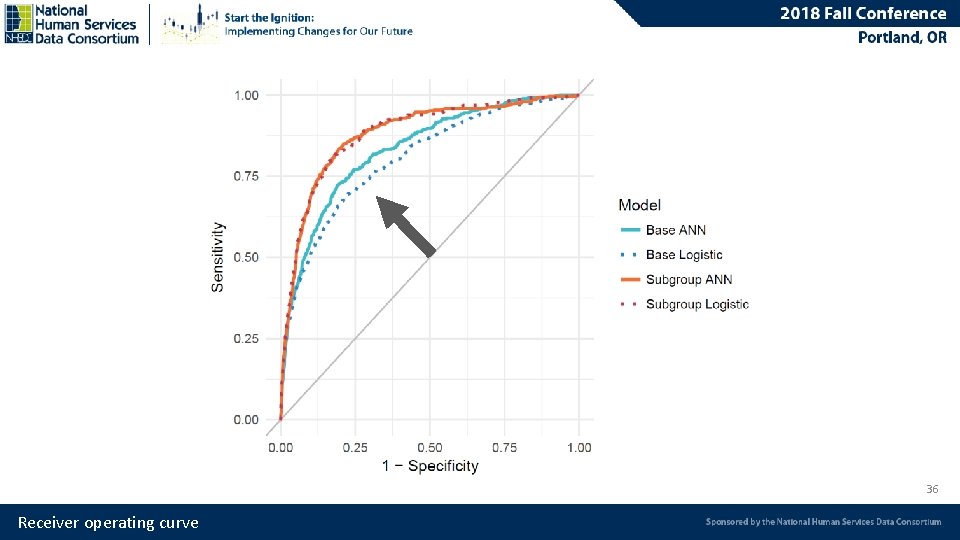
36 Receiver operating curve
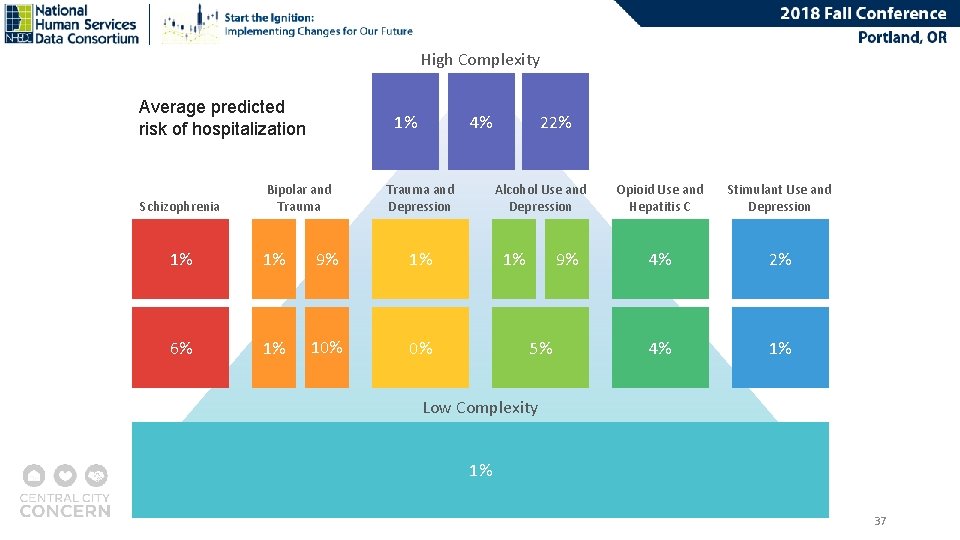
High Complexity Average predicted risk of hospitalization Schizophrenia 1% Bipolar and Trauma 4% Trauma and Depression 1% 1% 9% 1% 6% 1% 10% 0% 22% Alcohol Use and Depression 1% 9% 5% Opioid Use and Hepatitis C Stimulant Use and Depression 4% 2% 4% 1% Low Complexity 1% 37
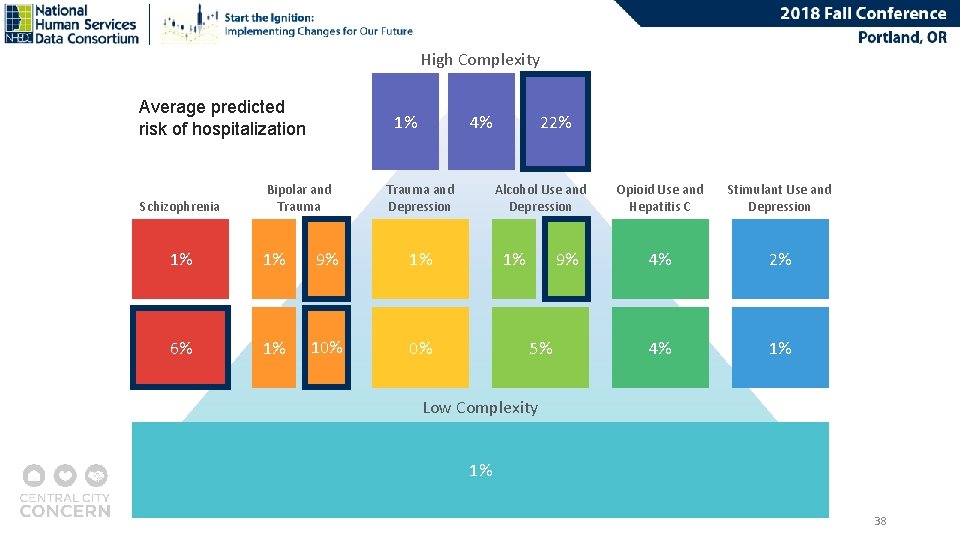
High Complexity Average predicted risk of hospitalization Schizophrenia 1% Bipolar and Trauma 4% Trauma and Depression 1% 1% 9% 1% 6% 1% 10% 0% 22% Alcohol Use and Depression 1% 9% 5% Opioid Use and Hepatitis C Stimulant Use and Depression 4% 2% 4% 1% Low Complexity 1% 38
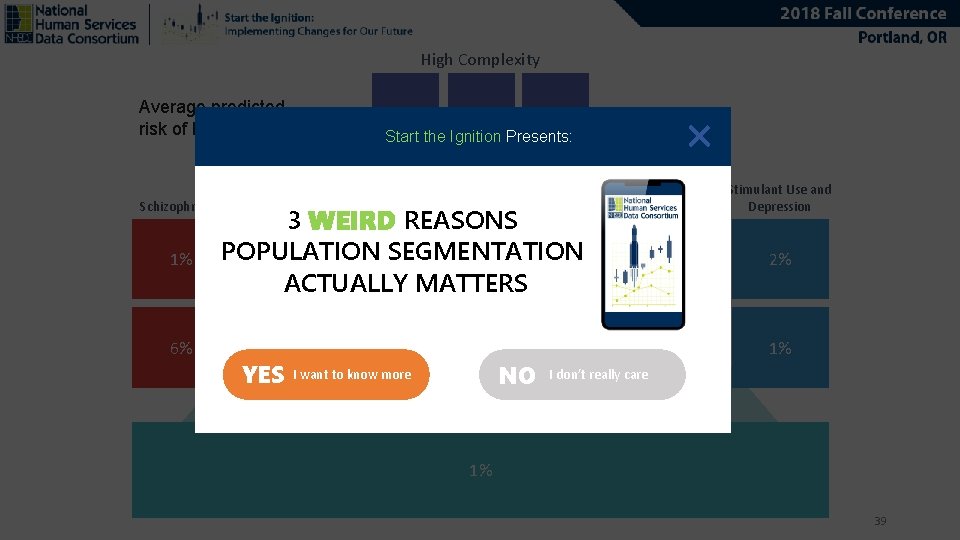
High Complexity Average predicted risk of hospitalization Schizophrenia 1% 6% 1% 4% 22% Start the Ignition Presents: Bipolar and Trauma and Depression Alcohol Use and Depression 3 WEIRD REASONS POPULATION SEGMENTATION 1% 9% 1% 1% 9% ACTUALLY MATTERS 1% YES 10% 0% Opioid Use and Hepatitis C Stimulant Use and Depression 4% 2% 4% 1% 5% NO I want to know more I don’t really care Low Complexity 1% 39
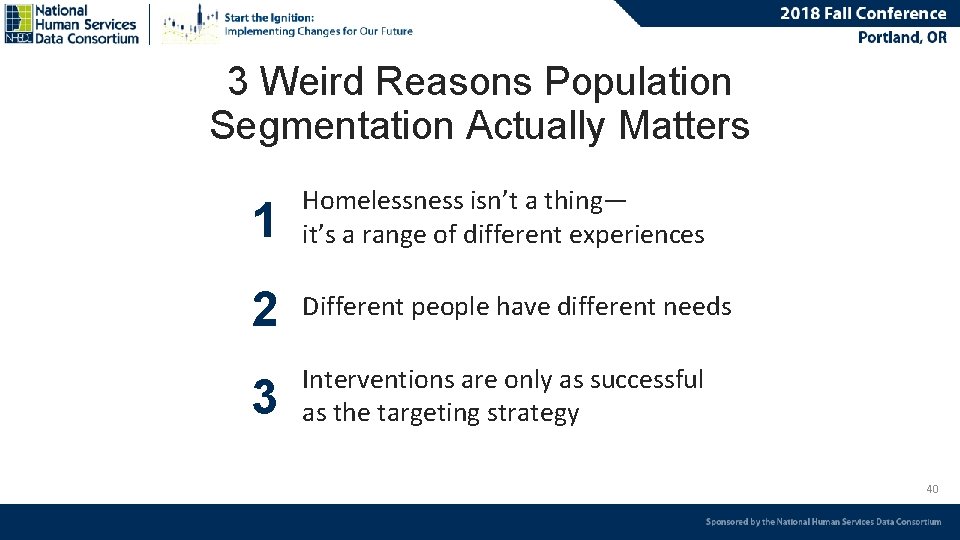
3 Weird Reasons Population Segmentation Actually Matters 1 Homelessness isn’t a thing— it’s a range of different experiences 2 Different people have different needs 3 Interventions are only as successful as the targeting strategy 40
Population Segmentation in Practice 41
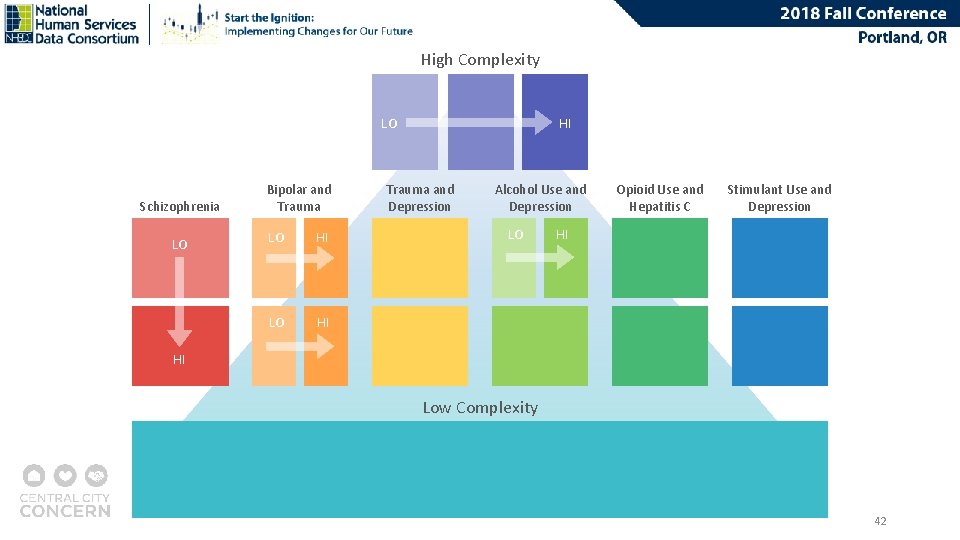
High Complexity LO Schizophrenia LO Bipolar and Trauma LO HI HI Trauma and Depression Alcohol Use and Depression LO Opioid Use and Hepatitis C Stimulant Use and Depression HI HI Low Complexity 42
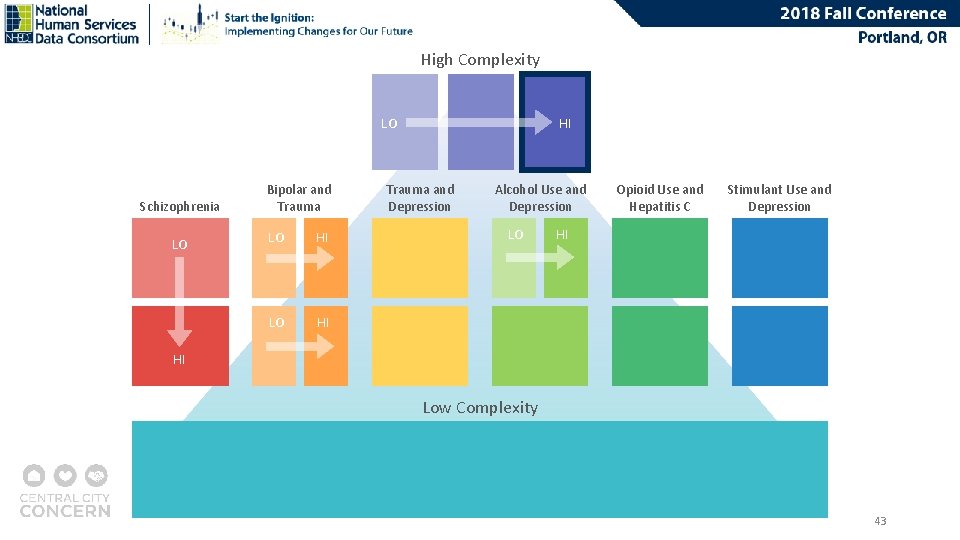
High Complexity LO Schizophrenia LO Bipolar and Trauma LO HI HI Trauma and Depression Alcohol Use and Depression LO Opioid Use and Hepatitis C Stimulant Use and Depression HI HI Low Complexity 43
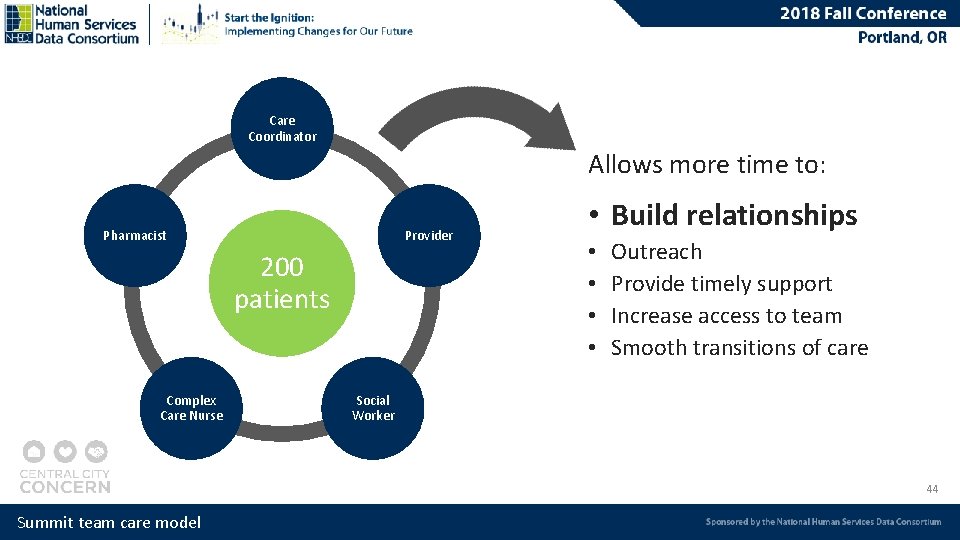
Care Coordinator Allows more time to: Pharmacist Provider 200 patients Complex Care Nurse • Build relationships • • Outreach Provide timely support Increase access to team Smooth transitions of care Social Worker 44 Summit team care model
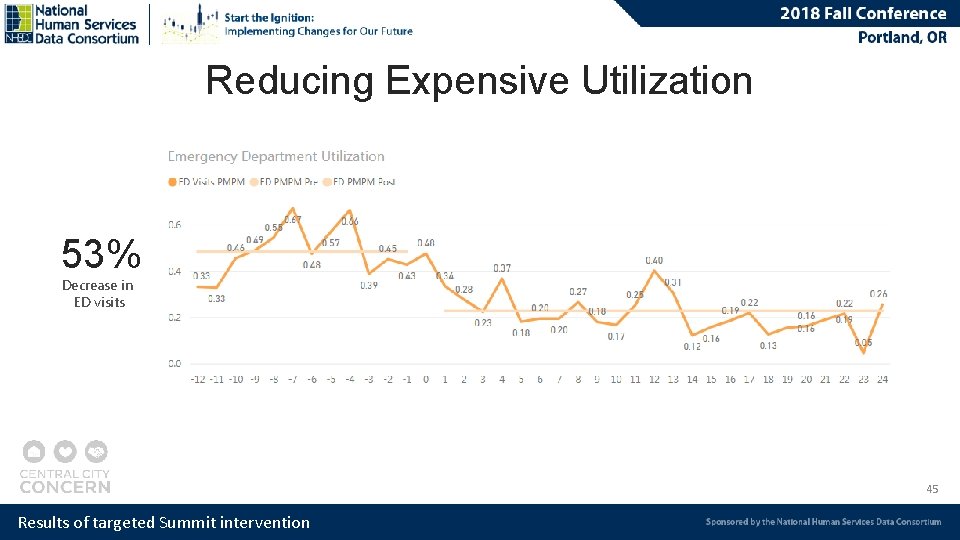
Reducing Expensive Utilization 53% Decrease in ED visits 45 Results of targeted Summit intervention
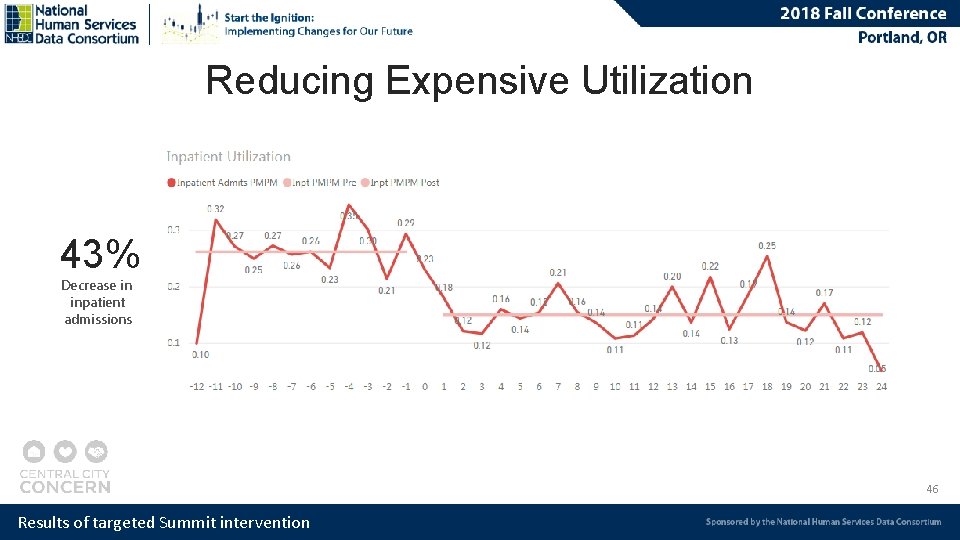
Reducing Expensive Utilization 43% Decrease in inpatient admissions 46 Results of targeted Summit intervention
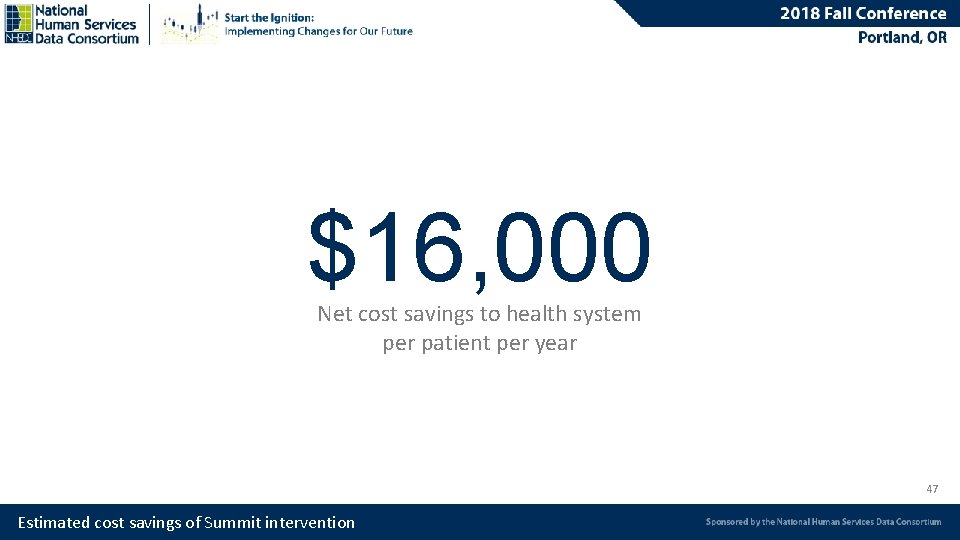
$16, 000 Net cost savings to health system per patient per year 47 Estimated cost savings of Summit intervention

This is not about Cost Savings 48
This is not about Algorithms or Analytics 49
This is not about Innovative Uses of Data 50
This is about Redesigning Systems 51
This is about Ending Homelessness 52
This is about Changing Lives 53
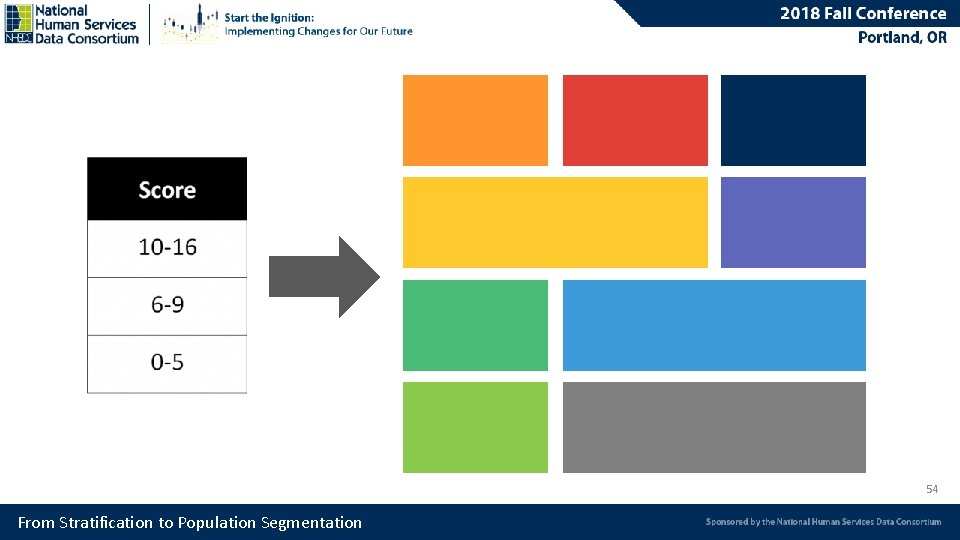
54 From Stratification to Population Segmentation
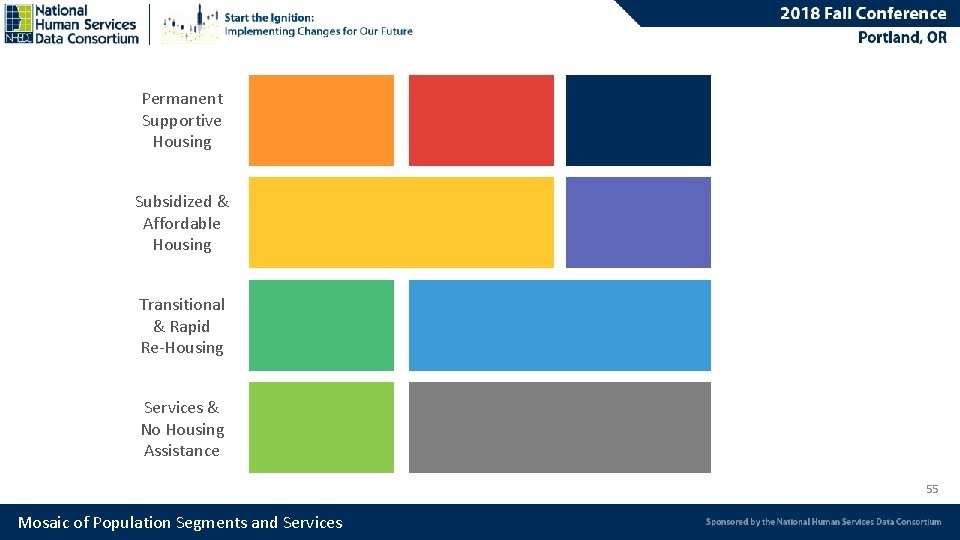
Permanent Supportive Housing Subsidized & Affordable Housing Transitional & Rapid Re-Housing Services & No Housing Assistance 55 Mosaic of Population Segments and Services
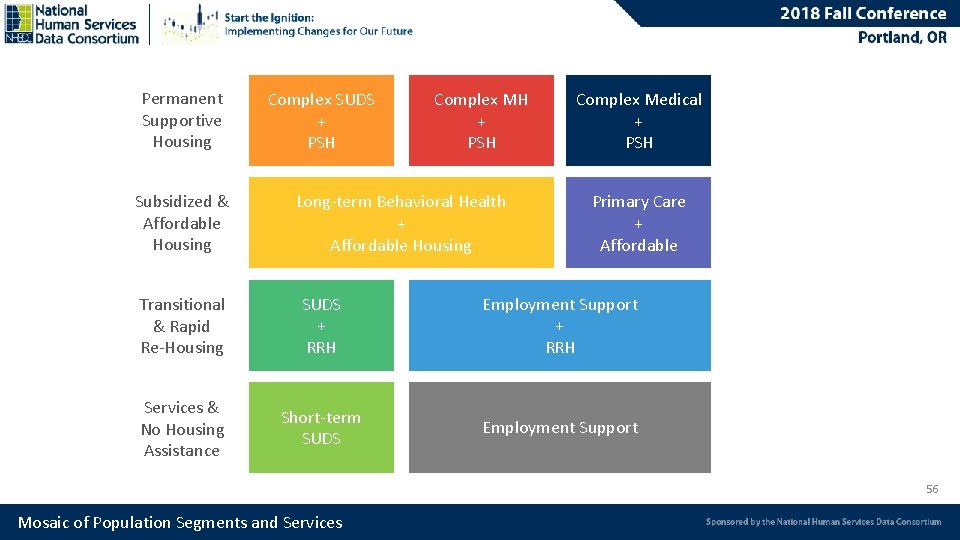
Permanent Supportive Housing Subsidized & Affordable Housing Complex SUDS + PSH Complex MH + PSH Long-term Behavioral Health + Affordable Housing Complex Medical + PSH Primary Care + Affordable Transitional & Rapid Re-Housing SUDS + RRH Employment Support + RRH Services & No Housing Assistance Short-term SUDS Employment Support 56 Mosaic of Population Segments and Services
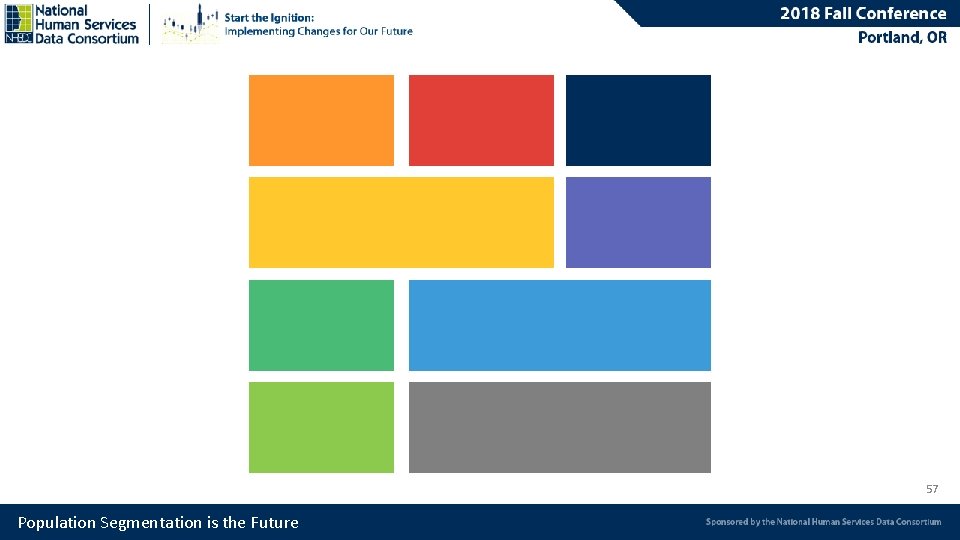
57 Population Segmentation is the Future
Thank you Matthew Mitchell Data Analytics Manager Central City Concern matthew. mitchell@ccconcern. org 58
- Slides: 58