
BEST PRACTICES OF ONLINE COURSE DEVELOPMENT Written and
BEST PRACTICES OF ONLINE COURSE DEVELOPMENT Written and Produced by Jenny Guerrero OMDE 610 9040 August 05, 2016

Jenny Guerrero Instructional Designer

Introduction Online Course
Classroom Collaborative Environments
Before we jump into best practices…
An Overview of Today’s Learners A generation growing up alongside technology
An Overview of Today’s Learners • Fast and at their fingertips • Multi-taskers • Bite-sized Chunks • Graphics and Videos • Doing, Exploring, and Experimenting • Community Learning • Video Tutorials • Informal Learning Experiences

An Overview of Today’s Learners
• Learners are the main focus • Learning Needs • Content and Delivery has to make sense
“…consider the coherence of the materials and the teaching strategy, together with the unique characteristics of the virtual learning environment. ” (Sangra, Guardia, & Gonzalea-Sanmamed, 2007, p. 286)
BEST PRACTICES

1. Define Your Purpose • What are the benefits? • Will online course achieve outcome? • Who is my audience?
2. Develop a Strategic Plan with input from various professionals • Instructors • SMEs • Instructional Designers • Graphic Designers • Programmers
3. Create a Supportive Online Community • Collaborate and Interact • Curiosity, reflection, and active participation • Networking opportunities • Blogs and Wikis
4. Set Clear Expectations for your Learners • Course Objectives, grading rubrics, and participation requirements • Be clear on expectations • Set Netiquette guidelines
5. Design Various Group and Independent Activities Group Activities • Build knowledge • Gain diverse ideas Independent Activities • Synthesize information • Connect to existing knowledge
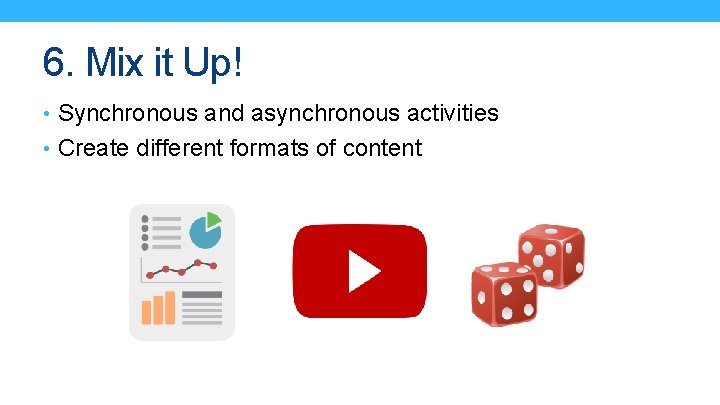
6. Mix it Up! • Synchronous and asynchronous activities • Create different formats of content
7. Provide Resources, Applications, and Links • Discover solutions by providing resources • Explore and find their own resources • Recognize reliable and unreliable sources
8. Let them make Choices • Choosing their learning path and goals • Make realistic decisions
9. Create Relevant Learning Activities • Meaningful for learners • Connected to the learning goals
10. Provide Immediate Feedback and Support • Inform learners of their progress • Be present and available
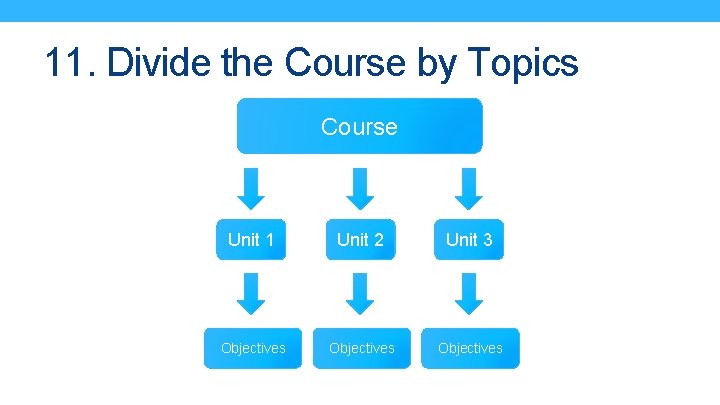
11. Divide the Course by Topics Course Unit 1 Unit 2 Unit 3 Objectives

CONCLUSION
• Evolution of Technology changed human behavior • Impacted the way we teach and learn
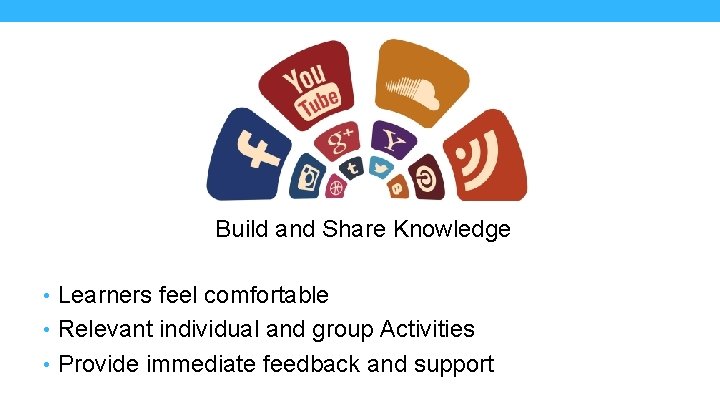
Build and Share Knowledge • Learners feel comfortable • Relevant individual and group Activities • Provide immediate feedback and support
References Harasim, L. (2012). Learning theories and online technologies. NY: Routledge Sangra, A. , Guardia, L. , & Gonzalez-Sanmamed, M. (2007). Educational design as a key issue in planning for quality improvement. PA: Information Science Publishing
- Slides: 26