
Berg Tymoczko Stryer Biochemistry Sixth Edition Chapter 6

Berg • Tymoczko • Stryer Biochemistry Sixth Edition Chapter 6: Exploring Evolution and Bioinformatics Copyright © 2007 by W. H. Freeman and Company
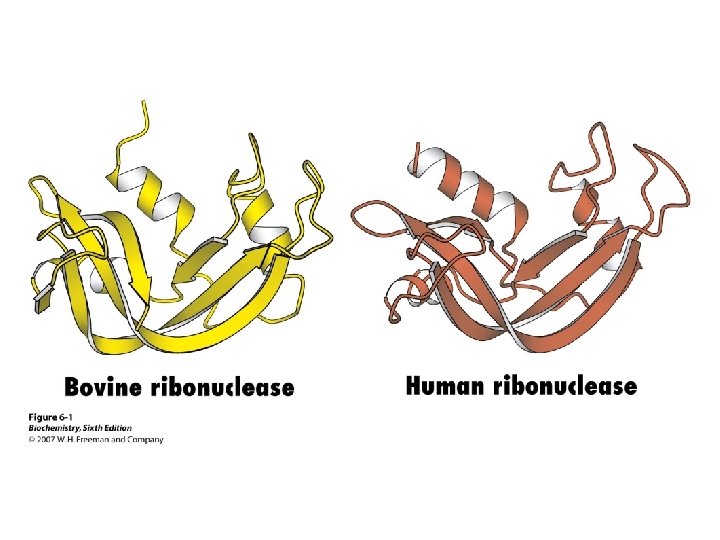
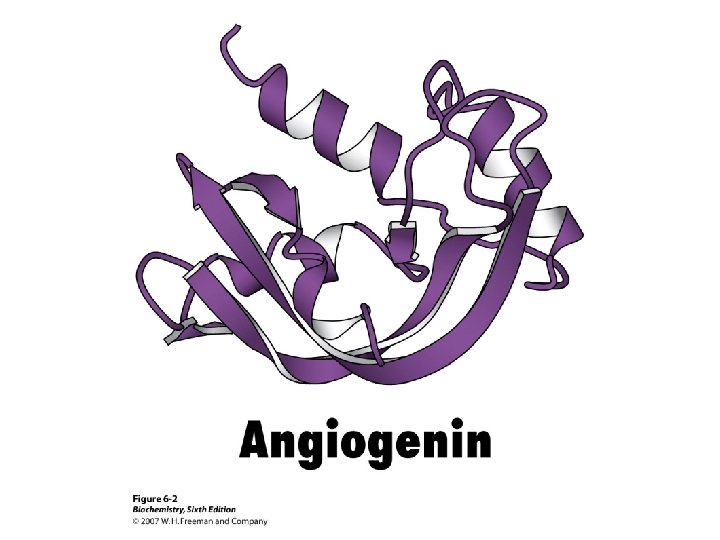
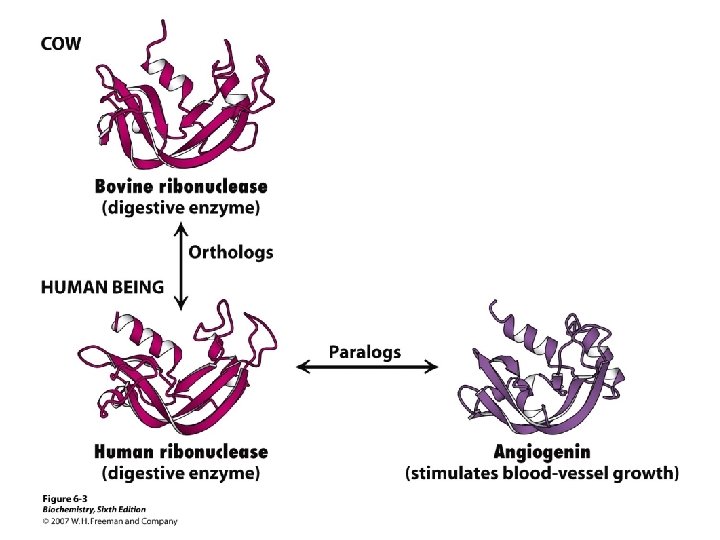
6. 1 Homologs are descended from a common ancestor homologs paralogs orthologs Homology is often manifested by significant similarity in nucleotide or amino acid sequence and almost always manifested in 3 D structure
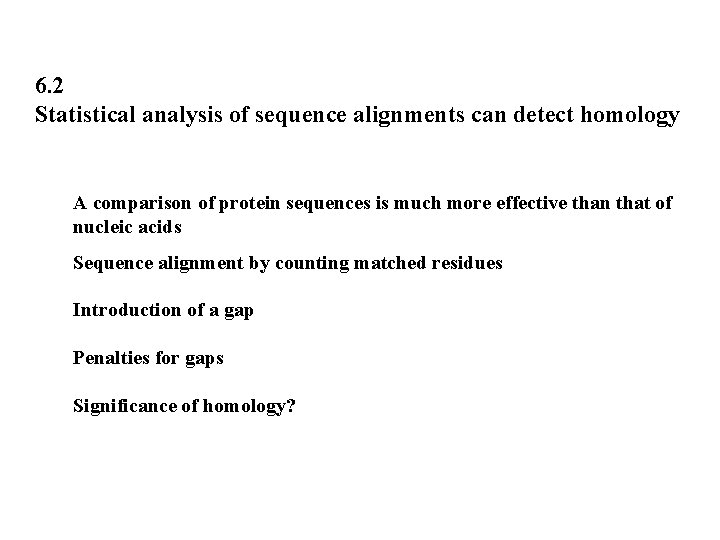
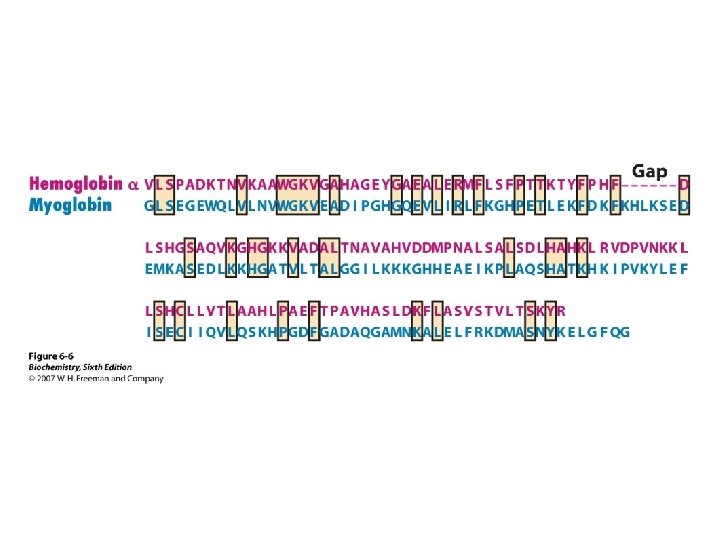
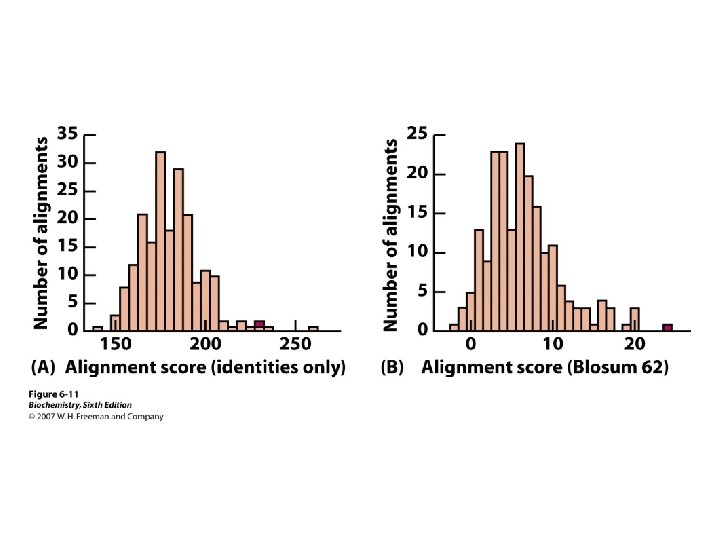
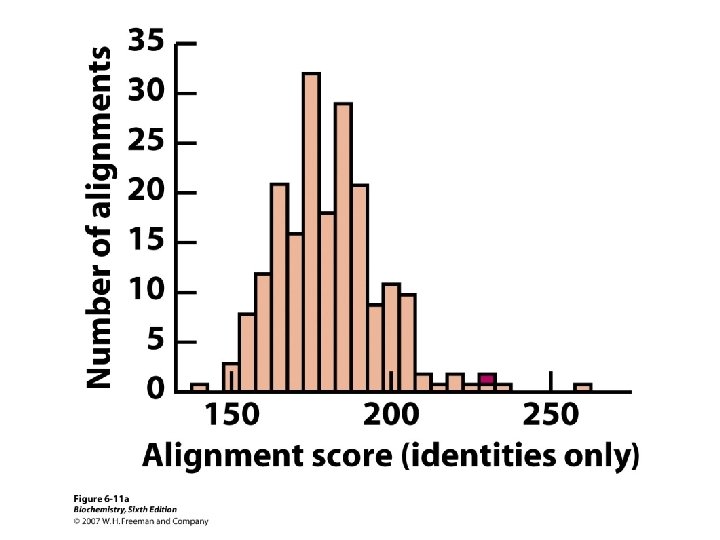
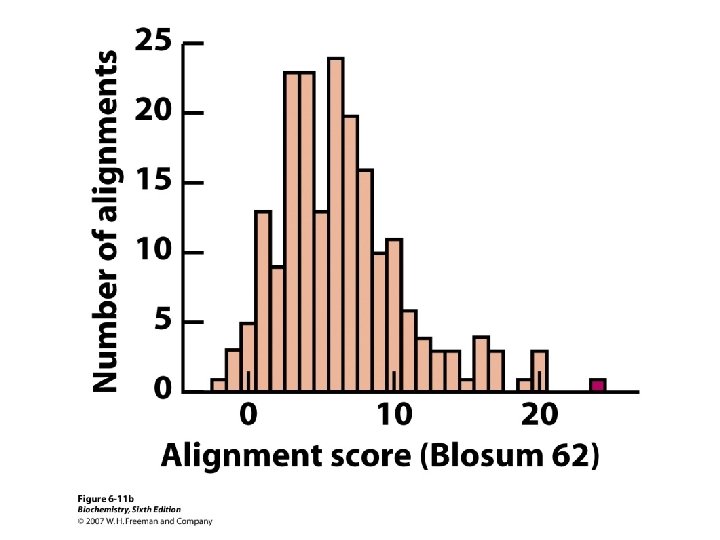
6. 2 Statistical analysis of sequence alignments can detect homology A comparison of protein sequences is much more effective than that of nucleic acids Sequence alignment by counting matched residues Introduction of a gap Penalties for gaps Significance of homology?
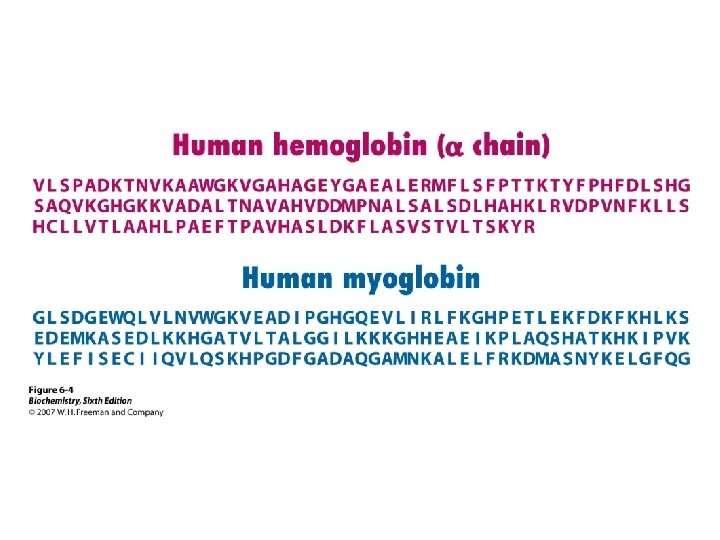
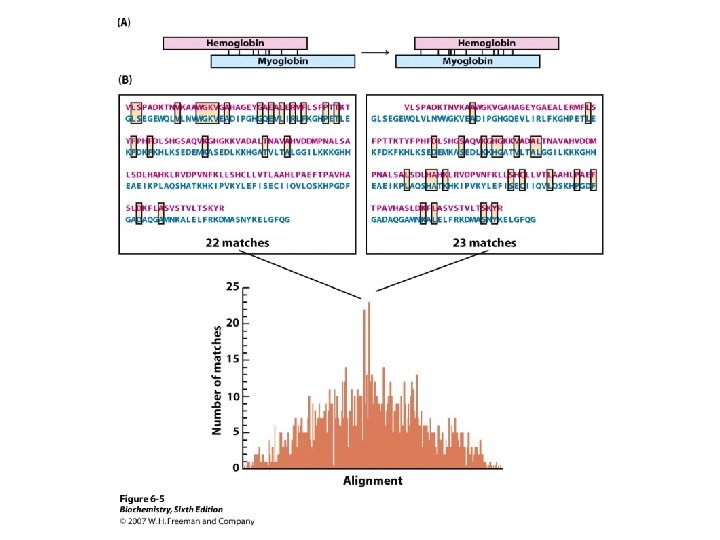

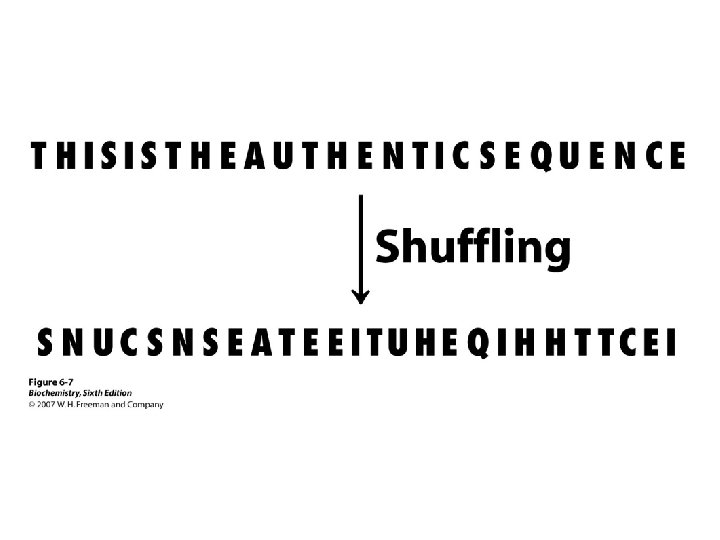
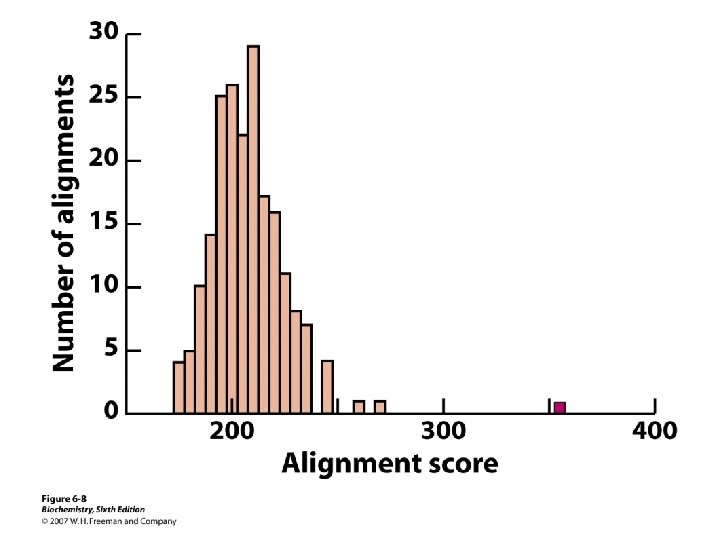
The statistical significance of alignments can be estimated by shuffling Random rearrangement - shuffling
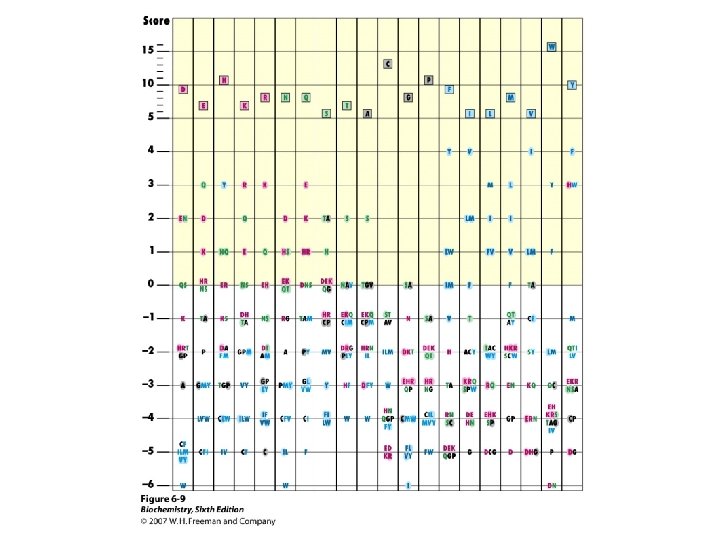
Distant evolutionary relationships can be detected through the use of substitution matrices Conservative substitutions Substitution matrices by examining the actual substitutions in related proteins Highest scores in C and W substitution High scores in K for R, I for V substitution Gap penalty: extension of an existing gap costs more penalty Firmer conclusion with substitution matrices Sequence identities greater than 25%: probably homologous
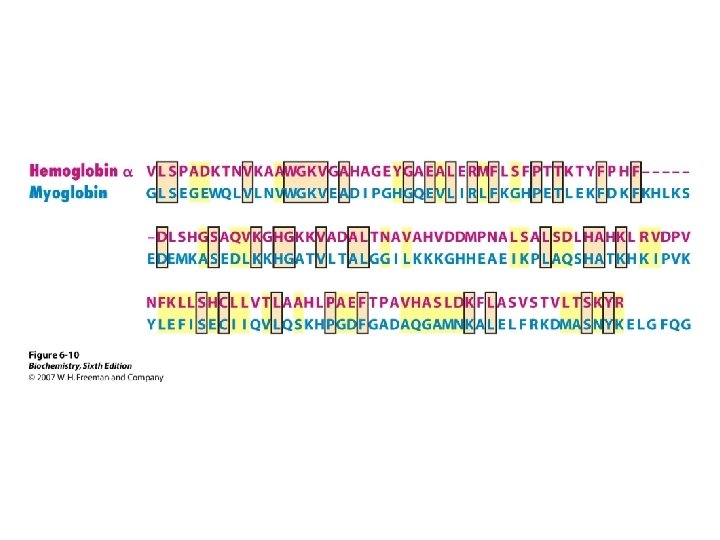
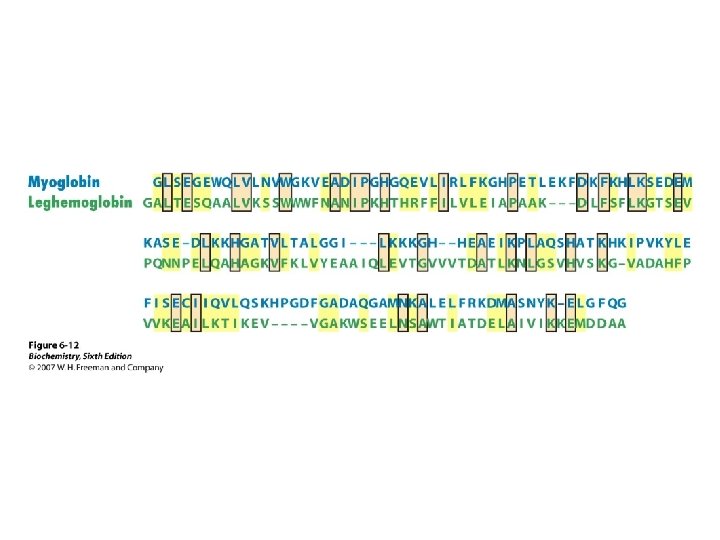
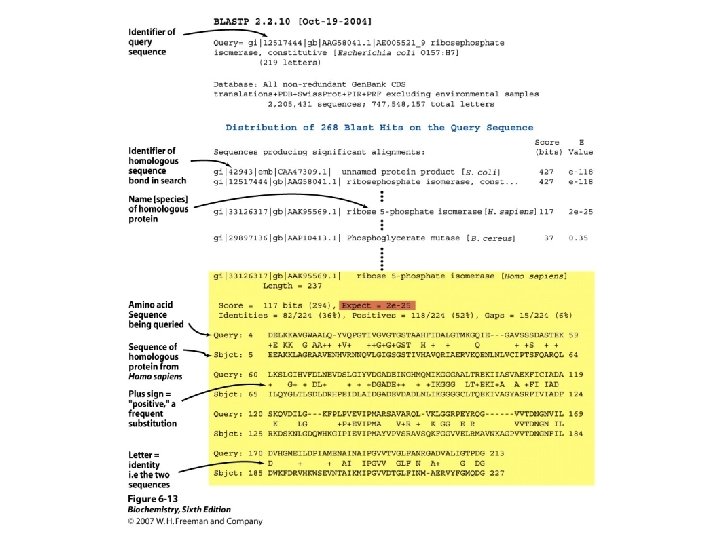
Databases can be searched to identify homologous sequences Genome sequencing Homologous proteins with known function Homologous proteins with unknown function Nonhomologous proteins
6. 3 Examination of three-dimensional structure enhances our understanding of evolutionary relationships The effects of mutations are at the level of function Function is directly related to tertiary structure
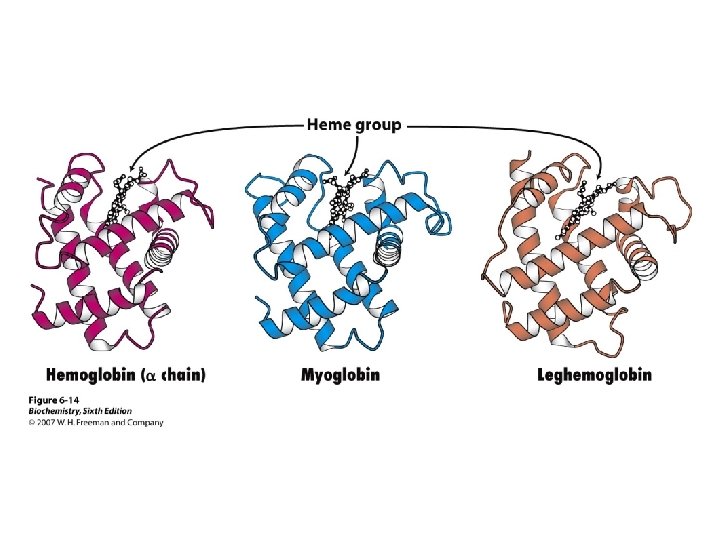
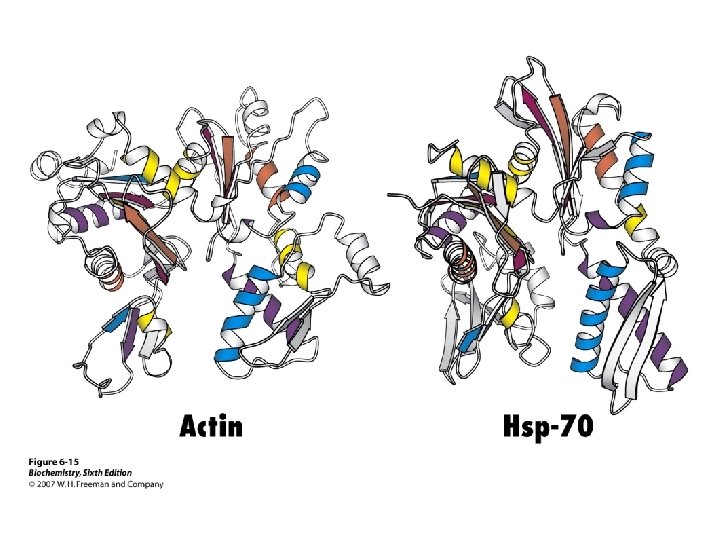
Tertiary structure is more conserved than primary structure Hemoglobin and leghemoglobin (15. 6%) Actin and Hsp 70 are paralogs Unexpected kinships are being found

Knowledge of Three-dimensional Structure can Aid in the Evaluation of Sequence Alignments Sequence template
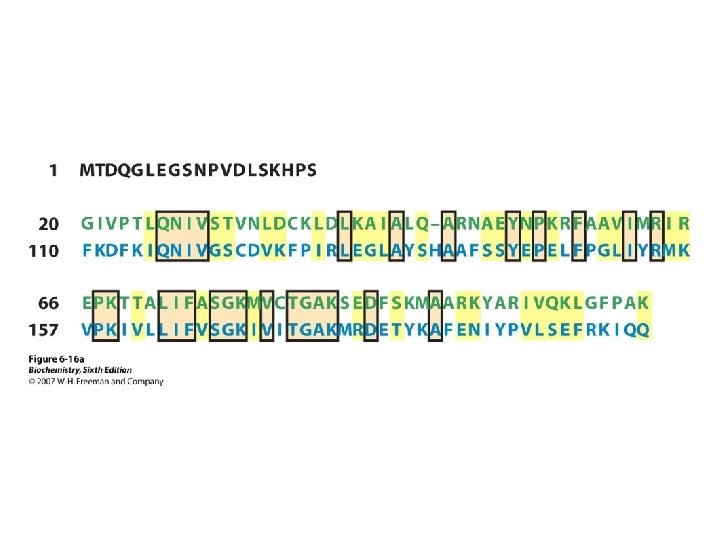
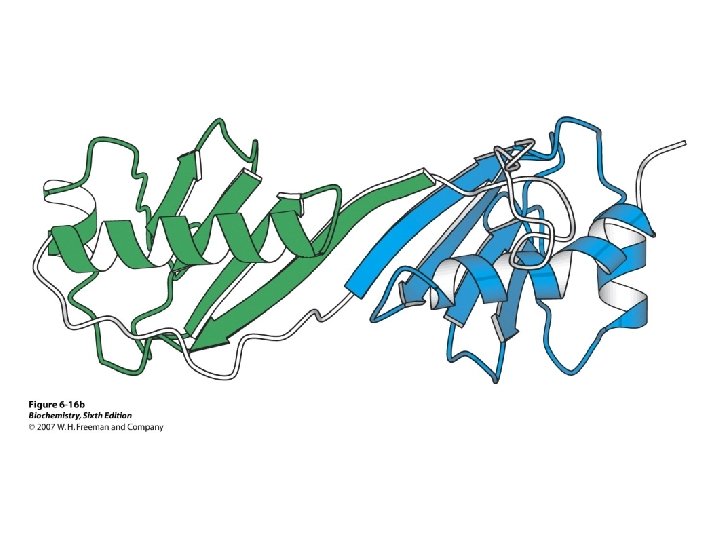
Repeated motifs can be detected by aligning sequences with themselves Self-diagonal plot Internal repeats in TBP
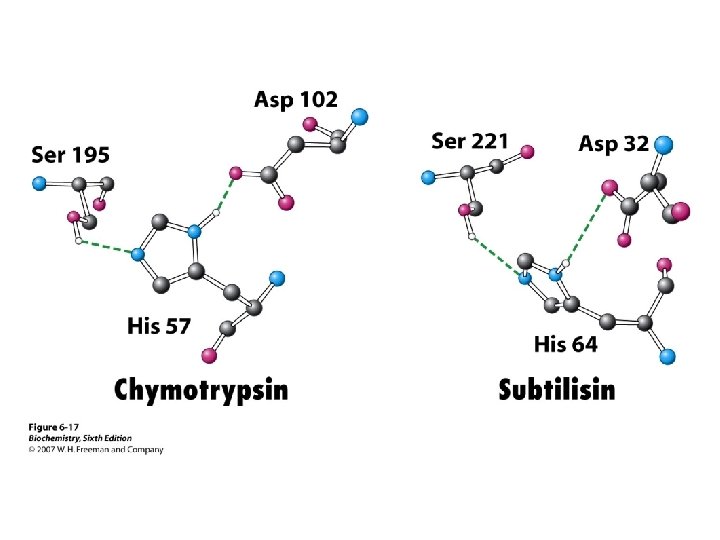
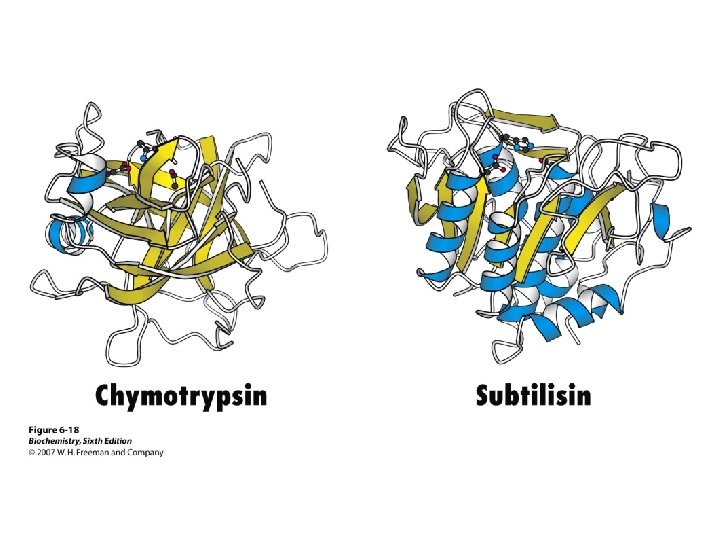
Convergent evolution: common solutions to biochemical challenges Divergent evolution Convergent evolution Chymotrypsin and subtilisin (catalytic triads)
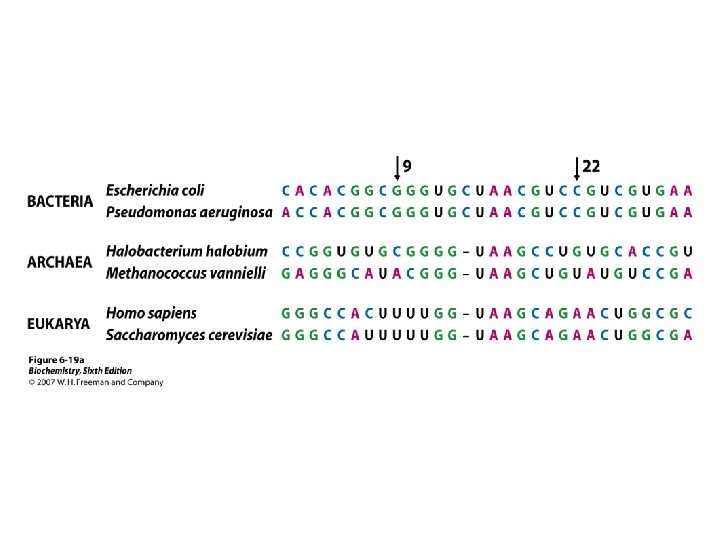
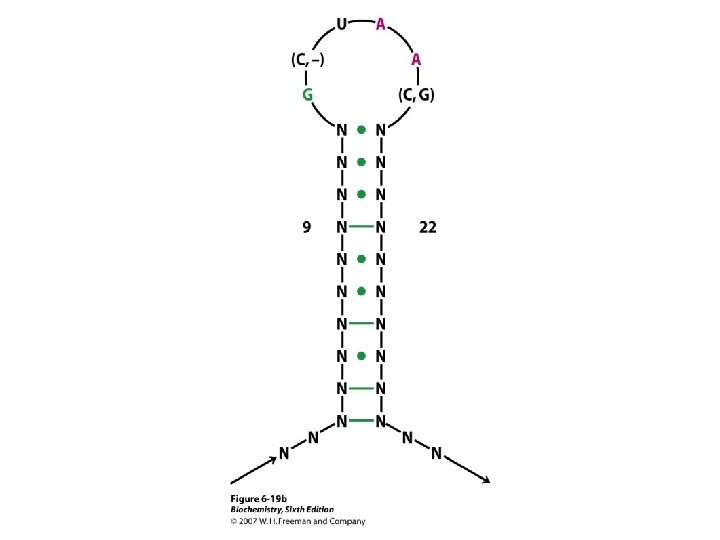
Comparison of RNA sequences can be a source of insight into secondary structures Clues to 3 D structure of RNA Base sequences may vary, but base-pairing ability is conserved
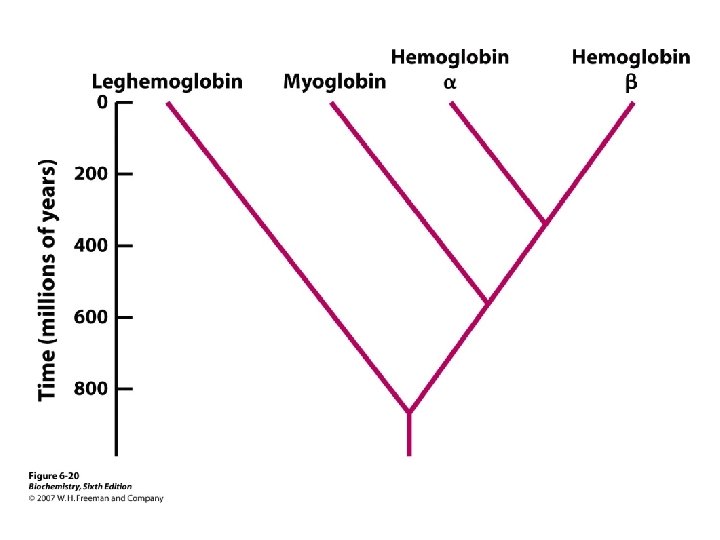
6. 4 Evolutionary trees can be constructed on the basis of sequence information Sequences more similar to one another have had less evolutionary time than sequences less similar Evolutionary tree Comparison with divergence time determined from the fossil record
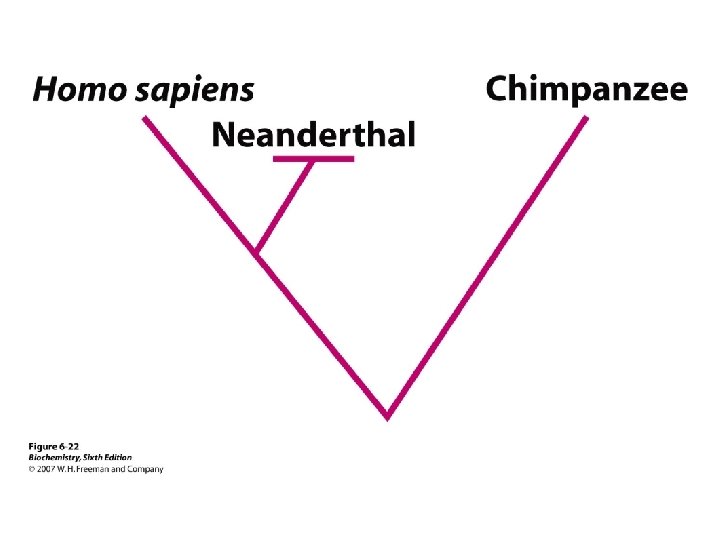
6. 5 Modern techniques make the experimental exploration of evolution possible Ancient DNA can sometimes be amplified and sequenced
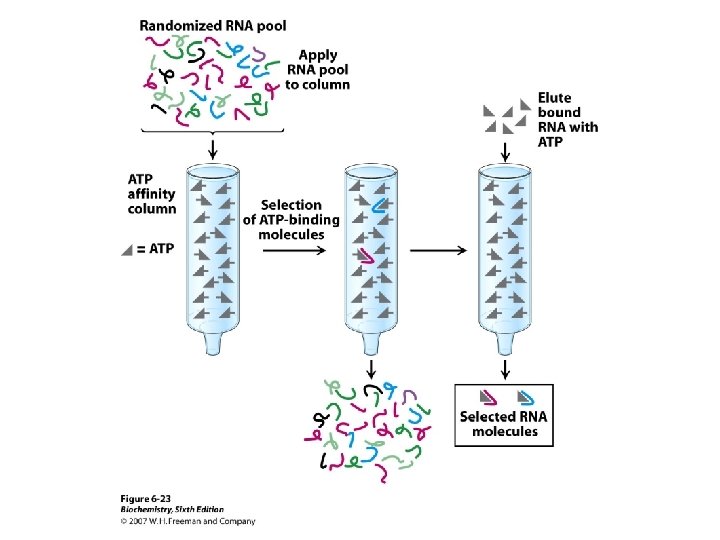
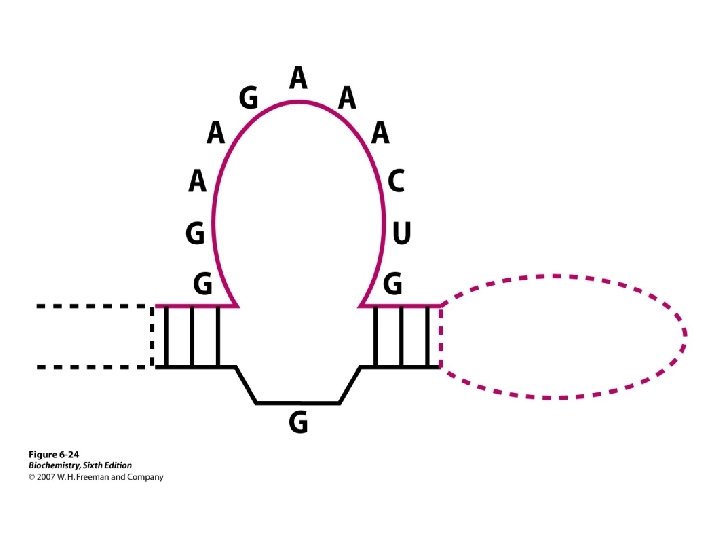
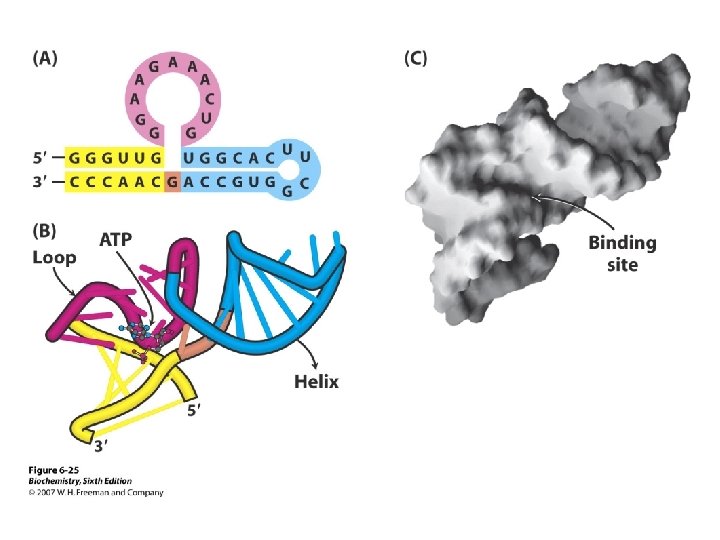
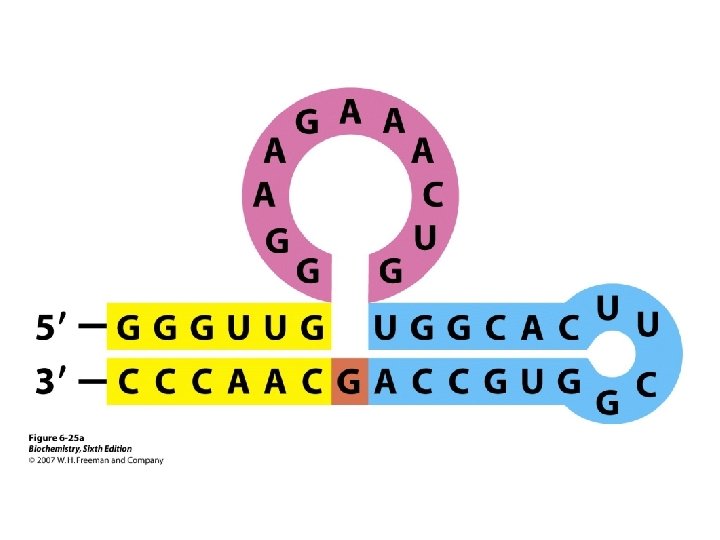
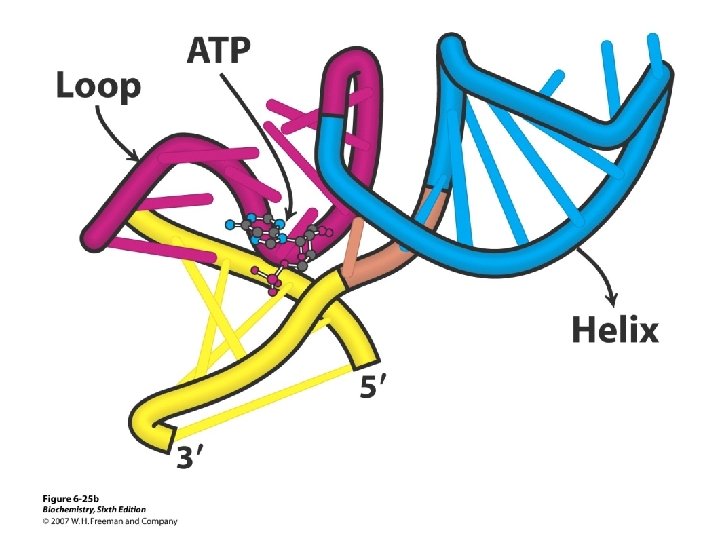
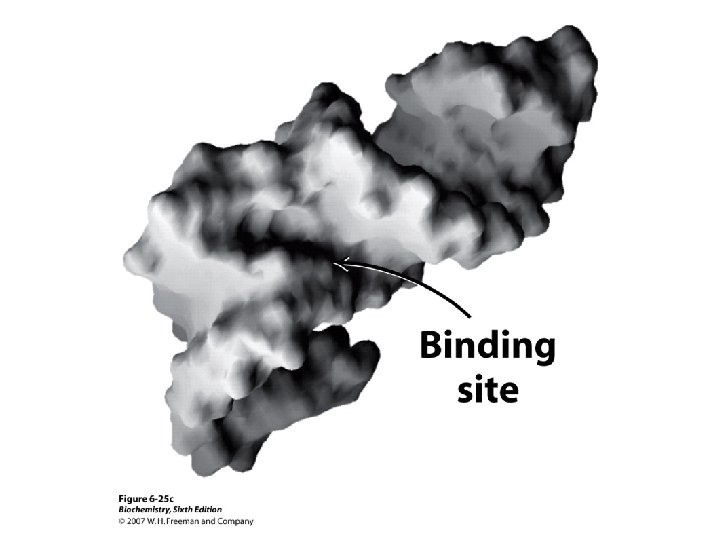
Molecular evolution can be examined experimentally Generation of diverse population Selection of members based on some criterion of fitness Reproduction to enrich the population in more fit members Combinatorial chemistry ATP-binding RNA
- Slides: 49