
Benjamin A Pierce GENETICS A Conceptual Approach SIXTH
Benjamin A. Pierce GENETICS A Conceptual Approach SIXTH EDITION CHAPTER 1 Introduction to Genetics © 2017 W. H. Freeman and Company
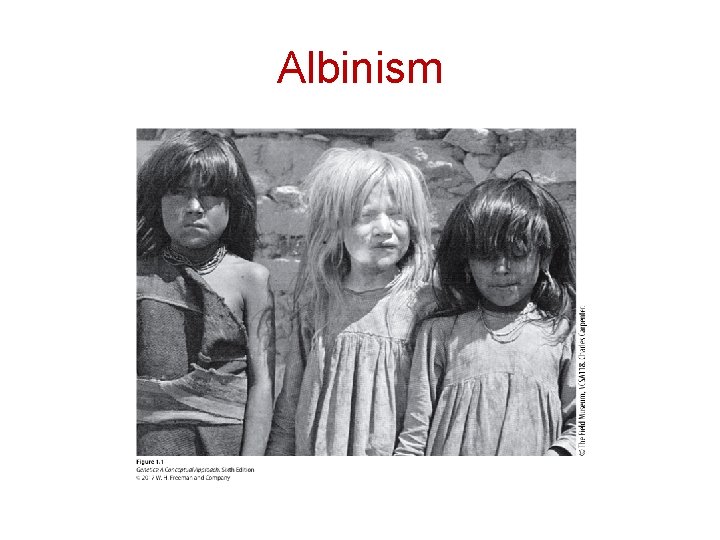
Albinism

Chapter 1: Introduction to Genetics • The importance of genetics • The history of genetics • The fundamental terms and principles of genetics
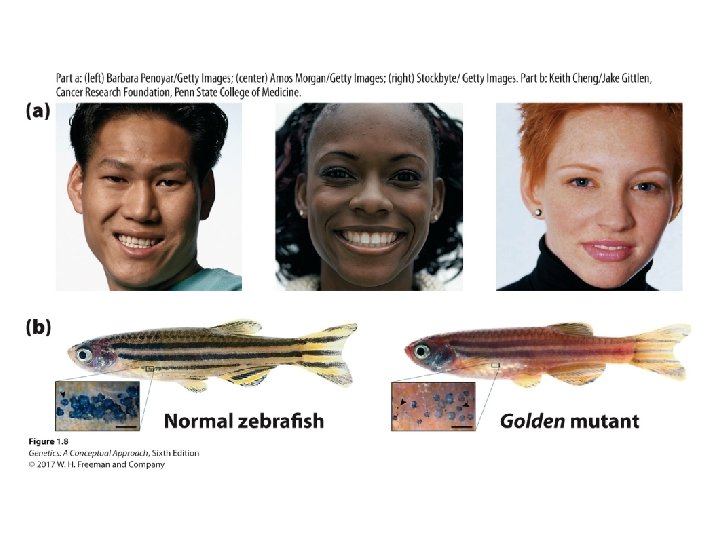
1. 1 Genetics Is Important to Individuals, to Society, and to the Study of Biology • Genes influence our lives. • Genes contribute to personality. • Genes are fundamental to who and what we are.
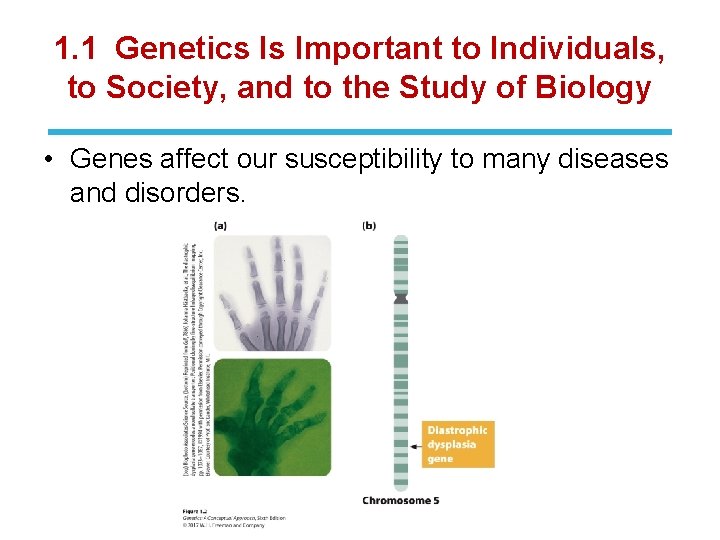
1. 1 Genetics Is Important to Individuals, to Society, and to the Study of Biology • Genes affect our susceptibility to many diseases and disorders.
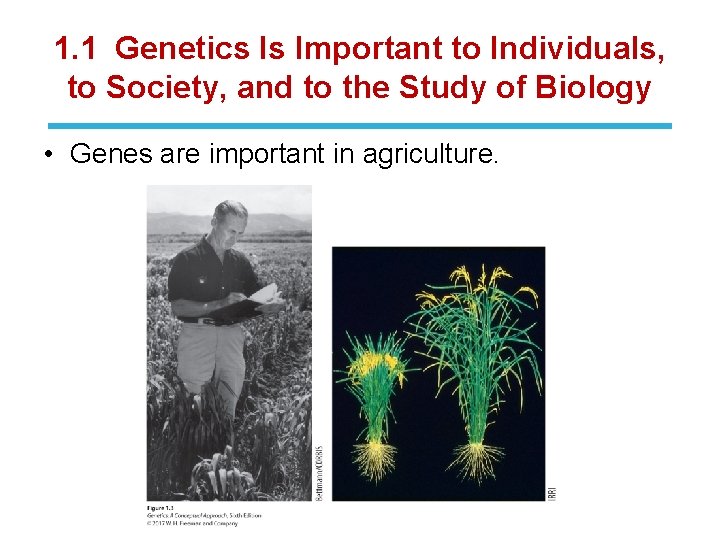
1. 1 Genetics Is Important to Individuals, to Society, and to the Study of Biology • Genes are important in agriculture.
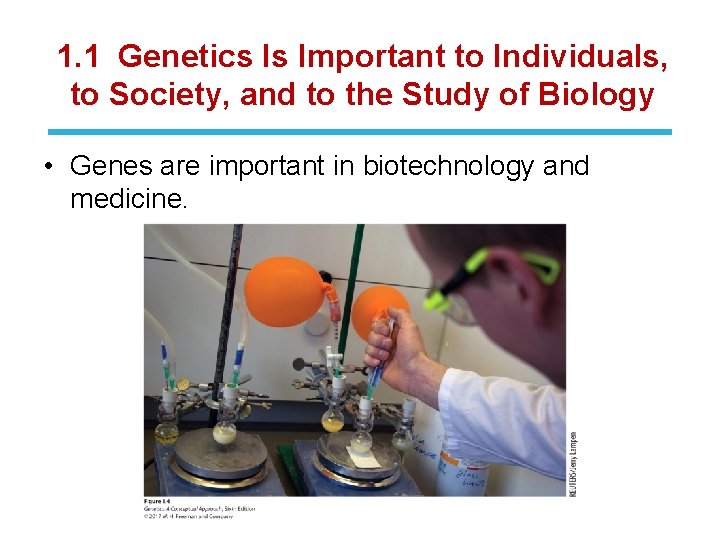
1. 1 Genetics Is Important to Individuals, to Society, and to the Study of Biology • Genes are important in biotechnology and medicine.
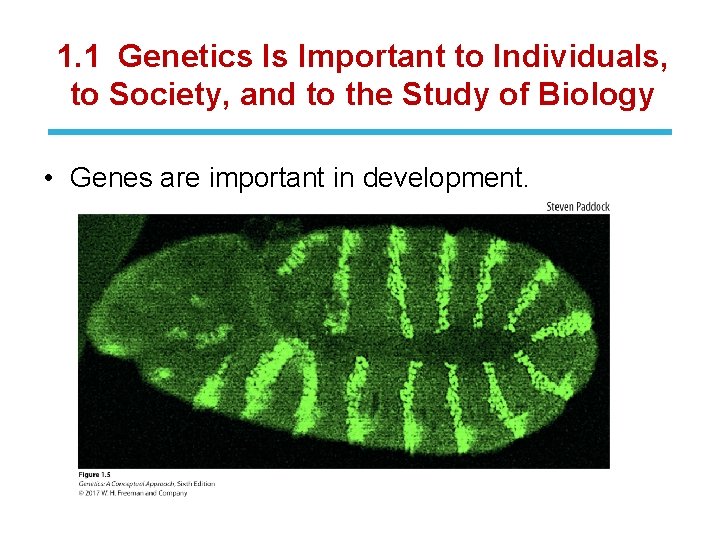
1. 1 Genetics Is Important to Individuals, to Society, and to the Study of Biology • Genes are important in development. INSERT FIG 1. 5
Genome • A genome is a complete set of genetic instructions for any organism. • Either RNA or DNA • Copied during process of replication
Genetics and Evolution • Coding system for genetic information is the same in all living organisms. • All organisms are thought to have evolved from a common ancestor around 4 billion years ago.
DNA in the Biosphere • Tremendous amount of DNA in the biosphere • Scientists cataloging the diversity in the biosphere use DNA analysis.
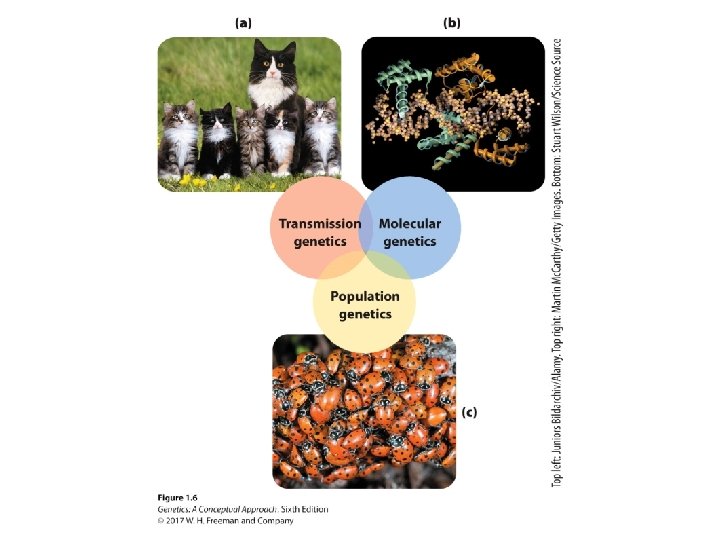
Division of Genetics • Transmission genetics • Molecular genetics • Population genetics
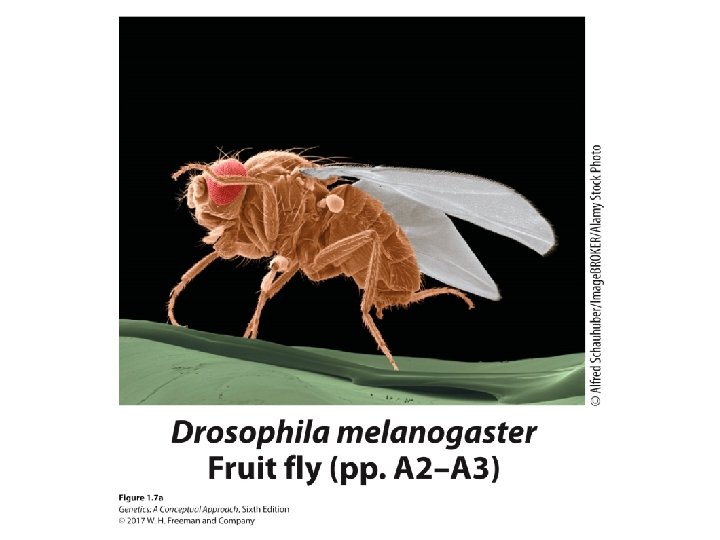
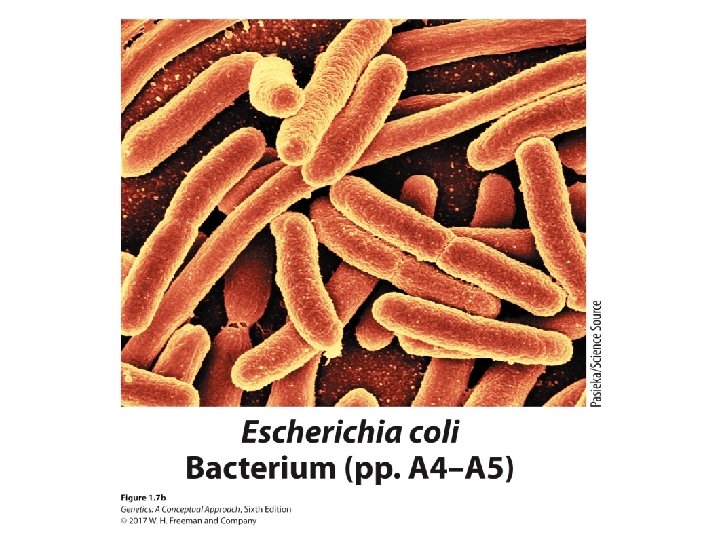
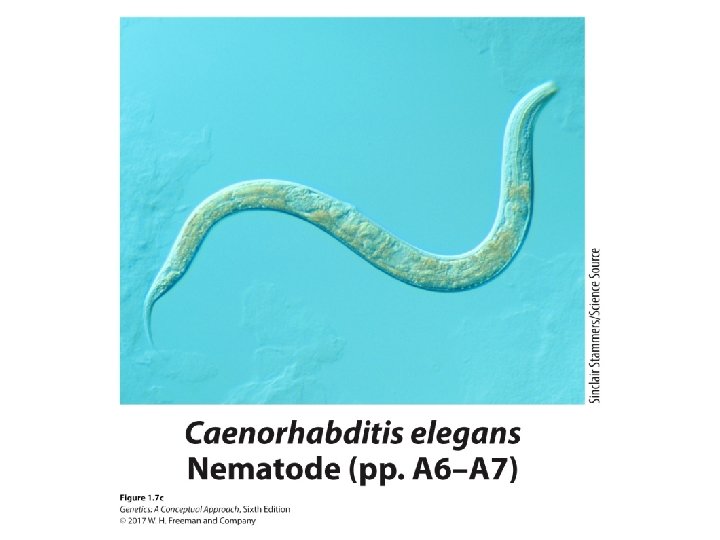
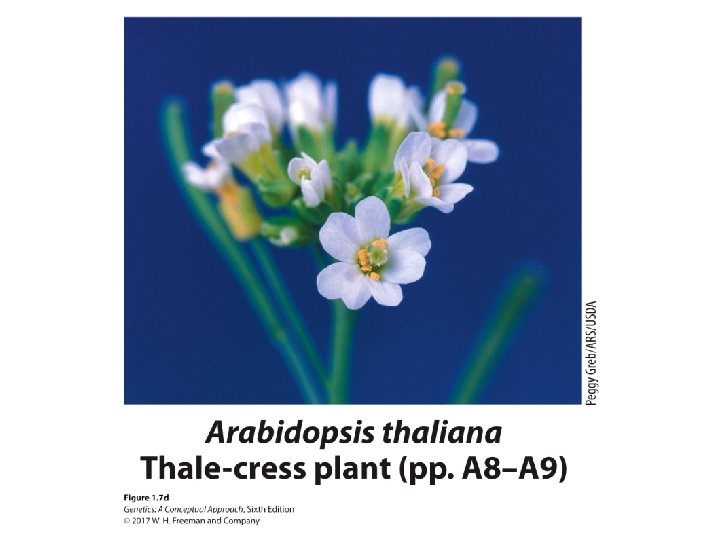
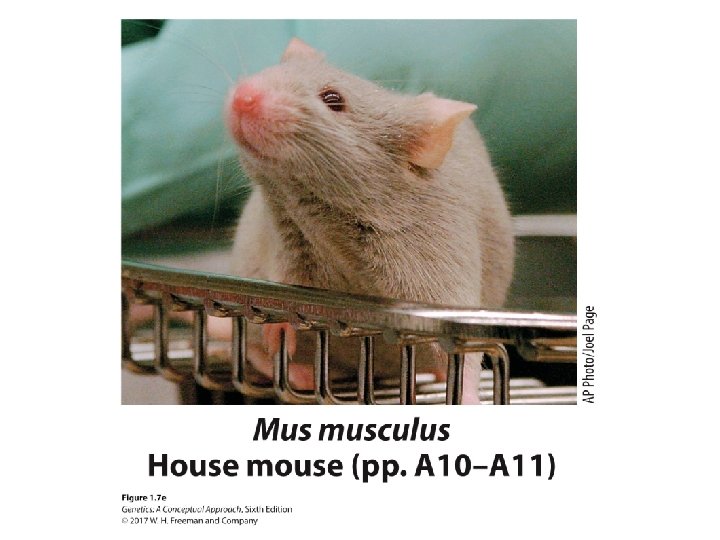
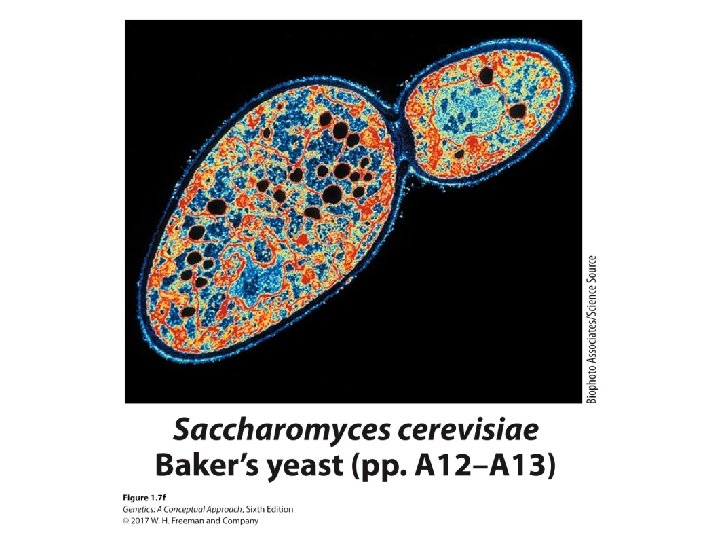
Model Genetic Organisms • Model genetic organisms are organisms with characteristics that make them useful for genetic analysis. • Six have been the most intensively studied genetically.
Common Characteristics of Model Organisms • Short generation time • Production of numerous progeny • The ability to carry out controlled genetic crosses • The ability to be reared in a laboratory environment • The availability of numerous genetic variants • An accumulated body of knowledge about their genetic systems
Concept Check 1 What are some of the implications of all organisms having similar genetic systems? a. that all life forms are genetically related b. that research findings on one organism’s gene function can often be applied to other organisms c. that genes from one organism can often exist and thrive in another organism d. all of the above
Concept Check 1 What are some of the implications of all organisms having similar genetic systems? a. that all life forms are genetically related b. that research findings on one organism’s gene function can often be applied to other organisms c. that genes from one organism can often exist and thrive in another organism d. all of the above
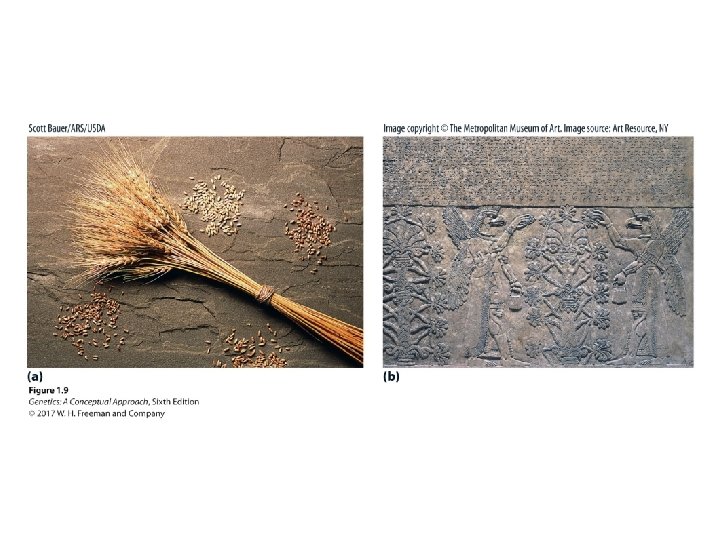
1. 2 Humans Have Been Using Genetics for Thousands of Years 1. 10, 000– 12, 000 years ago: domestication of plants and animals 2. Ancient Jewish writing: understanding of genetics of hemophilia 3. Ancient Greeks: theories of inheritance
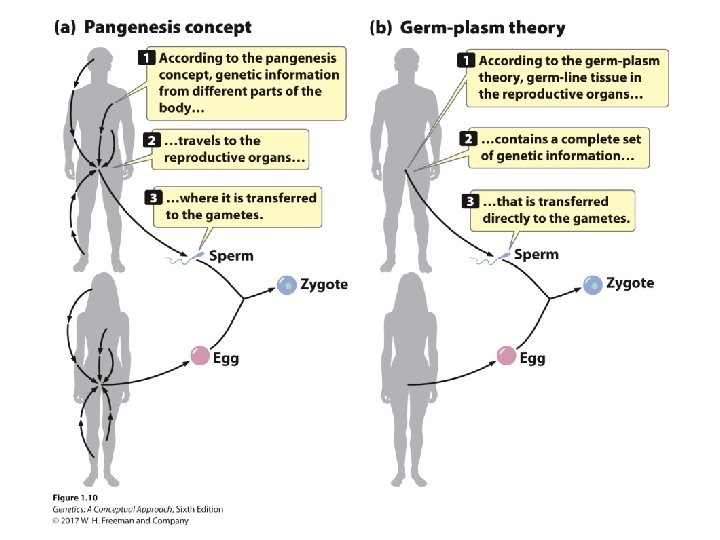
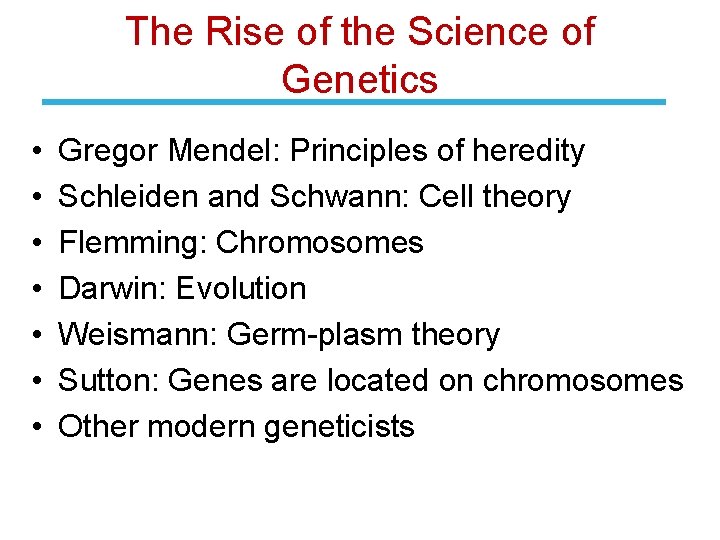
The Rise of the Science of Genetics • • Gregor Mendel: Principles of heredity Schleiden and Schwann: Cell theory Flemming: Chromosomes Darwin: Evolution Weismann: Germ-plasm theory Sutton: Genes are located on chromosomes Other modern geneticists
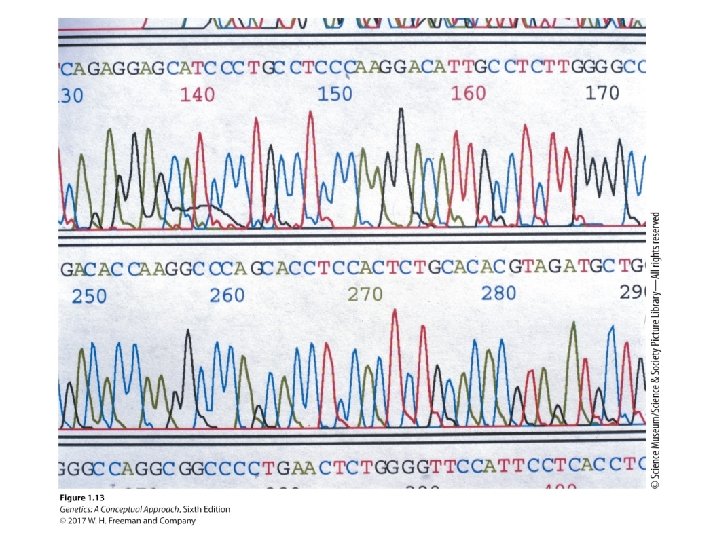
1. 3 Fundamental Concepts in Genetics • Eukaryotic vs. prokaryotic • Genes are the fundamental unit of heredity. • Genes come in multiple forms called alleles. • Genes confer phenotypes. • Genetic information is carried in DNA and RNA. • Genes are located on chromosomes.
1. 3 Fundamental Concepts in Genetics (continued) • Chromosomes separate through mitosis and meiosis. • DNA to RNA to protein • Mutations can cause permanent changes. • Some traits are affected by multiple factors. • Evolution is genetic change.
- Slides: 31