
Bellwork Start a NEW section in your notes
Bellwork • Start a NEW section in your notes! • What do you want to be when you grow up? – Or something you MIGHT want to be (No Pressure)
Agenda • Ch. 11 KBAT • Notes: Distribution of Industries
Holy Procedures Batman! • • • Late Work Barron’s=Improved! Post-Test Etiquette Remind So about Fortnite and PUBG…
Objective • You will be able to summarize the distribution and differences in industries around the world.
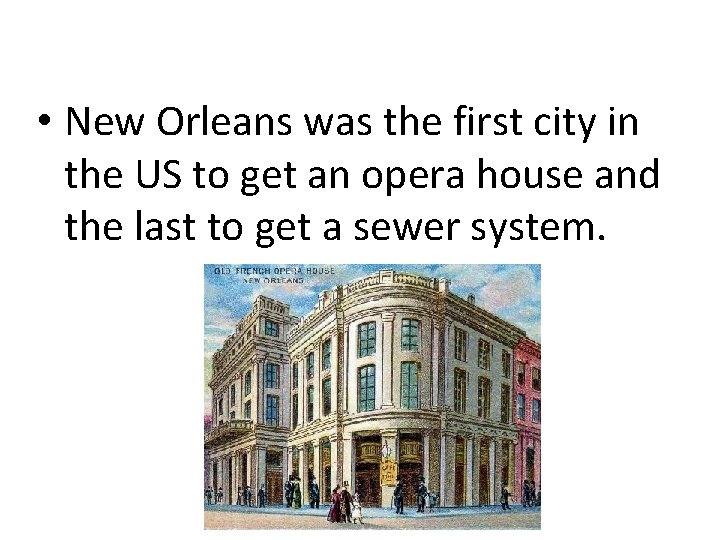
• New Orleans was the first city in the US to get an opera house and the last to get a sewer system.
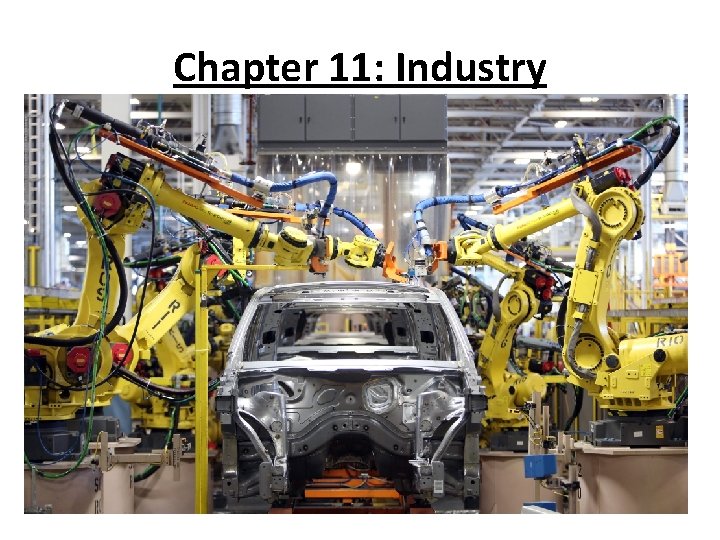
Chapter 11: Industry
I. Distribution of Industry
A. Industrial Regions 1. Industrial Revolution: a bunch of technological improvements that changed the process of manufacturing a. Started in the 1800’s in the UK b. Spread through Europe first, then to U. S.
Video: Crash Course
B. Industrial Regions Today 1. Europe a. UK: steel, textiles, hi-tech b. Western Europe: Synthetic fibers, pharmaceuticals, coal, iron c. Eastern Europe: ship building, minerals, petroleum, coal
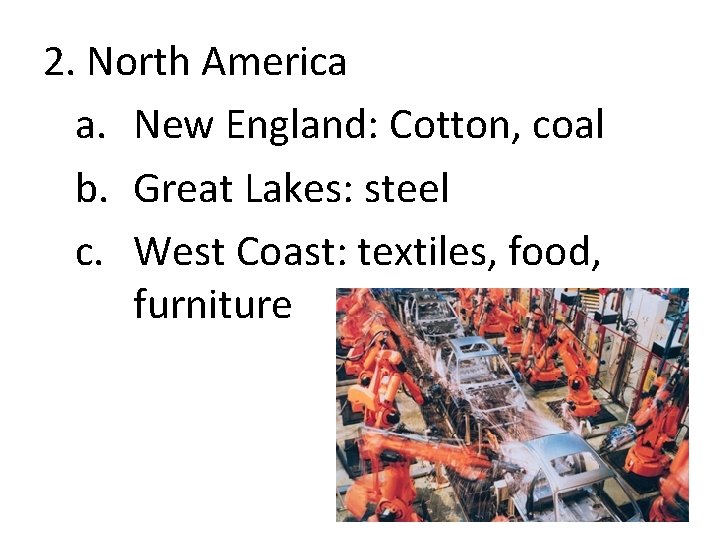
2. North America a. New England: Cotton, coal b. Great Lakes: steel c. West Coast: textiles, food, furniture
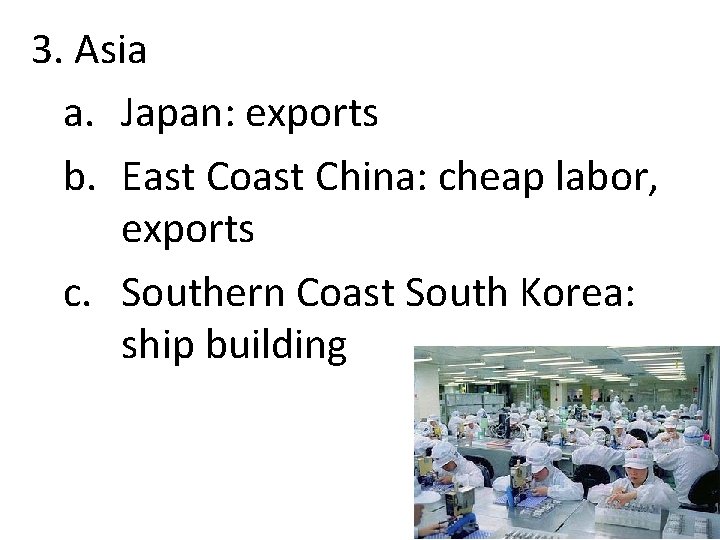
3. Asia a. Japan: exports b. East Coast China: cheap labor, exports c. Southern Coast South Korea: ship building
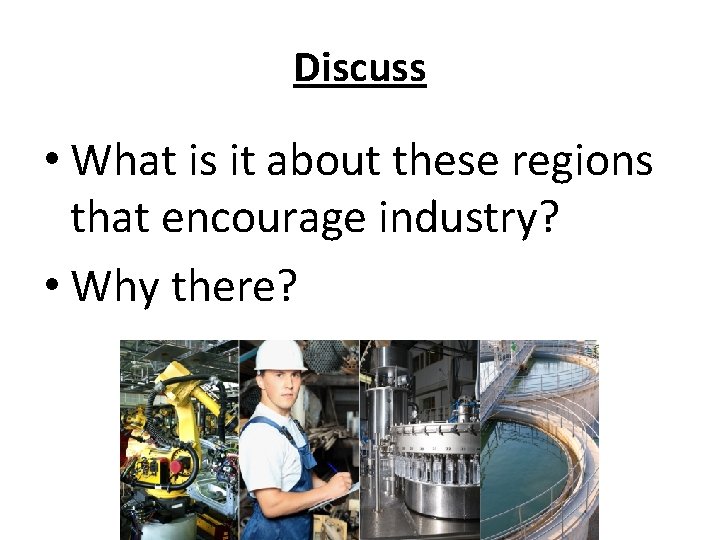
Discuss • What is it about these regions that encourage industry? • Why there?
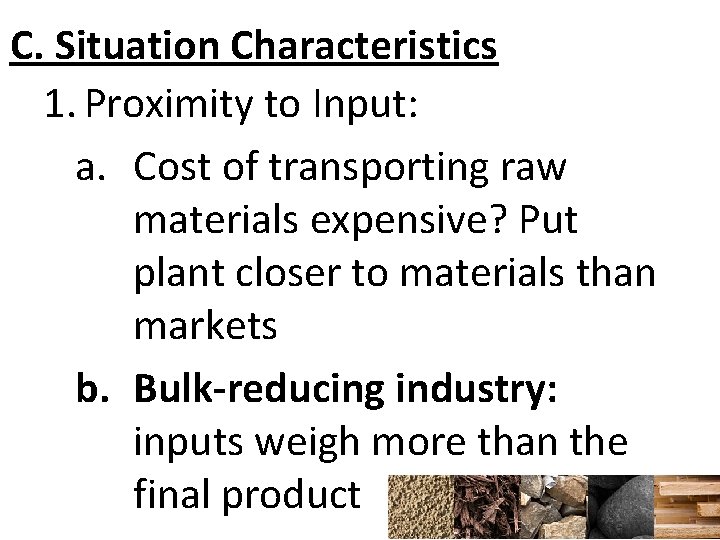
C. Situation Characteristics 1. Proximity to Input: a. Cost of transporting raw materials expensive? Put plant closer to materials than markets b. Bulk-reducing industry: inputs weigh more than the final product
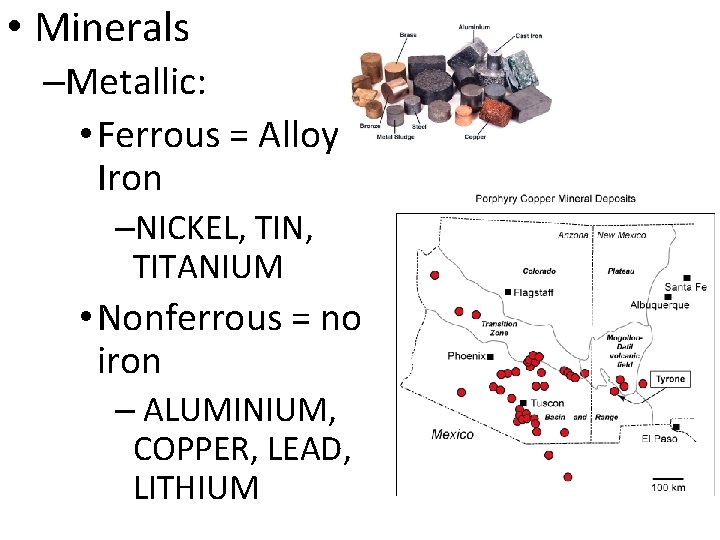
• Minerals –Metallic: • Ferrous = Alloy with Iron –NICKEL, TIN, TITANIUM • Nonferrous = no iron – ALUMINIUM, COPPER, LEAD, LITHIUM
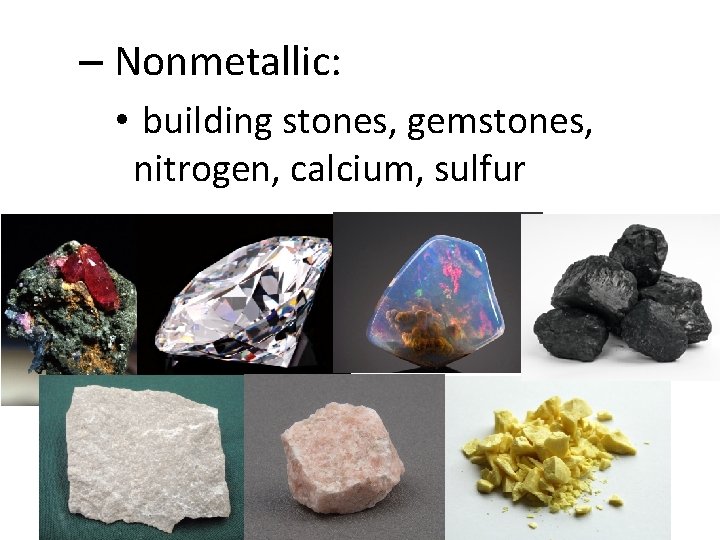
– Nonmetallic: • building stones, gemstones, nitrogen, calcium, sulfur
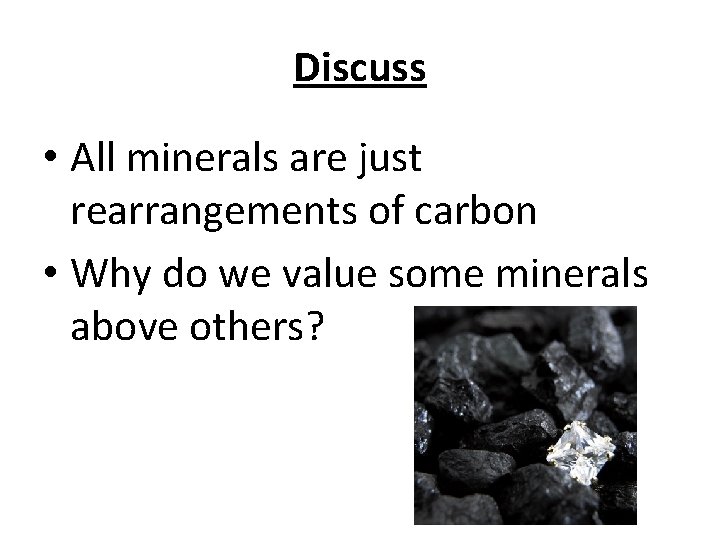
Discuss • All minerals are just rearrangements of carbon • Why do we value some minerals above others?
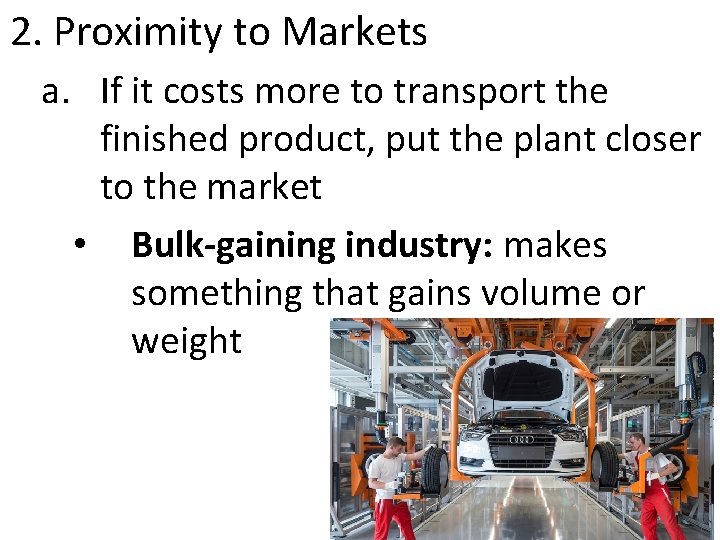
2. Proximity to Markets a. If it costs more to transport the finished product, put the plant closer to the market • Bulk-gaining industry: makes something that gains volume or weight
3. Transportation a. Companies want the cheapest transportation a. Trucks: quick and cheap (for short distances) b. Trains: take longer, but no stops c. Ships: cheap! But slow d. Air: Most expensive, but fastest
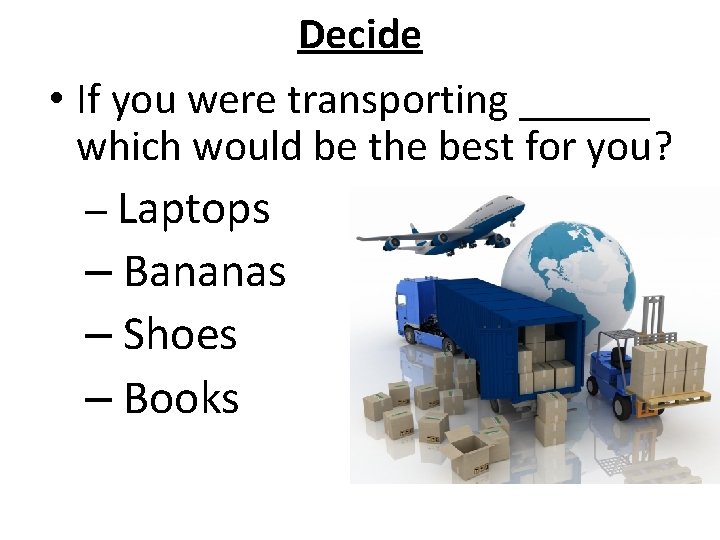
Decide • If you were transporting ______ which would be the best for you? – Laptops – Bananas – Shoes – Books
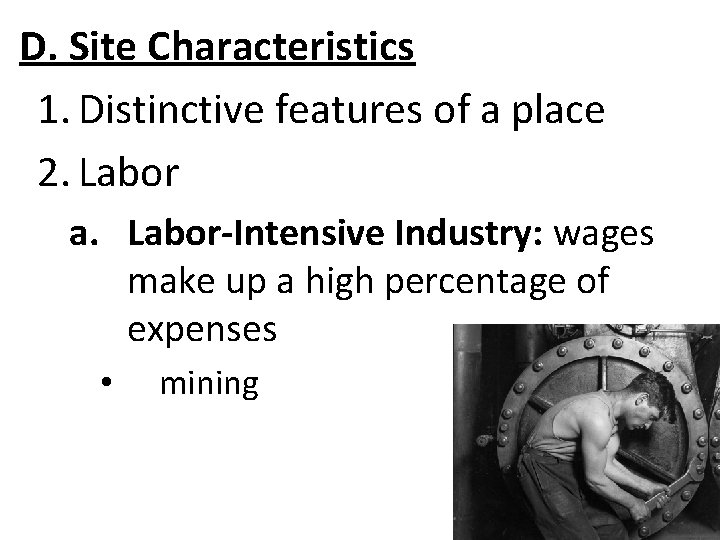
D. Site Characteristics 1. Distinctive features of a place 2. Labor a. Labor-Intensive Industry: wages make up a high percentage of expenses • mining
3. Capital a. Capital: money available to use b. Need to be able to borrow money to start or expand manufacturing
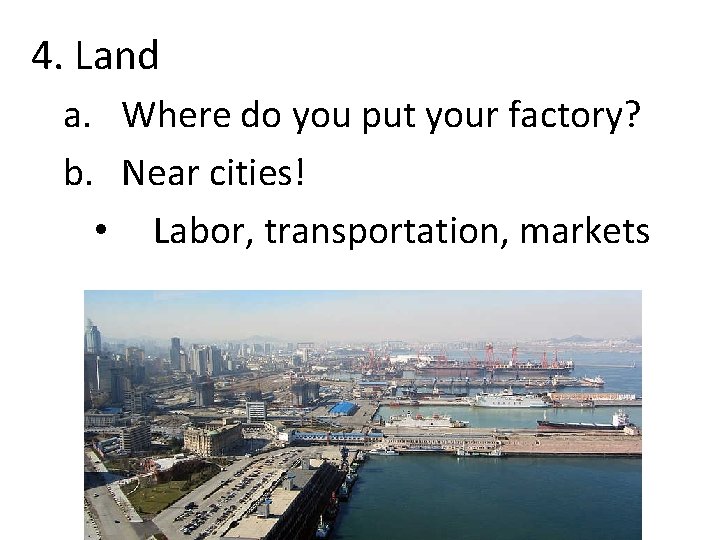
4. Land a. Where do you put your factory? b. Near cities! • Labor, transportation, markets
Summary: • Describe the distribution of industry around the world, by designing your own FRQ question. • Then create a sample answer that you would use to judge other responses.
- Slides: 24