
BELLRINGER 1016 1 Take out your Age of

BELLRINGER: 10/16 1. Take out your Age of Exploration/Discovery Study Guide. 2. Begin reviewing for your test.
After you finish the test… 1. Turn in your test to the 1 st block drawer in the back. 2. Pick up the three packets by the drawer. o 37. SOL Reading #5 o No Page # for Vocab o 38. NOTES: Ottoman and Mughal Empires 3. Begin working on the SOL Reading and vocab until everyone has finished their test. 4. We will then begin the notes for today.
Add in empty vocab box: “The shift from mercantilism to capitalism in which new markets developed”
AGENDA: 10/16 1 . Quick Cram Study 2. Mini-Test: Age of Exploration 3. NOTES: Ottoman and Mughal Empires 4. SOL Reading #4 and Global Trade Vocab HOMEWORK: vocab Complete Global Trade
The Mughal and Ottoman Empires Ms. Allen 2015 -16 WHII
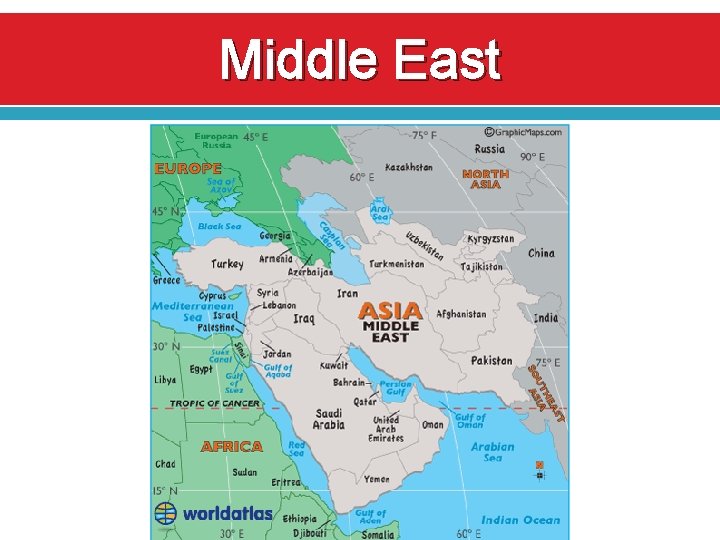
Middle East
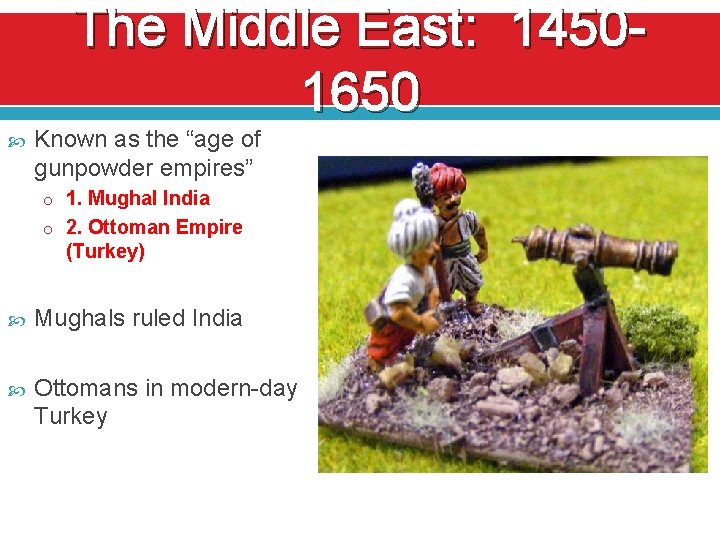
The Middle East: 14501650 Known as the “age of gunpowder empires” o 1. Mughal India o 2. Ottoman Empire (Turkey) Mughals ruled India Ottomans in modern-day Turkey
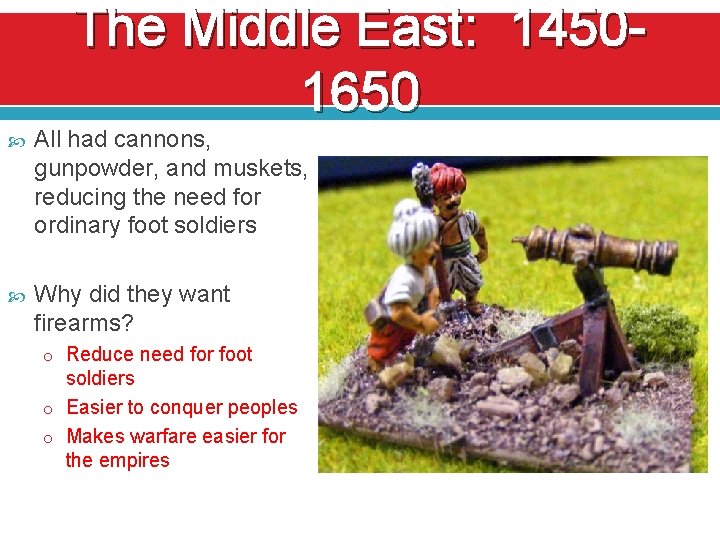
The Middle East: 14501650 All had cannons, gunpowder, and muskets, reducing the need for ordinary foot soldiers Why did they want firearms? o Reduce need for foot soldiers o Easier to conquer peoples o Makes warfare easier for the empires
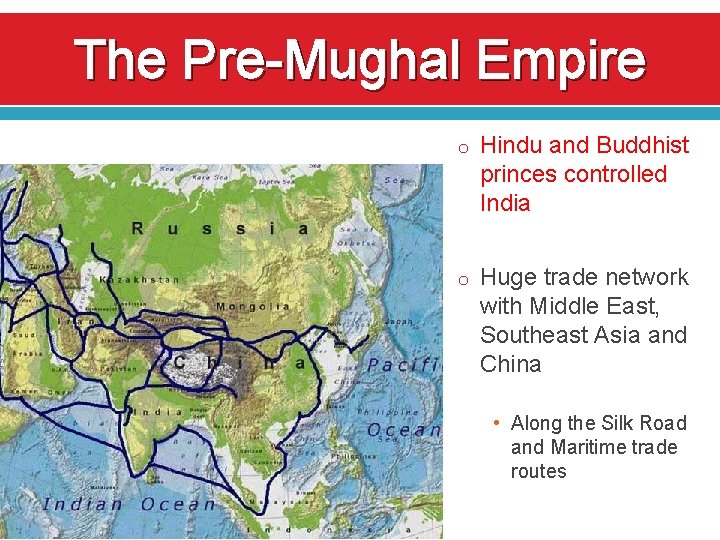
The Pre-Mughal Empire o Hindu and Buddhist princes controlled India o Huge trade network with Middle East, Southeast Asia and China • Along the Silk Road and Maritime trade routes
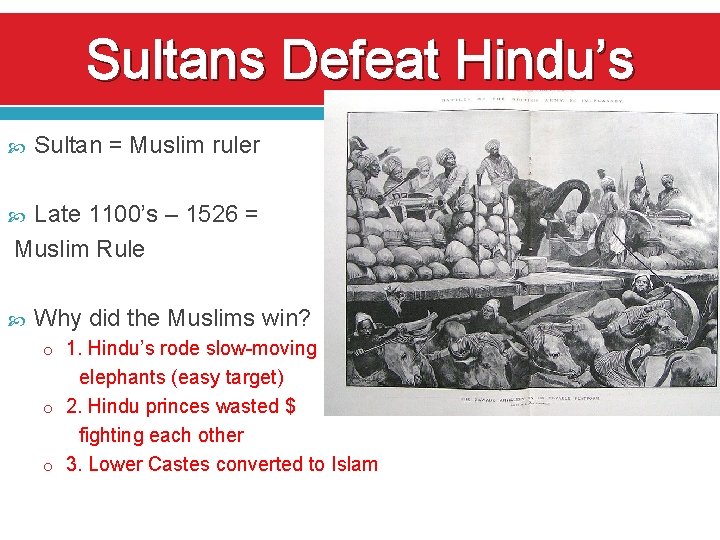
Sultans Defeat Hindu’s Sultan = Muslim ruler Late 1100’s – 1526 = Muslim Rule Why did the Muslims win? o 1. Hindu’s rode slow-moving elephants (easy target) o 2. Hindu princes wasted $ fighting each other o 3. Lower Castes converted to Islam
Muslim & Hindu Religions Clash • • Buddhism declines due to Muslim destruction Hinduism Ancient polytheistic caste system celebrated religious occasions w/ music and dance Muslim • New • monotheistic • equality of all/no hierarchy • no celebration of events
Sultans Grew tolerant of Hindu subjects Could practice with the payment of a Poll Tax Merchants converted to Islam because it expanded their trade network
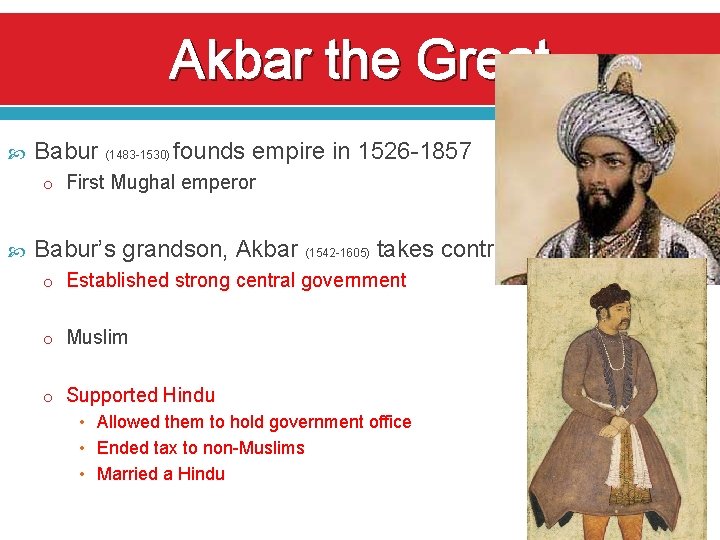
Akbar the Great Babur (1483 -1530) founds empire in 1526 -1857 o First Mughal emperor Babur’s grandson, Akbar (1542 -1605) takes control o Established strong central government o Muslim o Supported Hindu • Allowed them to hold government office • Ended tax to non-Muslims • Married a Hindu
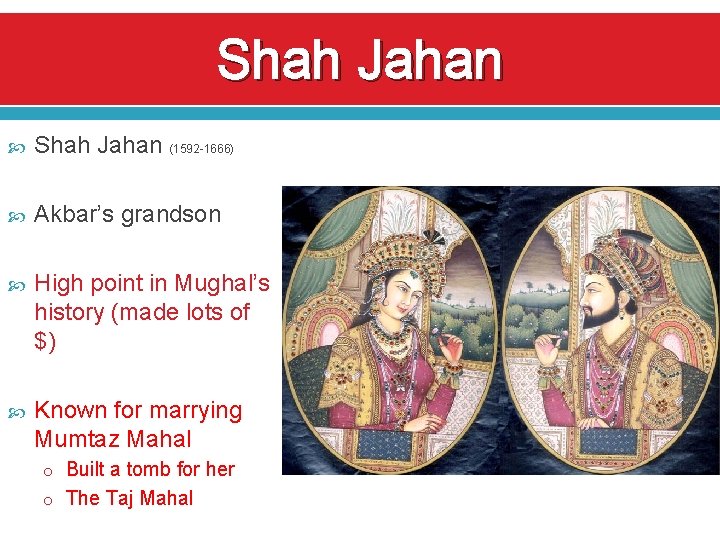
Shah Jahan (1592 -1666) Akbar’s grandson High point in Mughal’s history (made lots of $) Known for marrying Mumtaz Mahal o Built a tomb for her o The Taj Mahal
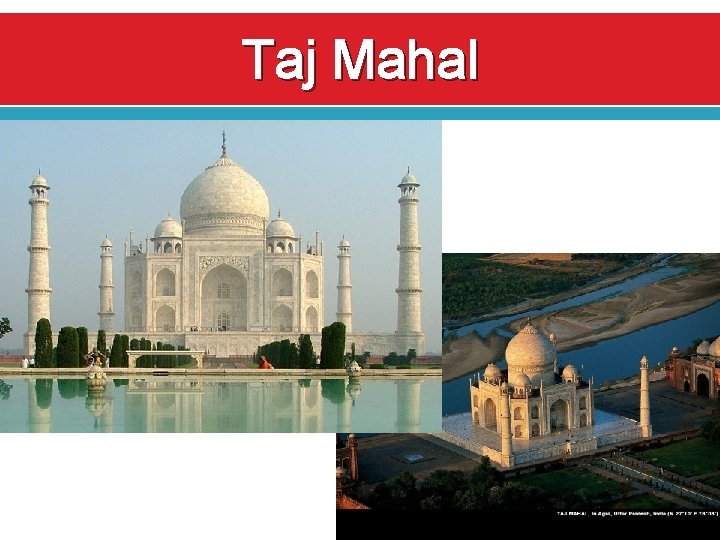
Taj Mahal

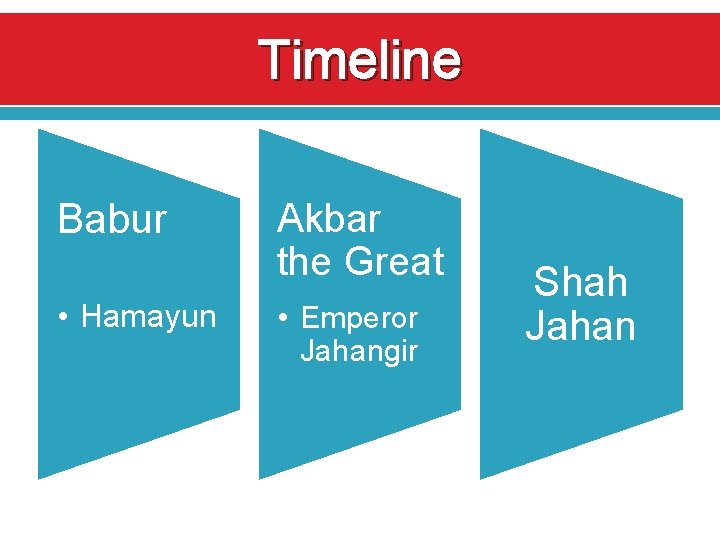
Timeline Babur • Hamayun Akbar the Great • Emperor Jahangir Shah Jahan
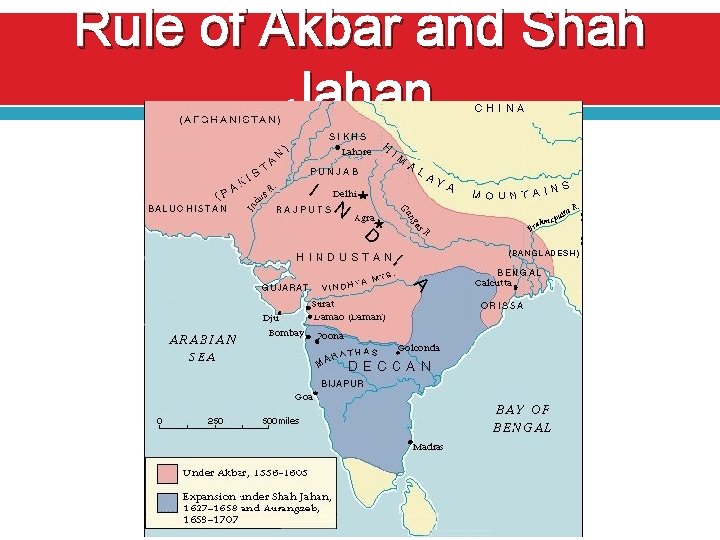
Rule of Akbar and Shah Jahan
Downfall of Mughal Empire 1) Successors are not as tolerant of Hindu’s 2) Heavy tax = economic hardships = Hindu revolts 3) European traders take advantage of the weakened Empire
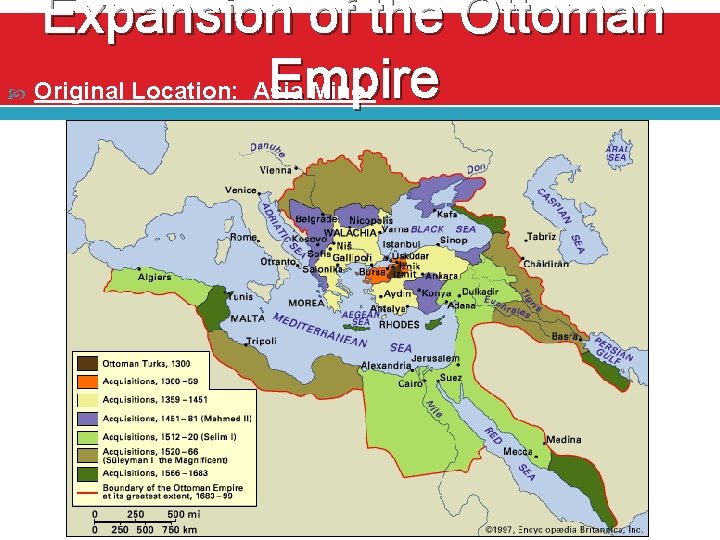
Expansion of the Ottoman Empire Original Location: Asia Minor
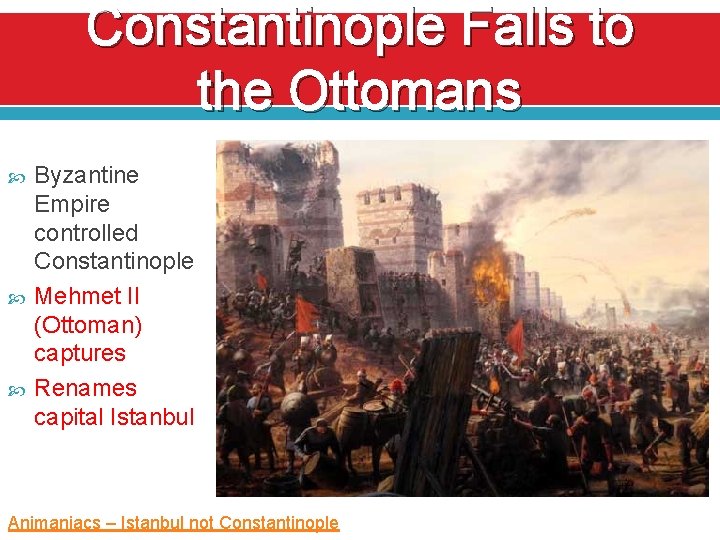
Constantinople Falls to the Ottomans Byzantine Empire controlled Constantinople Mehmet II (Ottoman) captures Renames capital Istanbul Animaniacs – Istanbul not Constantinople
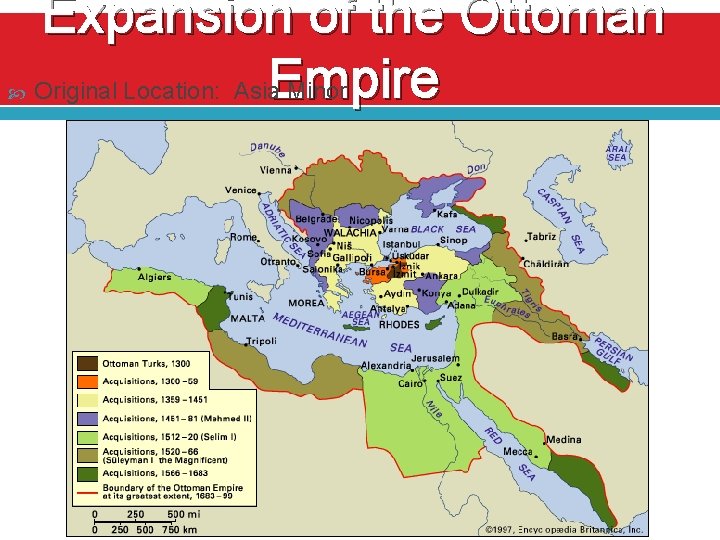
Expansion of the Ottoman Empire Original Location: Asia Minor
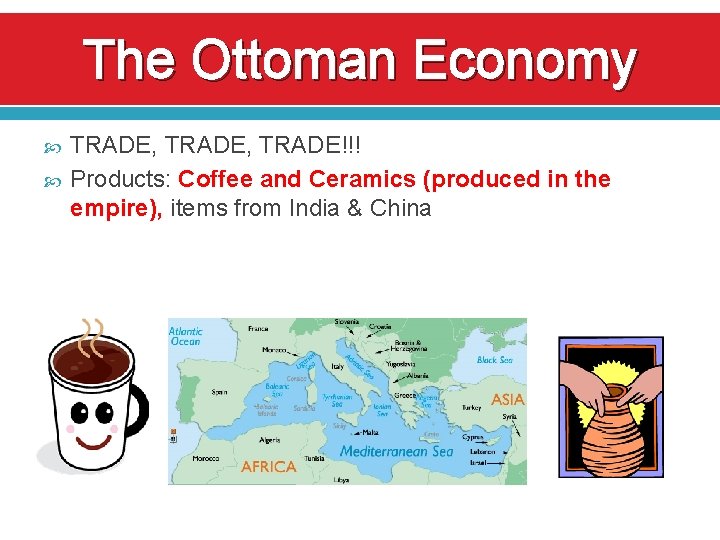
The Ottoman Economy TRADE, TRADE!!! Products: Coffee and Ceramics (produced in the empire), items from India & China
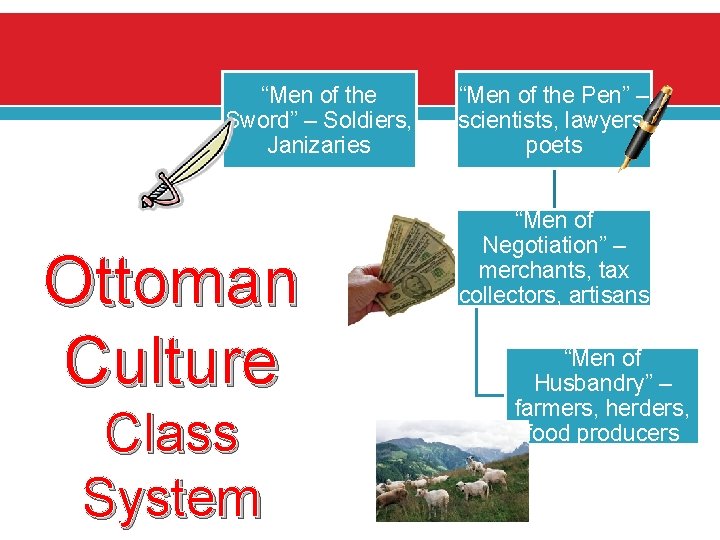
“Men of the Sword” – Soldiers, Janizaries Ottoman Culture Class System “Men of the Pen” – scientists, lawyers, poets “Men of Negotiation” – merchants, tax collectors, artisans “Men of Husbandry” – farmers, herders, food producers
What are Janizaries? Young Christian boys were sent to the palace for government service o Converted to Islam o Religious military training o Best soldiers won title of Janizaries Were able to serve the Muslim government
Ottoman Religion Islamic religion was used to unify the areas that were conquered These areas are typically still Muslim today.

Suleiman the Magnificent Video with Questions
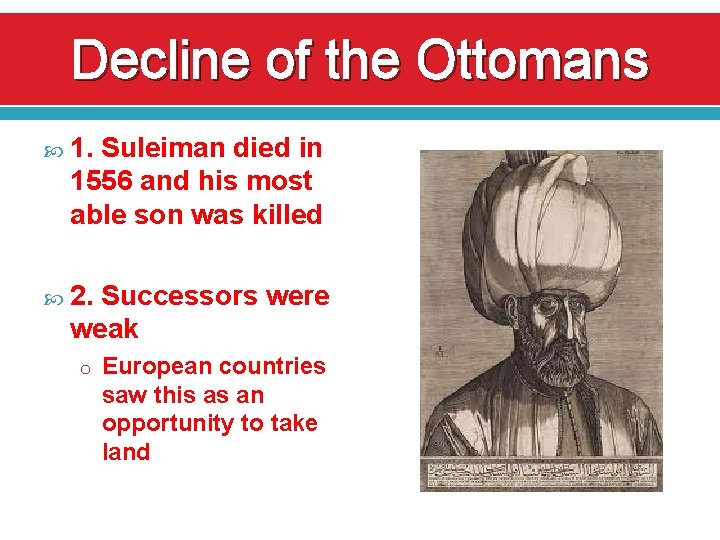
Decline of the Ottomans 1. Suleiman died in 1556 and his most able son was killed 2. Successors were weak o European countries saw this as an opportunity to take land
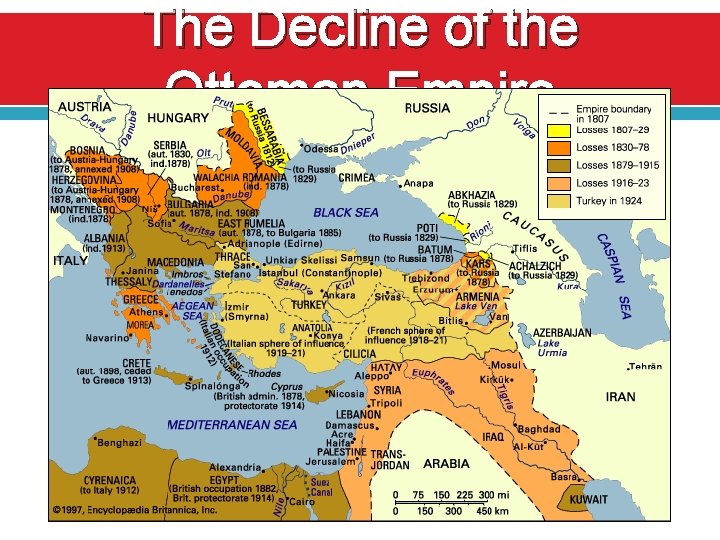
The Decline of the Ottoman Empire

- Slides: 30