
Bell Work What are the four goals of
Bell Work � � � What are the four goals of the progressive movement? What is referendum? If you finish the other two, why did government need to be cleaned up or reformed?


Chapter 3 Homework � 1. Lesson 1 Questions- 1, 2, 3, 4, 5, 6, 7 Lesson 2 Questions- 1, 2, 3, 4, 5 Lesson 3 Questions-1, 3, 4, 5
CHAPTER 6 THE ROOTS OF PROGRESSIVISM Chapter Objective: To explain how the progressive movement managed to increase the power of government to regulate business and to protect society from the injustices fostered by big business.
Chapter 6 Lesson 1 The Origins of Progressivism � 1. 2. 3. Objectives: Explain the four goals of progressivism. Summarize progressive efforts to clean up government. Identify progressive efforts to reform state government, protect workers and reform elections.
Key Terms and Names � � � � 1. 2. Progressive Movement Florence Kelley Prohibition Muckraker Scientific Management Robert M. La Follette Initiative Referendum Recall Seventeenth Amendment NACW Suffrage NAWSA What were the four goals of progressivism? How did Prohibition fit into the reform movement?
Four Goals of Progressivism Middle class reformers begin to address many of the problems that contributed to the social upheavals of the 1890’s. -Journalists and writers- exposed unsafe conditions faced by factory workers, including women and children. -Intellectuals questioned the dominate role of large corporations in American society. -Shared goals 1. Protecting social welfare 2. Promoting moral improvement 3. Creating economic reform 4. Fostering efficiency �
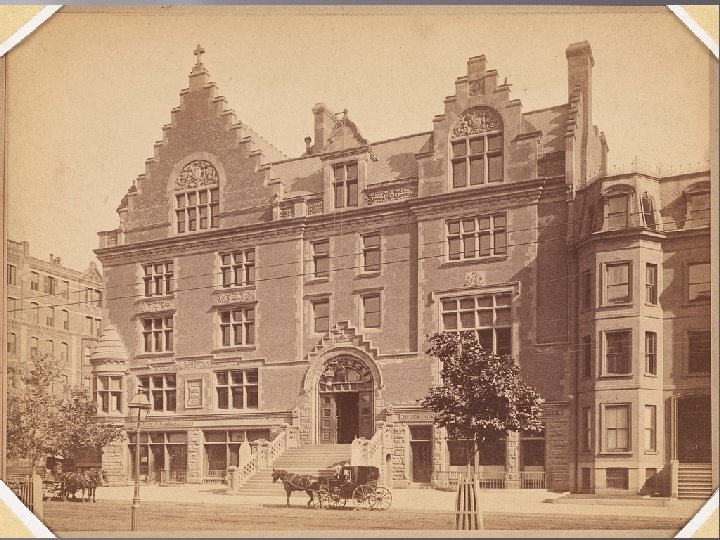
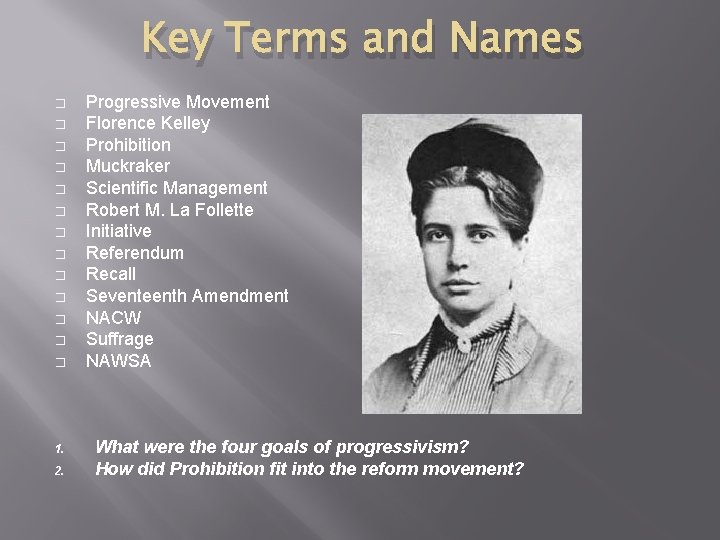
Protecting Social Welafare � � - Social Gospel and Settlement house movements continued into the progressive era Young Men’s Christian Association (YMCA) opened libraries, sponsored classes, and built swimming pools and handball courts. Salvation Army- fed poor people, cared for children in nurseries, and taught immigrants middle-class values of hard work and temperance. Florence Kelly was an advocate for women and children. Appointed chief inspector of factories for Illinois after the Illinois Factory Act in 1893. Act prohibited child labor and limited women’s working hours
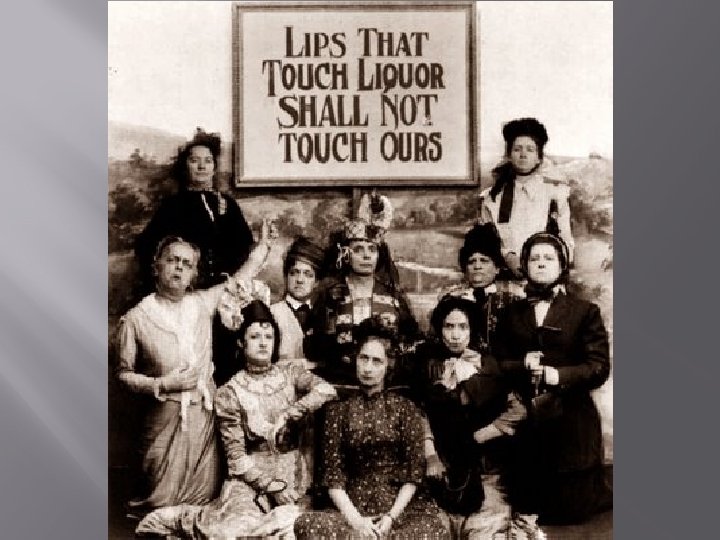
Promoting Moral Improvement � - Some reformers felt that morality, not the workplace, held the key to improving the lives of poor people. Promoted prohibition- the banning of alcoholic beverages Groups feared that alcohol was undermining American morals. Woman’s Christian Temperance Union (WCTU) lead the crusade for prohibition. Frances Willard lead group that had 245, 000 members by 1911. Efforts sometimes led to trouble with some immigrants groups. Anti-Saloon League (1895) looked to close saloons Tension rose between them and many immigrants whose customs included the consumption of alcohol.
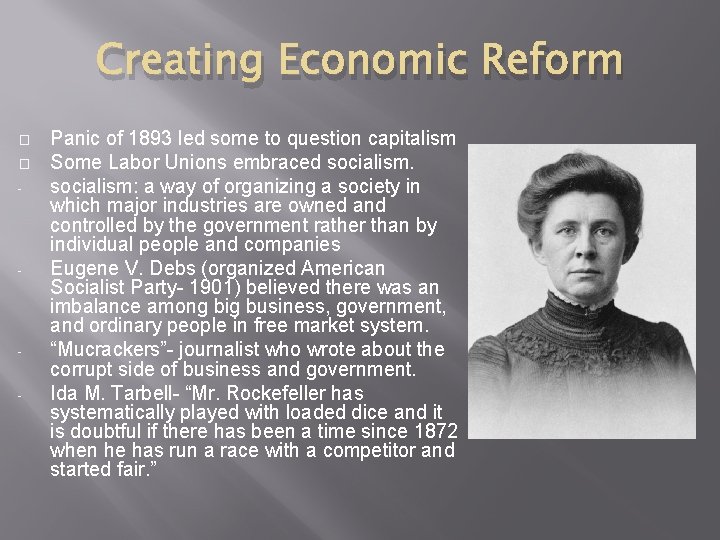
Creating Economic Reform � � - - - Panic of 1893 led some to question capitalism Some Labor Unions embraced socialism: a way of organizing a society in which major industries are owned and controlled by the government rather than by individual people and companies Eugene V. Debs (organized American Socialist Party- 1901) believed there was an imbalance among big business, government, and ordinary people in free market system. “Mucrackers”- journalist who wrote about the corrupt side of business and government. Ida M. Tarbell- “Mr. Rockefeller has systematically played with loaded dice and it is doubtful if there has been a time since 1872 when he has run a race with a competitor and started fair. ”
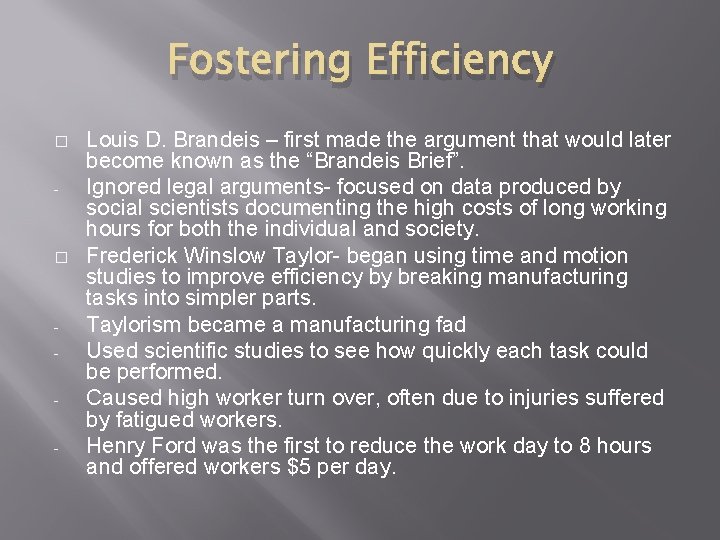
Fostering Efficiency � - Louis D. Brandeis – first made the argument that would later become known as the “Brandeis Brief”. Ignored legal arguments- focused on data produced by social scientists documenting the high costs of long working hours for both the individual and society. Frederick Winslow Taylor- began using time and motion studies to improve efficiency by breaking manufacturing tasks into simpler parts. Taylorism became a manufacturing fad Used scientific studies to see how quickly each task could be performed. Caused high worker turn over, often due to injuries suffered by fatigued workers. Henry Ford was the first to reduce the work day to 8 hours and offered workers $5 per day.
Cleaning Up Local Government � Efforts to reform city politics stemmed in part from the desire to make government more efficient and more responsive to its constituents. v How did natural disasters help launch the movement to reform local government? How did reform mayors clean up their local governments? v
Reforming Local Government Natural disasters sometimes played a role in prompting reform of city governments. -1900 Galveston, Texas, hurricane and tidal wave almost destroyed the city. -city council botched the relief and rebuilding job so badly Texas legislature appointed a five-member commission of experts to take over. -Each expert took charge of a different city department. -Prompted city to adopt the commission idea as a form of government. 1917 - 500 cities had followed suit -1913 flood in Dayton, Ohio led to the spread of the councilmanager form of government. -1925 - 250 cities had adopted managers to administer city business. �

http: //video. nationalgeographic. com/video/environment-natural -disasters/hurricanes/us-galveston 1900 -vin/
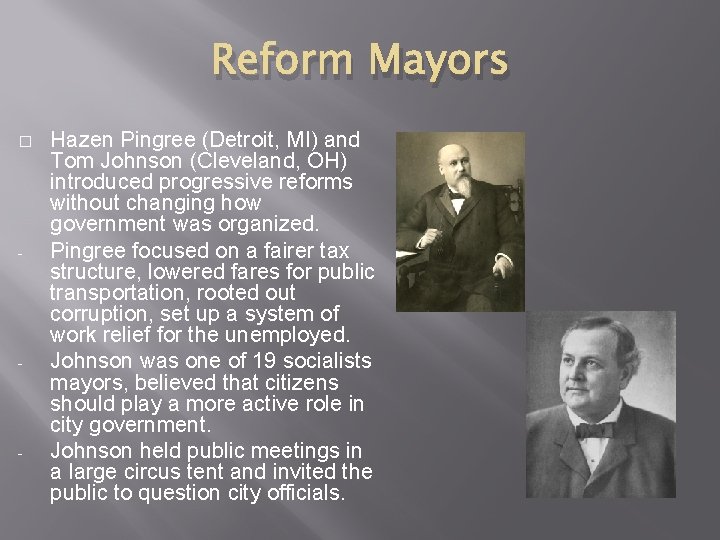
Reform Mayors � - - - Hazen Pingree (Detroit, MI) and Tom Johnson (Cleveland, OH) introduced progressive reforms without changing how government was organized. Pingree focused on a fairer tax structure, lowered fares for public transportation, rooted out corruption, set up a system of work relief for the unemployed. Johnson was one of 19 socialists mayors, believed that citizens should play a more active role in city government. Johnson held public meetings in a large circus tent and invited the public to question city officials.
Reform at the State Level � Spurred by progressive Governors, many states passed laws to regulate railroads, mines, mills, telephone companies, and other large businesses. v How did reforms protect children? How did reforms change working conditions? What kinds of political reforms took place at the state level? v v
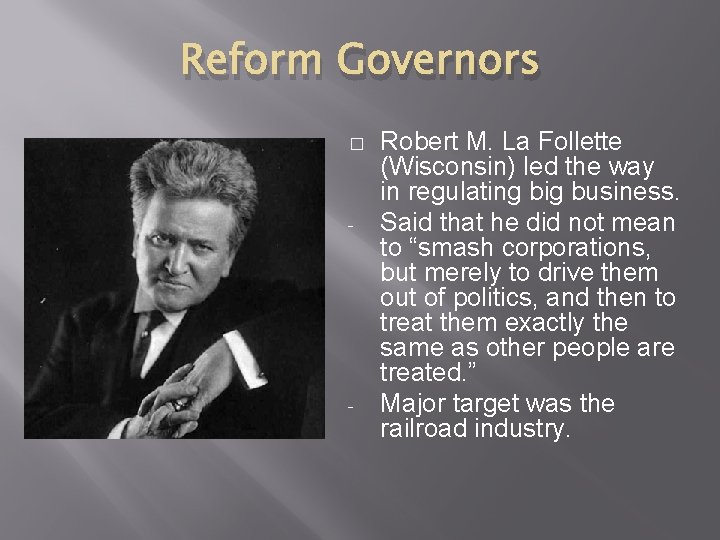
Reform Governors � - - Robert M. La Follette (Wisconsin) led the way in regulating big business. Said that he did not mean to “smash corporations, but merely to drive them out of politics, and then to treat them exactly the same as other people are treated. ” Major target was the railroad industry.
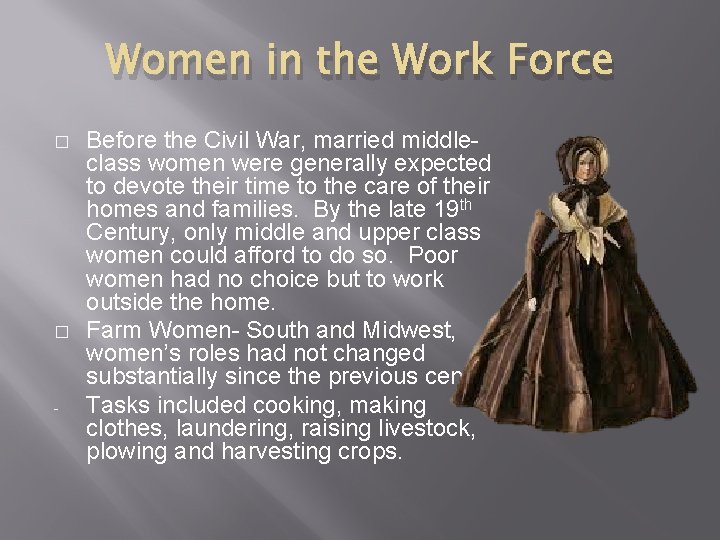
Women in the Work Force � � - Before the Civil War, married middleclass women were generally expected to devote their time to the care of their homes and families. By the late 19 th Century, only middle and upper class women could afford to do so. Poor women had no choice but to work outside the home. Farm Women- South and Midwest, women’s roles had not changed substantially since the previous century. Tasks included cooking, making clothes, laundering, raising livestock, plowing and harvesting crops.
Women in Industry Cities and Towns offered better paying opportunities for women Labor unions did not allow for women membership 1900 1 in 5 women held jobs 25% of them were in manufacturing. Garment trade industry employed over half of all employed women industrial workers. Least skilled positions and paid half what a man would receive. Many were single women and assumed to be only supporting themselves Men were believed to be supporting a family. � Began to fill jobs in offices, stores, and classrooms. 1890 - women high school graduates outnumbered men. -Business schools were training women to be book keepers, stenographers, as well as female typists. � Domestic workers- women without a formal education continued to work by doing domestic work. 2 Million African- American women were freed from slavery, poverty quickly drove nearly half of them into the work force. Worked on farms and domestic work Jobs as cooks, laundresses, scrub-women, and maids. 70% of women working in 1870 were servants. �
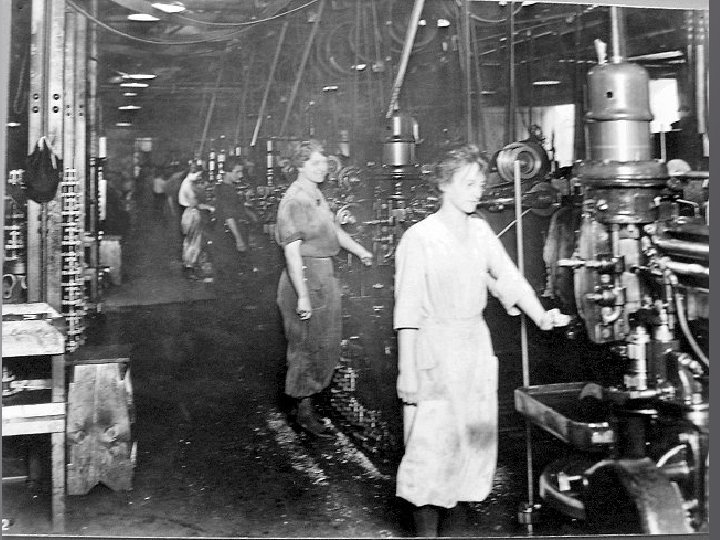
Women Lead Reform � - Dangerous conditions, low wages, and long hours led many female industrial workers to push for reforms. Triangle Shirt Waist Factory Women's Clubs had over ½ a million members 4. How did the opening of women’s colleges help create new opportunities for women? 5. Whey were there women leaders in the movements to reform social welfare, public morals, and race relations. 6. How did Susan B. Anthony help the cause of women?
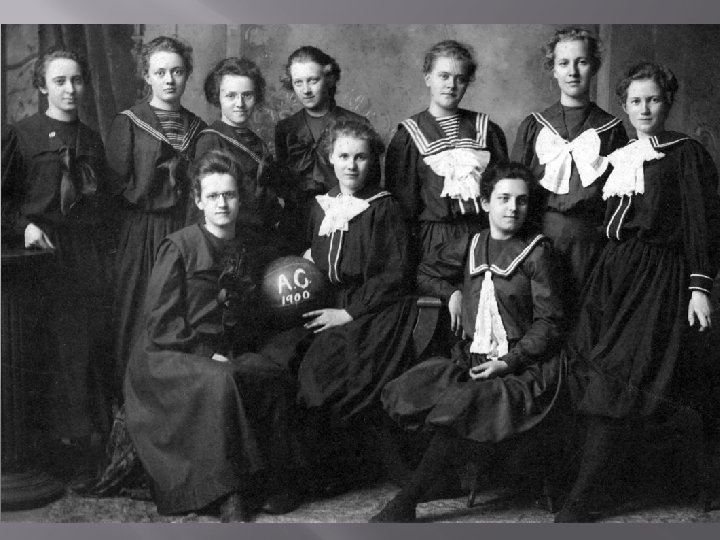
Women in Higher Education � - - Many of the women who became active reformers in public life attended new women’s colleges. Vassar College- faculty 8 men and 22 womenaccepted its first students in 1865. Columbia, Brown, and Harvard refused to admit women however they created separate colleges for women
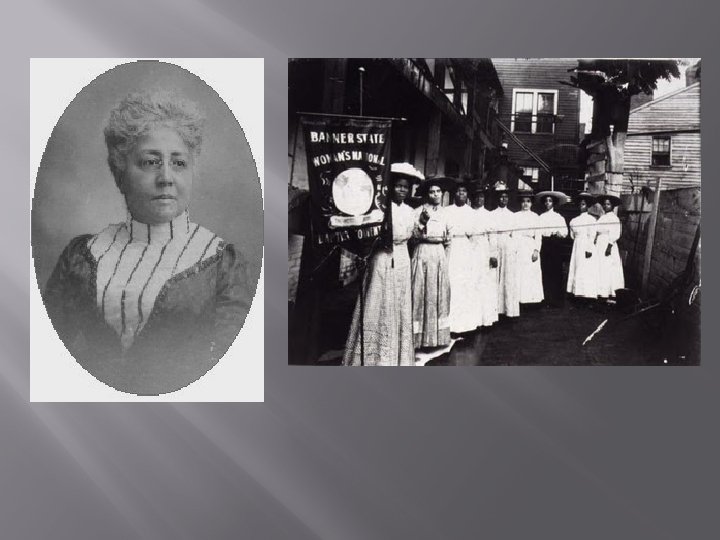
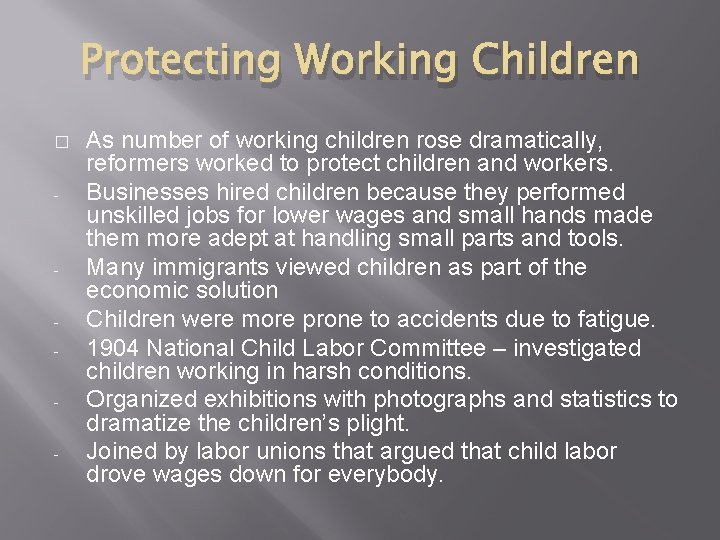
Women and Reform � - Uneducated laborers started efforts to reform workplace health and safety. Participation of educated women strengthened existing reform groups and provided leadership for new ones. Since women could not vote, they strove to improve conditions at work and home “social housekeeping” targeted work place reform, housing reform, educational improvement, and food and drug laws. 1896 National Association of Colored Women, NACW was founded by merging two earlier organizations. Josephine Ruffin “the moral education of the race with which we are identified. ” Managed nurseries, reading rooms, and kindergartens.
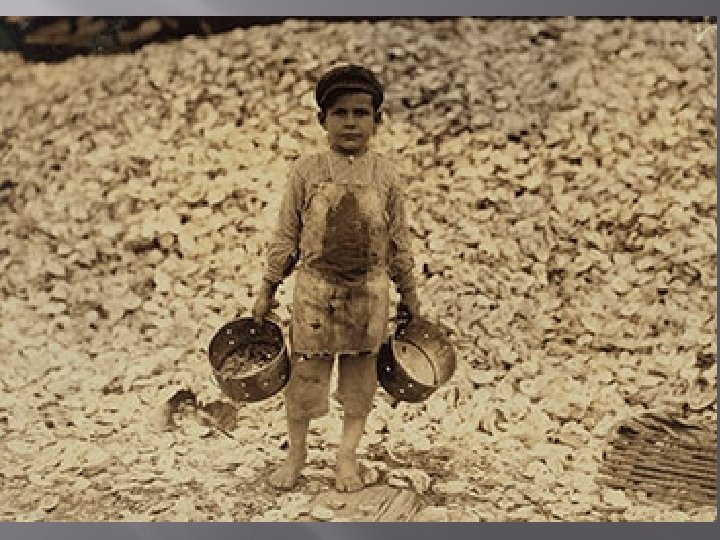
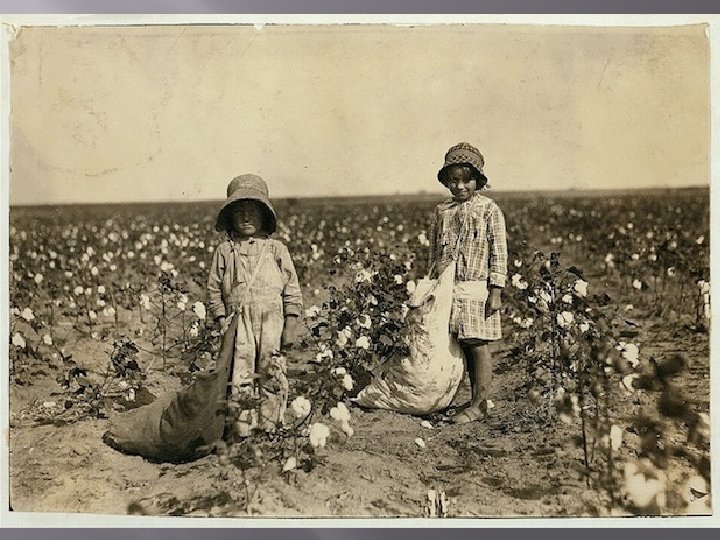
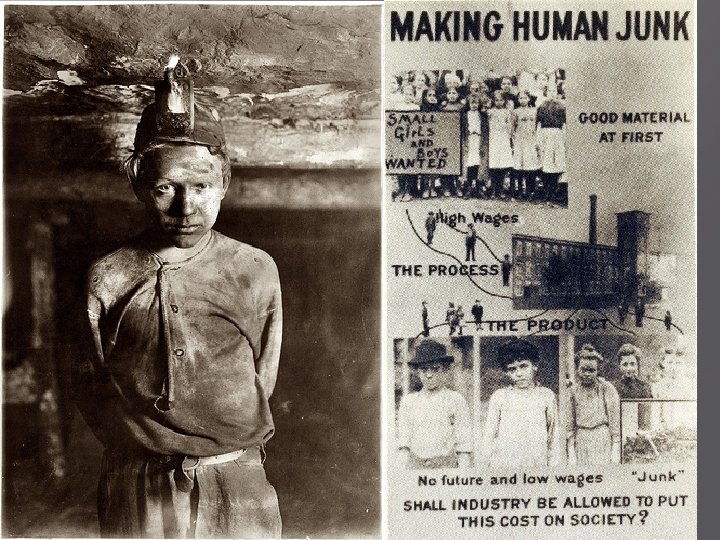
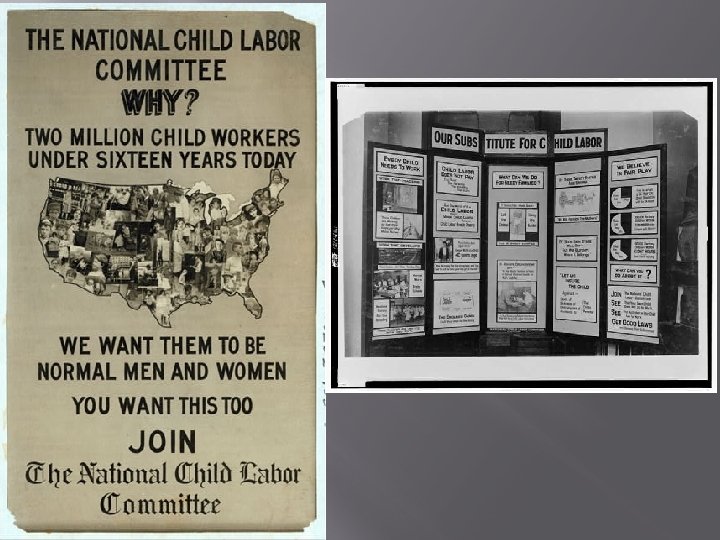
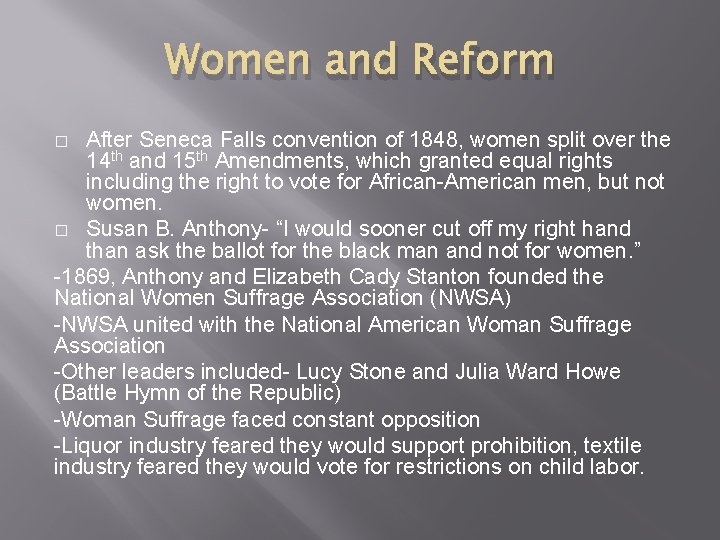
Protecting Working Children � - - As number of working children rose dramatically, reformers worked to protect children and workers. Businesses hired children because they performed unskilled jobs for lower wages and small hands made them more adept at handling small parts and tools. Many immigrants viewed children as part of the economic solution Children were more prone to accidents due to fatigue. 1904 National Child Labor Committee – investigated children working in harsh conditions. Organized exhibitions with photographs and statistics to dramatize the children’s plight. Joined by labor unions that argued that child labor drove wages down for everybody.
Women and Reform After Seneca Falls convention of 1848, women split over the 14 th and 15 th Amendments, which granted equal rights including the right to vote for African-American men, but not women. � Susan B. Anthony- “I would sooner cut off my right hand than ask the ballot for the black man and not for women. ” -1869, Anthony and Elizabeth Cady Stanton founded the National Women Suffrage Association (NWSA) -NWSA united with the National American Woman Suffrage Association -Other leaders included- Lucy Stone and Julia Ward Howe (Battle Hymn of the Republic) -Woman Suffrage faced constant opposition -Liquor industry feared they would support prohibition, textile industry feared they would vote for restrictions on child labor. �
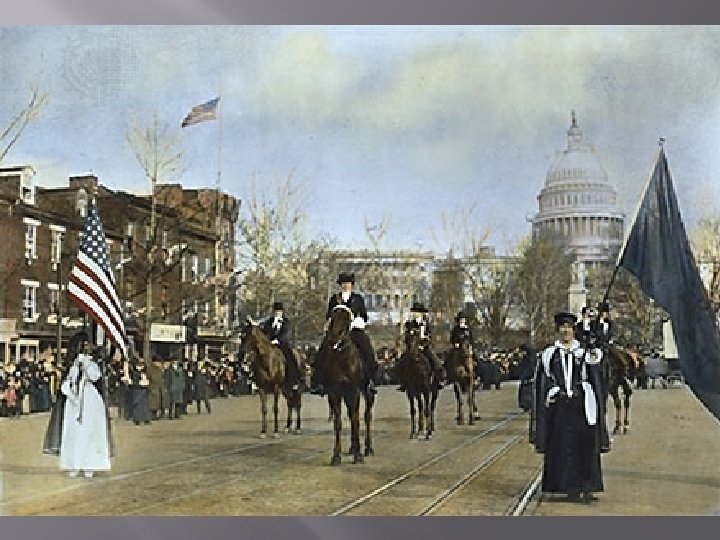
3 Part Strategy for Suffrage They tried to convince state legislatures to grant women the right to vote. -1869 won victory in Wyoming -1890’s Utah, Colorado, and Idaho granted voting rights 2. Pursued court cases to test the 14 th Amendment -1871 and 1872, Susan B. Anthony attempted to vote at least 150 times in ten states and in the District of Columbia -1875 Supreme Court ruled in 1875 that women were citizens- but denied that citizenship automatically conferred the right to vote. 3. Pushed for a national constitutional amendment to grant women the vote. Stanton succeeded in having the amendment introduced in California, but was later killed For next 41 years, women lobbied to have it reintroduced, only to see it voted down. 1.
Efforts To Limit Working Hours � - - - 1908 Muller v. Oregon, Louis Brandeis argued that poor working women were much more economically insecure than large corporations. Asserting that women required the state’s protection against employers, Brandeis convinced the Court to uphold Oregon law to limit the working day to 10 hours. Brandeis brief in Bunting v. Oregon persuaded the Court to uphold a 10 workday for men. Progressives also succeeded in winning worker’s compensation to aid the families of workers who were hurt or killed on the job. 1902, States began requiring employers to pay benefits in death cases.
Reforming Elections � � � - William S. U’Ren prompted Oregon to adopt the secret ballot, the initiative, the referendum, and the recall. Initiative- a bill originated by the people rather than lawmakers- on the ballot. Referendum- voters, rather than the legislature, accept or reject an initiative Recall- enabled voters to remove public officials from elected positions by forcing them to face another election before the end of their term if enough voters ask for it. 1899, Minnesota passed the first mandatory state wide primary system. Enabled voters to choose candidates for public office through a special election.
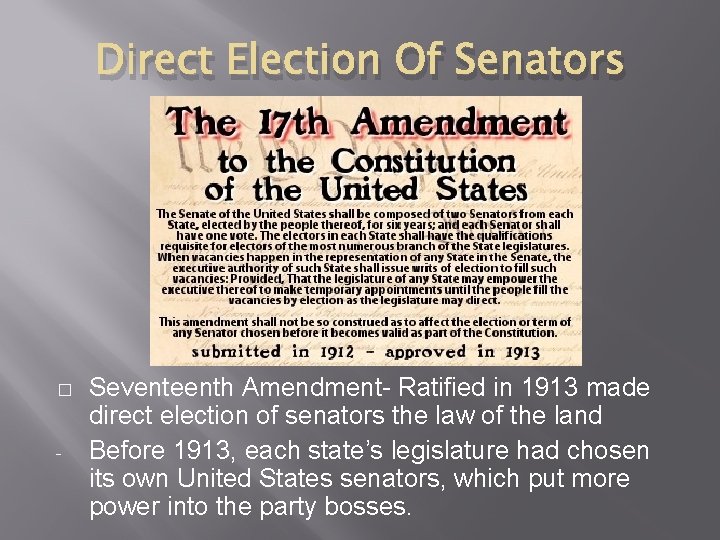
Direct Election Of Senators � - Seventeenth Amendment- Ratified in 1913 made direct election of senators the law of the land Before 1913, each state’s legislature had chosen its own United States senators, which put more power into the party bosses.
EOC � A. B. C. D. The Adoption of the initiative, the referendum, and the recall Limited working hours and ended child labor Gave citizens more power to influence government Led to the primary election system Benefited party bosses and political machines
EOC � 1. 2. 3. 4. What is the main way muckrakers influenced progressive reform? Used the power of the press to expose issues and problems Urged voters to use the initiative and the recall to make changes Called for women to have the right to vote. Cautioned reformers not seek changes that were to radical
- Slides: 41