
Behaviour Change Communication HIV Transmission World Health Organization
Behaviour Change Communication HIV Transmission World Health Organization Module 2 Sub Module 4. 1 – PPT 08
Session Objectives Illustrate the importance of considering the context in which risk behaviours occur Review the different transmission modes and window periods for different transmission risk situations Behaviour Change Communication Illustrate the use of the four principles of transmission HIV Transmission World Health Organization Module 2 Sub Module 4. 1 – PPT 08
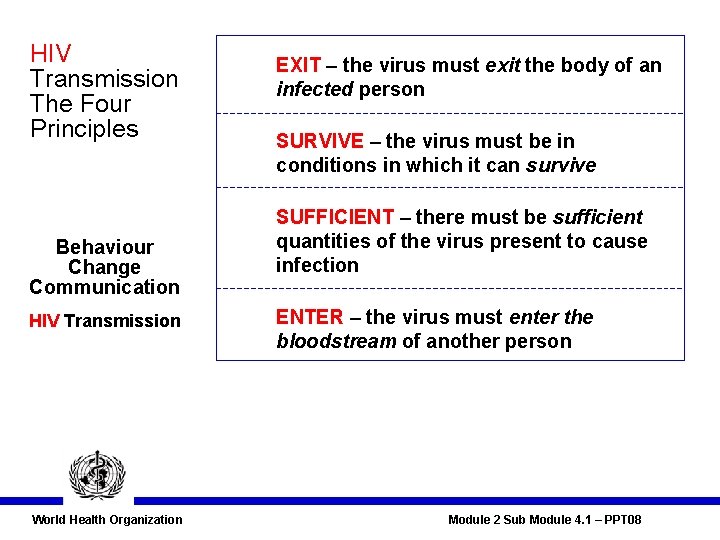
HIV Transmission The Four Principles Behaviour Change Communication HIV Transmission EXIT – the virus must exit the body of an infected person SURVIVE – the virus must be in conditions in which it can survive SUFFICIENT – there must be sufficient quantities of the virus present to cause infection ENTER – the virus must enter the bloodstream of another person World Health Organization Module 2 Sub Module 4. 1 – PPT 08
World Health Organization Module 2 Sub Module 4. 1 – PPT 08
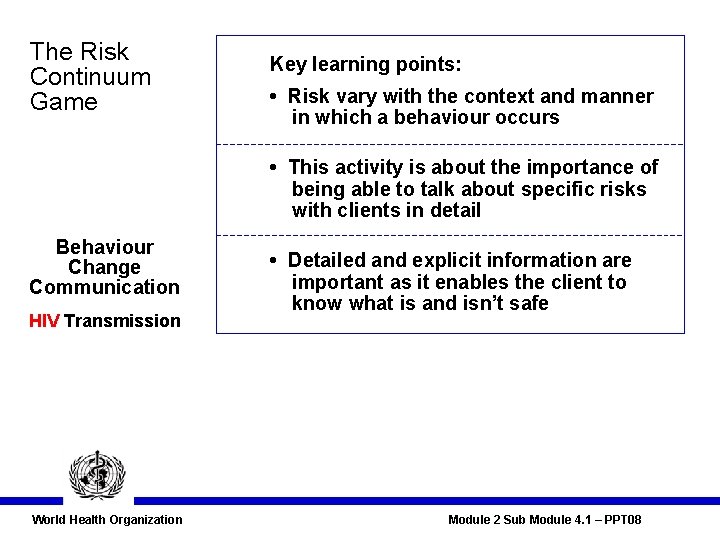
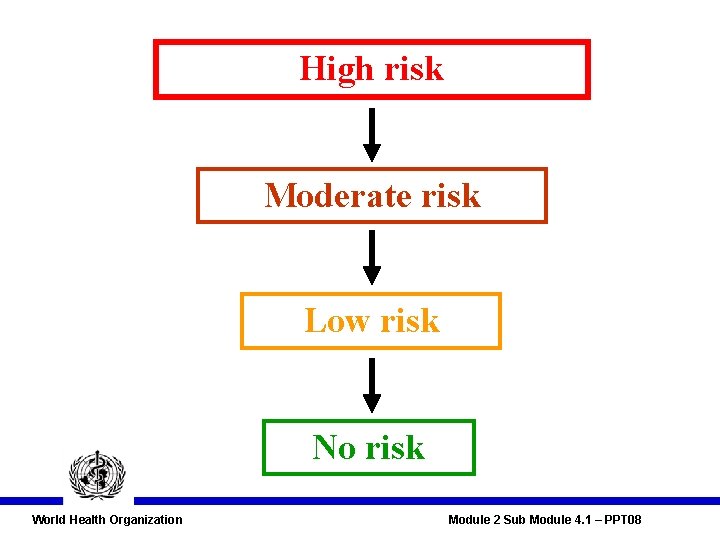
The Risk Continuum Game Key learning points: • Risk vary with the context and manner in which a behaviour occurs • This activity is about the importance of being able to talk about specific risks with clients in detail Behaviour Change Communication HIV Transmission • Detailed and explicit information are important as it enables the client to know what is and isn’t safe World Health Organization Module 2 Sub Module 4. 1 – PPT 08
Behaviour Change Communication Respecting Culture & Overcoming Cultural Constraints is Important for Both Prevention & VCT Counselling!! HIV Transmission World Health Organization Module 2 Sub Module 4. 1 – PPT 08
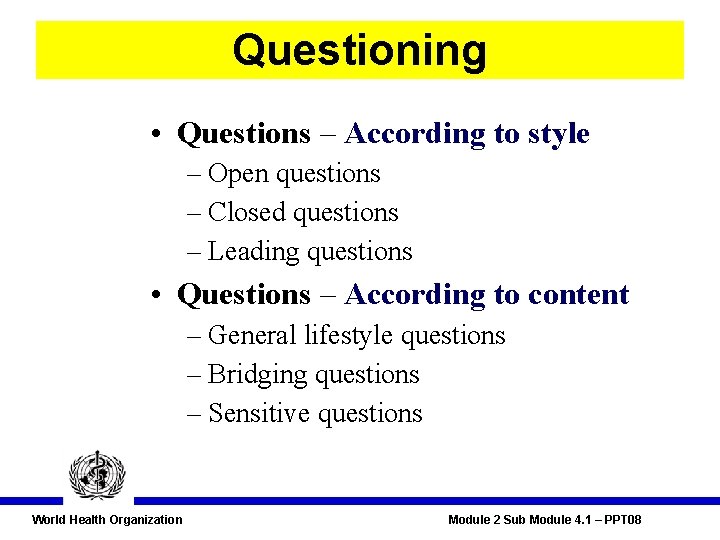
Questioning • Questions – According to style – Open questions – Closed questions – Leading questions • Questions – According to content – General lifestyle questions – Bridging questions – Sensitive questions World Health Organization Module 2 Sub Module 4. 1 – PPT 08
Behaviour Change Communication It is Essential to be Sensitive but Explicit About a Wide Range of Sexual Behaviours HIV Transmission World Health Organization Module 2 Sub Module 4. 1 – PPT 08
Human Sexual Behaviours World Health Organization Module 2 Sub Module 4. 1 – PPT 08
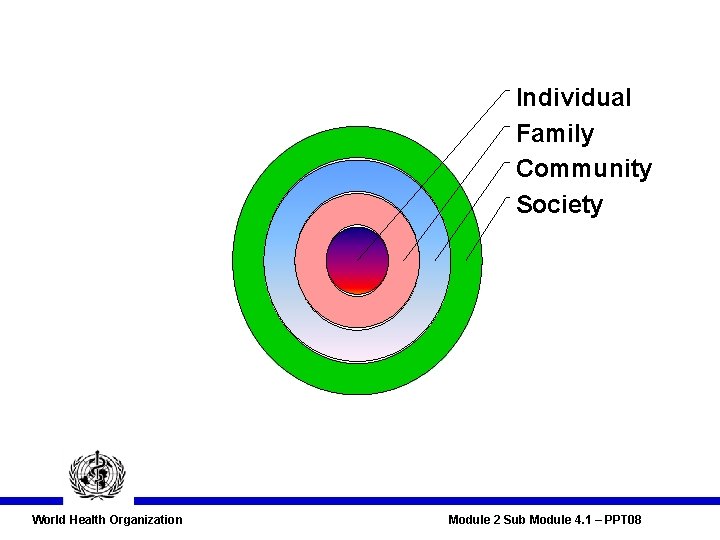
Individual Family Community Society World Health Organization Module 2 Sub Module 4. 1 – PPT 08
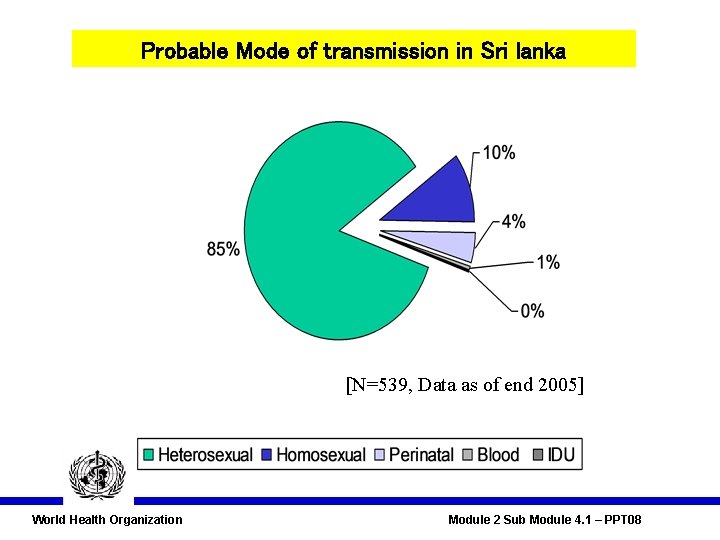
Probable Mode of transmission in Sri lanka [N=539, Data as of end 2005] World Health Organization Module 2 Sub Module 4. 1 – PPT 08
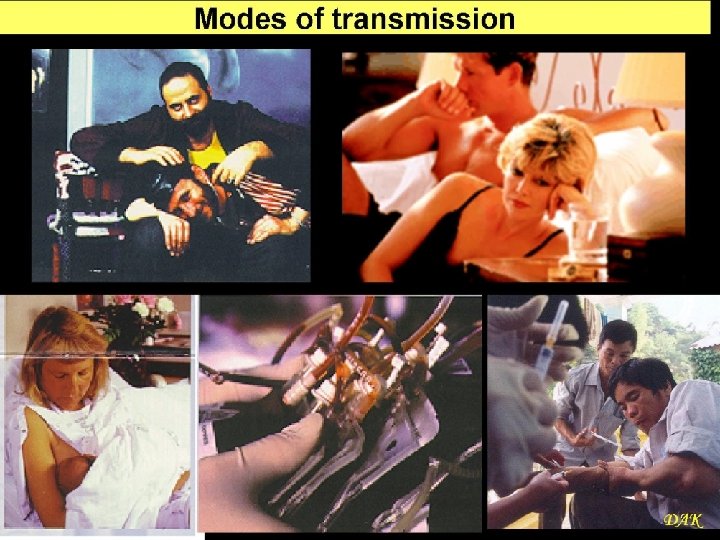
World Health Organization Module 2 Sub Module 4. 1 – PPT 08
World Health Organization Module 2 Sub Module 4. 1 – PPT 08
World Health Organization Module 2 Sub Module 4. 1 – PPT 08
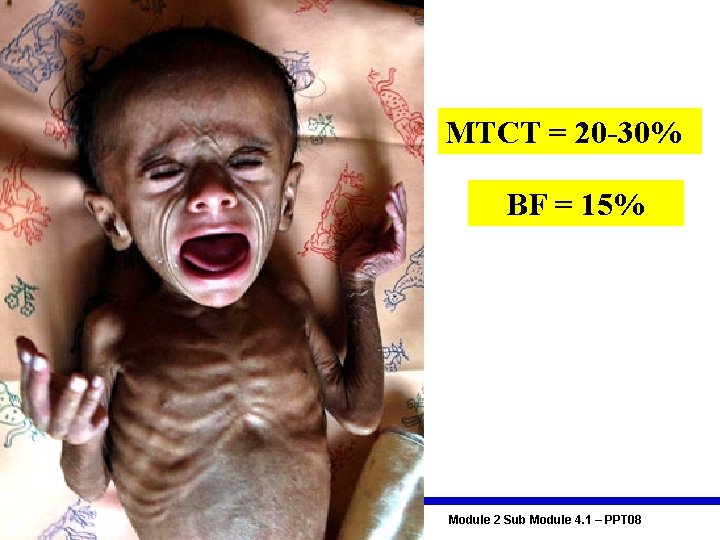
MTCT = 20 -30% BF = 15% World Health Organization Module 2 Sub Module 4. 1 – PPT 08
World Health Organization Module 2 Sub Module 4. 1 – PPT 08
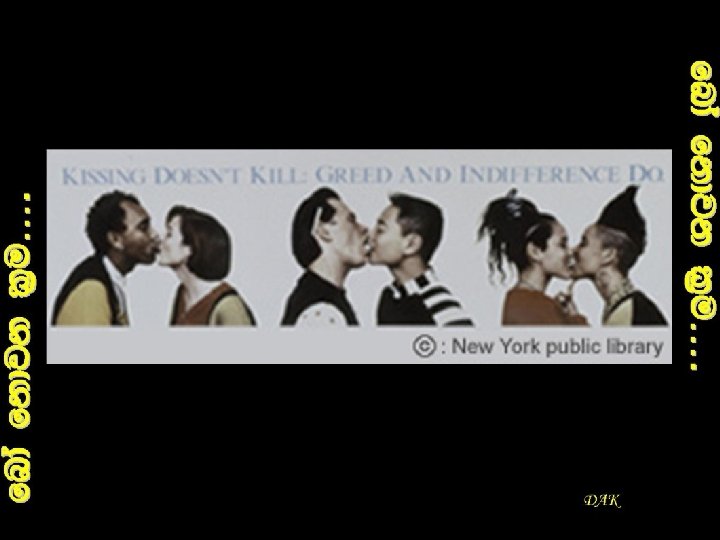
World Health Organization Module 2 Sub Module 4. 1 – PPT 08
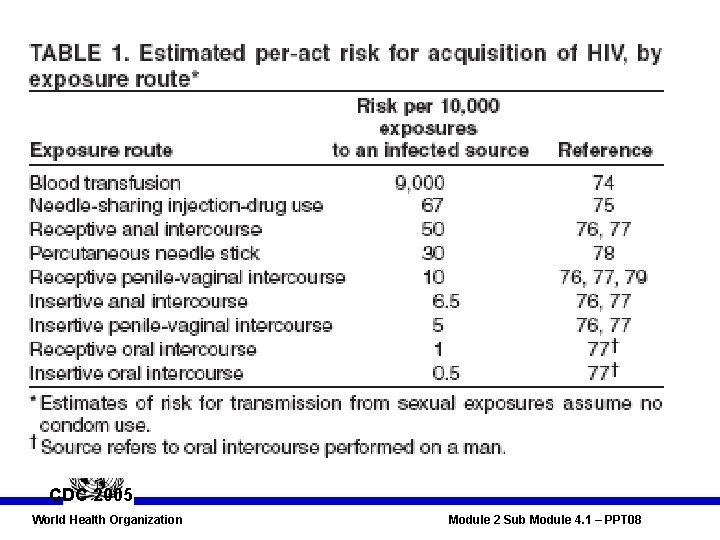
CDC 2005 World Health Organization Module 2 Sub Module 4. 1 – PPT 08
World Health Organization Module 2 Sub Module 4. 1 – PPT 08
World Health Organization Module 2 Sub Module 4. 1 – PPT 08
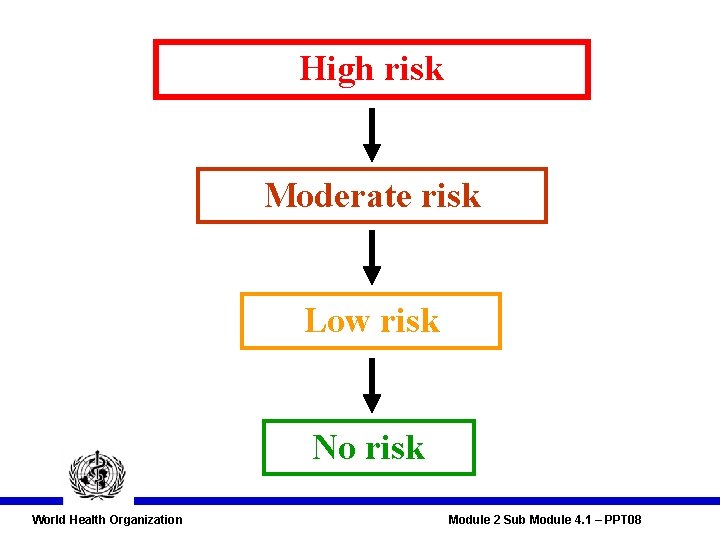
High risk Moderate risk Low risk No risk World Health Organization Module 2 Sub Module 4. 1 – PPT 08
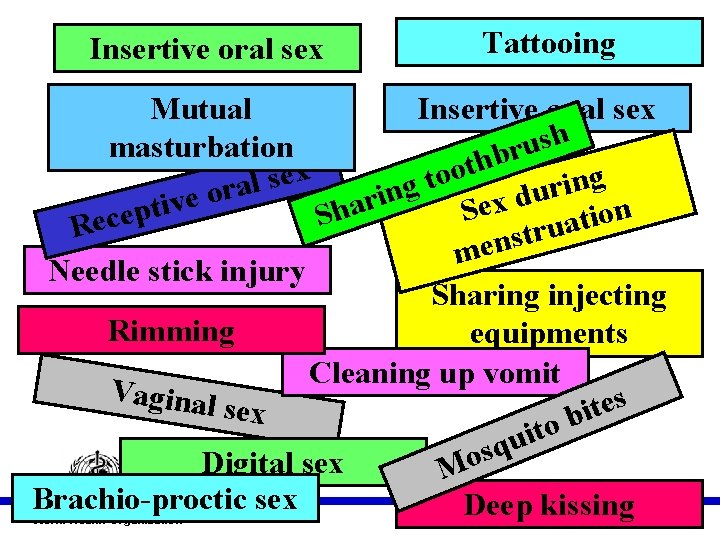
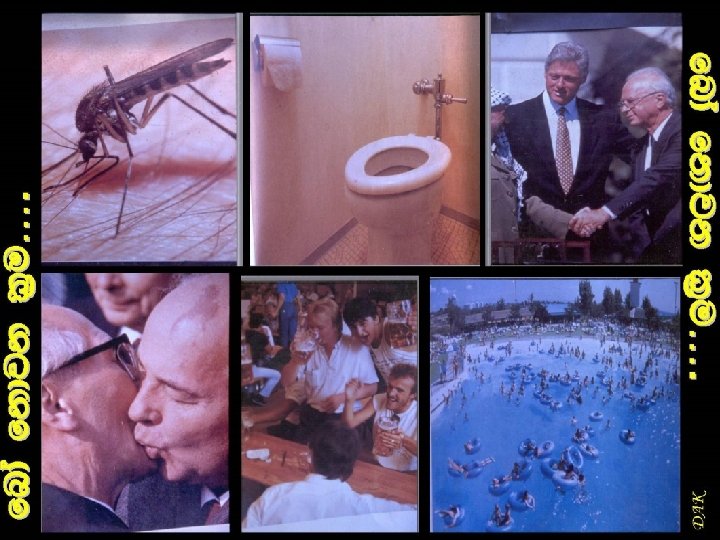
Insertive oral sex Tattooing Mutual Insertive anal sex h s u masturbation r b h t o x e o g s t n l i a g r r u n o i d e r v x i a e t n h S p o e i S c t e a R u r t s men Needle stick injury Sharing injecting Rimming equipments Cleaning up vomit Vaginal s e t sex i b o t i u q s o Digital sex M Brachio-proctic sex Deep kissing World Health Organization Module 2 Sub Module 4. 1 – PPT 08
High risk Moderate risk Low risk No risk World Health Organization Module 2 Sub Module 4. 1 – PPT 08
- Slides: 23