
Behavior Based Safety Gary Peacock Safety Consultant Ohio

Behavior Based Safety Gary Peacock Safety Consultant Ohio BWC
Objectives l The benefits of behavior-based systems. l The basic principles of how to motivate safe behavior. l A company’s readiness for behavior-based safety. l Compare and contrast the different behavior-based systems on the market today.
Why Safety Programs Do Not Work: is a priority, not a value! l Safety is not managed in the same manner as production, quality, and cost issues! l Safety is not driven through continuous improvement! l Safety 3
“Fallacies or Realities” in Safety Fables? Conditions cause accidents! Enforcing rules improves safety! Safety professionals can keep workers safe! l Low accident rates indicate safety programs are working well! l Investigating to find the root cause of accidents will improve safety! l Awareness training improves safety! l Rewards improve safety! l l l 4
Core Elements in Successful Safety Programs l. A culture that says “safety” is important around here! l A tight accountability system! 5
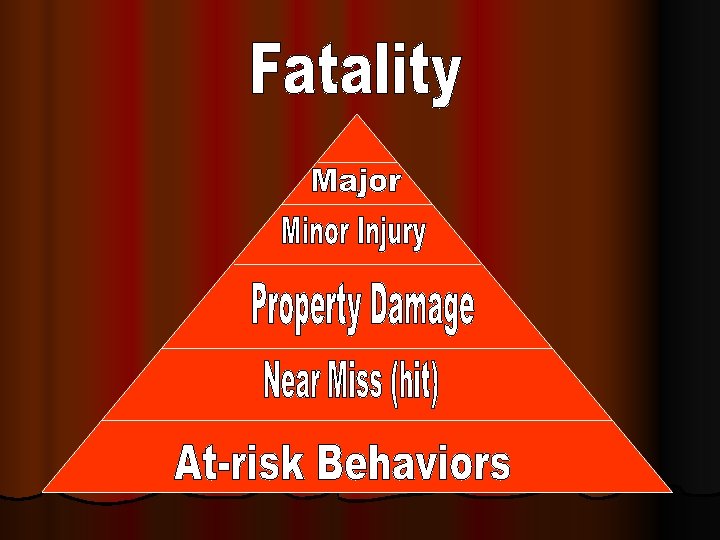
Behavior Based Safety: What Is It? • An excellent tool for collecting data on the quality of a company’s safety management system • A scientific way to understand why people behave the way they do when it comes to safety • Properly applied, an effective next step towards creating a truly pro-active safety culture where loss prevention is a core value • Conceptually easy to understand but often hard to implement and sustain 6
Behavior Based Safety: What It Is Not! • Only about observation and feedback • Concerned only about the behaviors of line employees • A substitution for traditional risk management techniques • About cheating & manipulating people & aversive control • A focus on incident rates without a focus on behavior • A process that does not need employee involvement 7
Obstacles To Success: l Poorly Maintained Facilities l Top-down Management Practices l Poor Planning/Execution l Inadequate Training 8
Keys to Success: l Meaningful Employee Empowerment l Designing a Well Planned and Supported BBS Process l Managing BBS Process with Integrity 9
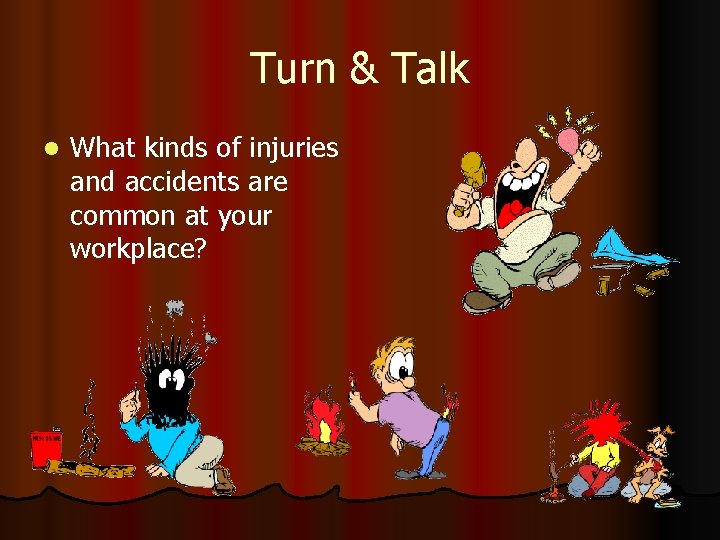
Turn & Talk l What kinds of injuries and accidents are common at your workplace?
What percentage of these accidents are a result of: l Unsafe conditions, OSHA violations, dangerous equipment? _____% l Unsafe actions, at-risk behaviors, poor decisions? _____%
What percentage of these accidents are a result of: l Unsafe conditions, OSHA violations, dangerous equipment? 6% l Unsafe actions, at-risk behaviors, poor decisions? 94%
Therefore, compliance is necessary but not sufficient for great safety. Safety is about people, and behavior is the challenge.
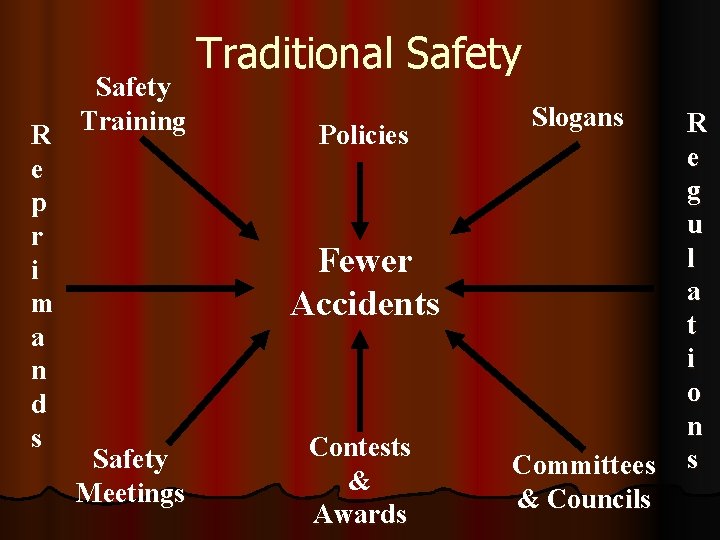
R e p r i m a n d s Safety Training Traditional Safety Policies Slogans Fewer Accidents Safety Meetings Contests & Awards Committees & Councils R e g u l a t i o n s
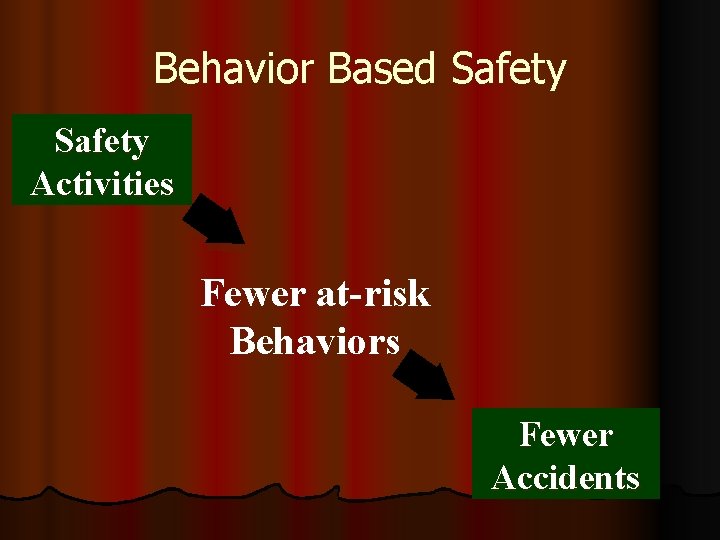
Behavior Based Safety Activities Fewer at-risk Behaviors Fewer Accidents
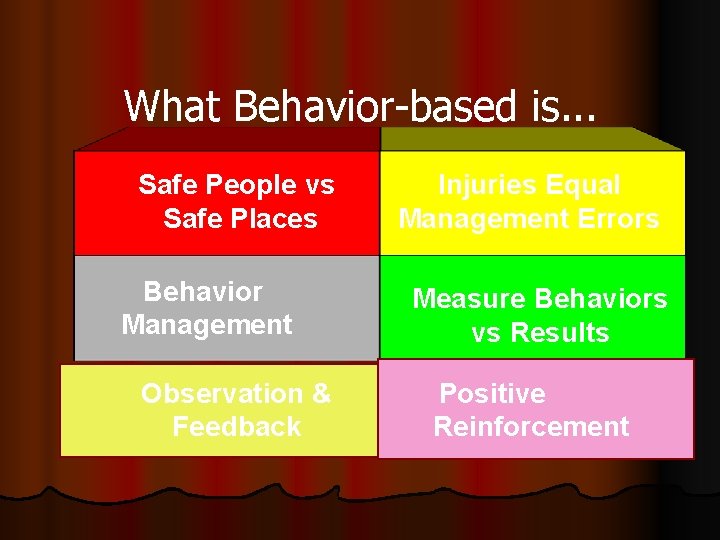
What Behavior-based is. . . Safe People vs Safe Places Behavior Management Observation & Feedback Injuries Equal Management Errors Measure Behaviors vs Results Positive Reinforcement
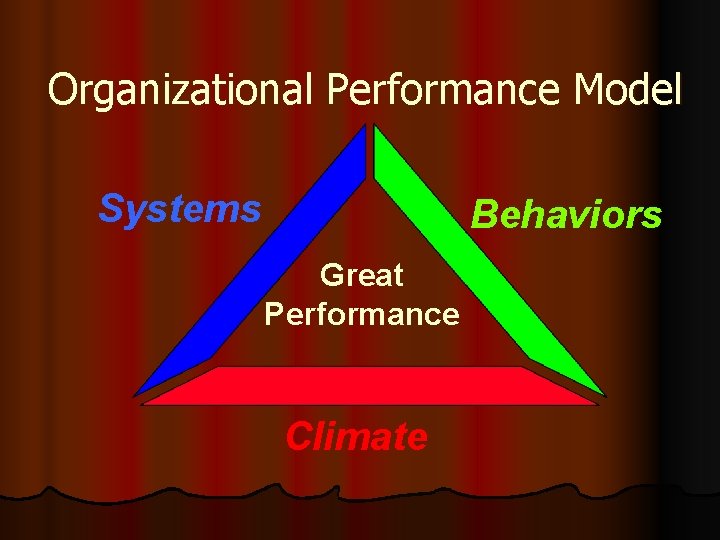
Organizational Performance Model Systems Behaviors Great Performance Climate
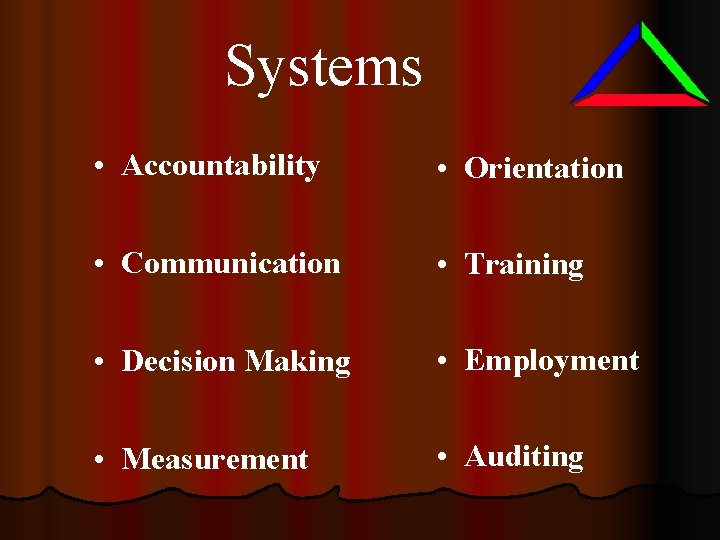
Systems • Accountability • Orientation • Communication • Training • Decision Making • Employment • Measurement • Auditing
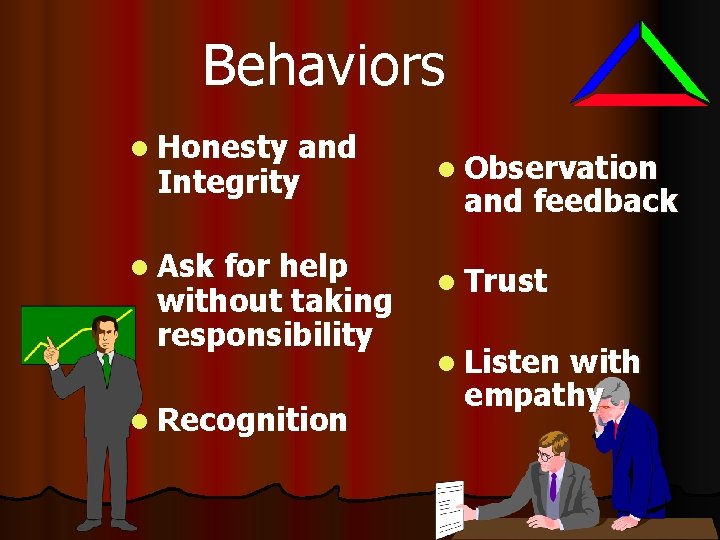
Behaviors l Honesty and Integrity l Ask for help without taking responsibility l Recognition l Observation and feedback l Trust l Listen with empathy
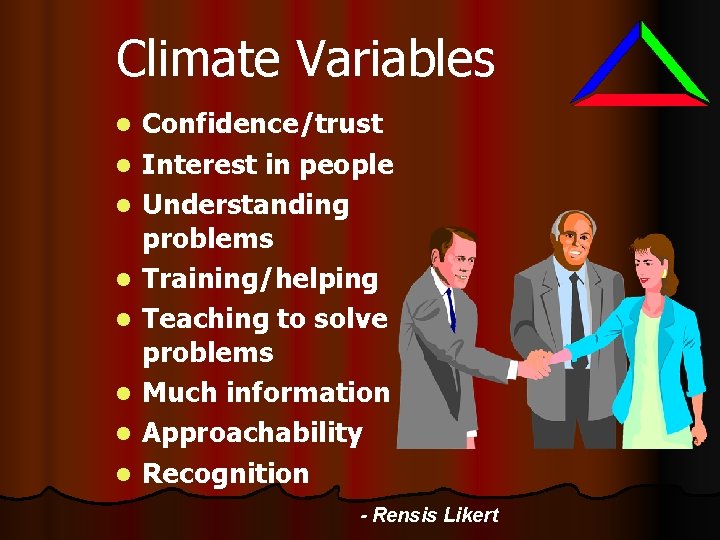
Climate Variables l l l l Confidence/trust Interest in people Understanding problems Training/helping Teaching to solve problems Much information Approachability Recognition - Rensis Likert
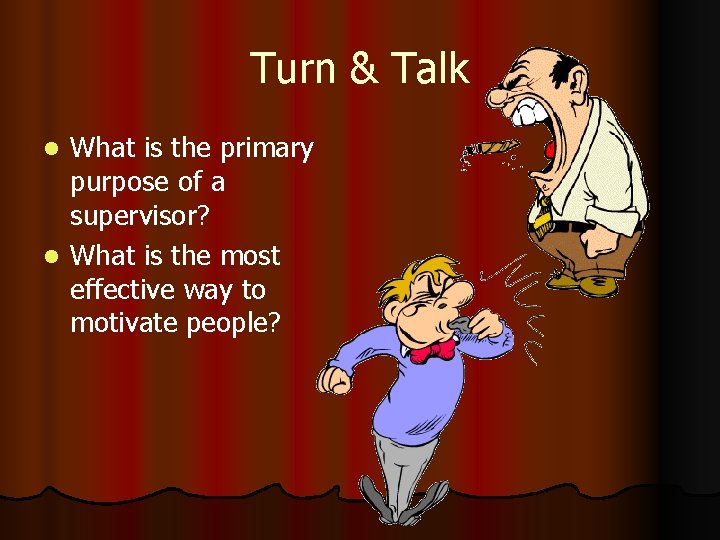
Turn & Talk What is the primary purpose of a supervisor? l What is the most effective way to motivate people? l
Human Behavior is a function of : ð Activators (what needs to be done) ð Competencies (how it needs to be done) ð Consequences (what happens if it is done) 23
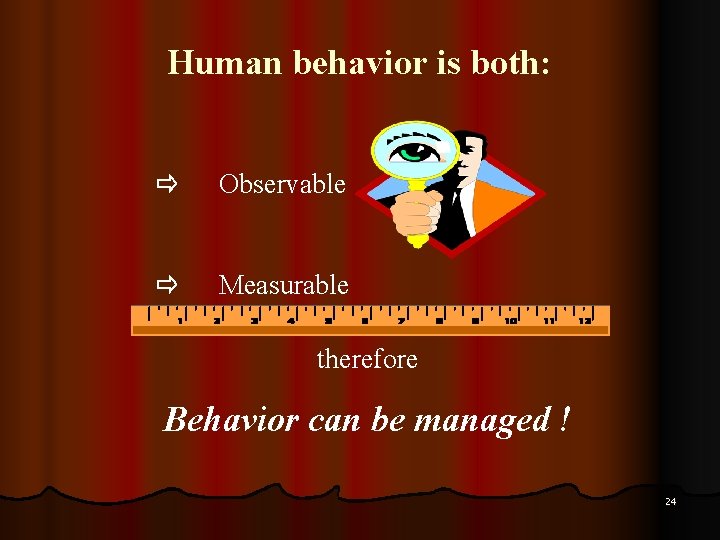
Human behavior is both: ð Observable ð Measurable therefore Behavior can be managed ! 24
Attitudes Are inside a person’s head - therefore they are not observable or measurable however Attitudes can be changed by changing behaviors 25
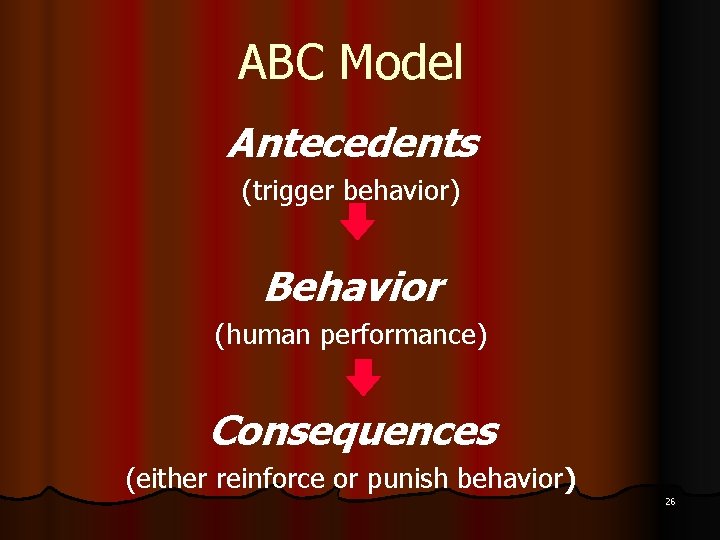
ABC Model Antecedents (trigger behavior) Behavior (human performance) Consequences (either reinforce or punish behavior) 26
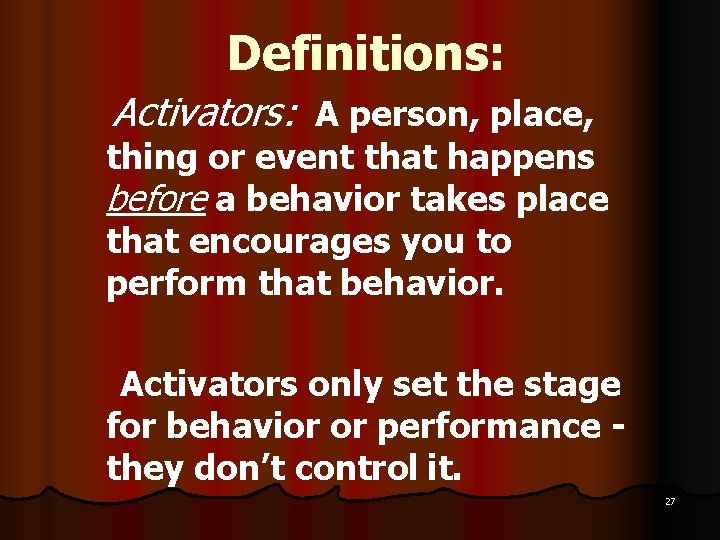
Definitions: Activators: A person, place, thing or event that happens before a behavior takes place that encourages you to perform that behavior. Activators only set the stage for behavior or performance they don’t control it. 27
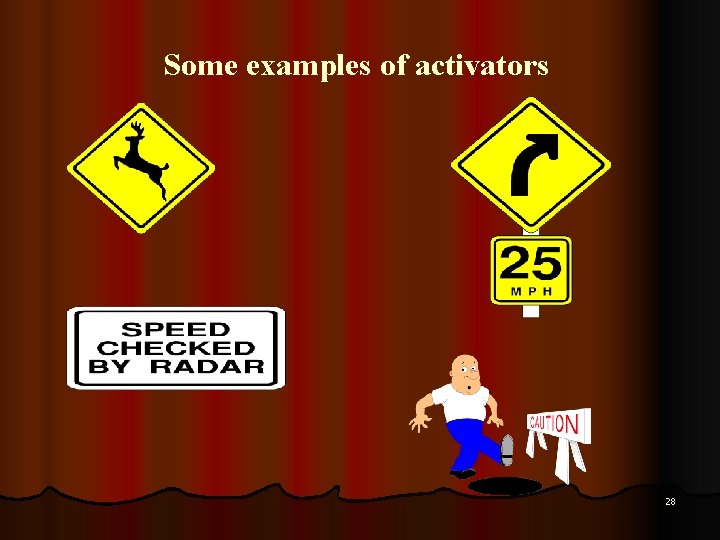
Some examples of activators 28
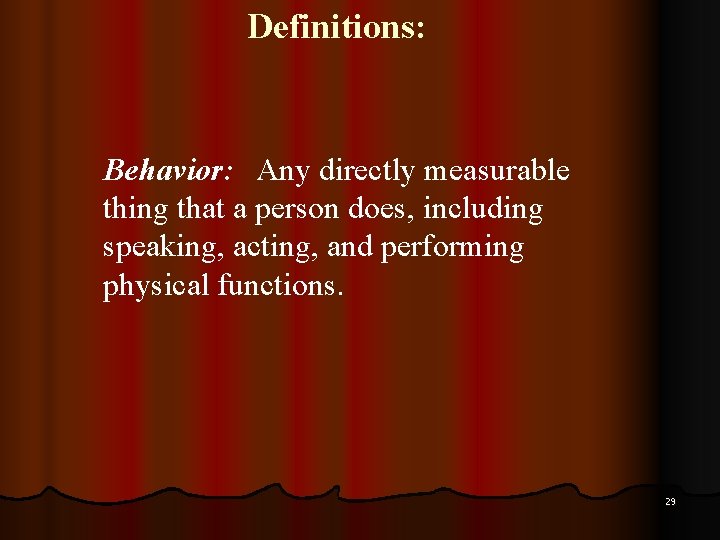
Definitions: Behavior: Any directly measurable thing that a person does, including speaking, acting, and performing physical functions. 29
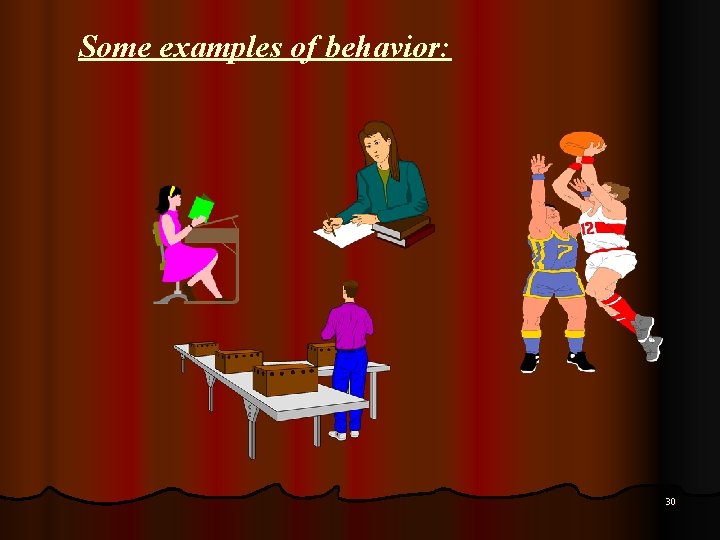
Some examples of behavior: 30
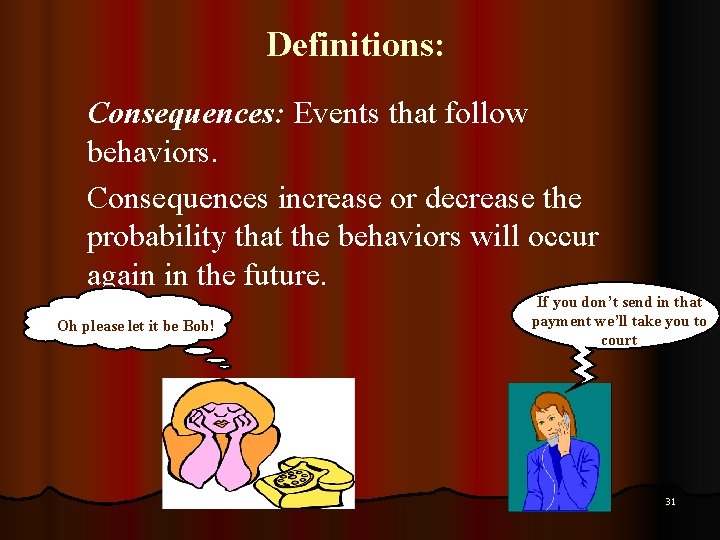
Definitions: Consequences: Events that follow behaviors. Consequences increase or decrease the probability that the behaviors will occur again in the future. Oh please let it be Bob! If you don’t send in that payment we’ll take you to court 31
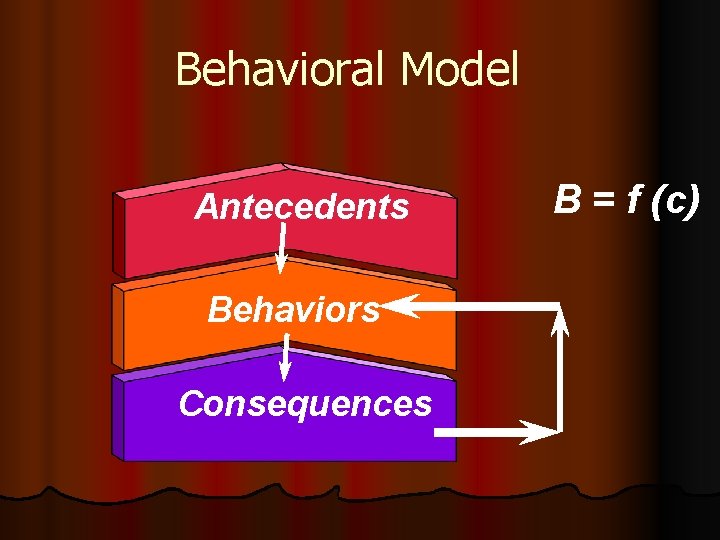
Behavioral Model Antecedents Behaviors Consequences B = f (c)
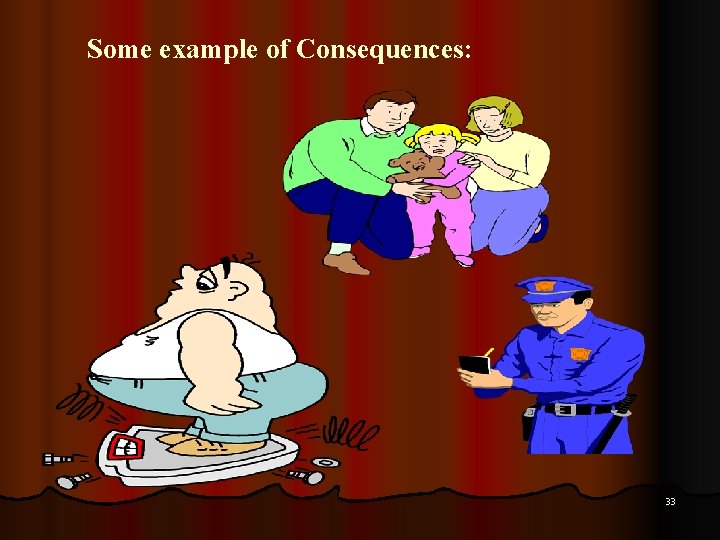
Some example of Consequences: 33
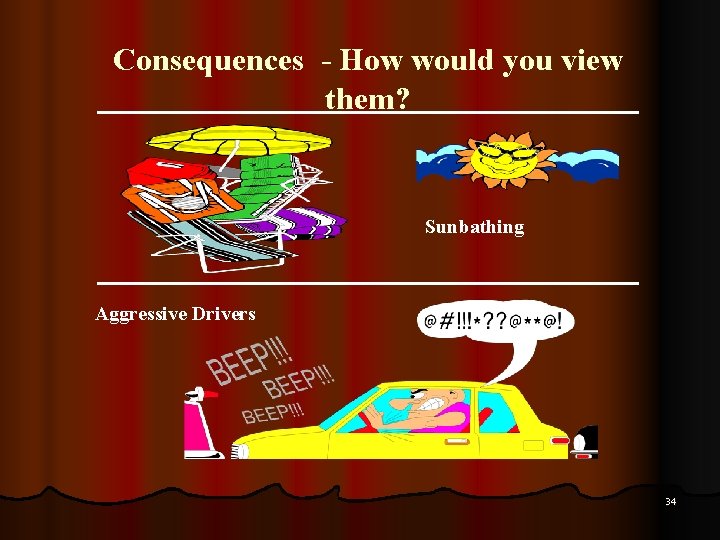
Consequences - How would you view them? Sunbathing Aggressive Drivers 34
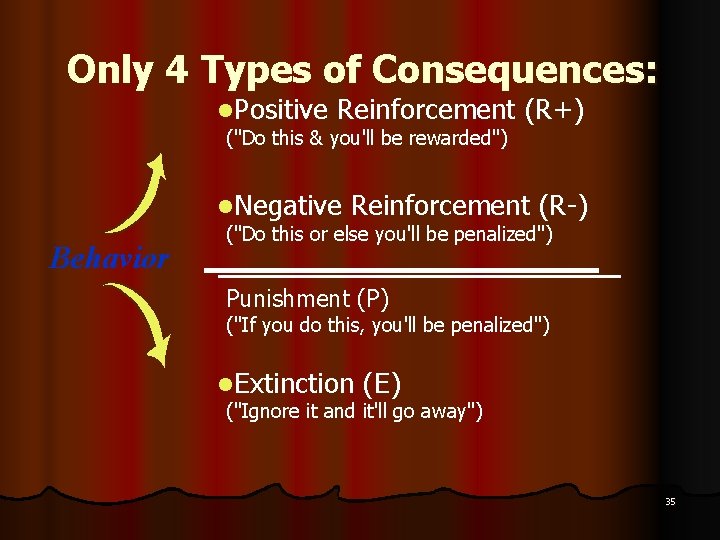
Only 4 Types of Consequences: l. Positive Reinforcement (R+) ("Do this & you'll be rewarded") l. Negative Behavior Reinforcement (R-) ("Do this or else you'll be penalized") Punishment (P) ("If you do this, you'll be penalized") l. Extinction (E) ("Ignore it and it'll go away") 35
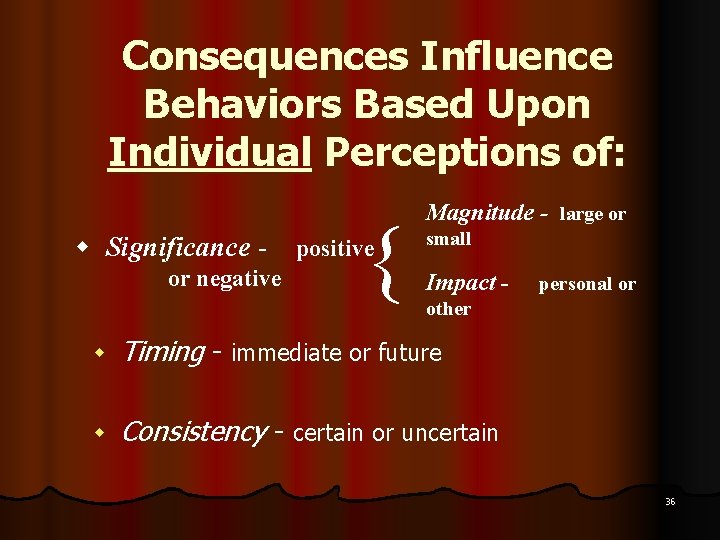
Consequences Influence Behaviors Based Upon Individual Perceptions of: { w Significance - positive or negative Magnitude - large or small Impact - personal or other w Timing - immediate or future w Consistency - certain or uncertain 36
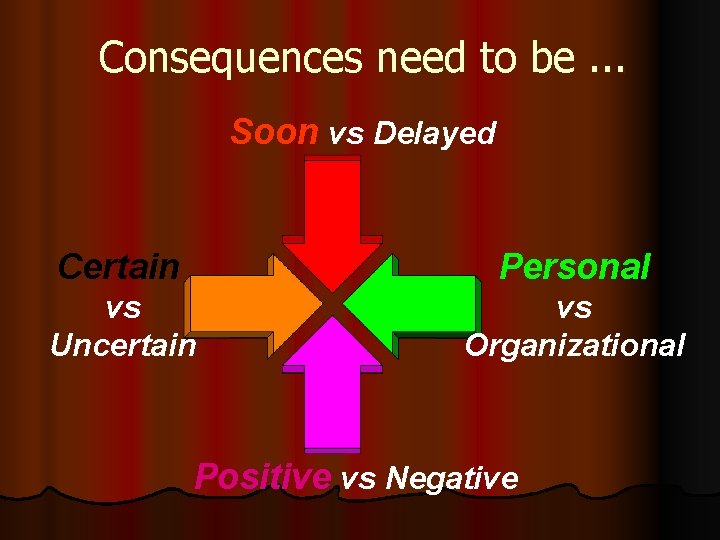
Consequences need to be. . . Soon vs Delayed Certain Personal vs Uncertain vs Organizational Positive vs Negative
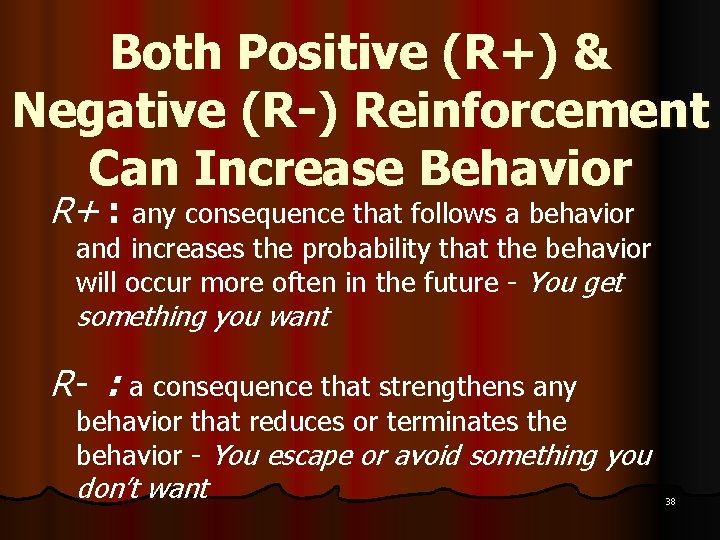
Both Positive (R+) & Negative (R-) Reinforcement Can Increase Behavior R+ : any consequence that follows a behavior and increases the probability that the behavior will occur more often in the future - You get something you want R- : a consequence that strengthens any behavior that reduces or terminates the behavior - You escape or avoid something you don’t want 38
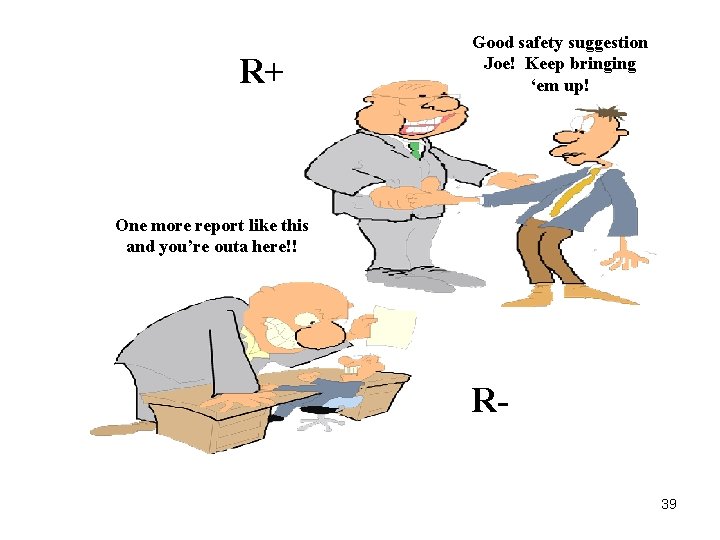
R+ Good safety suggestion Joe! Keep bringing ‘em up! One more report like this and you’re outa here!! R 39
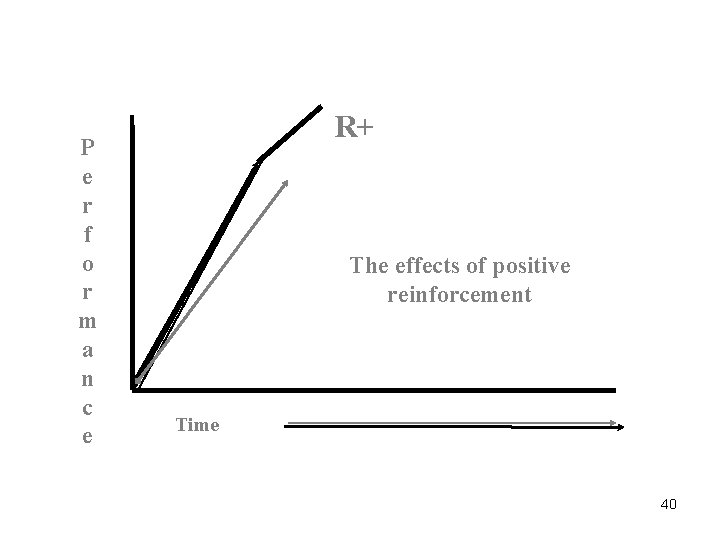
P e r f o r m a n c e R+ The effects of positive reinforcement Time 40
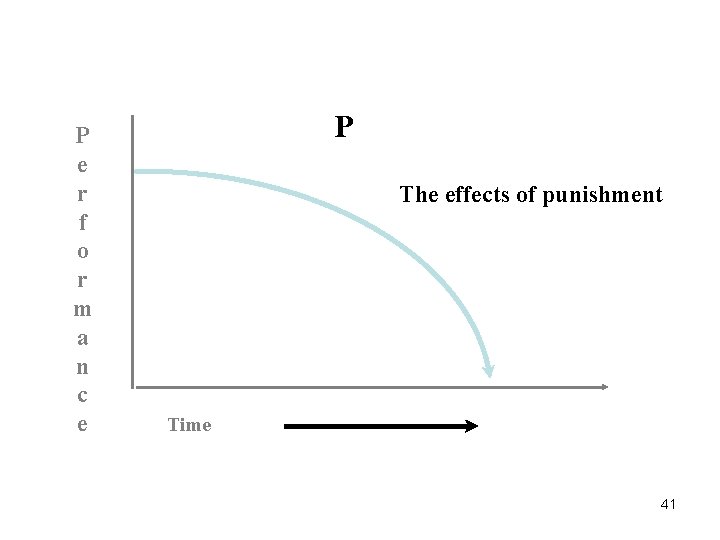
P e r f o r m a n c e P The effects of punishment Time 41
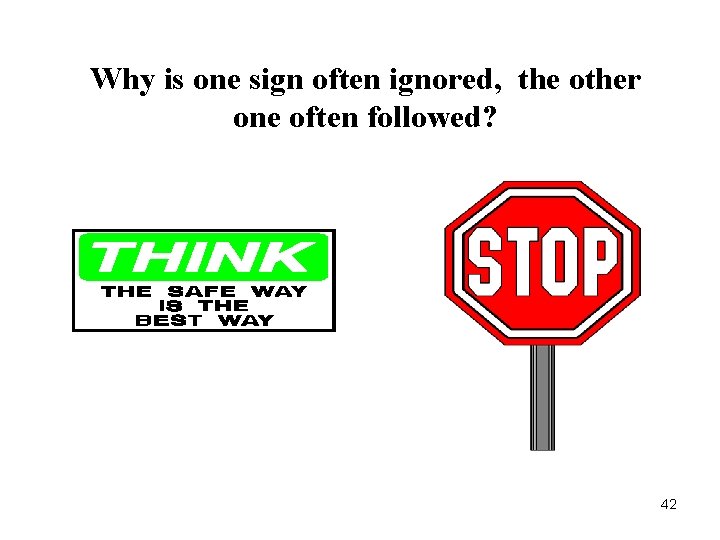
Why is one sign often ignored, the other one often followed? 42
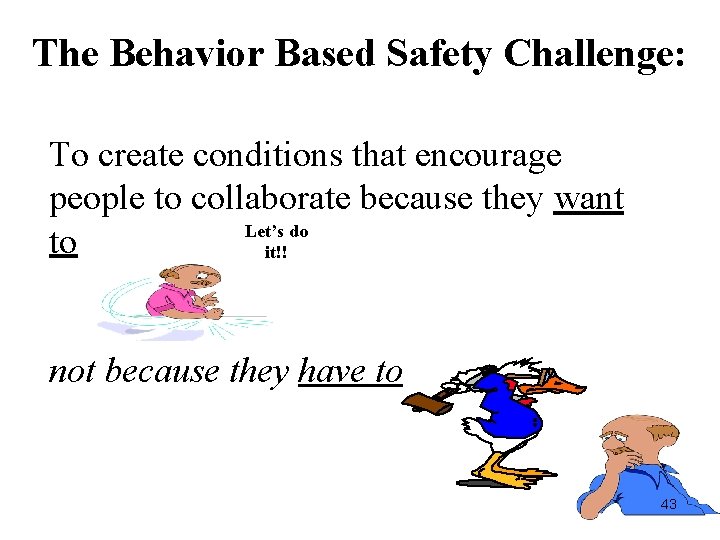
The Behavior Based Safety Challenge: To create conditions that encourage people to collaborate because they want Let’s do to it!! not because they have to 43
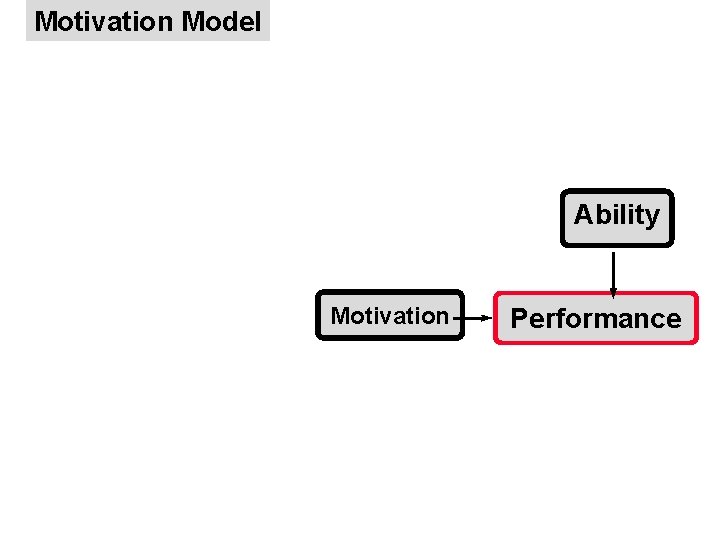
Motivation Model Ability Motivation Performance
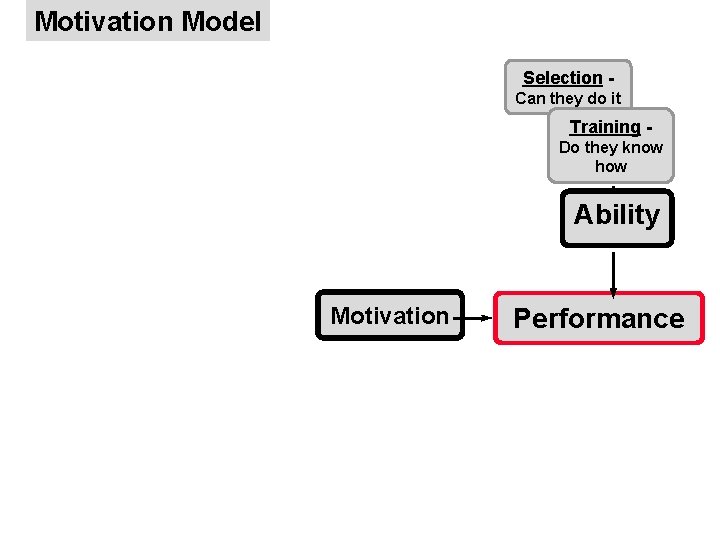
Motivation Model Selection Can they do it Training Do they know how Ability Motivation Performance
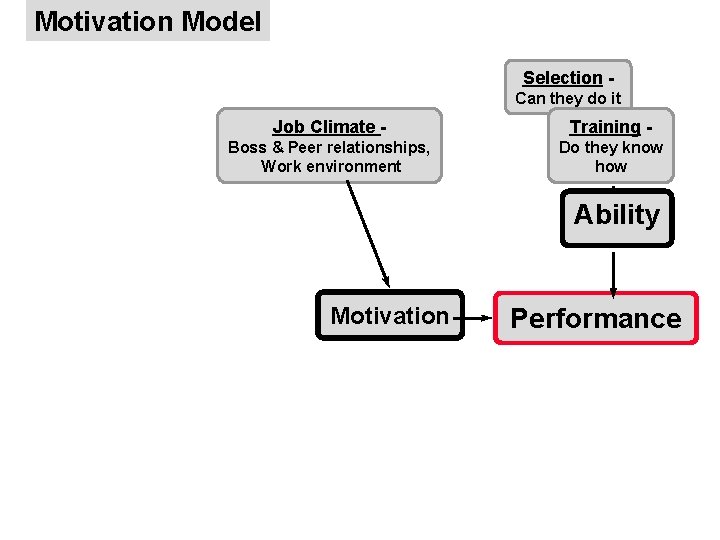
Motivation Model Selection Can they do it Job Climate - Training - Boss & Peer relationships, Work environment Do they know how Ability Motivation Performance
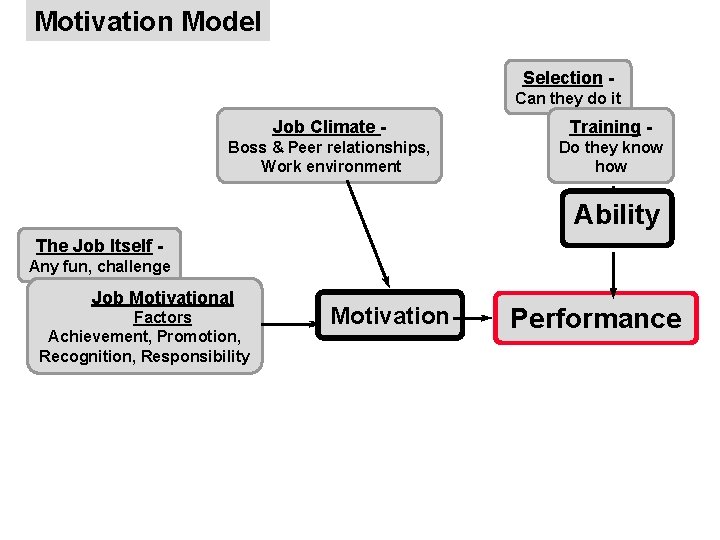
Motivation Model Selection Can they do it Job Climate - Training - Boss & Peer relationships, Work environment Do they know how Ability The Job Itself Any fun, challenge Job Motivational Factors Achievement, Promotion, Recognition, Responsibility Motivation Performance
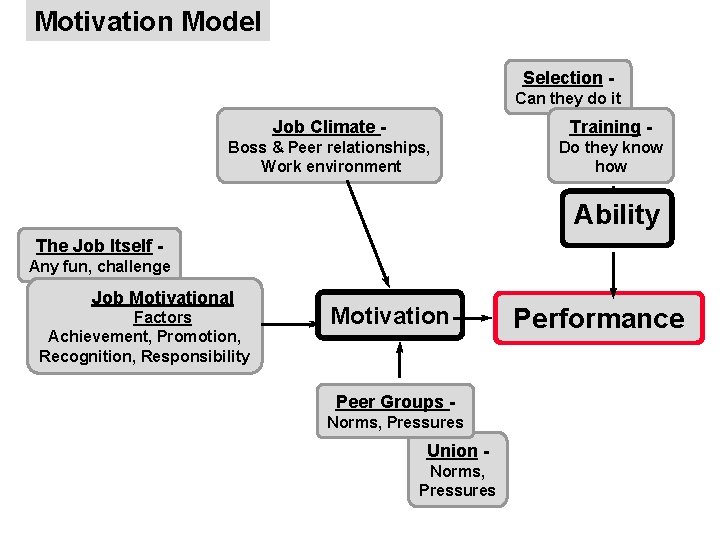
Motivation Model Selection Can they do it Job Climate - Training - Boss & Peer relationships, Work environment Do they know how Ability The Job Itself Any fun, challenge Job Motivational Factors Achievement, Promotion, Recognition, Responsibility Motivation Peer Groups Norms, Pressures Union Norms, Pressures Performance
Accident Causation DOTS Model
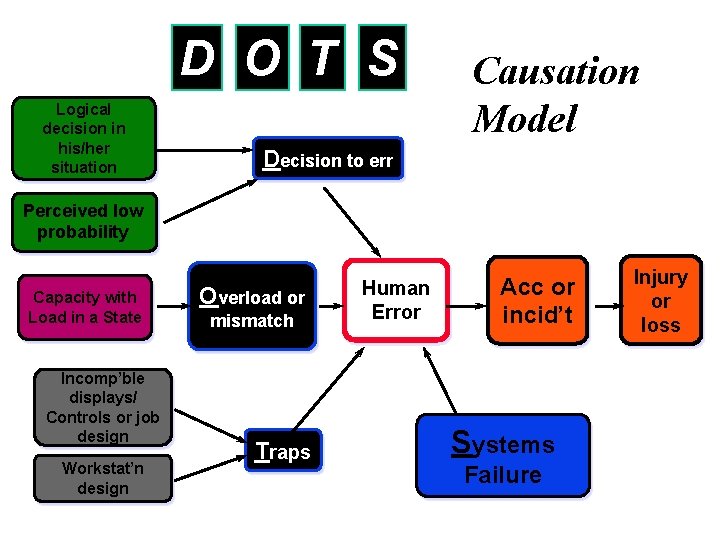
D O T S Logical decision in his/her situation Causation Model Decision to err Perceived low probability Capacity with Load in a State Incomp’ble displays/ Controls or job design Workstat’n design Overload or mismatch Traps Human Error Acc or incid’t Systems Failure Injury or loss
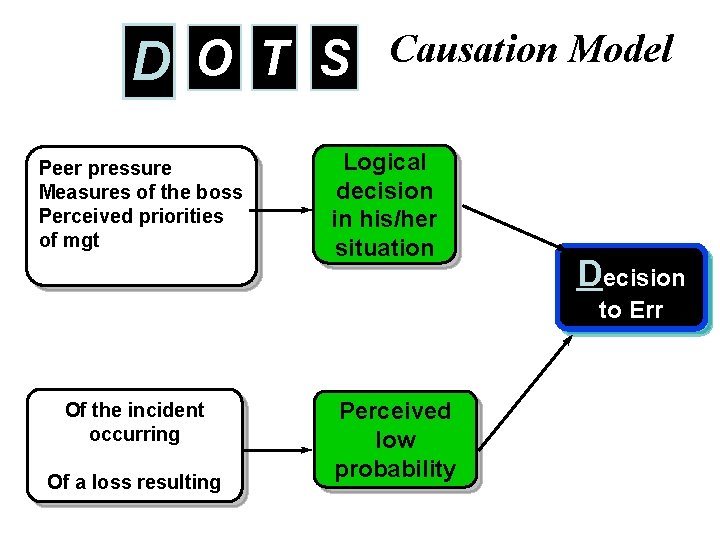
Causation Model S O T S D Peer pressure Measures of the boss Perceived priorities of mgt Logical decision in his/her situation Decision to Err Of the incident occurring Of a loss resulting Perceived low probability
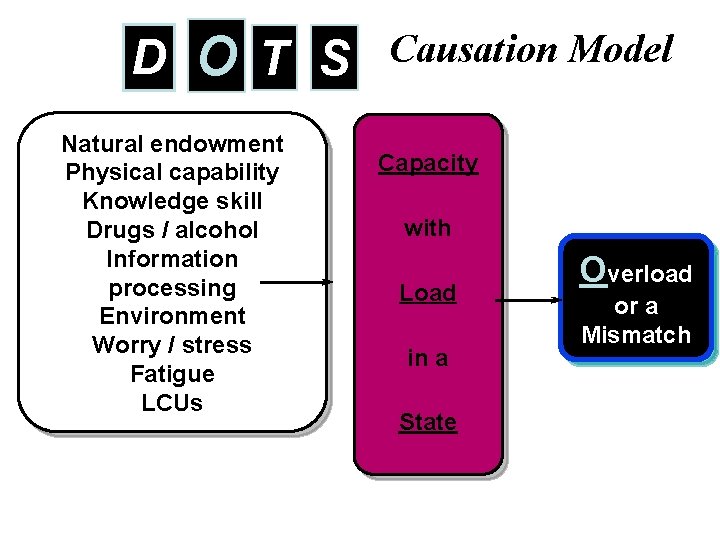
D O T S Causation Model Natural endowment Physical capability Knowledge skill Drugs / alcohol Information processing Environment Worry / stress Fatigue LCUs Capacity with Load in a State Overload or a Mismatch
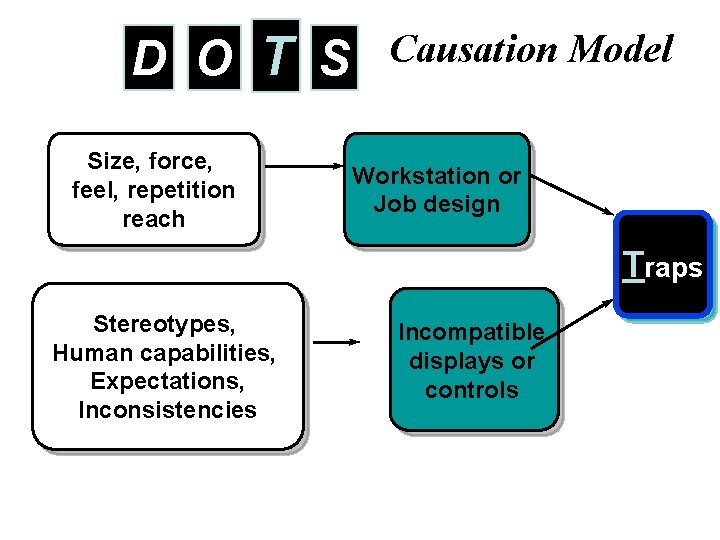
D O T S Causation Model Size, force, feel, repetition reach Workstation or Job design Traps Stereotypes, Human capabilities, Expectations, Inconsistencies Incompatible displays or controls
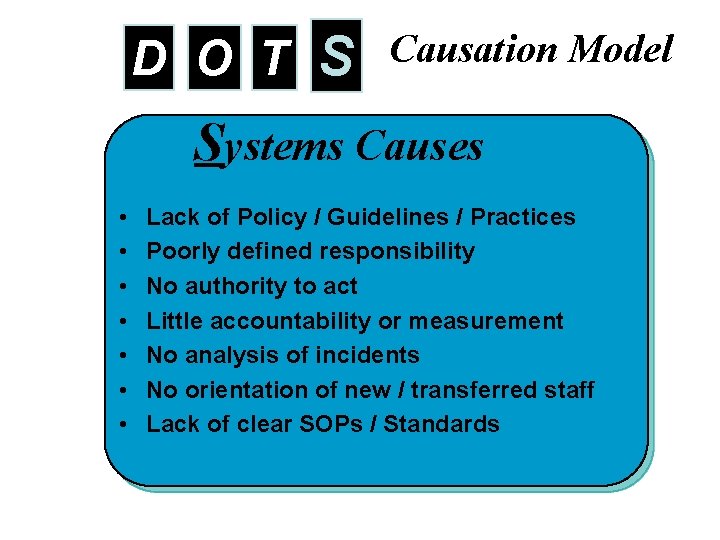
D O T S Causation Model Systems Causes • • Lack of Policy / Guidelines / Practices Poorly defined responsibility No authority to act Little accountability or measurement No analysis of incidents No orientation of new / transferred staff Lack of clear SOPs / Standards
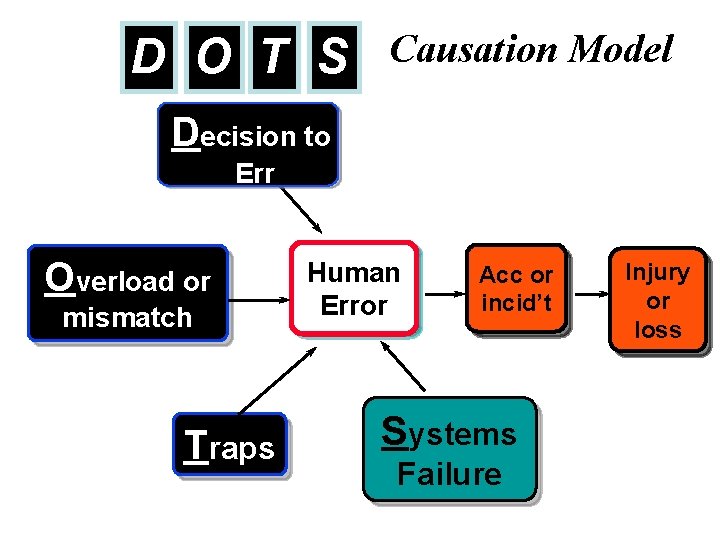
D O T S Causation Model Decision to Err Overload or mismatch Traps Human Error Acc or incid’t Systems Failure Injury or loss
Benefits of Behavior-based Approaches
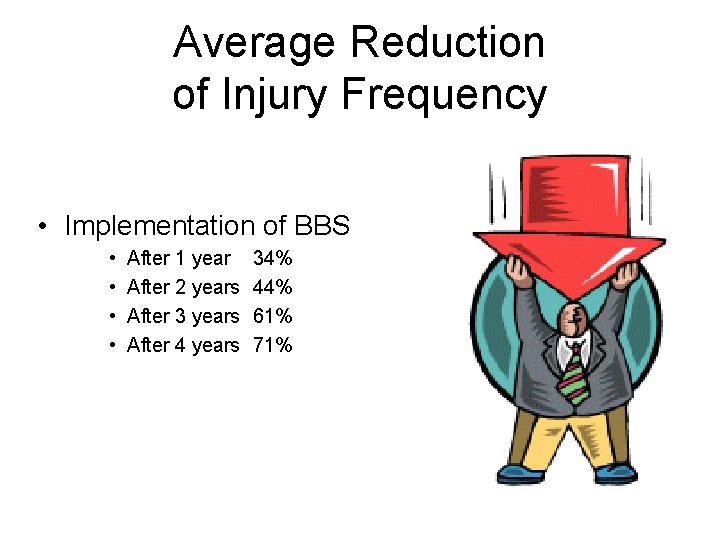
Average Reduction of Injury Frequency • Implementation of BBS • • After 1 year After 2 years After 3 years After 4 years 34% 44% 61% 71%
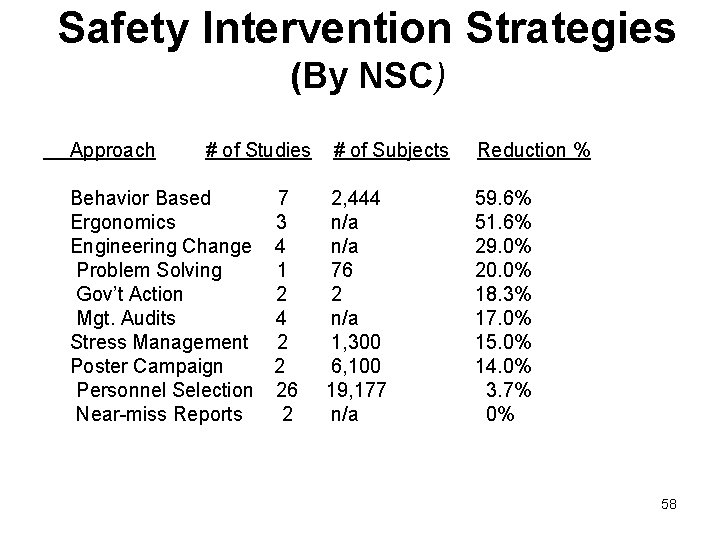
Safety Intervention Strategies (By NSC) Approach # of Studies Behavior Based Ergonomics Engineering Change Problem Solving Gov’t Action Mgt. Audits Stress Management Poster Campaign Personnel Selection Near-miss Reports 7 3 4 1 2 4 2 2 26 2 # of Subjects 2, 444 n/a 76 2 n/a 1, 300 6, 100 19, 177 n/a Reduction % 59. 6% 51. 6% 29. 0% 20. 0% 18. 3% 17. 0% 15. 0% 14. 0% 3. 7% 0% 58
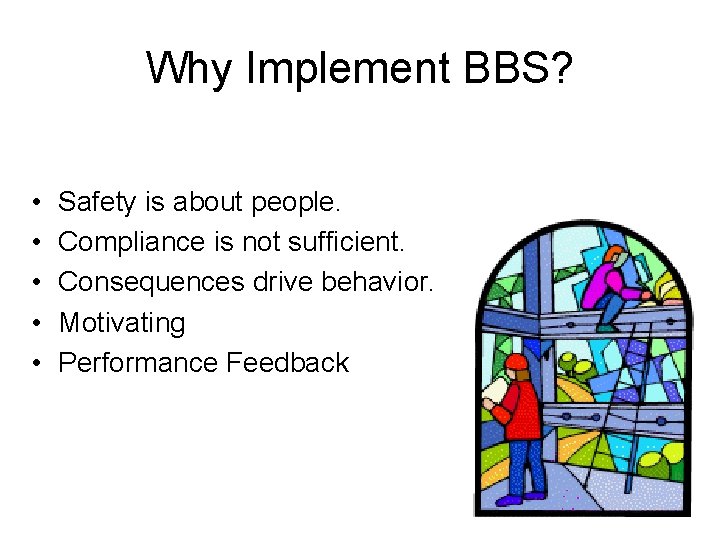
Why Implement BBS? • • • Safety is about people. Compliance is not sufficient. Consequences drive behavior. Motivating Performance Feedback
Why Implement BBS? • • • Truly proactive Broad awareness Deep Involvement Proven effective Transcends workplace safety
Three Essential Questions What behaviors are being observed? Why are those behaviors present? Now What will be done to correct the system deficiencies?
BBS Features Strengths / Weaknesses ►Peer to peer observation ►Supervisory observation ►Behavior audit ►Snapshot ►Software support ►Customized behavior inventories ►General behavior inventories ►Emphasis on skilled coaching and feedback
Roles and Responsibilities ►Workers ►Observers / Supervisors ►Safety Staff ►Managers ►Safety Involvement Team
Are You Ready for Behavior-Based Safety?
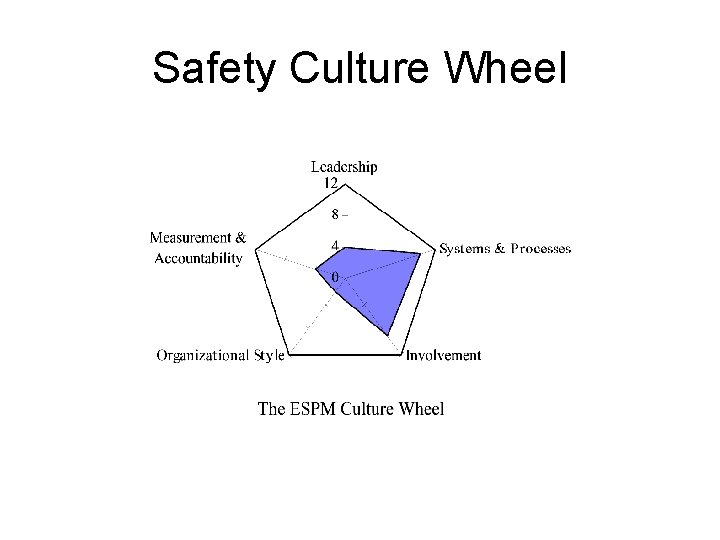
Safety Culture Wheel
Rate Each Statement on a Scale from 0 to 3 l 0= Weakness l 1=Some aspects covered l 2=Could be improved l 3=Strength
Leadership — Leadership commitment to safety is active, visible, and lively — A clear and inspiring vision has been established for safe performance — Safety is viewed and treated as a line management responsibility — Safety is clearly perceived as an organizational value on the same level with productivity and quality
Systems & Processes ― Supervisors and workers partner to find and correct systems causes of incidents ― Communication systems are abundant, effective and flow well in all directions ― Training systems deliberately and systematically create competency for the right people at the right time ― Safe operating procedures and policies are clearly defined and communicated
Involvement ― Workers are skilled at problem solving and decision making ― Labor and management work together to address safety systems issues ― Team orientation achieves involvement and cooperation ― Innovation, participation and suggestions are encouraged at all levels
Organizational Style ― Trust and openness are the norm ― Positive reinforcement is used regularly ― Bureaucratic obstacles are removed ― There is formal and informal recognition for great performance at all levels
Measurement and Accountability ― All levels of the organization have safety goals and process responsibilities clearly defined ― The process of achieving results is a key safety measure ― Performance reviews include accountability for safe performance at all levels ― Supervision is accountable to perform safety observations and feedback
How Do You Deal with Safety? l Leader culture that strongly values & supports EHS l continuous improvement l l Follower compliance minded l view safety as a legal responsibility with little or no value l l Gambler lack knowledge, resources, will to even achieve compliance l manage safety with eyes closed and fingers crossed l
How Is Your Organization Managed? l Safety must be in harmony with the way the organization is managed Do we want production and safety? l Do we want production with safety? l Do we want safe production? l l l Goal: Efficient production which maximizes profit Integrated or artificially introduced program? l How we do business - a state of mind that must become an integral part of each and every procedure in the company
Behavior Based Safety l Three major sub-systems to deal with: l The physical, the managerial, the behavioral l Identifying critical at-risk behaviors and the systems that support them l At-Risk Behavior normal human behavior l people reacting to their environment l l Deal with the causes of the at-risk behavior, not the behavior l change the environment that leads to the at-risk behavior
There is no one right way to achieve safe production in an organization. For a safety system to be effective it must fit the organization’s culture and it must: l Force supervisory performance l Involve middle management l Have top mgt. visibly showing their commitment l Have employee participation l Be flexible l Be perceived as positive Dan Petersen
Are You Ready? LEADERSHIP l Organization needs to be fundamentally prepared for it l l Major change initiative for most companies l l Success = taking on and resolving central organizational issues Change l not easy l often resisted w/ vigor and ingenuity l failed change efforts create skepticism, cynicism and apathy Whether in production, quality, or safety the ultimate responsibility rests with leadership.
Are You Ready? SYSTEMS l Basic systems must be in place: Safety - AI, hazard recognition, recordkeeping, etc… l Management - decision-making, inventory, budgeting, etc… l Facilities/Equipment - design, maintenance, etc… l l If BBS is not integrated as a system it is likely to burn -out
Are You Ready? INVOLVEMENT l Engaging and sustaining employee involvement is the driving mechanism l When employee involvement is not adequately engaged, BBS becomes just another program l Management involvement is crucial l often subvert implementation by not understanding BBS principles
Are You Ready? ORGANIZATIONAL STYLE l Must be functioning at a high level of effectiveness or be willing to address obstacles to high level functioning l Effective organizational functioning includes: Communication l Trust and credibility between management and workers l Respect l Vision l
Are You Ready? MEASUREMENT & ACCOUNTABILITY l What gets measured gets done l Clearly defined roles and responsibilities at every level l Accountability v Responsibility l Performance v Results l Safety Director - a lot of responsibility, very little authority l Not everyone is responsible for safety until they are held accountable
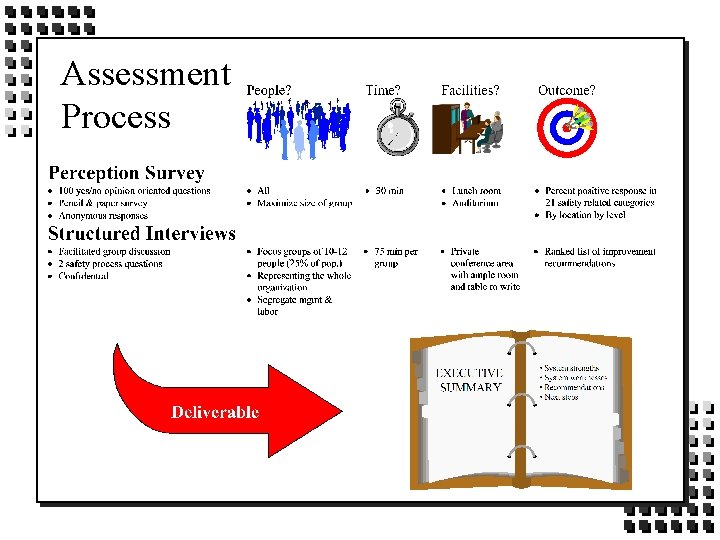
Assessment Process
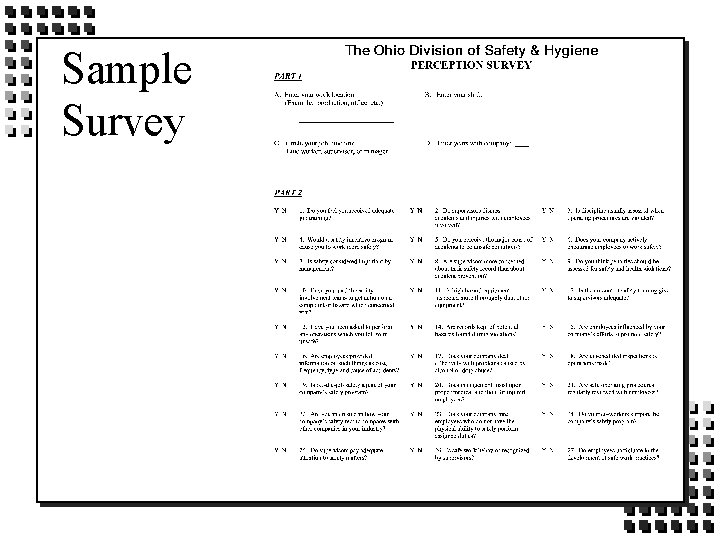
Sample Survey
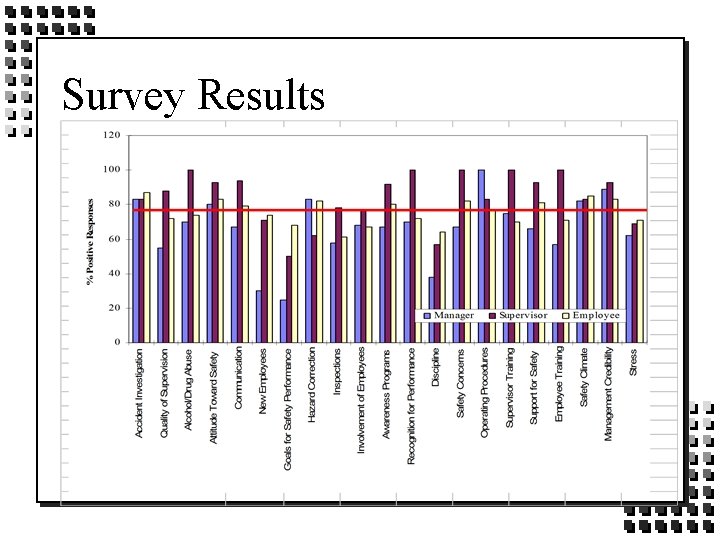
Survey Results
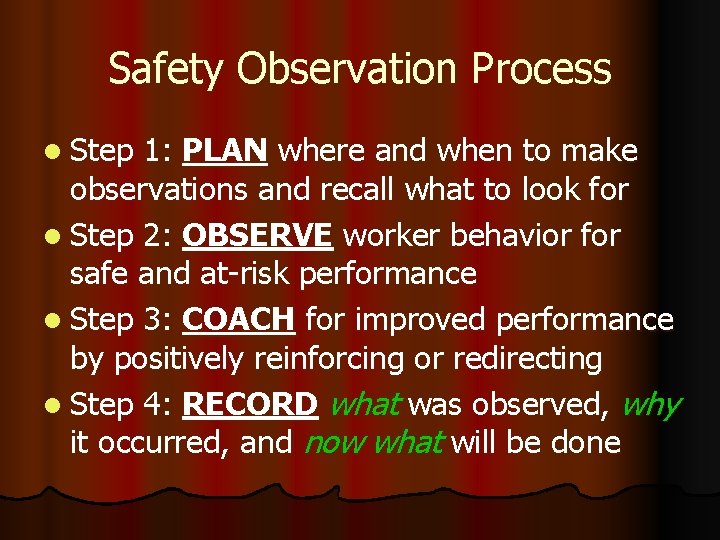
Safety Observation Process l Step 1: PLAN where and when to make observations and recall what to look for l Step 2: OBSERVE worker behavior for safe and at-risk performance l Step 3: COACH for improved performance by positively reinforcing or redirecting l Step 4: RECORD what was observed, why it occurred, and now what will be done
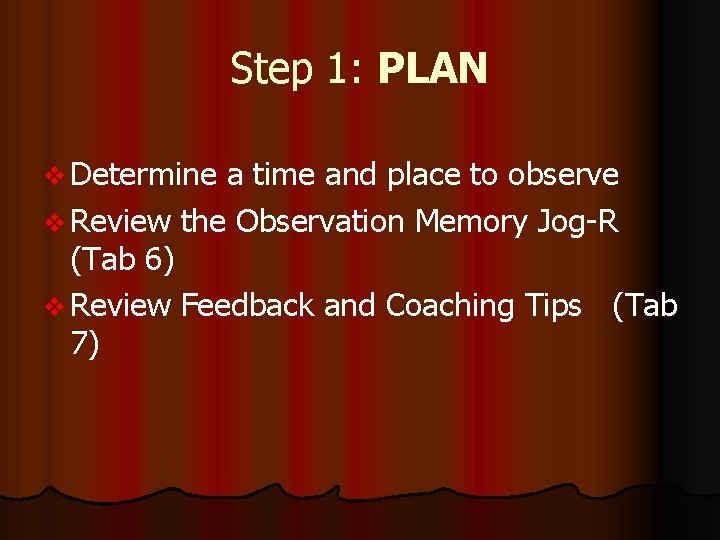
Step 1: PLAN v Determine a time and place to observe v Review the Observation Memory Jog-R (Tab 6) v Review Feedback and Coaching Tips (Tab 7)
Step 2: OBSERVE v Snapshots of behavior v Allow no distractions v Observe people and surroundings v Stop any at-risk behavior immediately v Stop observing after 30 seconds or at-risk behavior is observed, which ever comes first
Step 3: COACH v Provide positive reinforcement (R+) if safe v Coach by shaping behavior if at-risk v Ignore what you saw v Discipline
Step 4: RECORD v Anonymous, specific, timely v Safe and At-Risk behaviors on Memory Jog -R v What, Why, Now What v Take Action
Observation Exercises
Continuous Improvement v Data Compilation v Safety Involvement Team v Problem solving v Implement solutions v Successful?
Ohio BWC BBS Software Demo
OBSERVATION q Reactive Behavior q Personal Protective Equipment q Specific Job Risks q Tools and Equipment q Safe Work Practices q Ergonomics
q. Reactive Behavior l Adjusting PPE l Changing position / Turning away l Stopping work / Attaching safe guards l Rearranging job
q. Personal Protective Equipment l Head gear l Eye protection and face shielding l Hearing protection l Respiratory protection l Arm and hand covering l Foot and leg protection
q. Specific Job Risks l Strike against or caught l Line of fire l Fall, slip hazard l Contact hot, chemical or electric l Inhale or swallow hazardous substance
q. Tools and Equipment l Wrong for the job l Used incorrectly l In need of repair or maintenance l Clutter & poor housekeeping
q. Safe Work Practices l Not defined l Not known or understood l Ignored or done poorly l Not compatible with task
q. Ergonomics l Forceful exertions l Awkward postures l High repetition l Long duration w/o rest
Coaching and Feedback for the skilled observer
Positive Reinforcement l Give praise l Explain why this behavior is right and/or safe l Encourage continued behavior
Shaping Behavior l Communicate the behavior you saw l Check for understanding of the job l Coach for improved performance l Contract for safe behavior
Coaching Tips l Use “I” vs. “You” language l Appeal to other’s interests and goals l Reflect feelings or emotions that go beyond the words l Set limits to clarify expectations l Talk about the behavior, not the person
Coaching Tips Continued… l Keep calm l Don’t personalize emotion of others l Move to problem solving l Focus on interests rather than position l Find common ground
- Slides: 103