
Be the Light in the Darkness Assembly Notes
Be the Light in the Darkness Assembly Notes for Teachers This assembly aims to help Linking Schools who are part of The Linking Network deliver the Holocaust Memorial Day Assembly to Upper Key Stage 2 pupils. It uses the Holocaust Memorial Day (HMD) Trust suggestions for 2021 on theme ‘Be the Light in the Darkness’. Here are the resources and craft ideas from HMD that this assembly is based on https: //www. hmd. org. uk/take-part-in-holocaustmemorial-day/marking-holocaust-memorial-day-online/. This assembly tells the story of two young people who took action to save other young people and then suggests the class make lights for a display. There is another assembly from HMD available here: https: //www. hmd. org. uk/resource/hmd-assembly-primary-schools/ We have provided this with voice over but you can obviously you could deliver it yourself – there is a suggested script in the notes section of the Power. Point Due to the sensitive nature of this topic, we suggest this is used in school rather than sent home. The assembly includes an opportunity for pupils to pause and reflect and leads into an art activity individually or as a group. As always, sensitivity, awareness and understanding of your class and community is essential before exploring any activities relating to identity. See https: //thelinkingnetwork. org. uk/remote-learning/ for other assemblies and resources
Be the Light in the Darkness Assembly National Curriculum Objectives This assembly will help address the following objectives from the PSHE Association Programme of Study and the Citizenship Programme of Study: PSHE Core Theme 2: Relationships R 21. about discrimination: what it means and how to challenge it R 21. about what is kind and unkind behaviour, and how this can affect others R 30. that personal behaviour can affect other people Core Theme 3: Living in the Wider World L 9. about stereotypes; how they can negatively influence behaviours and attitude towards others; strategies for challenging stereotypes Citizenship: 4 a. that their actions affect themselves and others, to care about other people’s feelings and to try to see things from their points of view; 4 d. to recognise and challenge stereotypes; This resource will also support SMSC and British Values development. In particular, the ability to recognise the difference between right and wrong and to readily apply this and understanding the consequences of their behaviour and actions.
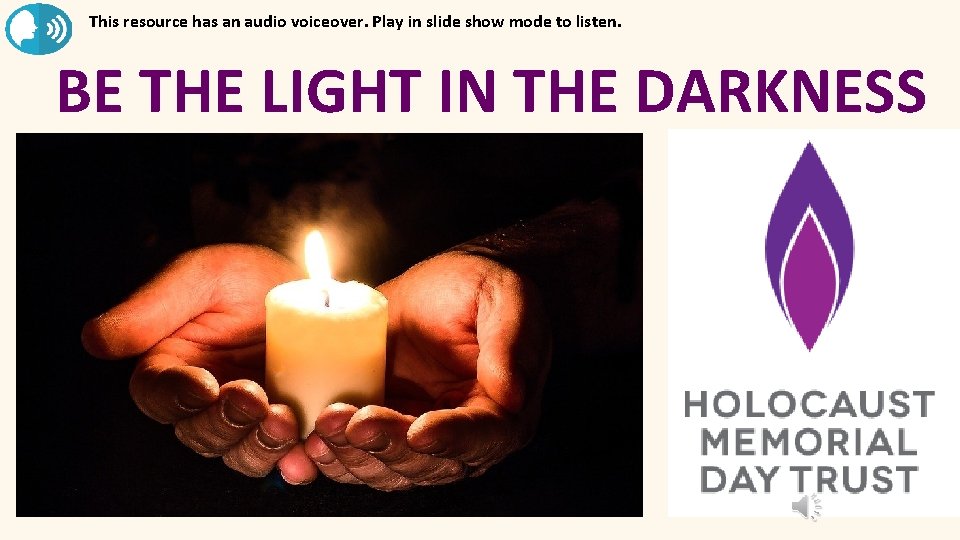
This resource has an audio voiceover. Play in slide show mode to listen. BE THE LIGHT IN THE DARKNESS
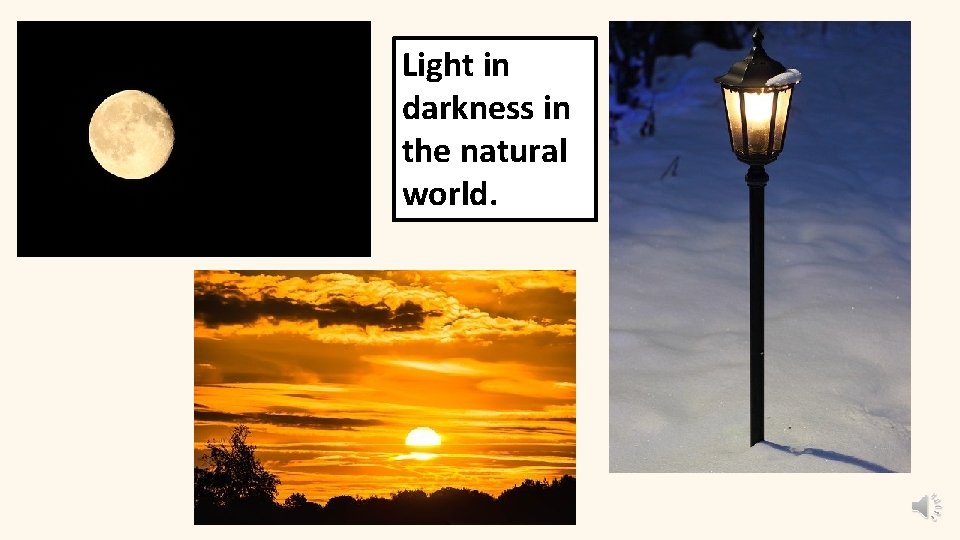
Light in darkness in the natural world.

There are lots of ways to bring light and goodness into the world.
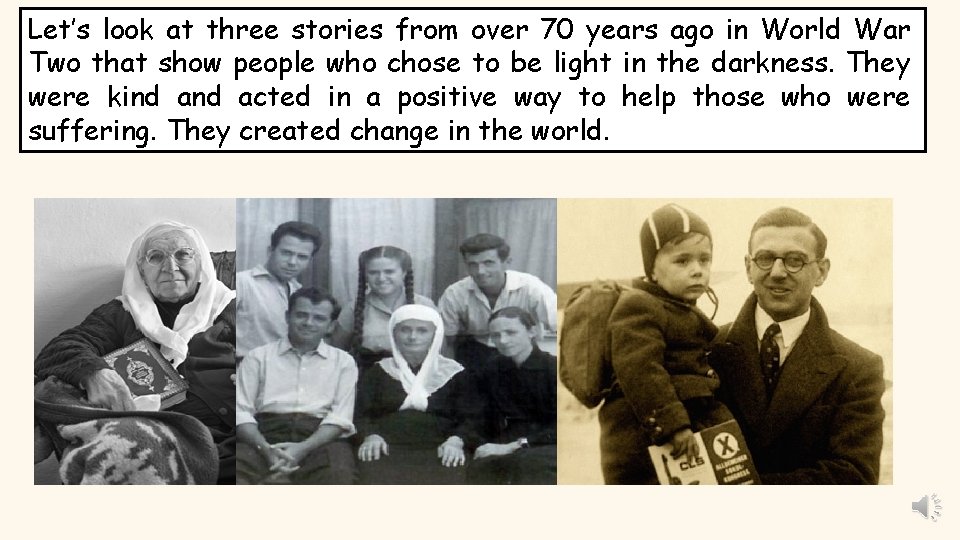
Let’s look at three stories from over 70 years ago in World War Two that show people who chose to be light in the darkness. They were kind acted in a positive way to help those who were suffering. They created change in the world.
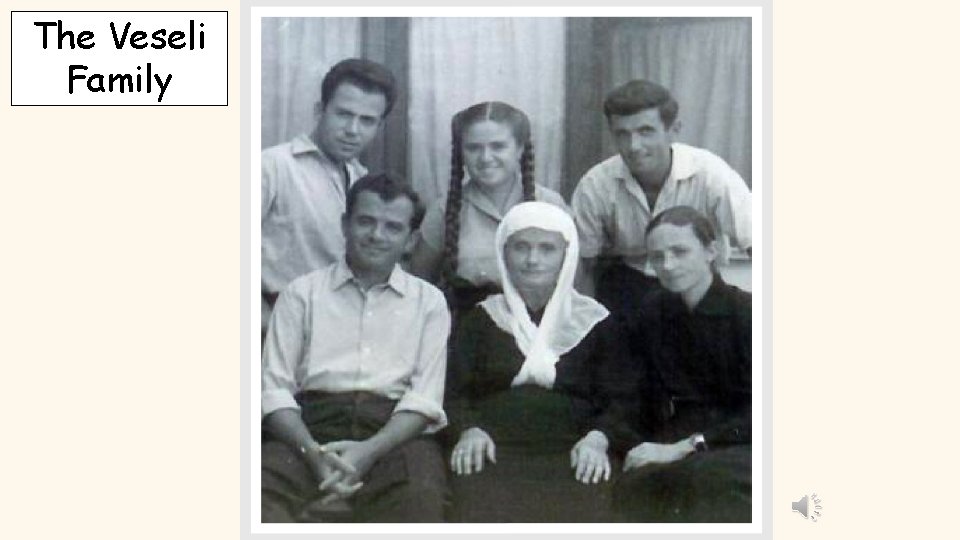
The Veseli Family
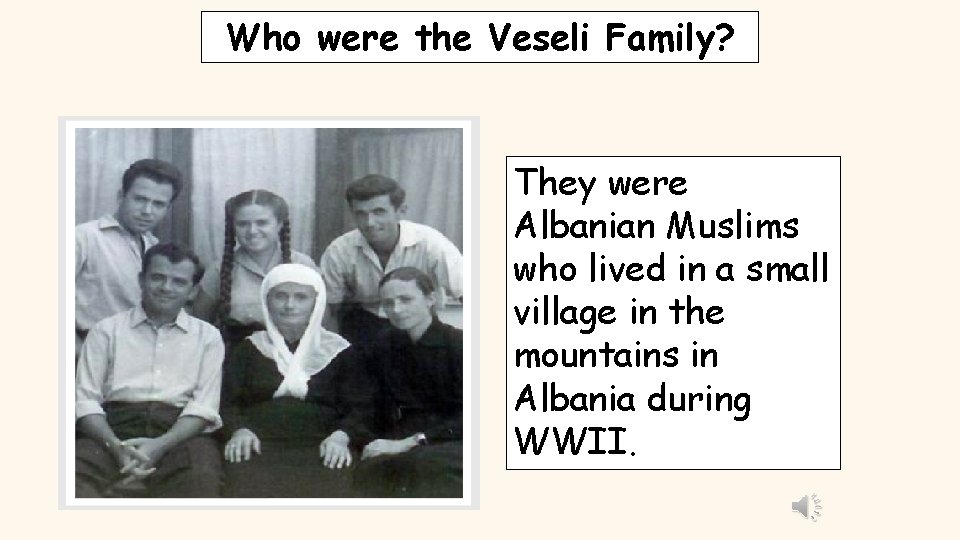
Who were the Veseli Family? They were Albanian Muslims who lived in a small village in the mountains in Albania during WWII.
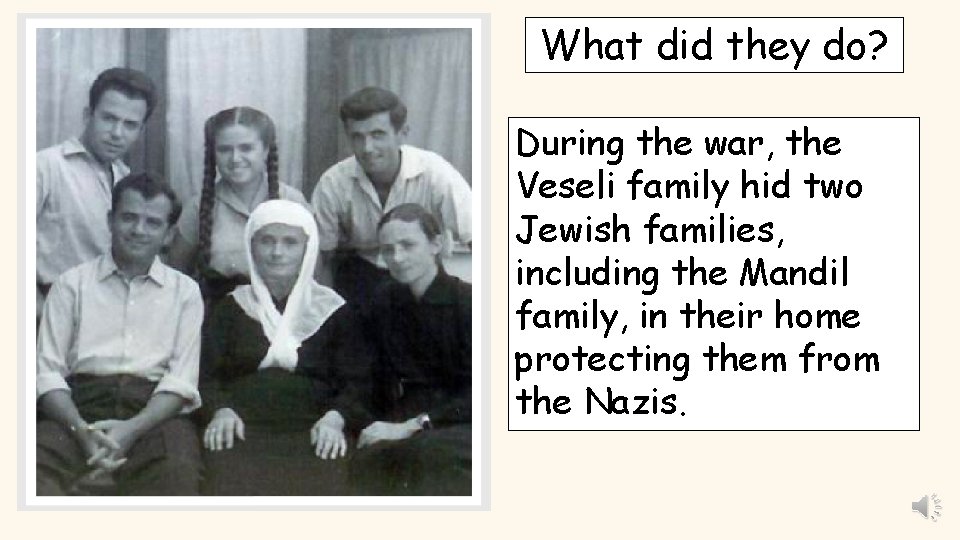
What did they do? During the war, the Veseli family hid two Jewish families, including the Mandil family, in their home protecting them from the Nazis.
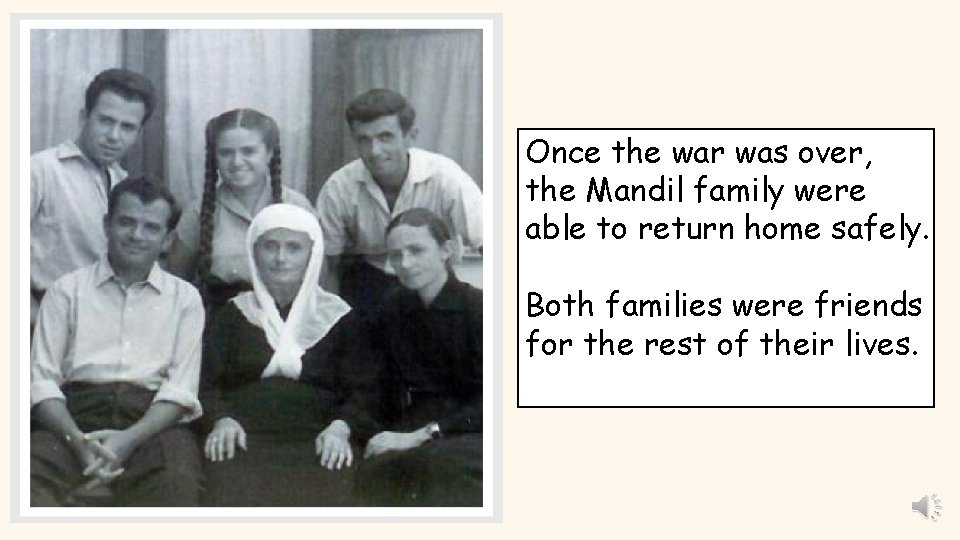
Once the war was over, the Mandil family were able to return home safely. Both families were friends for the rest of their lives.
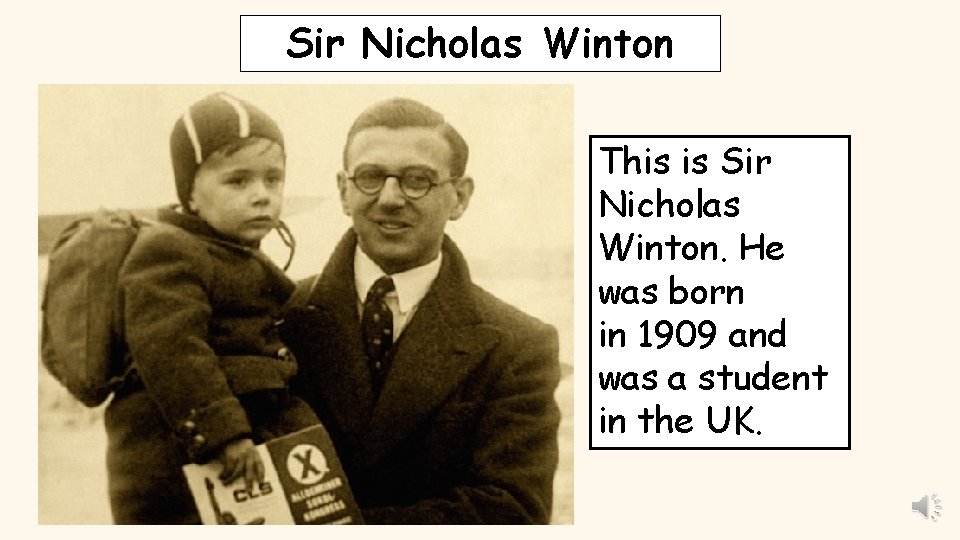
Sir Nicholas Winton This is Sir Nicholas Winton. He was born in 1909 and was a student in the UK.
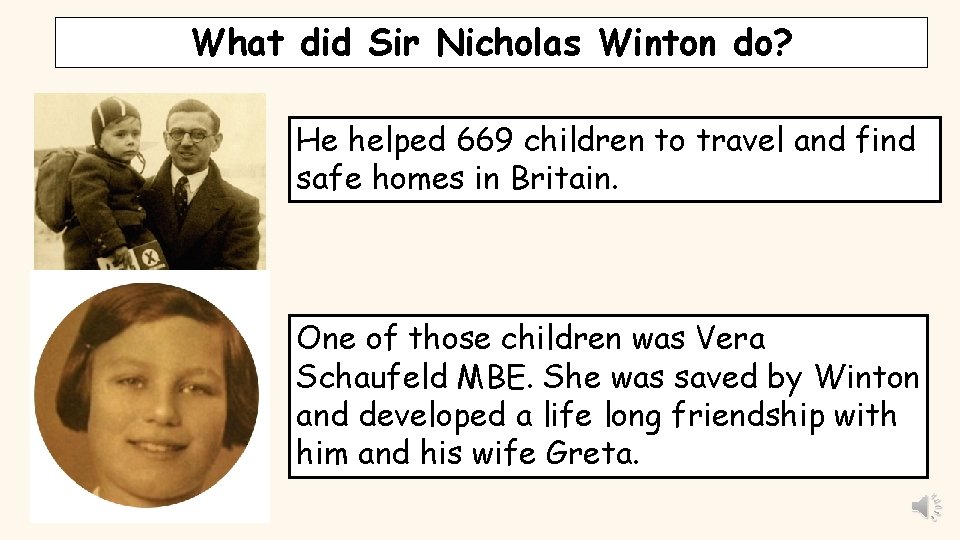
What did Sir Nicholas Winton do? He helped 669 children to travel and find safe homes in Britain. One of those children was Vera Schaufeld MBE. She was saved by Winton and developed a life long friendship with him and his wife Greta.
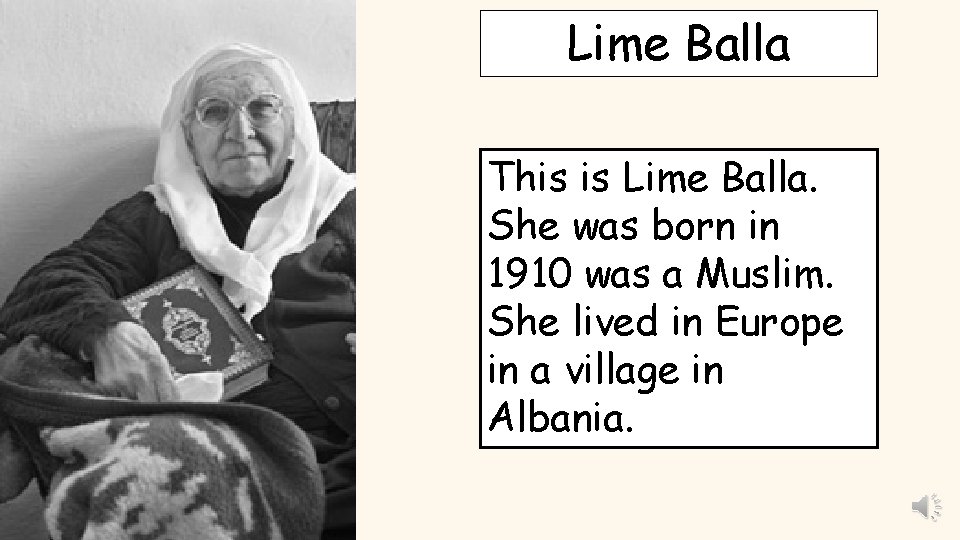
Lime Balla This is Lime Balla. She was born in 1910 was a Muslim. She lived in Europe in a village in Albania.
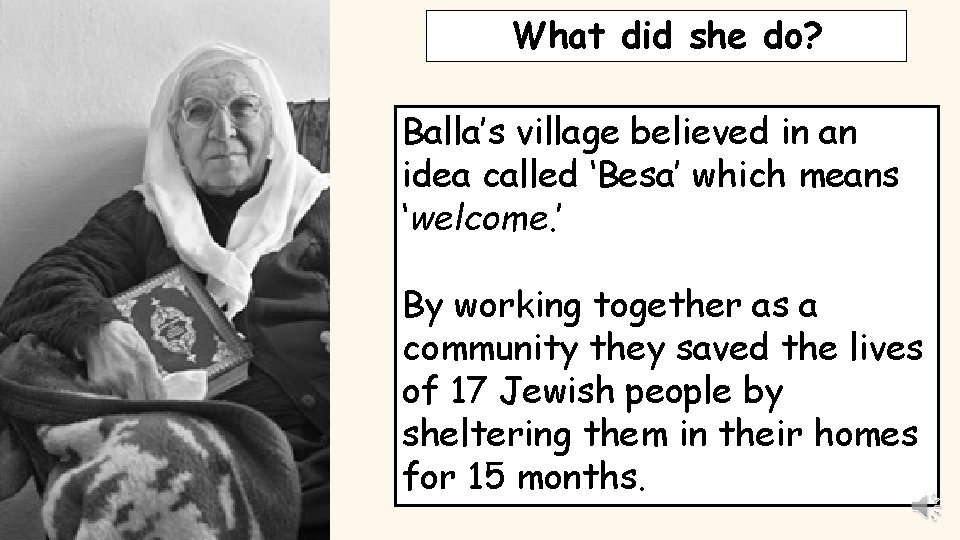
What did she do? Balla’s village believed in an idea called ‘Besa’ which means ‘welcome. ’ By working together as a community they saved the lives of 17 Jewish people by sheltering them in their homes for 15 months.
BE THE LIGHT IN THE DARKNESS
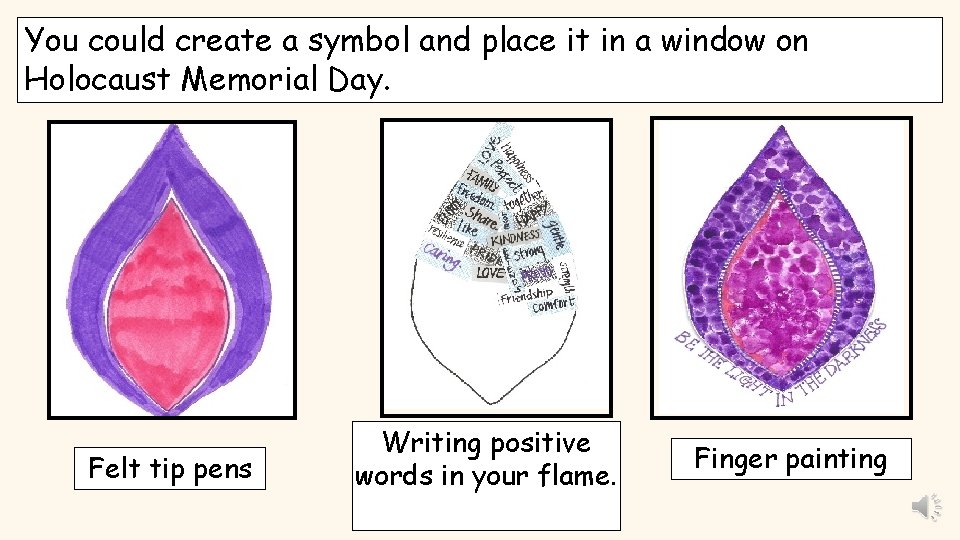
You could create a symbol and place it in a window on Holocaust Memorial Day. Felt tip pens Writing positive words in your flame. Finger painting
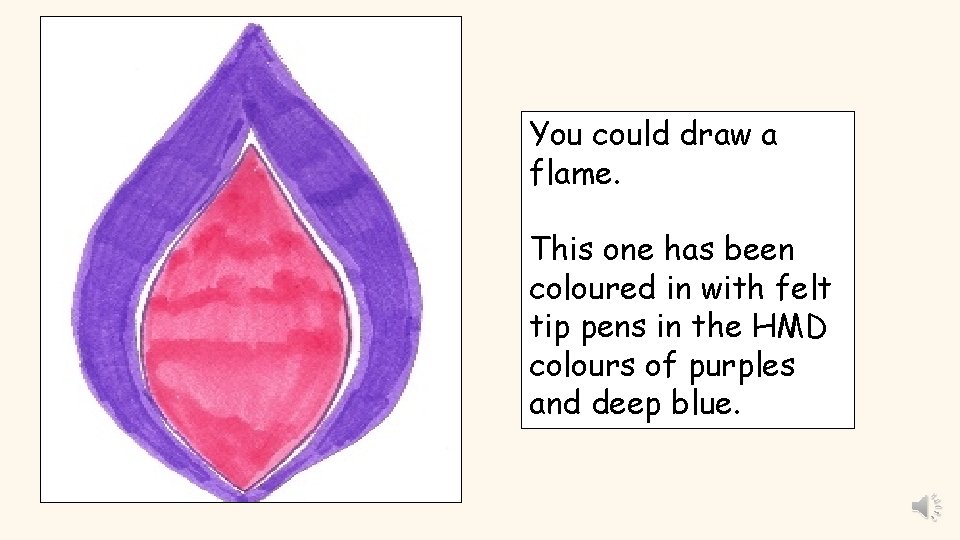
You could draw a flame. This one has been coloured in with felt tip pens in the HMD colours of purples and deep blue.
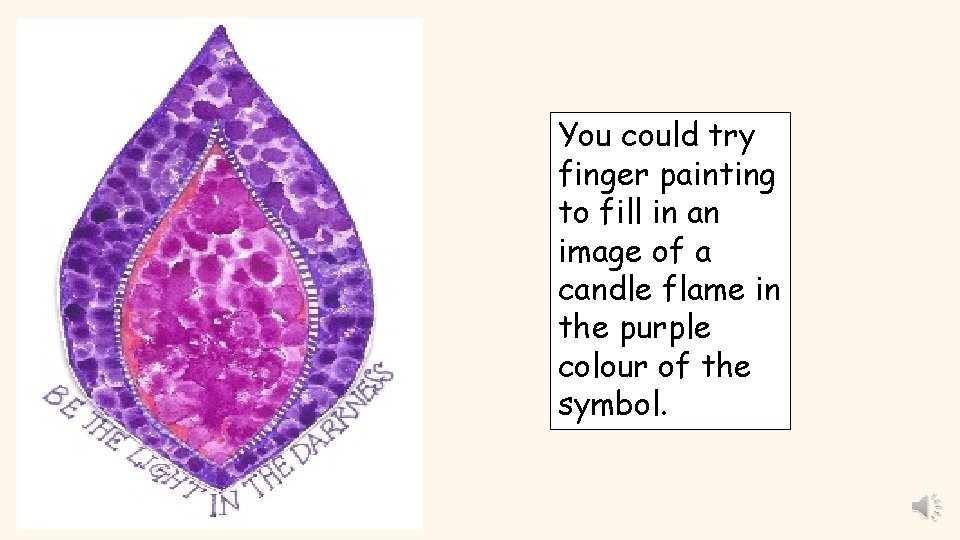
You could try finger painting to fill in an image of a candle flame in the purple colour of the symbol.
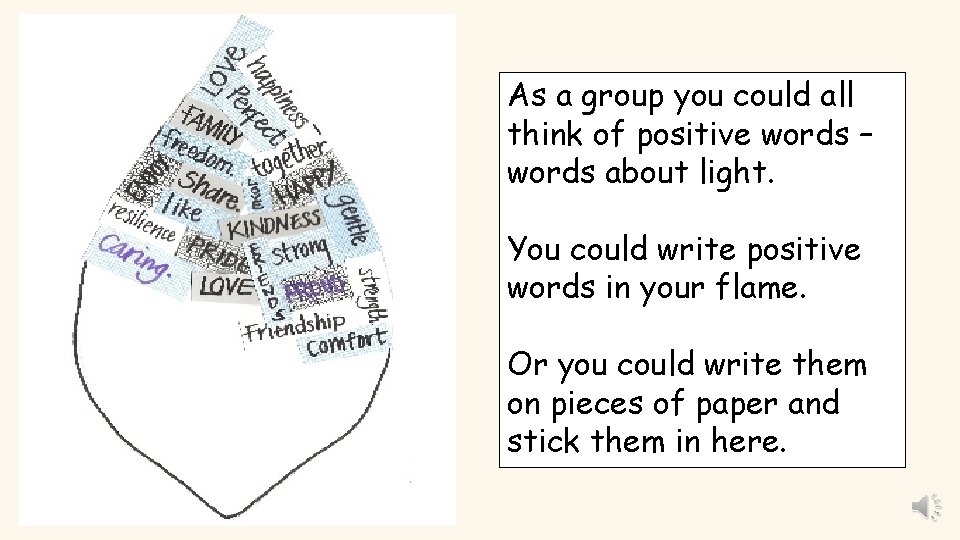
As a group you could all think of positive words – words about light. You could write positive words in your flame. Or you could write them on pieces of paper and stick them in here.
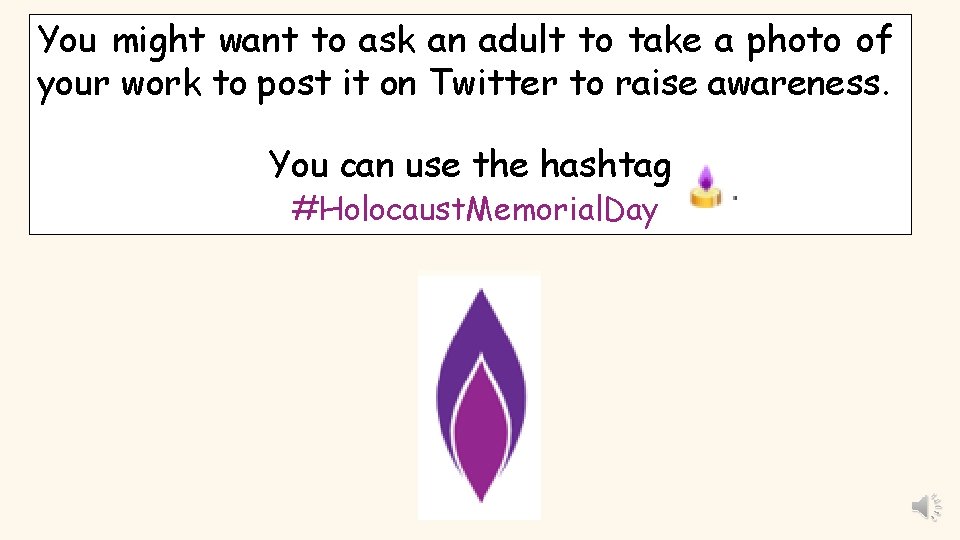
You might want to ask an adult to take a photo of your work to post it on Twitter to raise awareness. You can use the hashtag #Holocaust. Memorial. Day
Time To Reflect Can you think of one good thing that you can do in the world to be a light?
See more at https: //thelinkingnetwork. org. uk/remote-learning/ Or join our Teacher Facebook group for more resources and ideas or to ask a question. Please get in touch if we can help info@thelinkingnetwork. org. uk @Linking. Network. Family. Learning @Linking_Network ©The. Linking. Network 2020
- Slides: 22