
Bavaria Linderhof Palace German Schloss Linderhof is a
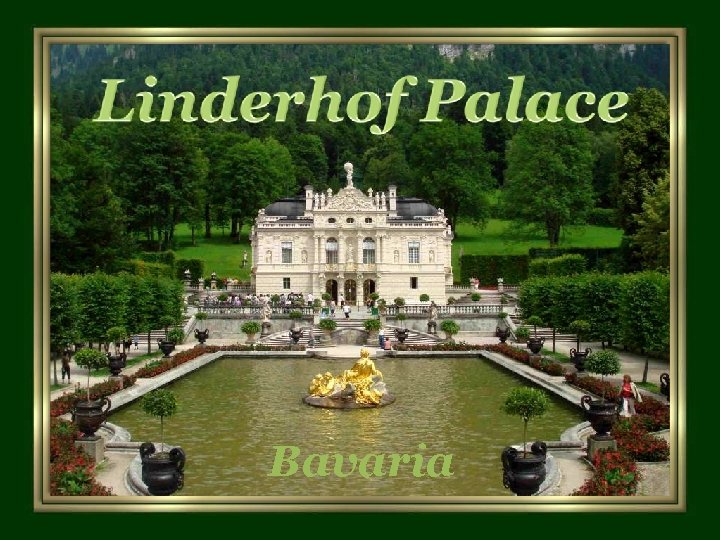
Bavaria
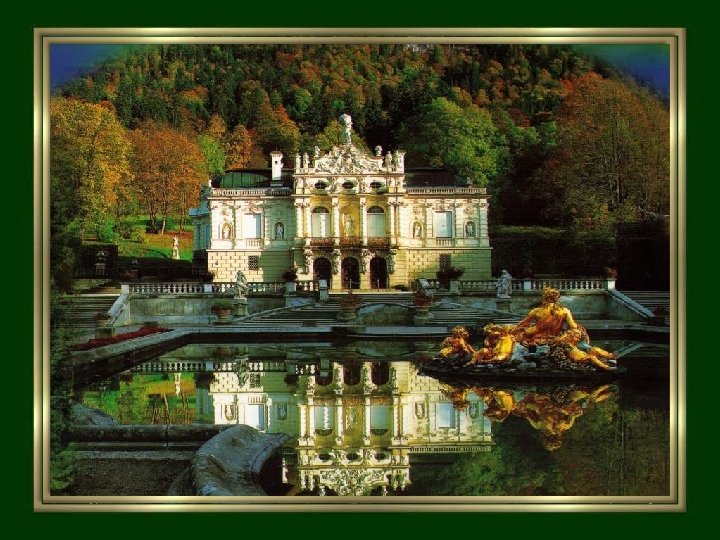
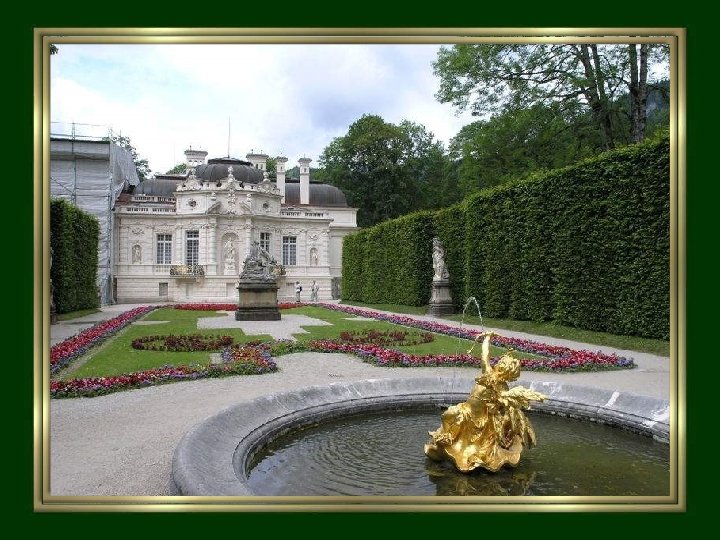
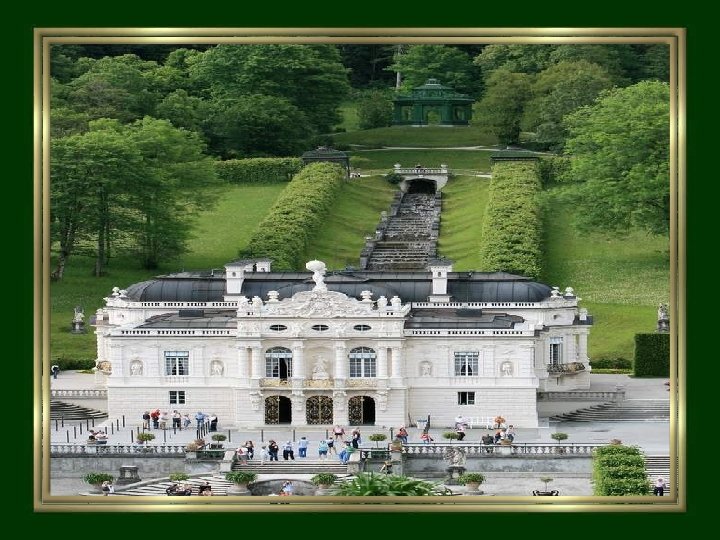
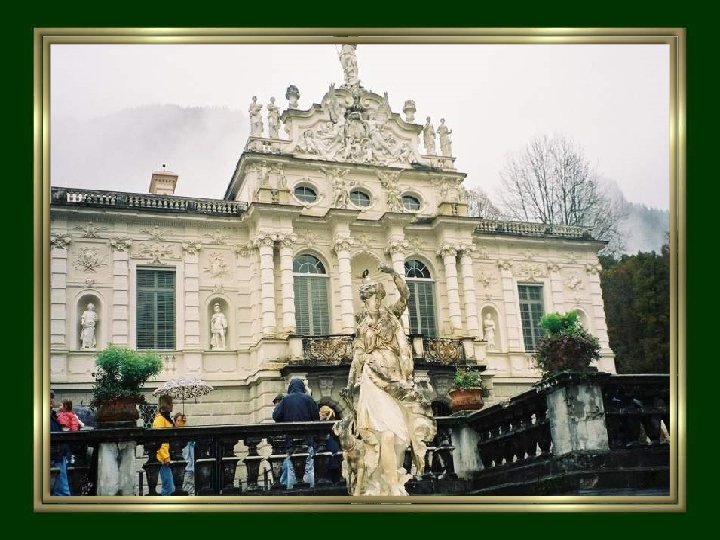
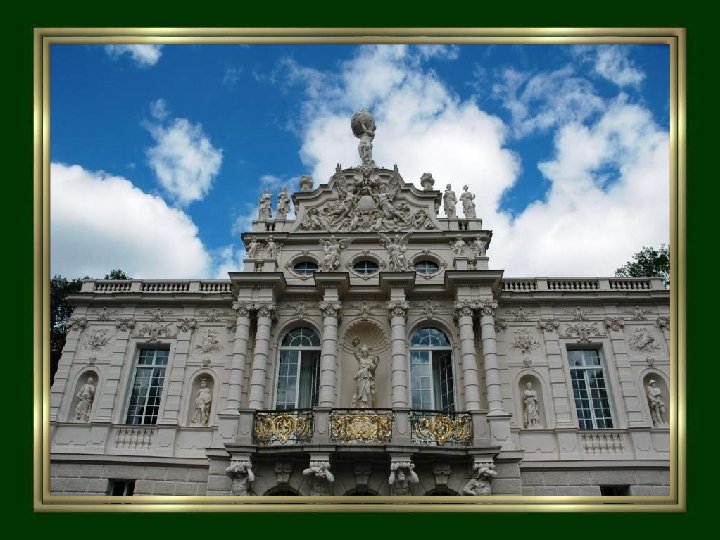
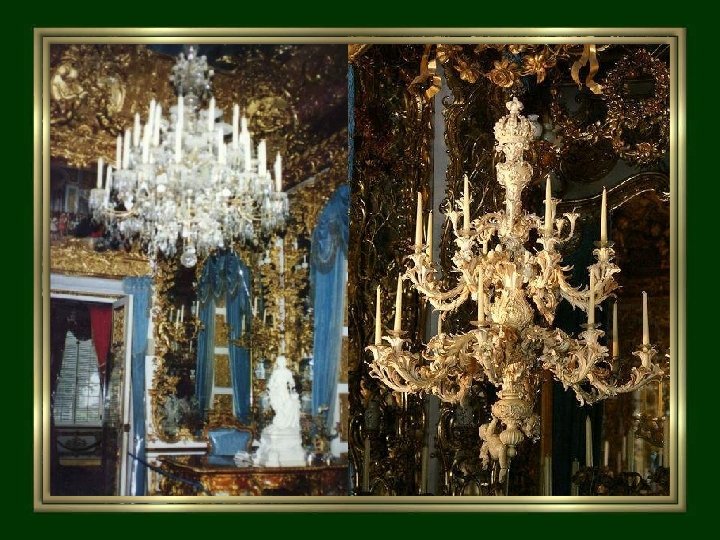
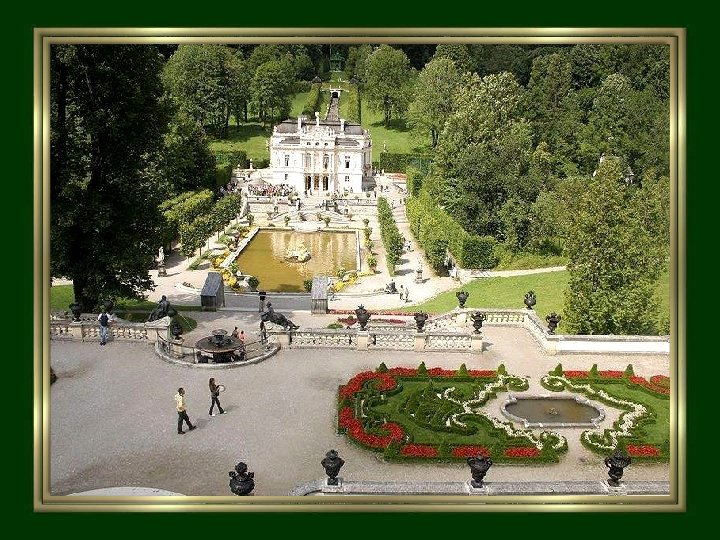
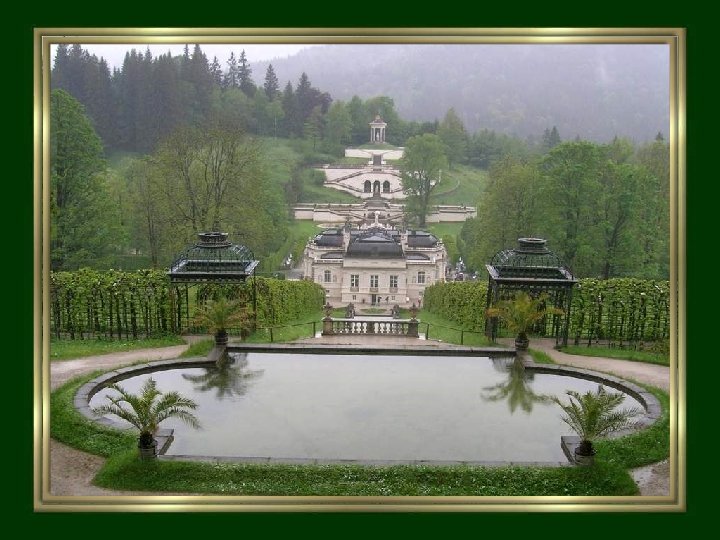
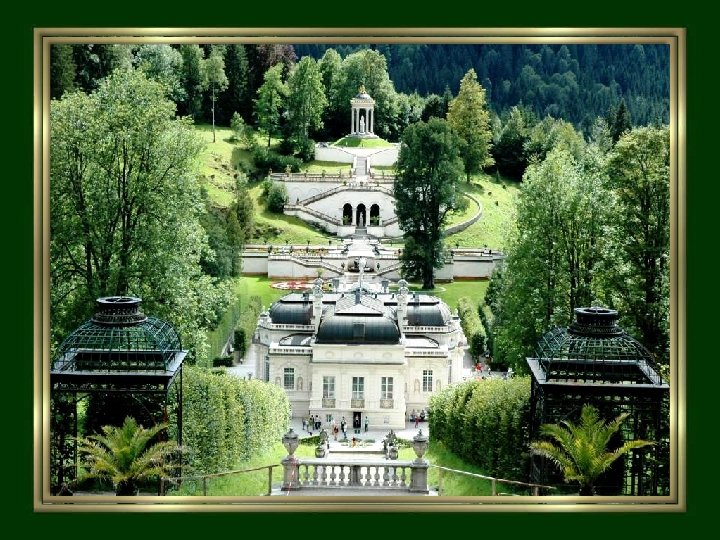
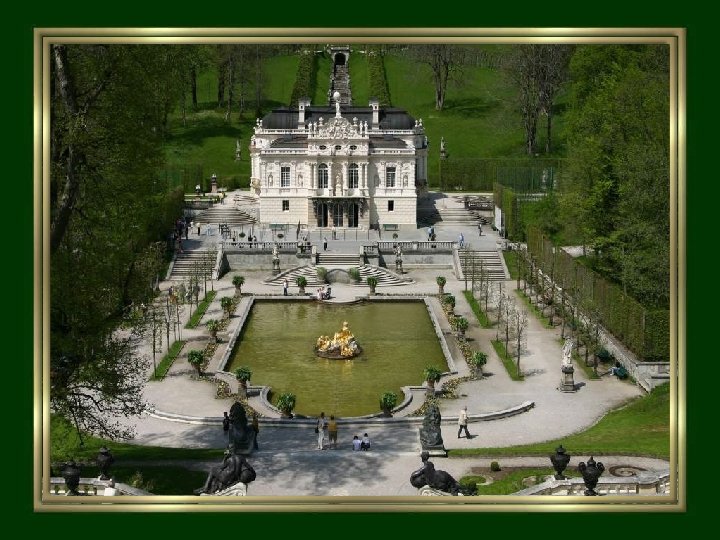
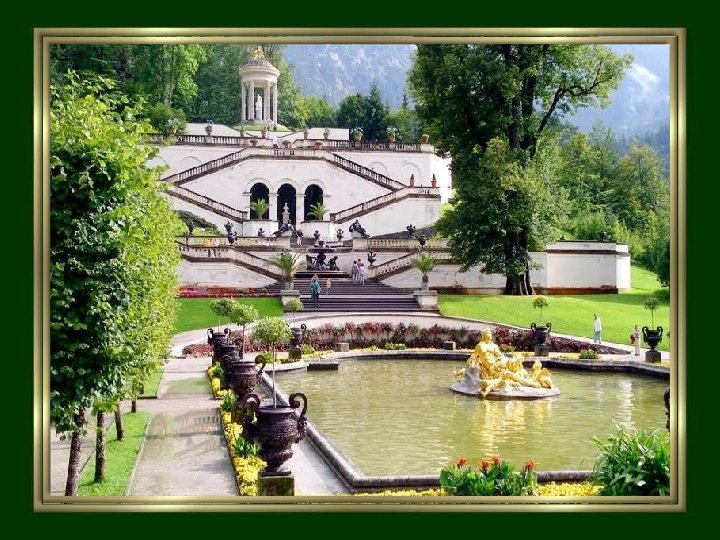
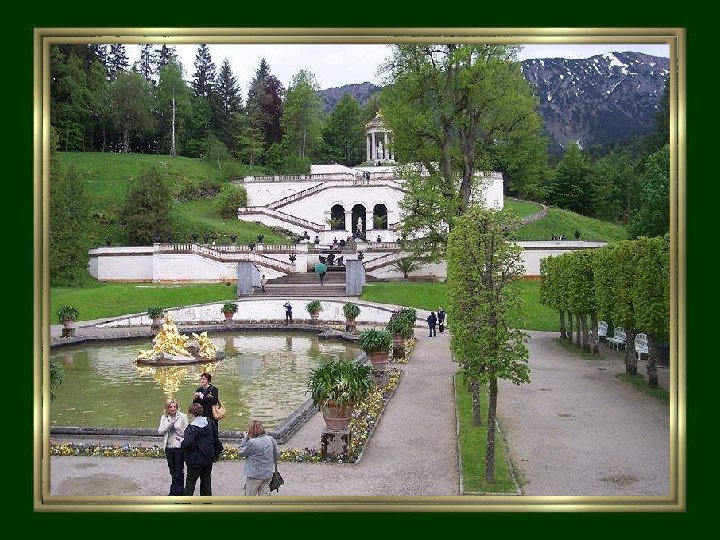
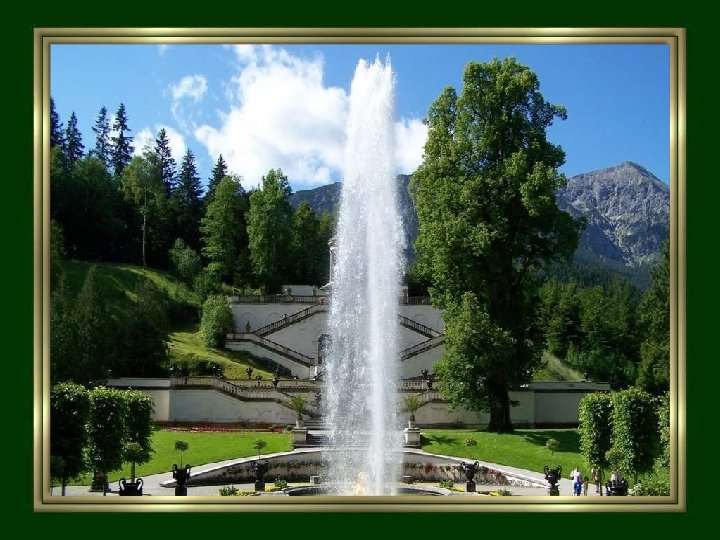
Linderhof Palace (German: Schloss Linderhof) is a palace in Germany, near Oberammergau in southwest Bavaria near Ettal Abbey. It is the smallest of the three palaces (Neuschwanstein, Herren Chiemsee, and Linderhof) built by King Ludwig II of Bavaria and the only one of which he lived to see completion. The gardens surrounding Linderhof Palace are considered one of the most beautiful creations of historicist garden design. The park combines formal elements of Baroque style or Italian Renaissance gardens with landscaped sections that are similar to the English Garden. Linderhof, in comparison to other palaces, has a rather private atmosphere. In fact, there are only four rooms that have a real function: Hall of Mirrors, Audience Room, Bedchamber, and Dining Room. The construction of Linderhof began in 1874 and was completed by 1878. It was the only one of Ludwig’s three castles that was ever completely finished. The interior of the castle is quite luxuriant. The royal bedroom has an enormous bed and is surrounded by magnificent drapes, golden candelabras, and a magnificent chandelier. Meanwhile, the dining room possesses a table that could be lowered into the kitchen that was located below. The servants in the kitchen could then stock the table and have it raised back up into the dining room. This was all done so that Ludwig would not have to see his servants.
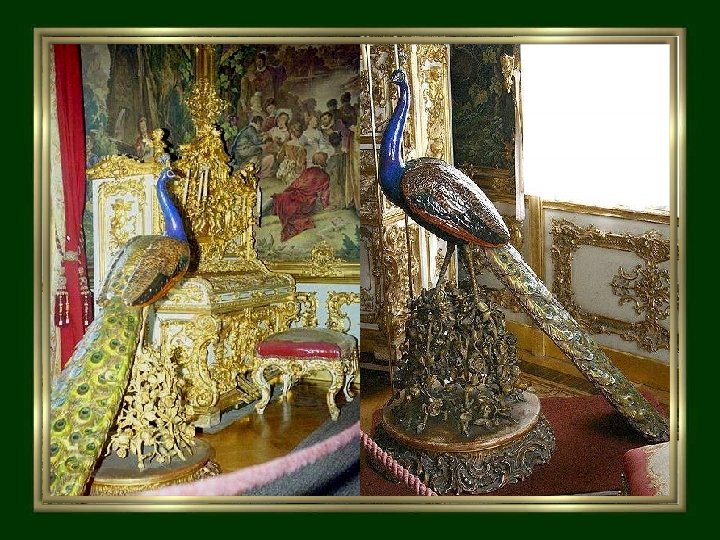
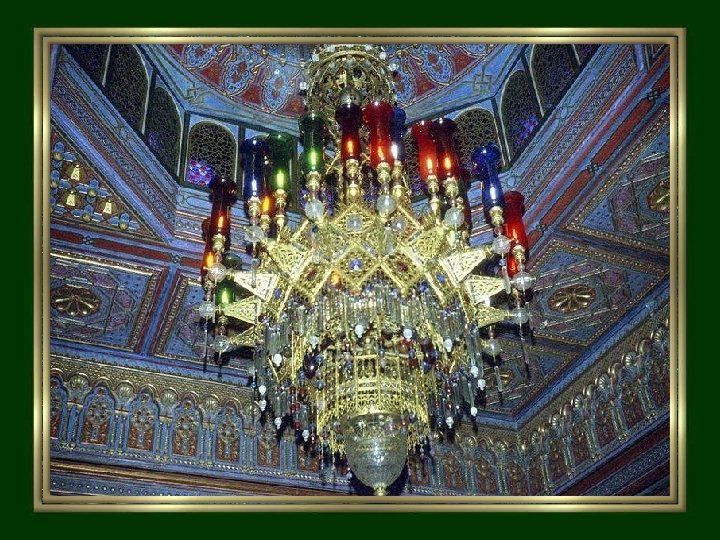
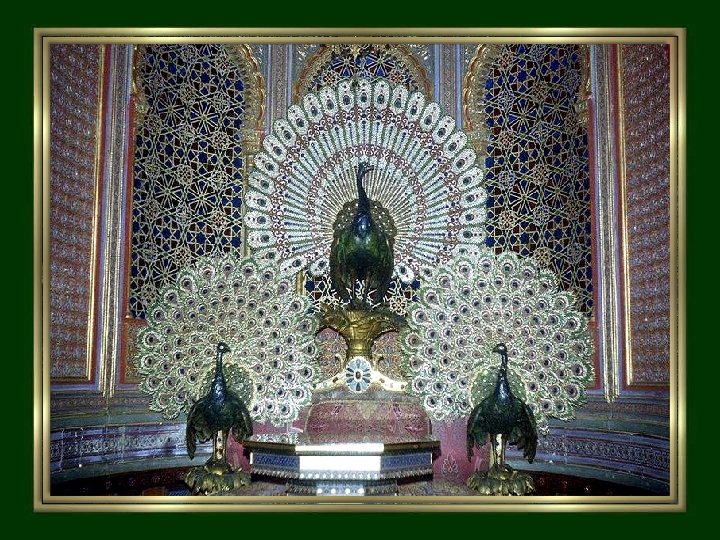
Venus Grotto The building is wholly artificial and was built for the king as an illustration of the First Act of Wagner's "Tannhäuser". Ludwig liked to be rowed over the lake in his golden shell-boat but at the same time he wanted his own blue grotto of Capri. Therefore 24 dynamos had been installed and so already in the time of Ludwig II it was possible to illuminate the grotto in changing colours. Hunding's Hut This hut was inspired by Richard Wagner's directions for the First Act of the "Valkyrie". Ludwig used to celebrate germanic feasts in this house. Gurnemanz Hermitage Ludwig came here for contemplation every year on Good Friday. For this day he wanted a flowering meadow. If there was no such meadow because there was still snow lying, the garden director had to plant one for the king. Moroccan House This house had really been built in Morocco for the International Exhibition in Vienna 1873. The king bought it in 1878 and let it decorate in a more royal way. Moorish Kiosk This building was designed by the Berliner architect Karl von Diebitsch for the International Exhibition in Paris 1867. Ludwig II wanted to buy it but was forstalled by the railroad king Bethel Henry Strousberg. Ludwig bought the pavilion after the bankruptcy of Strousberg. The most attendable furniture of this building is the peacock throne.
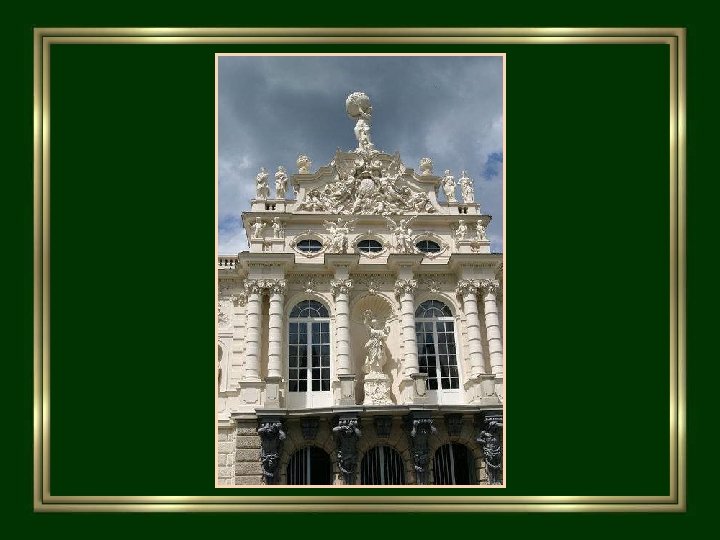
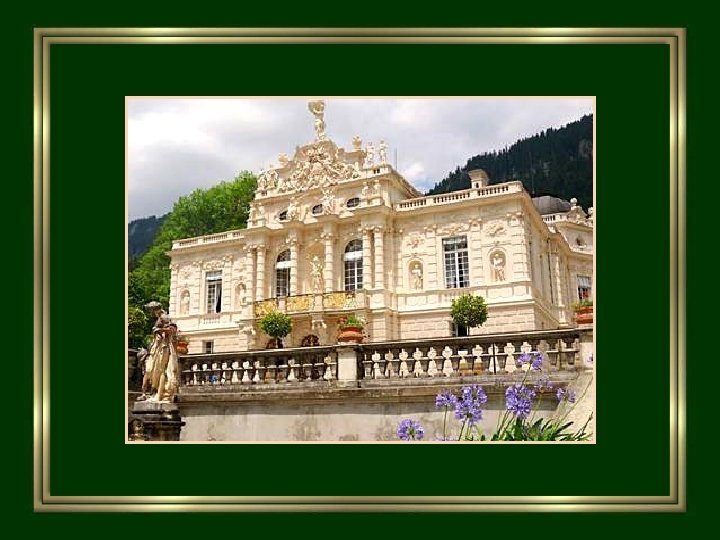

King Ludwig II of Bavaria
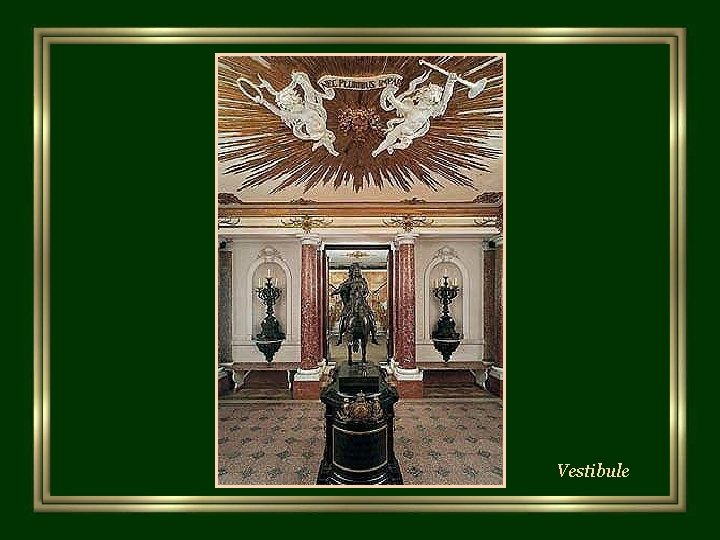
Vestibule
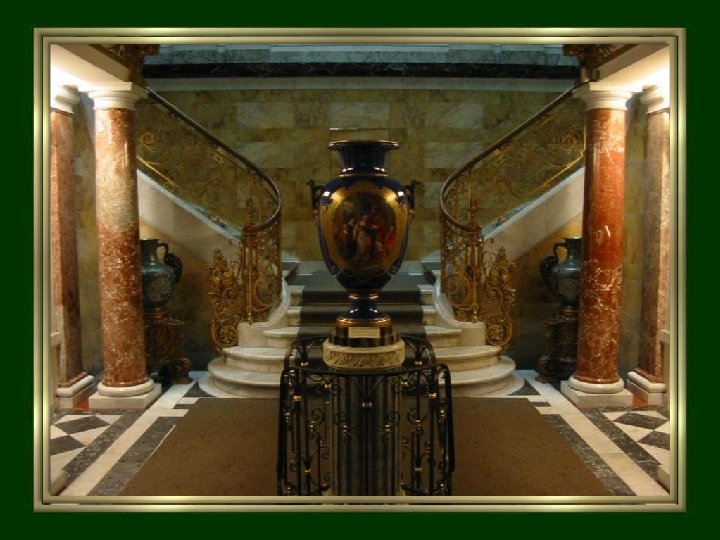
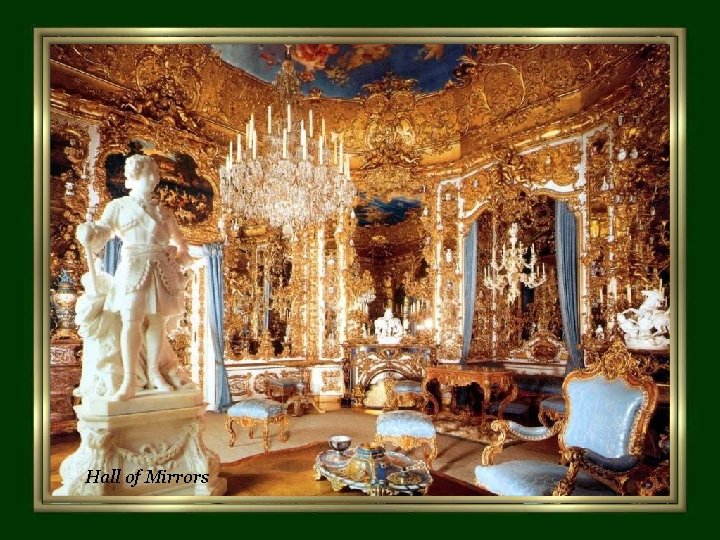
Hall of Mirrors
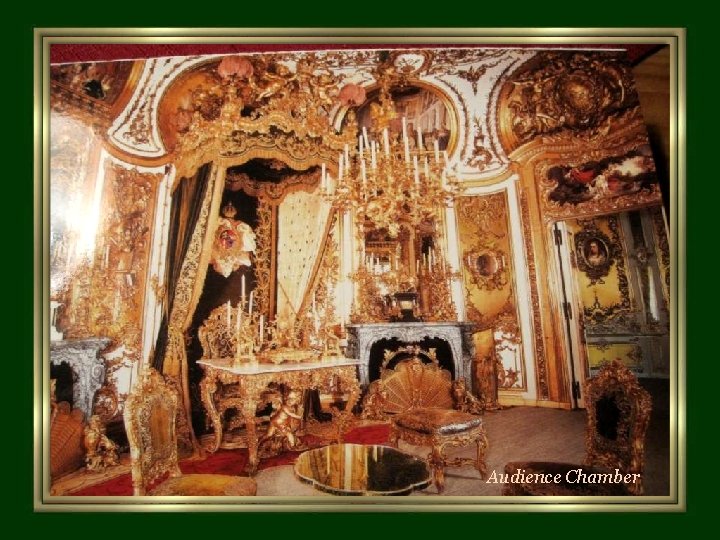
Audience Chamber
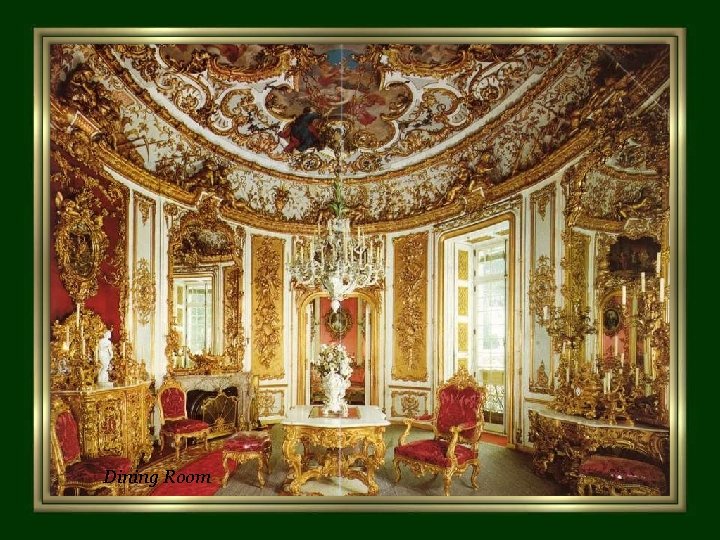
Dining Room
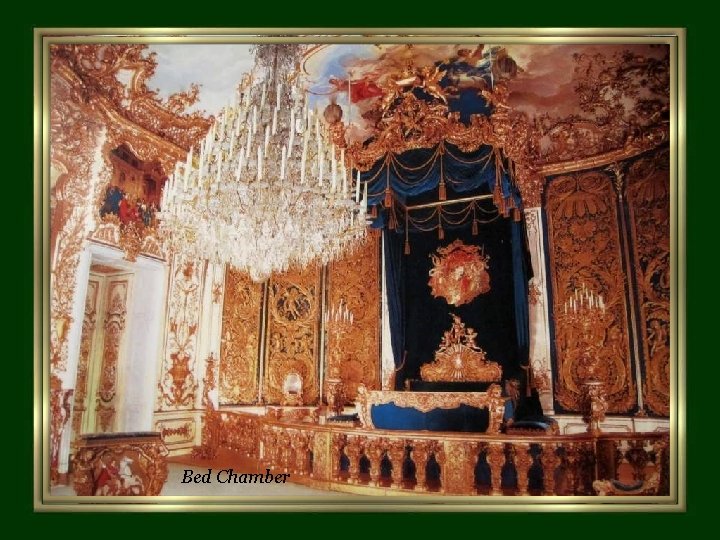
Bed Chamber
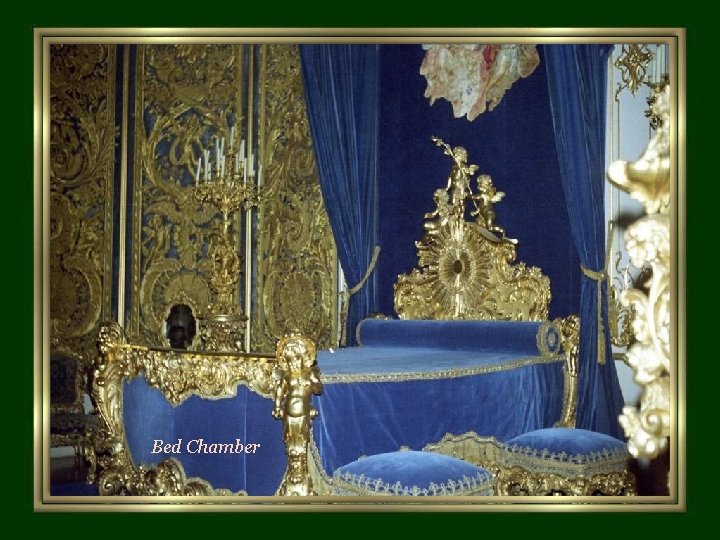
Bed Chamber
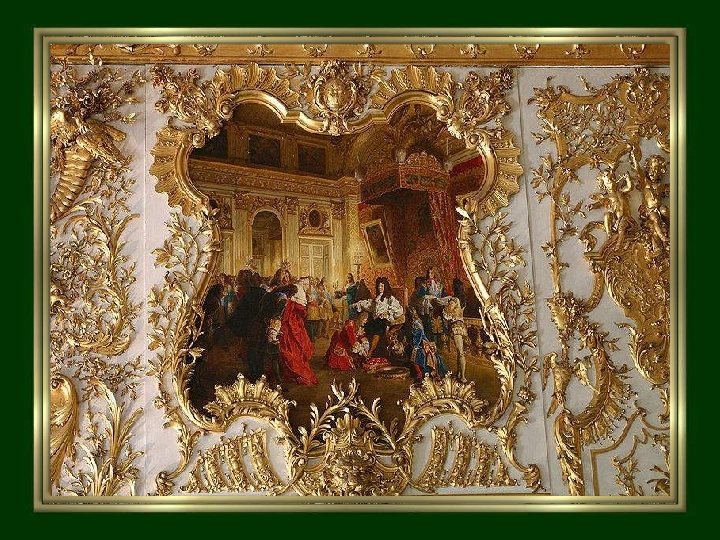
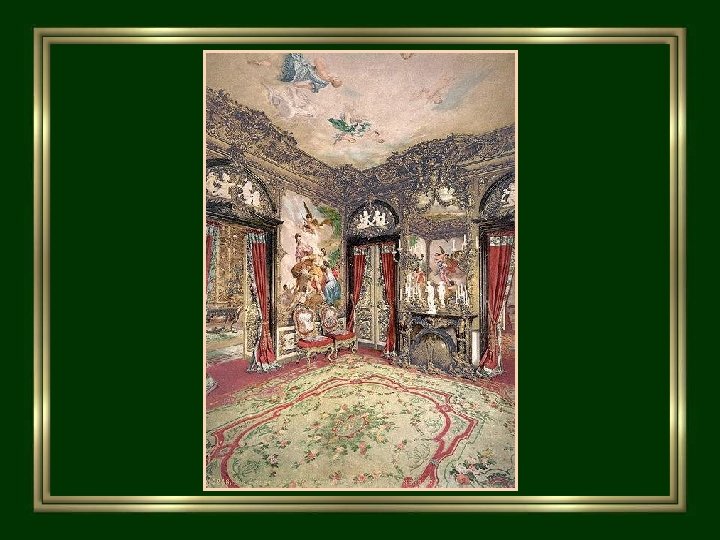

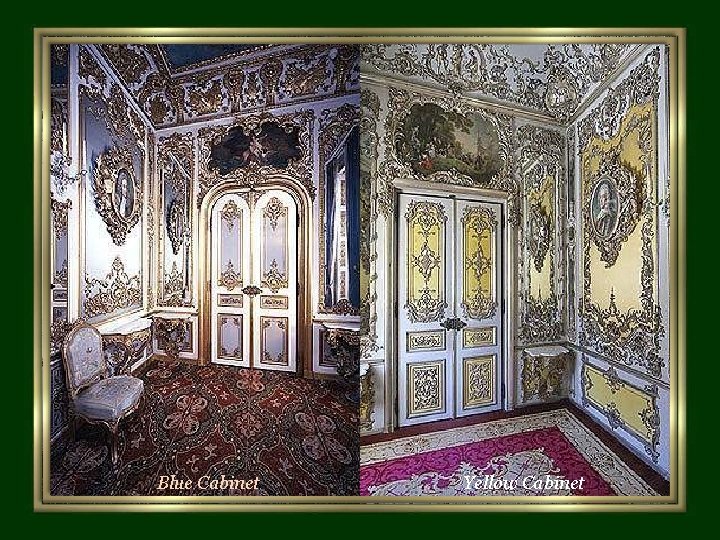
Blue Cabinet Yellow Cabinet
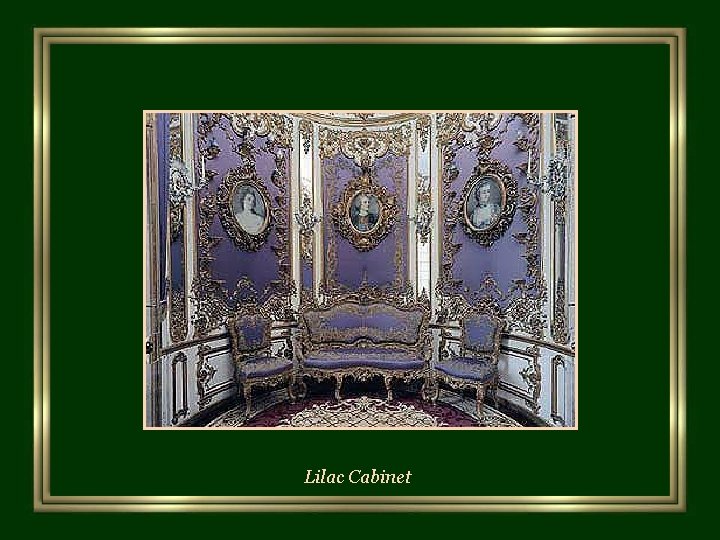
Lilac Cabinet
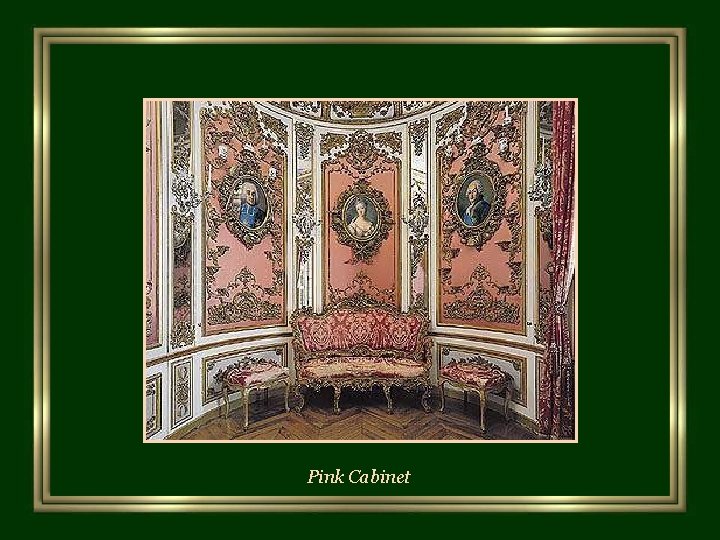
Pink Cabinet
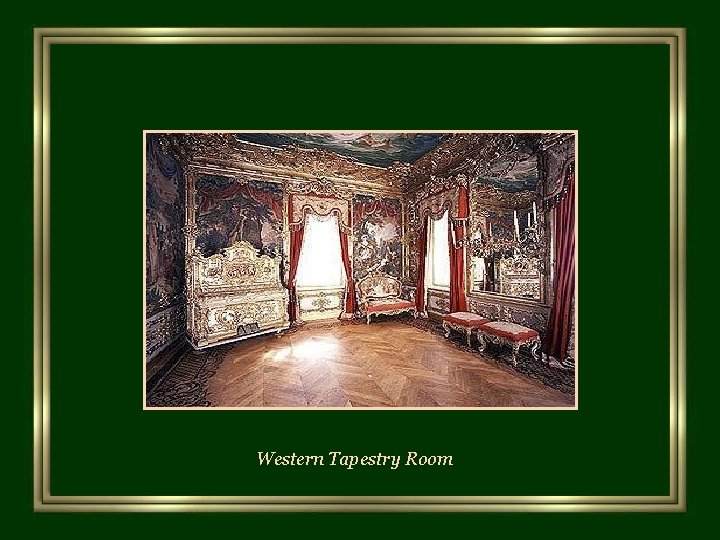
Western Tapestry Room
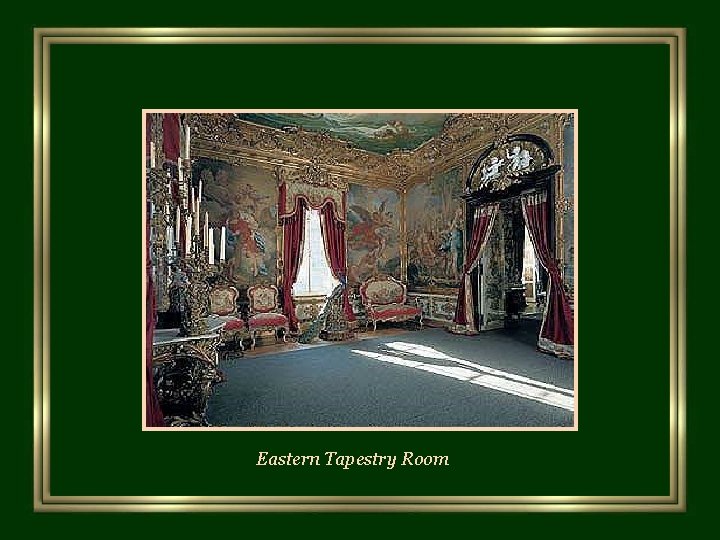
Eastern Tapestry Room
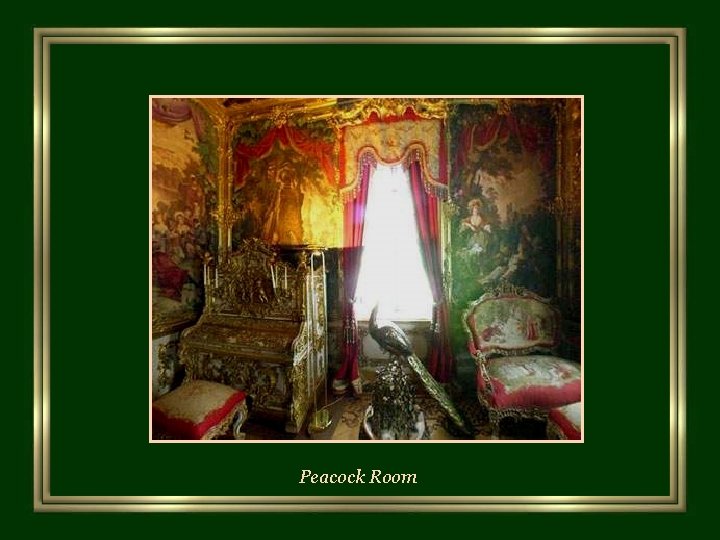
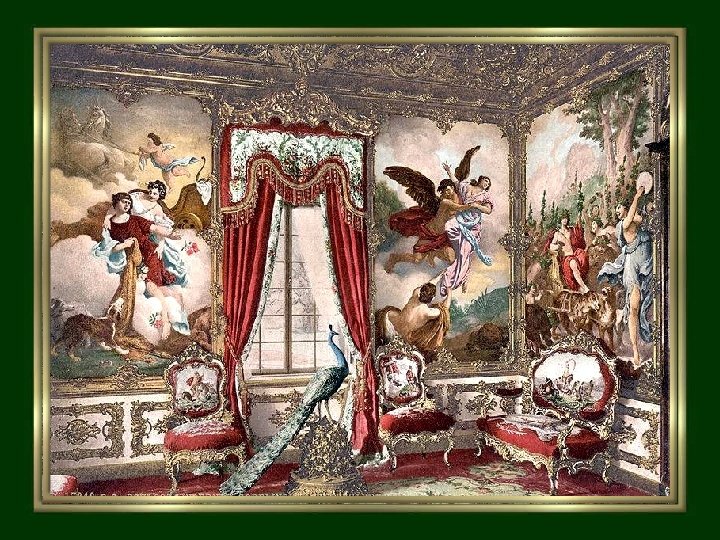
Peacock Room
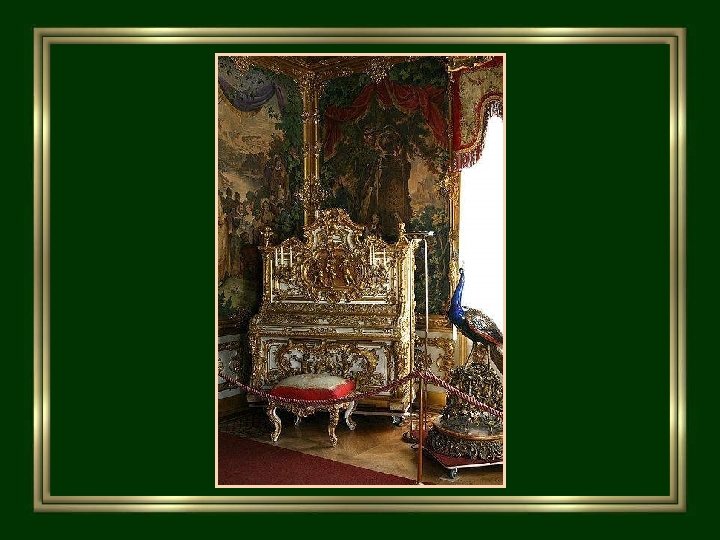
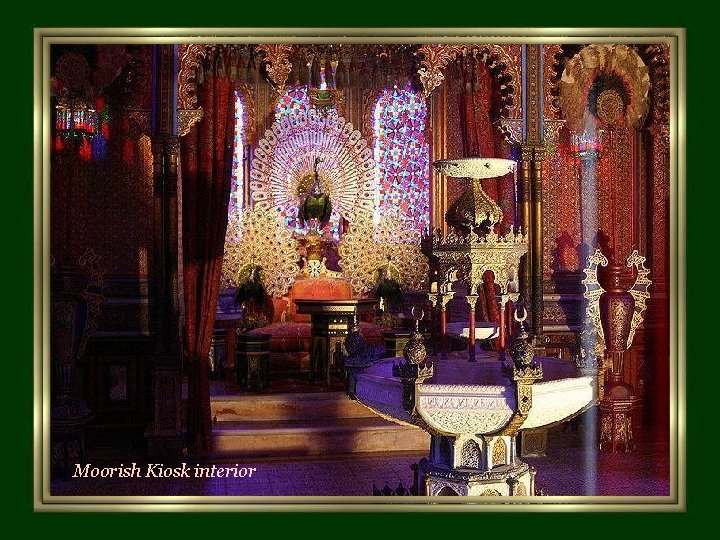
Moorish Kiosk interior
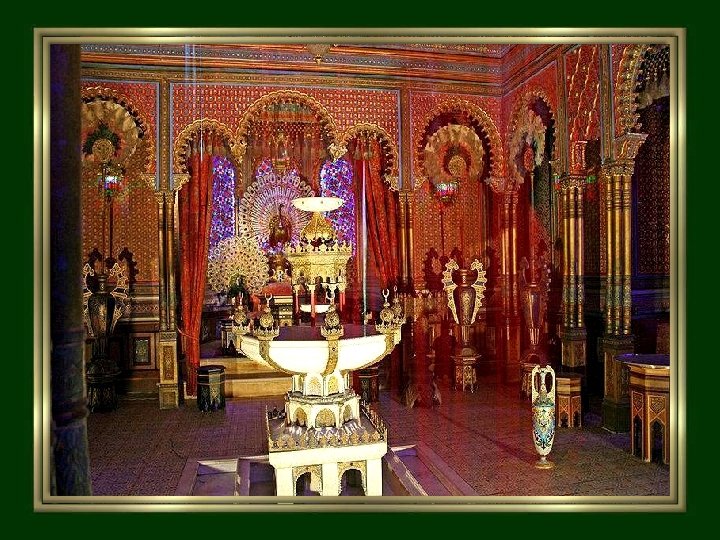
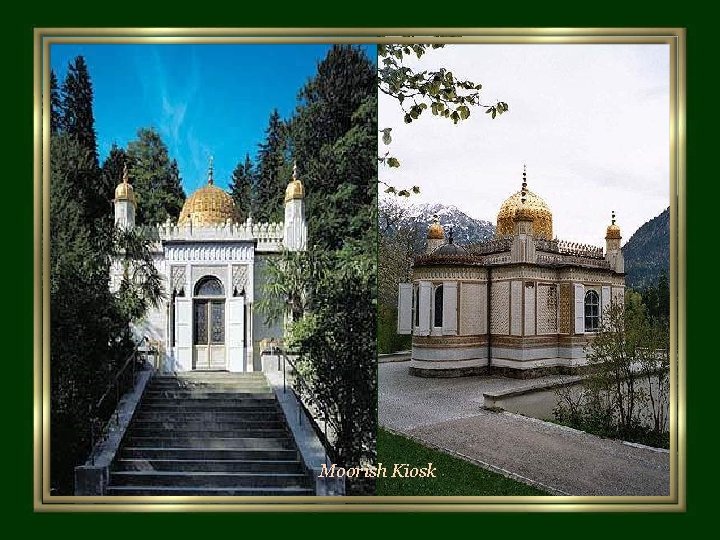
Moorish Kiosk
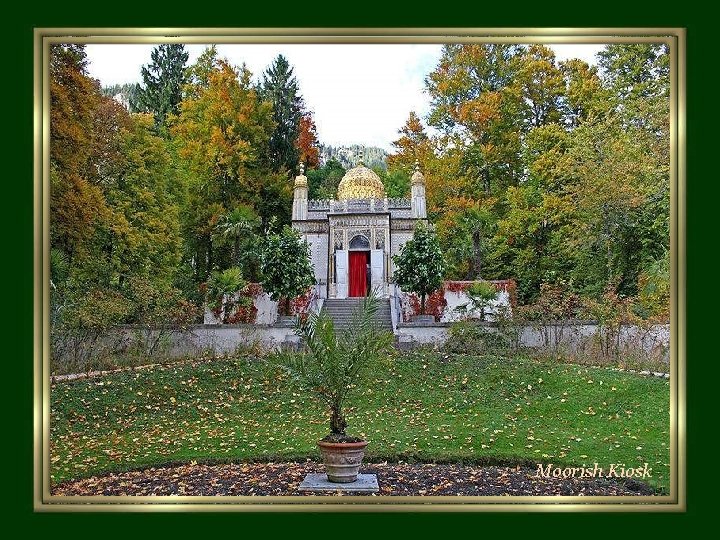
Moorish Kiosk
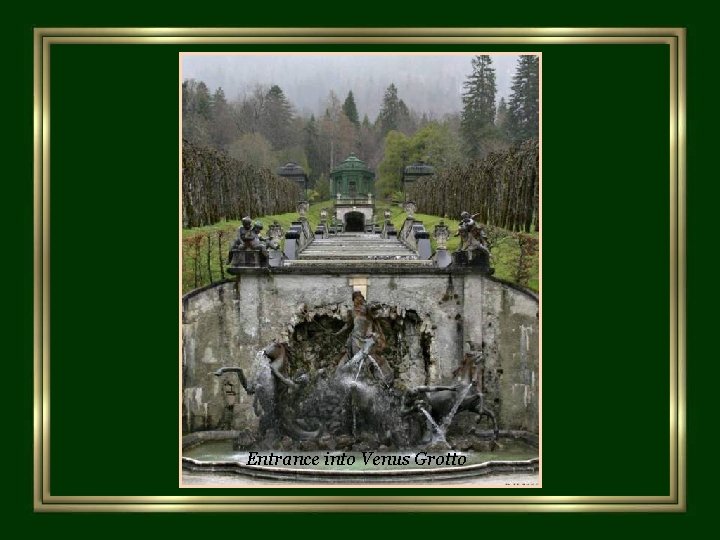
Entrance into Venus Grotto
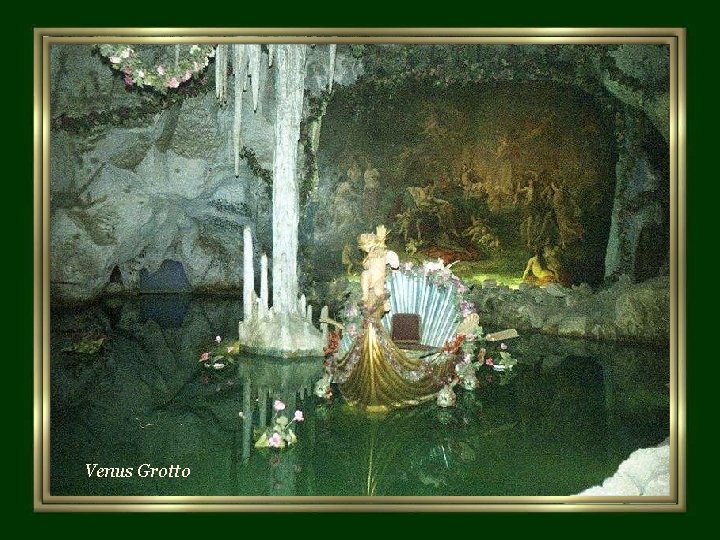
Venus Grotto
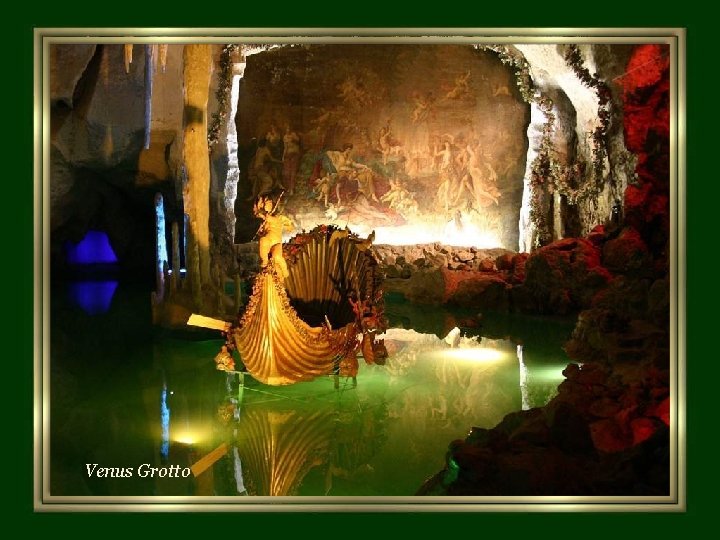
Venus Grotto
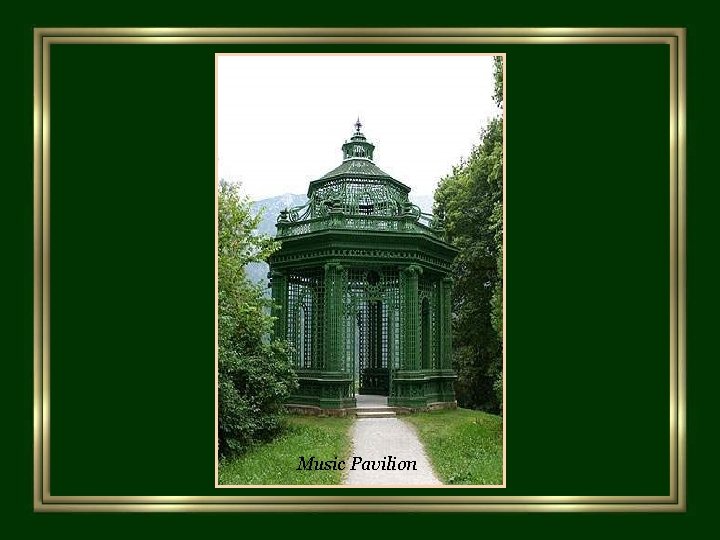
Music Pavilion
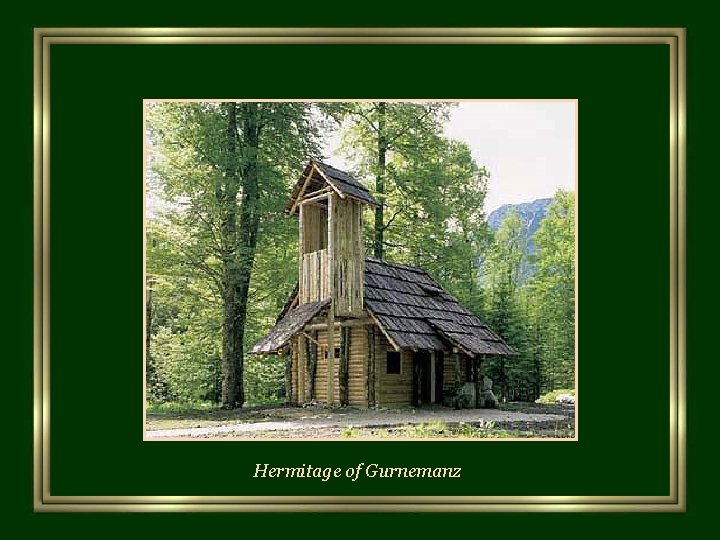
Hermitage of Gurnemanz
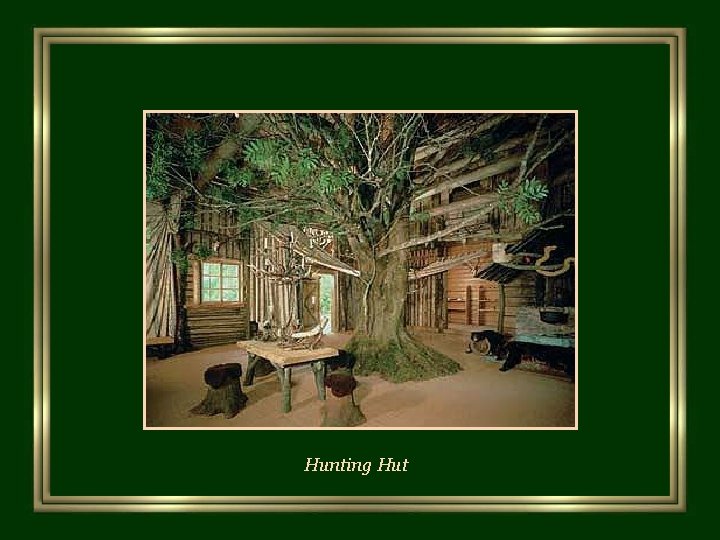
Hunting Hut
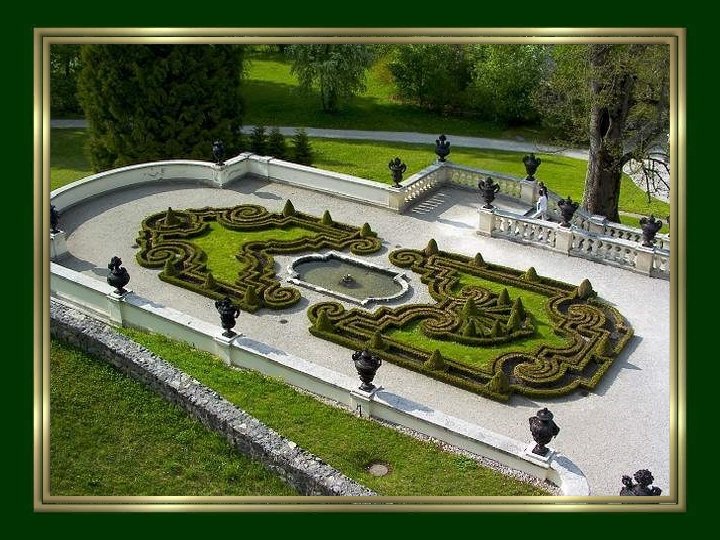
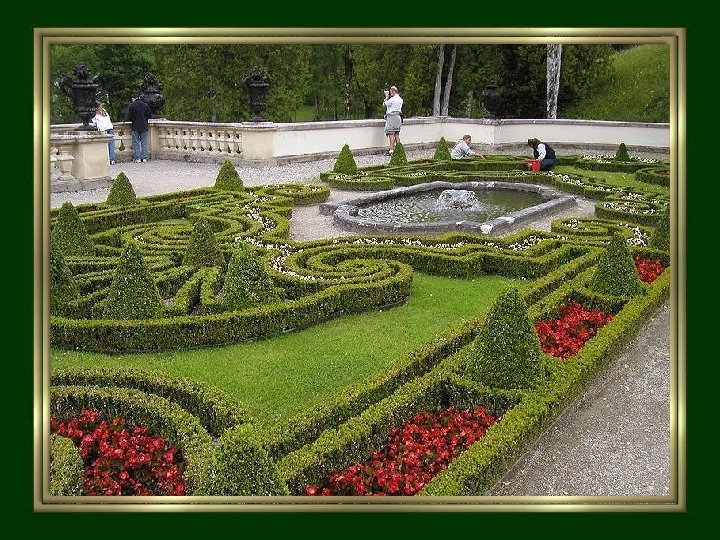
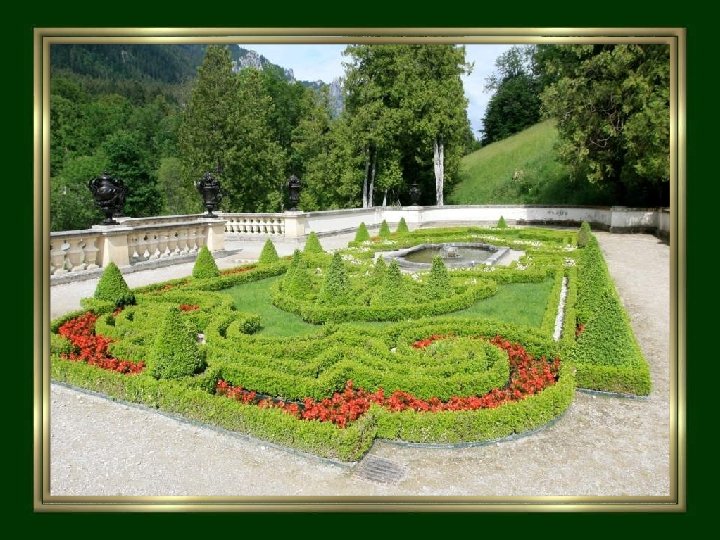
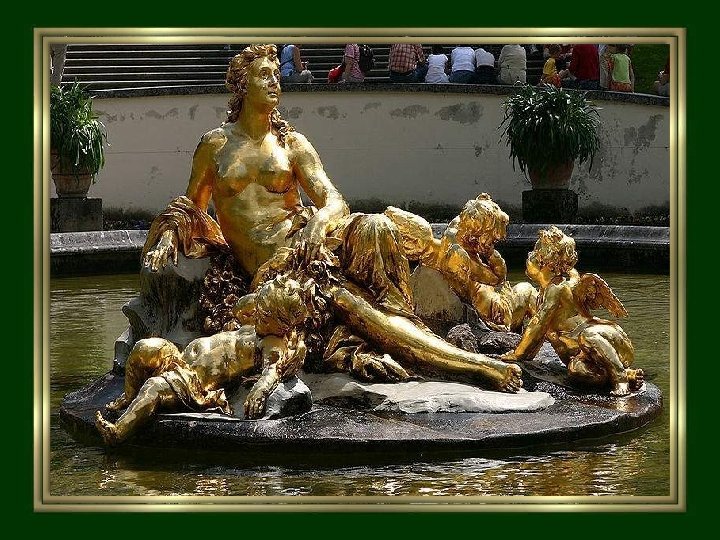
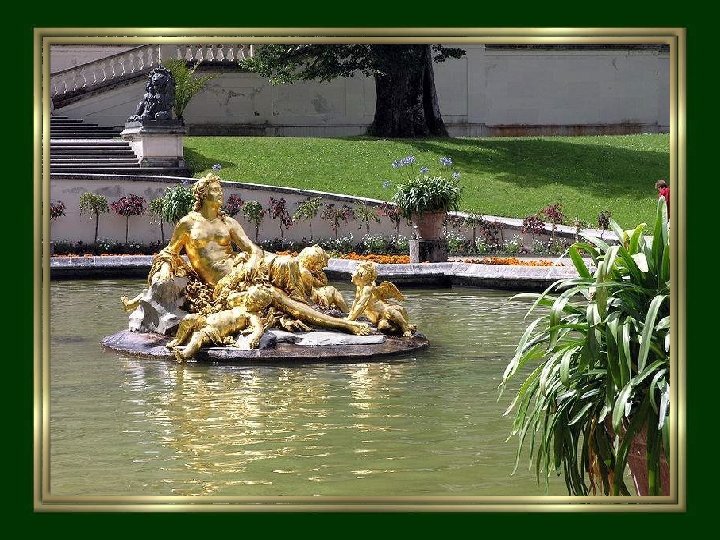
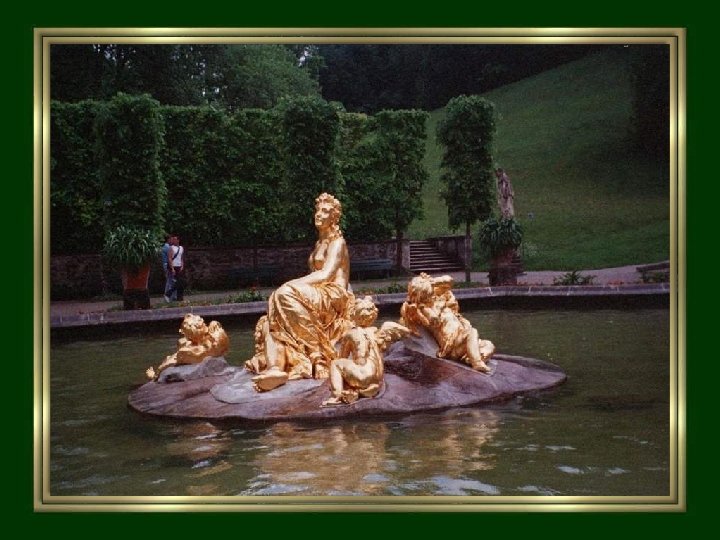
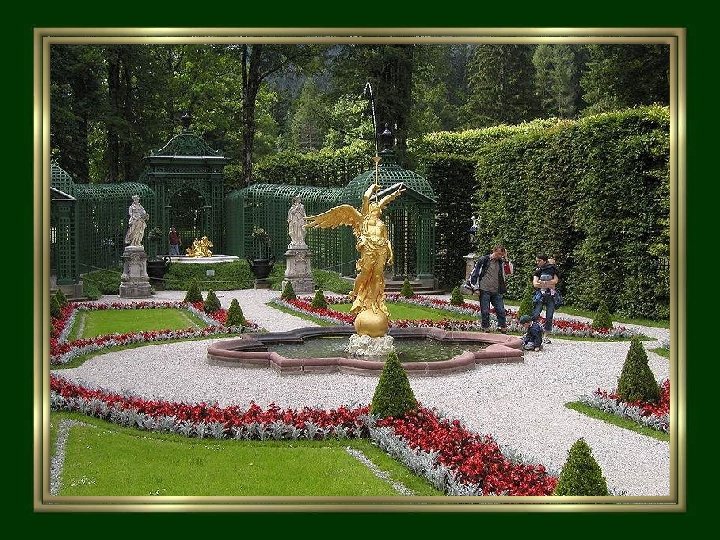
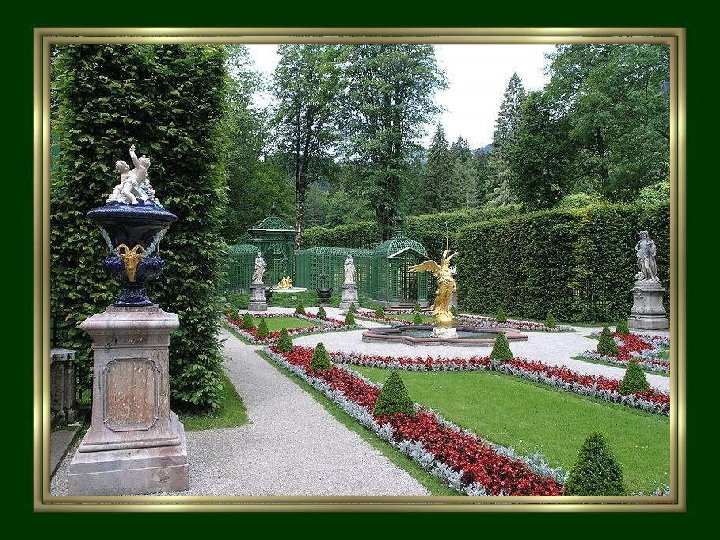
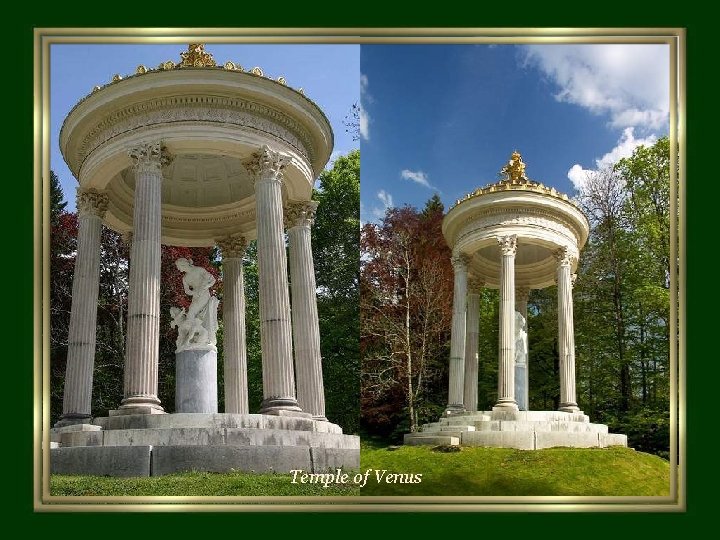
Temple of Venus
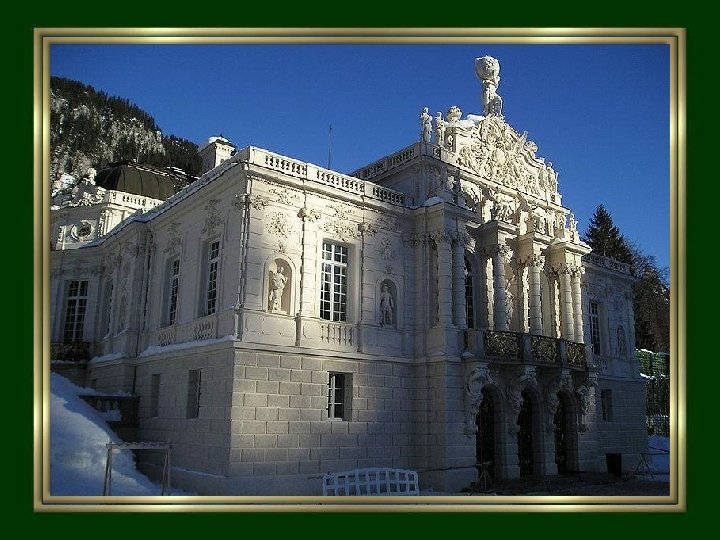

Images and text: Internet Music: Beethoven “Romance for Violin #2 in F Major” Adriana
- Slides: 62