
BASIN and RIVER SYSTEMS Divide Dam at Lake
BASIN and RIVER SYSTEMS Divide Dam at Lake Travis DEM of Trinity River
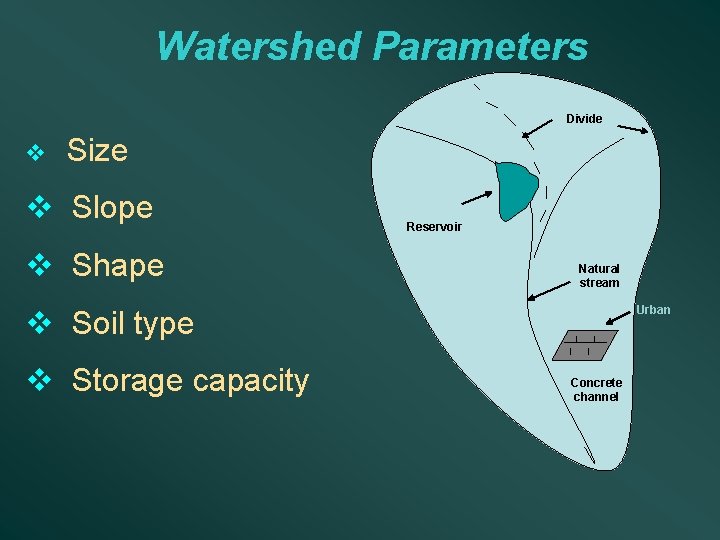
Watershed Parameters Divide v Size v Slope v Shape Reservoir Natural stream Urban v Soil type v Storage capacity Concrete channel
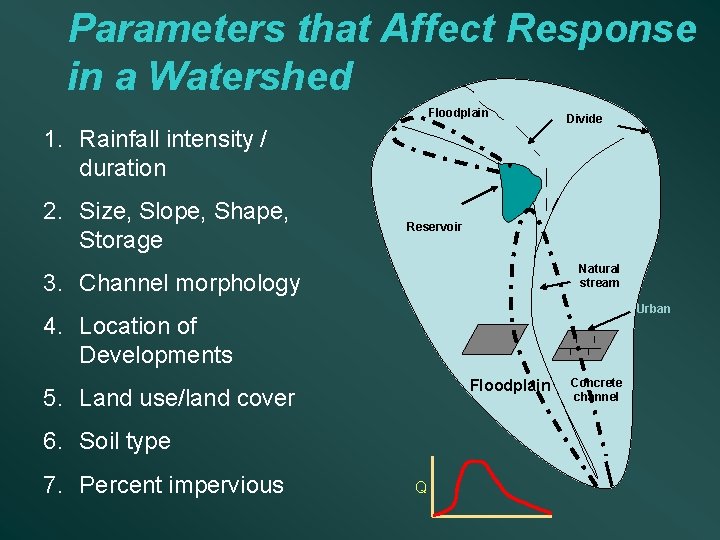
Parameters that Affect Response in a Watershed Floodplain 1. Rainfall intensity / duration 2. Size, Slope, Shape, Storage Divide Reservoir Natural stream 3. Channel morphology Urban 4. Location of Developments Floodplain 5. Land use/land cover 6. Soil type 7. Percent impervious Q Concrete channel
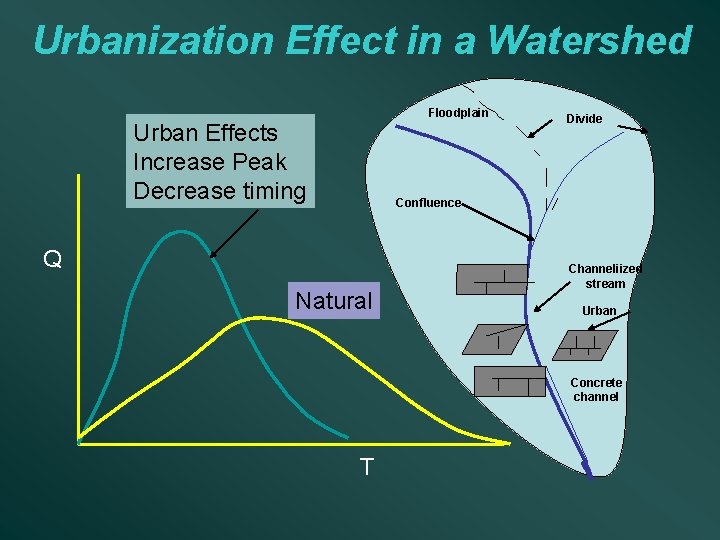
Urbanization Effect in a Watershed Floodplain Urban Effects Increase Peak Decrease timing Divide Confluence Q Natural Channeliized stream Urban Concrete channel T
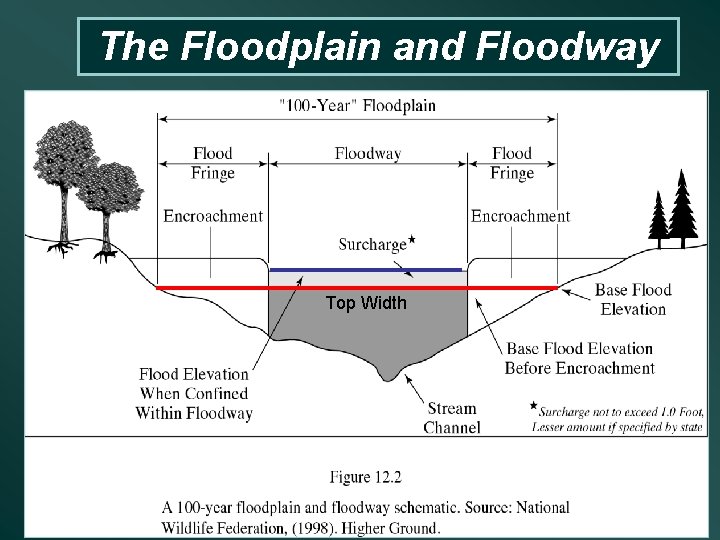
The Floodplain and Floodway Top Width
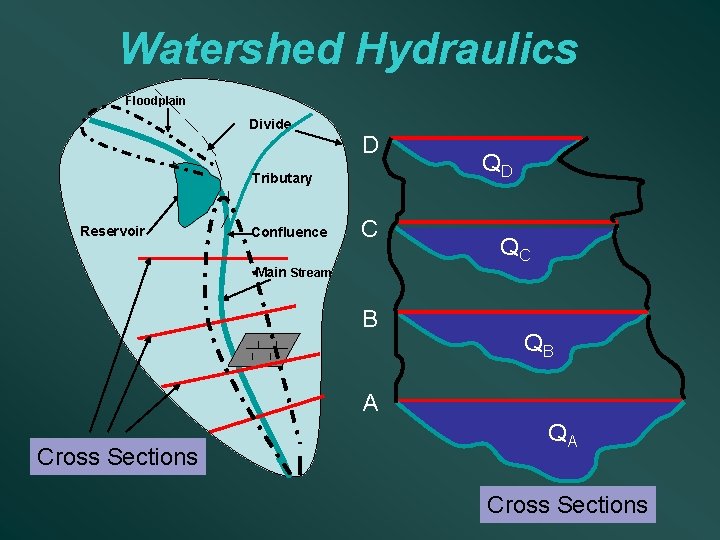
Watershed Hydraulics Floodplain Divide D Tributary Reservoir Confluence C QD QC Main Stream B QB A Cross Sections QA Cross Sections
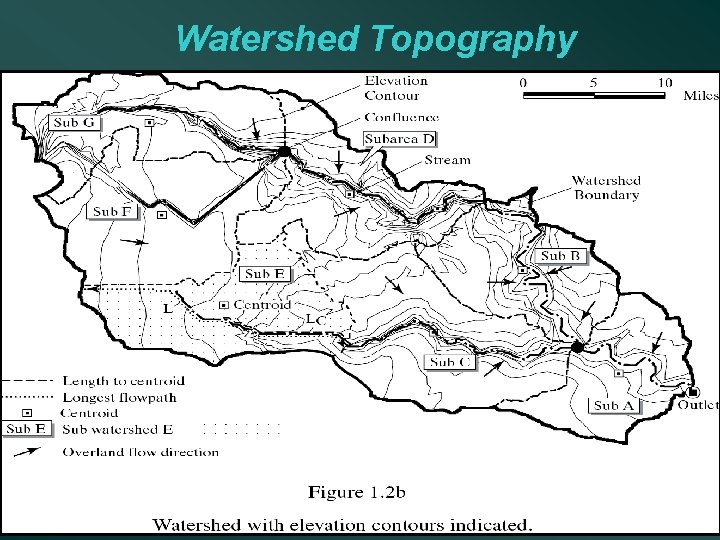
Watershed Topography
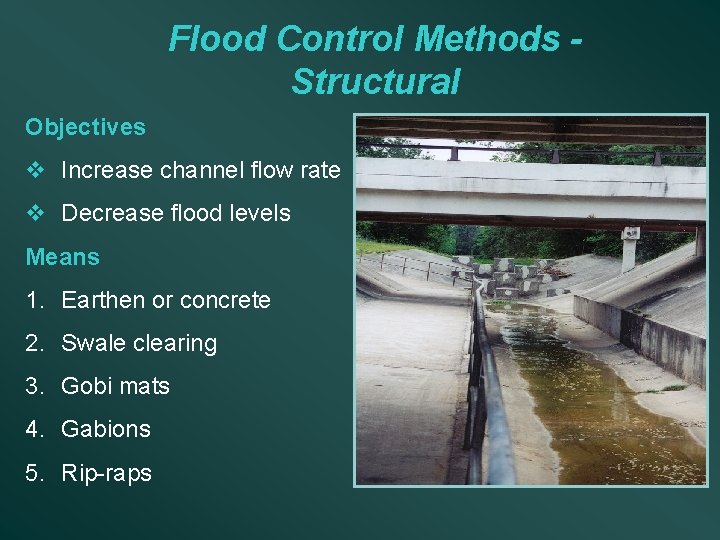
Flood Control Methods Structural Objectives v Increase channel flow rate v Decrease flood levels Means 1. Earthen or concrete 2. Swale clearing 3. Gobi mats 4. Gabions 5. Rip-raps

Non-Structural - Buyouts Objectives v Manage old and new structures v Minimize future damages Means Relocate old structures Condemn frequently flooded structures Replace storage as areas develop
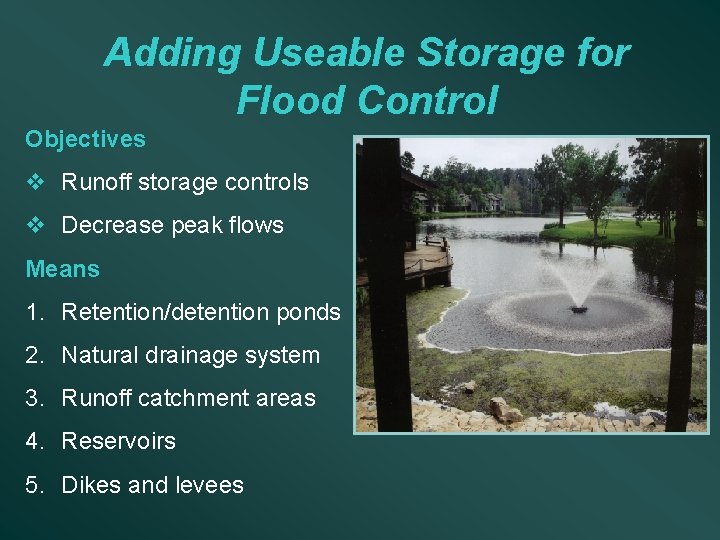
Adding Useable Storage for Flood Control Objectives v Runoff storage controls v Decrease peak flows Means 1. Retention/detention ponds 2. Natural drainage system 3. Runoff catchment areas 4. Reservoirs 5. Dikes and levees
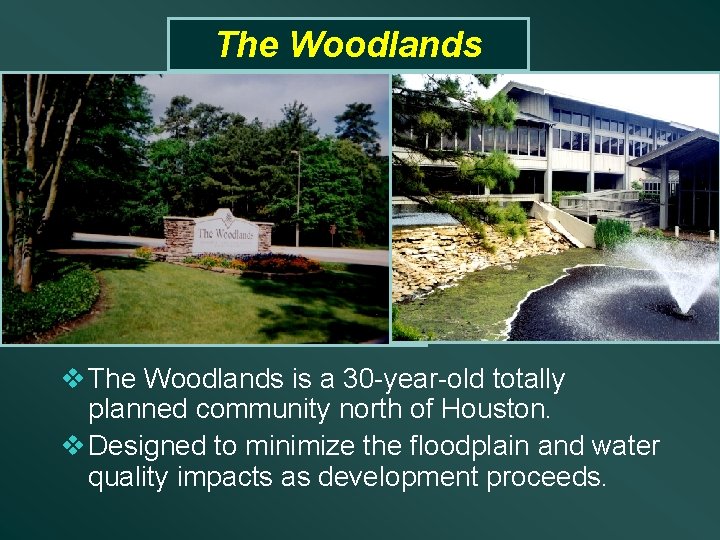
The Woodlands v The Woodlands is a 30 -year-old totally planned community north of Houston. v Designed to minimize the floodplain and water quality impacts as development proceeds.
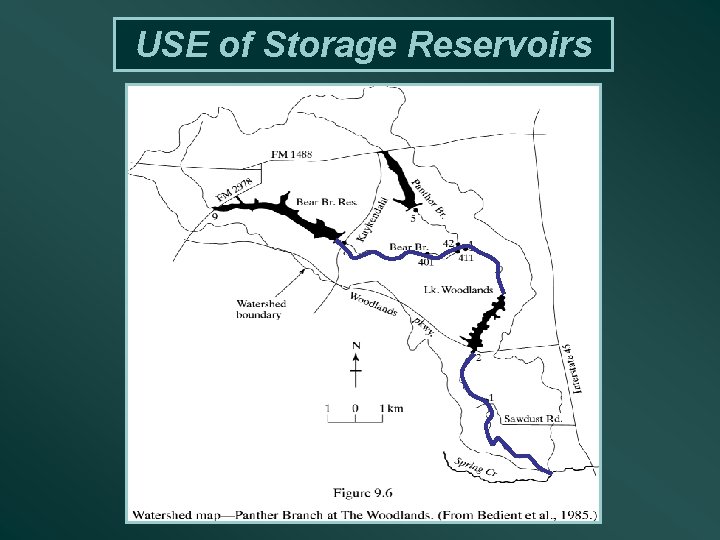
USE of Storage Reservoirs
Guidelines for Planning in an Urban Drainage Basin v Maximize the distance of storm water travel from the site to a collection area or stream. v Maximize the concentration time by slowing the rate of storm water runoff. v Minimize the volume of overland flow per unit area of developed land. v Utilize buffers such as forests and wetlands to protect collection areas and streams from urban impacts. v Divert storm water away from critical features such as steep slopes, unstable soils, or valued habitats.
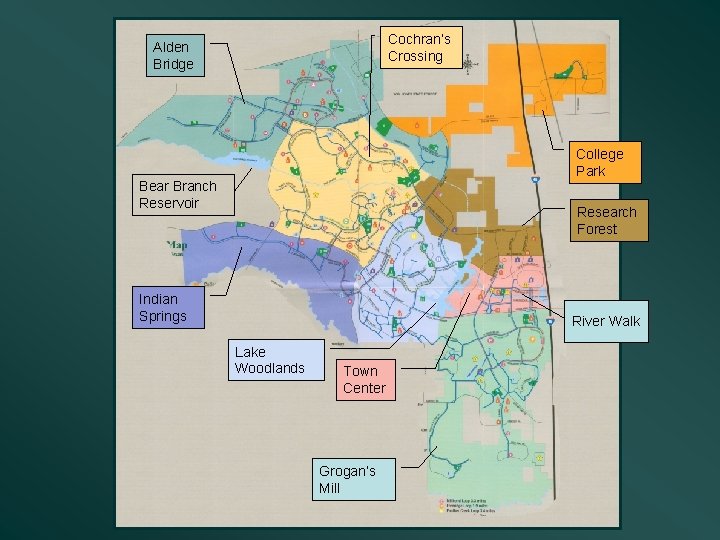
Cochran’s Crossing Alden Bridge College Park Bear Branch Reservoir Research Forest Indian Springs River Walk Lake Woodlands Town Center Grogan’s Mill
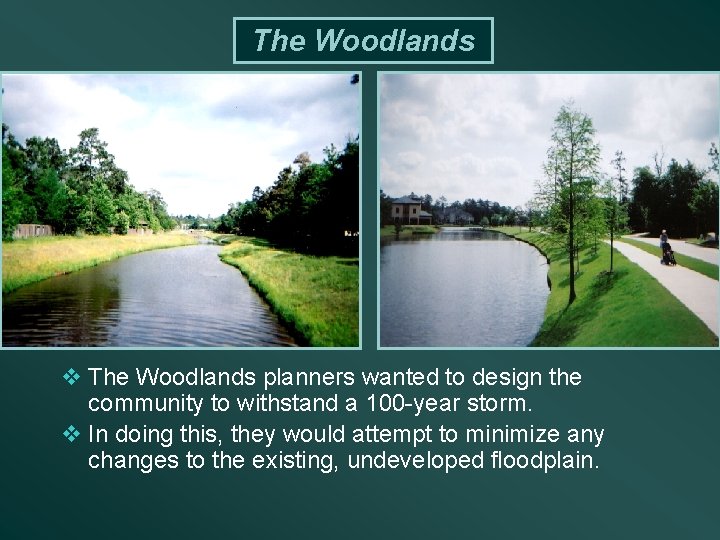
The Woodlands v The Woodlands planners wanted to design the community to withstand a 100 -year storm. v In doing this, they would attempt to minimize any changes to the existing, undeveloped floodplain.
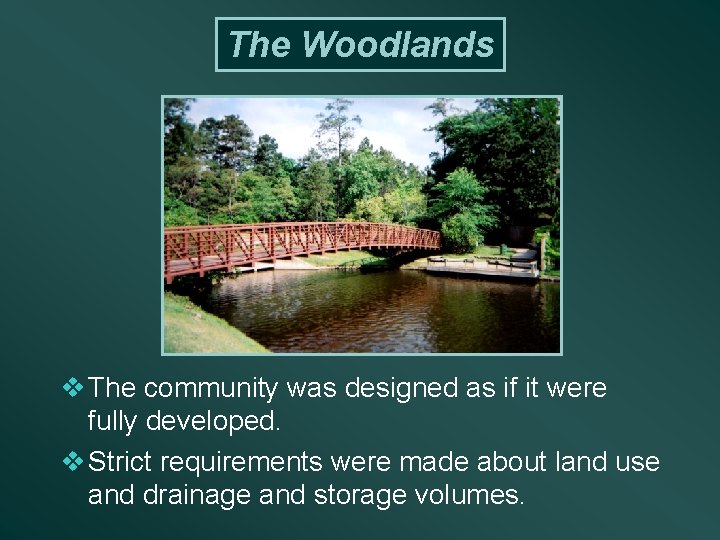
The Woodlands v The community was designed as if it were fully developed. v Strict requirements were made about land use and drainage and storage volumes.
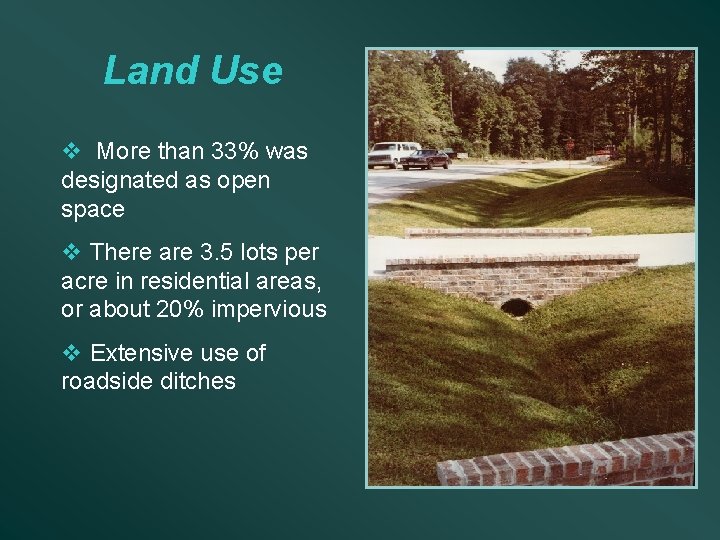
Land Use v More than 33% was designated as open space v There are 3. 5 lots per acre in residential areas, or about 20% impervious v Extensive use of roadside ditches
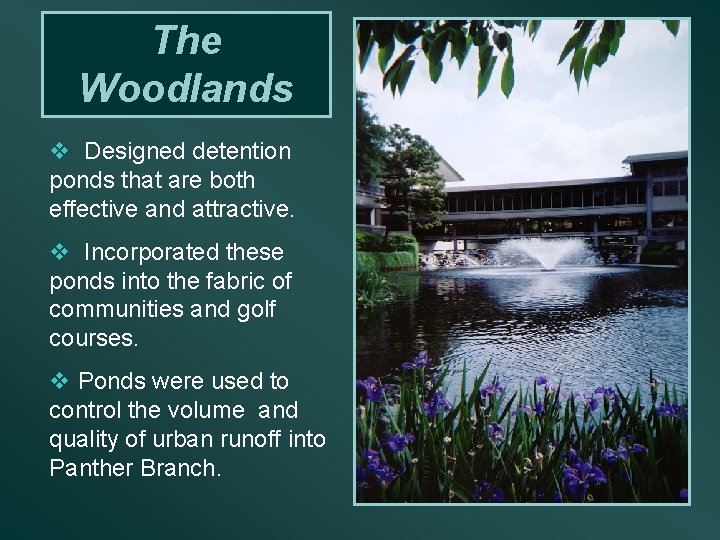
The Woodlands v Designed detention ponds that are both effective and attractive. v Incorporated these ponds into the fabric of communities and golf courses. v Ponds were used to control the volume and quality of urban runoff into Panther Branch.
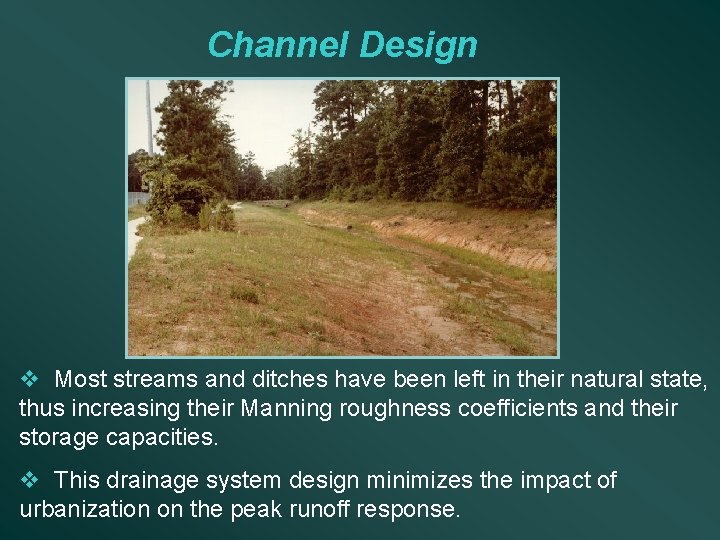
Channel Design v Most streams and ditches have been left in their natural state, thus increasing their Manning roughness coefficients and their storage capacities. v This drainage system design minimizes the impact of urbanization on the peak runoff response.
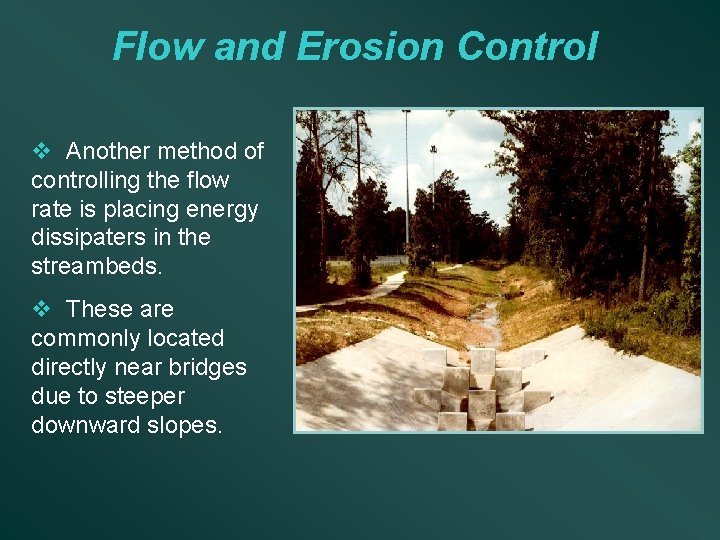
Flow and Erosion Control v Another method of controlling the flow rate is placing energy dissipaters in the streambeds. v These are commonly located directly near bridges due to steeper downward slopes.
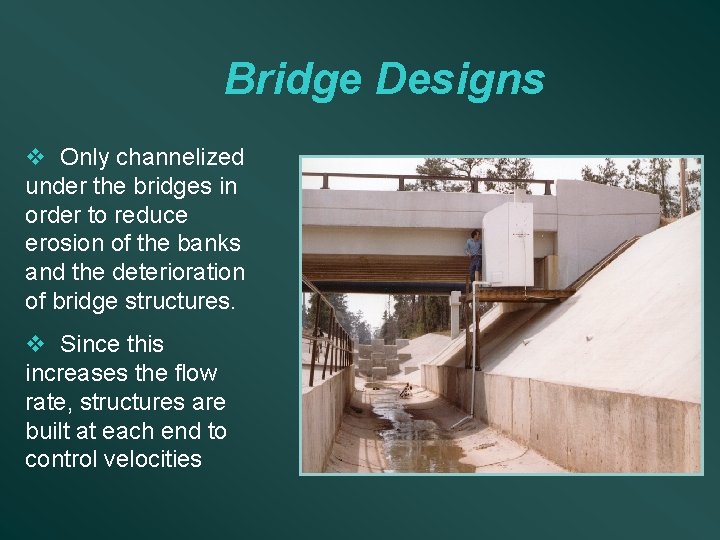
Bridge Designs v Only channelized under the bridges in order to reduce erosion of the banks and the deterioration of bridge structures. v Since this increases the flow rate, structures are built at each end to control velocities
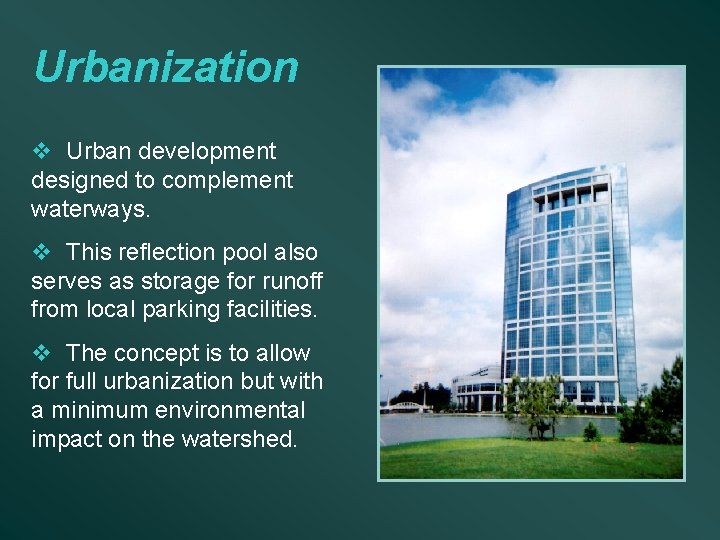
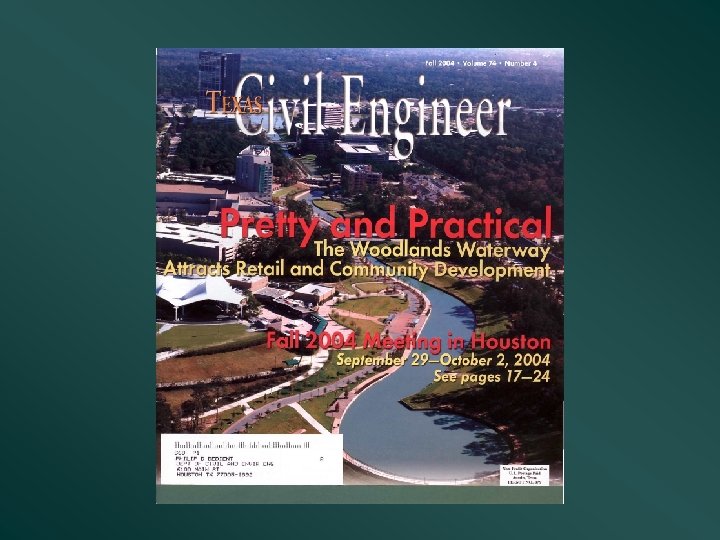
Urbanization v Urban development designed to complement waterways. v This reflection pool also serves as storage for runoff from local parking facilities. v The concept is to allow for full urbanization but with a minimum environmental impact on the watershed.
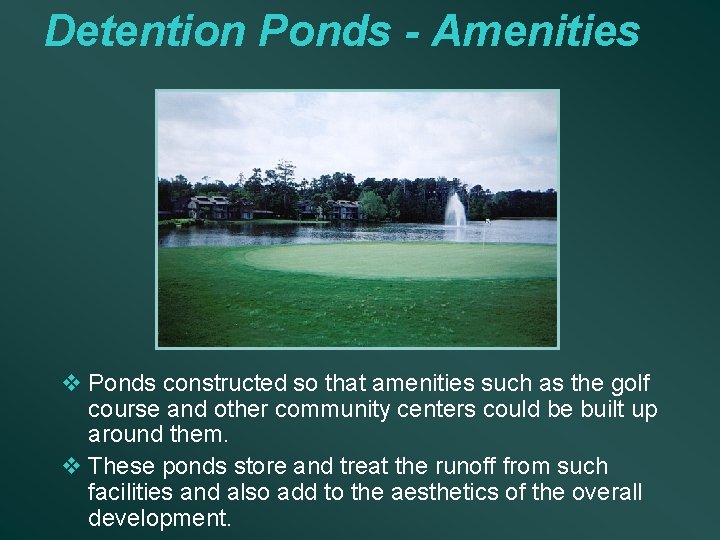
Detention Ponds - Amenities v Ponds constructed so that amenities such as the golf course and other community centers could be built up around them. v These ponds store and treat the runoff from such facilities and also add to the aesthetics of the overall development.
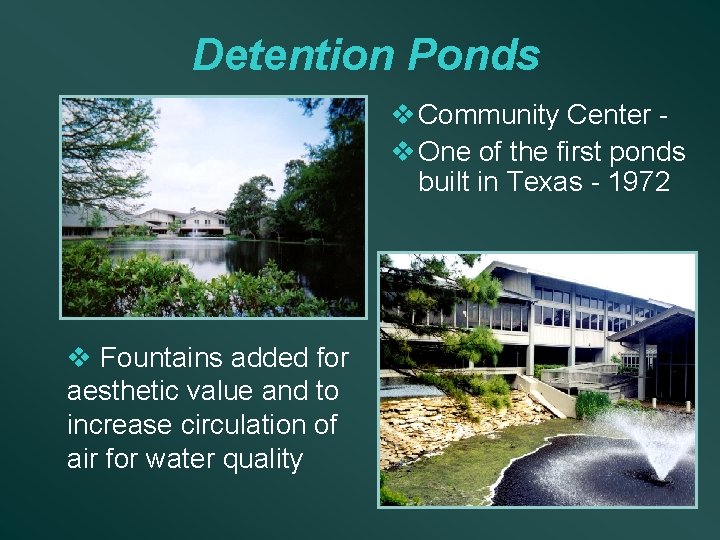
Detention Ponds v Community Center v One of the first ponds built in Texas - 1972 v Fountains added for aesthetic value and to increase circulation of air for water quality
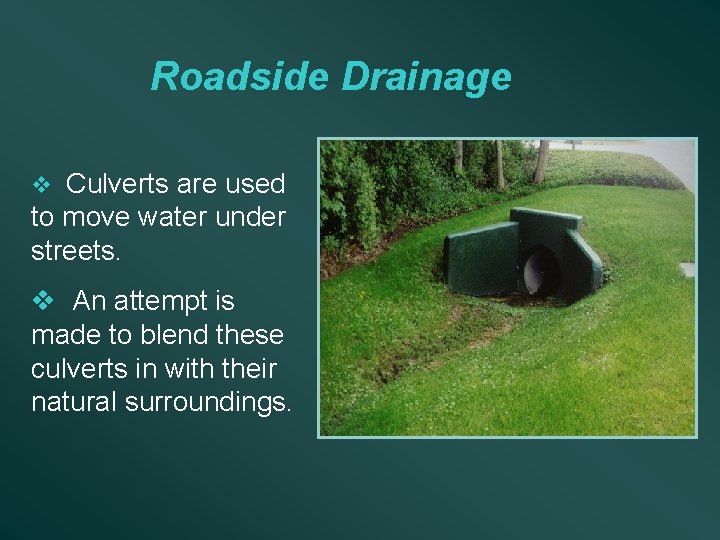
Roadside Drainage v Culverts are used to move water under streets. v An attempt is made to blend these culverts in with their natural surroundings.
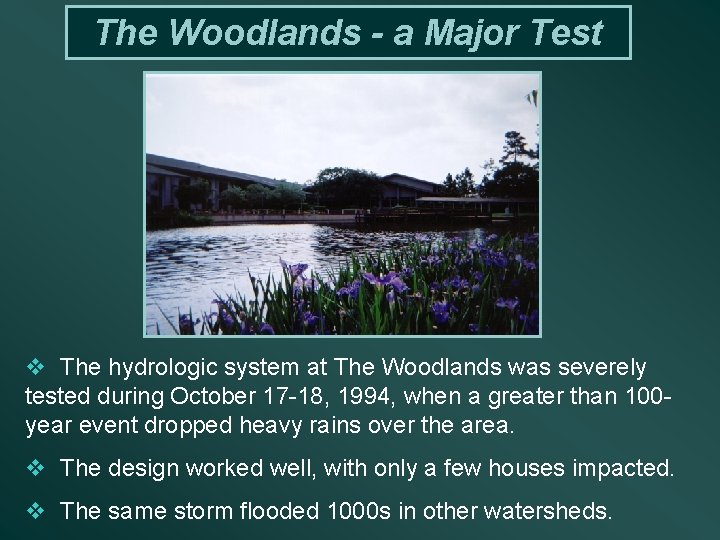
The Woodlands - a Major Test v The hydrologic system at The Woodlands was severely tested during October 17 -18, 1994, when a greater than 100 year event dropped heavy rains over the area. v The design worked well, with only a few houses impacted. v The same storm flooded 1000 s in other watersheds.
Amenities v Hike-and-bike trails v Wildlife and habitat v Water quality benefits
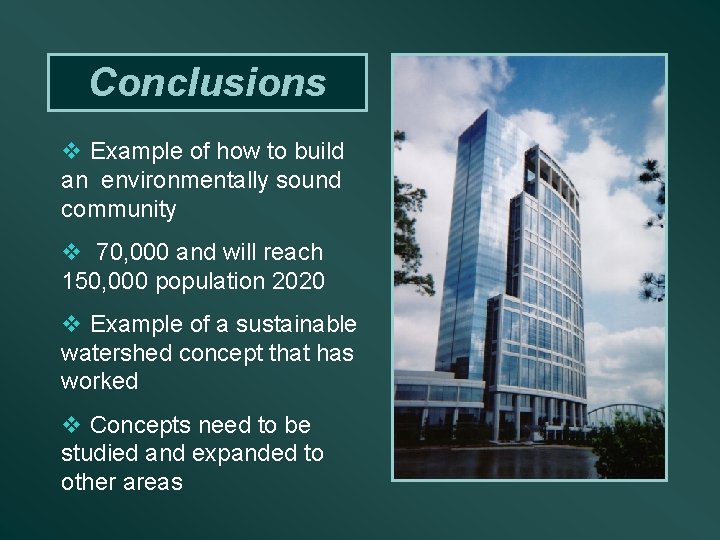
Conclusions v Example of how to build an environmentally sound community v 70, 000 and will reach 150, 000 population 2020 v Example of a sustainable watershed concept that has worked v Concepts need to be studied and expanded to other areas
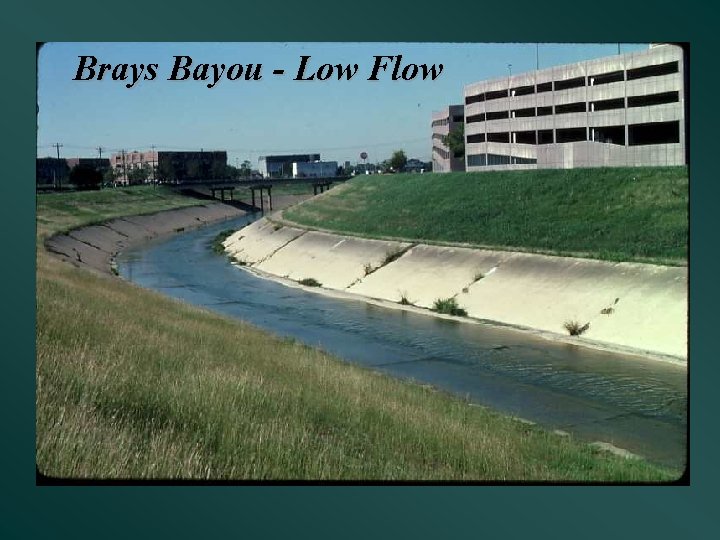
Brays Bayou - Low Flow
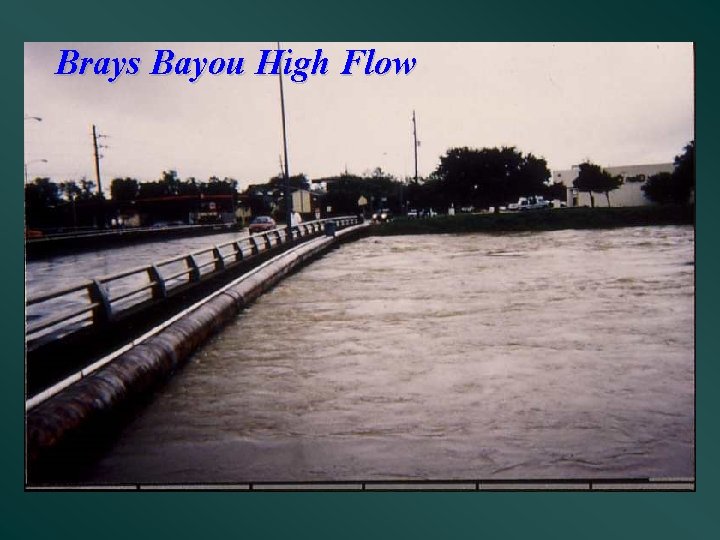
Brays Bayou High Flow
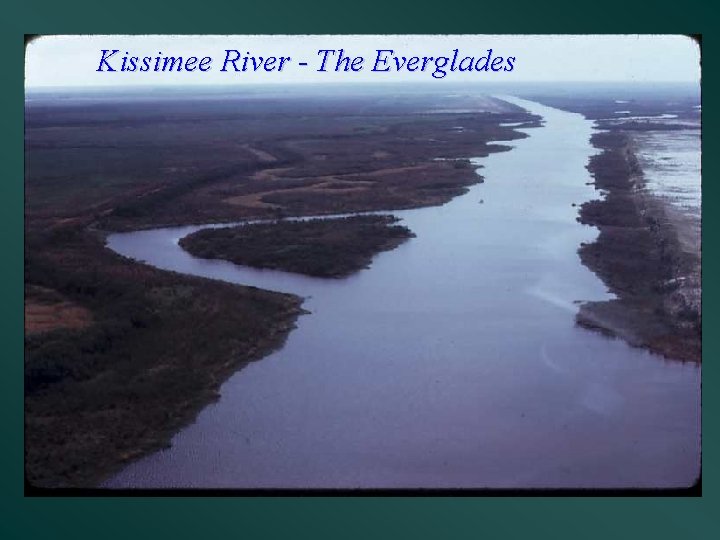
Kissimee River - The Everglades
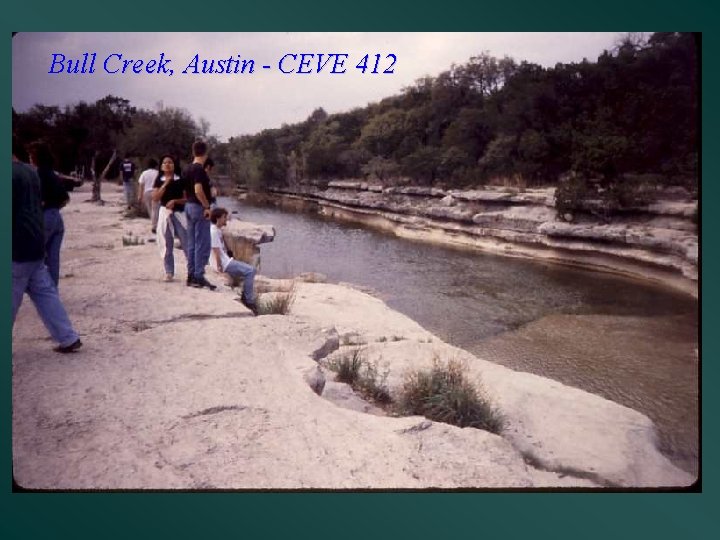
Bull Creek, Austin - CEVE 412
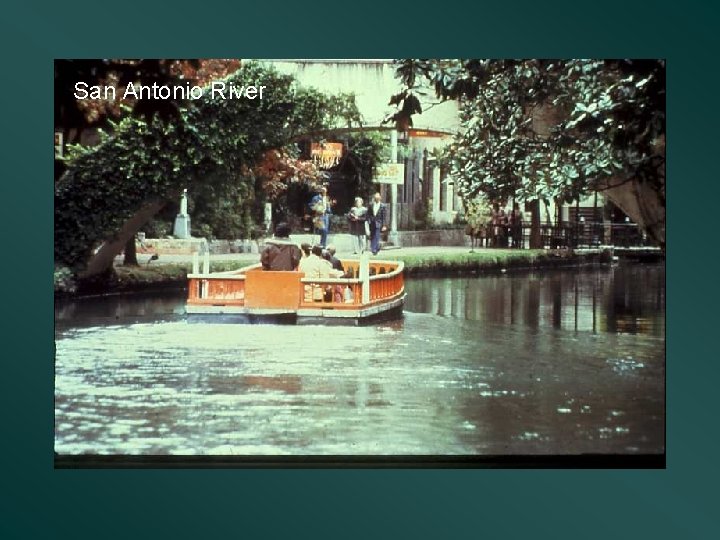
San Antonio River
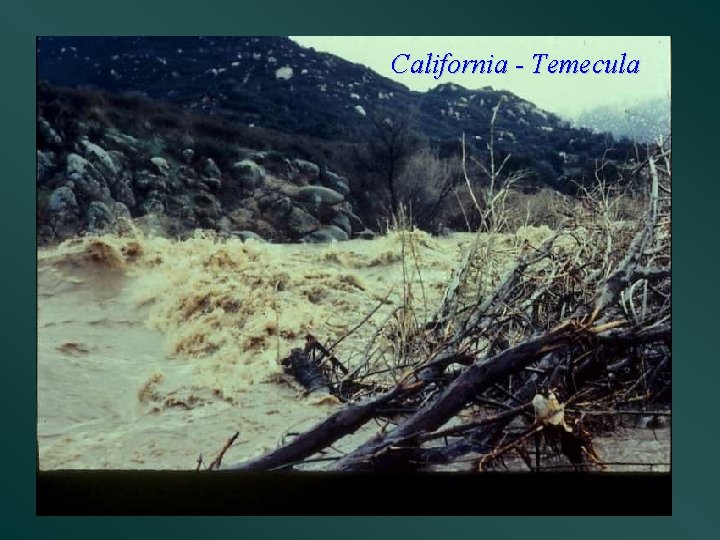
California - Temecula
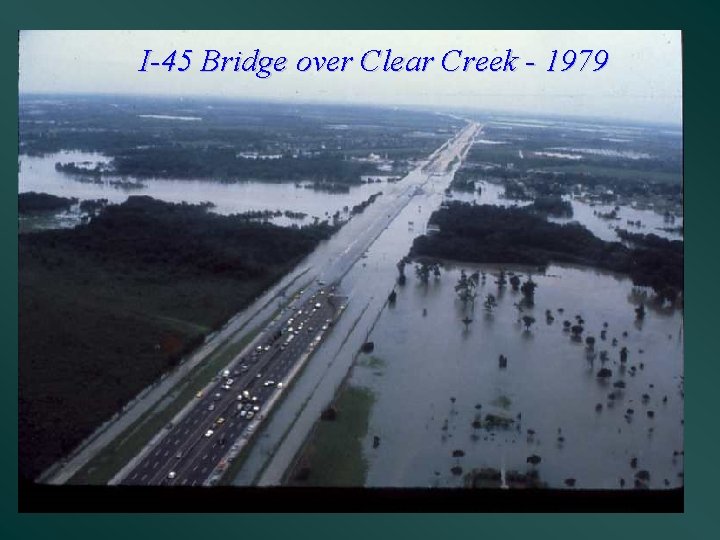
I-45 Bridge over Clear Creek - 1979
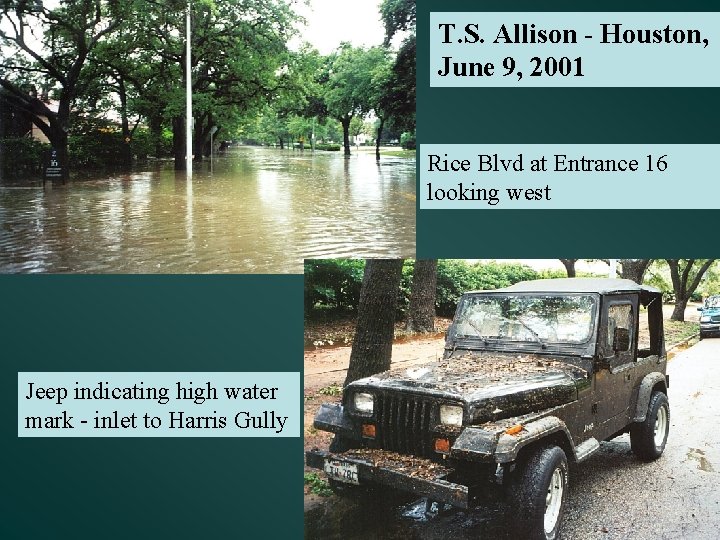
T. S. Allison - Houston, June 9, 2001 Rice Blvd at Entrance 16 looking west Jeep indicating high water mark - inlet to Harris Gully
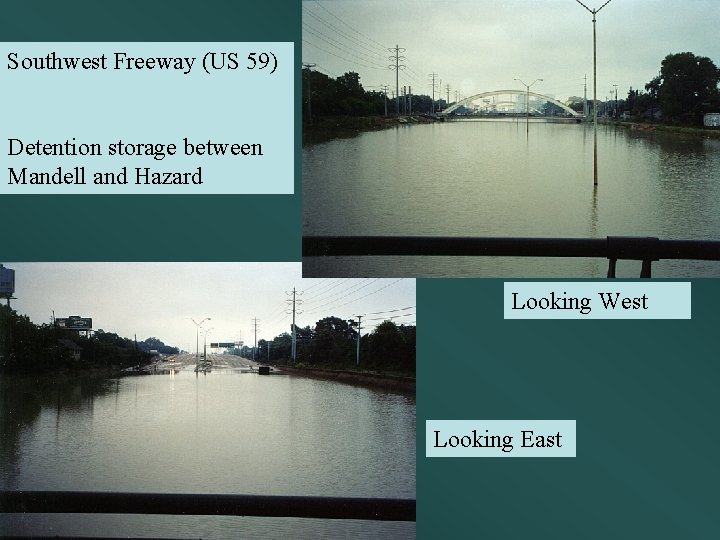
Southwest Freeway (US 59) Detention storage between Mandell and Hazard Looking West Looking East
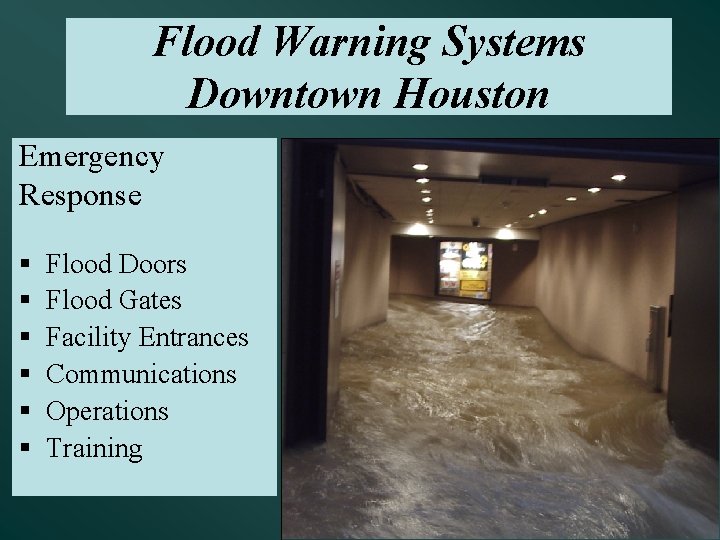
Flood Warning Systems Downtown Houston Emergency Response § § § Flood Doors Flood Gates Facility Entrances Communications Operations Training
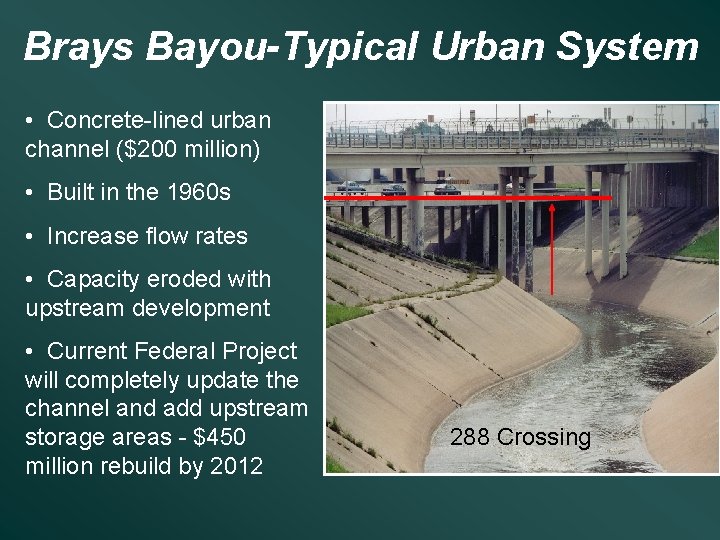
Brays Bayou-Typical Urban System • Concrete-lined urban channel ($200 million) • Built in the 1960 s • Increase flow rates • Capacity eroded with upstream development • Current Federal Project will completely update the channel and add upstream storage areas - $450 million rebuild by 2012 288 Crossing
- Slides: 40