
Basics of Toxicology stav lkask chemie a klinick
Basics of Toxicology Ústav lékařské chemie a klinické biochemie 2. LF UK a FN Motol
Content 1. Poison • • • Subject of toxicology? Scale of acute toxicity Correlation of effect and dose 2. Poisoning and poison effect • • Poison effect: administration, dose, characteristics, death Administration, distribution, biotransformation and elimination 3. The effects of poisons • Molecular, subcellular and cellular effect 4. Fate of foreign compounds 5. Poisonous effect • Direct effect, biochemical effect, immunotoxicity and genotoxicity 6. Special Part
1. Subject of toxicology? Poison compound, capable, after infiltrating the organism, to cause its damage or death
1. Subject of toxicology? Poison compound, capable, after infiltrating the organism, to cause its damage or death Toxin of natural origin
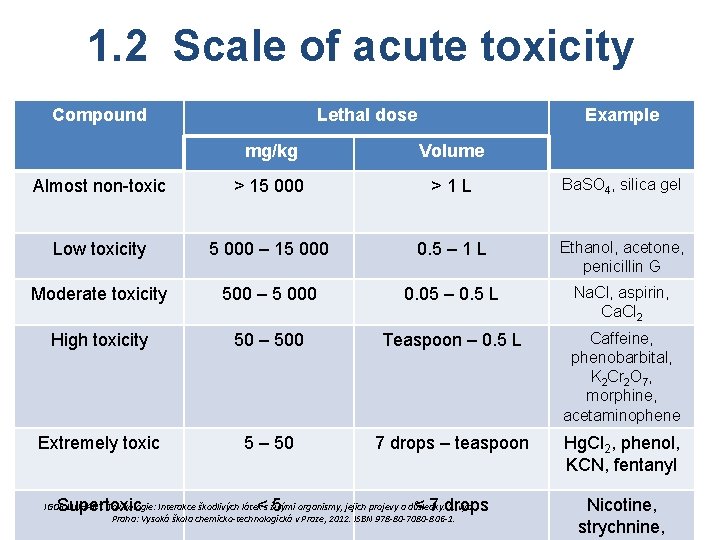
1. 2 Scale of acute toxicity Compound Lethal dose Example mg/kg Volume Almost non-toxic > 15 000 >1 L Ba. SO 4, silica gel Low toxicity 5 000 – 15 000 0. 5 – 1 L Ethanol, acetone, penicillin G Moderate toxicity 500 – 5 000 0. 05 – 0. 5 L Na. Cl, aspirin, Ca. Cl 2 High toxicity 50 – 500 Teaspoon – 0. 5 L Caffeine, phenobarbital, K 2 Cr 2 O 7, morphine, acetaminophene Extremely toxic 5 – 50 7 drops – teaspoon Hg. Cl 2, phenol, KCN, fentanyl Supertoxic <5 < 7 drops Nicotine, strychnine, IGOR LINHART. Toxikologie: Interakce škodlivých látek s živými organismy, jejich projevy a důsledky. 1. vyd. Praha: Vysoká škola chemicko-technologická v Praze, 2012. ISBN 978 -80 -7080 -806 -1.
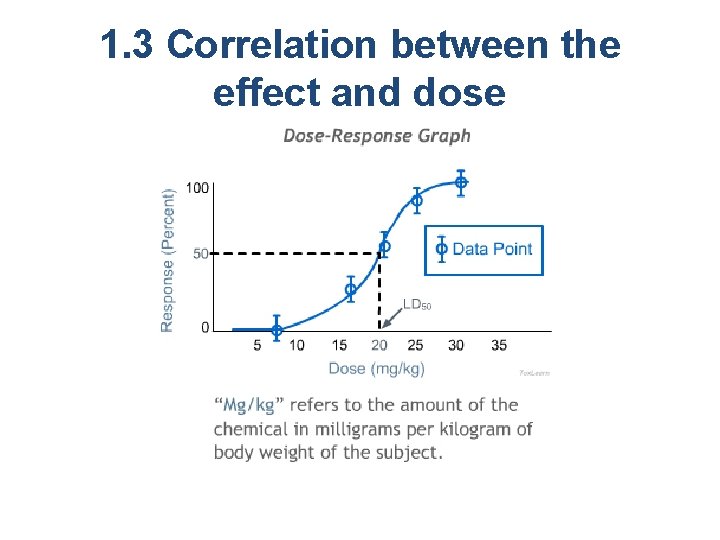
1. 3 Correlation between the effect and dose
2. Poisoning • Disruption of dynamic and homeostatic physiological balance • Effect acute or chronic
2. 1 2. Poisoning: Administration 1. 2. 3. 4. 5. 6. Oral Injection Skin Rectum, vagina, bladder Inhalation Saccus conjunctivae, meatus acusticus externus
2. 2 Poison effect: Dose 1. 2. 3. 4. 5. 6. 7. Race Sex Age Body weight and nutrition Habit Species Diseases
2. 3 Poison effect: Characteristics of the compound 1. Dose
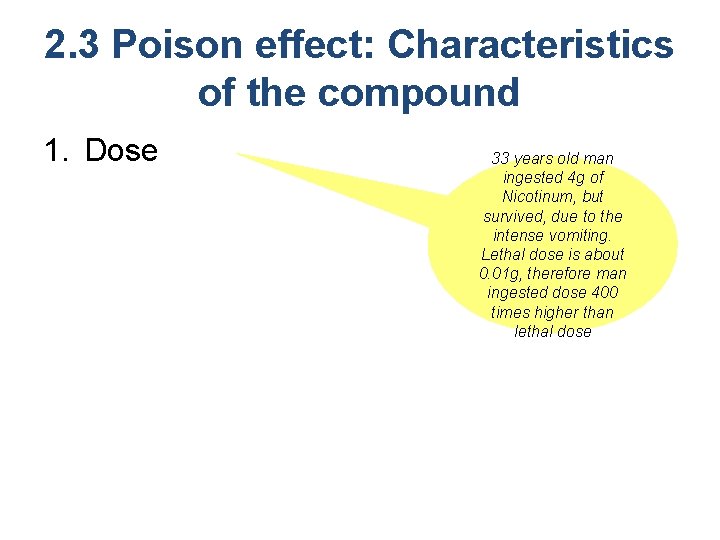
2. 3 Poison effect: Characteristics of the compound 1. Dose 33 years old man ingested 4 g of Nicotinum, but survived, due to the intense vomiting. Lethal dose is about 0. 01 g, therefore man ingested dose 400 times higher than lethal dose
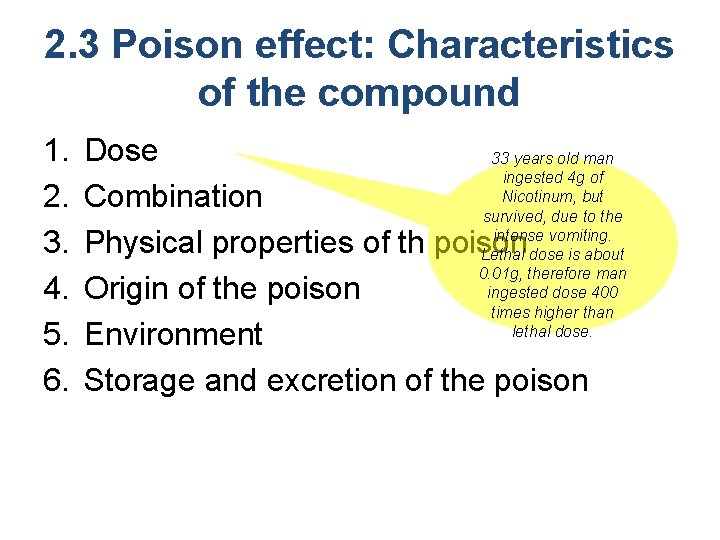
2. 3 Poison effect: Characteristics of the compound 1. 2. 3. 4. 5. 6. Dose 33 years old man ingested 4 g of Nicotinum, but Combination survived, due to the intense vomiting. Physical properties of th poison Lethal dose is about 0. 01 g, therefore man ingested dose 400 Origin of the poison times higher than lethal dose. Environment Storage and excretion of the poison
2. 4 Poison effect : Death • Homicide • Suicide • Self-harm
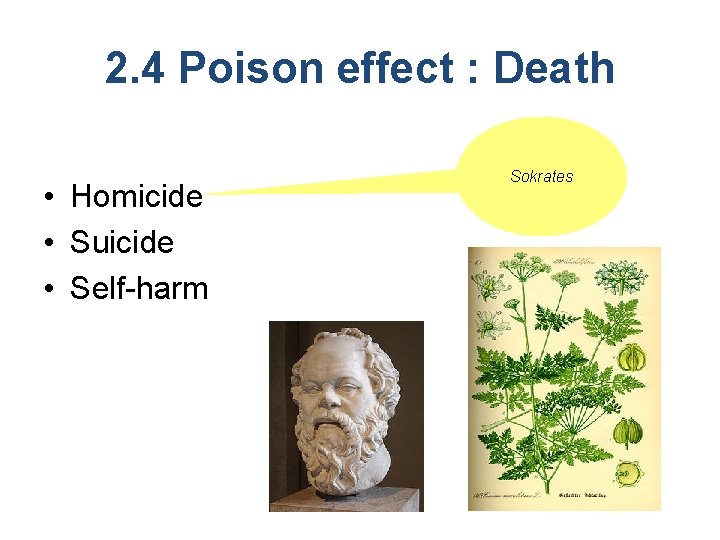
2. 4 Poison effect : Death • Homicide • Suicide • Self-harm Sokrates
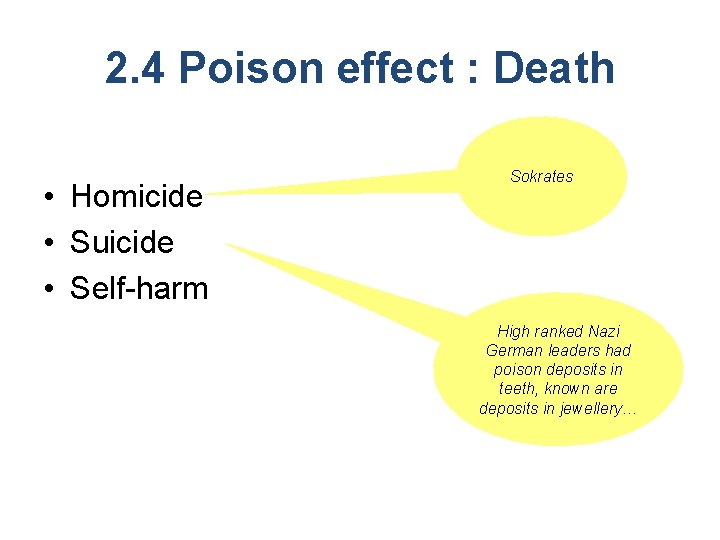
2. 4 Poison effect : Death • Homicide • Suicide • Self-harm Sokrates High ranked Nazi German leaders had poison deposits in teeth, known are deposits in jewellery…
2. 5 Poison effect : Death Accident
2. 5 Poison effect : Death Medicinal: • Home cure • Baryum sluphuricumbaryum carbonicum • Overdose Accident
2. 5 Poison effect : Death Medicinal: • Home cure • Baryum sluphuricumbaryum carbonicum • Overdose Accident Mass poisoning in Japan - 11891 babies poisoned by infant formula, which contained sodium phosphate, with arsenic Infant formula had been sold for over 1 -3 month with the death toll of 113 babies.
2. 5 Poison effect : Death Medicinal: • Home cure • Baryum sluphuricumbaryum carbonicum • Overdose Accident • Abortion • Aphrodisiacs • Industry poisoning (Bhopal) • Drug addiction Mass poisoning in Japan - 11891 babies poisoned by infant formula, which contained sodium phosphate, with arsenic Infant formula had been sold for over 1 -3 month with the death toll of 113 babies.
2. 5 Poison effect : Death Medicinal: • Home cure • Baryum sluphuricumbaryum carbonicum • Overdose Accident • Abortion • Aphrodisiacs • Industry poisoning (Bhopal) • Drug addiction Mass poisoning in Japan - 11891 babies poisoned by infant formula, which contained sodium phosphate, with arsenic Infant formula had been sold for over 1 -3 month with the death toll of 113 babies. • Rotten food • CO poisoning • Aconite honey • Milk and cheese from veratrum fed animals • Rabbit meat after feeding on Atropa belladonna
3. 1 The effects of poisons • Molecular level • Subcellular level • Cellular level • Death of the cell
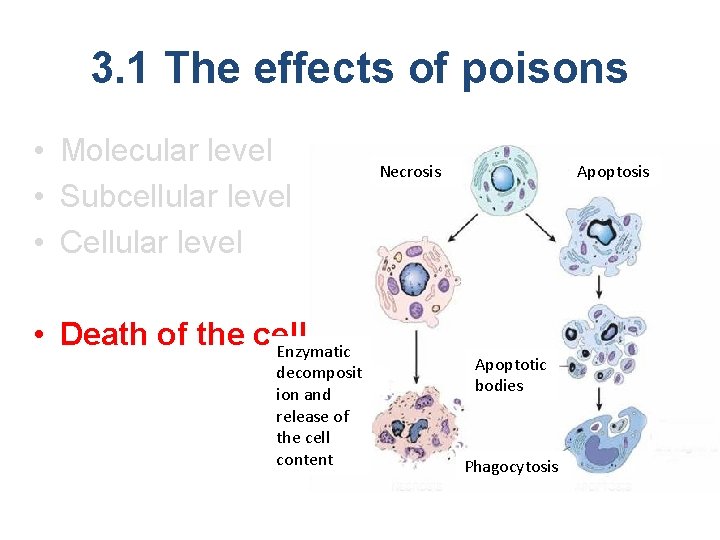
3. 1 The effects of poisons • Molecular level • Subcellular level • Cellular level • Death of the cell Enzymatic decomposit ion and release of the cell content Necrosis Apoptotic bodies Phagocytosis
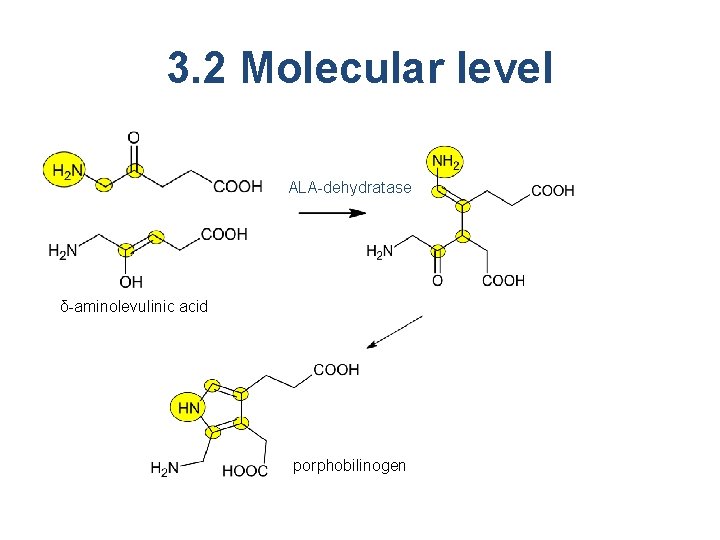
3. 2 Molecular level ALA-dehydratase δ-aminolevulinic acid porphobilinogen
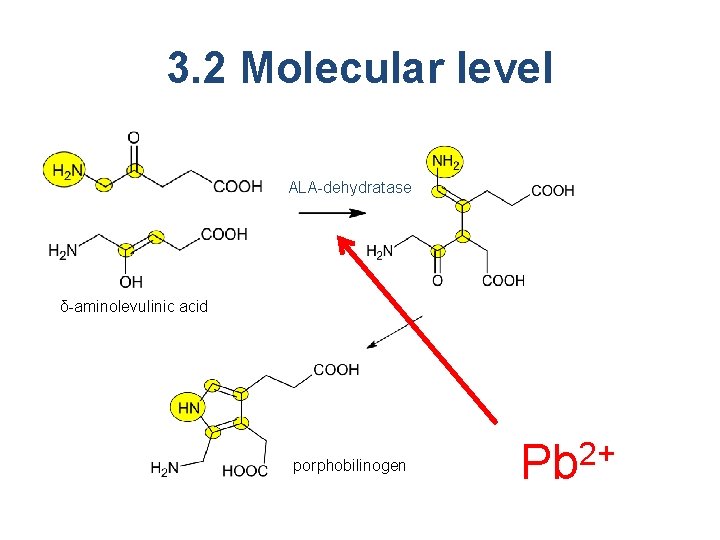
3. 2 Molecular level ALA-dehydratase δ-aminolevulinic acid porphobilinogen Pb 2+
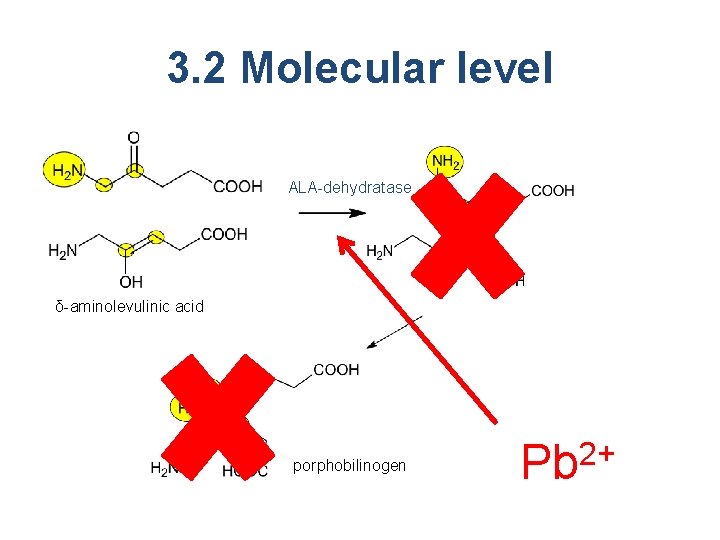
3. 2 Molecular level ALA-dehydratase δ-aminolevulinic acid porphobilinogen Pb 2+
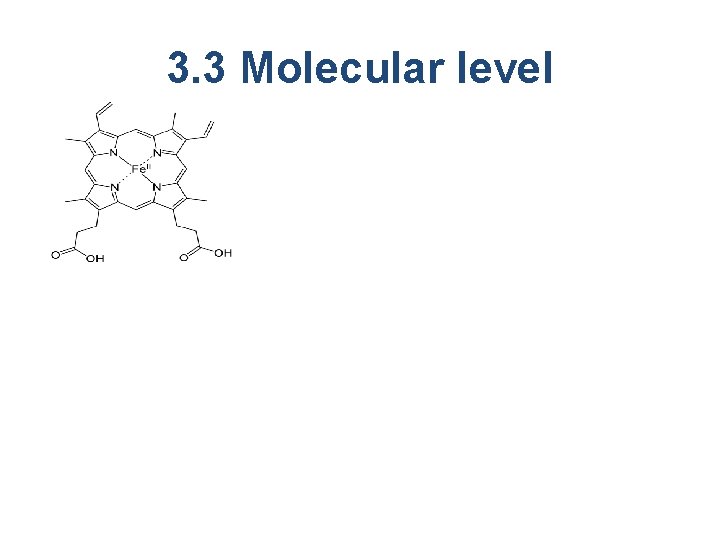
3. 3 Molecular level
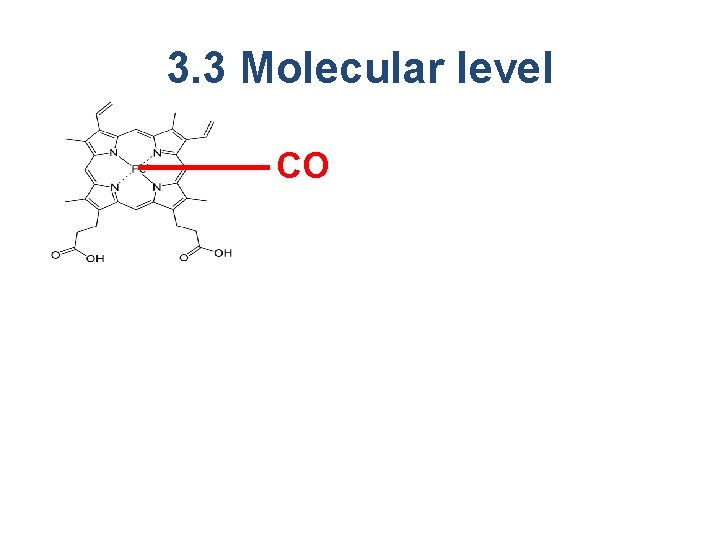
3. 3 Molecular level CO
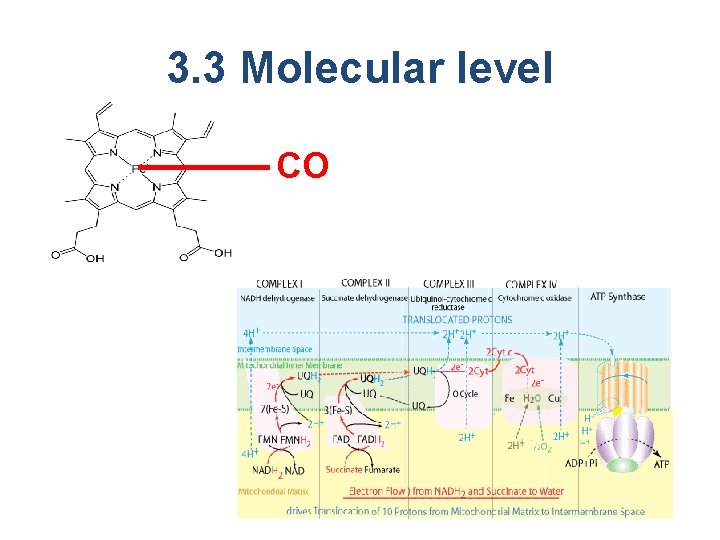
3. 3 Molecular level CO
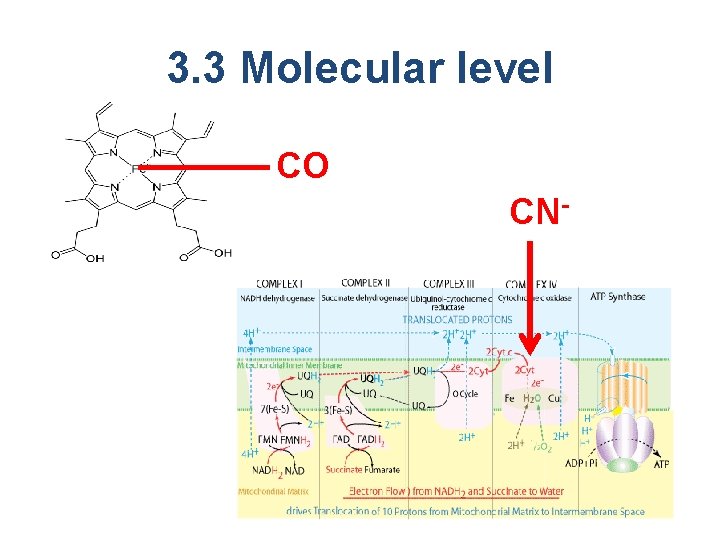
3. 3 Molecular level CO CN-
4. Fate of foreign compounds • • Ingestion Distribution Biotransformation Elimination
4. 1 Ingestion • • GIT Respiratory system Skin Covering epithelium; lipids and phospholipids; surface – high resorbtion ability • Physical and chemical properties of the compounds
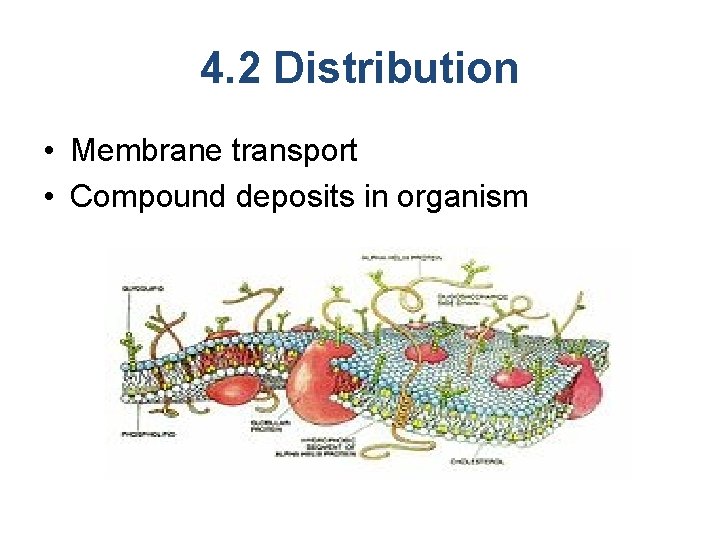
4. 2 Distribution • Membrane transport • Compound deposits in organism
4. 3 Biotransformation • Enzymatic conversion (common) • Localization: liver, kidneys, lungs, GIT, brain … • Endoplasmic reticulum and cytosol
4. 4 Elimination • • Urine Stool Breathing out Skin
5. Poisonous effect 1. Direct effect 2. Biochemical effect 3. Immunotoxic effect 4. Genotoxicity
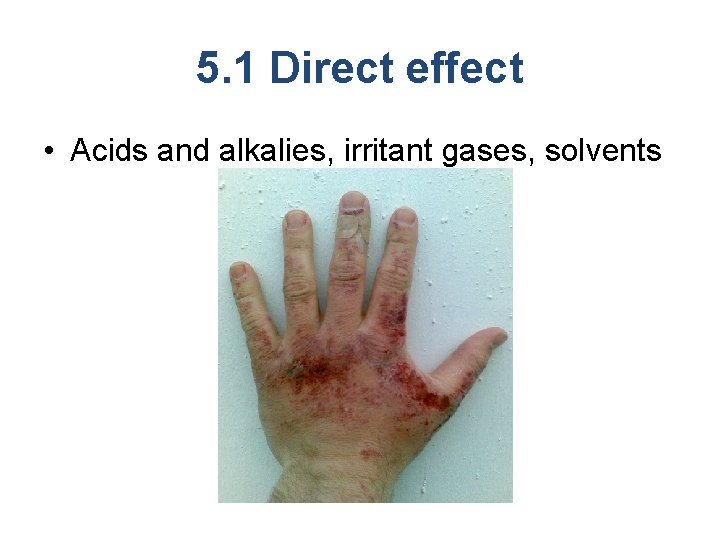
5. 1 Direct effect • Acids and alkalies, irritant gases, solvents
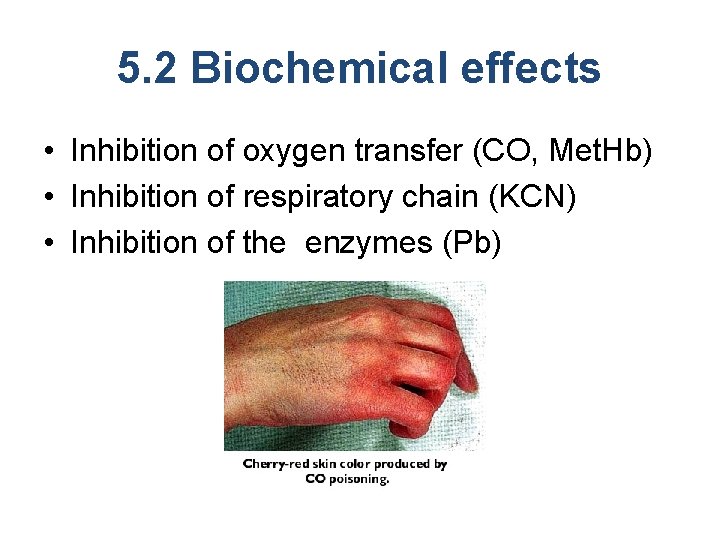
5. 2 Biochemical effects • Inhibition of oxygen transfer (CO, Met. Hb) • Inhibition of respiratory chain (KCN) • Inhibition of the enzymes (Pb)
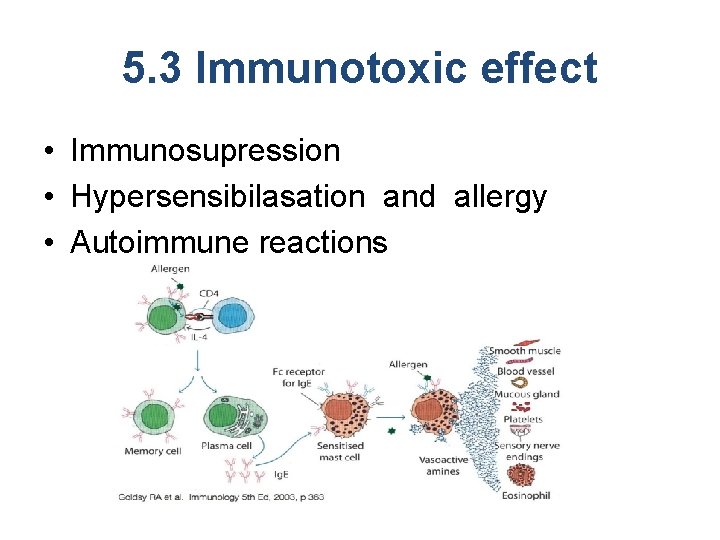
5. 3 Immunotoxic effect • Immunosupression • Hypersensibilasation and allergy • Autoimmune reactions
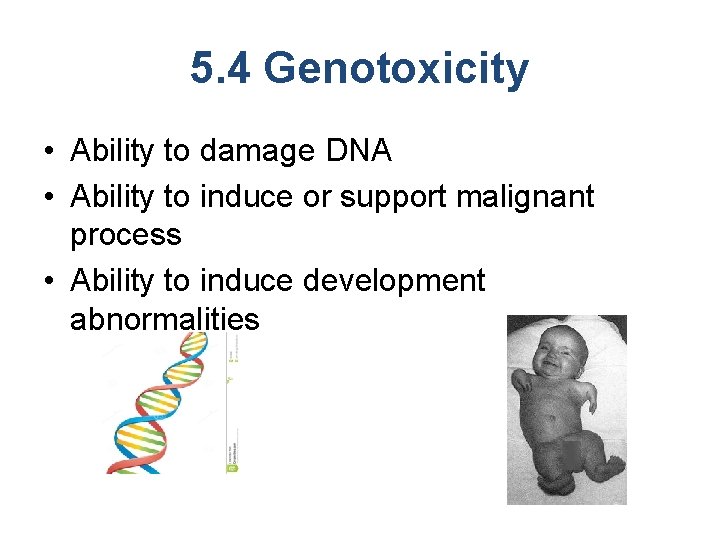
5. 4 Genotoxicity • Ability to damage DNA • Ability to induce or support malignant process • Ability to induce development abnormalities
6. Special Part: the effect of some toxic compounds
6. 1 Acids and alkalis • Inorganic acids: H 2 SO 4, HCl, HF and its salts, HNO 3, H 3 BO 3
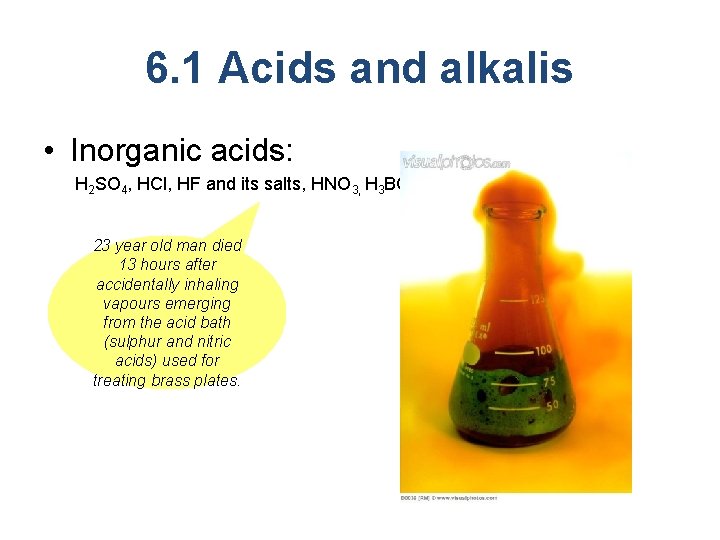
6. 1 Acids and alkalis • Inorganic acids: H 2 SO 4, HCl, HF and its salts, HNO 3, H 3 BO 3 23 year old man died 13 hours after accidentally inhaling vapours emerging from the acid bath (sulphur and nitric acids) used for treating brass plates.
6. 1 Acids and alkalis • Inorganic acids: H 2 SO 4, HCl, HF and its salts, HNO 3, H 3 BO 3 23 year old man died 13 hours after accidentally inhaling vapours emerging from the acid bath (sulphur and nitric acids) used for treating brass plates. 4% solution of boric acid had been mistaken form physiological solution, 1000 ml had been administrated, patient died 7 days later. Children in hospital received infant formula diluted with 2. 5% solution of boric acid.
6. 1 Acids and alkalis • Inorganic acids: H 2 SO 4, HCl, HF and its salts, HNO 3, H 3 BO 3 • Inorganic alkalies: Na. OH, KOH, Sodium silicate, soap, washing soda, ammonium
6. 1 Acids and alkalis • Inorganic acids: H 2 SO 4, HCl, HF and its salts, HNO 3, H 3 BO 3 • Inorganic alkalies: Na. OH, KOH, Sodium silicate, soap, washing soda, ammonium GP poured some ammonia solution into the flask marked „Solutio physiologica natrii chlorati“ for his personal use and left the flask on the table, in his short absence, nurse took this flask and used it for dilution streptomycin , which then injected to 8 year boy, death came immediately.
6. 2 Nonmetals and their compounds • Chlorine, iodine, water, hydrogen peroxide, white phosphorus and phosphides, arsenic
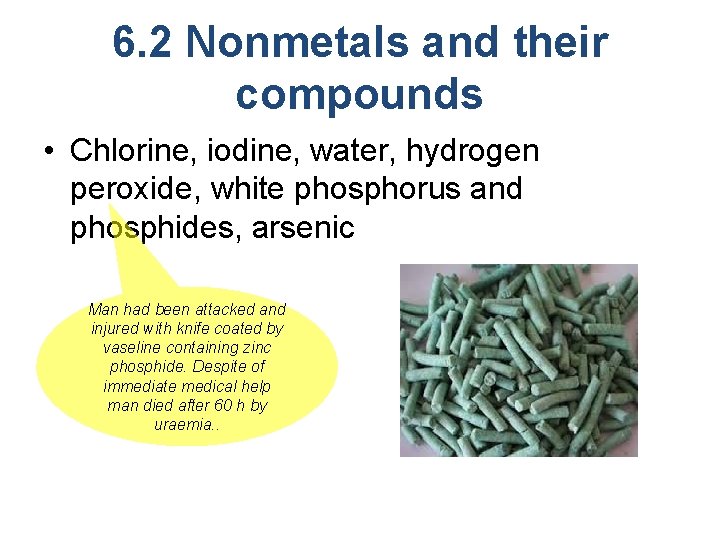
6. 2 Nonmetals and their compounds • Chlorine, iodine, water, hydrogen peroxide, white phosphorus and phosphides, arsenic Man had been attacked and injured with knife coated by vaseline containing zinc phosphide. Despite of immediate medical help man died after 60 h by uraemia. .
6. 3 Nonmetals and their compound • Chlorine, iodine, water, hydrogen peroxide, white phosphorus and phosphides, arsenic Man had been attacked and injured with knife coated by vaseline containing zinc phosphide. Despite of immediate medical help man died after 60 h by uraemia. . 16 old man: drank 8 l of water in one hour (stake), died hours later.
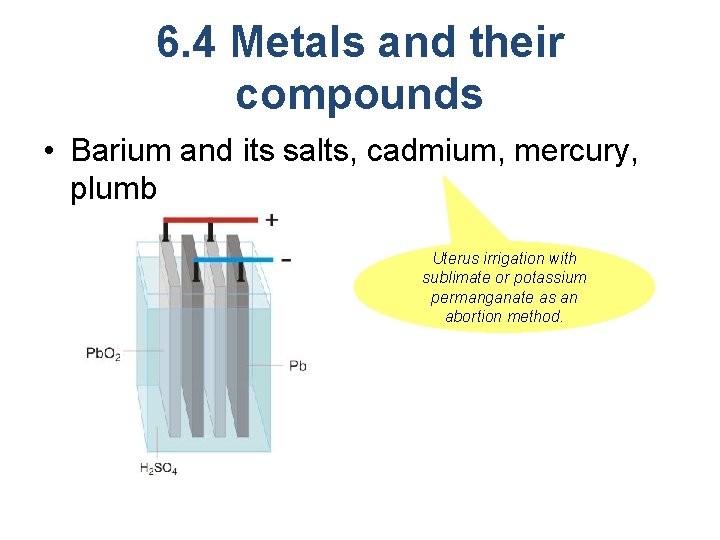
6. 4 Metals and their compounds • Barium and its salts, cadmium, mercury, plumb Uterus irrigation with sublimate or potassium permanganate as an abortion method.
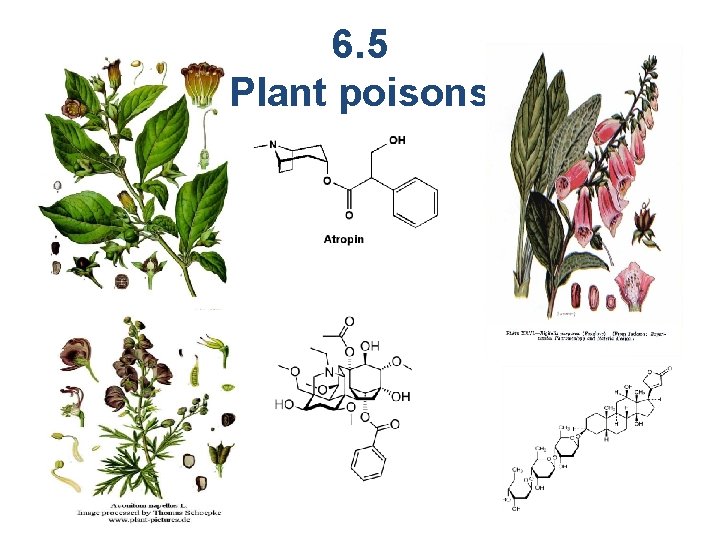
6. 5 Plant poisons
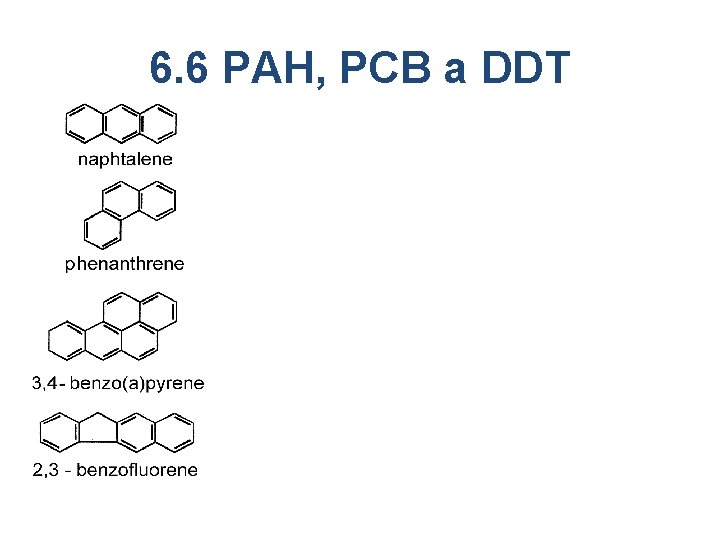
6. 6 PAH, PCB a DDT
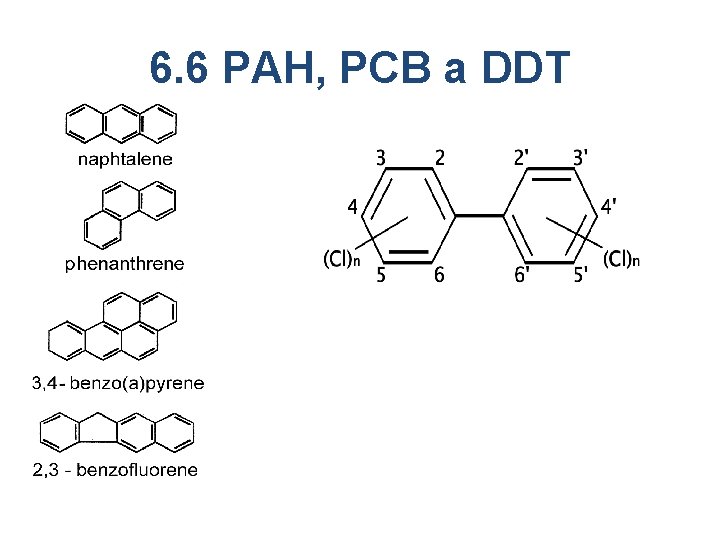
6. 6 PAH, PCB a DDT
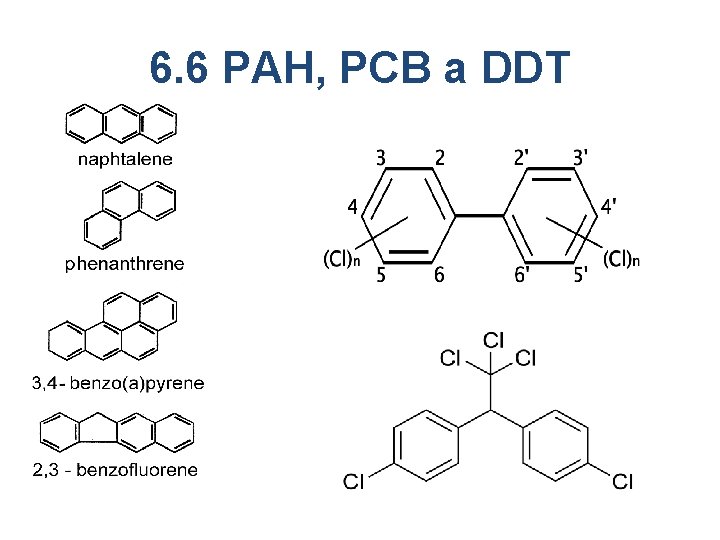
6. 6 PAH, PCB a DDT
Sources: • • • • • http: //toxlearn. nlm. nih. gov/htmlversion/module 1. html http: //www. sigmaaldrich. com/content/dam/sigma-aldrich/life-science/biochemicals/migrationbiochemicals 1/Electron_Transport. gif http: //cs. wikipedia. org/wiki/Soubor: Sodium_hydroxide_burn. png http: //www. vetmed. vt. edu/education/Curriculum/VM 8304/vet%20 pathology/CASES/CELLINJURY 2/PAGE 1 -8. htm http: //nfs. unipv. it/nfs/minf/dispense/immunology/lectures/files/images/type 1_hypersensitivity. jpg http: //www. thalidomide. ca/files. NVIAdmin/File/hoto 2_bebe-nu. jpg http: //thumbs. dreamstime. com/z/double-helix-dna-strand-10404453. jpg http: //www. gyne. cz/clanky/2008/408 cl 11. jpg http: //upload. wikimedia. org/wikipedia/commons/thumb/e/ee/Cell. Membrane. Drawing. jpg/250 px-Cell. Membrane. Drawing. jpg http: //cs. wikipedia. org/wiki/S%C 3%B 3 krat%C 3%A 9 s http: //cs. wikipedia. org/wiki/Bolehlav_plamat%C 3%BD http: //www. visualphotos. com/photo/1 x 3746918/chemical_reaction_reaction_of_concentrated_nitric_acid_with_copper_ to_yield_ni_D 0039. jpg http: //i 01. i. aliimg. com/photo/v 2/458715577/zinc_phosphide_rodenticide_brodifacum_0_005_bromadiolone. jpg http: //glossary. periodni. com/images/lead-acid_battery. jpg http: //3. bp. blogspot. com/-QLw. Nvx. R 5 To. A/Ul 3 Xvb. Hf. WXI/AAAAAN 8/THt. Wsgs. Lck 8/s 1600/atropin-2. gif http: //www. google. cz/url? sa=i&rct=j&q=&esrc=s&source=images&cd=&cad=rja&uact=8&docid=D 4 Cz 1 OIPYp. Y 9 z. M&tbnid=ayy 5 Tz 6_Advs BM: &ved=0 CAUQj. Rw&url=http%3 A%2 F%2 Fen. wikipedia. org%2 Fwiki%2 FAconitine&ei=g. LNXU 71 E 4 m. Vt. Qa. Cpo. HADA&bvm=bv. 65177938, d. b. GQ&psig=AFQj. CNHFGME 4 v. Xng. RKh. Aw. Rk. BDL 1 x. VAE 7 yw&ust=13983429066232 http: //www. google. cz/url? sa=i&rct=j&q=&esrc=s&source=images&cd=&cad=rja&uact=8&docid=G-3 ELp_F 65 Kql. M&tbnid=Ahv. FDBH 0 Ka. NHM: &ved=0 CAUQj. Rw&url=http%3 A%2 F%2 Ffr. wikipedia. org%2 Fwiki%2 FDigoxine&ei=y. LNXU 9 HGIse. Yt. Abh 54 Go. Bg&bvm= bv. 65177938, d. b. GQ&psig=AFQj. CNGQ 1 KUe 04 Di 7 -y. Hs. Rc. JPan 7 S 37 Yk. Q&ust=139834298157693887 http: //www. google. cz/url? sa=i&rct=j&q=&esrc=s&source=images&cd=&cad=rja&uact=8&docid=Yn. IM 2 BEdz. Yaz. MM&tbnid=L 5 Vu. Ju. Mtumw Z 8 M: &ved=0 CAUQj. Rw&url=http%3 A%2 F%2 Fwww. balticuniv. uu. se%2 Fenvironmentalscience%2 Fch 13%2 Fchapter 13_g. htm&ei=Wb. RX U 9 f 0 E 8 TGt. Qboj. IHg. Aw&bvm=bv. 65177938, d. b. GQ&psig=AFQj. CNGu. PKFEU 19 AN-f. FAn. T 2 prkm_E 7 OSQ&ust=1398343120651961 http: //www. google. cz/url? sa=i&rct=j&q=&esrc=s&source=images&cd=&cad=rja&uact=8&docid=Tb. Yn. XAm. GK 7 BJ 3 M&tbnid=y. Ti. EPz. KCo. G Te 4 M: &ved=0 CAUQj. Rw&url=http%3 A%2 F%2 Fwww. webbofscience. com%2 F 2009%2 F 05%2 F 23%2 Fmolecule-of-the-weekpolychlorinated-biphenyls-pcbs%2 F&ei=g 7 RXU 5 Sa. O 8 Pbt. Ab. Ul 4 Do. DQ&bvm=bv. 65177938, d. b. GQ&psig=AFQj. CNGRf. HW 4 e. Q 3 k. Qi. XRXw. Tdby 1 jkdn. Pw&ust=1398343170563502 http: //www. google. cz/url? sa=i&rct=j&q=&esrc=s&source=images&cd=&cad=rja&uact=8&docid=KBxg. Dg. LHj. UXGk. M&tbnid=R 8 h 6 vet. Knxt. IJ M: &ved=0 CAUQj. Rw&url=http%3 A%2 F%2 Fwww. chimicare. org%2 Fcuriosita%2 Fsenza-categoria%2 Fgli-insetticidi-grande-sfida-lachimica%2 F&ei=u. LRXU 4 SZF 9 HEsgb. Jy. YCg. Bg&bvm=bv. 65177938, d. b. GQ&psig=AFQj. CNGfl. Pt. Y 3 P 2 ufnrn. O 9 xcm. Sn. FURU 2 mw&ust=1398 343218721310
- Slides: 54