
Basics of Immunity Assoc Prof Edyta Mdry MD
Basics of Immunity Assoc. Prof. Edyta Mądry MD. Ph. D Department of Physiology Poznań University of Medical Sciences
Innate defense The innate immune response is the first line of defense against invading microorganisms. This system is not specific for a given pathogen, but can aid in the induction of cell-mediated immunity (antibody and specific killer cells).
Nonspecific Body Defenses 1. Physical Barriers -Mechanical (skin, mucus, cilia in respiratory tract, sebum, cerumen ( earwax) ) 2. Chemical Barriers (low p. H – stomach, vagina, genito-urinary tract, sweat/ high p. H –small intestinal juice 3. Others: vomiting, diarrhea, sneezing, coughing
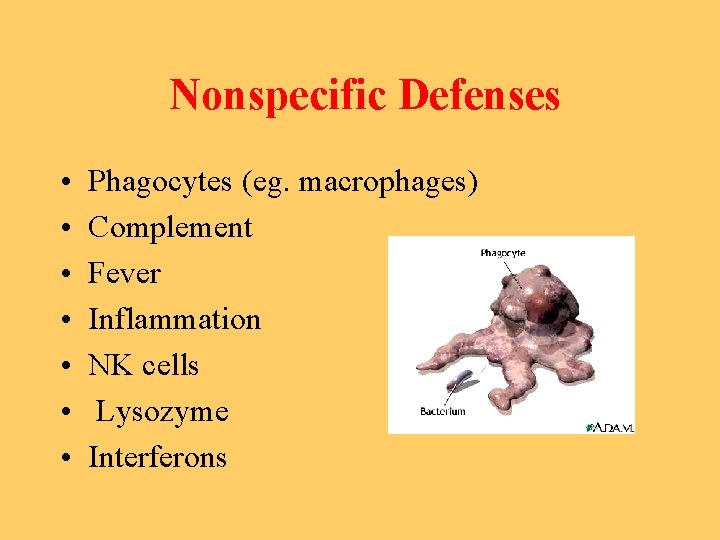
Nonspecific Defenses • • Phagocytes (eg. macrophages) Complement Fever Inflammation NK cells Lysozyme Interferons

Innate defense
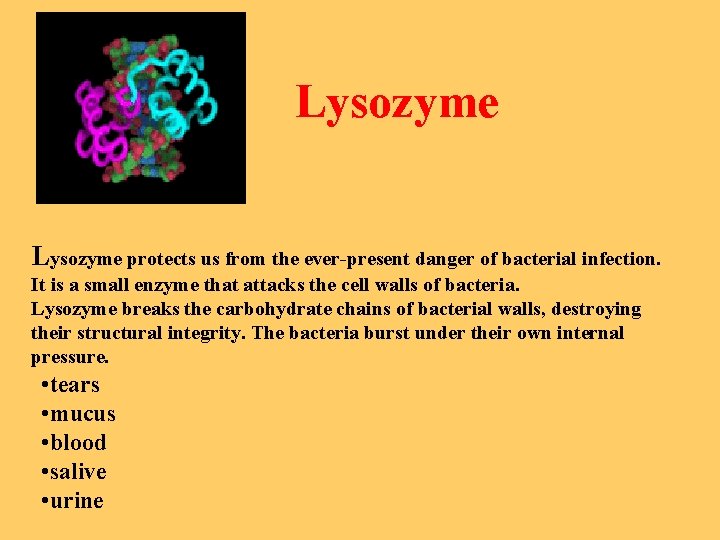
Lysozyme protects us from the ever-present danger of bacterial infection. It is a small enzyme that attacks the cell walls of bacteria. Lysozyme breaks the carbohydrate chains of bacterial walls, destroying their structural integrity. The bacteria burst under their own internal pressure. • tears • mucus • blood • salive • urine
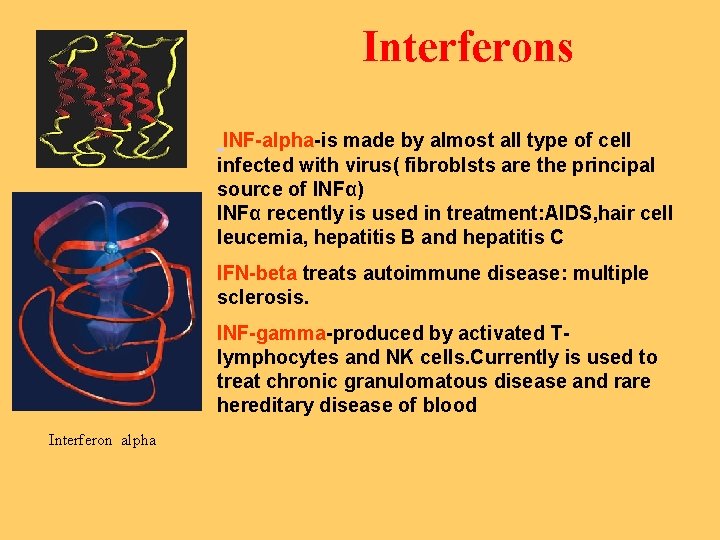
Interferons INF-alpha-is made by almost all type of cell infected with virus( fibroblsts are the principal source of INFα) INFα recently is used in treatment: AIDS, hair cell leucemia, hepatitis B and hepatitis C IFN-beta treats autoimmune disease: multiple sclerosis. INF-gamma-produced by activated Tlymphocytes and NK cells. Currently is used to treat chronic granulomatous disease and rare hereditary disease of blood Interferon alpha

Interferons
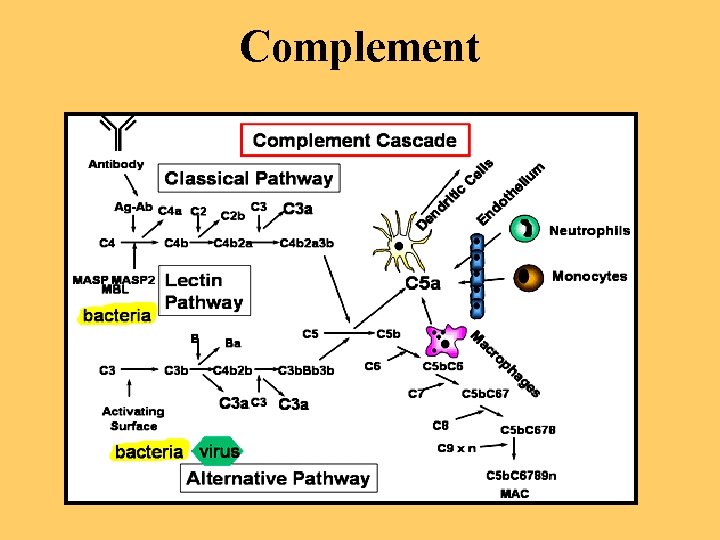
Complement
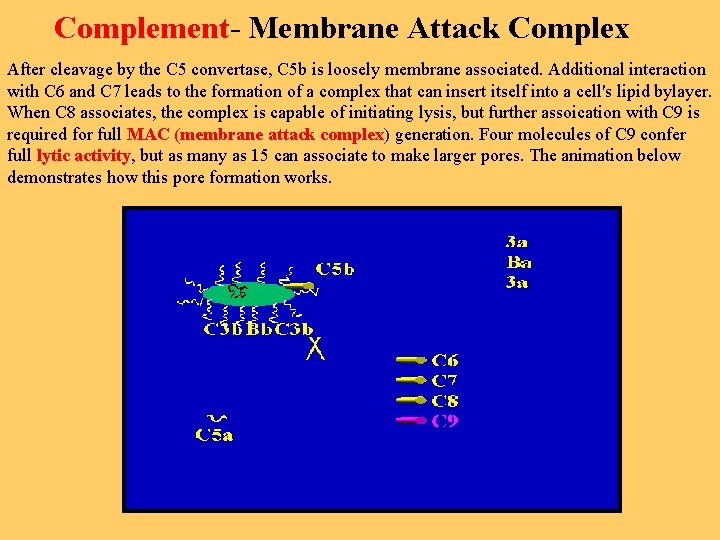
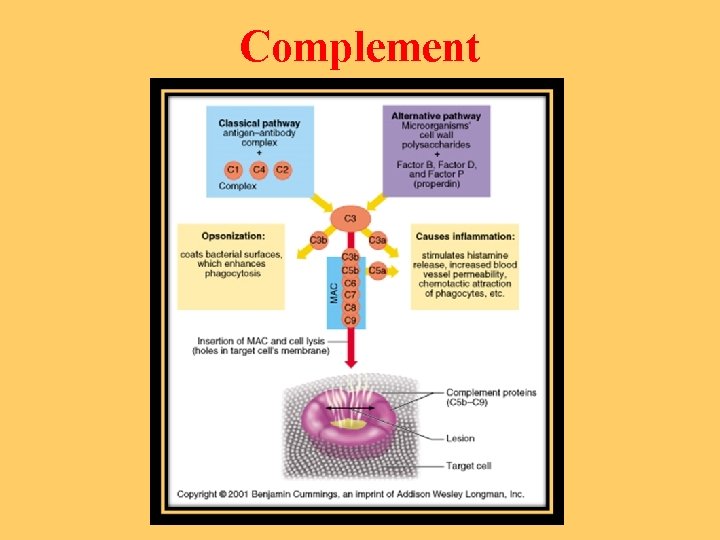
Complement- Membrane Attack Complex After cleavage by the C 5 convertase, C 5 b is loosely membrane associated. Additional interaction with C 6 and C 7 leads to the formation of a complex that can insert itself into a cell's lipid bylayer. When C 8 associates, the complex is capable of initiating lysis, but further assoication with C 9 is required for full MAC (membrane attack complex) generation. Four molecules of C 9 confer full lytic activity, but as many as 15 can associate to make larger pores. The animation below demonstrates how this pore formation works.

Complement- Activation by a Pathogen An invading bacteria initiates the complement response. The C 3 b. Bb 3 b complex is the C 5 a convertase; an enzyme that is able to cleave C 5 to C 5 a and C 5 b.
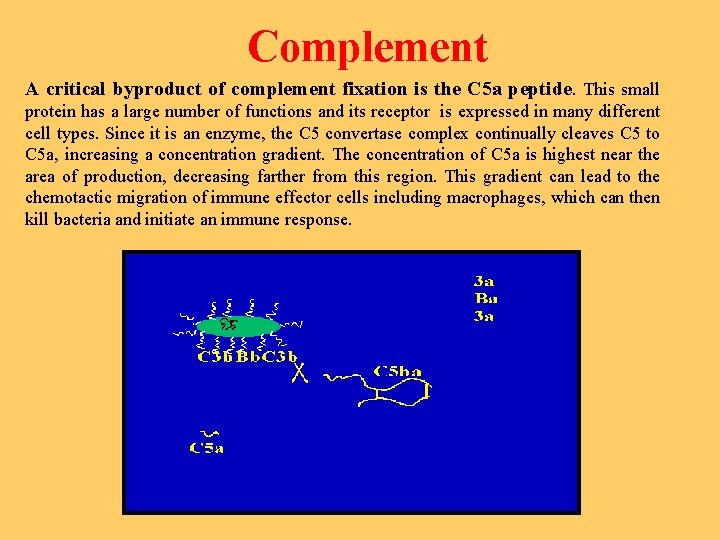
Complement A critical byproduct of complement fixation is the C 5 a peptide. This small protein has a large number of functions and its receptor is expressed in many different cell types. Since it is an enzyme, the C 5 convertase complex continually cleaves C 5 to C 5 a, increasing a concentration gradient. The concentration of C 5 a is highest near the area of production, decreasing farther from this region. This gradient can lead to the chemotactic migration of immune effector cells including macrophages, which can then kill bacteria and initiate an immune response.

Complement-macrophage migration to C 5 a After the C 5 convertase cleaves C 5 to C 5 a and C 5 b, the C 5 a protein diffuses away from the production area to set up a concentration gradient. Different cell types including macrophages, neutrophils and mast cells can recognize this gradient and "crawl" toward the area of activation. .
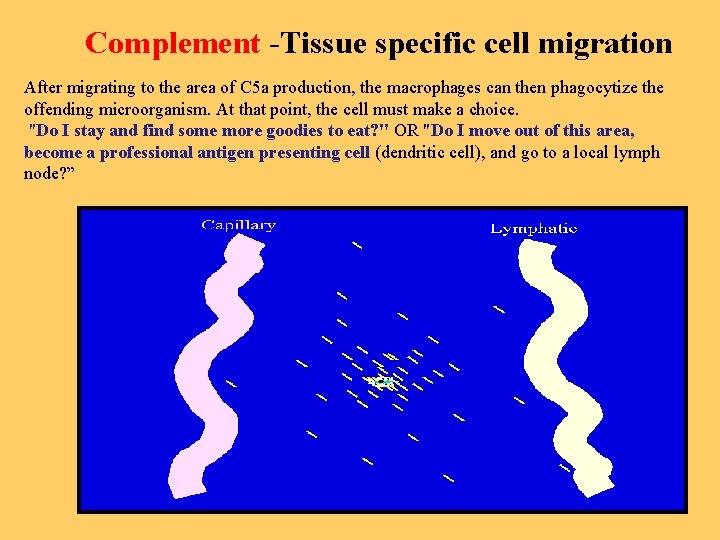
Complement -Tissue specific cell migration After migrating to the area of C 5 a production, the macrophages can then phagocytize the offending microorganism. At that point, the cell must make a choice. "Do I stay and find some more goodies to eat? " OR "Do I move out of this area, become a professional antigen presenting cell (dendritic cell), and go to a local lymph node? ”
Complement
Inflammation • Bodies response to tissue injury • Classic signs – Heat – Redness – Swelling – Pain – Impairment of function
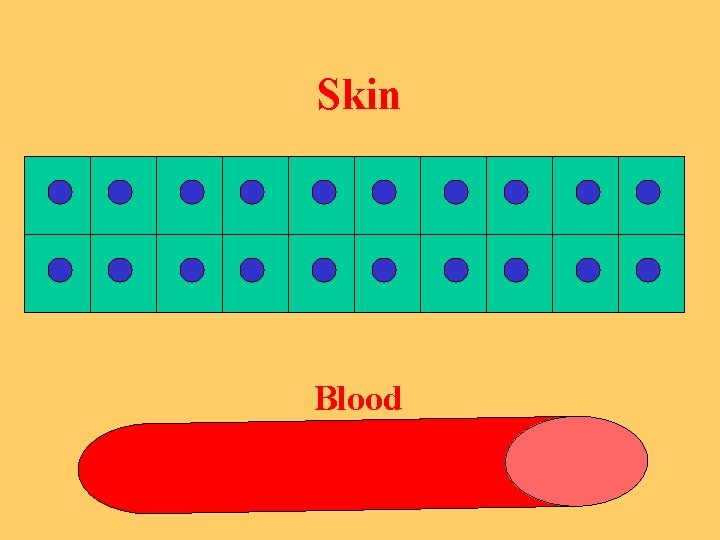
Skin Blood
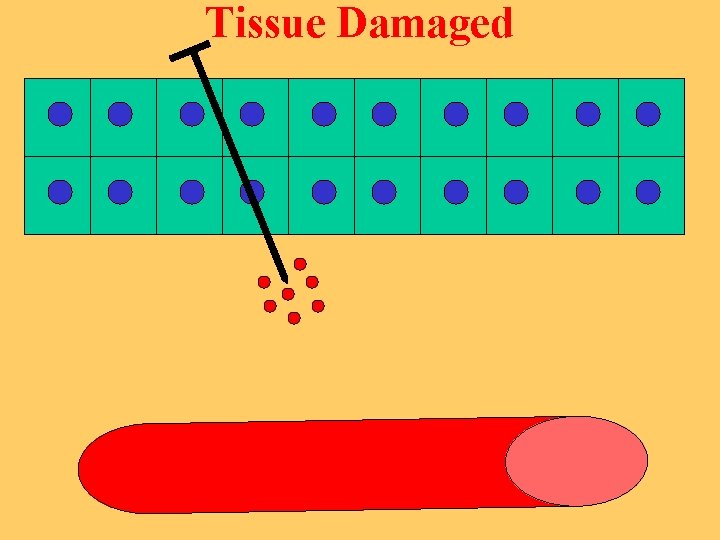
Tissue Damaged
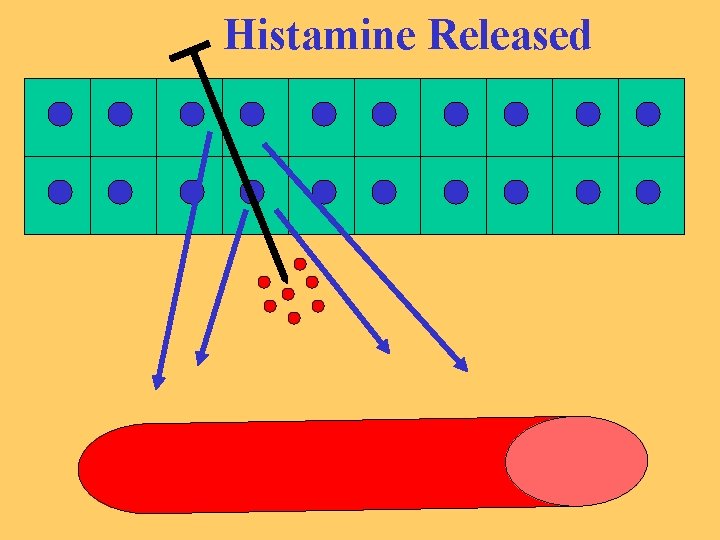
Histamine Released
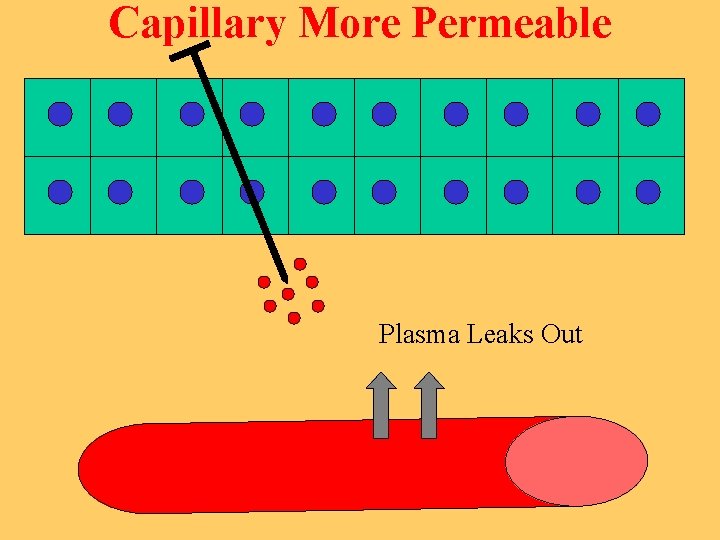
Capillary More Permeable Plasma Leaks Out
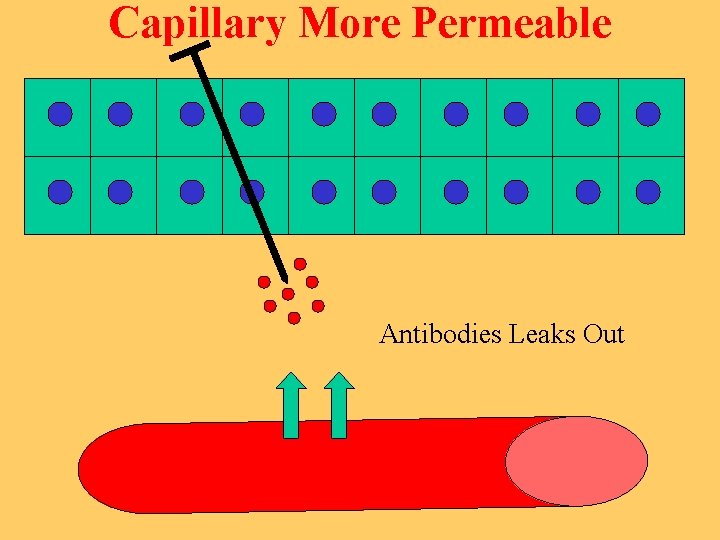
Capillary More Permeable Antibodies Leaks Out
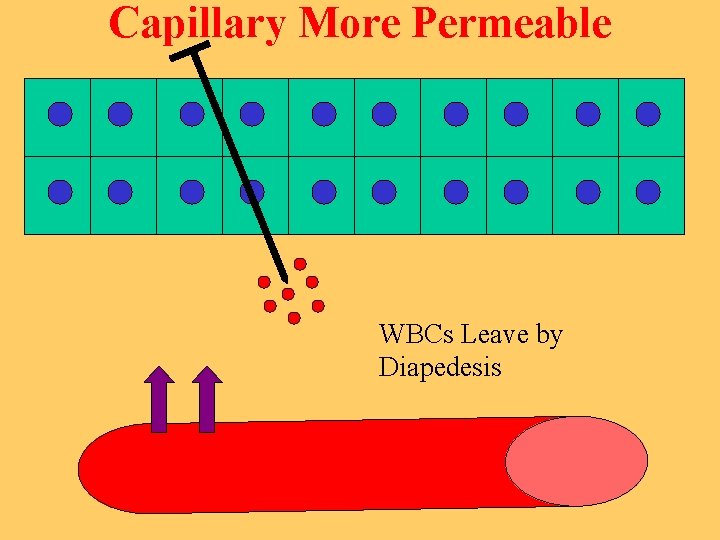
Capillary More Permeable WBCs Leave by Diapedesis
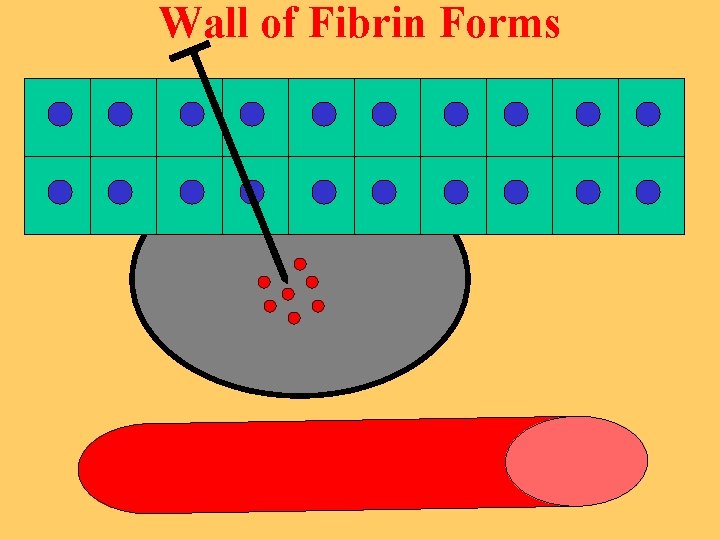
Wall of Fibrin Forms
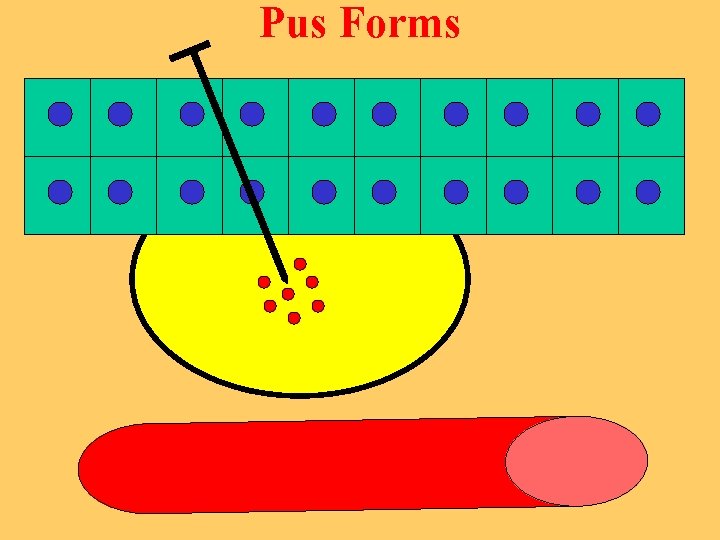
Pus Forms
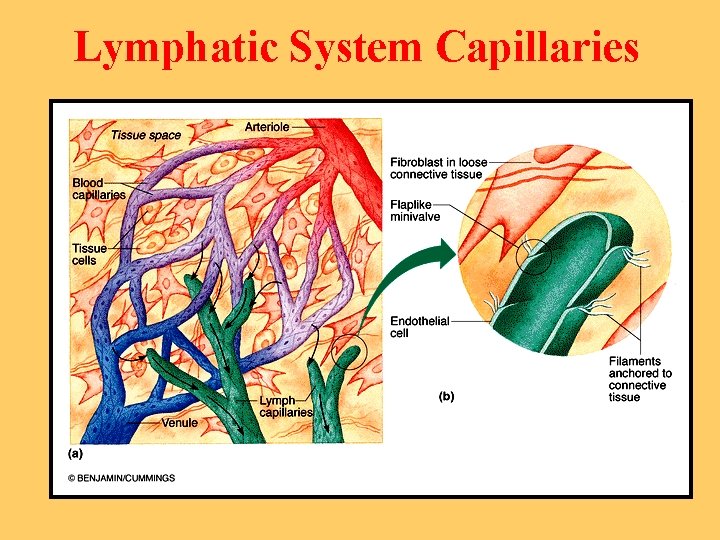
Lymphatic System Capillaries
Functions of Lymphatic System • • • Drain fluid from around cells Absorb fat from intestines Circulate lymph Filter lymph Immunity
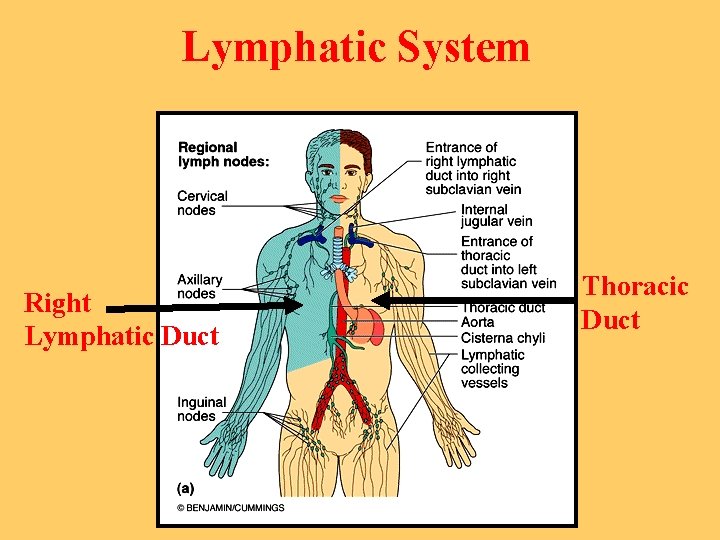
Lymphatic System Right Lymphatic Duct Thoracic Duct
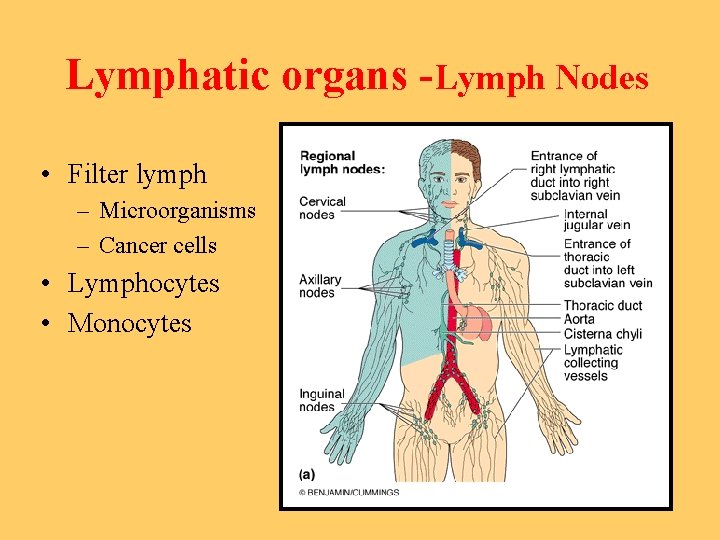
Lymphatic organs -Lymph Nodes • Filter lymph – Microorganisms – Cancer cells • Lymphocytes • Monocytes
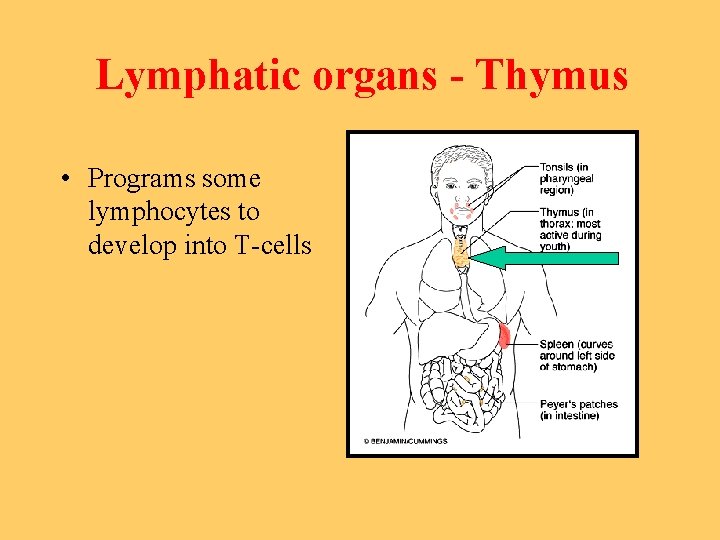
Lymphatic organs - Thymus • Programs some lymphocytes to develop into T-cells
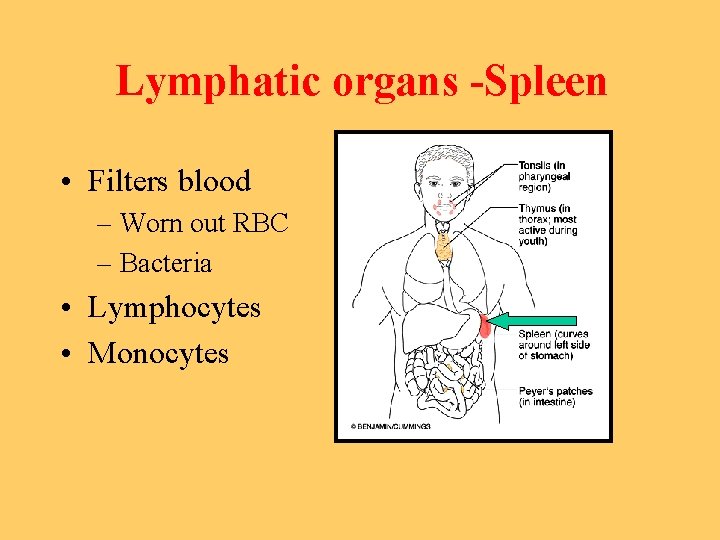
Lymphatic organs -Spleen • Filters blood – Worn out RBC – Bacteria • Lymphocytes • Monocytes
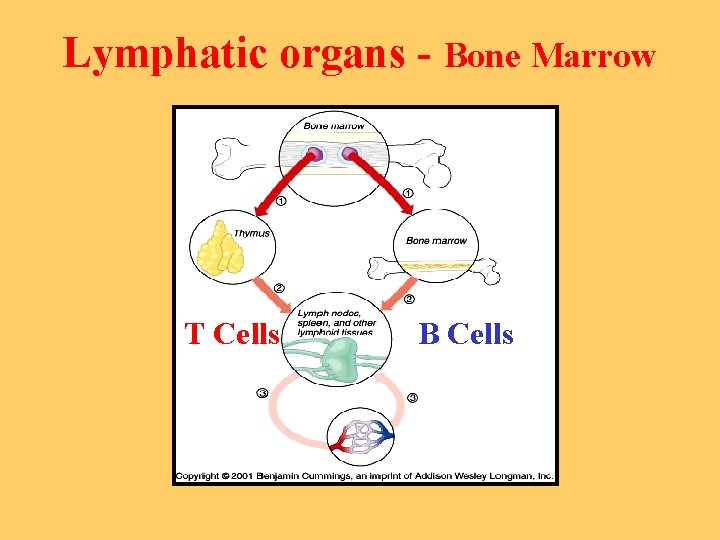
Lymphatic organs - Bone Marrow T Cells B Cells
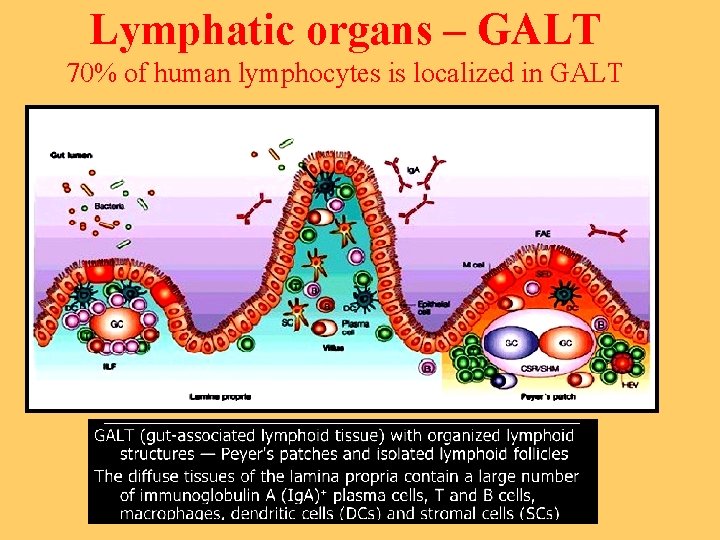
Lymphatic organs – GALT 70% of human lymphocytes is localized in GALT
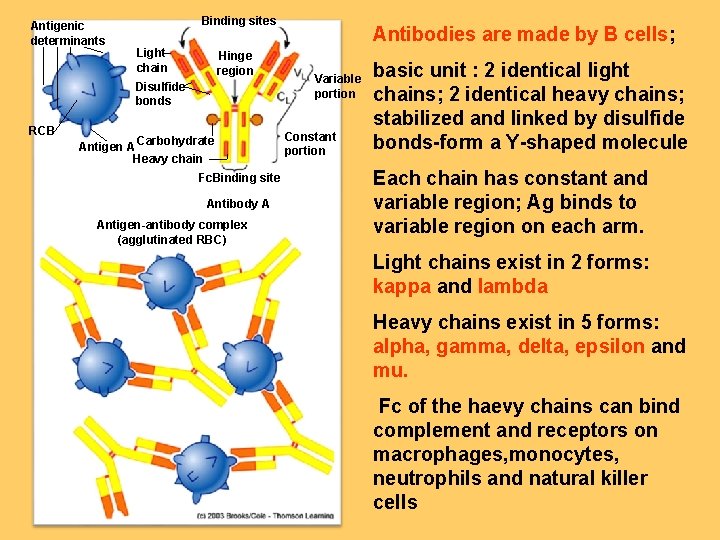
Antigenic determinants Binding sites Light chain Hinge region Disulfide bonds RCB Antigen A Carbohydrate Heavy chain Fc. Binding site Antibody A Antigen-antibody complex (agglutinated RBC) Antibodies are made by B cells; Variable portion Constant portion basic unit : 2 identical light chains; 2 identical heavy chains; stabilized and linked by disulfide bonds-form a Y-shaped molecule Each chain has constant and variable region; Ag binds to variable region on each arm. Light chains exist in 2 forms: kappa and lambda Heavy chains exist in 5 forms: alpha, gamma, delta, epsilon and mu. Fc of the haevy chains can bind complement and receptors on macrophages, monocytes, neutrophils and natural killer cells
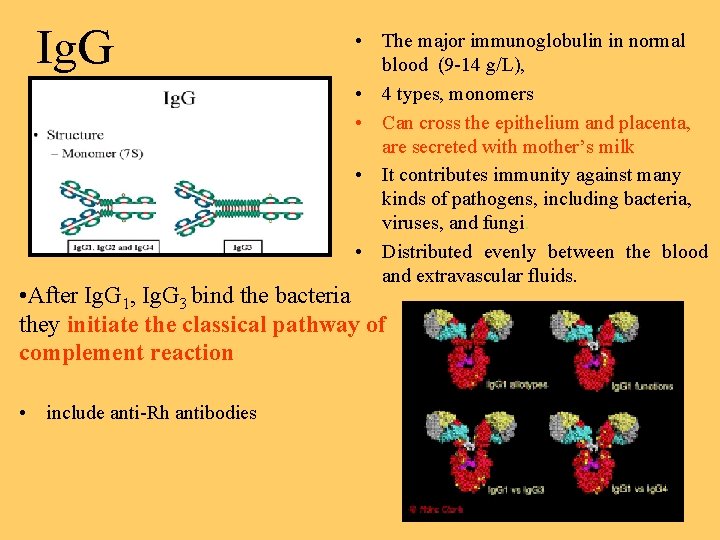
Ig. G • The major immunoglobulin in normal blood (9 -14 g/L), • 4 types, monomers • Can cross the epithelium and placenta, are secreted with mother’s milk • It contributes immunity against many kinds of pathogens, including bacteria, viruses, and fungi. • Distributed evenly between the blood and extravascular fluids. • After Ig. G 1, Ig. G 3 bind the bacteria they initiate the classical pathway of complement reaction • include anti-Rh antibodies
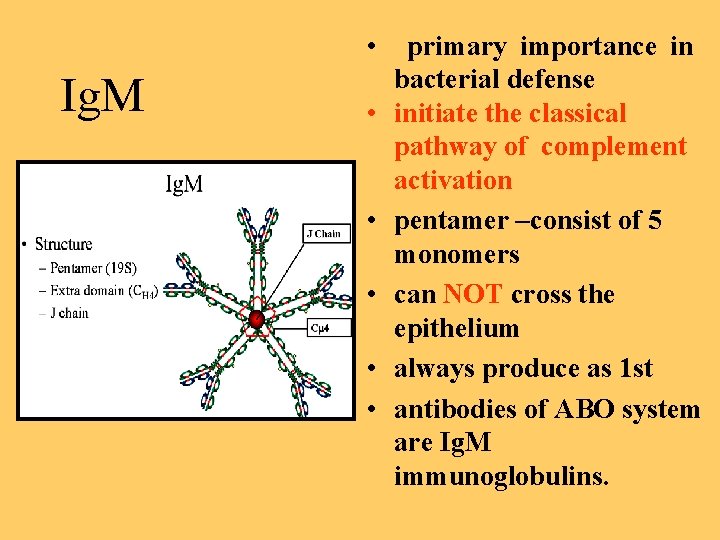
• Ig. M • • • primary importance in bacterial defense initiate the classical pathway of complement activation pentamer –consist of 5 monomers can NOT cross the epithelium always produce as 1 st antibodies of ABO system are Ig. M immunoglobulins.
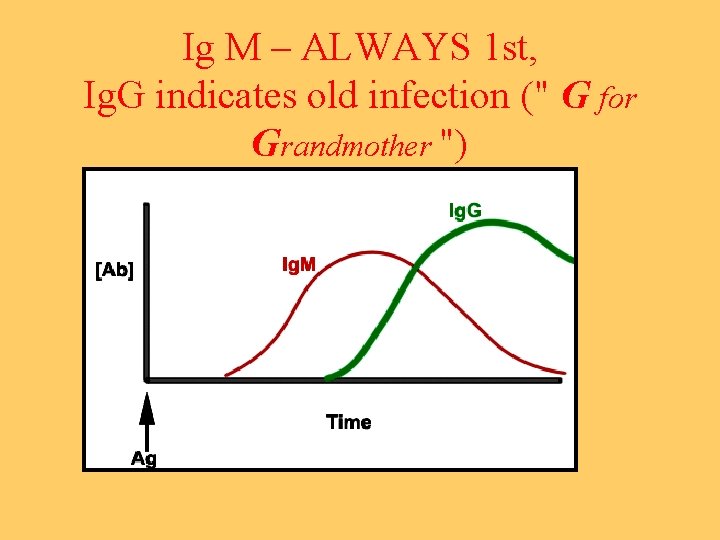
Ig M – ALWAYS 1 st, Ig. G indicates old infection (" G for Grandmother ")

Ig. A Function • Provides „mucosal immunity” • found in various secretions, such as mucus (respiratory and digestive tract), blood, saliva, milk ( COLOSTRUM !). tears, and fluids secreted into the genitourinary and digestive tracts. • Ig. A antibodies provide defense against pathogens that contact the body surface or are ingested or inhaled. • Monomer or dimer or trimar ( we discuss DIMERIC Ig A) • Ig. A does NOT activate the complement-has NOT properties to kill bacteria • They prevent bacteria to adhere to mucosa, they neutralize viruses and toxines
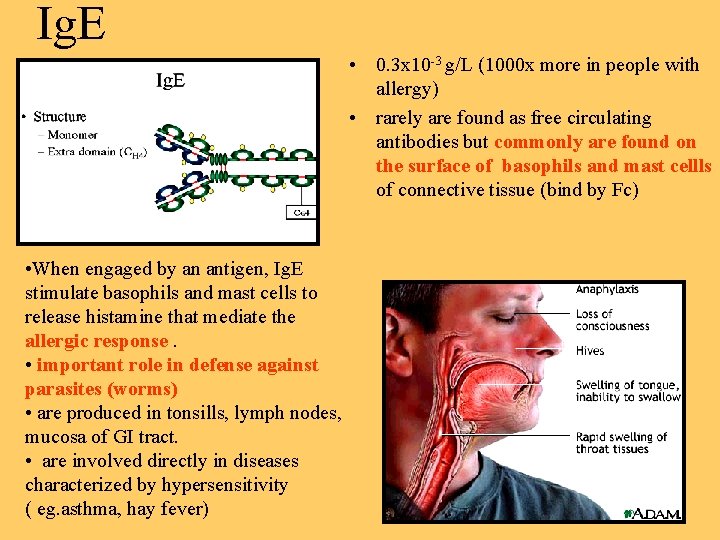
Ig. E • 0. 3 x 10 -3 g/L (1000 x more in people with allergy) • rarely are found as free circulating antibodies but commonly are found on the surface of basophils and mast cellls of connective tissue (bind by Fc) • When engaged by an antigen, Ig. E stimulate basophils and mast cells to release histamine that mediate the allergic response. • important role in defense against parasites (worms) • are produced in tonsills, lymph nodes, mucosa of GI tract. • are involved directly in diseases characterized by hypersensitivity ( eg. asthma, hay fever)
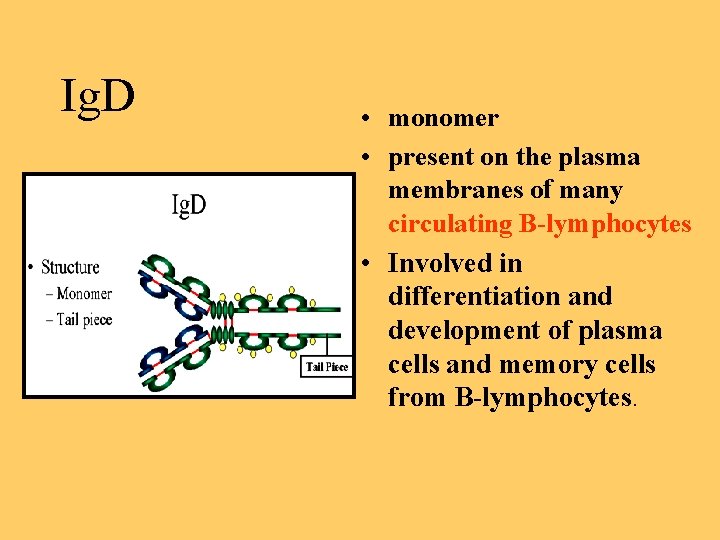
Ig. D • monomer • present on the plasma membranes of many circulating B-lymphocytes • Involved in differentiation and development of plasma cells and memory cells from B-lymphocytes.
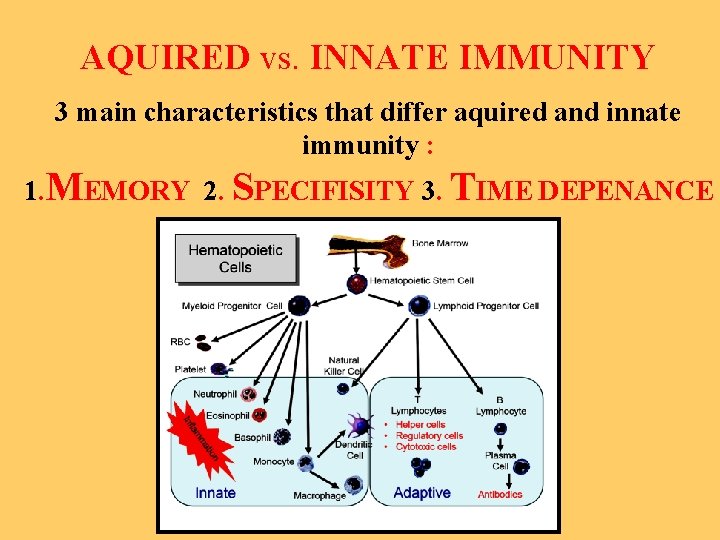
AQUIRED vs. INNATE IMMUNITY 3 main characteristics that differ aquired and innate immunity : 1. MEMORY 2. SPECIFISITY 3. TIME DEPENANCE
- Slides: 40